DD
MM
YYYY

PAGES

DD
MM
YYYY

spot_img

PAGES

Home Blog Page 2447

Qubetics Tokens Sold to Over 11,500 Holders at $0.0377 as NEAR Protocol Scales Efficiently and Celestia Pushes Modular Innovation

0

As December 2024 unfolds, the cryptocurrency market is buzzing with activity. NEAR Protocol (NEAR) is gaining traction with its innovative approach to blockchain scalability, attracting significant attention from investors and developers alike. Similarly, Celestia (TIA) is making headlines with its modular blockchain architecture, positioning itself as a promising player in the crypto space.

Amidst these developments, Qubetics ($TICS) is carving out its niche by addressing challenges that earlier cryptocurrencies have struggled to overcome. By focusing on user-friendly solutions and seamless integration with existing financial systems, Qubetics aims to make cryptocurrency transactions as straightforward as traditional payment methods. This approach not only simplifies the user experience but also bridges the gap between digital and fiat currencies, fostering broader adoption among businesses and individuals.

Qubetics ($TICS): Revolutionizing Digital Transactions

Qubetics is on a mission to streamline digital asset management with its Non-Custodial Multi chain Wallet. This innovative wallet integrates seamlessly with major financial platforms like Apple Pay and Google Pay, making crypto transactions as simple as swiping a card. By eliminating the complexities often associated with digital assets, Qubetics is paving the way for everyday use of cryptocurrencies.

Imagine a freelancer working with clients worldwide. With Qubetics, they can receive payments in various cryptocurrencies, which are automatically converted into their preferred fiat currency at the point of sale. This feature protects them from market volatility and ensures they receive the exact amount expected, without the need to manually convert or worry about fluctuating exchange rates.

As of now, Qubetics is in its 14th presale stage, having sold over 372 million tokens to more than 11,500 holders, raising upwards of $7.5 million. Tokens are currently priced at $0.0377, with a 10% price increase anticipated in the upcoming 15th stage this weekend. This presents a timely opportunity for investors to join before the next price surge.

NEAR Protocol (NEAR): Aiming for New Heights

NEAR Protocol has been making significant strides in the crypto market. Recently, NEAR has gained attention for its efficient Layer 1 scaling solutions, offering a decentralized platform that addresses scalability challenges while maintaining security and decentralization.

For developers and businesses, NEAR offers a scalable and flexible platform to build decentralized applications (dApps). Its unique sharding technology enables efficient communication and processing, fostering an ecosystem where data and assets can move freely across chains. This capability positions NEAR as a frontrunner in the race to create a truly interconnected blockchain landscape.

Investors looking for the best cryptos to buy in December 2024 should consider NEAR Protocol’s potential for growth. Its recent developments and technological advancements suggest that NEAR could be a strong addition to a diversified crypto portfolio.

Celestia (TIA): Modular Blockchain Innovation

Celestia has recently garnered attention with its modular blockchain architecture, which separates data availability from execution layers to improve scalability. This innovative approach allows developers to construct efficient blockchain applications, making Celestia a promising player in the crypto space.

For developers and businesses, Celestia’s modular design offers the flexibility to build customized blockchains tailored to specific needs without compromising on security or scalability. This focus on modularity and efficiency has positioned Celestia as a noteworthy contender in the evolving blockchain ecosystem.

As the market shows bullish momentum, Celestia stands out as one of the best cryptos to buy in December 2024. Its innovative architecture and growing adoption signal a positive outlook for potential investors.

Conclusion

The cryptocurrency landscape in December 2024 presents a variety of promising opportunities. Qubetics is simplifying digital transactions with its user-friendly wallet, NEAR Protocol is pushing the boundaries of blockchain scalability, and Celestia is introducing modular innovations to enhance efficiency.

Based on the latest research, we recommend considering Qubetics ($TICS), NEAR Protocol (NEAR), and Celestia (TIA) as some of the best cryptos to buy in December 2024.

For More Information:

Qubetics: https://qubetics.com/

Telegram: https://t.me/qubetics

Twitter: https://twitter.com/qubetics

Nigerian National Petroleum Company Ltd (NNPCL) Set to Finalize $2bn Syndicated Loan – Report

0

The Nigerian National Petroleum Company Limited (NNPCL) is set to finalize a $2 billion syndicated loan to stabilize its finances and fund critical investments in new oil installations aimed at boosting crude oil production, Africa Intelligence has reported.

However, this development has sparked curiosity and debate, particularly as the state-owned oil company recently declared a profit of over N3 trillion ($3.9 billion) for 2023.

The loan, dubbed Project Leopard, is being raised in two tranches of $1 billion each. While the first tranche has already been concluded, the NNPCL is finalizing the second tranche to complete the financing. The crude oil-backed loan, which has been in the works since July, is aimed at restoring the NNPCL’s financial stability and enabling investments in oil infrastructure to increase crude oil output.

Speaking in July, NNPCL Group CEO Mele Kyari explained that the loan was a routine financing arrangement for the company’s business needs rather than a desperate move.

“We have no problem covering our gasoline payments. This is just money for normal business and not a desperate act. It will be a syndication with critical but regular partners who have been in business with our company to forward the cash,” Kyari said at the time.

The company has yet to make an official announcement regarding the deal’s finalization, and fresh efforts to obtain a response from NNPCL representatives have so far been unsuccessful. Chief Corporate Communications Officer Olufemi Soneye earlier stated that the company would adhere to due process and announce financing arrangements when ready.

The NNPCL’s decision to pursue a $2 billion loan has stirred curiosity, particularly following its declaration of over N3 trillion in profit for 2023. This profit figure, announced earlier in the year, marked a significant milestone for the company and was widely celebrated as evidence of improved efficiency and business management under Kyari’s leadership.

However, the contrast between the company’s reported profitability and its need to secure fresh funding has raised questions among industry stakeholders and the public.

Some analysts have suggested that the profit declaration, while impressive, may not fully capture the company’s liquidity challenges or the high costs of maintaining and expanding oil production in a capital-intensive sector. Additionally, critics argue that the NNPCL’s financial disclosures lack sufficient transparency to provide a clear picture of its fiscal health.

Boosting Crude Oil Production

The funds raised through Project Leopard are expected to support Nigeria’s goal of increasing crude oil production, a crucial revenue source for the country. The federal government has set an ambitious target of producing 2 million barrels per day (bpd) by the end of 2024, up from the 1.7 million bpd recorded in November.

NNPCL plans to use the loan to finance new drilling campaigns and upgrade existing oil installations, ensuring the company can meet its production targets.

“Our financing arrangements are typically announced through our financial advisers and arrangers. When the time comes, new financing transactions will be announced to the market,” Soneye said earlier.

The loan has attracted significant interest from key industry players, including Nigeria’s Oando Group, led by Adewale Tinubu, and the Abu Dhabi National Oil Company (ADNOC). Both entities declined to comment when contacted, while Afreximbank, which participated in NNPCL’s earlier financing efforts, also refrained from confirming its involvement.

In its earlier Project Gazelle, the NNPCL secured $3.175 billion in funding from a consortium that included Oando, Swiss trader Gunvor International, and Nigeria’s Sahara Energy Resources. However, the high interest rate of 11.58% on that loan drew criticism, including former Vice President Atiku Abubakar, who described the arrangement as “shady.”

By comparison, Nigeria’s recent Eurobond issue raised $1.5 billion at a slightly lower interest rate of 10.375%. Kyari has expressed optimism that the NNPCL will secure more favorable terms for Project Leopard, with the loan to be backed by the sale of 30,000-35,000 barrels of crude oil daily.

Transparency and Accountability Concerns

The NNPCL’s pursuit of external financing has reignited concerns about the transparency and accountability of its financial operations. Many have argued that a more detailed breakdown of the company’s financial health is needed to justify its reliance on external loans despite reporting substantial profits.

Atiku and other stakeholders have consistently called for greater scrutiny of the NNPCL’s operations, warning that opaque financial practices could undermine the company’s credibility and the broader Nigerian oil industry.

Michael Saylor Calls on The U.S to Adopt Bitcoin as A Strategic National Asset

0

American entrepreneur and business executive Michael J. Saylor, has called on the United States to adopt Bitcoin as a strategic national asset.

The executive chairman and co-founder of MicroStrategy, a company that provides business intelligence, mobile software, and cloud-based services, noted that such a move could bolster the dollar, tackle the national debt, and unlock trillions in economic value.

“A strategic digital asset policy can empower millions of businesses, drive growth, and create trillions in value,” Saylor said.

His proposal includes categorizing assets like Bitcoin as “digital commodities” and establishing clear rights and responsibilities for issuers, exchanges, and owners.

Saylor’s advocacy for Bitcoin adoption is grounded on the increasing adoption of the crypto asset by governments, institutions, and individuals worldwide. A case study is the Latin American country El Salvador, which adopted Bitcoin as a legal tender, that has so far yielded impressive returns in its Bitcoin investments, surpassing $119 million profit, as the crypto asset reaches a new all-time high.

The Central American nation which adopted Bitcoin as a legal tender in 2021, is reaping the rewards of its early commitment to the crypto asset. The country’s recent surge in Bitcoin investment is coming after it reported in August this year, a BTC holdings valuation of $400 million, up from an initial investment of $135 million.

Notably, MicroStrategy’s Chairman Michael Saylor has consistently expressed strong confidence in Bitcoin. “I’m sure that I will be buying Bitcoin at $1 million a coin probably $1 billion a day of Bitcoin at $1 million a coin,” he stated.

He argues that Bitcoin is not only a hedge against inflation but also a revolutionary asset that could reshape global financial systems. In a recent Yahoo Finance interview, he suggested the U.S. government could acquire approximately 5 million Bitcoin by liquidating its gold holdings, potentially controlling the world’s “reserve capital network.” The proposal comes as Bitcoin solidifies its position as the seventh-largest asset globally by market capitalization.

With Saylor’s own MicroStrategy holdings showing substantial gains of 70.72%, the company has held a total of 423,650 BTC acquired for $25.6 billion at $60,324 per BTC. Also, the company was one of the hottest stocks on the planet, but the rally intensified after Donald Trump’s election victory in November. MicroStrategy now controls about 2.1% of Bitcoin’s total 21 million supply.

The company’s Bitcoin acquisition strategy continues to be closely monitored as a benchmark for institutional adoption. Saylor’s suggestion for the US to adopt Bitcoin is coming amidst Trump’s plan to create a Bitcoin reserve in the U.S.

Announcing this move, Trump said,

“We are gonna do something great with crypto because we don’t want China, or anybody else but others are embracing it and we want to be ahead”. Trump said in response to a question about whether the U.S. will create a Bitcoin strategic reserve similar to its oil reserve.”

Proponents of creating a national Bitcoin reserve argue that doing so could help reduce the U.S. national debt without raising taxes and could strengthen the dollar by diversifying U.S. government holdings.

Coinbase Releases its 2025 Crypto Market Outlook

0

Coinbase has recently released its 2025 Crypto Market Outlook, highlighting several key trends and predictions for the coming year. One of the major events for Coinbase in 2024 was the State of Crypto Summit held on June 13th. This event featured key discussions on the future of money and the role of cryptocurrencies in the global economy. It was a significant gathering for industry leaders, investors, and enthusiasts to explore the latest trends and innovations in the crypto space.

Coinbase released a report on the crypto market outlook for 2025. The five most noteworthy areas include: stablecoins surpassing transactions; tokenization introduced on-chain; progress of cryptocurrency ETFs; DeFi entering a new era of innovation; and the new regulatory system — Wu Blockchain (@WuBlockchain) December 22, 2024.

 Here are some of Coinbase main points for 2025

Stablecoins: Coinbase predicts that stablecoins will continue to grow and become a cornerstone of the crypto market. They expect stablecoins to expand beyond trading and play a significant role in global capital flows and commerce.

Initially, stablecoins were mainly used to trade in cryptocurrency markets. However, their role has changed over the past years and has become popular. Currently, stablecoins play a significant role in global business and investment, which shows that they have become crucial for today’s economy.

Tokenization of Real-World Assets (RWAs): The tokenization of assets like real estate, commodities, and corporate bonds is expected to grow significantly. This trend is seen as a way to streamline financial transactions and mitigate risks. The use of tokenized assets as security in financial transactions is on the rise in many firms. They assist in controlling and addressing issues of operations efficiently and minimize risks. Tokenization is also expanding from its historical rise in the use of applications for US Treasury and Money Market funds.

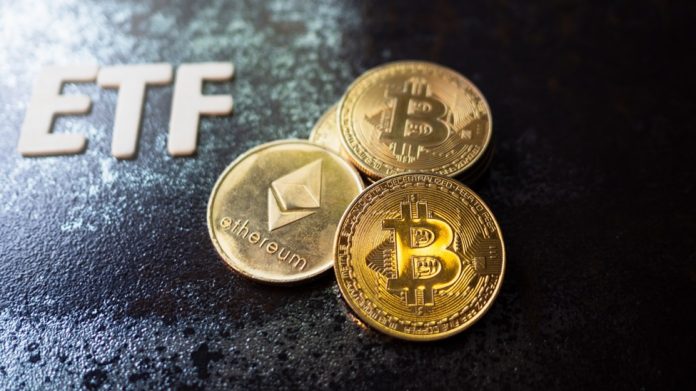
Crypto ETFs: The approval and success of crypto ETFs, particularly Bitcoin and Ethereum ETFs, are expected to attract significant capital inflows. Coinbase also anticipates potential regulatory changes that could further enhance the appeal of ETFs.

Decentralized Finance (DeFi): DeFi is projected to enter a new era of innovation, with increased total value locked (TVL) in lending protocols and a growing share of trading volumes on decentralized exchanges (DEXs).

While there have been issues in previous cycles, DeFi remains resilient. The total value locked (TVL) in different lending platforms has surpassed previous record levels. Decentralized exchange trading volumes represent a very significant proportion of the market share as compared to centralized exchanges.

Decentralized physical infrastructure (DePIN) projects and prediction markets are broadening the use of DeFi technologies. These developments demonstrate the versatility of decentralized finance. Changes in US regulations could also encourage institutional participation in DeFi. On-chain verification and clear rules may boost confidence among investors.

Role in Cryptocurrency Ecosystem

Coinbase has made it easier for both retail and institutional investors to enter the crypto space. Its user-friendly platform supports a wide range of digital assets, including Bitcoin, Ethereum, and many altcoins.

Advanced Services: For institutional clients, Coinbase offers advanced trading tools, custodial services, and access to deep liquidity through Coinbase Prime.

Security and Compliance: Coinbase emphasizes regulatory compliance and transparency, engaging proactively with regulators worldwide. Its compliance-first approach has enhanced trust and paved the way for broader institutional participation.

Global Reach: Coinbase serves over 100 countries and has launched innovative products like Coinbase Wallet, Coinbase Card, and a staking platform.

Regulatory Adoption in the USA

In the USA, cryptocurrencies are regulated by various federal and state agencies, including the SEC, CFTC, FTC, and the Department of the Treasury. Coinbase has been actively involved in navigating these regulations and advocating for clear and fair policies.

Legislative Efforts: Several bills have been introduced in Congress to provide regulatory clarity for digital assets. These include the Responsible Financial Innovation Act and the Digital Commodities Consumer Protection Act.

State-Level Regulations: Different states have their own regulations for cryptocurrencies. For example, Arizona has adopted a “regulatory sandbox” to support the development of fintech, blockchain, and cryptocurrencies.

Coinbase’s proactive engagement with regulators and its emphasis on security and compliance have positioned it as a leader in the cryptocurrency industry, helping to bridge the gap between traditional finance and the digital economy. A favorable regulatory environment is expected to drive market growth. Coinbase highlights the importance of clear and sensible regulations to support the crypto industry and protect consumers.

TikTok’s Future Uncertain as Trump Suggests Keeping The Platform For A Little While Amid Looming Ban

0

U.S President-elect Donald Trump has indicated interest to keep TikTok for a little while amid president Joe Biden plan to enforce a ban on the short-form video platform in less than a month.

Report by Reuters revealed that Trump made this comments before a crowd of conservative supporters in Phoenix, Arizona.

In his words,

“I think we’re going to have to start thinking because, you know, we did go on TikTok, and we had a great response with billions of views, billions and billions of views. They brought me a chart, and it was a record, and it was so beautiful to see, and as I looked at it, I said, ‘Maybe we gotta keep this sucker around for a little while”.

On Monday, Trump reportedly met with TikTok CEO and later commented that he has a “warm spot” for the app, underscoring its impact.

Trump’s remarks highlight TikTok’s influence in shaping public opinion, particularly younger demographics. TikTok, with its over 150 million U.S. users, has evolved from a simple social media app to a key player in influencing political narratives, particularly among younger audiences.

Political figures and campaigns have increasingly utilized TikTok’s algorithm-driven reach to connect with voters, share messages, and shape public discourse. Trump’s acknowledgment of the platform’s impact reflects this shift, as politicians leverage TikTok’s potential to amplify their voices and engage in a digital-first world.

Despite its popularity, TikTok has been at the center of a heated debate in the U.S. government. Lawmakers have raised concerns about TikTok’s ties to its Chinese parent company, ByteDance, and the potential for user data to be accessed by the Chinese government. These fears have led to ongoing discussions about banning the app outright or forcing a divestiture to ensure U.S. data security.

TikTok’s future in the U.S. has been uncertain since President Joe Biden signed a bill in April requiring its parent company, ByteDance, to sell the platform by January 19, 2025, or face a nationwide ban.  Recently, the U.S. Court of Appeals for the District of Columbia denied TikTok’s emergency request to delay enforcement of its ban, leaving the company with little choice but to escalate the matter to the Supreme Court.

The Chinese platform had argued in their emergency motion that immediate enforcement of the law would “shut down one of the nation’s most popular speech platforms for its more than 170 million monthly users in the U.S.”

With a recent filing at the Supreme Court, TikTok is asking the justices to block the law. In the filing, TikTok’s legal team called the legislation an “unprecedented speech restriction” that would shutter one of America’s most vibrant platforms for political discourse, artistic expression, and commerce.

TikTok, the widly popular social media app owned by Chinese tech firm ByteDance, finds itself at a critical juncture in its fight to remain operational in the United States.

Facing the prospect of a nationwide ban under the newly enacted Protecting Americans from Foreign Adversary Controlled Applications Act, TikTok is pursuing two avenues for survival: a legal appeal to the U.S. Supreme Court and an apparent outreach to President-elect Donald Trump, who has had a complicated history with the platform.

The legislation, signed into law earlier this year, effectively gives TikTok an ultimatum to divest its Chinese ownership or be banned by January 19, 2025. Under the law, Apple and Google would also be required to remove TikTok from their app stores, effectively cutting off the platform’s 150 million U.S.-based users. This two-pronged pressure has forced TikTok to explore both legal and political strategies to avert a shutdown.

On the same day it filed its Supreme Court appeal, TikTok CEO Shou Zi Chew met with President-elect Donald Trump at Trump’s Mar-a-Lago resort in Palm Beach, Florida. The meeting suggests that TikTok is also pursuing a political strategy to survive the looming ban.

TikTok is contesting its proposed ban in court, and the Supreme Court is set to hear arguments on the matter on January 10. Until then, the fate of the app and its millions of American users hangs in the balance.