DD
MM
YYYY

PAGES

DD
MM
YYYY

spot_img

PAGES

Home Blog Page 2502

Dangote Refinery Exports First Batch of Petrol to Cameroon Amid Low Patronage in Nigerian Market

0

The Dangote Petroleum Refinery has announced its first export of premium motor spirit (PMS), commonly referred to as petrol, to Cameroon. This landmark achievement, accomplished in collaboration with Neptune Oil, a Cameroonian energy firm, underscores a strategic pivot by the refinery as it seeks to expand its market reach beyond Nigeria.

In a statement released on Wednesday, Dangote Refinery highlighted the export as a milestone in regional energy integration, aimed at meeting Africa’s rising energy needs and strengthening economic ties between Nigeria and its neighbors.

“This milestone, resulting from a strategic collaboration between the two companies, underscores their commitment to strengthening economic ties between Nigeria and Cameroon while meeting the region’s growing energy demands,” the statement read.

Aliko Dangote, President and CEO of Dangote Group, emphasized the significance of this export in advancing Africa’s energy independence.

“With this development, we are laying the foundation for a future where African resources are refined and exchanged within the continent for the benefit of our people,” Dangote said.

Antoine Ndzengue, director and owner of Neptune Oil, celebrated the collaboration as a turning point for Cameroon.

“By becoming the first importer of petroleum products from this world-class refinery, we are bolstering our country’s energy security and supporting local economic development,” Ndzengue said.

He added that bypassing international intermediaries in the transaction underscores both companies’ commitment to ensuring efficiency and independence in energy trading.

Low Domestic Patronage

Despite its monumental capacity to revolutionize Nigeria’s oil and gas sector, the Dangote Refinery has reportedly faced challenges in securing adequate patronage from the Nigerian oil market. This subdued local demand, attributed to factors such as the deregulated fuel market and a competitive industry dominated by imports, has pushed the refinery to explore international opportunities.

Last month, the refinery commenced exporting petrol to West Africa.

Industry analysts suggest that Nigerian oil marketers have been slow to adopt products from the refinery due to concerns about pricing and distribution logistics, leaving the facility underutilized despite its potential to meet the country’s energy demands.

Nigeria’s trade with Malta reached an all-time high in the third quarter of 2024, with imports valued at N766.81 billion, according to the latest data from the National Bureau of Statistics (NBS). This suggests an increase in the importation of petroleum products.

In October, Dangote appealed to Nigerian marketers to lift oil from his refinery, adding that the plant has more than enough.

“I assured Mr. President, we will be able to supply the market a minimum of 30 million liters per day, and we’ll be ramping up as we go on. So, we’re ready. We’re more than ready.

“What I’m saying is that the retailers should please come forward and load our products.

“I expect either NNPCL or the marketers to stop importing; they should come and buy our products because we have what they need. And you know, as they move, I will be pumping.

“I don’t know whether you understand what it takes to have 500 million liters inside our tank. It’s costing me money every day.

“And you are talking about 500 million, you know, I mean, we don’t print money. But the issue is that if they come and collect, then you will not see any queues in the filling stations,’ Dangote,” said.

Against this backdrop, the refinery’s export to Cameroon marks another deliberate move to tap into markets outside Nigerian shores, providing an alternative revenue stream while bolstering its operations.

The partnership with Neptune Oil is more than a one-off transaction. Both companies have expressed a shared vision of creating a reliable fuel supply chain to stabilize prices and foster economic growth across West and Central Africa.

The export demonstrates the refinery’s ability to meet international standards, casting a spotlight on the challenges it faces at home.

This reliance on imported petroleum products has been a sore point for Nigeria’s energy sector, with stakeholders calling for more incentives to promote the consumption of locally refined products.

With the export to Cameroon, the refinery reinforces its role as a key player in reducing Africa’s dependency on foreign-refined petroleum products.

However, energy analysts have noted that although the refinery continues to expand its footprint, the success of its export strategy will likely hinge on its ability to overcome domestic challenges, gain the trust of Nigerian oil marketers, and establish itself as a competitive force both within and beyond Nigeria’s borders.

It is believed that this milestone, achieved despite domestic setbacks, is a promising step toward realizing a self-reliant and integrated African energy market.

3MTT: What Will Happen to All These Hackathon Projects?

0
Screenshot

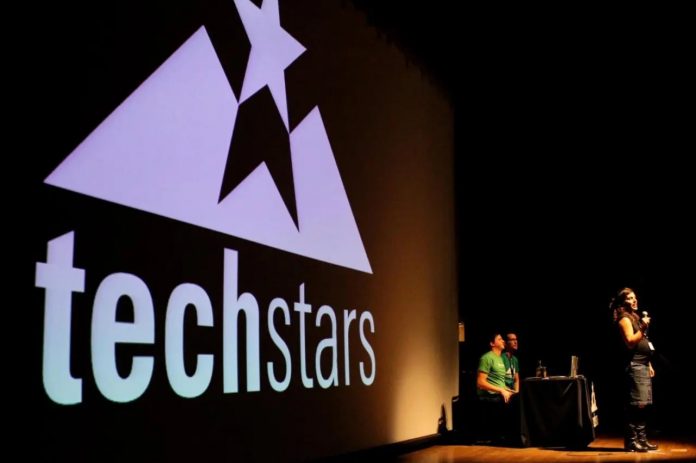
The 3MTT programme has emerged as a beacon of youth empowerment and technological innovation in Nigeria, fostering creativity and providing a platform for groundbreaking ideas. In 2024, the hackathon component spotlighted a diverse array of projects, from waste management solutions to healthcare innovation, highlighting the untapped potential of young minds in addressing societal challenges. Yet, a lingering question persists: what will happen to these promising projects? For the 3MTT initiative to achieve lasting impact, we must explore how to transition these ideas from prototype to scalable solutions and what this means for Nigeria’s innovation ecosystem.

Ideas Born in Hackathons: A Glimpse into Innovation

At the heart of 3MTT’s hackathons are stories of ingenuity and resilience. Take, for example, Farida Sulayman’s app connecting users with waste collectors to improve waste management efficiency, or Yusuf Nasir’s HealStoc, a digital health platform for rural communities that combines telemedicine with a cloud-based information system. These innovations demonstrate not only a deep understanding of societal needs but also the ability to leverage technology for transformative outcomes.

Other standout projects include Ibrahim Laweso’s platform which connects farmers directly to buyers while providing access to loans and grants, and Blessing Nnamani’s child abuse reporting platform, which uses USSD and mobile applications to address underreporting while maintaining user privacy. Each of these innovations addresses critical gaps in sectors such as agriculture, healthcare, and social welfare, showcasing the potential to make a lasting difference.

The Gap Between Potential and Reality

Despite their promise, hackathon projects often face significant challenges in moving beyond the ideation phase. Many stall due to a lack of funding, mentorship, or access to resources. Farida’s app, for instance, will require partnerships with municipal waste authorities to scale effectively. Similarly, HealStoc needs robust infrastructure to support telemedicine in remote areas with limited internet connectivity.

Without a strategic framework to nurture these projects, there’s a risk that the talent and effort invested will yield little beyond the hackathon stage. This is not just a loss for the innovators but for the country, which stands to benefit from solutions tailored to its unique challenges.

Transitioning from Prototypes to Scalable Solutions

To bridge this gap, a multi-pronged approach is essential, addressing scalability, funding, mentorship, policy support, and community engagement.

Funding and Investment: Access to capital is critical. Government and private sector partnerships can play a pivotal role in providing grants or seed funding. For instance, HealStoc could secure partnerships with health organizations or NGOs focused on rural healthcare, while Ibrahim’s agricultural platform could attract investments from agribusinesses or microfinance institutions.

Mentorship and Capacity Building: Hackathon participants need guidance to refine their ideas and align them with market demands. Incorporating post-hackathon incubation into the 3MTT programme would ensure sustained support, offering training in business development, marketing, and user-centric design.

Policy and Institutional Support: Innovations like Blessing’s child abuse reporting platform or Farida’s waste management app would thrive with institutional backing. Governments and agencies must integrate these solutions into their systems, providing the necessary infrastructure and regulatory support to ensure adoption.

Technology and Infrastructure: Projects such as FRIXION, which connects service seekers with providers, and Chukwuemeka Noble Odoh’s cybersecurity solution, rely on digital infrastructure. Investing in internet accessibility, cloud computing, and local language integration would make these solutions more inclusive and widely adopted.

Community Engagement and Awareness: Building trust and ensuring widespread adoption requires effective communication and community outreach. Platforms like HealStoc could benefit from user feedback loops, while Farida’s app might achieve higher adoption through public awareness campaigns about the benefits of timely waste collection.

Building a Legacy of Impact

The hackathon projects of 2024 have set a high bar, demonstrating the ingenuity of Nigerian youth and their capacity to solve real-world problems. But their true success will be measured by their ability to scale, sustain, and create lasting impact.

The 3MTT programme must now evolve, not just as a platform for ideation but as an engine for innovation that addresses systemic challenges and empowers young Nigerians to drive change. This can create a legacy of impact that extends far beyond the hackathon stage, reshaping Nigeria’s socio-economic landscape and positioning the country as a global hub for innovation.

The question of “What will happen to all these hackathon projects?” is not just a query but a challenge to all stakeholders — a call to action to ensure these ideas reach their full potential. The future of 3MTT and the promise of these innovations depend on it.

Can RCO Finance Race from $0.07 to $1 Faster Than XRP and Solana Powered Their Legendary Upswings?

0

The crypto market has seen its fair share of meteoric rises, with XRP and Solana being prime examples. A new player on the scene, RCO Finance, aims to replicate and potentially surpass the legendary upswings of these established tokens.

As the market awaits its official launch, Can RCO Finance race from $0.07 to $1 faster than its high-flying predecessors? Find the details below!

RCO Finance Rallies Ahead of 2025 With Improved Use Cases

For investors that missed the legendary upswings of XRP and Solana, RCO Finance is not poised to replicate, but it’s also rewriting DeFi potential with innovative features. Designed to bridge traditional and decentralized finance, RCO Finance is a complete ecosystem offering real-world asset tokenization, catering to the diverse needs of every investor.

RCO Finance features a sophisticated robo-advisor designed to create personalized investment profiles for its clients. Like a traditional investment advisor, this system aligns with individual needs by considering investment timelines, risk tolerance, and financial goals, all while analyzing current market data in real-time.

With access to over 12,500 asset classes and 120,000 trading instruments, RCO Finance allows traders to diversify their portfolios significantly. With trading options reaching as high as 1,000:1, investors can confidently pursue ambitious financial goals.

Prioritizing user privacy, RCO Finance does not require KYC processes, allowing traders to operate without revealing personal information. This commitment to privacy enhances security and simplifies the trading experience.

Additionally, routine smart contract audits conducted by SolidProof ensure that users can trust their funds and that they are secure within this AI trading platform.

Solana Continues Downward Despite Spot ETF Shouts

Solana (SOL) has dropped 7% in the last seven days, falling below $225 as inflationary pressures and bearish sentiment weigh on the market. The token has retraced 15% from its $263 high, testing critical support near $210. At the same time, SOL remains above its 50-day moving average, the RSI at 41 shows weakening buying pressure.

Whale activity has slowed, raising concerns about short-term volatility. Analysts predict SOL must reclaim $230 to revive bullish momentum, with potential resistance near $245. A break below $210 could extend losses to $200, though institutional interest in Solana-based ETFs offers hope for mid-term recovery as the ecosystem expands.

XRP Declines After Failing To Gather Key Support

Ripple (XRP) has faced a 12.3% price decline over the past week, retreating to $2.10 after a bullish rally in November. The XRP token is testing support at its 50-day moving average of $2.05, and failing to hold this level could trigger a drop below $2.00. RSI levels at 46 indicate a neutral-bearish trend, suggesting reduced buying momentum.

Analysts remain divided, with short-term projections of XRP leaning bearish due to profit-taking. However, XRP’s long-term outlook is supported by ongoing developments like RLUSD and growing institutional interest in cross-border payment solutions.

RCOF Presents Attractive Offer For Investors

As 2025 approaches, RCO Finance offers an exciting opportunity for investors to acquire its presale tokens at a discounted altcoin price of just $0.0777. With over $9 million raised in its ongoing token presale, public confidence in RCOF continues to grow.

Market experts say the RCOF token can peak at $0.60 or even reach $1. This means investors who get in now could see an astonishing 1000x increase post-launch.

And here’s the best part: you can enjoy a 25% discount on your purchase using the promo code RCOF25!


For more information about the RCO Finance (RCOF) Presale:

Visit RCO Finance Presale

Join The RCO Finance Community

Access Bank Moves to Acquire South Africa’s Bidvest Bank in A $159m Deal

0

Access Bank Plc, Nigeria’s largest financial institution by assets, has made a bold move to acquire Bidvest Bank Holdings Ltd. in South Africa for approximately 2.8 billion rand ($159 million).

This acquisition reflects the bank’s strategy to deepen its footprint in Africa’s most advanced economy while pursuing a transformative five-year growth plan that aims to make it one of the continent’s top five banks by 2027.

The deal was announced by Access Bank’s Managing Director, Roosevelt Ogbonna, who highlighted the importance of South Africa in the bank’s overall growth trajectory.

“This acquisition supports our ambition to expand across Africa and solidify our presence in key markets, with South Africa being a top priority,” he said.

Bidvest Bank, a subsidiary of Bidvest Group Ltd., specializes in fleet management, leasing, and foreign exchange services. Access Bank not only gains a foothold in South Africa but also enhances its service capabilities in a region central to African trade and commerce by acquiring this established institution.

Access Bank’s Expanding Footprint Across Africa

The acquisition of Bidvest Bank complements Access Bank’s robust presence across 23 countries, spanning Africa, the Middle East, and Europe. Within Africa, the bank has established operations in key markets, including Ghana, Kenya, Zambia, Rwanda, Gambia, Sierra Leone, and Mozambique. This extensive network positions Access Bank as one of the most geographically diversified financial institutions on the continent.

The bank’s foray into South Africa builds on a series of strategic moves aimed at fostering regional connectivity and financial inclusion. Its presence in East Africa, through operations in Kenya, Rwanda, and Tanzania, has been instrumental in driving digital banking and regional trade support. Similarly, in West Africa, Access Bank’s operations in Ghana and Sierra Leone serve as key nodes for trade finance.

Facilitating Cross-Border Payments

Access Bank’s growing African footprint is expected to facilitate seamless cross-border payments across the continent. With Africa’s growing emphasis on regional integration, particularly under the African Continental Free Trade Area (AfCFTA), the bank’s extensive network is expected to play a pivotal role in easing financial transactions between African countries.

Access Bank’s expansion is particularly significant in a continent where businesses and individuals often grapple with fragmented payment systems. Financial analysts believe the bank is well-positioned to address these challenges, making cross-border trade and remittances more accessible and cost-effective by leveraging its presence in multiple countries and its partnerships with key financial institutions.

Global Growth

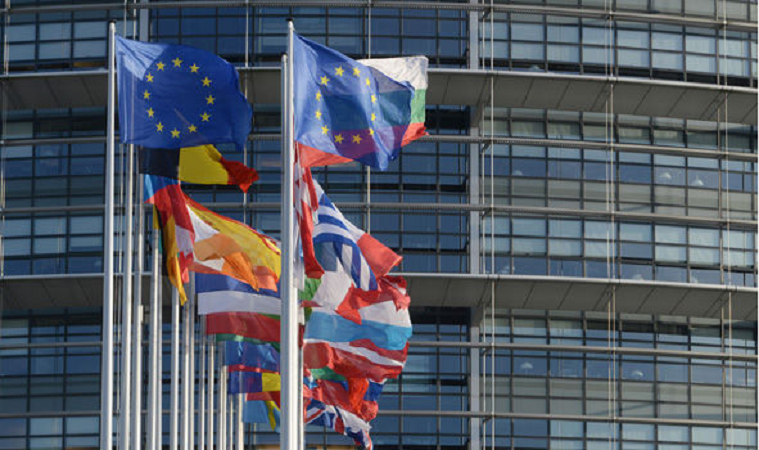
Beyond Africa, Access Bank has extended its reach to other global markets. Recently, it launched operations in Malta, following approvals from the European Central Bank and the Malta Financial Services Authority. This complements its established presence in the United Kingdom, the United Arab Emirates, and other key financial hubs, further boosting its ability to support African businesses with international operations.

The sale of Bidvest Bank aligns with the Bidvest Group’s strategic decision to focus on its core businesses in hygiene, facilities management, and product distribution. Bidvest has also announced plans to sell other financial service assets, including FinGlobal to Momentum Group Ltd., and is nearing an agreement for the sale of Bidvest Life to a life insurer.

Access Bank’s acquisition of Bidvest Bank is a significant milestone in its mission to rank among Africa’s leading financial institutions. Its presence in South Africa, one of the continent’s largest and most dynamic economies, is expected to enhance its corporate and retail banking capabilities.

Moreover, the bank’s growing African footprint and focus on cross-border payment solutions align with broader efforts to integrate African economies. With its ambition to double its share of assets outside Nigeria and rank among Africa’s top five banks by 2027, strategic acquisitions, such as Bidvest Bank, and its focus on regional connectivity position, have been lauded by industry experts.

As Elon Musk Touched $400B Net Worth, He Dropped a Lesson for ALL: Ubuntu

0

Elon Musk has touched alpha as his net worth has reached $400 billion: “Elon Musk, the world’s wealthiest individual, has crossed an extraordinary threshold, becoming the first person to reach a net worth of $400 billion”. He is possibly on his way to $1 trillion.

Musk’s skyrocketing fortune, fueled by a combination of surging Tesla stock prices, SpaceX valuation gains, and strategic positioning in the wake of Donald Trump’s presidential win, is cementing his trajectory toward becoming the world’s first trillionaire—a historic milestone that seems increasingly within reach.

Musk’s net worth surged to $447 billion following an insider share sale of SpaceX, which boosted his fortune by approximately $50 billion, and Tesla’s stock hitting an all-time high of $424.77. His one-day wealth jump of $62.8 billion is the largest on record, according to the Bloomberg Billionaires Index. This remarkable increase underscores Musk’s dominance in wealth accumulation, as he has added $218 billion to his fortune in 2024 alone, outpacing any other billionaire by a wide margin.

That is the news today, but there is another important thing Musk did which few have discussed at scale. Musk bought Twitter (now called X), and opened holes in people’s finances, as the valuation of X has since lost to the gravity of value destruction. But this guy did something uncommon: he moved a huge percentage of shares from xAI (his AI company) to enable those who followed him in Twitter to be made whole. (Those investors are now smiling).

In other words, instead of seeing his Twitter investors crying, Musk said: listen, you trusted me and came along with me. Twitter did not fly because things happened, but I have another better “bird”, take it, and with this, you will be fine.

Would you NOT invest and support someone with that mindset?  He taught me a lesson that no management book can teach: it is beyond the written agreements, to being humans who want the rise of all. What most people do is this: Twitter is ours, xAI is mine. But here: you can see a guy who wants those around him to win with him. I salute that spirit.

In a “historic first,” Elon Musk’s net worth has surpassed $400 billion. “The latest milestone for the world’s richest individual” follows an insider share sale reported to value his rocket and satellite company SpaceX at about $350 billion, reports Bloomberg, citing an internal email. That’s a big jump from an expected valuation of about $255 billion a month ago, and nearly double its valuation a year ago. The number puts SpaceX on par with some of the world’s largest publicly traded companies. Musk’s other primary assets — Tesla and xAI — recently reached records of their own.