DD
MM
YYYY

PAGES

DD
MM
YYYY

spot_img

PAGES

Home Blog Page 2698

Jack Dorsey’s TBD Decentralized Project to Discontinue Development 

0

In a surprising turn of events, Jack Dorsey’s ambitious decentralized bitcoin/Web development project has been officially discontinued. This project, known as TBD, was part of a broader initiative by Block, formerly Square, to revolutionize the internet with a new layer of identity and trust built atop Bitcoin. Launched in 2021, TBD aimed to create decentralized identity apps and re-envision global payments and commerce through its tbDEX project.

Jack Dorsey has been a vocal advocate for a decentralized internet, a vision he believes can be realized through what he calls ‘Web5’. This initiative is an evolution of the internet that aims to return control and ownership of data back to the users, a stark contrast to the current centralized systems where tech giants hold significant power over user data.

Dorsey’s critique of the current state of the internet, including Web2 and the emerging Web3, is that they are still too centralized. Web2 saw the rise of platforms like Google and Facebook, which centralized user data and content, while Web3, despite its decentralized promise, is perceived by Dorsey as being too heavily influenced by venture capitalists and limited partners, leading to a new form of centralization.

Dorsey’s Web5 aims to address these concerns by leveraging the Bitcoin blockchain to create a truly decentralized web platform. Dorsey’s approach with Web5 is to build an ‘extra decentralized’ web platform that not only decentralizes data and content but also decentralizes identity. The goal is to enable users to own their data and identities without the need for intermediaries.

Despite the potential to transform the digital landscape, TBD faced significant challenges. The project’s closure seems to be a strategic move by Block to refocus its resources on more profitable ventures. According to recent reports, Block is now redirecting its efforts towards the development of Bitcoin mining hardware, following strong Q3 profits and securing a deal with Core Scientific for its new 3nm mining chips.

The decision to wind down TBD reflects the volatile nature of the tech industry, where innovation must be balanced with financial viability. Dorsey’s vision for a decentralized web—dubbed ‘Web5’—promised to reinvent the internet by enabling users to own their data and identities. However, the lack of clear monetization strategies and the need to cut costs have led to the project’s end.

Despite the ambitious nature of Web5, it faces challenges, especially in terms of widespread adoption and the development of a sustainable ecosystem around it. However, the idea of a decentralized web aligns with the original ethos of the internet—a free and open space for all, without gatekeepers controlling access and data.

The closure of TBD marks the end of an era for Dorsey’s crypto ambitions but also signals a new direction for Block. The company’s focus on Bitcoin mining hardware development suggests a shift towards infrastructure that supports the growing demand for cryptocurrency mining solutions. This move aligns with the current trend of Bitcoin prices reaching new all-time highs, emphasizing the importance of accumulating coins and providing secure storage options outside centralized platforms.

The foundation of Web5 is coined on the belief that Bitcoin, with its robust and secure blockchain, is the ideal platform to support this new internet. Dorsey’s vision includes decentralized identity apps that allow users to control their personal data and share it securely. This would also extend to global payments and commerce, potentially transforming how transactions are conducted online.

As the tech world continues to evolve, the discontinuation of TBD serves as a reminder of the challenges faced by companies attempting to innovate in the rapidly changing landscape of the internet and cryptocurrency. While the dream of a decentralized web may be on hold, the pursuit of new frontiers in technology continues unabated. The legacy of TBD will live on as a testament to the bold vision of its creators and the ever-present quest for innovation in the digital age.

FTX’s $1.8 Billion Lawsuit Against Binance and Changpeng Zhao

0

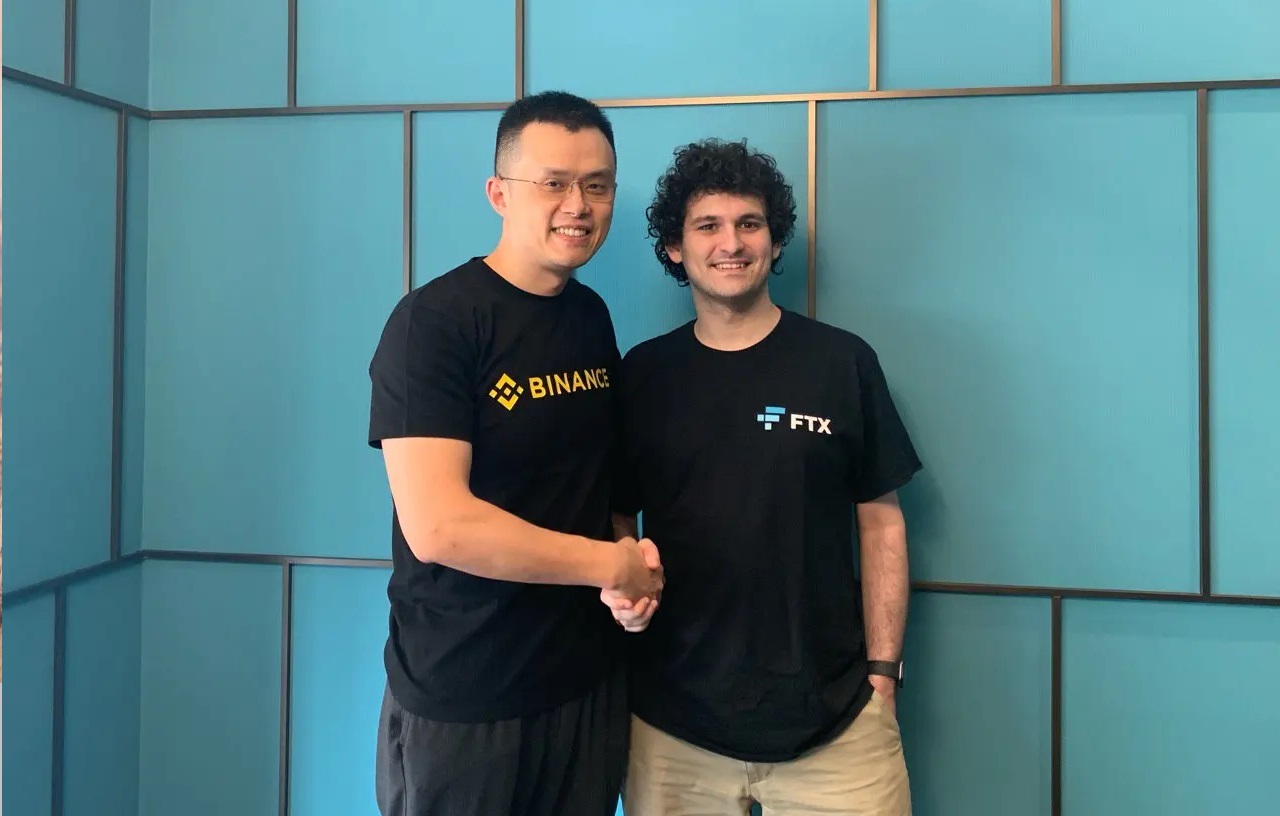
In a dramatic turn of events that underscores the volatility and complex legal landscape of the cryptocurrency world, FTX, once a titan in the digital currency exchange market, has filed a lawsuit against Binance, the world’s largest cryptocurrency exchange, and its former CEO, Changpeng Zhao. The lawsuit seeks a staggering $1.8 billion in damages, alleging fraudulent transfer of funds.

This legal battle is not just about the significant sum of money; it’s a narrative that encapsulates the rise and fall of industry giants, the perils of rapid expansion, and the intricate web of financial transactions that can quickly become contentious. The lawsuit stems from a 2021 transaction in which Binance sold its stake in FTX back to the company, a deal that FTX’s current administration claims was funded by insolvent means and should not have been allowed to proceed.

The case has sent ripples through the financial and cryptocurrency communities, as it involves two of the most prominent figures in the industry. Sam Bankman-Fried, FTX’s founder, who was sentenced to 25 years in prison for his role in the company’s collapse, is a central figure in this saga. The lawsuit alleges that the share repurchase was funded by FTX’s Alameda Research division using tokens that had a then fair market value of $1.76 billion, despite Alameda being insolvent at the time.

Binance, led by the influential Changpeng Zhao, known as “CZ,” has responded to the allegations, stating that the claims are without merit and that they will defend themselves vigorously. The outcome of this lawsuit could have far-reaching implications for the cryptocurrency market, potentially setting precedents for how transactions are conducted, and disputes are resolved within the industry.

The primary claim is that Binance and Zhao were involved in a fraudulent transfer of $1.8 billion. This allegation relates to a 2021 transaction where Binance sold its stake in FTX back to the company, which FTX’s current administration asserts was funded by insolvent means and should not have been allowed to proceed.

FTX’s legal team argues that the share repurchase was financed by FTX’s Alameda Research division using a combination of the company’s and Binance’s exchange tokens, as well as Binance’s dollar-pegged stablecoin. The lawsuit claims that at the time of the share repurchase, Alameda Research was insolvent and could not afford to fund the transaction, labeling the deal agreed with FTX co-founder Sam Bankman-Fried as a “constructive fraudulent transfer”.

The lawsuit seeks to recover billions of dollars in funds for FTX creditors, asserting that the original deal was made fraudulently and with a “reckless disregard” for FTX’s customers. This case highlights the complexities and risks inherent in the cryptocurrency market and underscores the need for clear legal frameworks to govern such transactions. The outcome of this lawsuit will be closely monitored as it may set important precedents for the industry.

As the case unfolds, it will be closely watched by investors, regulators, and legal experts alike. The cryptocurrency market, known for its decentralized and often unregulated nature, may face new scrutiny and calls for oversight in the wake of this high-profile legal dispute. The FTX vs. Binance case could become a landmark in the maturation of the cryptocurrency industry, signaling a shift towards greater accountability and legal clarity.

For now, the industry watches and waits as the legal process takes its course. The outcome of this lawsuit will likely influence not only the two companies involved but also the broader landscape of digital finance. As the story develops, it will undoubtedly provide critical lessons for the future of cryptocurrency and the importance of robust legal frameworks in this rapidly evolving sector.

Building for the World – Navigating New Opportunities and Connecting Markets – Ndubuisi Ekekwe

0

This Saturday, beginning at 11am WAT for two hours, we will be having a business conversation on the fundamental elements of the market system, specifically focusing on business growth and opportunities,  through the integration of markets, via modern payments and broad financial services.

Yes, you are cordially invited to join me as I anchor Verve’s Cross Border Payments special knowledge series on a theme titled “Navigating New Opportunities and Connecting Markets”.  My topic is “Building for the World – Navigating New Opportunities and Connecting Markets”, and I do hope to provide a direction on how to build, scale and thrive as a small- or medium-scale enterprise in Nigeria and broad Africa. After my six-section presentation, we will have Q/As:

–          The Mission of Firms and Why We Build

–          Opportunities and Playbook of Builders

–          Modern Business Models and Tools of Commerce

–          Payment and Operating System of Commerce

–          Mechanics of Cross-Border Payment and Winning New Frontiers

–          Scaling and Growing into Africa and the World with Verve.

Amazing People, the grand expectation is that by attending this knowledge series, you will have the knowledge tools on how to scale across Africa and beyond. 

Register FREE here and join us here https://tinyurl.com/vervecbpwebinar

Coinbase’s Ascent to the Top as Tesla’s Bitcoin Holding Crosses $1B Mark

0

In a remarkable turn of events, Coinbase has ascended into the top echelons of the Appstore, reflecting not just the app’s growing popularity but also the broader resurgence in the cryptocurrency market. This achievement marks a significant milestone for Coinbase, which has seen its stock and app rankings soar amid a crypto market rally that has captured the attention of investors and enthusiasts alike.

The surge in Coinbase’s app ranking is a testament to the platform’s robustness and the increasing mainstream acceptance of cryptocurrencies. Starting the year outside the top 400, Coinbase has made a dramatic leap to the 70th position on the overall ranking and fourth place for US financial apps. This climb is indicative of a broader trend where digital currencies are gaining traction, not just as speculative assets but as legitimate components of the global financial system.

The “Trump trade” effect has been cited as a contributing factor to this phenomenon, with industries expected to benefit from the administration showing marked increases. The President-elect’s pro-crypto stance, including promises to replace the SEC Chair and develop a national Bitcoin reserve strategy, has undoubtedly played a role in bolstering market sentiment.

Tesla’s strategic investment in Bitcoin has once again borne fruit as the company’s holdings have surpassed the $1 billion mark. This significant financial milestone comes amidst a resurgent bull market in cryptocurrencies, reigniting investor interest and speculation.

The electric vehicle giant initially purchased $1.5 billion in Bitcoin in early 2021, a move that was met with both enthusiasm and skepticism from the market and industry observers. Despite the volatile nature of cryptocurrencies, Tesla’s investment has seen periods of substantial growth, particularly during market surges.

Tesla’s approach to its Bitcoin investment has been cautious yet opportunistic. After selling about 75% of its Bitcoin during a previous surge, Tesla still holds a substantial amount of the cryptocurrency, making it one of the largest corporate holders of Bitcoin. The recent market dynamics, influenced by factors such as political events and regulatory developments, have once again increased the value of Tesla’s holdings significantly.

The company’s foray into cryptocurrency represents a broader trend of corporate investment in digital assets, reflecting a growing recognition of their potential value as both an investment and a transactional currency. However, Tesla has not resumed accepting Bitcoin as payment for its vehicles, maintaining a watchful stance on the environmental impact of cryptocurrency mining.

Coinbase’s performance is closely tied to the fortunes of Bitcoin, which recently surged above the $89,000 mark. The correlation between cryptocurrencies and related stocks is evident, as Coinbase’s stock climbed above $300, a milestone not reached since November 2021. This alignment between the crypto market rally and Coinbase’s stock performance underscores the interconnected nature of the crypto ecosystem.

The rise in the Coinbase app’s ranking serves as an indicator of market sentiment, historically signaling peaks in market interest. Such was the case in past cycles during December 2017 and October 2021. Now, with Coinbase entering the top 20 free apps ranking on Apple’s US mobile store, it suggests a renewed peak in market interest, positioning the app ahead of other prominent players in the space.

Despite technical glitches that have affected the platform, Coinbase’s ascent in the app rankings has continued unabated. The company’s proactive approach to addressing these issues and ensuring user funds remain safe has helped maintain user trust and confidence in the platform.

Popular Meme Coins Of 2024: Shiba Inu, Floki And Yeti Ouro

0

Meme coins are back, reignited by a surge in Solana ecosystem tokens that have seen massive success in the past year. In 2024, POPCAT led the pack, gaining over 20,000%, while Ethereum-based MOG Coin gained nearly 5,000%.

However, investors are still bullish on two of the more seasoned memecoins—Shiba Inu and Floki—while the new utility-led project Yeti Ouro is grabbing their attention as the next potential 100X meme coin.

Shiba Inu Retains Investor Interest

It was once only seen as Dogecoin’s little brother, but those days are in the rearview mirror for Shiba Inu. The meme coin, which launched in 2020, has become a mainstay in the crypto ecosystem, and today, its $15 billion market cap has cemented its place in the top 20 cryptocurrency projects.

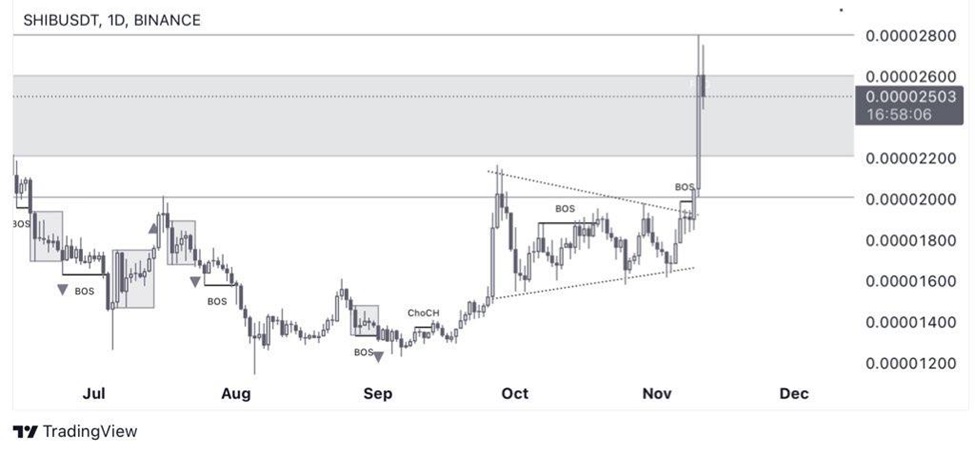
Shiba Inu has had a bumpy year. It started the year below $0.00008 and remained subdued up until March when the broader market bull run pushed it to a two-year high of $0.000036. However, the momentum faded shortly thereafter and it has been on a downtrend since, up until Donald Trump’s victory gave the market a much-needed push last week. It now trades just above $0.000025.

According to one analyst, if it holds above $0.00002, the meme coin could establish solid support and retest previous highs.

Yeti Ouro Captures Investor Interest

Savvy investors always identify the next big thing before the rest of the market and make a killing from it. This year, the project on investors’ radar is Yeti Ouro (YETIO), a memecoin that relies on utility for long-term sustainability.

Yeti Ouro is a new coin deployed on the secure and trusted Ethereum blockchain that marches the easygoing nature of crypto with the adrenaline of gaming.

Gaming is one of the highest-potential applications of blockchain technology. Yeti Ouro is tapping into this GameFi sector with Yeti Go, its explosive new play-to-earn (P2E) game that thrills and rewards. Built using Epic Games’ ubiquitous Unreal Engine, Yeti Go offers players a fast-paced racing environment where the goal is to outwit their opponents while dodging hazards and obstacles. Yeti Go aims to appeal to newbies who want to enjoy the thrill as well as ultra-competitive seasoned players.

The Yeti Go gaming ecosystem is anchored by YETIO. Players get to make purchases in-game and trade their skins, features and customisations on a player marketplace using YETIO, which drives up authentic demand and liquidity for the token. They also pay to enter new races and earn rewards for their victories in the YETIO token.

To further boost its long-term prospects, Yeti Ouro’s supply is capped at one billion tokens, unlike other memecoins whose supply is their biggest headwind, like Shiba Inu’s 589 trillion maximum supply. 50% of this supply has been allocated to a presale, which has already raised $260,000 in days.

Floki—From Musk’s Dog To $1.66 Billion Meme Coin

Floki is one of the many meme coins angled towards Tesla and SpaceX CEO Elon Musk. Launched in June 2021, it’s named after his dog. However, while its origin may have been merely for fun and jest, it has risen to become one of the most popular meme coins.

Floki commands a $1.67 billion market cap, outpacing more established projects like Maker and Algorand. This year, it hit its heights in June, trading at $0.0003202, but it has shed over half of this value in the four months since.

The meme coin has reversed its fortunes in the market bull run that was sparked by US elections. In the past week alone, it has gained 43% to bring its gains this year to 390%, twice as much as Shiba Inu and Dogecoin.

Conclusion

Investors are still highly interested in meme coins, which have traditionally had the highest gains in the crypto sector. While some are betting on the seasoned Shiba Inu, others are placing their money on Floki, a fun meme coin named after Elon Musk’s dog. However, savvy investors are looking ahead and investing in the next 100X meme coin, Yeti Ouro, which combines the fun of meme coins with play-to-earn gaming, making it one of the few meme coins with utility and boosting its long-term prospects.


Join the Yeti Ouro Community

Website: https://yetiouro.io/

X (Formally Twitter): https://x.com/yetiouro

Telegram: https://t.me/yetiouroofficial

Discord: https://discord.gg/YtUsEZ2ZrV