DD
MM
YYYY

PAGES

DD
MM
YYYY

spot_img

PAGES

Home Blog Page 2733

Invest in Celestia (TIA) or This New AI Crypto? Its 50X Upside Potential Outshines Struggling Kaspa (KAS)

0

The next bull market is just around the corner and investors couldn’t be more excited. However, instead of holding large caps with limited upside potential, investors have been doubling down on low-cap gems with bullish narratives. Topping this list is IntelMarkets (INTL), a new AI coin.

Its unique offering as an AI-powered trading platform sets the stage for massive adoption and growth. Primed for a 50x gain, it might be a more compelling alternative than Kaspa (KAS).

IntelMarkets (INTL): A Cheaper and More Promising Alternative

IntelMarkets (INTL), one of the new ICOs, is among the latest crypto sensations. It has been at the heart of the market buzz, raising over $1.6 million in record time, which has earned it praise of Q4’s best presale.

The ICO continues to sell out fast, currently in the fourth stage and heavily discounted. Investors have been scooping it up at $0.036 before the increase to 0.045 by the next round. Moreover, its 50x upside potential makes it a better pick than top altcoins like Celestia (TIA) and Kaspa (KAS).

Also sparking excitement besides its growth prospects is its AI-powered trading platform. It will take a different approach from conventional exchanges, featuring an AI-based blockchain. This will be a shift from the norms; its cutting-edge Rodeum AI is designed to identify market opportunities and automatically take profitable positions. Poised to transform the $3.2 billion global trading market, this is a new DeFi project to keep on the radar.

Celestia (TIA): Over 15% Decline in the Past 7 Days

Celestia (TIA) is a modular blockchain network. One of its many competitive advantages is that anyone can deploy their own blockchain with minimal overhead. Aiming to unlock new and unrealized possibilities for builders and developers, it is a blockchain-based project to watch out for.

However, the bulls seem to be having a week to forget. The Celestia price tumbled over 15% in the past 7 days, trading above $4.8. There has been a 6% downswing in the past month, sparking concerns among holders. While TradingView indicators like exponential moving average (10), at 5.180, signal “buy,” the Williams percent range (14) is ?83.033, hinting at a comeback.

Despite market uncertainties, Q4’s outlook is largely bullish; Celestia (TIA) is expected to cross its year-high of $20. At its current price, it might be a good crypto to buy, with savvy investors already buying the dip.

Kaspa (KAS): Further Decline?

Kaspa (KAS) is a proof-of-work (PoW) cryptocurrency, hailed by enthusiasts as the strongest contender against Bitcoin (BTC). Unlike traditional blockchains, it allows blocks to coexist and orders them in consensus. While it had an impressive third quarter, the fourth has been a far cry.

It registered an all-time high of $0.2 in August but has plummeted over 40% since then. The Kaspa price is down over 20% in the past 30 days and by 10% on the weekly chart, changing hands above $0.1. While the simple moving average (10) at 0.11860009 gives a “sell signal,” the Hull moving average (9) is at 0.11218657, giving a buy signal.

Considering its largely bearish outlook, investors have been looking beyond KAS. However, top analysts believe that a Kaspa (KAS) comeback is on the cards. An overall market rally will likely push it above $0.15, making it a top crypto to invest in.

Conclusion

IntelMarkets’ (INTL) massive growth prospects make it a more compelling alternative to Celestia (TIA) and Kaspa (KAS). Besides, it is cheaper, driving huge interest. Considering its future transformation of the crypto trading scene with AI, it is a promising wave not to miss.

Buy Presale

Website

Telegram


Nigerian Petroleum Marketers Move to Import Fuel As Pricing Rift With Dangote Refinery Lingers

0

In a bid to counter rising fuel costs, oil marketers in Nigeria have announced plans to import Premium Motor Spirit (PMS) at prices notably lower than those set by the Dangote Petroleum Refinery.

The marketers’ strategy responds to the high prices of locally refined petrol, which reportedly range between N1,015 and N1,028 per liter, depending on purchase volume. Meanwhile, data from the Major Energies Marketers Association of Nigeria (MEMAN) highlights a landing cost for imported PMS at N978.01 per liter as of October 31, 2024, with diesel and aviation fuel at N1,069.97 and N1,119.67 per liter, respectively.

Based on this, some energy analysts have argued that there is no way imported fuel could be cheaper than Dangote’s refined products unless it is subsidized.

The disparity between Dangote’s local prices and import costs has spurred interest among marketers in offering more affordable alternatives. Dr. Joseph Obele, Publicity Secretary of the Petroleum Retail Outlet Owners Association of Nigeria (PETROAN), stated that the association is preparing to sell imported fuel at approximately N800 per liter, once regulatory approvals are in place. According to Obele, PETROAN has secured partnerships with international suppliers and awaits only final import authorizations to initiate these imports.

Obele expressed confidence that their imported fuel would not only be significantly cheaper than Dangote’s PMS but also undercut prices from the Nigerian National Petroleum Corporation Limited (NNPCL).

“We are calling on the regulatory agency to release our authority to import in no distant time so our first stock will come in,” he added.

However, this move appears to be at odds with the Dangote Refinery’s ambitions. Market insiders have noted that Dangote is reportedly pressing for a halt to fuel imports, arguing that the price gap between his refinery’s products and imported fuel could deter local demand.

A spokesperson from Dangote Group, Tony Chiejina, dismissed the circulating reports of the refinery’s high pricing as “fake news” but did not disclose the actual rates, leaving the market rife with speculation.

Meanwhile, Dangote Refinery has also faced criticism from the Independent Petroleum Marketers Association of Nigeria (IPMAN), whose president, Abubakar Garima, claimed members were unable to load petrol from the refinery despite having paid N40 billion to NNPCL.

Addressing these accusations, Dangote Refinery clarified in a statement that it has no direct business dealings with IPMAN at present. It emphasized that IPMAN’s payments had been made through NNPCL, not directly to Dangote, and stated that the refinery had neither received payment nor authorization from NNPCL to release PMS to IPMAN.

Chiejina asserted that the company is more than capable of meeting the country’s petroleum demands, with a daily loading capacity of 2,900 trucks and the ability to transport fuel by sea.

Dangote Refinery cautioned against what it termed “public speculation and unpatriotic media conflicts” that could undermine President Bola Tinubu’s economic policies.

“We advise IPMAN to register with us and make direct payment as we have more than enough petroleum products to satisfy the needs of their members,” stated Chiejina.

The refinery reiterated its commitment to fulfilling national fuel demand and advised IPMAN to register directly with Dangote to facilitate future transactions.

The ongoing pricing dispute between the Dangote Refinery and oil marketers is deepening Nigeria’s fuel supply challenges, with both sides maneuvering to secure their market share. The conflict has escalated as local marketers push back against Dangote’s pricing, sparking a fresh scramble for cheaper imported alternatives. The impact of this dispute is being felt across the country, as it adds to existing strains on fuel availability and accessibility for consumers already grappling with high prices.

IPMAN has echoed PETROAN’s stance, claiming that the Dangote Refinery’s prices are not competitive with imports.

“The price of fuel from Dangote refinery was higher than the cost of commodities imported,” noted Yakubu Suleiman, IPMAN’s National Assistant Secretary.

Against this backdrop, Dangote Refinery is eyeing buyers outside Nigeria, looking to offset the reduced demand locally due to high pricing. According to the company, which has invested heavily in building Africa’s largest refinery, its production capacity is well above Nigeria’s demand, with a daily output that can load up to 2,900 trucks and supply fuel by sea. But with the pressure mounting at home, the refinery is increasingly seeking to sell its products to other African nations and international buyers willing to pay a premium.

This standoff is casting a shadow on the refinery as an answer to Nigeria’s quest for energy sufficiency. While the Dangote Group has poured $20 billion into the refinery to reduce Nigeria’s reliance on imports, it now finds itself at odds with a local market that seems unwilling to meet its price expectations. The refinery’s pricing and move to restrict imports are seen by some marketers as efforts to maintain a monopoly on fuel supply in Nigeria, which has only deepened the rift.

In the meantime, local fuel availability remains under strain as the uncertainty surrounding import approvals and the viability of Dangote’s pricing model lingers. Industry analysts suggest that if this pricing conflict persists, it could further disrupt Nigeria’s already fragile fuel distribution network, leading to potential price hikes at the pump and impacting the country’s broader economy.

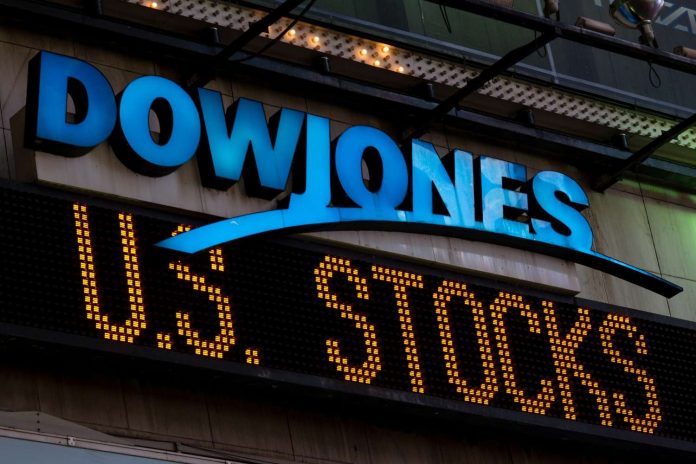
Nvidia to Replace Intel in Dow Jones Industrial Average

0

In a new feat that has added to its trajectory of milestones, Nvidia is set to replace Intel in the Dow Jones Industrial Average, marking a pivotal moment for the semiconductor sector and underscoring the explosive growth of artificial intelligence.

Nvidia’s ascension to the blue-chip index, effective November 8, symbolizes both the strength of the AI boom and the mounting struggles faced by Intel as it grapples with manufacturing challenges and competitive pressures.

Intel’s removal from the index marks an unfortunate end to its longstanding dominance in the chipmaking industry. The California-based company, which once held a firm grip on the personal computing chip market, has seen its position erode in recent years amid a competitive landscape that has shifted focus to AI. The shift has been marked by Intel’s notable loss of market share to rivals like Advanced Micro Devices (AMD) and Nvidia. This shift has been painful for Intel, which recently announced workforce reductions of approximately 16,500 employees and plans to reduce its real estate footprint as part of cost-cutting measures.

Meanwhile, Nvidia’s stock has been on an upward trajectory, soaring over 170% in 2024 alone after gaining an astonishing 240% the previous year. This meteoric rise has been fueled by an AI-driven demand surge, with companies like Microsoft, Google, Amazon, and Meta snapping up Nvidia’s advanced graphics processing units (GPUs) to support their AI infrastructure.

The intense demand for Nvidia’s cutting-edge H100 chips and upcoming Blackwell GPUs underscores its crucial role in the AI landscape, with CEO Jensen Huang stating that demand for these products has reached “insane” levels. Nvidia’s market cap has now swelled to $3.3 trillion, making it second only to Apple among publicly traded companies.

With Nvidia joining the Dow, four of the six tech giants valued over a trillion dollars are now represented in the index, which has traditionally been weighted by the share price rather than the market capitalization of its components. Nvidia positioned itself to join the Dow in May 2024 by conducting a 10-for-1 stock split, which adjusted the price of its shares to meet the index’s weighting criteria without impacting its market cap.

This move facilitated Nvidia’s eligibility for the Dow, which is managed by a committee from S&P Dow Jones Indices.

The addition of Nvidia comes alongside another change, with Sherwin Williams replacing Dow Inc., further diversifying the index’s representation of industries. The last modification to the Dow occurred in February when Amazon took Walgreens Boots Alliance’s place, as the Dow continues efforts to better capture the evolving tech sector and include the most influential players.

Nvidia’s Unprecedented Rise

Nvidia’s remarkable ascent to the top of the tech industry has been driven by its mastery of AI hardware, transforming the company from a niche graphics card manufacturer to a linchpin of modern artificial intelligence. Founded in 1993 and long known for its high-performance graphics processing units (GPUs) in the gaming world, Nvidia’s ability to pivot to the AI sector has redefined its trajectory and, in many ways, the landscape of the entire tech industry.

The core of Nvidia’s unprecedented rise lies in the unique architecture of its GPUs, which are ideally suited for parallel processing tasks integral to AI and machine learning. Unlike traditional central processing units (CPUs), GPUs can process massive amounts of data simultaneously, making them indispensable for AI operations that require high-speed processing of complex algorithms.

Nvidia’s cutting-edge AI chips, such as the A100 and H100 models, have become the go-to solution for companies building AI infrastructure. As global giants like Microsoft, Meta, Amazon, and Google aggressively invest in AI, Nvidia has found itself at the heart of this expansion, supplying the essential hardware that powers the industry’s transformative advancements.

Nvidia’s strategic foresight has also played a role in its Dow inclusion. In May, the company performed a 10-for-1 stock split, reducing its per-share price by 90% without affecting its overall market cap. This stock split was essential for Nvidia’s eligibility for the Dow, as the index is price-weighted, making it difficult for companies with extremely high share prices to enter without having an outsized impact on the index’s balance.

The split was a shrewd move that aligned Nvidia’s profile with Dow’s requirements, ultimately paving the way for the company’s inclusion and expansion of its reach among investors seeking exposure to AI-focused growth within this influential benchmark.

The shift to Nvidia from Intel in the Dow Jones Industrial Average marks a broader shift in the semiconductor industry as well. Once a giant in the PC chip market, Intel has struggled in recent years to adapt to the AI-driven wave that companies like Nvidia have seized upon. While Intel dominated the CPU market for decades, its foothold has weakened with increasing competition from Advanced Micro Devices (AMD) and its slow foray into AI applications, particularly as it faces ongoing manufacturing setbacks. Despite Intel’s attempts to reinvest in new technologies, the company’s market cap has been overshadowed by Nvidia’s rapid growth, leading to a divergence in their industry trajectories.

The implications of Nvidia’s inclusion in the Dow stretch beyond the stock market, signifying the transformation of the tech sector itself. Four of the six trillion-dollar tech companies are now represented in the Dow, highlighting the index’s increased tech weighting as traditional sectors like manufacturing and retail recede in economic influence.

Nvidia’s inclusion is part of the Dow’s ongoing efforts to capture the dynamism of technology, particularly AI, within its portfolio of blue-chip stocks. Additionally, the company’s inclusion means investors now have a more direct opportunity to gain exposure to the AI market’s potential through an established benchmark, which is appealing given Nvidia’s massive expansion in the AI sector.

Nigeria Opens Nine-Month Window for Deposits of Dollars Held Outside the Banks

0

The Nigerian government has introduced a nine-month dollar cash deposit program beginning October 31, 2024, in its latest attempt to stabilize the naira amidst its free fall.

Announced by Finance Minister Wale Edun following the 144th National Economic Council (NEC) meeting, the initiative permits Nigerians to deposit dollar bills held outside the formal banking system without facing penalties, taxes, or scrutiny. The move aims to increase the nation’s dollar reserves and ease inflationary pressures caused by high foreign exchange (FX) demand.

At a post-NEC briefing, Edun emphasized the government’s hands-off approach to scrutinizing deposits, saying, “There will be no penalty; there will be no taxes, and there will be no questions.”

He explained that individuals holding cash dollars outside the formal banking system can safely bring them into the financial network by meeting basic Know-Your-Customer (KYC) requirements without facing penalties, provided the money is not tied to criminal activity. The intent, he stated, is to secure these funds and make them available for legitimate economic activities.

The program reflects a larger pattern of currency reform measures by President Bola Tinubu’s administration, aimed at strengthening the naira against an ongoing FX crisis. The naira’s downward slide has been linked to a combination of FX illiquidity and Nigeria’s reliance on imports amid low productivity and a limited export base.

Against this backdrop, the government has been counting on diaspora remittances to boost FX inflow amid the decline in oil revenue. Although the central bank announced recently that Nigeria’s FX reserves have reached $40 billion, the naira has kept depreciating in the FX market, falling as low as N1,700 per dollar.

“One element of the cost increase is the foreign exchange rate, which is demand and supply,” Edun said, underscoring the government’s desire to address inflation and support the naira’s stability through increased liquidity.

“The program will allow people to bring in cash from outside the banking system. Let me emphasize once again: it is to bring dollars they are holding outside the system, to credit their bank accounts, as long as it is not proceeds of crime or illicit money,” he added.

Under the program, the Ministry of Finance, alongside the Central Bank of Nigeria (CBN), will soon release comprehensive guidelines to operationalize this initiative. The government hopes that, by attracting dollar bills into the financial system, it can increase dollar reserves, add liquidity, and in turn strengthen the exchange rate while discouraging currency speculation.

This strategy, however, has sparked mixed reactions among economists and policy analysts who question its potential impact on Nigeria’s broader economic issues. Criticism centers on the government’s tendency to employ short-term monetary solutions without addressing core structural problems such as low productivity and a limited export base.

Oluseun Onigbinde, founder of the civic group BudgIT, expressed concern about the focus on financial tweaks rather than production-driven solutions.

“Instead of locking yourselves inside a room for 18 hours on how to make this country an oil and non-oil export powerhouse in the next three years, within a clear future global trade simulation; we are still playing with mirrors,” he remarked, emphasizing the need for policies focused on strengthening Nigeria’s productive capabilities.

Onigbinde went on to highlight the importance of fiscal discipline and sustainable economic growth strategies, stating, “One day, Nigerian leaders will realize that there’s no substitute for production and fiscal discipline. It might be too late.”

His comments echo the views of other experts who argue that the country must prioritize boosting local production and reducing dependency on imports if it hopes to attain meaningful currency stability.

This nine-month program is the latest in a series of strategies by the Tinubu administration aimed at restoring confidence in the naira. However, economists have advised that a holistic approach focusing on fiscal responsibility, production incentives, and investment in non-oil exports will be needed if Nigeria is to achieve lasting economic stability.

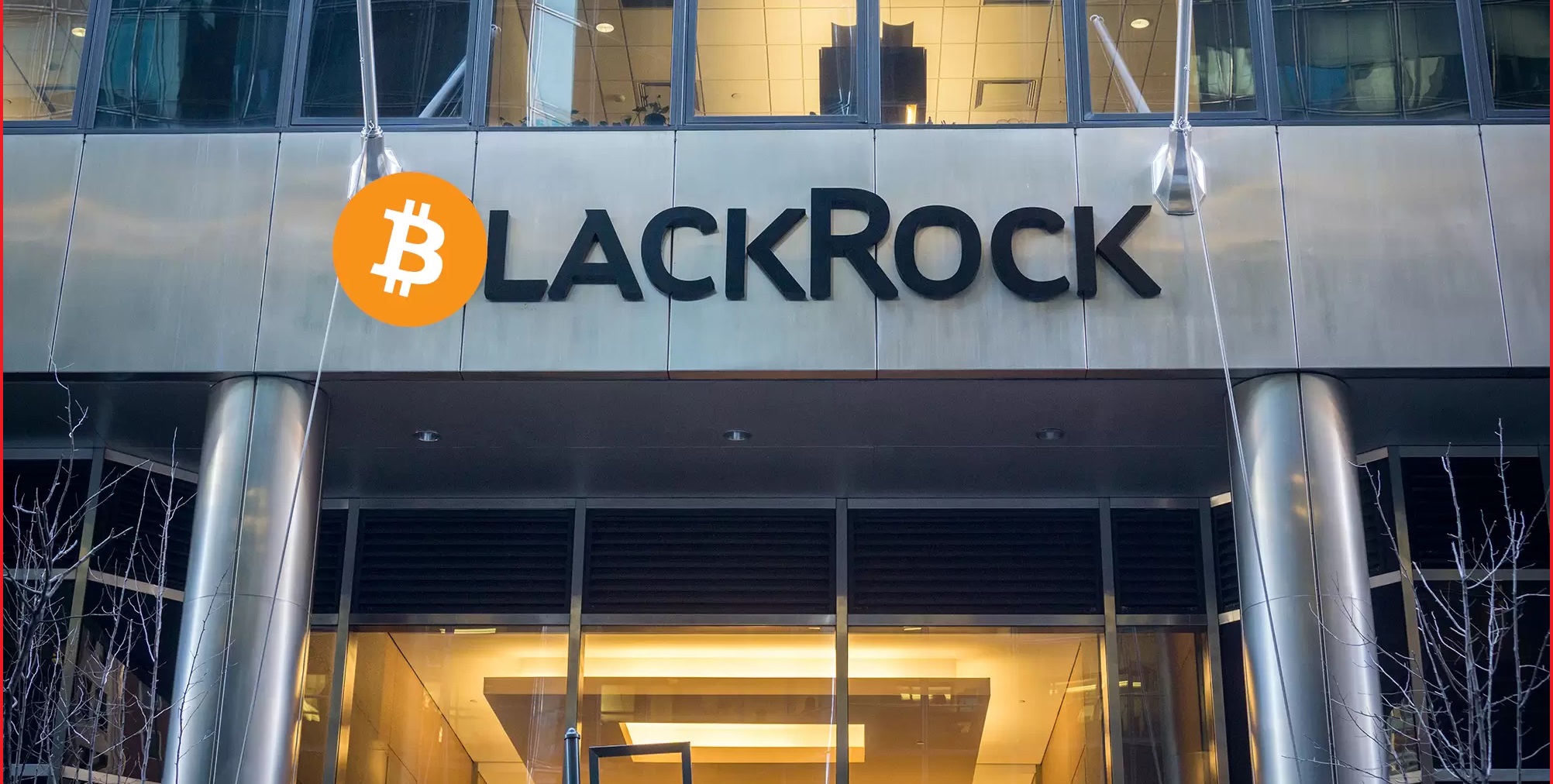
Blackrock’s IBIT Bitcoin ETF records $875M of inflows Amid 1-inch DEX Hack

0

The world of cryptocurrency investment has witnessed a significant milestone with BlackRock’s IBIT Bitcoin ETF recording an unprecedented $875 million of inflows. This event marks the most substantial single-day inflow since the ETF’s launch, signaling a robust confidence from investors and a bullish outlook on the future of Bitcoin.

The IBIT Bitcoin ETF, which was introduced by BlackRock in January, has been a game-changer in the crypto investment space. It has provided investors with a regulated and secure avenue to gain exposure to Bitcoin without the complexities of direct cryptocurrency ownership. The record inflow occurred on October 30th and has surpassed the previous high of $849 million set in March, reflecting a growing institutional appetite for Bitcoin exposure through traditional financial instruments.

The surge in inflows coincides with a broader crypto market rally, with Bitcoin trading near its March high of $73,679. Analysts are closely watching the upcoming U.S. presidential election on November 5th as a potential catalyst for Bitcoin to break out to new highs. The sentiment is buoyed by the fear of missing out (FOMO) among investors, as the ETF’s daily trading volume topped $3.35 billion on October 29th, its highest since April 1st.

BlackRock’s performance has notably overshadowed its competitors, with the other 10 U.S.-listed spot Bitcoin ETFs collectively bringing in just $21.3 million in inflows. Fidelity’s Wise Origin Bitcoin Fund came in second with $12.6 million in inflows, while Bitwise’s Bitcoin ETF saw outflows of $23.9 million.

The 1-inch DEX gets compromised

On October 30th, 2024, between 9:12 PM and 11:22 PM CET, users of the 1inch dApp experienced a vulnerability that could have had significant consequences for their digital assets. This incident has raised concerns about the safety of DeFi platforms and the measures taken to protect users’ investments.

The security issue stemmed from a glitch in a third-party tool called “Lottie Player,” which is used to display animations on the 1inch web dApp. An attacker exploited this vulnerability to send out fake signature requests to users. If signed, these requests would grant the attacker control over the user’s funds, potentially leading to a complete drain of their assets.

Fortunately, the 1inch team responded swiftly to the incident. They identified and resolved the issue within hours, removing the compromised Lottie Player tool from their dApp. The quick action taken by the team prevented any further potential losses and restored the integrity of the platform.

In the wake of the incident, 1inch has taken steps to reinforce their security measures and protect users from similar vulnerabilities in the future. They have also confirmed that parts of their ecosystem, such as the 1inch Wallet, API, and protocols, were not affected by this breach.

For users, this event serves as a reminder of the importance of vigilance when interacting with DeFi platforms. Double-checking unexpected requests and being cautious with signature approvals are crucial habits for safeguarding one’s digital assets.

The 1inch DEX compromise highlights the ongoing challenges faced by DeFi platforms in ensuring the security of their systems. As the DeFi space continues to grow, so does the sophistication of attacks. It is imperative for DeFi projects to invest in robust security frameworks and for users to remain informed and cautious.

The 1inch DEX compromise was a stark reminder of the risks associated with DeFi platforms. However, the effective response and the measures taken by the 1inch team demonstrate their commitment to user safety and platform security. As the DeFi industry evolves, both platforms and users must work together to foster a secure and trustworthy ecosystem.