DD
MM
YYYY

PAGES

DD
MM
YYYY

spot_img

PAGES

Home Blog Page 2767

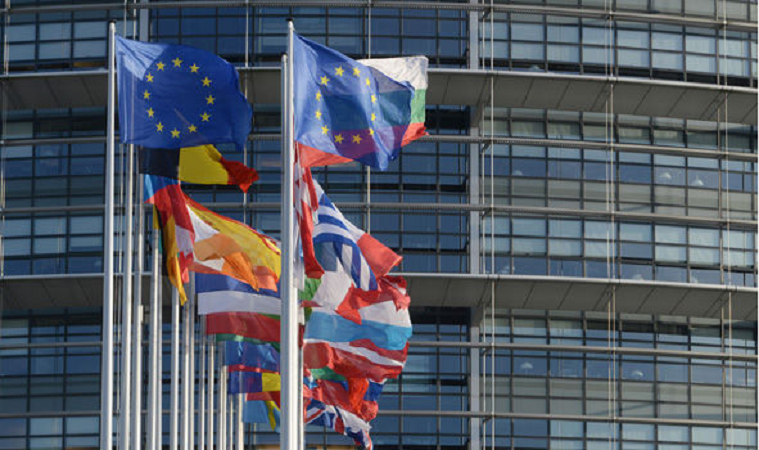
European Central Bank Cuts Interest Rates by 0.5% Point as Germany Navigates through Challenging Economic Times

0

In a decisive move to bolster the economy, the European Central Bank (ECB) has announced a reduction in interest rates by 0.5 percentage points, marking the second such cut this year. This decision comes as a response to the current economic climate and aims to encourage borrowing and investment by lowering the cost of lending.

The ECB’s action reflects a broader strategy to address the economic challenges faced by the Eurozone. With inflation rates falling below the target, the ECB is taking steps to ensure that the economy remains on a stable path towards recovery. The recent cut brings the key interest rate down to 3.25%, a level not seen in the last three years.

The ECB’s president, Christine Lagarde, has expressed optimism about the path of inflation, indicating that the process of disinflation is well on track. This sentiment is echoed in the ECB’s most optimistic statement in the current cycle, forecasting that inflation will rise in the coming months before declining to the target rate in the next year.

The decision to cut rates was fully anticipated by the markets after policymakers flagged reduced inflation risks and a weakening growth outlook. It is noteworthy that the ECB opted for a 25-basis point rate cut, rather than a larger 50 basis point cut, demonstrating a cautious approach to monetary easing.

The European Central Bank (ECB) has been actively implementing a variety of measures to support the Eurozone economy in addition to interest rate cuts. Here are some of the key actions taken by the ECB:

Pandemic Emergency Purchase Programme (PEPP): The ECB has established the PEPP with a budget of €1,850 billion to lower borrowing costs and increase lending in the euro area, which should help citizens, firms, and governments access the funds needed to weather the crisis.

Targeted Longer-Term Refinancing Operations (TLTROs): These operations have been designed to provide more favorable borrowing conditions to banks, especially to support lending to those most affected by the pandemic, including small and medium-sized enterprises.

Collateral Easing Measures: The ECB has introduced temporary measures to expand the list of assets that banks can use as collateral, making it easier for them to borrow and continue lending to the real economy.

Adjustment of Corporate Bond Holdings: The ECB is adjusting its corporate bond holdings in the Eurosystem’s monetary policy portfolios to incorporate climate-related disclosure requirements and enhance risk management practices.

New Operational Framework: The ECB is adding new instruments to its monetary policy toolbox, such as a structural portfolio of assets and long-term refinancing operations, to further support the economy.

These measures reflect the ECB’s commitment to ensuring financial stability and supporting the Eurozone’s economic recovery during challenging times. The ECB continues to monitor the economic situation and stands ready to adjust its policies as necessary to achieve its primary objective of maintaining price stability

The rate cut is part of the ECB’s ongoing efforts to revive struggling Eurozone economies, including Germany’s, which is expected to be in recession in 2024. By making borrowing cheaper, the ECB aims to stimulate growth and counteract the economic slowdown. However, the bank remains vigilant about the potential return of high inflation, a concern that has been at the forefront since the aftermath of the coronavirus pandemic and subsequent geopolitical tensions.

The ECB’s decision to lower interest rates is a significant step in its monetary policy, reflecting a commitment to maintaining economic stability and growth within the Eurozone. As the global economic landscape continues to evolve, the ECB’s measures will be closely monitored for their impact on both the European and global economies.

Navigating through Challenging Germany’s Economic Times

As of late 2024, Germany, Europe’s largest economy, finds itself grappling with significant economic challenges. The nation is experiencing a period of economic contraction, which has raised concerns about a potential recession. According to recent reports, the German government has indicated that the economy is on track to shrink for a second consecutive year. This downturn is attributed to a combination of factors, including structural issues within the country and broader global challenges.

The German economy saw a contraction of 0.3% in 2023 and is forecasted to shrink by 0.2% in 2024. These figures represent a stark contrast to the growth experienced in previous years and signal a period of economic stagnation. The government’s efforts to address these issues include securing energy supply, streamlining planning procedures, reducing bureaucracy, and tackling the shortage of skilled workers. Despite these measures, the German Chamber of Commerce and Industry emphasizes the need for swift and comprehensive reforms to stimulate investment and encourage economic recovery.

A Bloomberg survey echoes the government’s sentiments, suggesting that Germany is enduring a mild recession with flat output throughout 2024. The survey’s findings highlight the impact of the cessation of Russian energy supplies, subdued export demand from China, automotive industry challenges, and a scarcity of skilled labor. These factors contribute to the economic slowdown, marking only the second time since reunification in 1990 that Germany’s GDP has declined in consecutive years.

The current economic climate in Germany is described as “troubled waters,” with the government revising its growth forecast for 2024 down from 1.3% to 0.2%. This revision indicates that while the economy has stalled, it has narrowly avoided a full-blown recession. Nonetheless, the situation remains precarious, and the government’s popularity has suffered as a result.

Recent statements by German Chancellor Olaf Scholz have highlighted the delicate balance that NATO must maintain. Scholz has emphasized that NATO should not become a party to the war in Ukraine, underscoring the importance of preventing a direct military confrontation between NATO and Russia. This stance is reflective of the broader NATO strategy, which involves providing support to Ukraine while avoiding actions that could be interpreted as direct involvement in the conflict.

The provision of military aid to Ukraine by Germany and other NATO allies, such as the recent delivery of Leopard tanks, demonstrates the alliance’s commitment to supporting Ukraine’s defense capabilities. However, NATO has also been cautious not to overstep in ways that could be seen as provoking further escalation.

The complexity of the situation is further illustrated by NATO’s response to Ukraine’s desire for membership. While NATO has not extended an invitation for Ukraine to join the alliance in the immediate future, it continues to engage with Ukraine as a partner country and supports its sovereignty and territorial integrity.

Germany’s role, along with that of other NATO members, is pivotal in managing the fine line between supporting Ukraine and avoiding the spread of the war. The decisions made by NATO members in the coming months will be crucial in shaping the future of European security and the outcome of the conflict in Ukraine.

Germany’s economic landscape is characterized by uncertainty and challenges. The nation is navigating through a period of economic weakness, with consecutive years of negative growth. The government and economic experts are closely monitoring the situation, implementing measures to mitigate the downturn, and preparing for a gradual return to growth in the coming years. The resilience and adaptability of the German economy will be tested as it seeks to overcome these hurdles and regain its footing on the path to economic stability and prosperity.

Navigating the Complexities of International Relations

0
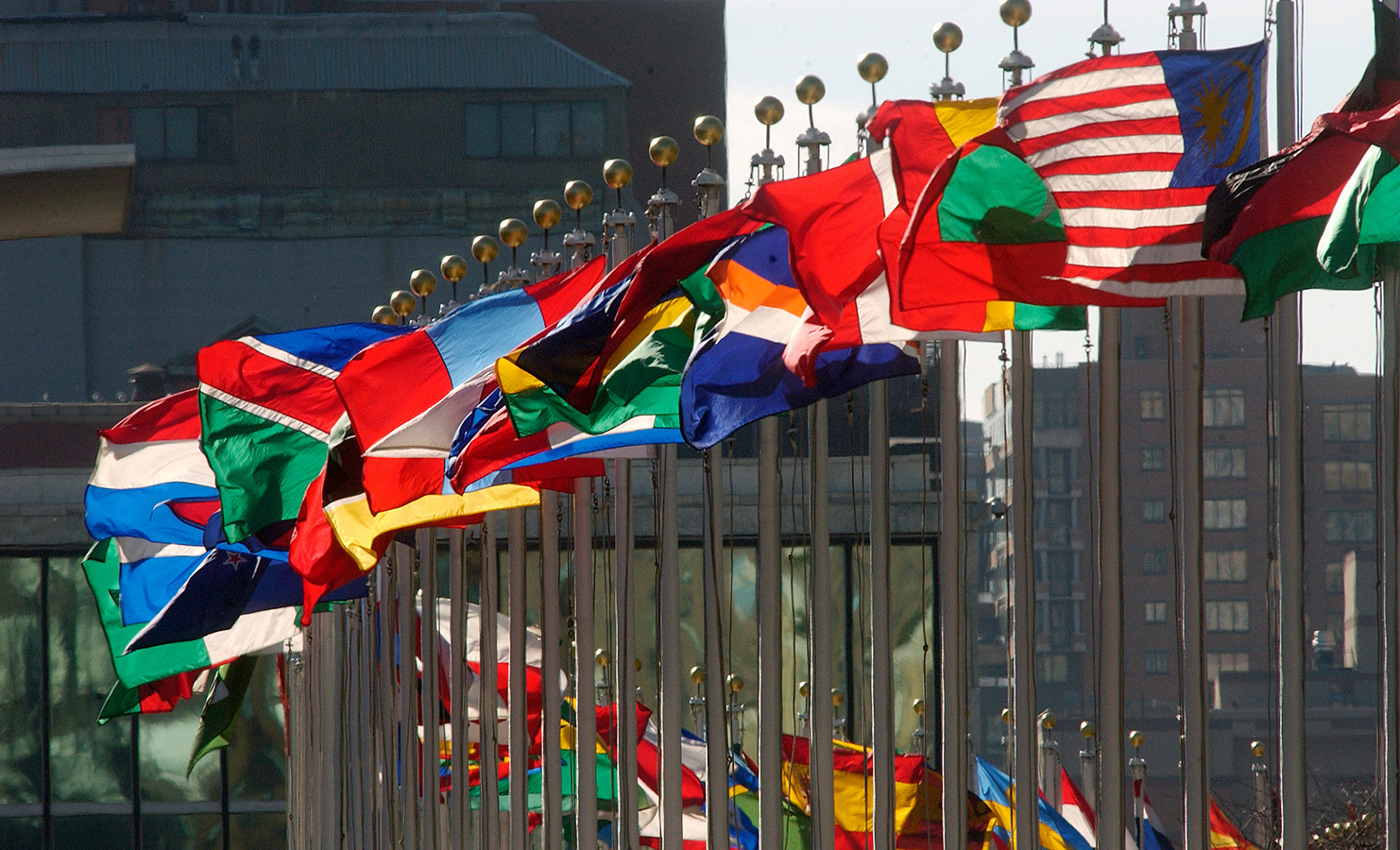
Flags of member nations flying at United Nations Headquarters.

In the intricate dance of international relations, the recent political climate has presented a tableau of varied national moods and strategies. At the heart of international relations is the pursuit of building bridges for global cooperation. This endeavor is crucial in an era where issues like climate change, terrorism, poverty eradication, trade disputes, and public health crises require collective action. Diplomacy emerges as a pivotal tool in this context, facilitating communication and negotiation between states to foster understanding and resolve conflicts.

The interconnectedness brought about by globalization has made international trade a cornerstone of many economies, necessitating trade agreements that not only spur economic growth but also pave the way for broader cooperation. International organizations and institutions play a vital role in promoting global stability and development, with entities like the WTO, IMF, World Bank Group, and various UN agencies leading the charge.

France appears flummoxed, grappling with internal and external pressures that challenge its traditional stance on trade and sovereignty. Germany, on the other hand, seems to be in a state of gloom, as it faces economic and political hurdles that test its role within the European Union and the global stage.

France’s conundrum is palpable as it debates the merits of protectionism versus free trade. President Emmanuel Macron’s warning that the EU “could die” without a shift in policy reflects a deep concern for Europe’s economic future in the face of rising global threats. Macron’s call for a more protectionist agenda to safeguard European industries from unfair trade practices underscores the urgency of the situation.

Germany, led by Chancellor Olaf Scholz, is caught in a similar quandary. The nation’s reluctance to impose new EU duties on Chinese electric vehicles reveals a cautious approach to trade that aims to avoid self-harm. This cautiousness, however, contrasts with France’s more assertive stance, highlighting the divergent paths the two nations are considering as they navigate the complexities of global trade and politics.

Across the Atlantic, the United States presents a different picture. With an upcoming presidential election that could see a shift in trade policies, the U.S. has been leaning towards a protectionist approach, prioritizing domestic firms for industrial investments. This stance has significant implications for transatlantic relations and poses challenges for European nations as they seek to maintain their competitive edge.

The geopolitical landscape of 2024 is one of uncertainty and transformation. As the U.K. continues to deal with the aftermath of Brexit and Germany grapples with its own challenges, France is attempting to lead Europe with a strategy that aligns more closely with American policies. This alignment, while controversial, may be a pragmatic response to the global economic shifts and the assertiveness of other major players like China.

The interplay between these three nations—France, Germany, and the United States—reflects the broader dynamics at play in international relations. Each country’s approach to trade, sovereignty, and global threats will have far-reaching consequences not only for their own citizens but also for the global community. As they each deal with their internal debates and external pressures, the world watches and waits to see how these strategies will unfold and shape the future of international cooperation and economic stability.

In conclusion, the current state of affairs highlights the need for careful deliberation and strategic foresight in international policymaking. The decisions made by these nations will not only define their respective futures but will also influence the direction of global economic and political trends. It is a time for leaders to act with both caution and courage, as they steer their countries through these turbulent waters.

Gold Reaches New ATH of $2736 Per Ounces

0

The recent surge in gold prices has captured the attention of investors and economists worldwide as the precious metal reached a new all-time high (ATH) of $2736 per ounce. This milestone is a significant event in the financial world, reflecting a complex interplay of market dynamics and geopolitical factors.

The climb to this new ATH can be attributed to a confluence of factors. The loosening of monetary policies by central banks, the looming uncertainty of the U.S. election, and escalating tensions in the Middle East have all played a role in driving investors towards the traditional safe haven of gold. This surge defied the expectations of many market analysts who had anticipated that gold prices would remain below the $2700 threshold for the remainder of the year.

The psychological impact of breaking the $2700 barrier cannot be understated. It represents not just a numerical milestone but also a shift in market sentiment. Investors are increasingly seeking stability in an environment where traditional investments are perceived as volatile or risky. Gold’s reputation as a store of value in times of economic uncertainty is thus reinforced.

The technical outlook for gold remains bullish, with support levels now established around the previous all-time highs. Analysts are closely watching the $2685 and $2676 marks, which represent the rising 10-day moving average (DMA) and the previous peak, respectively. Should gold prices consolidate above these levels, it could pave the way for further gains, with potential targets at $2717, $2736, and even higher levels at $2748, $2768, and $2800.

Gold is dollar-denominated, so when the value of the dollar falls, gold prices often increase as it becomes cheaper for investors holding other currencies. The basic economic principle of supply and demand is a significant driver of gold prices. Demand can come from various sources, including jewelry markets, investment products like gold ETFs, and industrial applications. On the supply side, mining production and recycling contribute to the available gold in the market.

Gold does not yield interest, so when interest rates are low, gold becomes a more attractive investment as the opportunity cost of holding gold decreases. Conversely, when interest rates rise, gold may be less appealing. Inflation rates, economic stability, and overall economic performance can influence gold prices. During times of high inflation or economic uncertainty, gold is often seen as a hedge against these risks.

Political instability and geopolitical tensions can lead to increased demand for gold as a safe haven asset, thus driving up prices. Market sentiment and investor behavior can also affect gold prices. For example, during times of market stress or volatility, investors may flock to gold, increasing demand and prices.

Central banks hold significant amounts of gold and their buying or selling activities can influence the market. Additionally, monetary policy decisions can impact gold prices indirectly through their effect on currency values and interest rates.

Understanding these factors can help investors make more informed decisions when considering gold as part of their investment portfolio. It’s important to note that these factors can interact in complex ways, and the price of gold is the result of their combined influences at any given time. For those looking to invest in gold, keeping an eye on these factors is crucial for timing their market actions effectively.

The implications of this new ATH are far-reaching. For investors, it presents both opportunities and challenges. The opportunity lies in the potential for continued appreciation in value, while the challenge is in accurately timing the market to maximize returns. For economies, particularly those that are gold-producing nations, the high price of gold could translate into increased revenues, which could be pivotal in times of economic strain.

In conclusion, the new ATH of gold prices is a testament to the metal’s enduring appeal as a safe haven asset. It also serves as a reminder of the intricate relationship between global events and financial markets. As the world navigates through uncertain times, gold will likely continue to play a crucial role in the portfolios of investors seeking security and stability.

Unilever Nigeria Declares N13.96bn PBT in First Nine Months of 2024

0

Unilever Nigeria Plc’s Profit Before Tax (PBT) rose by 30.58% to N13.96 billion from N10.69 billion recorded in the same period in 2023.

The company’s financial performance for the first nine months of 2024 stands out as a remarkable turnaround, considering the broader economic turbulence in Nigeria, especially the ongoing foreign exchange (FX) crisis that has negatively impacted many multinationals.

The FX crisis has resulted in a volatile exchange rate environment, currency depreciation, and reduced foreign earnings for many companies. These factors have compounded the cost of importing raw materials, eroded profit margins, and made it difficult for companies to repatriate profits. Consequently, many multinationals in Nigeria have reported massive revenue losses. Against this backdrop, analysts believe Unilever’s financial results demonstrate resilience and agility in weathering the storm.

Key Financial Highlights

Revenue Surge: Unilever Nigeria reported a 45% year-on-year (YoY) increase in revenue, climbing from N71.20 billion in the first nine months of 2023 to N103.84 billion in the same period in 2024. This surge was driven by the company’s ability to adapt its pricing strategies to reflect the devalued naira while maintaining product demand.

Cost of Sales and Gross Profit: Despite a 26% YoY rise in the cost of sales, which amounted to N60.95 billion, Unilever’s gross profit surged by 88% to N42.89 billion. The sharp increase in gross profit indicates improved margins resulting from a combination of strategic price adjustments, cost-cutting measures, and a more favorable sales mix that prioritized higher-margin products.

Operating Profit Growth: The company’s operating profit grew by 27% to N10.13 billion, reflecting successful cost management efforts and improved operational efficiencies that helped mitigate the impact of higher production costs and currency depreciation.

Finance Costs and Net Finance Income: While finance costs rose by 14% to N2.94 billion due to the FX-related pressures, Unilever managed to increase its net finance income by 40%, reaching N3.82 billion. This helped offset the impact of higher borrowing costs and supported overall profitability.

Profit After Tax and Earnings Per Share: The profit after tax for the period saw a dramatic increase of 563%, reaching N11.00 billion from N1.66 billion a year earlier. This significant jump was partly driven by a 9% decline in tax expenses. Consequently, the Earnings Per Share (EPS) grew by 48% to N1.92, signaling value creation for shareholders amid challenging market conditions.

Segment Analysis

Food Segment: The food product division, which includes items such as Gino tomato paste, pasta, malt, and beer, was a major revenue contributor, accounting for 59% of total revenue. Revenue in this segment surged by 42% from N43.18 billion in 2023 to N61.40 billion in 2024, reflecting strong demand and successful adjustments in pricing to accommodate rising costs.

Personal Care Segment: Revenue from personal care products, which covers diapers, cosmetics, wipes, and body supplements, increased by 48% to N34.67 billion. This segment made up 33% of total revenue and benefited from strategic efforts to capture more market share, especially in the mid-tier product category, amid changing consumer spending habits.

Beauty Products: Although the beauty product segment remains the smallest contributor, it experienced substantial growth, with revenue climbing 68% from N4.61 billion to N7.77 billion. The increase can be attributed to heightened consumer interest in self-care products, even in times of economic uncertainty, and effective marketing campaigns.

Navigating the FX Crisis

Over the past few years, Nigeria’s foreign exchange market has been characterized by multiple exchange rates, restricted access to U.S. dollars, and a widening gap between official and parallel market rates. This has made it difficult for companies to access the necessary foreign currency to import raw materials, settle international obligations, and repatriate profits.

However, the situation took a turn in 2023 following the decision of President Bola Tinubu to enact a reform that involved floating the FX market. This policy change resulted in a massive devaluation of naira, significantly cutting the profits of many multinationals, with many declaring losses.

Unilever Nigeria recorded a foreign exchange loss of N4.58 billion in 2023, compared to N1.65 billion in 2022.

The company continues to rely heavily on the domestic market for its revenue, with less than 3% (N3.23 billion) of sales coming from exports. However, analysts believe the reliance on local revenue also exposes the company to the risks associated with Nigeria’s economic instability, including inflation and FX fluctuations.

Share Price and Market Reaction

Unilever’s share price remained stable at N19 per share on the Nigerian Exchange (NGX) following the announcement of the financial results, underlining a cautious market outlook despite the strong numbers. Over the past year, the company’s share price peaked at N21.70, signaling investor interest.

However, the stock has struggled to gain momentum, likely due to lingering concerns about the broader economic environment and the company’s ability to sustain growth amid ongoing challenges.

Enhancing Investor Relationship: Key Insights And Best Practices For African Startups

0

A report by Wimbart, a leading PR agency specializing in African startups, revealed that despite receiving regular updates, a significant number of investors remain dissatisfied with the quality and consistency of communication they receive from startups they’ve invested in.

The report highlights a growing demand among investors for more effective and transparent communication. Many investors expressed frustration with the lack of timely information, unclear reporting, and inconsistent updates, which hinders their ability to make informed decisions and track the progress of their investments.

To ensure effective communication between African startups and their investors, the survey explored investors’ preferences ranking in order of importance. Two factors emerged as top priorities: “Consistency” and “Reliability.”

These highlight investors’ emphasis on accurate, dependable data. “Consistency,” which ranked as number 1, reveals that investors want startups to avoid conflicting or contradictory information in their reports. Therefore, startups should ensure their communications align with previous reports and external sources to maintain trust.

The second top factor, “Reliability,” focuses on the credibility of the data backing a startup’s performance and projections. Investors want to ensure that the startup has a track record of delivering on promises made in earlier reports. This makes it crucial for startups to back their claims with credible sources and a history of accurate reporting.

Next in importance are “Comprehensiveness” and “Usability.” which stress the need for detailed, insightful information on the startup’s business model, market analysis, potential, and risks. Investors appreciate reports that are not only thorough but also easy to digest, providing a clear snapshot of essential information. However, without consistency and reliability, these factors lose significance.

“Brevity” ranks fifth, indicating that while investors appreciate concise reports, they do not want startups to compromise on necessary details. Startups should balance providing sufficient information without overwhelming investors with unnecessary details.

Based on feedback from African investors, several recommendations have emerged for improving investor communications:

1. Standardize Reporting Formats

Investors suggest startups create a consistent template for reports that integrates feedback from investors, allowing easier comparison across portfolios. For startups with multiple investors, reports can be streamlined to reduce duplicated efforts while still addressing the core needs of each investor.

2. Ongoing Updates of Key Highlights and Challenges

Startups should maintain an ongoing list of highlights (achievements), lowlights (challenges), and specific requests for help. Reporting becomes a continuous process rather than tied to rigid cycles, with time-sensitive updates shared proactively.

3. Transparency in Communication

Investors value honesty and want both good and bad news reported. Startups should communicate key performance indicators (KPIs), risks, and challenges, along with forward-looking insights, to maintain transparency. Asking for support when needed is essential to building strong investor relationships.

4. Focus on Relevant KPIs

Startups should prioritize reporting a few key metrics that matter most to their business, like historical revenue trends and financial/operational data. Investors want to see how these metrics contribute to the company’s success and its competitive advantages as it grows.

5. Anticipate Questions

After completing a report, startups should anticipate common investor questions and address them upfront. This adds clarity and comprehensiveness to their updates.

6. Regular Updates and Quarterly Reviews

Providing monthly updates keep investors engaged, while comprehensive quarterly reports covering financials, company performance, challenges, and opportunities give a holistic view of the business.

7. Concise Reports Focusing on Fundamentals

Keep reports brief and focused on core business aspects. Summaries of key financial metrics should be simple and easy to read, prioritizing essential information to help investors make informed decisions.

To sustain the trend of investor funding, Africa-focused startups must become deliberate in ensuring effective communication with existing and potential investors as it is critical to attracting and maintaining credibility and lasting relationships, which are key factors for attracting long-term funding.

Notably, by following these best practices above mentioned, startups can strengthen their investor relations, foster trust, and improve overall communication.