DD
MM
YYYY

PAGES

DD
MM
YYYY

spot_img

PAGES

Home Blog Page 2780

Milei’s Bold Reforms Erase Argentina’s 123-Year Budget Deficit

0
TOPSHOT - Argentine presidential candidate for the La Libertad Avanza alliance Javier Milei waves to supporters after winning the presidential election runoff at his party headquarters in Buenos Aires on November 19, 2023. Libertarian outsider Javier Milei pulled off a massive upset Sunday with a resounding win in Argentina's presidential election, a stinging rebuke of the traditional parties that have overseen decades of economic decline. (Photo by Luis ROBAYO / AFP) (Photo by LUIS ROBAYO/AFP via Getty Images)

President Javier Milei has achieved a historic milestone in Argentina’s economic history, erasing the nation’s budget deficit for the first time in 123 years.

Marking the completion of his first year in office, Milei’s aggressive cost-cutting measures and fiscal discipline have drastically reshaped the country’s financial standing, pulling it back from the brink of economic collapse.

Milei, who took office on December 10, 2023, inherited an economy besieged by runaway inflation and fiscal chaos. Inflation, which had soared to over 200% in 2023, the highest globally, had pushed Argentines to live under daily price adjustments in supermarkets. A year later, under his stewardship, inflation has plummeted to 2.7% as of October 2024, from a staggering 25% just ten months earlier.

Tackling the Root Causes of Economic Instability

In a national broadcast commemorating his first anniversary, Milei attributed Argentina’s economic woes to the persistent budget deficit, which he described as “the root of all our evils.” He stated, “Without the deficit, there’s no debt, no emission, no inflation. Today, we have a sustained fiscal surplus, free of default, for the first time in 123 years.”

Milei underscored the drastic reforms he implemented to achieve this feat: “This historic achievement came from the greatest adjustment in history and reducing monetary emission to zero,” he explained.

The president sharply criticized his predecessor’s administration, accusing it of reckless monetary policies.

“A year ago, a degenerate printed 13% of GDP to win an election, fuelling inflation. Today, monetary emission is a thing of the past,” he said.

Milei’s journey to economic stability was paved with tough and often unpopular decisions. His fiscal reforms were driven by a chain-saw austerity approach that required slashing government expenses, eliminating waste, and restructuring the economy.

The Hard Decisions that Transformed the Economy

1. Selling Off Government Assets: One of Milei’s first actions as president was to sell two national aircraft and dramatically reduce the fleet of official vehicles and their associated perks. Within a week of taking office, these moves saved Argentina $3 billion annually, demonstrating his commitment to trimming the bloated government budget.

The decision faced criticism from political opponents and some public sectors, but Milei justified it as a necessary step to curb frivolous government spending.

2. Halting Monetary Emissions: Under previous administrations, the Central Bank of Argentina had routinely resorted to printing money to cover deficits, a practice Milei denounced as a primary driver of hyperinflation. His administration implemented a zero-tolerance policy for monetary emissions, ending the cycle of debt-financed spending. “A year ago, a degenerate printed 13% of GDP to win an election, fueling inflation. Today, monetary emission is a thing of the past,” Milei declared in a recent address.

3. Radical Cost-Cutting Across Government: Milei embarked on an aggressive downsizing of the federal government. Ministries and state-run agencies faced significant budget cuts, with many seeing their funding slashed by as much as 50%. Public sector wages were frozen, and some benefits for government employees were rolled back. These measures were not without backlash; unions staged protests, and opposition leaders accused Milei of undermining public services.

4. Firing Officials for Fiscal Indiscipline: In a high-profile move in April 2024, Milei fired his labor minister, Omar Yasín, after the latter approved pay raises for senior cabinet officials. The dismissal sent a strong message about Milei’s intolerance for fiscal recklessness, even within his inner circle.

5. Reforming Subsidies and Welfare Programs: Milei restructured Argentina’s vast network of subsidies and social welfare programs, which had long been a drain on public finances. Energy and transport subsidies were reduced or eliminated, and cash transfers were streamlined to target only the most vulnerable. While these changes helped reduce expenditures, they also sparked widespread public discontent, with critics arguing that they disproportionately affected low-income households.

These bold measures not only reined in government expenditure but also restored confidence in Argentina’s fiscal management, laying the groundwork for broader economic stability.

Milei’s accomplishments have not gone unnoticed. Tech billionaire Elon Musk took to X (formerly Twitter) to commend the Argentine president, congratulating him for his historic achievement. Musk’s endorsement reflects the growing international recognition of Milei’s fiscal policies as a model for economic turnaround.

Domestically, the impact of Milei’s policies is relieving. The drastic drop in inflation has brought relief to consumers and businesses alike, signaling a return to economic normalcy. Additionally, the elimination of the deficit has improved Argentina’s credibility in global financial markets, reducing the risk of default and opening new opportunities for investment.

Despite these remarkable gains, Milei’s path to economic stability has not been without criticism. His chain-saw austerity measures have faced pushback from labor unions and social groups, who argue that the cuts have disproportionately affected the most vulnerable.

Moreover, while inflation has been tamed and the deficit erased, questions remain about the sustainability of these achievements. Economists warn that Argentina’s structural challenges, including its heavy reliance on commodity exports and susceptibility to global market fluctuations, require long-term solutions beyond austerity.

A Vision for a New Argentina

Milei’s vision extends beyond fiscal consolidation. His reforms aim to establish a resilient and self-reliant economy, free from the cycles of hyperinflation and debt that have plagued Argentina for decades. As he begins his second year in office, Milei faces the daunting task of maintaining the hard-won gains while addressing the social and economic inequalities that persist.

Nonetheless, the first year of Milei’s presidency has proven transformative, turning Argentina’s century-old fiscal woes into a historic opportunity for growth and stability. Whether he can sustain this momentum and deliver long-term prosperity remains to be seen, but his accomplishments thus far have undoubtedly reshaped the narrative of Argentina’s economic future.

Meta Makes $1m Donation to Trump’s Inaugural Fund

0

Meta, the parent company of Facebook and Instagram has made a $1 million donation to President-elect Donald Trump’s inaugural fund, marking a striking pivot in the relationship between the tech giant and Trump.

The donation, first reported by The Wall Street Journal and confirmed by CNN, has raised eyebrows given Meta’s contentious history with the former president.

This move represents a stark departure from the events of January 2021, when Meta banned Trump from its platforms following the Capitol insurrection. At the time, Meta CEO Mark Zuckerberg stated that the risks of allowing Trump to remain on the platforms were “too great.” Yet, in the years since, the relationship appears to have thawed considerably.

From Ban to Backing: A Dramatic Turnaround

In a striking show of admiration earlier this year, Zuckerberg referred to Trump’s reaction to a simulated assassination attempt as “badass.” During an interview on The Circuit podcast at Meta’s Menlo Park headquarters, Zuckerberg commented: “Seeing Donald Trump get up after getting shot in the face and pump his fist in the air with the American flag is one of the most badass things I’ve ever seen in my life.”

Such remarks, coupled with the donation and Zuckerberg’s private meeting with Trump at Mar-a-Lago two weeks ago, signal a notable shift in Meta’s posture towards Trump.

Tech Titans Growing Their Alliance with Trump?

Meta is not alone in its renewed overtures to Trump. Executives from other major tech companies, including Apple’s Tim Cook, Google’s Sundar Pichai, and Amazon’s Andy Jassy, reportedly sought meetings with Trump during the election campaign. The shift reflects Silicon Valley’s strategic recalibration as it prepares for the policies and priorities of the upcoming administration.

For Trump, this warming relationship with tech leaders stands in sharp contrast to his earlier rhetoric. During his 2020 campaign and subsequent defeat, Trump frequently accused tech platforms of bias and censorship, going as far as labeling Facebook an “enemy of the people.” As recently as March, these criticisms sent Meta’s stock plummeting by over 4%. Trump even alluded to the possibility of imprisoning Zuckerberg in a post on Truth Social, describing him as an “election fraudster.”

Now, Trump has embraced the attention from Silicon Valley, showcasing private discussions with industry leaders and openly praising companies he once vilified.

Meta’s donation is likely part of a broader strategy to regain influence over tech policy under the new administration. Zuckerberg has reportedly expressed interest in playing a more active role in shaping the government’s tech agenda, an effort that may include lobbying for favorable regulations or forestalling potential antitrust actions.

The warming relationship could also benefit Trump, offering him an opportunity to reset his stance with an industry that plays an outsized role in shaping public discourse and political narratives. The president-elect, who launched Truth Social following his ban across major social media platforms, returned to X (Twitter) as his ban was lifted by the new owner Elon Musk. Trump’s return to X, where he has more than 95 million followers, boosted his audience reach during his campaign.

However, the donation has drawn criticism from some quarters, especially the Left, where the platform is believed to have leaned toward for long. Given the backlash the company faced following the January 6 insurrection, many argue that Meta’s apparent about-face undermines its credibility and raises questions about its political motivations.

Many believe that this pivot, for Meta, could be a calculated move to navigate regulatory policies under the Trump administration, particularly as the tech industry faces increasing scrutiny from lawmakers.

Dangote Refinery Exports First Batch of Petrol to Cameroon Amid Low Patronage in Nigerian Market

0

The Dangote Petroleum Refinery has announced its first export of premium motor spirit (PMS), commonly referred to as petrol, to Cameroon. This landmark achievement, accomplished in collaboration with Neptune Oil, a Cameroonian energy firm, underscores a strategic pivot by the refinery as it seeks to expand its market reach beyond Nigeria.

In a statement released on Wednesday, Dangote Refinery highlighted the export as a milestone in regional energy integration, aimed at meeting Africa’s rising energy needs and strengthening economic ties between Nigeria and its neighbors.

“This milestone, resulting from a strategic collaboration between the two companies, underscores their commitment to strengthening economic ties between Nigeria and Cameroon while meeting the region’s growing energy demands,” the statement read.

Aliko Dangote, President and CEO of Dangote Group, emphasized the significance of this export in advancing Africa’s energy independence.

“With this development, we are laying the foundation for a future where African resources are refined and exchanged within the continent for the benefit of our people,” Dangote said.

Antoine Ndzengue, director and owner of Neptune Oil, celebrated the collaboration as a turning point for Cameroon.

“By becoming the first importer of petroleum products from this world-class refinery, we are bolstering our country’s energy security and supporting local economic development,” Ndzengue said.

He added that bypassing international intermediaries in the transaction underscores both companies’ commitment to ensuring efficiency and independence in energy trading.

Low Domestic Patronage

Despite its monumental capacity to revolutionize Nigeria’s oil and gas sector, the Dangote Refinery has reportedly faced challenges in securing adequate patronage from the Nigerian oil market. This subdued local demand, attributed to factors such as the deregulated fuel market and a competitive industry dominated by imports, has pushed the refinery to explore international opportunities.

Last month, the refinery commenced exporting petrol to West Africa.

Industry analysts suggest that Nigerian oil marketers have been slow to adopt products from the refinery due to concerns about pricing and distribution logistics, leaving the facility underutilized despite its potential to meet the country’s energy demands.

Nigeria’s trade with Malta reached an all-time high in the third quarter of 2024, with imports valued at N766.81 billion, according to the latest data from the National Bureau of Statistics (NBS). This suggests an increase in the importation of petroleum products.

In October, Dangote appealed to Nigerian marketers to lift oil from his refinery, adding that the plant has more than enough.

“I assured Mr. President, we will be able to supply the market a minimum of 30 million liters per day, and we’ll be ramping up as we go on. So, we’re ready. We’re more than ready.

“What I’m saying is that the retailers should please come forward and load our products.

“I expect either NNPCL or the marketers to stop importing; they should come and buy our products because we have what they need. And you know, as they move, I will be pumping.

“I don’t know whether you understand what it takes to have 500 million liters inside our tank. It’s costing me money every day.

“And you are talking about 500 million, you know, I mean, we don’t print money. But the issue is that if they come and collect, then you will not see any queues in the filling stations,’ Dangote,” said.

Against this backdrop, the refinery’s export to Cameroon marks another deliberate move to tap into markets outside Nigerian shores, providing an alternative revenue stream while bolstering its operations.

The partnership with Neptune Oil is more than a one-off transaction. Both companies have expressed a shared vision of creating a reliable fuel supply chain to stabilize prices and foster economic growth across West and Central Africa.

The export demonstrates the refinery’s ability to meet international standards, casting a spotlight on the challenges it faces at home.

This reliance on imported petroleum products has been a sore point for Nigeria’s energy sector, with stakeholders calling for more incentives to promote the consumption of locally refined products.

With the export to Cameroon, the refinery reinforces its role as a key player in reducing Africa’s dependency on foreign-refined petroleum products.

However, energy analysts have noted that although the refinery continues to expand its footprint, the success of its export strategy will likely hinge on its ability to overcome domestic challenges, gain the trust of Nigerian oil marketers, and establish itself as a competitive force both within and beyond Nigeria’s borders.

It is believed that this milestone, achieved despite domestic setbacks, is a promising step toward realizing a self-reliant and integrated African energy market.

3MTT: What Will Happen to All These Hackathon Projects?

0
Screenshot

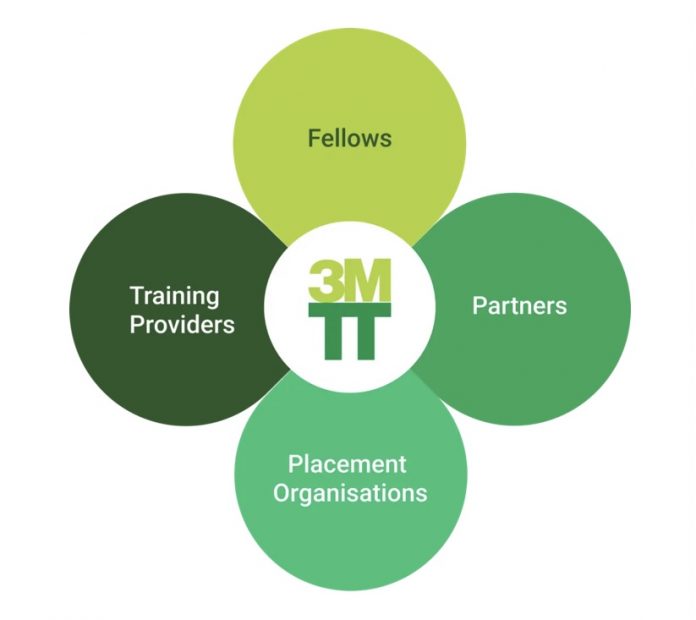
The 3MTT programme has emerged as a beacon of youth empowerment and technological innovation in Nigeria, fostering creativity and providing a platform for groundbreaking ideas. In 2024, the hackathon component spotlighted a diverse array of projects, from waste management solutions to healthcare innovation, highlighting the untapped potential of young minds in addressing societal challenges. Yet, a lingering question persists: what will happen to these promising projects? For the 3MTT initiative to achieve lasting impact, we must explore how to transition these ideas from prototype to scalable solutions and what this means for Nigeria’s innovation ecosystem.

Ideas Born in Hackathons: A Glimpse into Innovation

At the heart of 3MTT’s hackathons are stories of ingenuity and resilience. Take, for example, Farida Sulayman’s app connecting users with waste collectors to improve waste management efficiency, or Yusuf Nasir’s HealStoc, a digital health platform for rural communities that combines telemedicine with a cloud-based information system. These innovations demonstrate not only a deep understanding of societal needs but also the ability to leverage technology for transformative outcomes.

Other standout projects include Ibrahim Laweso’s platform which connects farmers directly to buyers while providing access to loans and grants, and Blessing Nnamani’s child abuse reporting platform, which uses USSD and mobile applications to address underreporting while maintaining user privacy. Each of these innovations addresses critical gaps in sectors such as agriculture, healthcare, and social welfare, showcasing the potential to make a lasting difference.

The Gap Between Potential and Reality

Despite their promise, hackathon projects often face significant challenges in moving beyond the ideation phase. Many stall due to a lack of funding, mentorship, or access to resources. Farida’s app, for instance, will require partnerships with municipal waste authorities to scale effectively. Similarly, HealStoc needs robust infrastructure to support telemedicine in remote areas with limited internet connectivity.

Without a strategic framework to nurture these projects, there’s a risk that the talent and effort invested will yield little beyond the hackathon stage. This is not just a loss for the innovators but for the country, which stands to benefit from solutions tailored to its unique challenges.

Transitioning from Prototypes to Scalable Solutions

To bridge this gap, a multi-pronged approach is essential, addressing scalability, funding, mentorship, policy support, and community engagement.

Funding and Investment: Access to capital is critical. Government and private sector partnerships can play a pivotal role in providing grants or seed funding. For instance, HealStoc could secure partnerships with health organizations or NGOs focused on rural healthcare, while Ibrahim’s agricultural platform could attract investments from agribusinesses or microfinance institutions.

Mentorship and Capacity Building: Hackathon participants need guidance to refine their ideas and align them with market demands. Incorporating post-hackathon incubation into the 3MTT programme would ensure sustained support, offering training in business development, marketing, and user-centric design.

Policy and Institutional Support: Innovations like Blessing’s child abuse reporting platform or Farida’s waste management app would thrive with institutional backing. Governments and agencies must integrate these solutions into their systems, providing the necessary infrastructure and regulatory support to ensure adoption.

Technology and Infrastructure: Projects such as FRIXION, which connects service seekers with providers, and Chukwuemeka Noble Odoh’s cybersecurity solution, rely on digital infrastructure. Investing in internet accessibility, cloud computing, and local language integration would make these solutions more inclusive and widely adopted.

Community Engagement and Awareness: Building trust and ensuring widespread adoption requires effective communication and community outreach. Platforms like HealStoc could benefit from user feedback loops, while Farida’s app might achieve higher adoption through public awareness campaigns about the benefits of timely waste collection.

Building a Legacy of Impact

The hackathon projects of 2024 have set a high bar, demonstrating the ingenuity of Nigerian youth and their capacity to solve real-world problems. But their true success will be measured by their ability to scale, sustain, and create lasting impact.

The 3MTT programme must now evolve, not just as a platform for ideation but as an engine for innovation that addresses systemic challenges and empowers young Nigerians to drive change. This can create a legacy of impact that extends far beyond the hackathon stage, reshaping Nigeria’s socio-economic landscape and positioning the country as a global hub for innovation.

The question of “What will happen to all these hackathon projects?” is not just a query but a challenge to all stakeholders — a call to action to ensure these ideas reach their full potential. The future of 3MTT and the promise of these innovations depend on it.

Can RCO Finance Race from $0.07 to $1 Faster Than XRP and Solana Powered Their Legendary Upswings?

0

The crypto market has seen its fair share of meteoric rises, with XRP and Solana being prime examples. A new player on the scene, RCO Finance, aims to replicate and potentially surpass the legendary upswings of these established tokens.

As the market awaits its official launch, Can RCO Finance race from $0.07 to $1 faster than its high-flying predecessors? Find the details below!

RCO Finance Rallies Ahead of 2025 With Improved Use Cases

For investors that missed the legendary upswings of XRP and Solana, RCO Finance is not poised to replicate, but it’s also rewriting DeFi potential with innovative features. Designed to bridge traditional and decentralized finance, RCO Finance is a complete ecosystem offering real-world asset tokenization, catering to the diverse needs of every investor.

RCO Finance features a sophisticated robo-advisor designed to create personalized investment profiles for its clients. Like a traditional investment advisor, this system aligns with individual needs by considering investment timelines, risk tolerance, and financial goals, all while analyzing current market data in real-time.

With access to over 12,500 asset classes and 120,000 trading instruments, RCO Finance allows traders to diversify their portfolios significantly. With trading options reaching as high as 1,000:1, investors can confidently pursue ambitious financial goals.

Prioritizing user privacy, RCO Finance does not require KYC processes, allowing traders to operate without revealing personal information. This commitment to privacy enhances security and simplifies the trading experience.

Additionally, routine smart contract audits conducted by SolidProof ensure that users can trust their funds and that they are secure within this AI trading platform.

Solana Continues Downward Despite Spot ETF Shouts

Solana (SOL) has dropped 7% in the last seven days, falling below $225 as inflationary pressures and bearish sentiment weigh on the market. The token has retraced 15% from its $263 high, testing critical support near $210. At the same time, SOL remains above its 50-day moving average, the RSI at 41 shows weakening buying pressure.

Whale activity has slowed, raising concerns about short-term volatility. Analysts predict SOL must reclaim $230 to revive bullish momentum, with potential resistance near $245. A break below $210 could extend losses to $200, though institutional interest in Solana-based ETFs offers hope for mid-term recovery as the ecosystem expands.

XRP Declines After Failing To Gather Key Support

Ripple (XRP) has faced a 12.3% price decline over the past week, retreating to $2.10 after a bullish rally in November. The XRP token is testing support at its 50-day moving average of $2.05, and failing to hold this level could trigger a drop below $2.00. RSI levels at 46 indicate a neutral-bearish trend, suggesting reduced buying momentum.

Analysts remain divided, with short-term projections of XRP leaning bearish due to profit-taking. However, XRP’s long-term outlook is supported by ongoing developments like RLUSD and growing institutional interest in cross-border payment solutions.

RCOF Presents Attractive Offer For Investors

As 2025 approaches, RCO Finance offers an exciting opportunity for investors to acquire its presale tokens at a discounted altcoin price of just $0.0777. With over $9 million raised in its ongoing token presale, public confidence in RCOF continues to grow.

Market experts say the RCOF token can peak at $0.60 or even reach $1. This means investors who get in now could see an astonishing 1000x increase post-launch.

And here’s the best part: you can enjoy a 25% discount on your purchase using the promo code RCOF25!


For more information about the RCO Finance (RCOF) Presale:

Visit RCO Finance Presale

Join The RCO Finance Community