DD
MM
YYYY

PAGES

DD
MM
YYYY

spot_img

PAGES

Home Blog Page 2798

JP Morgan Chase Sets up Representative Office in Kenya to Boost Trade And Investment

0
JP Morgan Chase puts contents through its CEO account, it goes viral. But the same content via JPMC account, no one cares (WSJ)

American banking giant JPMorgan Chase, one of the largest banks in the world, has received approval to establish a representative office in Kenya.

The Central Bank of Kenya (CBK) disclosed the news on Monday, stating that the US-based bank can now begin operations in Kenya as part of its broader effort to establish a greater presence in Africa.

CBK said via a statement,

“The JPMorgan Chase Bank Representative Office Kenya will contribute to the diversity of Kenya’s financial sector and catalyze trade and investments. Additionally, the authorization of the Representative Office affirms Kenya’s standing as a premier financial services hub”.

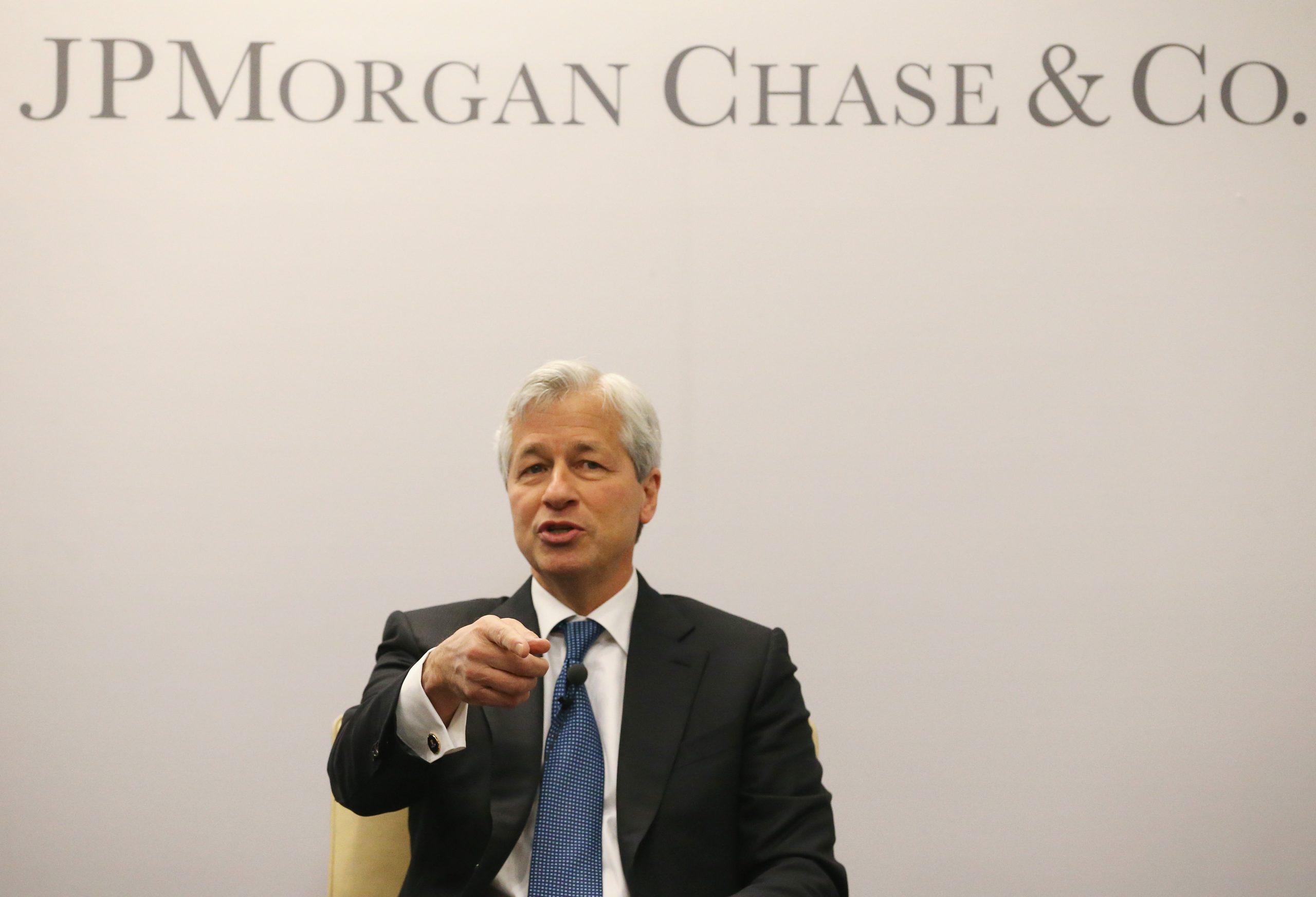
The approval of JPMorgan operations in Kenya, comes ahead of a planned visit by JPMorgan CEO Jamie Dimon, who is set to visit Kenya and other African nations in a bid to strengthen the bank’s footprint across the continent.

JPMorgan’s Nairobi office is set to enhance Kenya’s financial sector and stimulate trade and investment. This marks the banking giant expansion into East Africa’s largest economy after expressing interest in 2012, making it the second U.S. bank with a presence in Nairobi after Citibank.

The new Nairobi office will allow JPMorgan to explore business opportunities across Kenya and the East African region as it continues to expand its global footprint.

The American banking giant move into Kenya is seen as a significant boost to the country’s economy and its efforts to position itself as a hub for finance and investment in East Africa. This expansion aligns with the bank’s long-term strategy to capture opportunities in emerging markets and promote cross-border trade.

Notably, JPMorgan’s decision to open a regional office in Nairobi, brings numerous advantages to the country’s economy and financial services sector. As a global financial powerhouse, the bank has an extensive network of multinational clients, investors, and corporations that could look to Kenya as an investment destination. Also, its entry into Kenya’s financial landscape is poised to create job opportunities and attract more foreign investment to the country.

It is interesting to note that Kenya has been a leader in fintech innovation, with platforms such as M-Pesa revolutionizing mobile banking. JPMorgan Chase’s presence could serve as a catalyst for further growth in the fintech sector. As a global leader in digital banking and payments, it can contribute valuable expertise to Kenya’s rapidly growing fintech ecosystem.

Also, the bank’s presence could encourage the development of more cutting-edge fintech solutions, foster collaboration between local startups and global players, and provide access to funding and strategic guidance for emerging fintech companies.

By establishing a representative office, JPMorgan will be able to act as a liaison between international businesses and Kenyan companies, facilitating trade and investment deals.


“Crypto is the biggest upgrade to civilization since the US Constitution”

0

The statement that “Crypto is the biggest upgrade to civilization since the US Constitution” is a bold one, reflecting the transformative potential that many enthusiasts attribute to cryptocurrencies. Indeed, the rise of digital currencies like Bitcoin has sparked a global conversation about the very nature of money, privacy, and the decentralization of financial power.

Cryptocurrencies have emerged as a significant innovation, offering a new form of money that is digital, decentralized, and operates on the principles of cryptography. The technology underlying cryptocurrencies, blockchain, has been hailed for its ability to provide a secure, transparent, and immutable ledger for transactions. This has profound implications for how we conduct business, manage data, and trust institutions.

The comparison to the US Constitution is not without merit, considering the Constitution introduced a new framework for governance based on democratic principles and the rule of law. Similarly, cryptocurrencies challenge the traditional financial system dominated by centralized authorities such as banks and governments. They offer an alternative where transactions are verified by a distributed network of peers rather than a central entity, potentially reducing the need for intermediaries and lowering transaction costs.

However, the impact of cryptocurrencies extends beyond financial transactions. They have the potential to enable greater financial inclusion, especially in parts of the world where access to traditional banking is limited. The World Economic Forum suggests that the widespread use of digital finance could significantly boost the GDP of emerging economies.

The lack of a unified regulatory framework for cryptocurrencies leads to uncertainty. Different countries have varying stances on crypto, from open embrace to outright bans, making it difficult for users to navigate the legal implications of their crypto activities.

Despite the secure nature of blockchain technology, cryptocurrencies are not immune to security breaches. There have been several high-profile hacks of crypto exchanges and wallets, leading to significant losses for investors. As the number of cryptocurrency transactions grows, the current technology faces challenges in scaling up to meet the demand without compromising on speed or increasing transaction fees.

The mining process for some cryptocurrencies, like Bitcoin, requires a substantial amount of energy, raising environmental concerns and questions about sustainability. On the flip side, the environmental impact of cryptocurrencies, particularly those that require energy-intensive mining processes, cannot be overlooked. The energy consumption associated with Bitcoin, for example, has raised concerns about its sustainability and the broader implications for climate change.

Moreover, the decentralized nature of cryptocurrencies presents challenges in terms of regulation and security. The anonymity provided by blockchain can be exploited for illicit activities, and the lack of centralized control makes it difficult to implement traditional forms of financial oversight.

The economic impact of cryptocurrencies is undeniable, with their influence cutting across sectors and national boundaries. They represent a significant shift in the way we think about and use money. Whether cryptocurrencies will live up to the lofty comparison to the US Constitution remains to be seen, but they undoubtedly mark a pivotal moment in the evolution of civilization.

As with any major technological advancement, the journey of cryptocurrencies is complex and multifaceted. It is a story of innovation and disruption, of potential and challenges. What is clear is that the conversation around cryptocurrencies and their role in society is only just beginning, and their ultimate impact on civilization is still being written.

Plus Wallet: Seamless Security and Endless Rewards for iOS Users; Binance Web3 & Cryptomus Staking Highlights

0

In the vast world of crypto, direct investing is just the beginning. Beneath the surface, myriad paths to passive income await, with staking increasingly recognized as a prime strategy.

Binance Web3 Wallet has recently rolled out SOL staking, enabling users to collect rewards while retaining the liquidity of $BNSOL, a token they can trade or lend at will. Cryptomus, alternatively, presents a compelling opportunity with up to 20% APR on TRX staking, facilitating earnings without constant market vigilance.

For those aiming for reliable, automatic rewards, Plus Wallet offers an intriguing advantage. Its Refer to Earn program converts simple referrals into consistent profits. Every transaction made by a referred friend generates rewards, effortlessly turning routine interactions into a lucrative income stream.

Binance Web3 Wallet Introduces SOL Staking for Enhanced Versatility

Binance has debuted SOL staking in its Binance Web3 Wallet, providing a straightforward method to accrue rewards while enjoying freedom. By staking SOL, users obtain $BNSOL, a liquid staking token.

This innovative feature ensures that even as SOL is staked, $BNSOL remains active—tradeable, lendable, or usable across various decentralized platforms. This functionality allows users to continuously earn while maintaining access to their assets. Binance’s model merges the solidity of staking with the fluidity of liquid tokens, simplifying participation in the Web3 ecosystem without freezing their resources.

Cryptomus’s TRX Staking Delivers Up to 20% APR

Cryptomus now offers up to 20% APR for staking TRX, creating a pathway for users to generate passive income without constant market oversight. With staking durations from 30 to 365 days and a minimal stake of 10 TRX, it’s designed to be widely accessible.

However, committing to a year-long stake presupposes stable market conditions, which may not persist. While the platform facilitates easy entry, potential investors should evaluate the associated risks and decide if long-term staking suits their overall crypto strategy.

How to Secure Consistent Passive Income with Plus Wallet

Plus Wallet is celebrated for its ‘more is more’ approach, blending control, security, and rewards. Its intuitive design empowers users with complete control over their crypto holdings, while robust security measures like Face ID, PIN code authentication, and advanced encryption safeguard their investments.

However, it is the rewards system that truly distinguishes Plus Wallet as the top iOS & Android crypto wallet, particularly its unique Refer to Earn program.

With Refer to Earn, users can effortlessly earn passive income by simply inviting others to the platform. After distributing a referral link, users receive a portion of the rewards from each transaction their referral completes. This setup not only benefits the referrer but also the new user, fostering a mutually beneficial network.

The allure of Refer to Earn lies in its simplicity and flexibility. Users can invite numerous friends, and with each new transaction, the rewards accumulate. This straightforward mechanism offers an effective way to enhance income while promoting a platform they trust. For anyone looking to amplify their earnings while assisting others in discovering a trustworthy crypto wallet, launching referrals on Plus Wallet is ideal. More connections lead to more rewards, seamlessly transforming everyday chats into substantial income streams.

Key Insights

Binance Web3 Wallet’s liquid staking provides flexibility, and Cryptomus’s TRX staking offers enticing APRs.

Yet, Plus Wallet stands out with its seamless rewards system, enabling users to earn without immobilizing assets or constantly monitoring the markets. By streamlining the earning process, Plus Wallet establishes itself as a formidable choice for anyone desiring to manage their crypto efficiently and profitably.


Explore Plus Wallet:

Website: https://pluswallet.app/

Download: https://onelink.to/pluswalletapp

Twitter: https://x.com/pluswalletapp

Instagram: https://www.instagram.com/pluswallet.app/

As Starlink Penetration Scales, Africa’s Telecom Investors Must Pay Attention

0

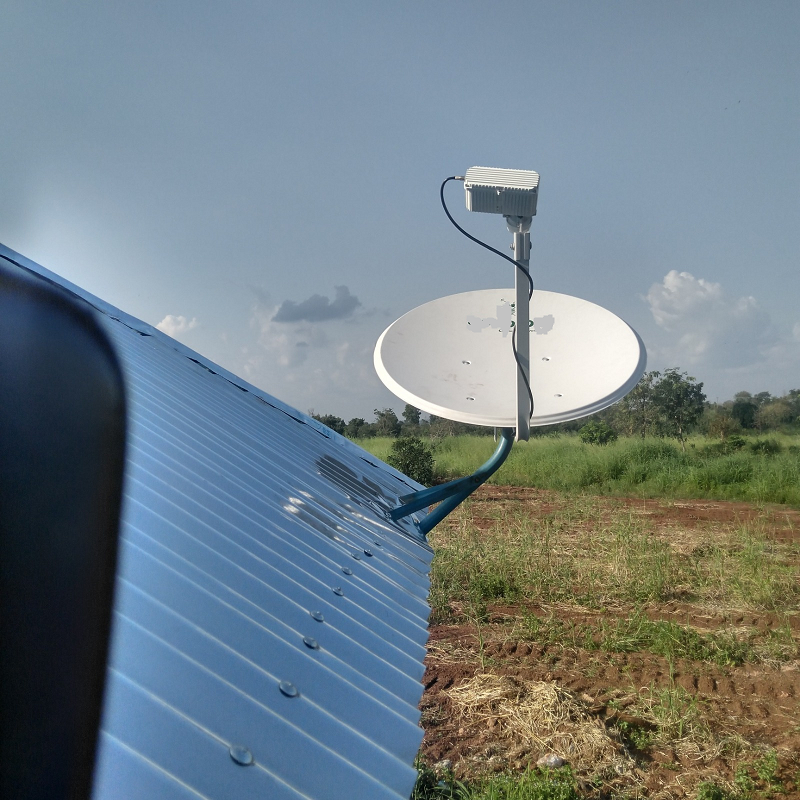
A new era is loading from wired cobweb to CDMA, from CDMA to GSM, and now from GSM to satellite: “Elon Musk-owned satellite internet Starlink, is growing rapidly in Kenya after the subscription grew by 1,955.3%, a year after the launch of the internet service in Kenya.”

I got the new iPhone for Ifeoma last week {the only gift that is appreciated very much}.  Today, she said something like “I heard Elon Musk is launching a phone that works through satellite…same number anywhere you go”. You know what? That phone capability exists at scale for the masses. The problem is that the US government does not want to distort the telecom industry yet.

SpaceX has received emergency temporary approval to provide space-based connectivity to T-Mobile customers in Florida who may lose cellular service due to Hurricane Milton.

A source familiar with the situation said the Federal Communications Commission granted SpaceX a 15-day special temporary authority (STA) for the storm’s projected path across central Florida.

SpaceX said in an Oct. 8 social media post that it has enabled basic texting services on T-Mobile phones in areas affected by Hurricane Milton and Hurricane Helene, following similar regulatory approval granted after Helene caused cellular outages in North Carolina weeks earlier.

The company said it has also activated the more than 100 direct-to-smartphone satellites launched so far to deliver emergency alerts to all phones and carriers used by those affected by the hurricanes.

How do I know? When hurricanes hit many parts of Florida a few days ago, they gave Musk’s Starlink temporary approval to activate satellite-based services to mobile devices (your normal mobile phones) via TMobile. That TMobile part is to keep things in check as with a little modification, Starlink will go directly to customers.

Good People, watch your telecom stocks well!

Starlink Sees Nearly 2,000% Subscriber Growth in Kenya

Starlink Sees Nearly 2,000% Subscriber Growth in Kenya

0

Elon Musk-owned satellite internet Starlink, is growing rapidly in Kenya after the subscription grew by 1,955.3%, a year after the launch of the internet service in Kenya.

According to a new report from the Communications Authority of Kenya (CAK), Starlink’s entry into the East African country has propelled the rapid growth of satellite internet usage, with subscriptions rising from just 405 in June 2022 to 8,324 by June 2024. This represents a 73.1% increase from March 2024 of 4,808 subscribers.

The growth in the subscription of Starlink has propelled the satellite internet to become the country’s tenth-largest internet service provider (ISP). The Elon Musk-owned Internet service which was licensed in July 2023, to provide satellite Internet services had a market share of 0.5 percent as of 30th June 2024.

The fourth-quarter industry statistics report highlights that by June 2024, satellite data subscribers had grown significantly. The CA noted that 96.9% of satellite customers are now subscribed to high-speed connections, with speeds ranging between 100 Mbps and 1 Gbps.

Safaricom, a leading provider of converged communication solutions in Kenya, continues to lead the country’s internet service market, holding a 36.4% share in the fourth quarter of 2024. Jami Telecommunications Ltd and Wananchi Group follow with 24,0% and 17.5%, respectively. Other players like Poa Internet, Mawingu, Vilcom, Dimension Data, and Liquid Telecommunications Kenya collectively accounts for 13.2%, 2.6%, 1.5%, 1.1%, and 1.0%, respectively. Starlink and Vijiji Connect both hold 0,5% of the market share as they continue to expand.

In response to rising internet demand, the total international bandwidth capacity in Kenya increased by 2.4% to 21,244.338 Gbps by the end of June 2024. SEACOM Ltd, one of the key providers, added additional capacity during this period. The utilization of undersea bandwidth capacity surged by 31.3%, recording 14,644.284 Gbps in total usage. Of this, 55% (11,690.464 Gbps) was used domestically, while 13.9% (2,953,820 Gbps) was sold outside the country.

The launch of Starlink has also led to a remarkable increase in satellite internet capacity, rising from 48.438 Gbps to 840,448 Gbps, a staggering 1,635.1% growth, showcasing the significant impact of Starlink’s services in meeting the growing internet demand across Kenya.

The Elon-Musk-owned satellite internet is reportedly one of the fastest expansions for any ISP in Kenya, driven by strong public interest in its availability in underserved regions. In a competitive local landscape where new ISPs often take years to gain traction, Starlink’s rise signals a demand for internet access among customers previously overlooked by established providers.

Recall that following the launch of Starlink in Kenya, leading telecommunications company, Safaricom, raised concerns about the regulatory environment surrounding the entry of satellite internet providers like Elon Musk’s Starlink.

The company urged the Kenyan government to implement stricter regulations for these providers, calling for apprehension about the possibility of them receiving independent licenses. In a formal letter addressed to the Communications Authority of Kenya (CAK), Safaricom urged the regulator to consider requiring satellite providers to partner with local mobile network operators.

In response to Starlink’s entry, Safaricom, which controls 36.7% of Kenya’s broadband market, upgraded its fiber Internet speeds to stay competitive. Its 10 Mbps package now offers 15 Mbps at $23 (KSh 3,000), while its highest-tier plan offers a new 1 Gbps connection at $155 (KSh 20,000). Similarly, customers on the 20 Mbps plan have been upgraded to 30 Mbps for the same price, the 40 Mbps package has been doubled to 80 Mbps at $49 (KSh 6,300), and the premium 100 Mbps package has been increased fivefold to 500 Mbps at $97 (KSh 12,500) per month.

Meanwhile, in a recent development, Safaricom has confirmed ongoing discussions with Starlink and other satellite providers, signaling a shift in strategy as competition heats up in its home market, where the telco has long maintained a dominant position.

Peter Ndegwa, CEO of Safaricom disclosed that the company is considering partnerships with Starlink or other satellite providers to ensure cutting-edge technology integration.