DD
MM
YYYY

PAGES

DD
MM
YYYY

spot_img

PAGES

Home Blog Page 2800

Tekedia Capital welcomes Propaya

0
CREATOR: gd-jpeg v1.0 (using IJG JPEG v80), quality = 82

Tekedia Capital welcomes Propaya (propaya.com) to our portfolio. Propaya is an AI automation application for rental property managers. By uploading a lease PDF, Propaya will handle everything from rent collection, utility transfer, to recommending local contractors and handymen. That rent collection is very important under One Oasis & Double Play strategy which I have written extensively in Harvard Business Review.

You may see Propaya as a real estate tech company, but here, we see it as a fintech company with focus on real estate. As it gathers momentum, financial transactions from the owners to the handymen will happen therein, even as renters use it to pay rents.

Do those rental business investments;  leave the rest for Propaya. Many Americans like the extra income but they do not like the challenges of fixing broken pipes, keys, etc for their tenants. Propaya is an operating system and a payment partner, for end-to-end management. This industry is huge and when you think of the volume of rents paid, you get the idea while the Team (Reader Wang, Jake Golas, etc) is on a mission.

Tekedia Capital (capital.tekedia.com) thesis is that the fintech of the future will be native sector companies. In other words, you need to be embedded in a sector to serve the players on payments. That thesis was validated when Lagos-based TAP focused on transportation, and then earned the ability to collect payments for transporters, and in the process became the largest and most dominant micropayment company in Africa. We expect that to play out in America with Propaya, but in the real estate sector.

The Volkswagen’s Divestment from Xinjiang China

0

In a significant move that marks a strategic shift in its global operations, Volkswagen has divested from its controversial plant in Xinjiang, China. This decision comes after years of international scrutiny and pressure over allegations of forced labor and human rights violations in the region.

The Xinjiang plant, which has been a point of contention due to the reported human rights abuses against the Uyghur population, was sold to Volkswagen’s Chinese partner, SAIC Motor. The sale not only signifies Volkswagen’s withdrawal from the region but also reflects the growing importance of ethical considerations in international business practices.

The allegations of forced labor in Xinjiang are serious and multifaceted, involving claims that the People’s Republic of China (PRC) has engaged in human rights violations against Uyghurs and other Muslim minority groups within the region. Reports from various sources, including international advocacy groups and government agencies, suggest that individuals are being detained and subjected to work under coercive conditions. These allegations include the use of surveillance, intimidation, and physical threats to force individuals to work in industries such as agriculture, manufacturing, and renewable energy component production.

The U.S. Department of State has documented instances where detainees are allegedly forced to work in adjacent or off-site factories, producing a wide range of goods from garments to electronics, often under harsh conditions and without fair compensation. The system is described as aiming to erase ethnic and religious identities under the guise of “vocational training” programs.

Furthermore, the U.S. Department of Labor outlines the oppressive conditions faced by workers, including restricted movement, monitored communication, and ideological indoctrination. The report also highlights the PRC’s Poverty Alleviation Through Labor Transfer program, which allegedly relocates rural laborers to industrial work, both within Xinjiang and across China, under the pretext of employment opportunities.

These allegations have led to international scrutiny and calls for action to ensure that global supply chains are free from forced labor. The situation in Xinjiang has become a focal point for discussions on corporate responsibility and the ethical implications of conducting business in regions associated with human rights abuses.

The decision to divest is a response to the complex interplay of economic factors and reputational risks. While Volkswagen has cited economic reasons for the sale, it is clear that the reputational damage and the potential for consumer backlash played a pivotal role in this decision. The move aligns with a broader trend of companies re-evaluating their supply chains and operational locations based on ethical considerations and human rights compliance.

Furthermore, the divestment coincides with Volkswagen’s announcement to extend its partnership with SAIC Motor until 2040, indicating a long-term commitment to the Chinese market, albeit with a revised approach that takes into account the sensitivities and ethical expectations of the global community.

This move underscores the importance of the Chinese market for Volkswagen, despite the challenges presented by the Xinjiang controversy. The company plans to introduce 18 new models in China by 2030, reflecting its commitment to maintaining a strong presence in the world’s largest automotive market.

The divestment has been largely welcomed by stakeholders and observers, who view it as a necessary step in addressing ethical concerns while minimizing financial impact. It also highlights the increasing need for multinational corporations to navigate the delicate balance between business interests and human rights considerations.

As corporations like Volkswagen navigate the complexities of global operations, this divestment serves as a reminder of the power of ethical considerations in shaping business strategies. It also underscores the importance of corporate governance and the need for transparency in addressing human rights concerns.

The sale of the Xinjiang plant may bring an end to one chapter of Volkswagen’s history, but it opens another that could redefine the company’s future in China and beyond. It is a step that will likely influence the policies and decisions of other multinational corporations facing similar ethical dilemmas.

Port Harcourt Refinery Halts Operation A Few Days After Launch

0

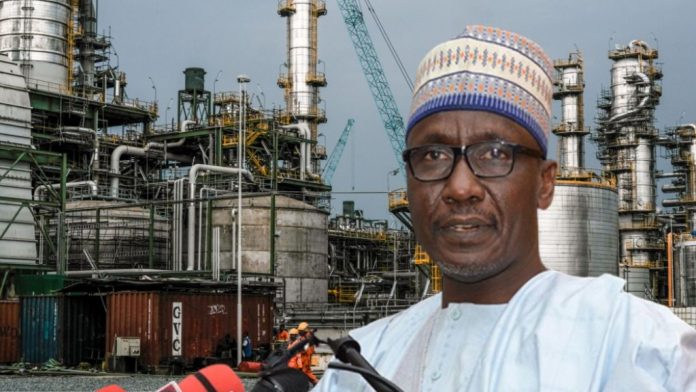
The much-celebrated reopening of the Port Harcourt Refinery appears to have stumbled out of the gate, leaving many Nigerians disappointed and skeptical about its operational status.

Despite initial claims by the Nigerian National Petroleum Company Limited (NNPCL) that fuel production and truck loading had commenced, recent investigations reveal a disconcerting lack of activity at the facility.

What’s Happening at the Refinery?

A report by The Punch, whose correspondent visited the site, revealed that the refinery is devoid of the bustle typically associated with a functional petroleum plant. Workers on-site described the facility as undergoing calibration, a process expected to continue into the following week, according to the report.

This contradicts earlier declarations by NNPCL’s Group Chief Executive Officer, Mele Kyari, who inaugurated the refinery’s Area 5 terminal on Tuesday with claims that 200 trucks were loading petrol daily.

However, insiders have disclosed that the trucks seen leaving the facility were loaded with “dead stock” — old petroleum products stored in tanks before the refinery’s shutdown in 2015/2016. These products, including Premium Motor Spirit (PMS), kerosene, and diesel, require further processing to meet commercial standards.

A refinery worker speaking anonymously revealed that much of the activity touted as progress is heavily reliant on refurbished manual systems, which fall short of the industry standard of digital operations.

“The products being loaded are from old stock, and the pumps are refurbished. This is far from the state-of-the-art operations required for a refinery of this scale,” the worker explained.

The worker further noted that the facility’s Crude Distillation Unit (CDU), which is currently operational, produces limited quantities of naphtha, kerosene, and diesel. However, the CDU cannot produce the critical components for Premium Motor Spirit (PMS), commonly known as petrol.

Public Skepticism Lingers

The refinery’s relaunch has drawn sharp criticism from Nigerians who see parallels with the much-criticized launch of Nigerian Air, which many believe was a rushed and largely ceremonial unveiling. Local residents and stakeholders have dismissed the refinery’s reopening as another elaborate public relations exercise.

For instance, a resident of the neighboring Alode community, Osaro, voiced his frustration: “After that ceremony with Mele Kyari, they claimed the refinery was operational. But what’s happening now? Nothing but loading on the pages of newspapers and social media,” he said.

Meanwhile, the NNPCL has dismissed allegations that the refinery is not functional, calling such claims a display of “ignorance.” NNPCL spokesperson Olufemi Soneye explained that the refinery’s old and new facilities have been integrated into a single terminal for product load-out.

However, these clarifications have done little to quell public skepticism.

Reports by SaharaReporters corroborate findings that the refinery’s current operations are minimal. According to insiders, the facility’s capacity to produce fuel remains severely limited, with the ongoing rehabilitation project now exceeding $2 billion.

The full operational capacity of the refinery, projected at 150,000 barrels per day (bpd), is not expected to come online until 2026, assuming additional funding is secured.

“The Crude Distillation Unit (CDU) is still running but the operation of the depot is shut down at the moment. The CDU produces naphtha, diesel and Kerosene but cannot produce the component for the production of PMS,” a source revealed to SaharaReporters.

“All these products cannot serve the masses as the production of these products are in small quantities even if the plant runs at 100% throughput. The processing plant of 150,000bpd capacity will commence operations in 2026; that is if money is made readily available to meet the timelines because at the moment the project has exceeded $2billion.”

The controversy surrounding the Port Harcourt Refinery’s reopening comes at a time of heightened economic challenges in Nigeria. Citizens grappling with soaring fuel prices and inflation had hoped the refinery’s return would alleviate some of these pressures through reduced cost of petrol. Instead, the perceived inefficiencies and lack of transparency have fueled public distrust.

Critics argue that the situation mirrors a pattern of under-delivery of government promises in the oil and gas sector. This latest episode raises broader questions about the governance and accountability of the country’s refinery rehabilitation projects.

Cardano’s (ADA) Market Cap Rockets 3x in 17 Days as RXS Crypto Price Shines With a New ATH

0
CREATOR: gd-jpeg v1.0 (using IJG JPEG v80), quality = 82

Cardano (ADA) has stunned the crypto market with a remarkable 3x surge in its market cap in just 17 days, reaffirming its position as a top-tier blockchain platform. Meanwhile, Rexas Finance (RXS) continues to steal the spotlight, hitting a new all-time high (ATH) as investors flock to its promising ecosystem. With RXS gaining momentum in the 8th presale stage and securing over $18.64M in funding, its upcoming tier 1 exchange listings and Certik-audited security are driving confidence among crypto enthusiasts. As ADA and RXS shine, the altcoin market is primed for explosive growth.

Rexas Finance (RXS)

Rexas Finance is a blockchain-based project that explores the revolutionary potential of real-world assets (RWA) tokenization. As asset management and digital finance go through significant shifts, Rexas Finance will act as a trailblazing project developed to make crypto management and creation simple, especially real-world assets.  Moreover, asset tokenization involves shifting rights to a crypto asset, enhancing any asset to be indicated and traded digitally. More so, the innovation enhances asset liquidity, transparency, and accessibility. All in all, tokenization provides many benefits: it increases liquidity by enabling illiquid assets such as real estate or art to be separated into smaller units, it reduces disturbances like geographic location, and also it enables transparency and security.

Key Features of Rexas Finance

Rexas Token Builder: Crypto users can tokenize their assets easily through Rexas Token Builder. Moreover, it easily eliminates the complexity of coding in the blockchain industry, enabling users to launch tokens in just a minute.

Rexas Launchpad: Users can begin the token funding using Rexas Launchpad. More so, the decentralized launchpad could offer a transparent and secure ecosystem for token sales on many blockchain networks.

Rexas Estate: Users can now invest in real estate with the help of Rexas Finance (RXS). This platform helps crypto users worldwide own real-world properties and earn passive income through stablecoins.

Furthermore, Rexas Finance began the presale of the native token RXS on September 8, 2024. The total supply of RXS tokens is 1 billion. Rexas project has raised over $18.64M until now, with 90% of the eighth presale stage over. This event is important for the platform as it allows early investors to engage in what might turn into a revolutionary solution for RWA tokenization.

Rexas Finance’s $1M Giveaway is live, offering a huge chance for early adopters to join the project’s growth. With a current token price of $0.1 and a projected listing price of $0.20 indicate a good opportunity for investors. Moreover, Rexas Finance has been listed on CoinMarketCap and CoinGecko. Furthermore, Rexas Finance (RXS) has the potential to be listed on Top 3 Tier 1 exchanges. Rexas Finance’s security is validated by a rigorous audit conducted by Certik.

 About Rexas Finance (RXS)

Rexas Finance is the user’s gateway to the future of asset management. Rexas allows users to own or tokenize virtually any real-world asset, from real estate and art to commodities and intellectual property worldwide. With Rexas, users gain access to a world where asset liquidity and investment choices are boundless.


For more information about Rexas Finance (RXS) visit the links below:

Website: https://rexas.com

Win $1 Million Giveaway: https://bit.ly/Rexas1M

Whitepaper: https://rexas.com/rexas-whitepaper.pdf

Twitter/X: https://x.com/rexasfinance

Telegram: https://t.me/rexasfinance

Future Forecasts: The Potential for Sports Betting Legalization in North Carolina

0

The landscape of sports betting in the United States has been rapidly transforming, with states embracing the potential economic and entertainment benefits it brings. 

North Carolina, renowned for its rich sports culture and passionate fan base, stands at the crossroads of a significant shift in its gambling laws. As discussions around the legalization of sports betting gain momentum, it’s essential to explore the prospects, challenges, and opportunities for North Carolina. This article delves into the potential for sports betting legalization in the Tar Heel State, examining the current regulatory environment, the anticipated economic impact, and the social considerations that must be addressed.

Navigating the Legal Landscape: Current Regulations and Legislative Efforts

North Carolina’s journey toward sports betting legalization is complex, marked by a mix of enthusiasm and caution. As of now, the state has yet to fully embrace legalized sports betting, but the winds of change are certainly blowing. The current regulatory framework is a patchwork of laws governing different gambling forms, yet sports betting remains largely unregulated. This ambiguity has led to a landscape where informal betting thrives, but the absence of official oversight poses significant challenges.

Legislative efforts to legalize sports betting have been gaining traction in recent years. Advocates argue that regulated sports betting could generate substantial revenue for the state, support local economies, and create jobs. Opponents raise concerns about potential increases in gambling addiction and the moral implications of expanding gambling opportunities. The debate is heating up in the state legislature, with several bills introduced that aim to address these issues while paving the way for a regulated sports betting market.

One key aspect of the proposed legislation is the establishment of a regulatory body to oversee sports betting operations. This entity would be responsible for issuing licenses, ensuring compliance with state laws, and implementing measures to promote responsible gambling. Additionally, the legislation seeks to outline the tax structure for sports betting revenues, ensuring that a portion of the profits is reinvested into public services such as education and healthcare.

Public opinion in North Carolina also plays a crucial role in shaping the future of sports betting legalization. Surveys indicate a growing acceptance of sports betting among residents, particularly among younger demographics who are more inclined to engage in online betting activities. However, a significant portion of the population remains skeptical and concerned about the potential societal impacts of legalized gambling. Balancing these diverse viewpoints is a delicate task for lawmakers, who must navigate the complexities of public sentiment while crafting effective legislation.

Moreover, North Carolina’s proximity to neighboring states that have already legalized sports betting adds another layer of complexity. States like Virginia and Tennessee have set precedents that North Carolina can observe, learning from their successes and challenges. These states’ experiences provide valuable insights into best practices for regulation, taxation, and addressing social concerns, helping North Carolina develop a more informed and effective approach to sports betting legalization.

As the legislative process continues, stakeholders from various sectors actively engage in the dialogue, including sports organizations, gaming companies, and community groups. Their input shapes the contours of the proposed laws, ensuring that multiple perspectives are considered. The collaborative efforts between lawmakers and stakeholders are crucial in creating a balanced framework that maximizes benefits while mitigating potential risks.

In summary, navigating the legal landscape for sports betting in North Carolina involves a multifaceted approach that considers regulatory frameworks, legislative efforts, public opinion, and regional influences. The ongoing discussions and legislative activities signal a promising shift towards legalization, albeit with careful consideration of the associated challenges. As North Carolina moves closer to potentially embracing sports betting, the state’s ability to implement robust regulations and address societal concerns will be pivotal in determining the success and sustainability of this venture.

Economic Implications: Boosting the State’s Revenue and Creating Jobs

The potential legalization of sports betting in North Carolina is not just a matter of regulation and legality; it’s also a significant economic opportunity that could reshape the state’s financial landscape. Proponents of sports betting legalization highlight the substantial revenue it could generate, which can be a boon for the state’s economy. By tapping into the lucrative market of sports enthusiasts and bettors, North Carolina can gain financially in ways that extend beyond the immediate betting activities.

One of the primary economic benefits of legalizing sports betting is tax revenue generation. States that have embraced sports betting have seen millions, if not billions, in tax income. This revenue can be directed towards critical areas such as education, infrastructure, and public health, providing much-needed funding for state programs and services. For North Carolina, this influx of funds could support initiatives that improve the quality of life for its residents, addressing issues from school funding to healthcare accessibility.

Moreover, the legalization of sports betting is poised to create many job opportunities. The industry requires a diverse workforce, including technology, customer service, compliance, and marketing roles. From developing and maintaining betting platforms to administrating regulatory compliance, numerous positions will be available for job seekers. This job creation can stimulate local economies, particularly in regions where new betting establishments or online platforms are established.

In addition to direct employment, sports betting legalization can have a ripple effect on related industries. Hospitality, tourism, and entertainment sectors are likely to experience growth as sports bettors travel to venues, stay in hotels, dine at restaurants, and engage in other leisure activities. This interconnectedness can lead to a broader economic boost, enhancing the overall prosperity of communities across North Carolina.

The sports betting market also presents opportunities for technological innovation and investment. As the industry evolves, there will be a growing demand for advanced software solutions, cybersecurity measures, and data analytics tools. Tech companies and startups can find fertile ground in North Carolina to develop and offer these services, fostering a vibrant tech ecosystem that contributes to the state’s economic resilience and competitiveness.

Furthermore, sports betting can enhance the state’s sports culture by increasing fan engagement and viewership. As fans place bets on their favorite teams and players, their interest and investment in games and sporting events intensify. This heightened engagement can lead to increased attendance at sporting events, greater media coverage, and a more dynamic sports environment overall. The symbiotic relationship between sports betting and fandom can amplify the enjoyment and participation in sports, benefiting both the industry and the community.

However, it’s essential to approach these economic benefits with a balanced perspective. While the potential for revenue generation and job creation is significant, it must be weighed against the costs and risks associated with increased gambling. Responsible implementation and robust regulatory frameworks are crucial to ensuring that economic gains are realized without exacerbating social issues such as gambling addiction and financial hardship among vulnerable populations.

In conclusion, the economic implications of legalizing sports betting in North Carolina are multifaceted and promising. The potential benefits are substantial, from generating tax revenue and creating jobs to stimulating related industries and fostering technological innovation. By carefully crafting legislation that maximizes these economic opportunities while addressing the associated risks, North Carolina can harness the power of sports betting to drive its economy forward, benefiting the state and its residents in meaningful ways.

Social Considerations: Balancing Entertainment with Responsible Gambling

While the economic benefits of sports betting legalization in North Carolina are compelling, it’s equally important to consider the social implications of expanding gambling opportunities. The potential for increased gambling activities brings with it a range of social concerns that must be thoughtfully addressed to ensure that the move toward legalization is both responsible and beneficial for the community.

One of the primary social considerations is the risk of gambling addiction. As sports betting becomes more accessible, particularly through online platforms, the likelihood of individuals developing problematic gambling behaviors increases. North Carolina must implement comprehensive measures that promote responsible gambling and provide support for those struggling with addiction. This includes setting up self-exclusion programs, offering resources for counseling and treatment, and ensuring that betting platforms incorporate features that help users monitor and control their gambling activities.

Education and awareness campaigns are also vital in mitigating the negative social impacts of legalized sports betting. By informing the public about the risks associated with gambling and promoting responsible betting practices, the state can empower individuals to make informed decisions. These campaigns can target various demographics, including young adults who are particularly susceptible to the allure of online betting. Schools, community centers, and public health organizations can collaborate to disseminate information and provide support systems for those in need.

Another important aspect is the protection of vulnerable populations. Legalized sports betting can disproportionately affect certain groups, such as low-income individuals and those with pre-existing mental health conditions. North Carolina must ensure that its regulatory framework includes safeguards to protect these populations from exploitation and harm. This can involve setting betting limits, restricting advertising that targets vulnerable groups, and implementing stringent age verification processes to prevent underage gambling.

The impact on communities also extends to the potential increase in gambling-related crimes. While regulated sports betting can reduce the prevalence of illegal betting activities, it’s essential to remain vigilant against fraud, money laundering, and other illicit practices undermining the betting industry’s integrity. Robust regulatory oversight and collaboration with law enforcement agencies are necessary to maintain a safe and secure betting environment.

Moreover, the presence of sports betting establishments can influence the social fabric of communities. Responsible placement of betting in the best gambling sites and thoughtful integration into local areas can help minimize potential disruptions and ensure these businesses contribute positively to the community. Engaging with residents and stakeholders during the planning and implementation stages can foster a sense of ownership and support, leading to more harmonious coexistence between betting establishments and the neighborhoods they serve.

The cultural perception of gambling also significantly shapes the social impact of sports betting legalization. In North Carolina, where sports hold a cherished place in the hearts of many, integrating betting into the sports experience can enhance fan engagement. However, it’s important to strike a balance that respects the diverse views within the community, ensuring that the expansion of gambling opportunities aligns with the values and norms of the population.

Additionally, the revenue generated from sports betting can be directed towards social programs that benefit the community. North Carolina can address some social gambling challenges by allocating a portion of the tax revenue to initiatives such as addiction treatment, mental health services, and community development projects. This approach mitigates the negative impacts and reinforces the state’s commitment to the well-being of its residents.

The social considerations surrounding the potential legalization of sports betting in North Carolina are multifaceted and require a holistic approach. By prioritizing responsible gambling practices, protecting vulnerable populations, preventing criminal activities, and fostering positive community relationships, the state can realize the benefits of sports betting without compromising the social fabric. Thoughtful and proactive measures will be key in balancing entertainment with responsibility, paving the way for a sustainable and socially conscious sports betting environment in North Carolina.