DD
MM
YYYY

PAGES

DD
MM
YYYY

spot_img

PAGES

Home Blog Page 2841

Tekedia Institute To Co-learn with Unilorin Students on Business and Entrepreneurship

3

Thank you so much University of Ilorin, Nigeria, the “better by far” epitome of academic excellence for the U-Inspire Award, to deliver and prepare young people for the world of entrepreneurial capitalism. Tekedia Institute thanks our Vice Chancellor, Prof Wahab Olasupo Egbewole, faculty, staff and students for the opportunity to co-learn with thousands of Unilorin academic Champions.

To the Champions, we’re honoured for the privilege to receive this honour to educate on the fundamental elements of business and entrepreneurship. More students, from many universities, come to Tekedia Institute than any university in Africa; you are in good hands.

Unilorin has prepared you all for success; we will only provide a little more support to the mastery you have been equipped with, in one of Africa’s finest universities. But that “little more support” will be catalytic and transformational in your career, as an engineer, accountant, economist, chemist, and more. Simply, the destination is clear: that you may lead the future in our beautiful world. Welcome to Tekedia Institute.

Thank you again Prof Egbewole for calling us to serve.

Tekedia CollegeBoost works with universities to prepare young people for entrepreneurial business success. For more, contact Eyitayo Adeleke, our program manager. I am Prof Ndubuisi Ekekwe, Lead Faculty of Tekedia Institute, USA.

Five Sustainable Business Practices for Modern Entrepreneurs

0

A couple of years ago, I remember a retail store that opened on the next street. The store owner seemed to hit gold immediately as the store quickly became a favorite stop to buy home necessities, beverages, and the like. The prices were pocket-friendly, and the customer service was fairly good, too. Their success was quite enviable and there was no doubt that other small businesses around envied them. So, imagine my surprise when the business closed the next year and I saw that the space had been converted to a salon by the next owner.

What went wrong?

That was the question on the lips of everyone. As we later got to know, the business ran out of funds. By the end of the next year, the business owner was making a tight decision between using the available funds to restock or pay the next rent and eventually choosing to close it up. It would seem that the high sales did not translate to profitability for it.

This is the harsh reality of the business environment today, and I am sure most people have seen at least one case of a business that rose rapidly, only to crash just as swiftly. The entrepreneurial dream is often marred by harsh realities, and staying power is the name of the game. To thrive, today’s entrepreneurs must build their ventures on a foundation of sustainable business practices. These aren’t just buzzwords—they’re essential strategies that can protect your business from the unpredictable storms of the market and ensure long-term success. Here are five key practices I can share that an entrepreneur should integrate into the business model from the get-go:

1. Embrace Financial Prudence because cash flow is king.

Financial prudence isn’t just about counting your pennies; it’s about having a comprehensive grasp of your cash flow, budgeting wisely, and maintaining a safety net for lean times.

Many startups falter due to poor financial management, often overspending in the early stages or failing to plan for unforeseen expenses. Financial prudence is not what you opt for when things start going south, it is something you include right from the beginning

Start by developing a Detailed Budget: Outline all projected expenses and income. Include everything from operational costs to marketing spend. Adjust this budget regularly based on actual performance. Also, build a cash reserve with at least three to six months’ worth of operating expenses to serve as a cushion during slower periods. Monitor Cash Flow and block all leakages. In the story I gave above, it later turned out that incidences of employee theft dug a deep hole in the business finances, eventually running them out of business. Use financial software to track and project cash flow accurately, and also review your cash flow statements to ensure that you’re not spending more than you’re bringing in.

2. Prioritize Customer Experience. A satisfied customer is your best marketing strategy.

The marketplace is very competitive and sometimes, your customer experience can become your key differentiator. Companies that prioritize delivering exceptional customer service tend to build stronger brands and enjoy greater customer loyalty. When customers have a positive experience, they’re more likely to return and refer others.

Listen to Your Customers. Use surveys, feedback forms, and social media to gather insights into customer preferences and pain points. Act on this feedback to refine your products and services. Also, invest in Training to Equip your team with the skills and knowledge to provide top-notch service. It is important, too, to personalize interactions and offers to suit customer needs.

3. Identify relevant Technology and Leverage it Wisely

Technology can be a game-changer, but only if used strategically. Entrepreneurs often fall into the trap of adopting new tech for its own sake, rather than considering its actual impact on their business processes. Not every technology would be useful to your business, and some may even clog up your processes. Smart technology investments can streamline operations, enhance productivity, and offer valuable insights, in a way that saves you time and money.

You can automate repetitive tasks like invoicing, inventory management, and email marketing, and let team members handle direct interactions with clients. You can also use Analytics tools to track performance metrics, customer behavior, and market trends to stay ahead of the competition. As you integrate more technology, make sure to prioritize cybersecurity measures. Protect your business data and customer information with robust security protocols and regular system updates.

4. Cultivate a Strong Company Culture from Day 1

Company culture isn’t just about perks and office ambiance; it’s about creating an environment where employees are engaged, motivated, and aligned with your business values. It is not to be introduced midway because employees naturally pick up the existing culture when they join the company, whether good or bad. A strong culture can enhance productivity, reduce turnover, and attract top talent.

Clearly articulate the Core values that guide your business; and ensure they are reflected in your hiring practices, company policies, and everyday operations. Create channels for transparent and open communication between management and staff. Regular team meetings, feedback sessions, and an open-door policy can strengthen trust and collaboration. Also, make it a habit to Acknowledge and reward the contributions, achievements, and exceptional performance of your employees.

5. Adopt Sustainable Practices

Because I am an advocate of environmental sustainability, I have to add this as the fifth tip. It is not a trend, but a necessity that you embrace eco-friendly and socially responsible practices. Interestingly, they can greatly reduce costs and ensure compliance with increasing regulations. Implement recycling programs, optimize resource uses, and invest in energy-efficient equipment and practices to reduce your carbon footprint. Also, source responsibly by choosing suppliers and partners that adhere to ethical and sustainable practices

Overall, it is not just about avoiding pitfalls, but about building a resilient and adaptable business. It is what some would call building to last, and the earlier you fuse them into your model, the better for your business in the long run.

China Cuts Rates on Mortgage by 0.5%

0

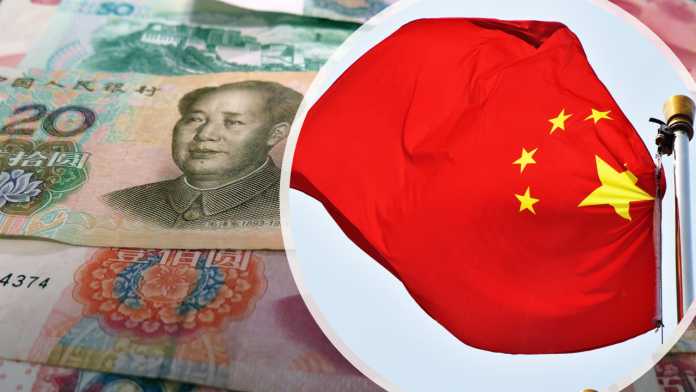
In a significant move to bolster the housing market and provide economic relief, China has announced a reduction in mortgage rates by an average of 0.5%. This decision comes as part of a broader set of policies aimed at reviving the property sector, which has been under considerable strain.

The People’s Bank of China (PBOC) has instructed commercial banks to implement a cut in interest rates on existing mortgages to no less than 30 basis points below the PBOC’s Loan Prime Rate. This directive is expected to be completed by the end of October, signaling a swift response to the economic slowdown.

The impact of this policy is multifaceted. For homeowners, it translates into a reduced financial burden, potentially freeing up income for other expenditures. For the property market, it’s a breath of fresh air, as the cost of borrowing is lowered, potentially stimulating demand and investment.

Moreover, major cities like Guangzhou have fully lifted home purchase limits, while Shanghai and Shenzhen have introduced partial relaxations ahead of the National Day holiday. These local adjustments complement the central bank’s rate cut, showcasing a concerted effort to stabilize and stimulate the property market.

The timing of these measures is critical. China’s economy, the world’s second largest, has shown signs of a slowdown, exacerbated by a crisis in the property sector. Property sales have slumped, and new home prices have seen their fastest decline in over nine years. The mortgage rate reduction is a strategic move to ease homeowners’ mortgage burdens and, by extension, aim to boost the property market and weak domestic consumption demand.

Analysts suggest that while this is a positive step, the impact on the broader economy will need to be assessed over time. The reduction in mortgage rates is expected to provide some immediate relief, but whether it will be sufficient to move the needle and boost spending by homeowners remains to be seen.

This policy change is a part of China’s most significant stimulus efforts since the COVID pandemic, aiming to pull the economy out of its current slump. It demonstrates the government’s proactive approach to managing economic headwinds and supporting one of the critical pillars of the Chinese economy—the property market.

However, some analysts suggest that the mortgage cut may still be insufficient to significantly move the needle and boost spending by homeowners. It raises the question of whether additional measures or a more substantial rate cut would be necessary to achieve the desired economic uplift.

As China continues its market-oriented reforms and addresses the changing supply and demand dynamics in the real estate market, the current mortgage rate pricing mechanism is undergoing urgent adjustments and optimization. The PBOC has acknowledged the need for these changes in light of the public’s strong responses to the economic situation.

The largest state-owned banks in China, including the Industrial and Commercial Bank of China Ltd and China Construction Bank Corp, have expressed their active response to the policy, promoting the orderly adjustment of existing mortgage interest rates.

This mortgage rate cut is a clear indication of China’s proactive approach to managing its economic challenges. It reflects a broader strategy to support the property market and provide economic relief to households. As the situation evolves, it will be essential to monitor the effectiveness of these measures and the potential need for further action to ensure the stability and growth of China’s economy.

Global Banks to Test Tokenized Assets and Digital Transaction on SWIFT Network next year

0

The financial world is on the cusp of a significant transformation as global banks prepare to test tokenized assets and digital transactions on the SWIFT network in 2025. This pivotal move marks a progressive step towards the integration of traditional financial systems with the burgeoning digital economy.

The inherent security features of blockchain technology, such as encryption and distributed ledgers, provide a robust framework for managing tokenized assets, reducing the risk of security breaches.

Tokenization, the process of converting rights to an asset into a digital token on a blockchain, is poised to revolutionize the way we think about and handle assets. From real estate to artworks, tokenization allows for fractional ownership, increased liquidity, and a reduction in transaction times and costs. The digital transaction, on the other hand, refers to the transfer of assets using digital currencies or other forms of digital money, which can streamline processes and enhance security.

The SWIFT network, a cornerstone of global banking communication, is set to leverage its expansive reach to facilitate these trials. With over 11,000 financial institutions connected and more than 5 billion messages carried annually, SWIFT’s infrastructure is uniquely positioned to support this evolution.

The integration of tokenized assets into the financial ecosystem holds the promise of a more inclusive, efficient, and innovative market. As the technology matures and adoption increases, we may witness a significant transformation in how assets are created, managed, and traded across the globe. The potential for tokenized assets to revolutionize the financial industry is immense, and the coming years will be critical in determining the trajectory of this exciting development.

The trials will explore a range of use cases, including payments, foreign exchange, securities, and trade. The focus will be on multi-ledger Delivery-versus-Payment (DvP) and Payment-versus-Payment (PvP) transactions, which are critical for ensuring the simultaneous exchange of assets and currencies. This could potentially reduce counterparty risk and enhance the efficiency of global trade.

Moreover, the tokenized asset market is projected to reach a staggering $16 trillion by 2030, indicating a substantial shift in asset management and investment strategies. The integration of Central Bank Digital Currencies (CBDCs) and tokenized assets into the SWIFT network could bridge the gap between emerging and established forms of value, allowing for seamless transactions across different asset classes.

The trials follow Swift’s successful demonstration of transferring tokenized value across public and private blockchains, interlinking CBDCs globally, and integrating multiple digital asset and cash networks. This showcases Swift’s capability to connect disparate digital networks with traditional fiat currencies, using existing infrastructure.

As the financial landscape evolves, the trials by SWIFT will be a litmus test for the scalability and adaptability of digital assets within the mainstream financial ecosystem. The success of these trials could herald a new era of banking, where digital and traditional forms of value coexist and complement each other, paving the way for a more inclusive and efficient global financial system.

The anticipation for 2025 is palpable, as the financial industry watches closely to see how these trials will unfold and what implications they will have for the future of banking, commerce, and asset management. The integration of tokenized assets and digital transactions on the SWIFT network could very well be the harbinger of a new financial paradigm.

The Lesson from U.S. dockworkers As AI Era Brings Job Disruptions

1

During the industrial revolution, many British farm workers protested as they feared that tractors and broad mechanization in agriculture would displace them at work. Of course, protests or no protests, mechanization continued. But over time, most of those workers moved into other sectors, with few people working in farming even as productivity and farm output improved in agriculture.

Fast forward today: “Some 45,000 U.S. dockworkers at ports along the East and Gulf coasts are back at work Friday after their union reached a tentative deal that provides a roughly 62% pay bump. …Among the concerns of the International Longshoremen’s Association is ensuring job security or upskilling as automation takes hold.”

Yes, men and women working in ports and wharfs went on strike to protect their jobs in this age where robots and AI are expected to take many jobs. Any victory will be temporary because the ports of the future will likely be fully automated as they have in China these days. But what is amazing in this protest is the requirement of “upskilling” where the workers are saying, if you do use robots to do our jobs, you can retrain us to be the people who will do the new jobs.

I think we can learn from what is happening here: these workers are getting 62% bump even as they would be retrained. Simply, as AI comes, companies should explore how NOT to see cutting careers as the first solution. They can be nuanced on this, making sure innovation does happen even as families are not thrown under the bus. 

You can argue that the dockworkers got this deal because they are unionized. That is correct. But we must not all be unionized before we can ask companies and business leaders to see families in this emerging automation redesign. People will lose jobs, but new jobs would be created, just as what happened during the industrial revolution. 

But as that happens, there needs to be a way to ensure the process is not destructive to families. Political leaders have a role to play here to avoid a scenario where the 1% will expand their wealth even as the 99% are lost economically.