DD
MM
YYYY

PAGES

DD
MM
YYYY

spot_img

PAGES

Home Blog Page 2883

MTN Nigeria Post Resilient Q3 2024 Report, Fintech Revenue Grew by 18.0% Amidst Macroeconomic Pressures

0

MTN Nigeria recently released its unaudited results for the third quarter of the month (Q3), which ended September 30th, 2024, showcasing a resilient performance despite macroeconomic pressures.

During the year, the company experienced growth in its key business segments, highlighting the resilience in the demand for data, voice, fintech, and digital services, each delivering double-digit growth.

MTN delivered a growth of 52.3% in data revenue, driven by an expansion in user base and data usage. The growing demand for digital services, social media, and streaming content has been crucial in driving data consumption. As a result, the average data usage per customer increased by 31.2%, reaching 11.2 GB, while overall data traffic grew by 42.1%.

Significant progress was recorded in scaling its position in the home broadband market, adding over a million new home broadband subscribers. This brings the total number of subscribers using the 5G fixed wireless access devices, mobile broadband solutions, and fiber-to-the-home connectivity solutions to over 3 million.

MTN’s Fintech revenue grew by 18.0%, with an acceleration in Q3 (up 32.3%) with Xtratime contributing significantly to the growth. In Q3, the company streamlined the incentive structures in its sales and distribution channels. As part of this, it went ahead to rationalize the sales force to focus on service penetration, improve monetization, and reduce acquisition costs.

This impacted the evolution of the ecosystem indicators in the short term, with a decline in active wallet (down 21.7%), agent (down 81.5%), and merchant (down 53.3%) bases. Overall, the company expects these interventions to enhance the profitability of the MoMo PSB ecosystem.

Despite these trends, transaction volume increased by 16.6% YoY overall, demonstrating improved quality and the underlying demand momentum in the ecosystem. The company announced plans to continue the work to deliver a compelling product portfolio and user interfaces, with a focus on advanced services to sustainably scale the business in line with our strategy.

Revenue from digital services continued to accelerate, rising by approximately 103%. This increase was driven by higher adoption of expanded digital offerings and improvements to the user journey experience. This significant growth was achieved, despite NCC’s NIN-SIM directive, which impacted its user base in Q3. MTN ended the period with approximately 16.2 million users, reflecting a 0.7% increase YoY.

Commenting on the company’s performance, MTN Nigeria CEO, Karl Toriola said,

“Despite persistent macroeconomic pressures and regulatory challenges, we maintained our growth momentum. The challenging inflationary environment and naira depreciation impacted consumer spending power and business activity. However, we focused on operational efficiency and commercial growth.”

As MTN moves into the final quarter of 2024, the company anticipates that ongoing macroeconomic pressures which include high inflation and forex volatility, will continue to impact consumer spending and businesses. However, it has assured to remain focused on implementing strategic initiatives to mitigate the impact on overall operations.

In this regard, MTN Nigeria plans to prioritize the recovery of its subscriber base, which was impacted by the NIN-SIM directive. At the same time, it highlights plans to remain engaged with regulatory authorities to make tariff adjustments for the sustainability of the industry and its value chain.

Against this backdrop, the company remains optimistic about a constructive outcome from industry tariff engagements, which it believes will support the recovery of profitability and balance sheet profile, as well as the medium and long-term growth of our business.

In fintech, it has streamlined its sales and distribution model to drive quality and more profitable growth in its business. In this context, MTN will continue to prioritize the accelerated adoption of wallets, focusing on advanced services and the MoMo PSB app to enhance the user experience and engagement.

Notably, the company highlighted a significant plan to continue implementing appropriate interventions to navigate the challenging operating environment as it executes its strategy to sustain growth. This includes driving cost management across the business through expense efficiency programs and strengthening operations and financial positions to support the recovery of overall capital position.
Understanding SSL Certificates: The Ultimate Guide for Secure Websites

0

Discover everything you need to know about SSL certificates, including their importance, types, and how they secure online transactions. Learn why every website needs an SSL certificate for better security, SEO benefits, and user trust.

In today’s digital landscape, secure online interactions are more essential than ever. SSL certificates play a critical role in safeguarding websites and ensuring that data shared between users and websites remains private and secure. If you own or manage a website, understanding SSL certificates is vital. This article will cover what SSL certificates are, how they work, the different types available, and why they are essential for every website.

What is an SSL Certificate?

An SSL certificate, or Secure Sockets Layer certificate, is a digital certificate that authenticates a website’s identity and enables an encrypted connection. Essentially, SSL certificates create a secure environment for sensitive data, such as credit card information, login credentials, and personal details, to be transferred between the user’s browser and the web server.

SSL certificates prevent unauthorized parties from intercepting or tampering with data in transit. Websites with an SSL certificate display “HTTPS” in their URL, rather than “HTTP,” along with a padlock symbol, signaling to visitors that the site is secure.

How Does an SSL Certificate Work?

SSL certificates work through a process called public-key cryptography, which involves two keys: a public key and a private key.

  1. Public Key: Available to everyone, the public key is used to encrypt data.
  2. Private Key: This key, kept secure on the web server, is used to decrypt data encrypted by the public key.

When a user visits a website with an SSL certificate, their browser initiates a “handshake” with the server, verifying the SSL certificate’s authenticity. Once verified, the data is encrypted with the public key and decrypted on the server with the private key, protecting the data from interception during transmission.

Why Do You Need an SSL Certificate?

There are multiple reasons every website should have an SSL certificate, especially those dealing with sensitive information or personal data.

  1. Data Security: SSL encryption ensures that data remains secure during transmission, protecting sensitive information like payment details and personal identification.
  2. Building Trust with Visitors: Websites with SSL certificates show a padlock icon and “HTTPS” in the URL, which reassures users that the site is trustworthy. Sites without SSL certificates risk looking suspicious and untrustworthy, which can drive visitors away.
  3. Improved SEO Ranking: Google considers SSL certificates as a ranking factor. Websites with SSL certificates are more likely to rank higher in search engine results than those without. SSL certificates are not just about security; they contribute to a website’s SEO health as well.
  4. Compliance with Regulations: Various data protection laws, such as the GDPR in Europe, require businesses to implement reasonable security measures to protect customer data. SSL certificates help meet these requirements and protect businesses from legal implications.

Types of SSL Certificates

There are several types of SSL certificates, each serving different purposes and levels of security.

  1. Domain Validated (DV) SSL Certificate: This type is the most basic and only verifies the domain’s ownership. It’s best for informational websites where sensitive information is not exchanged.
  2. Organization Validated (OV) SSL Certificate: This type of certificate provides more robust verification, as it not only verifies domain ownership but also checks the organization’s identity. This type is suitable for business websites that need a higher level of security.
  3. Extended Validation (EV) SSL Certificate: EV SSL certificates offer the highest level of validation, requiring a thorough verification process of the organization. This type is often used by major corporations and e-commerce websites that handle highly sensitive information.
  4. Wildcard SSL Certificate: Wildcard SSL certificates secure a domain and all its subdomains. For example, a Wildcard SSL for “com” would also secure “sub.example.com” and any other subdomains under the main domain.
  5. Multi-Domain SSL Certificate: Multi-Domain SSL certificates, also known as Subject Alternative Name (SAN) certificates, allow multiple domains to be secured under one certificate. This type is beneficial for businesses managing several websites.

How to Obtain an SSL Certificate

  1. Choose a Certificate Authority (CA): A Certificate Authority, or CA, is a trusted organization that issues SSL certificates. Some popular CAs include DigiCert, GlobalSign, and Let’s Encrypt. Research and select a CA based on your needs and budget.
  2. Generate a Certificate Signing Request (CSR): The CSR is a file that includes your website’s public key and important information about your organization. You’ll need to generate this on your server before you can request the SSL certificate.
  3. Submit the CSR to Your CA: Once the CSR is generated, you can submit it to your chosen CA along with any required documentation.
  4. Verification Process: Depending on the type of SSL certificate, the CA may require various levels of verification. Domain Validated certificates require minimal verification, while Extended Validation certificates involve more stringent checks.
  5. Installation: After verification, the CA will issue the SSL certificate. You’ll need to install the certificate on your web server, a process that may vary depending on your hosting provider.

The Costs of SSL Certificates

The price of SSL certificates can vary widely, from free options like Let’s Encrypt to high-cost certificates issued by major CAs with additional features or warranties.

  • Free SSL Certificates: Ideal for small websites or informational sites that do not handle sensitive information.
  • Paid SSL Certificates: Offer higher levels of security, technical support, and often come with a warranty. Prices can range from $10 to hundreds of dollars per year, depending on the type and level of validation.

Troubleshooting SSL Certificate Issues

Common SSL certificate issues include:

  • Certificate Mismatch: Occurs when the SSL certificate does not match the website’s domain. Ensure you’re using the correct certificate for the intended domain.
  • Expired Certificate: SSL certificates have a validity period, typically one or two years. Make sure to renew your SSL certificate before it expires to maintain site security.
  • Untrusted Certificate Authority: If the CA is not recognized by the browser, users will see a security warning. Avoid this by choosing a reputable CA.
  • Mixed Content: If your website has both secure (HTTPS) and insecure (HTTP) elements, users may see a warning. Ensure all resources on your site are loaded over HTTPS.

Also, read more visit yearlymagazine

Conclusion: SSL Certificates Are Essential for Every Website

SSL certificates are no longer optional—they are a necessity. They ensure that your website is secure, trusted, and compliant with data protection regulations. Not only do they protect sensitive user information, but they also boost your website’s SEO ranking and help build trust with visitors.

Whether you’re running a blog, a business site, or an e-commerce platform, there is an SSL certificate that meets your needs. Investing in the right SSL certificate not only secures your website but also enhances its credibility and visibility online. Embrace SSL to make your website a safer place for your users and stay ahead in the digital world.

Shiba Inu and Cardano: Can They Defend Their Positions as Rexas Finance (RXS) Races to Overtake Them in the Top 15 Cryptos?

0

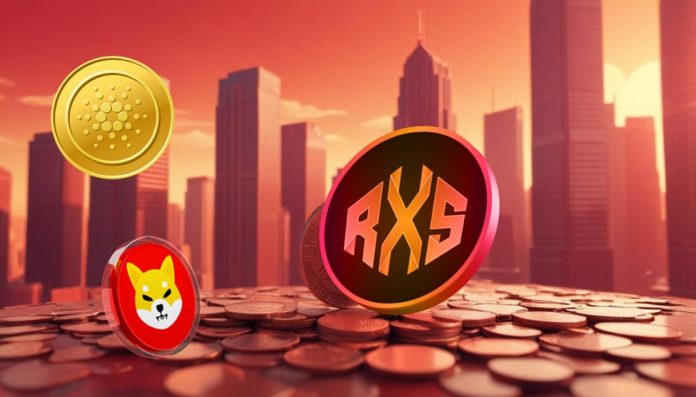
The crypto market continues to evolve with intense competition for the top spots. Shiba Inu (SHIB) and Cardano (ADA), known for their strong communities and innovative projects, now face growing competition from Rexas Finance (RXS). As RXS drives forward with unique offerings in real-world asset tokenization, it is becoming a contender to rival these established players. As investors weigh their options, the question remains: Can SHIB and ADA defend their positions against the meteoric rise of Rexas Finance? 

Shiba Inu Rising but Facing Pressure

Shiba Inu (SHIB), known for its origins as a meme coin, has gained serious attention due to its price movements and a loyal following. After experiencing an 8.18% increase over the past week, SHIB is drawing the eyes of analysts. Predictions suggest that SHIB could surge by up to 200%, with a target of $0.000038. However, SHIB faces potential corrections before this rise, with some analysts expecting a downturn to $0.000014075. Despite these predictions, SHIB’s volatility presents risks. The coin’s price movement heavily depends on market sentiment and the broader crypto market’s health. While some are optimistic about its future growth, others are cautious, warning of a potential 35% correction. SHIB’s current market cap of $11.046 billion highlights its strong presence, but the uncertain path forward raises questions about its ability to maintain its position. 

Cardano Struggling for Momentum

Cardano (ADA), a major player in the crypto market, has seen stagnant price action. Since the beginning of October, ADA’s price has fluctuated between $0.33 and $0.37, with little sign of a breakout. Cardano’s weakening correlation with Bitcoin, now at a low of 0.35, further isolates it from broader market trends. Investors remain cautious, with many opting to hold rather than sell at a loss. Despite ADA’s strong fundamentals and loyal community, its lack of momentum could hinder its ability to defend its position. Key resistance at $0.37 and support at $0.33 leave ADA stuck in a tight range. Without a significant catalyst, ADA’s price is unlikely to break out of this range anytime soon, putting pressure on the coin’s ability to compete with rising projects. 

Rexas Finance: A Contender with Real-World Asset Tokenization

While SHIB and ADA navigate their market challenges, Rexas Finance (RXS) is leading the tokenization of real-world assets (RWA). With its platform, users can invest in and tokenize assets like real estate, commodities, and art. Rexas Finance’s token builder simplifies the process, enabling users to tokenize assets with ease, opening up opportunities for both fractional and full ownership. Rexas Finance’s QuickMint Bot, available on Telegram and Discord, offers a seamless way to mint tokens on Ethereum and EVM-compatible blockchains. In addition, the Rexas Launchpad supports new projects in raising funds, making it a key player in the evolving world of decentralized finance.

Another standout feature is the Rexas AI Shield, which enhances security for users engaging in tokenization, making the platform more reliable and efficient. Rexas Finance’s presale has been a significant success, with stages 1-3 selling out quickly, raising $2.75 million. Currently in its fourth stage, the presale price has already doubled to $0.06 per token, and those investing now could see a 3.5x return at launch. With $4.245 million already raised, the demand for RXS is clear, positioning it as a strong contender to challenge SHIB and ADA. 

Rexas Finance’s Market Edge

Rexas Finance’s listing on CoinMarketCap has further solidified its visibility and credibility. As one of the most widely used platforms, this listing boosts investor confidence and attracts attention from traders and enthusiasts alike. Additionally, Rexas Finance’s $1 million giveaway is now live, with 20 lucky winners set to win $50,000 USDT each. This promotion further drives interest and engagement, adding another layer of excitement to the project. 

Conclusion

As Rexas Finance makes strides in tokenizing real-world assets, it is gaining momentum in the crypto market. While Shiba Inu and Cardano maintain their positions, the innovative features of Rexas Finance give it the potential to overtake them. Investors looking for real-world asset exposure and the ability to tokenize their investments are increasingly turning to RXS. With its presale success and unique offerings, Rexas Finance is emerging as a serious contender, making it a project to watch as it races towards the top 15 cryptos.


For more information about Rexas Finance (RXS) visit the links below:

Website: https://rexas.com

Win $1 Million Giveaway: https://bit.ly/Rexas1M

Whitepaper: https://rexas.com/rexas-whitepaper.pdf

Twitter/X: https://x.com/rexasfinance

Telegram: https://t.me/rexasfinance


Shiba Inu and Pepe Coin Fade As Traders Back This New Token for 2025 Bull Run

0

Investors are keen to find emerging coins that could yield substantial returns in the crypto market. The once-popular meme coins Shiba Inu (SHIB) and Pepe Coin (PEPE) show waning interest among traders. As attention shifts, the focus is now on FXGuys ($FXG), a new token poised for significant growth in the anticipated 2025 bull run.

FX Guys has attracted investors with its innovative PropFi funding program, which gives talented traders access to real capital. In Stage 1 of its presale, early investors can buy $FXG tokens at an attractive price of $0.03. These tokens are expected to grow significantly as the project progresses and moves onto major exchanges.

This article examines why investors turn to FX Guys as Shiba Inu and Pepe Coin decline.

>>>BUY $FXG TOKENS HERE<<<<

Shiba Inu (SHIB): Driving Decentralized Innovation

Shiba Inu is a remarkable project in the cryptocurrency world, drawing inspiration from Dogecoin. Created by an anonymous figure named Ryoshi, SHIB initially had a staggering supply of one quadrillion tokens. Half of these tokens were given to Vitalik Buterin, the co-founder of Ethereum, to build credibility, which helped gain trust within the community.

The true potential of Shiba Inu lies in its connection to the Ethereum network. It powers ShibaSwap, a decentralized exchange allowing users to trade and stake tokens easily. Also, plans are underway for an NFT platform and a governance system, giving token holders a voice in future developments.

Pepe Coin (PEPE): Capitalizing on Meme Coin Momentum

Pepe Coin is making waves in the cryptocurrency world by building on the popularity of other meme coins. It has a no-tax policy and focuses on simplicity, embracing the true spirit of a meme coin without any complex features. This straightforward approach appeals to many crypto enthusiasts who value transparency.

Between late April and May 2023, Pepe Coin experienced an incredible surge, with its market cap reaching a high of $1.6 billion. This rapid growth turned early investors into millionaires and created an active community of supporters. Pepe Coin’s ambitious roadmap includes plans for listings on major exchanges and a “meme takeover,” which aims to strengthen its presence in the crypto market.

FXGuys ($FXG): Transforming Forex Trading Through Decentralization

As traders look for the most promising crypto investments, FX Guys is emerging as a strong contender against fading options like Shiba Inu and Pepe Coin. FX Guys is a decentralized forex broker and proprietary trading firm that offers access to real trading capital and various assets. With a mission to create a secure and community-focused crypto trading platform, FX Guys aims to revolutionize the traditional Forex industry and provide traders with essential tools for success.

The forex market trades trillions of dollars daily, and FX Guys is tapping into this massive potential to attract investors. By bringing forex trading to the blockchain, trading is made more accessible for everyone, including retail traders who often feel excluded. The vast market size boosts user growth and increases demand for the $FXG token, making it one of the most promising crypto opportunities on the market.

>>>BUY $FXG TOKENS HERE<<<<

FXGuys ($FXG): Empowering Traders with Capital, Staking, and Advanced Analytics

This new DeFi token also allows traders to manage substantial capital, providing up to $200,000 through its Prop Firm Funding program. This model lets traders leverage significant resources without risking their capital while benefiting from a clear profit-sharing structure. The FXG uys platform equips users with advanced analytics tools for market insights and performance tracking, enhancing their trading experience.

In addition, the FX Guys project features an engaging staking mechanism that allows investors to earn up to 20% annual profit based on trading volume. Stakers receive rewards based on the number of $FXG tokens they lock in, creating a passive income opportunity while allowing flexibility in their investment. This unique offering makes FX Guys an innovative crypto trading platform in the market.

Conclusion

As the popularity of Shiba Inu and Pepe Coin declines, FX Guys emerges as a promising option for those looking to invest in the next bull run. With its innovative approach to forex trading and strong community focus, this DeFi token is well-positioned to capture the interest of traders in 2025. Investors seeking to diversify their portfolios should consider FX Guys as a key project in the crypto market.


To find out more about FXGuys follow the links below:

Website | Whitepaper | Socials | Audit

Exclusive FXGuys Promo Code:

USE PROP10 FOR 10% BONUS

Roles of IMF and World Bank Meetings in Global Economic Recovery

0

As the world continues to grapple with the aftermath of unprecedented economic challenges, the International Monetary Fund (IMF) and World Bank Group (WBG) annual meetings emerge as pivotal platforms for catalyzing global economic recovery. These institutions, established over seven decades ago, have been at the forefront of international economic cooperation, providing financial assistance, policy advice, and technical expertise to member countries.

The autumn meetings of the IMF and World Bank are particularly significant, as they convene global leaders, finance ministers, central bankers, private sector executives, and academics to deliberate on pressing economic issues. The discussions and decisions taken during these meetings have the potential to shape economic policies and reform agendas that can stimulate growth and stability.

In recent years, the global economy has faced a confluence of challenges, including the lingering effects of the COVID-19 pandemic, geopolitical tensions, supply chain disruptions, and environmental crises. These have resulted in economic contractions, increased debt burdens, and heightened uncertainty, underscoring the need for concerted and coordinated international efforts to foster a resilient recovery.

The IMF and World Bank meetings serve as a forum for exchanging ideas and experiences, assessing the global economic outlook, and forging consensus on strategies to address shared challenges. They provide an opportunity for member countries to discuss policy measures that can support economic recovery, such as fiscal stimulus, debt restructuring, and investment in sustainable infrastructure.

Moreover, these meetings facilitate discussions on reforming the global financial architecture to better respond to future crises. This includes exploring ways to enhance the effectiveness of international financial safety nets, improve debt transparency, and strengthen the capacity of countries to manage economic shocks.

The outcomes of the IMF and World Bank meetings can drive global economic recovery by:

  1. Promoting Policy Coordination: By fostering dialogue among policymakers, the meetings encourage the alignment of economic policies across countries, which is crucial for managing global spillovers and avoiding policy missteps.

  2. Mobilizing Financial Resources: The meetings can result in commitments from member countries and international institutions to provide financial support for recovery efforts, particularly in emerging markets and developing economies.

  3. Advancing Structural Reforms: The discussions can lead to a consensus on the need for structural reforms that enhance productivity, competitiveness, and inclusive growth, laying the foundation for long-term economic resilience.

  4. Addressing Debt Vulnerabilities: The meetings provide a platform for addressing debt-related challenges, including the need for debt relief initiatives and the development of sustainable borrowing practices.

  5. Fostering Sustainable Development: The meetings emphasize the importance of integrating environmental sustainability into economic recovery plans, recognizing the interdependence of economic health and ecological well-being.

The effectiveness of the IMF and World Bank meetings in driving global economic recovery ultimately depends on the willingness of member countries to implement agreed-upon policies and reforms. While the meetings themselves do not guarantee outcomes, they play a critical role in shaping the global economic agenda and facilitating the collective action needed to overcome current and future challenges.

As the world economy continues to navigate a path toward recovery, the role of the IMF and World Bank meetings remains as relevant as ever. The collaborative spirit and shared sense of purpose that these meetings embody are essential for building a more prosperous and sustainable global economy.