DD
MM
YYYY

PAGES

DD
MM
YYYY

spot_img

PAGES

Home Blog Page 2919

Rising Petrol Prices to Worsen Nigeria’s Energy Poverty: Consumers to Transfer N5tn to Government Purse – Rewane

0

In a recent economic projection, prominent Nigerian economist and Chief Executive Officer of Financial Derivatives Company Limited (FDC), Mr. Bismarck Rewane, has warned that the latest surge in petrol prices, which saw an increase of 50.1% from N568 to N855 per liter, would have profound consequences for Nigerian consumers.

Speaking during his monthly presentation at the Lagos Business School (LBS) Breakfast, titled, “All That Glitters are Not Gold,” Rewane noted that this price hike is likely to worsen the country’s energy poverty crisis, drawing N5 trillion from consumers to the government’s coffers.

“The macroeconomic and welfare impact of the new petrol price implies that N5 trillion is withdrawn from consumers and transferred to the government,” Rewane explained.

He added that this shift would likely exacerbate energy poverty in the nation, predicting that the number of Nigerians trapped in energy poverty will rise from 161 million in 2023 to 168 million by 2025.

Though Rewane acknowledged that the price increase could potentially strengthen the naira as liquidity diminishes, he cautioned that this might come at the expense of social stability.

“Exchange rate could strengthen as liquidity decreases and fiscal deficit declines, but this price hike may instigate social unrest as citizens react in frustration,” he stated.

The price jump, according to Rewane, could also drive re-inflation, particularly as logistics costs skyrocket and consumer demand declines due to shrinking household income.

In addressing possible relief for consumers, Rewane pointed to the commencement of petrol production by the Dangote Refinery, which could help alleviate supply challenges. However, he noted that the price of petrol will still largely depend on global crude oil prices.

“The start of petrol production by Dangote refinery will offer relief to consumers by addressing the supply challenges and guaranteeing quantity and quality of refined products, but not the price,” Rewane said.

He further explained, “No producer will sell below its production cost, and the domestic price of petrol depends on the global price of oil.”

The economist also predicted that the smuggling of petrol to neighboring countries within the Economic Community of West African States (ECOWAS) would reduce once the Dangote Refinery began production, as the refinery would be able to sell directly to these nations.

“Nigeria’s demand for PMS will stabilize at 35 million liters per day,” he projected, further suggesting that the refinery’s operations would improve supply and alleviate fuel scarcity.

He delved into the broader economic implications of these developments, stressing that the Dangote Refinery’s operations could boost Nigeria’s GDP and aggregate output. Additionally, Rewane highlighted that the increase in petrol supply could eliminate long queues at filling stations, improve the quality of fuel, and bolster employment opportunities.

“The macroeconomic impact of the Dangote refinery will include an increase in petrol supply, elimination of petrol queues, improvement in quality of petrol product, increased GDP output, and improved balance of trade,” he noted.

However, despite the potential benefits, Rewane warned that the inflationary pressures resulting from the recent petrol price increase could prevent the Central Bank of Nigeria (CBN) from reducing interest rates anytime soon. He commented on the analysts’ expectations of monetary easing after the 850 basis points hike in the Monetary Policy Rate (MPR), saying, “The petrol price spike will renew inflationary pressures. Therefore, analysts’ expectations for a slash in interest rate will have to wait until January 2025.”

Rewane also pointed out that Nigeria’s structural challenges continue to drive inflation, and fiscal policies are required to address these issues.

“Fiscal policies are also needed to tackle structural inflation drivers, such as insecurity, infrastructure deficiencies, and import dependence,” he advised.

His assessment of the current economic landscape suggested that Nigeria’s GDP numbers might not fully reflect the realities on the ground, particularly about employment and productivity.

He highlighted that only 27.74% of GDP activities expanded in Q2 2024, while 54.35% slowed and 23.91% contracted. This sluggish growth, he argued, has grave implications for employment opportunities, especially in labor-intensive sectors.

“Sectors that expanded in Q2’24 are mainly labor inelastic sectors,” Rewane explained.

He added that manufacturing, agriculture, construction, real estate, and trade all slowed in Q2 2024 compared to the same period in 2023.

“The economic implications are reduced employment opportunities, slower economic growth, supply chain disruptions, increased import dependency, and rising inequality,” Rewane remarked, outlining the challenges facing the Nigerian economy as it contends with rising inflation and reduced productivity.

On the issue of electricity generation, Rewane projected a positive outlook, stating that increasing Nigeria’s electricity generation to 6,000 MW from the current 4,000 MW within the next six months would lead to significant improvements in economic stability and industrial output.

“A 1,000 MW increase in power generation will lead to a 0.5% rise in GDP,” Rewane predicted, highlighting the potential for enhanced foreign direct investment (FDI), job creation, and productivity gains across the country.

“Consumers will benefit from reliable access to electricity, decreased cost of generator use, improved comfort, and increased disposable income,” he added.

How Much Will Dangote Refinery Sell Fuel?

Despite widespread expectations that the Dangote Refinery would help reduce fuel prices in Nigeria, recent events and prevailing market realities indicate otherwise. Initial hopes hinged on the refinery’s capacity to produce domestically refined fuel at a cheaper rate, providing much-needed relief to consumers.

However, emerging trends suggest that the refinery is likely to sell petrol at over N1,000 per liter once it begins full operations. This possibility has further dampened expectations, as Nigerians continue to grapple with rising energy costs.

While President Bola Tinubu has directed the Nigerian National Petroleum Company Limited (NNPCL) to supply crude oil to the Dangote Refinery in naira—bypassing the foreign exchange cost that has previously inflated production expenses—the refinery’s current stock was purchased in dollars. This means that its pricing structure is still heavily influenced by international market forces.

Analysts predict that the refinery will price its products accordingly, reflecting global crude oil prices rather than domestic conditions. With this in mind, the refinery’s operations may not immediately translate into lower prices for Nigerian consumers.

In the coming months, the reality of these dynamics is expected to unfold, leaving Nigerians bracing for the possibility of higher petrol prices, despite the much-anticipated boost in local fuel production.

Starlink Expands Internet Coverage to Zimbabwe, Enhancing Connectivity Across Africa

0

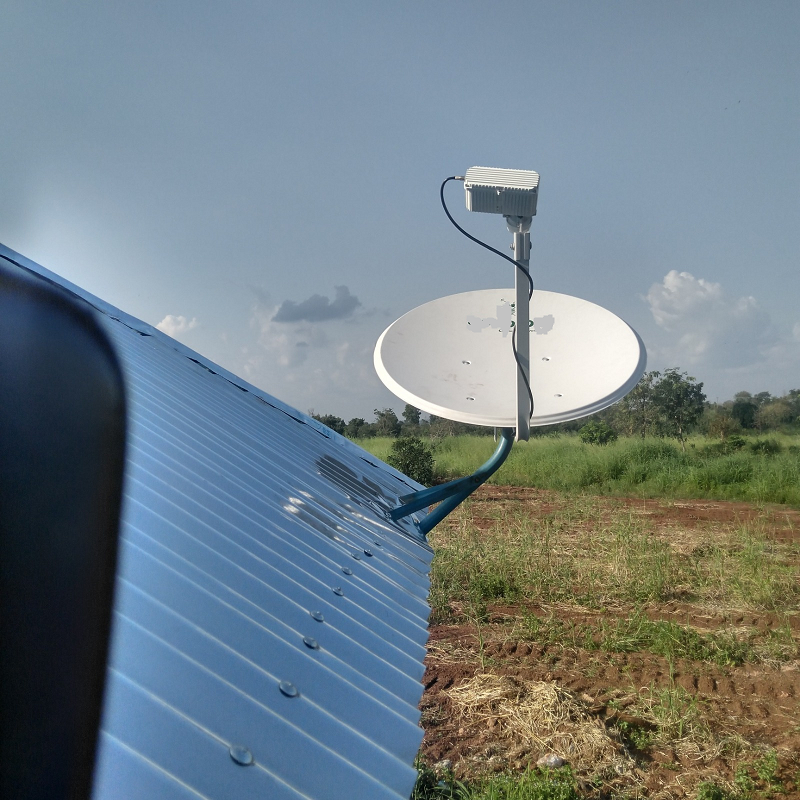
Starlink, the satellite internet service provider by Elon Musk’s SpaceX, has officially expanded its services to Zimbabwe, further advancing internet connectivity across Africa.

On September 7, 2024, the satellite internet provider announced on X its launch of operations in Zimbabwe.

The company wrote,

“Starlink’s high-speed, low latency internet is now available in Zimbabwe”.

Starlink pegged the prices for its hardware with the standard priced at $350 while the price of mini cost $200. Zimbabweans can now access Starlink at a monthly subscription of $50 per month (standard), while the smaller one (Mini) is priced at $30 per month.

Starlink’s launch in Zimbabwe comes four months after the government approved its operations. Recall that government has Previously banned the use of Starlink kits, even though the service was becoming increasingly popular among Zimbabweans seeking better internet quality. In July, IMC Communications, Starlink’s exclusive local partner, revealed that over 5,000 people were using the service illegally in the country.

This spurred the government of Zimbabwe to ordered the shut down Starlink services in the country. The order was issued by the Postal and Telecommunications Regulatory Authority of Zimbabwe (POTRAZ) in an email.

Part of the mail reads,

You are currently using Starlink in an unauthorised territory, As a result. Starlink has been directed by the Postal and Telecommunications Regulatory of Zimbabwe (POTRAZ) to disable your service. As described in your Terms of Service, Starlink does not guarantee when or where its Mobile or Mobile Priority Services Plans will be available. Use of such services Is dependent on many factors, including obtaining or maintaining the necessary regulatory approvals which are subject to change”.

However, Zimbabwe’s President Emmerson Mangagwa, has expressed optimism about Starlink’s impact. He believes that Starlink’s presence will in the Southern African country, will enhance internet access especially in rural areas. “The entry by Starlink in the digital telecommunications space in Zimbabwe is expected to result in the deployment of high speed, low cost, LEO internet infrastructure throughout Zimbabwe and particularly in all the rural areas,” he said in a May 25 post on X, announcing the approval of Starlink’s operating license.

Starlink launch in Zimbabwe, follows on the heels of its launch in Botswana earlier this week. The rollout in Zimbabwe is expected to have a transformative impact, particularly in sectors such as education, healthcare, and e-commerce, enabling more people to participate in the digital economy. This move aligns with Starlink’s broader mission to bring fast, affordable internet to every corner of the world, helping to bridge the digital gap and improve connectivity in Africa.

Overall, Starlink’s aggressive expansion in Africa, is expected to have a long-term positive effect on the continent’s digital economy, bridging the digital divide and fostering innovation across multiple sectors. The continued rollout in additional countries will further enhance the continent’s connectivity and global competitiveness.

NCC Introduces Device Management System to Manage and Regulate Mobile Devices in Nigeria

0

The Nigerian Communications Commission (NCC) has taken a significant step toward improving mobile device regulation by introducing the Device Management System (NCC-DMS).

This centralized Central Equipment Identity Register (CEIR) is designed to manage and regulate mobile devices accessing communication networks across the country. The initiative comes as part of the NCC’s ongoing efforts to enhance security, curb device theft, and ensure compliance with regulatory standards.

As part of its recently released ‘Type Approval Business Rule 2024,’ the NCC has mandated that all Mobile Network Operators (MNOs) in Nigeria connect to the NCC-DMS. This directive is expected to foster a more uniform and effective approach to managing mobile devices within Nigeria’s telecommunications ecosystem.

The new system will acquire and track the International Mobile Equipment Identity (IMEI) of all devices latching onto any of Nigeria’s communication networks. Through this centralized tracking mechanism, the system will help monitor and regulate the use of mobile devices across all networks.

The NCC explained that the primary objective of the DMS is to ensure stricter control over mobile devices, enhance overall security, and promote adherence to established regulatory standards. By creating a centralized database for tracking devices, the Commission seeks to address long-standing issues such as phone theft, the use of unapproved devices, and fraudulent activities involving mobile gadgets.

Key Features of The NCC-DMS

One of the critical features of the NCC-DMS is its capacity to synchronize with international IMEI databases, allowing for real-time tracking and identification of all devices operating within Nigeria. The system will not only maintain a registry of all communication devices in the country but will also require all MNOs to synchronize their Equipment Identity Registers (EIRs) with the NCC-DMS. This will ensure that devices accessing any Nigerian network are compliant with the Commission’s regulations.

In a move that aims to create accountability, the system will also enforce stricter registration procedures for both individual users and device suppliers. Suppliers, in particular, will bear the responsibility of registering type-approved devices, and all device registrations will incur a fee. These fees are distinct from the type approval fees previously in place, ensuring that every device in use is tracked through a formal registration process.

Additionally, individuals will be able to register their mobile devices, although the number of devices permitted for registration will be limited and determined by the NCC. The goal is to limit the number of unregistered or non-compliant devices that could pose security risks or complicate tracking efforts.

To Enhance National Security

The introduction of the NCC-DMS is not only about regulating devices but also about improving national security. According to the Commission, the system will help tackle several issues tied to the criminal use of mobile devices.

In a statement, the NCC explained, “To curtail the counterfeit mobile phone market, discourage mobile phone theft, enhance national security, protect consumer interest, increase revenue generation for the government, reduce the rate of kidnapping, mitigate the use of stolen phones for crime, and facilitate the blocking or tracing of stolen mobile phones and other smart devices, one of the means to achieve this is through the deployment of the Device Management System.”

By ensuring that blacklisted IMEIs—those tied to stolen or illegal devices—are shared across all networks, the DMS will help render stolen devices unusable, reducing their market value and discouraging theft. This is expected to be a significant deterrent to phone snatching and other related crimes, as criminals will find it increasingly difficult to repurpose or sell stolen devices.

The NCC first unveiled its plans for the DMS in 2021.

Activists Fear For Government’s Repression

However, the move has attracted scrutiny from many quarters of the country. What makes this development even more polarizing is the belief, especially among political analysts and civil rights groups, that it is part of the ruling APC-led government’s attempt at surveillance. Detractors claim the new NCC-DMS system is not just about safeguarding communications infrastructure but could serve as a sophisticated tool for monitoring critics, journalists, and opposition voices.

Some Nigerian lawyers and civil rights advocates have denounced the NCC’s expanded role in device tracking, questioning the regulatory body’s mandate in this space. They note that it is not the job of the NCC to deal with stolen phones, that is a matter for law enforcement, not a regulatory agency.

Additionally, there is unease about how much power this central registry places in the hands of the government. Fears of abuse are mounting among privacy watchdogs because the mechanism also potentially allows for greater governmental oversight of personal communications.

For instance, investigative journalists and media organizations have raised alarms over the arbitrary arrests of journalists in the country. There is growing anxiety that the NCC-DMS, alongside the NIN-SIM integration, provides the administration with unchecked access to sensitive data, facilitating targeted espionage.

However, the move is expected to be challenged in court before it goes into effect.

The Apple’s iPhone 16 Age Challenge And Escape via Apple Intelligence

0

When you are worth close to $3.4 trillion, you have the best playbook in business. Yes, Apple is a market leader and a category-king in many ways. But even as we note that, Apple is largely an old company (health-tech companies for the elderly, watch out), and the signs are everywhere. How? What it is offering in the new iPhone 16 is all fashionista with incremental marginal innovation!

If you remove the bitten apple from the logo, those products may not be worth really much. But with the bitten apple on them, perceptions come, and luxury emerges, and Apple will continue to collect.

Good People, the biggest protector of Apple today is the Western governments which are actually preventing Chinese brands from having their ways. If you allow Huawei Tri-Fold, Apple will have real challenges in New York, London, Berlin and more.  

Of course, this is not to make a case for China since they return the favour in kind. But my point is that Apple is winning because its #1 competitor, Huawei, is not free to roam around. The most ambitious elevations in the world of smartphone designs are now coming from China. Have you seen the Huawei Tri-fold phone? Read it here.

The Chinese company began pre-orders for its Mate XT on Saturday, which coincides with Apple’s iPhone 16 release launch date, making it a worthwhile moment for tech enthusiasts and market watchers as both tech giants vie for dominance in the premium phone categories.

It is however worth noting that lately, Huawei has managed to displace Apple’s iPhone in terms of sales in China, largely due to a combination of technological innovation, patriotism, and geopolitical dynamics. In recent years, Huawei has invested heavily in research and development, especially in the 5G and foldable phone markets, which helped to maintain a competitive edge despite global challenges, such as the U.S. sanctions limiting their access to advanced chip technologies.

In the next ten years, Americans will drive sub-par electric vehicles since the best in the world now are made by Chinese brands like BYD and NIO, and they cannot export to the US. We are likely to see the same thing with phones because what Apple launched today is a sign of a protected species that will continue to thrive head or tail in its universe. Simply,  when it comes to ergonomics, the Chinese are leading that game as the Huawei Tri-Fold has shown. 

Sure, there is the Apple Intelligence which offers something new in this iPhone generation, cementing Apple’s current playbook of innovating mainly on software over hardware.

At the core of this new generation of iPhones is Apple Intelligence, a powerful AI-driven personal assistant that understands personal context, draws from user data to simplify everyday tasks, and protects user privacy through a robust Private Cloud Compute system. This hybrid approach between on-device processing and server-based models balances performance with privacy, ensuring that user data remains secure.

Apple Intelligence delivers a range of functionalities. Users can adjust the tone of their writing in real time with Writing Tools, which can help make notes or emails friendlier, more concise, or professional. Apple Intelligence also integrates into the Phone and Notes apps, allowing users to record, transcribe, and summarize audio. Even during a phone call, users can record conversations (with the necessary consent notifications) and later receive a summary that highlights key

Apple Unveils iPhone 16 Along with Apple Intelligence

LinkedIn Summary: Investors appeared not to be impressed by Apple’s new product lineup, where the highly anticipated iPhone 16 — along with the tech giant’s integration of artificial intelligence features over the next few months — served as the centerpiece. The refreshed phone has a faster A18 processor, a vertical camera layout and a new camera control button. Meanwhile, its AI software, dubbed Apple Intelligence, will help users summarize content, provide writing and transcription tools, allow users to create custom emojis and search video. Updates will start to roll out in the U.S. next month.

  • Prices for the iPhone 16 start at $799 and go up to $1,199 for the Pro Max.
  • New iPhone shipments are expected to rise 5% in the next fiscal year, Bloomberg Intelligence reports, but Apple’s AI ambitions are “still not fully baked,” and its most promising AI features, including ChatGPT, have yet to be unveiled.
  • Apple is also leaning harder into healthcare features: Apple Watch is adding sleep apnea detection, while saying its new AirPods 2 can be used as clinical-grade hearing aids, with FDA approval expected “soon.”

Apple Unveils iPhone 16 Along with Apple Intelligence

0

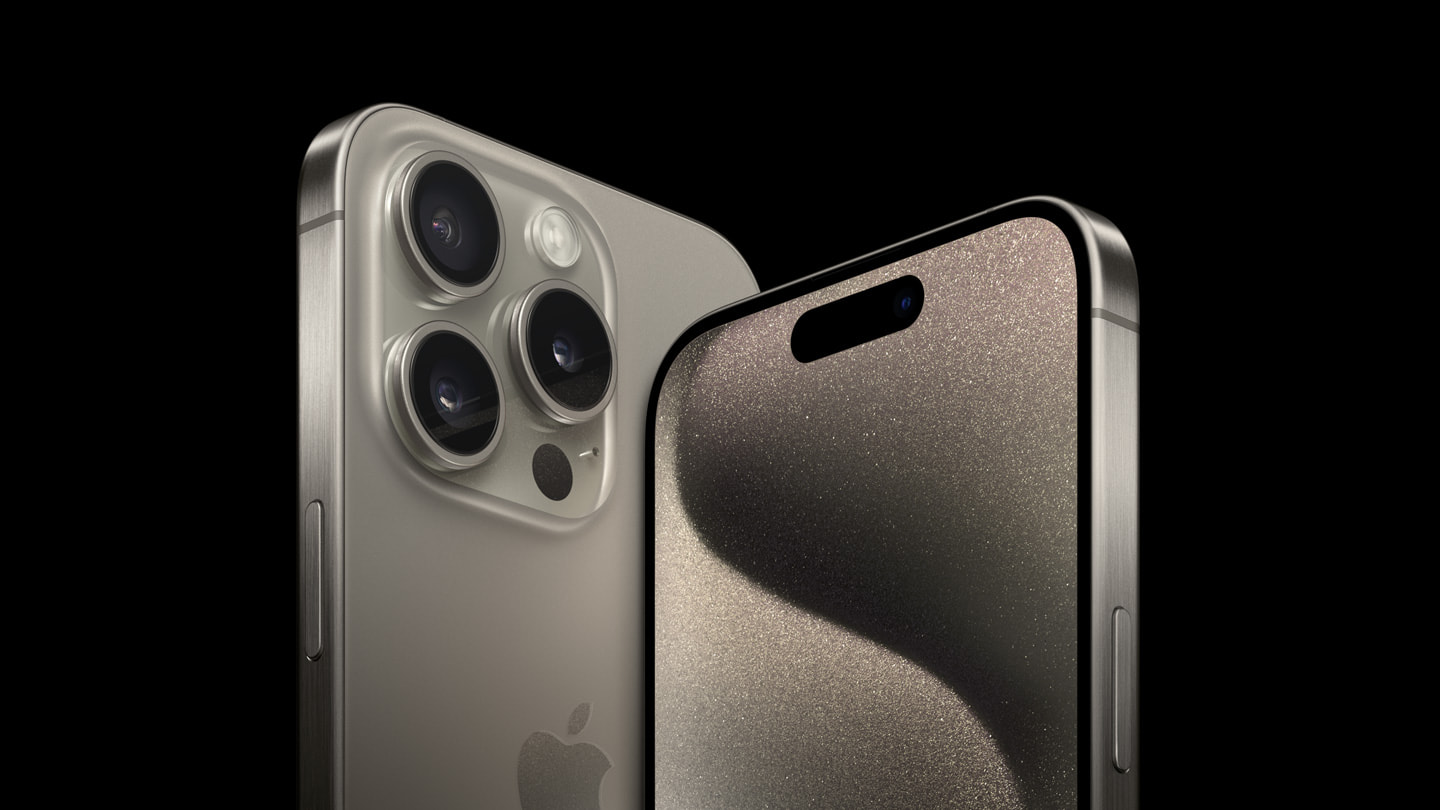
Apple’s latest iteration of the iPhone, the iPhone 16 Pro and iPhone 16 Pro Max, has been unveiled with groundbreaking features that aim to push the boundaries of what a smartphone can achieve.

These new devices introduce Apple Intelligence, expanded display sizes, and cutting-edge camera capabilities that set new standards in mobile photography and video recording. At the heart of these advancements is the A18 Pro chip, an engineering marvel designed to handle the increasing demands of artificial intelligence, pro-level creativity, and gaming, while delivering the best battery life ever seen in an iPhone.

The new iPhone 16 Pro lineup marks a significant leap forward in terms of power, functionality, and user experience.

“Powered by the faster, more efficient A18 Pro chip and built for Apple Intelligence, iPhone 16 Pro and iPhone 16 Pro Max are the most advanced iPhone models we’ve ever made,” Greg Joswiak, Apple’s Senior Vice President of Worldwide Marketing, said of the latest iPhone.

“Customers who are looking for the best possible iPhone will be able to take advantage of this huge step forward, whether they’re applying edits to a photo without lifting a finger, rewriting meeting notes for a more professional tone, or using the advanced camera system to capture their next masterpiece in 4K120 fps in Dolby Vision — all while enjoying extraordinary battery life.”

Apple Intelligence: A Personalized and Private AI Experience

At the core of this new generation of iPhones is Apple Intelligence, a powerful AI-driven personal assistant that understands personal context, draws from user data to simplify everyday tasks, and protects user privacy through a robust Private Cloud Compute system. This hybrid approach between on-device processing and server-based models balances performance with privacy, ensuring that user data remains secure.

Apple Intelligence delivers a range of functionalities. Users can adjust the tone of their writing in real time with Writing Tools, which can help make notes or emails friendlier, more concise, or professional. Apple Intelligence also integrates into the Phone and Notes apps, allowing users to record, transcribe, and summarize audio. Even during a phone call, users can record conversations (with the necessary consent notifications) and later receive a summary that highlights key points.

Incorporating system-wide intelligence, Siri has evolved to become more intuitive. The virtual assistant now maintains context between queries, can process mixed inputs of voice and text, and answers thousands of queries about iPhone features. Siri’s integration into the Apple Intelligence ecosystem enables it to offer an enhanced user experience that feels more natural and responsive.

Additionally, Siri will be able to interact with both Apple and third-party apps, offering users a more seamless experience when switching between tasks.

Enhanced Creative and Camera Capabilities

One of the standout features of the iPhone 16 Pro models is the pro camera system, which introduces the new 48MP Fusion camera with a faster quad-pixel sensor. This hardware improvement allows users to capture 4K120 fps video in Dolby Vision, the highest resolution and frame-rate combination ever available on an iPhone. The 48MP sensor enables zero shutter lag for ProRAW or HEIF photos, making it easier than ever to capture detailed, high-quality images and videos.

Complementing the Fusion camera is the Ultra Wide camera, also upgraded to 48MP. This camera is perfect for macro photography and allows users to take incredibly detailed, wide-angle shots. The 5x Telephoto camera, now available on both models, offers increased flexibility for capturing distant subjects with precision.

Perhaps the most innovative new feature is Camera Control, a novel way for users to interact with the camera system through tactile and touch-based inputs. With Camera Control, users can launch the camera, take a photo, or start a video recording by pressing a physical button or swiping across the camera screen. This intuitive system allows users to make real-time adjustments to zoom, exposure, or depth of field by simply sliding their finger across the display.

Apple’s advanced AI-driven Camera Control feature will soon evolve to include Visual Intelligence, allowing users to interact with real-world objects through their iPhone’s camera. For instance, users will be able to identify a restaurant’s operating hours, read a flyer to add an event to their calendar, or even identify the breed of a dog — all by using the camera system. Integration with ChatGPT and Google Search for extended search capabilities makes Camera Control a multifunctional tool for everyday life.

Pro-Level Creativity: Video and Audio Advancements

The iPhone 16 Pro lineup also introduces new capabilities for videographers and audio enthusiasts. The devices are equipped with four studio-quality microphones that capture true-to-life audio. Additionally, videos can now be recorded with Spatial Audio, delivering an immersive sound experience when played back on AirPods, Apple Vision Pro, or surround sound systems.

On the video front, users can capture 4K120 fps in Slo-mo or Video mode. This new frame rate option allows users to adjust the playback speed after the fact, including the ability to slow down footage to create a dreamy cinematic effect. Moreover, frame-by-frame cinema-quality color grading in Dolby Vision gives users unprecedented control over their video projects. For professionals, ProRes and Log recording at 4K120 fps is now supported, and users can record directly to external storage devices for more efficient workflow management.

Apple Intelligence takes the pro camera system even further by assisting users with in-app edits and tasks. For instance, Siri can help locate a specific shot within a user’s photo library and apply an edit using a third-party app like Darkroom.

Groundbreaking Display and Durability

The iPhone 16 Pro models feature Apple’s largest-ever iPhone displays, with 6.3-inch and 6.9-inch screens for the Pro and Pro Max models, respectively. The Super Retina XDR displays maintain their industry-leading ProMotion and Always-On technologies, delivering a vibrant and smooth visual experience. With the thinnest borders ever seen on an Apple product and an advanced Ceramic Shield that’s twice as tough as any other smartphone glass, the iPhone 16 Pro’s display is as durable as it is stunning.

The iPhone’s external structure also represents a leap forward in design and sustainability. Built with a titanium frame, the Pro models offer strength without the weight, improving the overall user experience. The devices have also been designed with recycled materials in mind, using over 25 percent recycled content, including 100 percent recycled aluminum and cobalt in certain components, and 95 percent recycled lithium in the battery. This aligns with Apple’s 2030 environmental goal to make its products carbon-neutral across their entire lifecycle.

A18 Pro: Powerhouse Performance and Energy Efficiency

Driving the performance of the iPhone 16 Pro lineup is the A18 Pro chip, which utilizes second-generation 3-nanometer technology to deliver more power while improving energy efficiency. The 16-core Neural Engine powers Apple Intelligence with on-device computations, while a new 6-core CPU achieves 15 percent faster performance than its predecessor, all while consuming 20 percent less power. The result is a dramatic improvement in sustained performance, battery life, and the ability to handle intensive tasks like machine learning, gaming, and video editing.

Apple has further enhanced gaming performance with a 6-core GPU, which is up to 20 percent faster than the previous generation. Hardware-accelerated ray tracing enables more realistic lighting and shadow effects in games, while Game Mode in iOS 18 improves responsiveness across peripherals like AirPods and game controllers.

Expanded Safety and Connectivity Features

Building on Apple’s tradition of enhancing safety through technology, the iPhone 16 Pro lineup expands on features like Emergency SOS via satellite, which now allows users to send texts or emojis when outside cellular coverage. This feature will soon extend to Roadside Assistance via satellite, enabling users to contact help when stranded in remote areas.

New features in iOS 18 also improve the safety experience, such as Emergency SOS Live Video, allowing users to share a live video feed or photos with emergency services during a crisis.

The iPhone 16 Pro and iPhone 16 Pro Max represent Apple’s most advanced smartphone technology to date. Pre-orders for the iPhone 16 Pro lineup will begin on Friday, September 13, with availability starting Friday, September 20. The devices will be available in four finishes: black titanium, natural titanium, white titanium, and desert titanium.