DD
MM
YYYY

PAGES

DD
MM
YYYY

spot_img

PAGES

Home Blog Page 2920

The Growing Market of Used Software: A Sustainable Solution for Businesses

0

Introduction to used software

The idea of used software may seem unusual and challenging to grasp, but it is gaining increasing attention in a world where recycling and sustainability are key concerns, even in the digital realm. Used software refers to programs that have already been purchased by another individual or company and are then resold. Unlike physical products, however, software does not experience wear and tear, allowing it to be reutilized as a new license. The transfer of such licenses differs from the sale of physical goods, as it is governed by specific legal regulations.

The market for used software initially emerged to help companies reduce IT-related expenses. Over time, the concept has evolved, driven by increasing digitization and the recognition that software licenses are not necessarily tied to a single user or device. Today, used software presents a valuable opportunity not only for large corporations but also for small and medium-sized businesses and individual users. Any company or individual can purchase second-hand licenses through a specialized software reseller and save on their budget.

How the used software market operates

The second-hand software market is based on a simple principle: anyone who owns a software license that they no longer use can sell it on to someone else. There are several platforms that facilitate this buying and selling, both for companies and individuals. The main sales channels include specialized online marketplaces and authorized resellers. These entities verify the authenticity of the licenses and guarantee the correctness of the transfer.

One of the key benefits of used software is the cost savings. Businesses, in particular, can acquire older software versions at significantly lower prices than newer ones, without sacrificing functionality. This is especially advantageous for those who don’t require the latest or most advanced features.

The software life cycle plays an important role in determining its value in the second-hand market. As new software versions are released, older versions tend to decrease in value, similar to what happens with electronic devices. However, unlike physical products, software doesn’t degrade over time, making it ideal for reuse. Additionally, with increasing awareness of resource conservation and waste reduction, more companies are integrating used software into their IT strategies.

European regulations on used software

The legal framework regulating the sale of used software within the European Union has developed over the years since the decision of the Court of Justice of the European Union (CJEU) in 2012 in Case C-128/11 UsedSoft GmbH v. Oracle International Corp.

The ruling states that: ‘An author of software cannot oppose the resale of his ‘used’ licenses allowing the use of his programs downloaded from the internet. The exclusive right of distribution of a copy of a computer program covered by such a license is exhausted on its first sale.’ 

This therefore forms the basis of the regulation. This directive defines the rights of distribution and use of software, setting the parameters within which software may be transferred to third parties.

The Court introduced the concept of exhaustion of rights, according to which once the manufacturer has sold the first license, it no longer has the right to oppose the resale of that same license by the user. This paved the way for the growth of the used software market, both for downloadable and physical products.

Even if a license agreement between the manufacturer and the original buyer explicitly prohibits the resale of software, the manufacturer cannot prevent the resale. This is because the license agreement is subject to European law, and any clause conflicting with European law is considered invalid.

The legal principle of “exhaustion of rights” is key to understanding the resale of used software. Under this rule, once a license is sold, the owner is allowed to transfer it to another user, provided it is deactivated on the original device and reinstalled on a new one. Essentially, used software must be treated similarly to physical goods when it comes to resale rights.

Potential risks and factors to consider when purchasing used software

When purchasing used software, it is essential to ensure that the license is valid and genuine. One of the first steps is to check licenses carefully, particularly if purchasing from third-party platforms or online marketplaces. Buyers should ensure that the license has not been previously duplicated or used on multiple devices, which could cause problems when installing or using the software.

Another important consideration is the authenticity of the software. Ensuring that the software has not been altered or modified is essential to ensure that it functions properly and does not present security vulnerabilities. In addition, it is important to only use reputable resellers who can provide full documentation on the origin of the license and ensure that all legal requirements have been met.

To avoid scams or unsafe purchases, it is always advisable to research the seller thoroughly and check other users’ reviews. In general, choosing certified resellers or recognised sales platforms can significantly reduce the risks associated with buying used software.

The future of the used software market

The used software market is poised for continued growth, with future trends indicating its increasing appeal to companies looking to cut costs and optimize their IT resources. As environmental awareness rises and the focus on waste reduction intensifies, this sector is likely to remain relevant. Reusing software licenses offers a sustainable solution by eliminating the need for new physical packaging and reducing demand for additional resources. 

Purchasing used software licenses offers significant environmental benefits by reducing the need for new physical packaging, minimizing the consumption of raw materials, and lowering electronic waste. This practice promotes a more sustainable and circular economy by extending the lifecycle of digital products, aligning with global efforts to reduce resource depletion and environmental impact. As businesses and individuals prioritize eco-friendly solutions, the adoption of used software licenses presents a viable strategy for lowering the carbon footprint of IT operations while supporting long-term sustainability goals.

How the hospital St. Johann in Tirol was able to implement their Microsoft licensing affordable

The hospital, which has been in operation since 1262, treats about 15,000 inpatients and 68,000 outpatients annually, with 500 employees using computers. The IT team faced challenges related to Microsoft software licensing, which, although accessible through government contracts, included costly and unnecessary maintenance agreements.

In 2018, the hospital needed to upgrade from Office 2010 to Office 2019 but wanted to avoid the high costs of new licenses and maintenance contracts. They turned to a provider of second-hand software, which helped the hospital cut licensing costs by 50%. This also allowed them to purchase Windows Server Datacenter licenses and other needed tools. The hospital saved additional funds by trading in old Office 2010 licenses.

Nigeria Launches N50,000 Support for One Million Small Businesses

0

In a bid to stimulate Nigeria’s small-scale business sector, the federal government has launched a N50 billion financial lifeline through the Small and Medium Enterprises Development Agency of Nigeria (SMEDAN).

The initiative, spearheaded by President Bola Tinubu, is aimed at supporting approximately one million small businesses across the country, each of which will receive N50,000 under the SMEDAN programme.

The Director-General of SMEDAN, Mr. Charles Odii, unveiled the initiative during the flag-off ceremony for the Delta North zone in Asaba. Speaking to small business owners, Odii explained that the programme is designed to provide immediate financial relief to “NANO businesses”—enterprises with fewer than three employees and an annual turnover of less than N3 million.

The goal, according to him, is to give these businesses a chance to unlock more significant sources of income, build wealth, and ultimately contribute to national economic growth.

Odii highlighted that the N50,000 grants are intended to help small businesses access much-needed funds and navigate the current economic difficulties.

“The NANO businesses of SMEDAN are those businesses that have at least three employees with a turnover of less than three million naira,” he said.

“Poverty does not know political party, sex, or age; a hungry man is an angry man. Yes!

“There is often this undesirable triangle that I’d like to illustrate: hunger leads to anger and anger leads to violence. This is the reason why we have a lot of youth unrest.

“One of the things we are doing as a long-term solution is to help improve the capacity of our people while the short-term solution is to give them grants as we are doing now.”

Economic Realities Undermine the Gesture

While this initiative has been applauded for its intent to boost small businesses and alleviate poverty, many business leaders have voiced concerns about its effectiveness in the face of Nigeria’s current economic challenges. With the naira suffering significant devaluation, the removal of fuel subsidies, and inflation rates skyrocketing, N50,000 may not be enough to make a meaningful impact on most businesses, they note.

Economists have pointed out that, in the face of rising operational costs and fluctuating currency, N50,000 may barely cover the daily operational expenses of many small businesses, let alone foster significant growth or expansion.

Nigeria has been grappling with multiple economic challenges since the removal of the fuel subsidy last year, which has led to a surge in transportation costs and a general rise in the price of goods and services. Additionally, the naira’s ongoing devaluation has further compounded the financial strain on businesses, particularly small-scale enterprises that rely on imported goods or materials.

Against this backdrop, many business leaders feel that N50,000 is a drop in the ocean, advocating the need for a broader, more comprehensive approach that addresses the real financial needs of small businesses in today’s economy.

Experts suggest that a multifaceted approach that includes grants, low-interest loans, and capacity-building programs would offer more sustainable relief to small businesses.

However, Odii expressed optimism about the potential impact of the programme, during the flag-off event in Asaba, where some beneficiaries confirmed receiving the N50,000 alerts. The SMEDAN boss also promised that further financial support would be based on the effective use of the initial grants, urging beneficiaries to invest wisely.

The beneficiaries were selected through a rigorous scrutinizing process via a technology-based system that was not biased or based on “who you know,” but purely on merit.

Odii highlighted that the agency has so far covered 14 states and plans to reach all 36 states and the Federal Capital Territory (FCT), soliciting cooperation from state governments and stakeholders. He reiterated that SMEDAN cannot do it alone, calling on state governments to support the initiative in order to ensure its success.

“We need the support of the state governments to grow the small businesses in the country,” he said.

“When a small business grows, a family grows. You feed one small business owner, you have fed at least 10 people.”

Japan’s Chip Restrictions on China: Global Implications Unfold

0

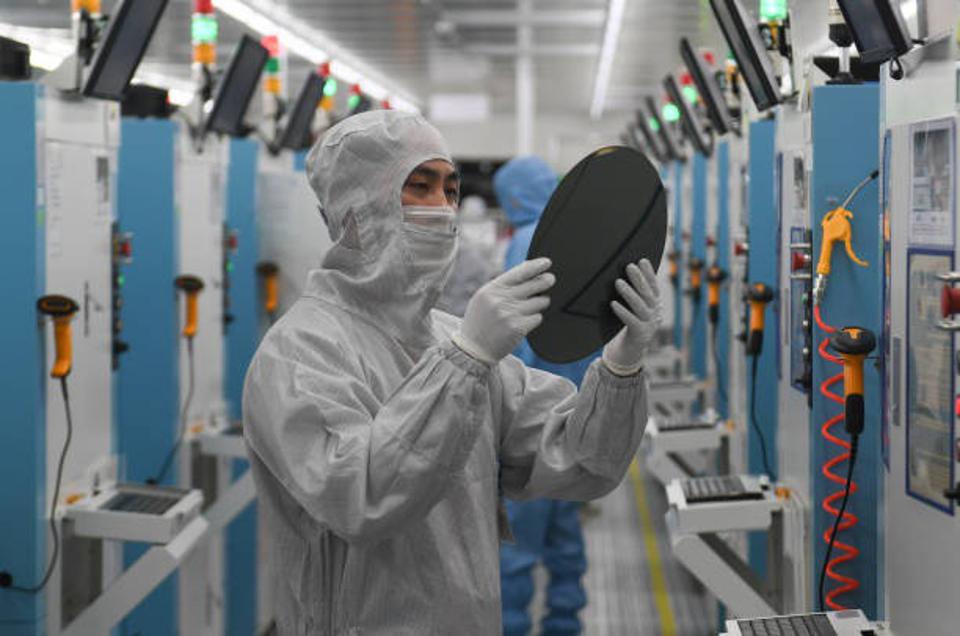
In recent months, tension between China and Japan has escalated, driven by Tokyo’s decision to tighten export controls on semiconductor manufacturing equipment. Japan’s move, influenced by pressure from the United States, risks straining trade relations with China and could significantly affect the global tech industry.

At the beginning of the year, Japan announced its intention to limit exports of key semiconductor manufacturing components to China, including minerals and rare earth metals used in chip production. This sparked an immediate response from the Chinese authorities, who threatened retaliatory sanctions if restrictions were enforced.

As the world’s largest semiconductor consumer, China heavily relies on imported high-tech equipment. Any supply disruptions could seriously slow down China’s tech industry and hinder its efforts to gain self-sufficiency in semiconductor manufacturing.

Japan has reason to be cautious. Back in 2010, China temporarily cut off rare earth metal exports to Japan after the incident in the East China Sea, which impacted Japan’s electronics industry and disrupted the global supply chain for powerful magnets produced in Japan using Chinese raw materials.

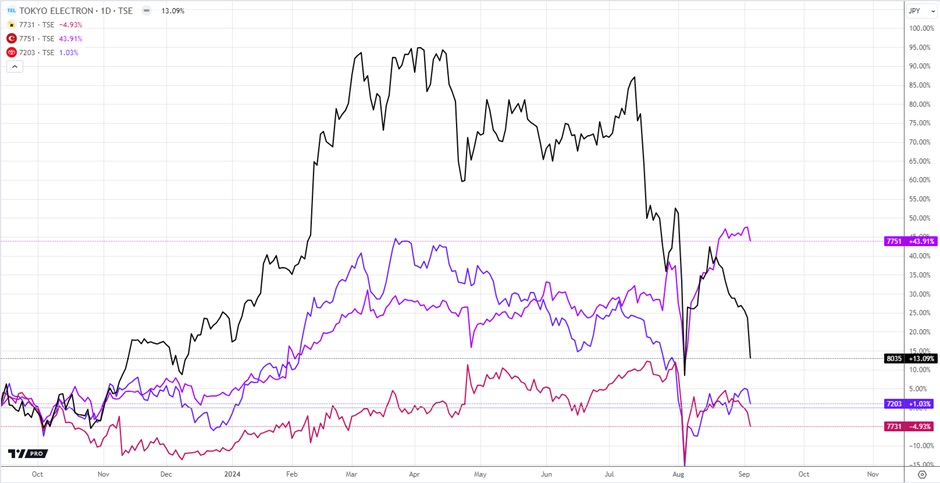
Several Japanese companies, such as Tokyo Electron, Nikon, and Canon, specialize in producing high-tech chip manufacturing equipment. These companies supply their products to China, and any restrictions can slash their revenues and weaken their position in the market.

One of the most vulnerable companies is Toyota. China is a crucial market for Japanese automakers, and any potential sanctions from Beijing could significantly impact their financial performance. Toyota has privately expressed concerns to Japanese officials, particularly about access to essential minerals for car production. This concern is especially relevant as modern cars increasingly depend on high-tech components like semiconductors. Losing access to the Chinese market could create shortages and disrupt production. It looks like an attempt to set up automated trading software with the Internet turned off.

U.S. policy has been aimed at curbing China’s technological growth. Over the past few years, the U.S. has tightened export controls on advanced technologies, including semiconductors, and has urged allies like Japan to adopt similar restrictions.

Washington fears that China gaining technological superiority could shift the global balance of power, strengthening Beijing’s economic and geopolitical position. Limiting China’s access to advanced technologies is becoming a key part in this strategic game, potentially causing the CSI 300 index to fall permanently behind the S&P 500 Index and Nasdaq.

In the long run, this situation may lead to significant changes in the global tech industry, potentially creating fragmented markets. With stricter export controls and sanctions, separate technological ecosystems might emerge, driving up development costs and slowing down global innovation. This might also push Chinese companies to ramp up efforts to localize semiconductor production, leading to greater investments in domestic research and development.

U.S. pressure on its allies to tighten export controls can also cause friction within alliances, leading to new economic and political risks. The financial impact is clear—Japanese companies like Tokyo Electron could face heavy losses if they lose access to the Chinese market, limiting their growth and investment opportunities.

Ultimately, the tensions between China and Japan reflect broader global trends in tech security and economic rivalry. While these moves may cause short-term instability and financial loss, they could reshape the technological landscape for years, influencing innovation across industries from consumer electronics to automotive manufacturing.

Huawei Tri-Fold Phone Secures 2.7 Million Pre-Orders, Ahead of iPhone 16 Release

0

Huawei’s upcoming tri-fold phone has reportedly garnered significant attention, amassing 2.7 million pre-orders, as shown on its website on Monday.

The Chinese company began pre-orders for its Mate XT on Saturday, which coincides with Apple’s iPhone 16 release launch date, making it a worthwhile moment for tech enthusiasts and market watchers as both tech giants vie for dominance in the premium phone categories.

It is however worth noting that lately, Huawei has managed to displace Apple’s iPhone in terms of sales in China, largely due to a combination of technological innovation, patriotism, and geopolitical dynamics. In recent years, Huawei has invested heavily in research and development, especially in the 5G and foldable phone markets, which helped to maintain a competitive edge despite global challenges, such as the U.S. sanctions limiting their access to advanced chip technologies.

The Chinese company’s latest premium phone, Huawei Mate 60 Pro, which features satellite communication capabilities and cutting-edge chips produced domestically, has captured the attention of Chinese consumers. The launch of the phone generated significant buzz, with pre-orders and initial sales exceeding expectations. These technological advancements, along with the perception of Huawei as a national brand facing foreign pressures have increased consumer loyalty and patriotism, boosting its sales domestically.

Meanwhile, Apple is set to unveil the iPhone 16 and iPhone 16 Plus on September 9, 2024, bringing a range of upgrades designed to enhance performance and further challenge its competition in the smartphone market. One of the most anticipated features of the iPhone 16 lineup is the integration of the new A18 chip, which promises to deliver a significant boost in processing power, improved energy efficiency, and enhanced Al capabilities. This next-generation chip will likely make the iPhone 16 one of the fastest smartphones available, reinforcing Apple’s lead in mobile computing technology.

In addition to the performance boost from the A18 chip, the camera layout on the iPhone 16 models will be redesigned. Apple is expected to introduce more advanced sensors that support better low-light photography, enhanced zoom capabilities, and overall photo quality improvements. This upgrade will appeal to photography enthusiasts and users who prioritize a premium camera experience.

With the launch of these models, Apple aims to further solidify its position in the high-end smartphone market, competing with other tech giants, particularly Huawei, which has gained ground with innovative foldable devices and cutting-edge technology in regions like China. Anticipation has driven Apple’s stock up 13% since June when it previewed its Al strategy, adding nearly $400 billion to the company’s market value ahead of the launch. The iPhone 16 launch marks Apple’s continued focus on premium features and consumer experience, as it seeks to maintain its edge against growing competition in the global market.

Furthermore, the iPhone 16, which is Apple’s first Al-centric device, could position the Cupertino giant as a leader in the consumer AI revolution. Analysts, such as Dan Ives of Wedbush Securities, see Apple leveraging Al to become a “gatekeeper” for the technology’s widespread use.

Nigerian Fintechs Move to Begin Deduction of N50 Electronic Money Transfer, Sparks Public Backlash

0

Starting Monday, September 9, 2024, several Fintech companies in Nigeria have notified their customers about the upcoming deduction of N50 electronic Money Transfer Levy (EMTL) on all electronic transfers of N10,000 and above.

This levy, mandated by the Federal Inland Revenue Service (FIRS), follows the Electronic Money Transfer Levy Regulations, 2022, which aims to boost government revenue from digital transactions. The regulation extends to both personal and business accounts, with exceptions for transfers below N10,000 or transfers between accounts of the same owner within the same bank.

However, the introduction of this levy has sparked widespread backlash, with several Nigerians voicing their concerns on X platform (formerly Twitter). Many view the levy as excessive taxation, accusing the Bola Tinubu-led administration of burdening citizens without transparent use of public funds.

Check out some reactions on X,

@ TaiwoMuyiwa3 wrote,

“Federal government continue to extort every organization in this country but failed to attend to the needs of the people they govern. Price of everything in this country is ridiculously high but they are unconcerned by it. Misplaced priorities.”

@realTobiAkinbo wrote,

“FIRS has also directed Fintech companies to charge a N50 naira levy on transfers above N10,000, this is a plot to further extort the poor masses. It’s criminal and illegal”.

@obaroddy wrote,

“The Tinubu tax and income thieves have finally descended on OPAY and Fintech apps with the EMTL levy of N50 for every transaction above N10000. When will this craziness stop?”

@ibrulezz wrote,

“FIRS has instructed Fintech companies to impose a N50 levy on transactions exceeding N10,000. This move appears to be an attempt to further burden the already struggling low-income population, sparking questions about its legitimacy.”

Nigerian Economists, Marcel Okeke, a former Chief Economist at Zenith Bank, has also expressed concern about the levy, warning of the potential economic consequences. He criticized the move as ill-timed, suggesting that it could deter the adoption of digital financial services, harm fintech innovation, and ultimately damage the economy.

Also commenting on the fintech tax levy, another Nigerian economist, Alias Aliyu, described the levy as a “desperate move” to increase revenue, especially given the current economic hardships Nigerians are facing, including the recent 10% VAT hike and the floating of the naira.

Notably, there strong are calls from citizens urging the government to focus on regulating the fintech sector, addressing cybersecurity concerns, and curbing prevalent issues like the proliferation of loan sharks, rather than imposing more financial burdens on the public. Despite the criticism, the Federal Government sees the EMTL as a necessary measure to support its revenue generation efforts.