DD
MM
YYYY

PAGES

DD
MM
YYYY

spot_img

PAGES

Home Blog Page 2931

Dangote Refinery Reportedly Begins Export to West African Countries

0

The Dangote Refinery, Africa’s largest refinery project, has begun to supply petroleum products across West Africa, according to reports.

The tanker CL Jane Austen, spotted off Togo waters, transported over 300,000 barrels of petrol from the Lagos-based refinery, signaling the facility’s increasing production capacity and ambition to reshape regional fuel markets.

The refinery, with a processing capacity of 650,000 barrels per day (bpd), has been touted to disrupt the petroleum supply market in Africa and Europe, significantly curtailing Nigeria’s dependence on fuel importation.

The refinery has also made strides in overcoming domestic market challenges. The Independent Petroleum Marketers Association of Nigeria (IPMAN), a key player in Nigeria’s downstream petroleum sector, recently reached an agreement with the refinery to purchase 60 million liters of Premium Motor Spirit (PMS) per week.

This agreement puts an end to the perceived apathy shown earlier by local marketers, who Dangote accused of choosing to import dirty petroleum products from Malta instead of buying from the refinery. The deal with IPMAN is expected to help stabilize Nigeria’s fuel supply chain, which has long been plagued by inefficiencies.

The shipment off Togo represents just the beginning of what could become a robust export strategy. Lomé’s waters, a hub for ship-to-ship (STS) transfers, suggest the petrol could be redistributed to other African or even international markets. Although the shipment is small by global standards, it marks a significant step in the refinery’s operational timeline. Analysts view this as a precursor to larger export volumes that could disrupt regional fuel markets.

Neighboring countries eager to reduce their reliance on distant suppliers are poised to benefit from Dangote’s offerings.

Eight African countries, including Ghana, Benin, Togo, and South Africa, have expressed interest in sourcing petroleum products from Dangote. Ghana, in particular, has been vocal about the economic benefits of importing from Nigeria rather than Europe. According to Ghana’s chief oil regulator, Mustapha Abdul-Hamid, this shift could lower freight costs, stabilize the market, and ease foreign exchange pressures.

“If the refinery reaches 650,000 bpd capacity, all that volume cannot be consumed by Nigeria alone,” Abdul-Hamid noted. “Instead of importing from Rotterdam, it will be much easier for us to import from Nigeria, which I believe will bring down our prices.”

The refinery has already made headlines with its earlier seaborne shipment to Lagos, highlighting its dual focus on serving both domestic and international markets.

Overcoming Domestic Monopolies

Until recently, the Nigerian National Petroleum Company Limited (NNPCL) monopolized the purchase of refined products for domestic use. However, with this monopoly lifted, the refinery has a clearer path to supply both local and regional markets.

The IPMAN agreement to purchase 60 million liters of PMS weekly pinpoints this newfound market openness.

Despite being Africa’s leading oil producer, Nigeria has long imported nearly all its fuel due to inadequate refining capacity. The $20 billion Dangote Refinery aims to close this gap, offering a sustainable solution to one of Nigeria’s most persistent economic challenges. As it scales up production, the refinery is expected, among other things, to save the country billions in foreign exchange and stabilize domestic prices.

Pricing and Export Concerns

While the refinery’s products are expected to be more cost-effective than imports, there are concerns about pricing. Local marketers claimed it’s cheaper to import fuel from Europe than to buy from Dangote Refinery.

However, there is concern that, while the refinery is yet to attain full production capacity, exporting to other countries now will scuttle its ability to meet domestic demands. But many believe that the IPMAN agreement is crucial for ensuring that a significant portion of the refinery’s output remains in Nigeria to meet local demand.

However, energy analysts said balancing domestic needs with lucrative export opportunities will be key to the refinery’s long-term success.


Afreximbank Delivers Strong financial results for Q3 2024, Amidst Challenging Economic Landscape

0

Afreximbank, a Pan-African multilateral financial institution recently released its consolidated financial statements, and that of its subsidiaries, announcing robust financial performance in the third quarter (Q3) 2024, for the nine months ended September 30.

The bank delivered a solid performance, evidenced by its healthy liquidity levels, better asset quality, and robust capital adequacy levels.

The Group’s profitability for the nine-month reporting period met expectations and showed significant improvement over the previous year, underscoring its resilience and operational efficiency.

Net Interest Income for 9M’2024 grew by 22.05% to US$1.3 billion, compared to US$1 billion for 30 September 2023 (prior period or 9M’2023). The increase was largely driven by a 24.62% increase in interest income to US$2.2 billion, on the back of the growth in the Bank’s interest income and effective management of borrowing costs. The Net Interest Spread was maintained despite declining interest rates.

Despite inflationary pressures, increased business activities and increased staff numbers to support the growing business and implement strategic initiatives, the Group demonstrated resilience by sustaining its operating efficiency with a Cost-to-Income ratio of 17.16% in 9M’2024, compared to 16.79% in 9M’2023.

The Group’s total on-balance sheet assets and Contingent liabilities closed 9M’2024 at US$36.3 billion (FY’2023: US$37.3 billion). Cash and Cash Equivalents’ balances closed 9M’2024 at US$3.9 billion (FY’2023: US$5.6 billion). The decrease in Cash and Cash Equivalents arose from the Bank’s deliberate strategy to meet maturing obligations using internal resources while also controlling the costs associated with holding excess liquidity.

The Group’s Shareholders’ Funds rose by 7.96% to reach US$6.6 billion as at 9M’2024, compared to the FY’2023 position of US$6.1 billion due to a combination of retained profits and fresh equity contributions.

Commenting on the Bank’s Q3 2024 financial result, Mr. Denys Denya Senior Executive Vice President said,

“Afreximbank delivered a strong set of results for the first nine months of 2024, despite challenging macroeconomic conditions, particularly across Africa. The Group’s gross revenue grew by 24% year-on-year to reach US$2.3 billion while Net income also saw a 23% increase compared to the same period in 2023, totalling US$642 million. This solid performance was underpinned by growth in business volumes and healthy spreads, while maintaining a low cost-to-income ratio. Additionally, we maintained a healthy and strong balance sheet with robust liquidity position to drive the expected growth in the fourth quarter.

“Our subsidiaries continued to grow and expand, with FEDA achieving a 26% increase in funds under management, rising from US$770 million in FY2023 to US$970 million as of September 2024 while also expanding its member countries with five new members joining this year. AfrexInsure doubled the value of its insured portfolio to over US$4 billion, with premium insurance volume growing more than fourfold. Likewise, PAPSS saw an increase in the number of banks connected to the platform, and with the launch of the African currency marketplace, the outlook is increasingly promising.”

Looking ahead, the Group remains committed to achieving its strategic goals set out in its 6th Strategic Plan, which were reaffirmed during our recent mid-term strategy review.

Traders Scooping Up Large Amounts Of Cardano, XRP And New DeFi Coin As Prices Moon, Will The Buzz Continue?

0

A Cardano maxi surprised the crypto community recently, with considered reasons why ADA might not be a good coin to invest in. XRP is another coin that has recently mooned, due to regulatory relief in the form of the upcoming pro crypto US government. Meanwhile, a new coin Cutoshi that combines DeFi with Memes was trending on X and is now attracting a lot of new investment.

The Issues With Cardano

Cardano’s idealistic vision and innovative technology have won it loyal supporters, but deeper analysis reveals potential flaws that could deter long-term investors.

As Flantoshi, a Cardano maxi explains: One critical issue is Cardano’s reliance on Africa as its primary growth market. While the continent has immense potential, it faces significant challenges, including limited internet access (only 24% penetration) and low purchasing power.

Cardano’s focus here may delay broader adoption and squander opportunities in regions like Southeast Asia or Latin America, where internet access and remittance needs are present for more immediate wins.

Another risk is Cardano’s tendency to prioritize long-term scientific research over practical implementation. While its contributions to blockchain innovation are undeniable, competitors like Polkadot have already integrated Cardano’s research into their frameworks, potentially capitalizing on Cardano’s intellectual groundwork while outpacing it in market adoption.

Also, the Cardano community’s strong idealism often translates into resistance to compromise, as seen in debates over stakepool centralization. This could lead to fragmentation, weakening its position against more cohesive competitors, especially since the community now holds more governance power than before.

In a market increasingly favoring immediate utility over speculative potential, Cardano’s long timelines and focus on philosophical ideals could leave investors waiting too long for tangible returns.

The Case Against XRP (And We Don’t Mean The SEC!)

XRP’s recent 111% surge to $1.13 has been driven by optimism surrounding a pro-crypto shift in the U.S. administration, potentially putting an end to its long-running legal battles with the SEC. While this regulatory relief is encouraging, years of resources have been tied up in courtrooms, leaving the technology behind as competitors have continued to innovate. Much like Cardano perhaps.

XRP’s utility as a bridge currency for cross-border payments was groundbreaking when first introduced, but the industry has evolved. Modern blockchain solutions now offer faster and cheaper alternatives, raising questions about XRP’s relevance in a rapidly advancing market.

Another concern lies in its tokenomics. Only about 50% of XRP’s total supply is in circulation, meaning significant inflation could occur as the remaining tokens are released.

XRP’s fully diluted valuation (FDV) exceeds $112 billion – comparable to Solana, a coin that powers an entire blockchain ecosystem. In contrast, XRP serves a more limited function, which could make sustaining such a valuation challenging in the long term.

In the short term, people remain bullish about XRP, but for new entrants, these issues are worth pondering on.

Is Cutoshi The Answer To Today’s Needs?

Cutoshi combines the playful energy of memes with meaningful utility, bridging the gap between entertainment and decentralized finance. Its cross-chain DEX is designed to simplify blockchain interoperability, making DeFi more approachable for casual users and seasoned investors.

Meanwhile, the learning academy demystifies complex DeFi concepts, ensuring users can get involved and make the most of decentralized finance.

Cutoshi’s tokenomics are good too. The current FDV is just $11 million, a fraction of Cardano and XRP FDVs. A burn mechanism is built into the system to ensure long-term scarcity and marketing funds have been allocated to sustain visibility and growth.

And because there aren’t big Venture Capitalists who got a special rate not available to the public, this means there won’t be large sell-offs, as we have seen with other projects.

Cutoshi also has a wider appeal than XRP or Cardano. The Lucky Cat memes give the project a fun side, making it more accessible than projects like Cardano, which can feel overly academic.

And yet the project still has a serious focus, attempting to live up to the ideals of Satoshi Nakamoto, by empowering ordinary people rather than propping up existing TradFi systems like XRP.

Although only time will tell the future for these three projects, Cutoshi’s mix of fun and fundamentals could position it for sustainable long-term growth and that’s likely what is behind the recent $900k milestone in investment.


For more information on the Cutoshi (CUTO) Presale:

https://cutoshi.com/

Join and become a community member:

https://twitter.com/CutoshiToken

https://t.me/cutoshi

Donald Trump Talks with Crypto Community Leaders on Cabinet Appointments

0

The political landscape is undergoing a transformation as the intersection of technology and governance takes a new turn with the recent developments in the United States. President-elect Donald Trump’s discussions with leaders in the cryptocurrency sector regarding cabinet appointments have sparked a wave of interest and speculation. This move signals a potential shift towards a more crypto-friendly administration, which could have far-reaching implications for the industry and the economy at large.

The involvement of prominent figures such as Brian Armstrong, CEO of Coinbase, in these discussions is particularly noteworthy. Armstrong’s presence hints at the possibility of a future where the lines between technology and policy are increasingly blurred. The creation of a Department of Government Efficiency, humorously acronymized as DOGE, under the guidance of visionaries like Elon Musk and Vivek Ramaswamy, suggests a commitment to innovation and efficiency in government operations.

Moreover, the appointment of pro-crypto candidates to key federal positions could position the U.S. as a global leader in the cryptocurrency space. The potential inclusion of individuals like Scott Bessent and the consideration of crypto-friendly leaders for the SEC chairmanship, such as Hester Peirce, Mark Uyeda, and Paul Atkins, indicate a proactive approach to embracing the benefits of digital currencies while navigating the regulatory landscape.

Recently, rumors have circulated that Larry Fink, the CEO of BlackRock, is in the running for the Treasury Secretary position under President Trump’s administration. However, these rumors have been clarified by recent reports which state that while Trump’s team has reached out to Larry Fink for insights on their search for a Treasury Secretary, Fink himself is not a candidate for the nomination.

The implications of such appointments are manifold. A cabinet that understands and appreciates the nuances of cryptocurrency could lead to more informed policymaking, fostering an environment conducive to growth and innovation. It could also mean a more favorable regulatory framework that balances the need for oversight with the industry’s need for freedom to explore and expand.

This development is not without its challenges, however. The integration of cryptocurrency into the fabric of government policy will require careful consideration of security, equity, and economic stability. It will necessitate a dialogue between technologists, economists, and policymakers to ensure that the benefits of cryptocurrency are realized without compromising the foundational principles of governance.

As the world watches these developments unfold, the conversation around cryptocurrency and its role in society is sure to intensify. The potential for a more crypto-centric policy framework under the Trump administration could be a turning point for the industry, heralding a new era of digital governance and economic strategy.

The coming months will be critical as the new administration takes shape and begins to implement its vision. The crypto community, along with the broader public, will be keenly observing how these cabinet appointments influence the trajectory of cryptocurrency in the U.S. and beyond. With a pro-crypto Congress and a president-elect who has shown a willingness to engage with industry leaders, the stage is set for a fascinating chapter in the intersection of politics and digital currency. The future of crypto governance is now, and it promises to be a journey worth following.

Starlink Suspends Residential Orders in Nigeria, Pending Regulatory Approval For Price Hike

0

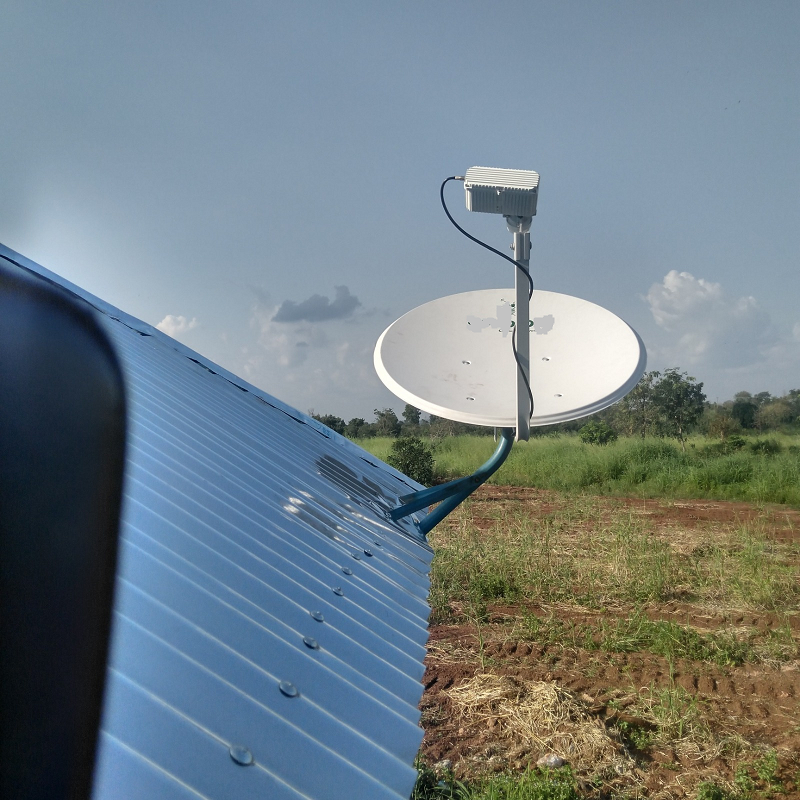
Elon Musk’s satellite internet service, Starlink has temporarily suspended orders for its residential internet kits across Nigeria.

This decision comes as the company awaits regulatory approval from the Nigerian Communications Commission (NCC), for a proposed price adjustment.

Starlink’s residential plan, previously priced at N38,000 per month, is currently on hold. However, customers can still access the company’s Business Plan, which costs N159,000 per month.

In a statement, Starlink emphasized its commitment to improving internet services in Nigeria while pursuing regulatory clearance for the proposed pricing changes. “Until these changes are approved, we are placing new Residential orders on hold,” the company stated.

Backstory

Starlink suspension of kit orders in Nigeria stems from the company’s attempt to increase its residential subscription fees by 97%. Recall that the Elon Musk-owned satellite internet in October 2024, increased the monthly subscription for its service in Nigeria from N38,000 to N75,000. For new users, the company also increased the kits of its hardware by 34% from N440,000 to N590000.

While Starlink had reviewed the price of its hardware in Nigeria upwards and downwards several times, this increase made it the second time it has increased subscriptions. The company in a message to its customers cited excessive inflation as the reason for the increment.

In a message to its customer, the company said,

“Due to excessive levels of inflation, the Starlink monthly service price will increase from current rates to the respective rates below: Standard (Residential): N75,000; Mobile- Regional (Roam Unlimited): 167,000; Mobile – Global (Global Roam): N717,000.

“As a current customer, your monthly service price will increase in 1 month, beginning 31 October 2024. For new customers, the price increase is effective immediately. If you do not wish to continue your service, you can cancel at any time.”  

However, Starlink later reversed its decision to double its base subscription prices in Nigeria three weeks after Nigeria’s communication regulator blocked the increase. The NCC noted that Starlink’s action contravened “Sections 108 and 111 of the Nigerian Communications Act (NCA), 2003, and Starlink’s Licence Conditions regarding tariffs.”

The NCC’s decision reinforced its stance against price increments without following due process, ensuring that international companies comply with Nigerian laws.

This development comes at a time when local telecom operators, represented by the Association of Licensed Telecommunications Operators of Nigeria (ALTON) and the Association of Telecommunications Companies of Nigeria (ATCON), have been advocating for a tariff review to reflect the economic realities of rising inflation and operating costs. 

Launched in Nigeria in January 2023, the country became the first African country to receive the Starlink internet service, after SpaceX met with the Nigerian Communications Commission to outline their deployment plans.

As of September 2023, just eight months after its launch, Starlink gained 11,207 active subscribers in Nigeria, according to data from the NCC for the third quarter of 2023.

This rapid growth positioned Starlink as the fourth largest Internet Service Provider in the country. By the fourth quarter of 2023, Starlink’s active customer base in Nigeria surged to 23,897, elevating the company to the third leading ISP in Nigeria.