DD
MM
YYYY

PAGES

DD
MM
YYYY

spot_img

PAGES

Home Blog Page 2932

Exploring the Current State of Bitcoin Mining Profitability

0

The landscape of Bitcoin mining has undergone significant changes over the past years, with profitability being a primary concern for miners worldwide. A recent research report by JPMorgan has highlighted a stark reality: Bitcoin mining profitability is currently at record lows.

This downturn in profitability is attributed to several factors. The average earnings for miners per exahash per second in daily block rewards have plummeted to the lowest rate ever recorded. In August, this figure was reported to be $43,600, a stark contrast to the peak value of $342,000 in November 2021. This decline is closely tied to the fluctuating price of Bitcoin, which has seen a consistent drop over the past months.

The increase in mining difficulty, which rose by 9% from the previous month, further exacerbates the situation. This rise in difficulty implies that miners have to expend more computational power to mine the same amount of Bitcoin, thus increasing operational costs without a corresponding increase in revenue.

Moreover, the halving event, which reduced the available supply of Bitcoin by 50%, has also played a significant role in diminishing returns for miners. This event occurs approximately every four years and is a fundamental part of the Bitcoin protocol designed to control inflation by reducing the rate at which new bitcoins are generated.

The impact of these factors is evident in the market capitalization of U.S.-listed Bitcoin miners, which fell by 15% last month. Only three of the tracked miners managed to outperform Bitcoin during this period, indicating a challenging environment for the mining industry.

With the current market conditions, miners are seeking strategies to improve their returns and ensure the sustainability of their operations. Here are some strategies that can help enhance Bitcoin mining profitability:

Optimize Mining Equipment Efficiency: The choice of hardware is crucial in mining. Using the latest and most efficient ASIC miners can significantly reduce electricity consumption while maintaining a high hash rate.

Join a Mining Pool: Solo mining can be challenging due to the competitive nature of Bitcoin mining. Joining a mining pool allows miners to combine their computational power and share the rewards, which can lead to more consistent earnings.

Utilize Renewable Energy Sources: Transitioning to renewable energy sources such as solar or wind can help reduce electricity costs, which are a major expense in mining operations. This not only improves profitability but also aligns with global efforts to combat climate change.

Regular Performance Monitoring: Keeping a close eye on the mining rig’s performance and making necessary adjustments can enhance efficiency. This includes optimizing settings and ensuring the equipment operates at peak performance.

Energy Cost Management: Efficiently managing energy costs by seeking out locations with lower electricity rates or negotiating better energy deals can make a significant difference in overall profitability.

Despite these challenges, there was a brief spike in transaction fees in August, which accounted for up to 120% of the block reward. This increase in fees represents a silver lining, providing an incremental positive for miners during these tough times.

The report by JPMorgan serves as a crucial indicator of the current state of Bitcoin mining. It underscores the volatility and unpredictability inherent in the cryptocurrency market. Miners are advised to proceed with caution, considering the increased competition and operational costs that are part and parcel of the industry today.

As the industry navigates through these turbulent waters, the future of Bitcoin mining profitability remains uncertain. The resilience and adaptability of miners will be tested as they seek innovative ways to remain viable in an ever-evolving digital economy.

X Financial Troubles to Deepen As 26% of Marketers Plan to Cut Ad Budget on the Platform

0

Elon Musk’s social media platform, X (formerly Twitter), faces a significant setback as a growing number of companies plan to reduce advertising spending on the platform in 2025.

A global survey by market research firm Kantar revealed that a net 26% of marketers intend to cut ad budgets on X, marking the biggest pullback from any major global ad platform. This comes amid concerns that the platform’s association with extreme content could damage brands’ reputations.

According to Kantar’s findings, only 4% of marketers believe X provides adequate “brand safety” — the assurance that their ads won’t be displayed alongside harmful or extreme content. This figure starkly contrasts with the 39% of marketers who believe Google provides such security.

The report reflects a trend that has been years in the making, with advertisers increasingly shifting their budgets away from X. Gonca Bubani, Kantar’s global thought leadership director for media, said, “Advertisers have been moving their marketing spend away from X for several years,” and added that “a turnaround currently seems unlikely.”

Bubani pointed to X’s unpredictability and rapid changes as reasons for the lack of confidence among advertisers, with the platform struggling to guarantee consistent brand safety.

While advertisers are pulling away, Kantar’s survey indicates that consumers feel more positive about the platform, largely because there are fewer ads than before. However, this shift in consumer sentiment has not been enough to offset advertisers’ concerns about the environment their brands are associated with.

Musk’s Efforts to Win Back Advertisers

In June, Musk attempted to rebuild relationships with advertisers at the Cannes Lions, the world’s largest annual advertising festival. He appeared conciliatory in an interview with WPP’s CEO, Mark Read, where he acknowledged that advertisers had a right to control the content in which their ads appear next. This was a departure from Musk’s more confrontational stance in 2022 when he told advertisers to “go f**k yourself” in response to their concerns about the platform’s content moderation.

However, the situation worsened when Musk filed a lawsuit last month against the influential ad industry group, the Alliance for Inclusive and Multicultural Marketing (AIMM), which includes high-profile members like Unilever, Mars, and CVS. The lawsuit accused the group of conspiring to “boycott” X.

An X spokesperson responded to the concerns, asserting that the platform “now offers stronger brand safety, performance, and analytics capabilities than ever before.” The company also highlighted that X’s brand safety rate is “on average 99%,” a figure validated by digital advertising analytics firms DoubleVerify and Integral Ad Science.

This claim, however, has done little to reverse the trend of declining ad revenue, with major brands pulling back due to worries over content moderation and platform direction since Musk’s $44 billion acquisition in 2022.

Growing Apathy for X Amid Its Financial Struggle

Apathy for X is surging across the globe. Once hailed as a transformative platform, X now faces growing disillusionment, especially in Europe, where a potential confrontation over hate speech is brewing. This situation is building just as the social media company grapples with financial turmoil, struggling to break even.

The pullback of major advertisers on X since its acquisition has led to its poor financial performance, compounding the weight of the massive loans Musk leveraged to take the company private. The fallout of this merger deal has been felt far beyond the digital realm, extending into the banking sector, where it has become a financial nightmare.

The loans Musk used for the purchase, about $13 billion, have been branded by The Wall Street Journal as the worst merger-finance deal for banks since the financial crisis of 2008-09. The seven banks that handed out this enormous sum—among them Bank of America and Morgan Stanley—are now facing the fallout of a deal gone sour.

Typically, when banks finance takeovers, they try to offload that debt quickly to other investors, minimizing their own risk. But in this case, the debt has remained stuck, or “hung,” on their balance sheets, unable to be sold without significant losses.

X’s poor financial performance has severely limited the attractiveness of the debt. Banks, which had once confidently backed Musk’s ambitious takeover, now find themselves saddled with liabilities they can’t unload. As the company’s struggles deepen, the loans they once considered a golden ticket have morphed into burdens, making this one of the most disastrous merger-finance deals in recent history.

Adding to these financial woes is the broader global backlash against X’s content moderation—or lack thereof. Europe, in particular, is gearing up for a possible faceoff with Musk over how X handles hate speech. The European Union has taken an increasingly hard line on digital platforms, implementing stricter regulations to curtail the spread of harmful content.

Musk’s hands-off approach has raised alarms in Brussels, where regulators are preparing to test the limits of X’s content policies against their own robust legal framework. Should the platform fail to comply, hefty fines or outright bans could follow.

Even outside Europe, concerns over hate speech, misinformation, and X’s general unpredictability have escalated. Brazilian president Luiz Inácio Lula da Silva recently criticized Musk’s approach to running the platform, labeling it a “far-right anything goes” agenda. Brazil even blocked access to X last weekend after Musk refused to appoint a new legal representative in the country, intensifying a months-long battle over what constitutes free speech.

The Kantar report further underscores X’s branding challenges, showing that it ranked outside the top 10 platforms for trust and perceived innovation in advertising. The study revealed that YouTube remains the top choice for marketers when it comes to ad platforms, while Amazon and TikTok are favored by consumers. X, by contrast, lags far behind these platforms, particularly in terms of trust and innovation.

Tekedia Mini-MBA Begins on Monday, Investment Course Has 50% Scholarship

0

Greetings! If you are joining us in the 15th edition of Tekedia Mini-MBA, you ought to have received your login details. The program begins on Monday Sept 9, 2024. If you did not receive the login details, simply go here and follow the instructions with the email you paid with. 

For anyone who wants to join the expanded program, but has not paid, please go here and do so, and enjoy the early bird discounts. This edition will be the best one yet! We will not just provide knowledge, we will also provide tools to deepen the people, tools, and processes trio, upon which factors of production are managed in the market system, turning ideas into products and services. Our recent acquisition of Quizac was built on the hypothesis to deliver best-in-class business education.

Meanwhile, Tekedia Investment and Portfolio Management program will begin on Sept 23, 2024. We are offering a 50% scholarship courtesy of a donation,  and that means you will pay only N100,000 (or $200) instead of the N200k (or $400) regular pricing. Go here and enroll.  This is an opportunity to co-learn with some members of Tekedia Capital Syndicate.

As always, we thank you for the partnership.

Regards,

Tekedia Institute Team

Nigerian Government Begins Sale of 30,000 Metric Tonnes of Rice to Nigerians At N40,000 Per 50kg

0

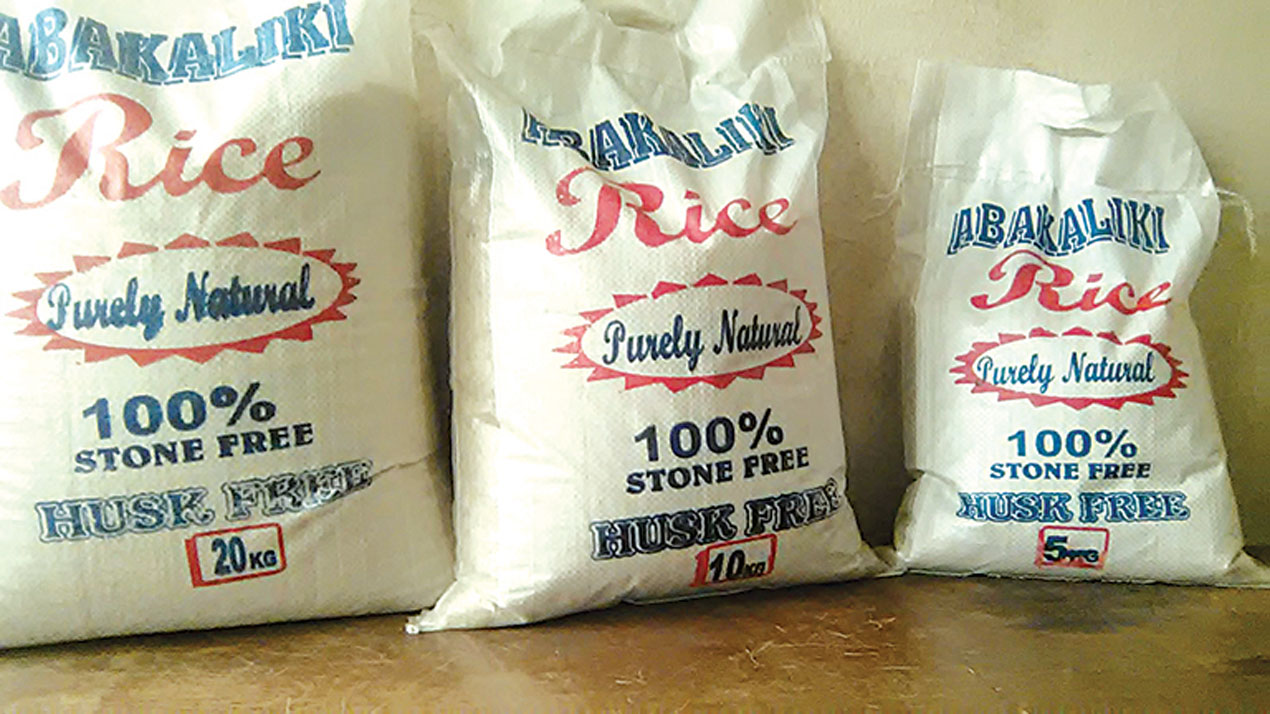
The Nigerian government has announced the sale of 30,000 metric tonnes of milled rice to Nigerians at a subsidized rate of N40,000 per 50-kilogram bag, but prospective buyers will need to present their National Identification Number (NIN) to access the rice.

The sale, which began on Thursday in Abuja, is being rolled out nationwide in response to the country’s growing economic challenges.

Senator Abubakar Kyari, the Minister of Agriculture and Food Security, inaugurated the rice sale, stating that the intervention was timely, given the current circumstances in Nigeria. He acknowledged the difficulties many Nigerians face and emphasized that the government has put in place measures to ensure the rice distribution is transparent and reaches as many citizens as possible.

However, in order to prevent fraudulent purchases and ensure the rice is distributed fairly, the Federal Government is implementing strict verification protocols. Each individual will only be allowed to purchase one 50kg bag of rice, and buyers will be required to present identification, such as their NIN or phone numbers, to verify their eligibility. This measure aims to prevent multiple purchases by individuals seeking to hoard or resell the rice at higher prices.

Kyari assured Nigerians that the government had deployed a multi-disciplinary team to monitor the distribution process, ensuring that the rice reaches those who need it most.

“It is expected that with the injection of 30,000MT into Nigeria’s food balance sheet, it will not only crash the price of rice but also other closer food substitutes and alternatives,” he said.

How to Purchase the Subsidized Rice

The process of purchasing the subsidized rice has been designed to minimize chaos and ensure a smooth operation. Dr. Haruna Sule, the Director of Strategic Grains Reserve at the Ministry of Agriculture, outlined the steps Nigerians must follow:

  1. Identification: Civil servants can access the rice using their Integrated Payroll and Personnel Information System (IPPIS) or their NIN. This information is logged onto a sales platform.
  2. Payment: Buyers will then make payments electronically using their ATM cards. Once the payment is confirmed, they will receive a receipt with a unique code number.
  3. Collection: The receipt will include the collection point and the scheduled time for pickup. Buyers will present their code to officials at the collection point and will be issued a bag of rice.

The government has set up multiple sales points across the Federal Capital Territory (FCT), and the distribution will continue until all the rice is sold.

Background of the Subsidized Rice Sale

The sale of subsidized rice was initially announced in July by the Minister of Information, Idris Mohammed. Civil servants were asked to register for the subsidized rice under the Ministry of Special Duties and Inter-Governmental Affairs. However, the plan was abruptly halted without any explanation, sparking confusion among those who had registered.

Now that the sale has commenced, many Nigerians are expressing skepticism over the government’s approach to resolving the economic crisis. They argue that distributing rice, though necessary, does not address the root of the country’s deepening economic woes.

Nigeria is grappling with severe economic challenges that have left millions of people struggling to afford basic necessities. Public frustration has continued to grow against the backdrop of deteriorating economic hardship. Many Nigerians believe that the sale of rice does little to resolve the broader economic challenges they face, such as inflation, unemployment, and the lingering impact of the fuel subsidy removal.

A Nigerian, Opeoluwa, voiced his disappointment, saying, “The solution to all economic problems in this administration is to share rice. To say I am disappointed is an understatement. At this point, from Mr. Wale Edun to the whole of the fiscal team, should be excused. They have failed Nigerians.”

Economists have argued that the government’s focus on short-term fixes, such as distributing food, falls short of the structural reforms needed to revitalize the economy.

The government hopes that the injection of 30,000 metric tonnes of rice will help stabilize food prices and ease the financial burden on many Nigerians. However, the scale of the intervention, given the size of Nigeria’s population, has raised concerns about its overall impact.

Many believe that the subsidized rice sale underlines the government’s struggle to find sustainable solutions to the country’s economic challenges.

Nigeria Government Reportedly Plans to Grant Dangote Refinery Right to Set Petrol Prices

0

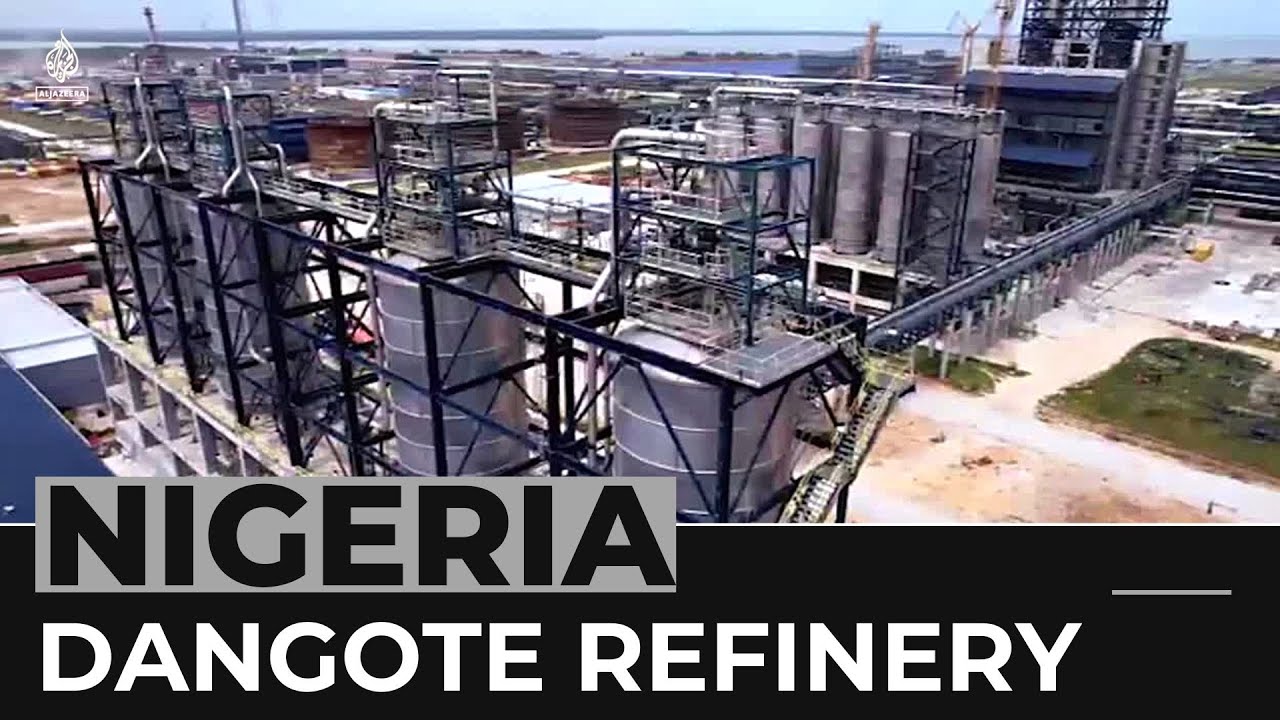
The Nigerian Federal Government is reportedly considering giving Aliko Dangote’s refinery the authority to set petrol prices for petroleum marketers, a move that could significantly alter the control the government has traditionally maintained over fuel prices.

According to Bloomberg, this decision is expected to be implemented as early as next month, according to officials who spoke in anonymity because they are not authorized to speak on the matter.

For years, Nigeria, Africa’s leading oil producer, has relied on imported petrol, subsidizing the cost at significant expense. With Dangote’s new refinery in Lagos now capable of producing petrol locally, this heavy reliance on imports by the Nigerian National Petroleum Company Limited (NNPC) is expected to reduce.

However, the refinery, seen as a game-changer for the country’s energy sector, has been at the center of speculation about how its output will impact the local market, especially in terms of pricing.

In a recent statement, the company said that the price of petrol, known locally as Premium Motor Spirit (PMS), will be determined by the government.

“The PMS market is strictly regulated, which is known to all oil marketers and stakeholders in the sector, hence we cannot determine, fix, or influence the product price,” Dangote said.

Price Increases and NNPC’s Debt Crisis

The news of Dangote’s potential role in setting petrol prices comes at a time when the NNPC has been grappling with financial difficulties. As the sole importer of petrol, NNPC has been selling below market rates to control prices, a strategy that has led to substantial debt to international suppliers.

This week, the NNPC increased the price of petrol by 45%, bringing it to N897 per liter, a move that pushed prices closer to market levels after months of financial strain. The NNPC admitted it owes N7.8 trillion in subsidy debts for the seven months leading up to July, which has crippled its ability to maintain a steady fuel supply across the nation.

Fuel scarcity has become a pressing issue in major cities as the NNPC’s mounting debts limit its capacity to import and distribute fuel. This scarcity, coupled with price increases, has led to public frustration, as Nigerians face rising costs in an already difficult economic environment.

Marketers’ Concerns of a Monopoly

The prospect of Dangote setting prices and NNPC continuing as the sole off-taker of petrol from the refinery has raised concerns among petroleum marketers. Many have argued that granting NNPC exclusive access to Dangote’s fuel could create a monopoly in the downstream sector, further complicating the market for independent marketers.

While stressing the importance of making fuel accessible to all marketers, not just NNPC, Chinedu Ukadike, Public Relations Officer of the Independent Petroleum Marketers Association of Nigeria (IPMAN), expressed concerns about this arrangement. He stated that it could lead to monopolistic practices and profiteering.

“The most important thing is availability,” he said. “We are not against the increase in fuel prices as marketers, but the fuel must be available for us to buy. The arrangement between Dangote and NNPC, which makes NNPC the sole off-taker, should be reconsidered. As major stakeholders and independent marketers, we believe Dangote should be allowed to sell directly to us.”

His concerns were echoed by Engr. Atinuke Owolabi, President of the Association of Professional Women Engineers of Nigeria, Lagos Chapter, said, “It is dangerous for NNPCL to be the sole distributor of Dangote fuel. We do not want a monopoly again. Let Dangote distribute to all marketers so that we all have access to the fuel, which belongs to the people.”

The Dissolution of NNPC Retail and Nueoil Energy

Lending credence to the call for Dangote Refinery to sell directly to marketers is the recent dissolution of the downstream arm of the NNPC, NNPC Retail, and Nueoil Energy by the Corporate Affairs Commission (CAC). This follows a court ruling that transferred ownership of NNPC Retail to OVH Energy Marketing Limited. With NNPC Retail no longer in existence, many are questioning why Dangote is waiting for NNPC to lift petrol from its refinery when the company no longer has a retail business.

Against this backdrop, marketers and stakeholders are calling on the Federal Government to intervene and ensure that the distribution of petrol from Dangote’s refinery is open to all, rather than being controlled by a single entity.

It is believed that if the Federal Government grants Dangote Refinery the power to set petrol prices, it could reshape the country’s entire fuel market.

While local production from Dangote’s refinery is seen as a solution to Nigeria’s dependence on imported fuel, the challenge currently seems to lie in ensuring that the pricing and distribution structure is fair and competitive. Independent marketers fear that NNPC’s exclusive access to Dangote’s fuel could lead to market distortion, with potential price hikes and limited availability for smaller players in the sector.

However, Speaking on TVC News’ “Journalists’ Hangout” show on Thursday, the Executive Vice President of Downstream, NNPC Ltd., Mr. Adedapo Segun, reiterated that PMS prices are governed by unrestricted free market forces, as provided for in the Petroleum Industry Act (PIA), 2021.

“The market has been deregulated, meaning that petrol prices are now determined by market forces rather than by the government or NNPC Ltd. Additionally, the exchange rate plays a significant role in influencing these prices,” he said.