DD
MM
YYYY

PAGES

DD
MM
YYYY

spot_img

PAGES

Home Blog Page 2937

Visa Announces Plan to Launch New Product to Safeguard Customer’s Bank Transfers

0

Visa, the global payments giant, has announced plans to roll out a new product aimed at enhancing the security and protection of consumers’ funds when making bank transfers.

The payments giant plans to launch a dedicated service for account-to-account (A2A) payments, skipping the traditional and often inflexible direct debit process.

This product is designed to address the growing concerns over the safety of digital payments, especially as more individuals and businesses rely on electronic transfers for everyday transactions. The new offering will provide consumers with additional layers of protection, ensuring that funds transferred between bank accounts are secure and that users are safeguarded from potential fraud or unauthorized access.

With just a few clicks, users can set up direct debits, allowing merchants to take payments directly from customers’ bank accounts. The process eliminates the need for card details or manual bank transfer setup, streamlining transactions while maintaining security.

Speaking on this feature, Mandy Lamb, Visa’s managing director for the U.K. and Ireland, said in a statement,

“We want to bring pay-by-bank methods into the 21st century and give consumers choice, peace of mind and a digital experience they know and love. That’s why we are collaborating with UK banks and open banking players, bringing our technology and years of experience in the payments card market to create an open system for A2A payments to thrive.”

With Visa A2A, consumers will be able to set up variable recurring payments (VRP), a new type of payment that allows people to make and manage recurring payments of varying amounts. By leveraging open banking technology and existing payment rails, Visa aims to provide users with a secure and fast way to move money, catering to industries like e-commerce, subscription services, and P2P transfers. This initiative is also expected to appeal to markets where traditional credit card usage is low, allowing Visa to broaden its reach globally by supporting new payment preferences.

One notable standout feature of the new account-to-account (A2A) service, is its focus on consumer protection. Users will be able to monitor their direct debits more easily and flag any unauthorized or erroneous transactions through their banking app. This feature, similar to protections offered by card payments, addresses a key pain point for consumers-unauthorized auto-renewals of subscriptions. Visa said the new AZA service will make it easier for consumers to reverse such transactions and reclaim their money.

The payments giant announced that the product will initially launch in the U.K. in early 2025, with subsequent releases in the Nordic region and elsewhere in Europe later in 2025. 

Bill Gates Pledges to Inject $2.8bn into Nigeria’s Healthcare, Agricultural Sectors

0

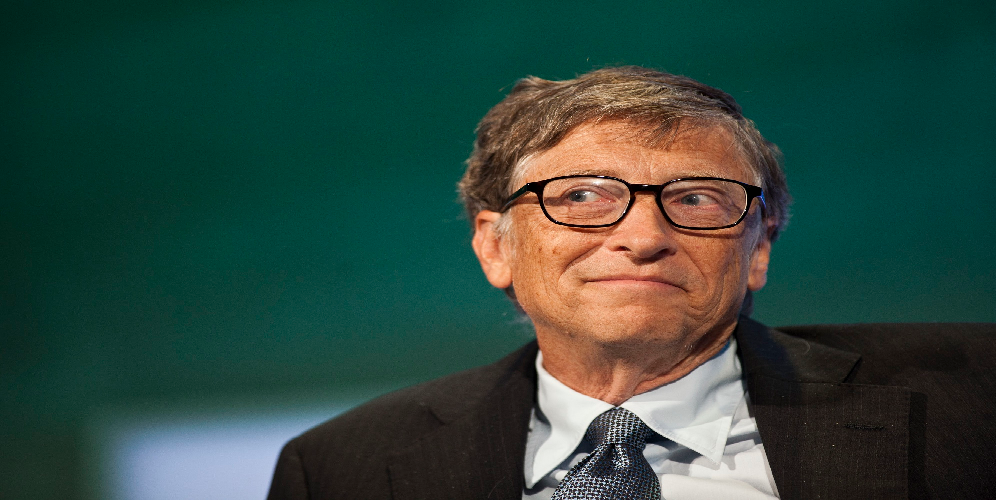
Bill Gates, the co-founder of Microsoft and co-chair of the Bill & Melinda Gates Foundation, made a significant announcement on Wednesday during a meeting with the National Economic Council (NEC) in Abuja, revealing plans to inject $2.8 billion into Nigeria’s healthcare, nutrition, and agricultural sectors.

The investment, Gates explained, is part of an effort to address Nigeria’s escalating health and food insecurity crises, which have left millions vulnerable across the country. His pledge far surpasses what Nigeria has budgeted for healthcare in recent years, underscoring the severity of the situation.

During his address, Gates emphasized Nigeria’s critical need to invest in its people, describing it as the country’s greatest resource. However, he pointed out that the current health budget falls woefully short of what is needed to combat the country’s growing health and nutrition challenges. With Nigeria spending just about N3,000 per person annually on primary healthcare, Gates warned that this is grossly insufficient to meet the demands of a nation battling an escalating health crisis, compounded by malnutrition and poverty.

Gates’ planned $2.8 billion commitment is particularly striking when compared to Nigeria’s own healthcare funding, which has been criticized for years as inadequate. In 2024, Nigeria’s total budget for healthcare was set at approximately $800 million, less than a third of what the Bill & Melinda Gates Foundation is poised to invest in targeted programs. Gates’ investment is also far higher than most previous healthcare allocations by Nigeria’s government, a reflection of the dire state of the sector.

Gates also addressed the grim reality of food insecurity in Nigeria, revealing that the country has the second-highest rate of food insecurity globally. This crisis has been compounded by climate change, economic difficulties, and underinvestment in agriculture. With millions of Nigerians experiencing chronic food shortages, Gates stressed the importance of increasing agricultural support, including investment in new crop varieties and better farming practices.

Poor nutrition remains a critical issue in Nigeria, contributing to the country’s high child mortality rate. Gates highlighted the alarming prevalence of child malnutrition, which is responsible for nearly half of all deaths among children in Nigeria. He called for greater involvement from both the government and private sector in food fortification and compliance with nutrition mandates.

He further proposed affordable solutions, such as maternal health interventions using multiple micronutrient supplements (MMS), which could save thousands of lives and prevent millions of cases of anemia in women.

In addition to healthcare and nutrition, Gates urged Nigerian leaders to enhance funding for the agricultural sector, particularly in areas like infrastructure, extension services, and fertilizers to support farmers. He pointed out that smart investments in agriculture could help alleviate the worsening food crisis.

Despite the challenges, Gates expressed optimism about Nigeria’s future, reiterating his long-term commitment to supporting the country. He called for data-driven approaches to improve healthcare systems, ensuring that resources are allocated efficiently and that the workforce is well-managed. Gates praised recent efforts in Nigeria, such as the highly successful HPV vaccination campaign that reached over 12 million girls within a month, but stressed that more needs to be done.

Gates’ announcement comes at a time when the country is grappling with its worst economic crisis in decades, marked by rising inflation, unemployment, and a growing national debt. The philanthropist emphasized that Nigeria’s leadership must prioritize investments in human capital, specifically healthcare and nutrition, as key drivers of long-term prosperity.

However, many have noted that while Gates’ unprecedented $2.8 billion pledge offers a beacon of hope for Nigeria, especially as the country struggles with severe economic and social challenges, it highlights the urgent need for reform and renewed commitment from the government to tackle its deep-rooted health and nutrition issues.

The Financial Impact of Sports Betting Legalisation on Emerging Markets

0

Sports betting has become a major focus in many emerging markets. With the legalisation of betting in several regions, these markets are experiencing new opportunities and challenges. Sports betting, when managed well, can bring growth to local economies, create jobs, and provide new sources of income for governments. This article will explore how the legalisation of sports betting affects the economy in these areas, with a focus on the financial impact.

Creating Jobs and Helping the Economy

Making sports betting legal can create many new jobs. Some ways this happens are:

Betting Shops and Websites: When new betting shops and online sites open, they need people to work there. This gives more jobs to people.

  • Customer Service: More people betting means companies need workers to help customers with questions.
  • Security: Both online and in-person betting needs security workers to keep things safe and fair.

The money from taxes on sports betting can also help a country. The government can use this money for important things like:

  • Building Schools and Hospitals: This money helps make better schools and hospitals for everyone.
  • Fixing Roads and Bridges: The money can also help make roads and bridges better.

Lastly, foreign investors want to put their money into countries where sports betting is legal. They invest in the new betting companies, which brings even more money into the country.

Legalising sports betting helps create jobs, bring in money, and make the economy stronger.

Attracting Investors with Online Betting

Online betting is growing quickly. Many people now use the internet to place their bets. This change gives new chances for business growth in countries where sports betting is newly legal.

A big reason for this growth is the use of cryptocurrencies. Many betting companies now let people pay with crypto. Here’s how it helps:

  • Fast Payments: People can place bets quickly without waiting.
  • Secure and Private: Crypto payments are safe, and people like that their details are kept private.
  • Easy Global Betting: Cryptocurrencies allow people from different countries to join in easily.

Some betting sites only use crypto, which helps people bet faster and more safely. If you want to learn more about this, crypto online casinos reviews give good advice. These reviews tell you which sites accept crypto and what you can expect when using them.

With crypto, countries can attract both local and international users. This brings more money into the country and helps the economy grow. Countries that welcome crypto betting have a great chance to succeed.

Government Regulations and Taxation

When sports betting becomes legal, governments must set up rules to make sure it is done responsibly. This means creating laws that protect consumers and ensure that betting companies are fair and transparent. It also means setting up a system for collecting taxes from the companies that operate in the betting industry.

Taxation is a key part of why governments are willing to legalise sports betting. By taxing the industry, governments can generate a significant amount of money. This tax money can be used to pay for public services like health care, education, and transportation.

For example, in countries like South Africa and Kenya, where sports betting is legal, the government collects taxes from betting operators. These funds help support the government’s budget and fund essential services. The result is that sports betting not only provides entertainment but also helps support the nation’s financial needs.

Challenges Facing Emerging Markets

While the benefits of sports betting are clear, there are also challenges that governments and businesses must address. One of the biggest challenges is regulating the industry effectively. Without proper oversight, sports betting can lead to illegal gambling activities, and governments may lose tax revenue.

Another challenge is protecting consumers. In markets where sports betting is new, many people may not fully understand how to gamble responsibly. This can lead to problems like addiction or financial loss for bettors. Governments must work with betting companies to promote responsible gambling and offer help to those who need it.

Finally, corruption can be a problem in some emerging markets. Sports betting can create opportunities for match-fixing and other illegal activities. To prevent this, governments must work closely with sports organisations to ensure that betting is done fairly and that no games are rigged.

A look at how sports betting will develop in emerging markets

As more emerging markets legalise sports betting, the industry will continue to grow. Governments will need to remain flexible and adjust their regulations as the industry evolves. New technologies like blockchain and cryptocurrency will also play a bigger role, offering new ways for people to bet online.

Countries that embrace sports betting will likely see increased tax revenue, more job creation, and a stronger economy. However, they must be careful to manage the industry well, addressing any challenges that arise.

As the sports betting industry grows, it will also continue to attract new investors, both locally and internationally. For emerging markets, this is an opportunity to develop a new industry that can provide financial stability and growth for many years to come.

Author’s Verdict

The legalisation of sports betting in emerging markets is reshaping the financial landscape in many countries. By creating jobs, attracting investors, and generating tax revenue, sports betting offers many benefits to these economies. However, governments must regulate the industry carefully to avoid problems like illegal gambling and consumer protection issues. With the rise of online betting and cryptocurrency, the future of sports betting looks bright for many emerging markets.

Bill Gates Calls on Nigeria to Increase Tax Revenue

1

American business magnate and co-founder of Microsoft, Bill Gates, has drawn attention to Nigeria’s low tax collection rate, describing it as a significant challenge to the country’s ability to finance critical sectors like health and education.

Gates made this assertion during a Pan-African youth dialogue on nutrition held in Abuja on Tuesday, where he emphasized the need for Nigeria to bolster its tax revenue to improve its fiscal health and invest more effectively in public services.

While addressing the gathering, Gates highlighted that the country’s current tax collection rate is insufficient for meeting the essential needs of its citizens, especially in healthcare. According to him, for citizens to develop confidence in the government’s ability to provide quality healthcare, it is crucial that there be a clear commitment to managing health funding responsibly and efficiently.

“Over time, there are plans for Nigeria to fund the government more than it does today. The actual tax collection in Nigeria is pretty low,” Gates said.

He further elaborated that as confidence grows in how well government programs, such as primary healthcare, are run, there will be more support for increasing funding through taxation.

“It’s exciting that we are driving the credibility of those health programs. Citizens will feel like primary healthcare is among the priorities that should be well funded as you gain fiscal flexibility,” Gates added.

Gates’ remarks on Nigeria’s fiscal capacity came shortly after Taiwo Oyedele, Chairman of the Presidential Fiscal Policy and Tax Reforms Committee, outlined his committee’s proposals aimed at easing the economic burden on Nigerians. In his statement, Oyedele revealed that the committee recommends the removal of taxes on essential goods and services, including food, public transportation, and housing.

The proposed measures are designed to alleviate the economic pressure on low- and middle-income Nigerians, who have been hardest hit by rising inflation and the removal of fuel subsidies. Oyedele highlighted that the tax reforms focus on exempting basic necessities from taxation, particularly by removing Value-Added Tax (VAT) on items essential for everyday living.

“We’ve identified food, accommodation, transportation, education, and health as critical areas of life, and we’ve removed almost all taxes, including VAT, on these items,” Oyedele explained.

The goal is to create a more manageable cost of living for Nigerians, especially those struggling with the increasing cost of basic goods and services.

However, this sentiment from Gates echoes long-standing calls from the International Monetary Fund (IMF) for Nigeria to increase its tax revenue. The IMF has consistently pointed out that Nigeria’s tax-to-GDP ratio, which hovers around 6%, is one of the lowest in the world. Comparatively, the average tax-to-GDP ratio in sub-Saharan Africa is around 17%, while in advanced economies, it is much higher.

The IMF has argued that without addressing this shortfall, Nigeria will struggle to meet its budgetary needs, fund development projects, or reduce its heavy reliance on borrowing.

However, the IMF’s recommendations have faced widespread opposition in Nigeria. This is because economic hardship has severely affected earnings across various sectors of the economy. The removal of fuel subsidies, rising inflation, and general economic instability have left many Nigerians in a precarious financial situation, making calls for higher taxes deeply unpopular. Critics argue that increasing taxes in such an environment would only worsen the economic burden on already struggling citizens and businesses.

The situation was also acknowledged by Gates. In addition to his remarks on taxation, he also pointed out the alarming level of food insecurity in Nigeria.

“Today, Nigeria has the second-highest rate of food insecurity on Earth,” he said, underscoring the depth of the country’s hunger crisis.

This statement aligns with several reports highlighting that millions of Nigerians face food shortages, exacerbated by inflation, inadequate agricultural output, and ongoing conflicts in food-producing regions.

The World Food Programme (WFP) and other agencies have warned that without swift interventions, the country could face worsening food shortages and malnutrition, particularly among children and vulnerable populations.

Nonetheless, Gates’ focus on improving the tax system reflects a broader global concern about Nigeria’s fiscal sustainability. With its growing population and need for substantial infrastructure and social spending, Nigeria’s ability to collect more revenue is expected to remain a central issue in its economic discourse.

Economic experts said the challenge moving forward, will be finding the right balance between these two priorities: increasing tax revenue to fund vital services while ensuring that tax policies do not compound the economic difficulties faced by everyday Nigerians.

Pullix Set To Go Parabolic As Worlds First Revenue Sharing Trading Platform Nears Launch, MATIC and LTC Holders Pay Attention

0

With investors closely monitoring the fluctuations in crypto market trends, many are now fully convinced of Pullix’s potential. With Polygon (MATIC) and Litecoin (LTC) showcasing signs of faltering, there is a high shift towards Pullix, which aims to become the world’s first revenue-sharing trading platform, with the launch set for August.

Moreover, Pullix early users have already gained a 500% ROI as the coin recorded a price surge from its starting price of just $0.01 to its current price of $0.05.

Pullix (PLX) Set to Revolutionize the Blockchain Industry

Problems with stringent KYC processes, slow transactions, and liquidity have continuously affected the exchange trading sphere. However, Pullix (PLX) aims to resolve these issues by utilizing the power of DeFi and CeFi while integrating online OTC trading features. With such a view, Pullix is set to create a unique and comprehensive trading experience backed by fast transactions, high-level liquidity, and, most importantly, users can retain ultimate control over the funds.

Additionally, Pullix revenue share model has also set this hybrid trading exchange platform apart from most of the hyped traditional exchanges. This model allows the platform to distribute part of the revenue back to its user base. Pullix holders also benefit from other features, including promotional rewards, governance rights, and a chance to trade commodities, forex, and indices.

Pullix has also completed a successful presale that saw the PLX token achieve $8 million in funding, with over 20,000 users. The token has also been listed within major exchange platforms, including CoinMarketCap, BitMart, Uniswap, and CoinGecko, enhancing the coin’s overall market visibility and appeal while providing over 100 assets to trade. Crypto analysts have also foreseen a positive Pullix price prediction that could see the coin hit the $1 mark with its platform launch.

Polygon (MATIC) Price Prediction

Following BTC’s halving in April, analysts expect a bull market in 2024, particularly with institutions rushing for Bitcoin spot ETF approvals. This anticipation also suggests that Polygon (MATIC) will hold an upward trend in 2024 despite regulatory uncertainties that might halt its growth, as with XRP in the previous bull run owing to an SEC lawsuit.

Despite MATIC, integral to Polygon’s ecosystem, being deemed a commodity or currency rather than a security, given its utility in paying gas fees, Polygon still boasts the highest enterprise adoption among ETH scaling solutions. The likes of Starbucks, Reddit, Facebook, and Nike are building on its network.

This move suggests that despite the challenging regulatory concerns, corporate interest might still trigger a bullish momentum in the price of Polygon in 2024, irrespective of the coin’s YTD dip. Crypto experts also anticipate Polygon price to range between a minimum of $0.9012 and a maximum of $1.03, with an average trading price of around $0.9298.

Litecoin (LTC) August Price Range Amid Major Turkey Expansion

Litecoin (LTC) has made a significant stride within the crypto community. The token has seen a remarkable surge in value over the past few days, capturing the attention of both newcomers and seasoned investors. However, despite this recent uptick in the price of Litecoin, a deep dive into the coin’s historical data suggests a looming downward pressure.

The On-Balance-Volume indicator, which gauges market sentiment, reflects a dip in Litecoin accumulation. This shift implies a dipping undertone as selling appears to outweigh the buying activities, with a negative YTD. However, looking forward to the close of August, crypto analysts speculate that Litecoin’s price might stabilize near the $65 mark, with optimistic outlooks proposing a potential rise to the $70 mark.

Additionally, recent developments, such as Charlie Lee’s announcement of expanding Litecoin into banking services, might also contribute to a surging momentum. This move will allow users to buy Litecoin tokens directly through the app, but the feature is currently limited to Turkish users.

Will Pullix Launch Sway Polygon and Litecoin Holders?

Despite Polygon and Litecoin’s previous market performance, Pullix is set to achieve significant milestones, especially with its unique revenue-sharing model. This feature alone might set higher standards for this platform, promoting greater participation within the DeFi market while propelling the PLX price even higher.

Visit Pullix

Join The Pullix Community