
DD
MM
YYYY

PAGES

DD
MM
YYYY

spot_img

PAGES

Home Blog Page 2940

Challenges and Strategies for Miners Post Bitcoin-Halving

0

The cryptocurrency mining landscape has undergone a significant transformation following the Bitcoin halving event. This pivotal occurrence, which took place in April 2024, has presented a host of challenges for miners, but also opened up new avenues for innovation and adaptation.

Cryptocurrency mining, especially Bitcoin mining, has raised significant environmental concerns. The process is energy-intensive, often relying on electricity generated from fossil fuels, which contributes to carbon emissions and climate change. The energy consumption of Bitcoin mining operations is substantial; for instance, in the year prior to July 2022, Bitcoin alone consumed an estimated 36 billion kilowatt-hours of electricity, comparable to the combined electricity consumption of several US states.

One of the most immediate effects of the halving was the reduction in miners’ block rewards, which were slashed from 6.25 BTC to 3.125 BTC. This has directly impacted miners’ profitability, as they now receive fewer coins for their efforts. The situation is exacerbated when the price of Bitcoin is not sufficiently high to offset the reduced rewards, putting a strain on the profit margins of mining operations.

The halving event has also led to increased competition among miners, intensifying the race for the now smaller pool of rewards. This competition favors those with more efficient operations and access to cheaper energy sources. For smaller miners, especially those with less efficient hardware and higher electricity costs, staying competitive becomes increasingly challenging.

The reliance on fossil fuels for electricity generation means that cryptocurrency mining can have a large carbon footprint. This is at odds with global efforts to reduce greenhouse gas emissions and limit global warming to 2°C as per the Paris Agreement. Mining equipment, particularly specialized hardware like ASIC miners, has a relatively short lifespan and can become obsolete quickly, leading to significant amounts of electronic waste.

The establishment of large mining facilities can lead to increased local air, water, and noise pollution, impacting the quality of life for nearby residents. Additionally, the surge in mining operations can strain local energy grids and potentially lead to increased electricity rates for local consumers.

Post-halving, the need for Bitcoin prices to remain high is crucial for miners. The profitability of mining operations is closely tied to market prices, as higher Bitcoin values can justify the significant energy costs associated with mining. Conversely, a drop in Bitcoin prices can lead to unsustainable mining costs and potentially push less efficient miners out of the market.

In response to these challenges, miners are exploring ways to improve their operational efficiency. This includes investing in more energy-efficient mining hardware and seeking out renewable energy sources to reduce costs. Some miners are considering consolidation, merging smaller operations to benefit from economies of scale. By pooling resources, miners can achieve lower operational costs and better withstand the pressures of reduced block rewards.

Diversification of income streams is another strategy being adopted by miners. This could involve participating in other aspects of the cryptocurrency ecosystem, such as providing transaction processing services or engaging in staking activities where applicable. The approval of Bitcoin ETFs has introduced new financial instruments into the market. Miners can potentially use these tools to hedge against price volatility and secure better returns on their investments.

Looking Ahead

The post-halving world poses significant challenges for Bitcoin miners, but it also offers opportunities for those willing to adapt and innovate. By embracing new technologies, optimizing operations, and exploring alternative revenue streams, miners can navigate the complexities of this new landscape and continue to thrive in the evolving world of cryptocurrency mining.
Gasoline Consumption in Nigeria Can Now Be Accurately Tracked – Dangote

0

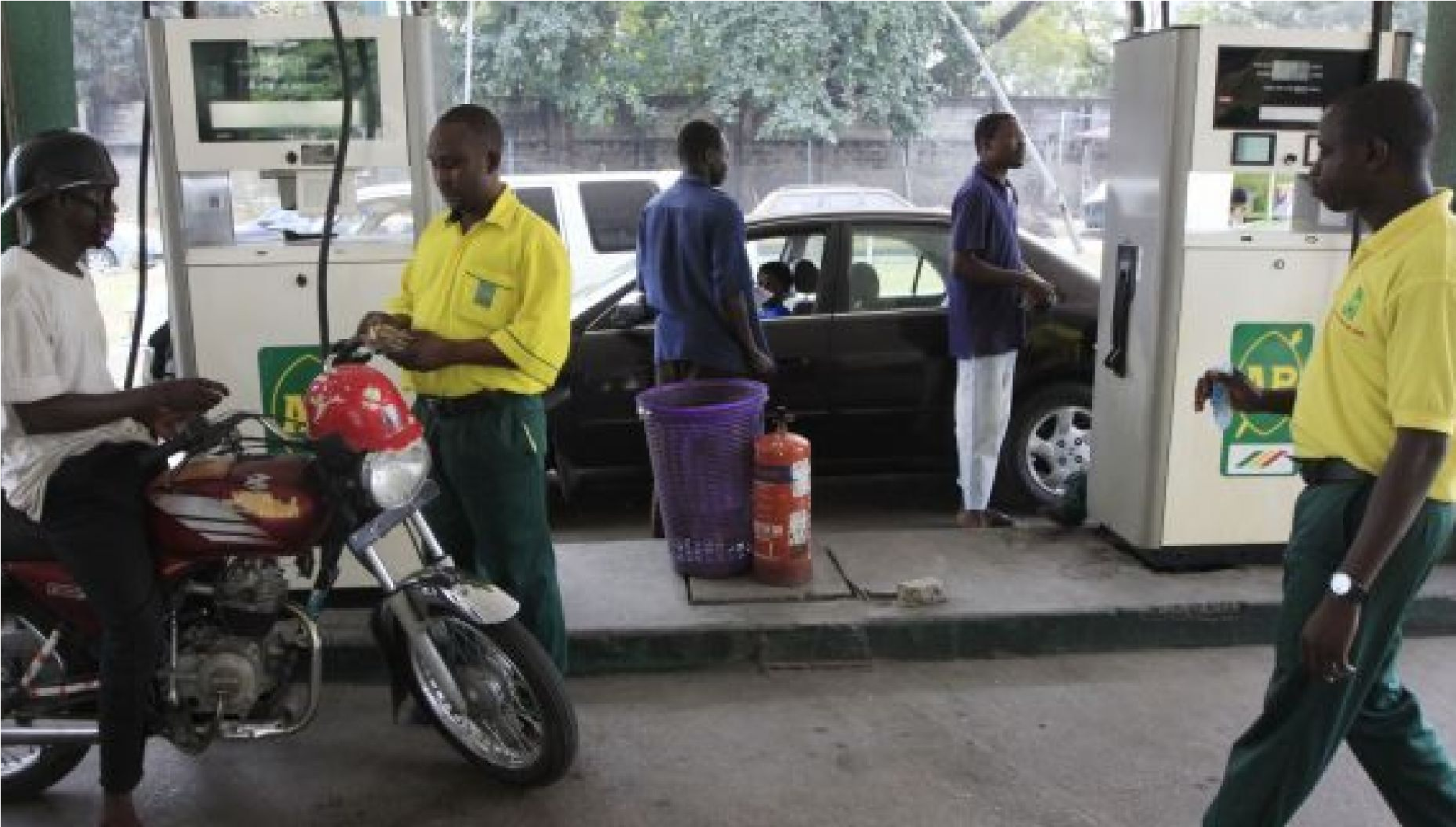
Following the commencement of gasoline production by the $20 billion Dangote Refinery located in Lagos, on Tuesday, the chief executive officer of the giant oil plant, Aliko Dangote has announced there will be tracking of all products from the refinery to ascertain the exact volume Nigerians consume.

This marks a new chapter for Nigeria, a country long plagued by discrepancies in its fuel consumption figures, which have been a source of controversy and suspicion.

During a press briefing held at the expansive petrochemical plant in Lagos, Dangote declared that with the refinery now operational, Nigeria is better equipped to accurately monitor and report its daily petrol consumption.

He emphasized that the refinery’s capabilities would put an end to the pervasive issues of round-tripping and the falsification of import documentation, problems that have severely undermined the credibility of Nigeria’s reported fuel consumption statistics.

Tackling Round-Tripping and Documentation Fraud

Round-tripping, a fraudulent practice where fuel is documented as imported into Nigeria but is instead diverted elsewhere, has been a significant issue within the petroleum sector. According to Dangote, the refinery’s operations will bring much-needed transparency to the process.

“As you know, there is quite a lot of what you call round-tripping whereby people now do documentation and the fuel is not coming to Nigeria. And this is a fact,” Dangote stated.

He went on to explain that with the refinery now functioning, it would “show the true consumption of Nigeria,” providing the ability to “track every single loaded truck” and “loaded ship,” thus offering unprecedented visibility into the country’s fuel logistics.

This move by the Dangote Refinery is poised to close the chapter on the long-standing discrepancies that have clouded Nigeria’s fuel consumption data, bringing a new level of accountability to the industry.

The Impact on Foreign Exchange and Economic Stability

Beyond addressing fuel consumption discrepancies, Dangote also highlighted a significant policy initiative by the Federal Executive Council (FEC) that will see crude oil supplied to the refinery in local currency. This policy, known as the “Naira for Crude” arrangement, is expected to slash Nigeria’s demand for foreign exchange by at least 40%. The reduction in demand for U.S. dollars is expected to bring greater stability to the naira, Nigeria’s local currency, which has faced significant devaluation pressures in recent years.

“I want to personally also thank Mr. President for creating this idea of Naira for Crude and also Naira for the product. This will give a lot of stability for the Naira because you remove 40% of the demand of the dollars in the market,” Dangote said, expressing gratitude to President Bola Tinubu and his administration for the strategic move.

This policy is particularly critical in light of the economic challenges that have followed the removal of the fuel subsidy. Announced by President Tinubu during his inaugural address in May 2023, the end of the petrol subsidy led to a more than 400% increase in petrol prices, driving inflation and placing additional strain on the economy. The Naira for Crude arrangement is seen as a measure to cushion the impact of these economic shocks by reducing the country’s reliance on foreign currency.

Unraveling Nigeria’s Fuel Consumption Figures

The inconsistency in Nigeria’s petrol consumption figures has been a long-standing issue. For years, different government agencies have provided conflicting data, leading to confusion and mistrust among the public. For example, the Nigeria Extractive Industries Transparency Initiative (NEITI) reported that in 2019, Nigeria imported 20.6 billion liters of petrol, suggesting a daily consumption rate of 55 million liters. In contrast, the Nigerian National Petroleum Corporation (NNPC), the country’s main petroleum regulatory body, has offered varying figures.

In 2022, NNPC’s Group Chief Executive Officer, Mele Kyari, stated that daily consumption was at 68 million liters, while another NNPC report placed the figure as high as 74 million liters for certain periods in 2022.

These discrepancies have sparked widespread skepticism, with accusations that the figures were being manipulated. The House of Representatives Committee on Finance, for instance, accused the now-defunct Petroleum Products Pricing Regulatory Agency (PPPRA) of falsifying data, noting discrepancies between figures provided by different agencies, including the NNPC and the Nigerian Customs Service.

The situation was further complicated by reports of large-scale smuggling of petrol to neighboring countries, which some estimates suggest could be as high as 15.6 million liters per day. This figure has been doubted also, as the logistics required to smuggle such a large volume of fuel daily are daunting.

A Path Toward Transparency

The discrepancies and challenges in tracking Nigeria’s petrol consumption have been attributed to corruption and incompetence within key government agencies. Professor Pat Utomi, a renowned political economist, argued in an interview with The Punch that modern technology should make it possible for all relevant agencies to have accurate and up-to-date data on fuel consumption.

“In this time and age of cutting technology, how can agencies responsible for such information claim they do not know the actual volume of products consumed? Modern technologies have made it possible for all agencies to know and have access to such figures at the same time every day if they want to. The only problem that can be responsible for such discrepancies is corruption and incompetence,” he said.

The commencement of gasoline production at the Dangote Refinery is believed to have come with a promising solution to these long-standing issues. The refinery’s advanced tracking systems are expected to provide real-time data on fuel consumption, helping to eliminate the discrepancies that have plagued the sector. By accurately monitoring every truck and shipment, the refinery aims to establish a clear and reliable picture of Nigeria’s actual fuel usage.

Nvidia Loses Over $280 Billion in Market Value in A Single Day, Amid Antitrust Probe

0

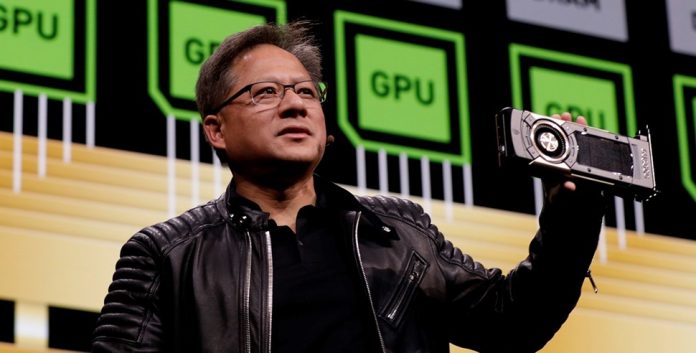
US giant semiconductor and AI chipmaker Nvidia faced a dramatic financial blow on Tuesday, which saw the price of its shares plunge by nearly 10%, wiping out over $280 billion from its market value, the largest single-day value drop in US stock market history.

The sharp decline in Nvidia’s market value has sparked reactions, leaving investors nervous. There are speculations that the sudden decline reported by the chipmaker may have been affected by the US Department of Justice subpoena, probing into whether the tech and AI chip giant violated antitrust laws, as reported by Bloomberg.

The probe is coming a week after Nvidia reported another  record-breaking quarter report, which sparked the U.S. Department of Justice to issue complaints that it is violating antitrust laws. The Justice Department has also subpoenaed other companies for evidence after initially sending questionnaires about Nvidia’s business practices, Bloomberg reported, citing unnamed people familiar with the matter.

Reports revealed that the Department of Justice reached out to Nvidia’s competitors, including Advanced Micro Devices and AI chip startups, to gather information, including allegations of threatening customers who buy products from competitors, as well as Nvidia’s recent acquisitions of AI software startups,

Also, the Justice Department officials were investigating whether the chipmaker had pressured some of its customers, including cloud providers that rent servers powered by Nvidia’s chips to developers. In response to the DoS probe, Nvidia on Tuesday defended its tactics in the hot market for chips to power artificial intelligence in the face of reports the US is probing whether it abused its market dominance.

A spokesperson at Nvidia said,

“Nvidia wins on merit, as reflected in our benchmark results and value to customers, who can choose whatever solution is best for them”.

Nvidia’s huge rise in recent years has been directly tied to its dominance in Al chips for data centers, established years before competitors AMD and Intel started taking the category seriously. Nearly a decade ago, Nvidia developed a programming language for its chips, called CUDA, which is a key tool for engineers who train advanced Al models like the one at the heart of ChatGPT.

The antitrust probe comes at a critical time for Nvidia, which has been at the forefront of the Al revolution, powering breakthroughs in machine learning, autonomous vehicles, and cloud computing. The company’s future growth prospects, heavily tied to its dominance in the Al chip market, are now under a cloud of uncertainty as it faces the prospect of lengthy legal battles and potential penalties.

Market analysts are closely watching how this situation unfolds, as the outcome of the antitrust investigation could have far-reaching implications for the tech industry at large. If Nvidia is found to have violated antitrust laws, it could lead to regulatory changes that impact the entire semiconductor industry, reshaping the competitive landscape and influencing the strategies of other major players.

However, the company will remain committed to navigating the legal challenges ahead while reassuring investors and stakeholders that it can weather the storm and continue to lead in the rapidly evolving Al market.

Congrats Tekedia Graduates and Have Amazing Academic Festivals

0

Tekedians, as you celebrate your graduation, across cities this weekend, I want to wish everyone a great trip, and safe journeys. These learners-independently organized programs are a critical part of our heritage. In our pursuit to discover and make scholars noble, bright and useful, we have also come to LEARN from all. I am seeing some nice designs, from mufflers to t-shirts to etc, and they are amazing.

You have already made this an academic festival by looking at the faculty members coming to speak. I thank our Faculty members for making time to educate the #future.

Our product is KNOWLEDGE and knowledge rules the world. Congratulations and thanks for choosing Tekedia Institute. Celebrate Knowledge and advance your personal economy and the wealth of your communities. #ready2lead

May I also take this moment to commend our Program Manager, Eyitayo Adeleke. He is the human operating system for managing things.

Ndubuisi Ekekwe

Lead Faculty

Earn Big With Intel Markets Presale in Crypto Winters as Toncoin (TON) and XRP Prices Might Lag Recovery  

0

The fast-paced crypto sphere keeps market analysts and investors confused about the future of their investments. Therefore, traders are always on an outlook to find the best investment. The current season has kept investors glued to Intel Markets (INTL), making it the top choice for winter.

With established coins like Ripple (XRP) and Toncoin (TON) trending down, Intel Markets (INTL) is creating a buying frenzy in the crypto space. The AI-powered platform is set for a meteoric rise as investors continue showing confidence in the future of the INTL token.

Squeezed Bollinger Bands: Ripple (XRP) Set For Another Volatile Session!

Ripple (XRP) has been underperforming for the past two weeks. The Ripple (XRP) price plunged by 7% and dropped to a local bottom of around $0.54. Despite the intra-day gains of over 1.9%, Ripple (XRP) is still trading at $0.56. Market experts predict that the price can plunge further owing to the technical analysis of Ripple (XRP).

One important metric showing that Ripple (XRP) might experience a wild move soon is the Bollinger Bands. The technical tool assists traders in detecting when an asset may be overbought or oversold and in spotting potential price breakouts or reversals.

Last week, market experts noted that the Bollinger Bands have squeezed significantly. It is worth mentioning that such a development signals that Ripple (XRP) has experienced low volatility for a prolonged time and might be gearing up for a massive rally (or correction).

The analyst recently claimed that the bands have tightened even more, hinting towards the declining momentum of the Ripple (XRP) coin.

Toncoin (TON) Faces Rapid Sell-Off As Price Drops Mount

Toncoin (TON) is struggling in the current session as the bears take over the price movement of the altcoin initiating massive downtrends. Toncoin (TON) has been registering massive slumps over the past week with the altcoin trading at $5.15, 6.8% lower than the previous week.

This slump is accompanied by confused Toncoin (TON) investors’ movements, further worsening the situation. The Toncoin (TON) whales are seen taking advantage of the current scenario, investing in the altcoin at a lower price. Toncoin (TON) has registered very low rates of $4.9 within a month.

This volatility has caused the smaller investors to sell their Toncoin (TON) assets. Wallets holding 10,000 to 1,000,000 Toncoin (TON) experienced a decrease in their balances. This behavior hints at the fact that investors’ confidence in the future trajectory of Toncoin (TON) is shaking. Thus, investors are exploring new investment options such as Intel Markets (INTL)!

Intel Markets (INTL) Becomes The Top Choice For Q4 Of 2024!

While established crypto players like Ripple (XRP) and Toncoin (TON) are exhibiting massive downtrends in the current session, Intel Markets (INTL) has emerged as a haven for investors. Seasoned investors are betting on the new exchange IntelMarkets (INTL) for life-changing gains.

IntelMarkets (INTL) has been gaining traction as the most revolutionary platform after the platform deployed artificial intelligence. The most noticeable features of INTL include automated market analysis and self-learning trade bots that allow users to optimize their capital allocation based on past performance and risk appetite.

Retail traders are frequently at a disadvantage in traditional trading setups. Traders may find it challenging to identify a clear entry point due to the technical analysis’s contradictory indications. However, the Intell-Array™ monitoring technology analyzes more than 100,000 data points simultaneously to provide traders with a single “buy” or “sell” recommendation.

Due to these characteristics, traders are lining up to participate in the presale at the appealing price of $0.009. At the present price, early investors may be able to profit up to 100% given the $0.11 listing price.

This attractive growth prospect explains the reason behind Intel Markets (INTL) being called the top investment choice for Q4 of 2024!


Discover More About Intel Markets:

Presale: https://intelmarketspresale.com/

Buy Presale: https://buy.intelmarketspresale.com/

Telegram: https://t.me/IntelMarketsOfficial

Twitter: https://x.com/intel_markets