DD
MM
YYYY

PAGES

DD
MM
YYYY

spot_img

PAGES

Home Blog Page 2940

Nigeria’s Kredete Secures $2.25M Fund to Empower African Immigrants With Credit Building And Low-Cost Remittances

0
Fund, money cash dollar

Kredete, a Nigerian financial software platform designed to support African immigrants in building credit and sending money back home, has announced the raise of $2.25 million in a seed funding round.

The round was led by BFF, with participation from other prominent investors such as Techstars, Tezos Found, Polymorphic Capital, Launch Africa, Neer Venture Partners, SDF, and DNA Fund. Angel Investors such as Wise and Western Union, also contributed in the round.

With the difficulty in getting credit in Africa, Kredete addresses this critical gap in financial services for African immigrants, who often struggle to establish credit in the diaspora, while maintaining financial ties to their families back home.

The platform allows users to remit funds to over 20 countries with minimal fees, and uniquely, each transaction positively impacts the user’s credit score in their new country. By leveraging advanced technology, Kredete offers an affordable and seamless solution, helping users lay a solid financial foundation in their new environments.

The startup plans to scale its money transfer services to all African countries, expanding beyond the 20 currently on its list. It will also introduce additional financial products tailored specifically for African immigrants in the diaspora, including credit cards, auto loans, and mortgage loans. Long-term, Kredete aims to build a comprehensive financial ecosystem that meets the unique needs of African immigrants, helping them navigate and thrive in their new environments.

“Kredete is more than just a remittance service, it’s a gateway to financial inclusion for African immigrants in the diaspora. Our goal is to empower our users to build a secure financial future, no matter where they are migrating into”, said Adeola Adedewe, founder and CEO of Kredete.

One of Kredete’s key differentiators is its use of stablecoins, which significantly reduces transfer fees to less than a dollar, making it a cost-effective alternative to traditional remittance services. This efficiency positions Kredete as an attractive option for African immigrants seeking reliable and affordable money transfer services.

Since its inception, Kredete has continued to experience remarkable growth, with its user base surpassing 300,000. In April 2023, the company launched its AI-powered lending platform to increase access to formal credit, financial literacy, and innovative financial solutions.

The company has formed a strategic partnerships with over 25 financial institutions, including the largest African-based credit bureau, CRC Credit Burèau, and has secured funding from prominent investors, including being backed by Techstars, a renowned startup accelerator powered by J.P. Morgan. It is also trusted by prominent partners which include First Central, Mono, Techstars, Page, and Providus Bank.

As Kredete continues to expand its services across Africa, it also plans to introduce financial products tailored to the needs of African immigrants, creating a comprehensive financial ecosystem that supports their unique challenges and aspirations.


Tekedia Mini-MBA edition 15 begins on Sep 9th (Monday)

0

Tekedia Mini-MBA edition 15 begins on Sep 9th (Monday), and will last for 12 weeks. Register now for your login, and get early bird discounts. More than 100 faculty members will be teaching in this Africa’s finest business program for entrepreneurial capitalism and modern business systems. Begin here.


The Argentine Housing Market is Shifting Towards Liberalization

0
TOPSHOT - Argentine presidential candidate for the La Libertad Avanza alliance Javier Milei waves to supporters after winning the presidential election runoff at his party headquarters in Buenos Aires on November 19, 2023. Libertarian outsider Javier Milei pulled off a massive upset Sunday with a resounding win in Argentina's presidential election, a stinging rebuke of the traditional parties that have overseen decades of economic decline. (Photo by Luis ROBAYO / AFP) (Photo by LUIS ROBAYO/AFP via Getty Images)

In a bold move that has sent ripples across the Argentine housing market, President Javier Milei has taken decisive steps to end rent controls and cut back on housing regulations. This policy shift marks a significant departure from the previous administration’s approach and aligns with Milei’s free-market ideology.

President Milei’s free-market approach has certainly made an impact, with the supply of rental housing in Buenos Aires jumping by 195.23% since the law’s repeal. As the debate continues, it remains to be seen whether this policy will lead to a more balanced and accessible housing market in the long term or if it will exacerbate existing inequalities.

The Repeal of Rent Controls

The 2020 Rental Law, enacted under former President Alberto Fernández, aimed to provide tenants with financial security by imposing restrictions on landlords. However, this law led to a decline in rental availability and distorted the real estate market, with an estimated one in seven homes in Buenos Aires remaining vacant as landlords opted out of renting in Argentine pesos.

President Milei’s repeal of this law has had immediate and noticeable effects. The supply of rental housing in Buenos Aires has surged by 195.23%, according to the Statistical Observatory of the Real Estate Market of the Real Estate College (CI). This increase in supply has been accompanied by a stabilization of rental prices, a welcome change for many in the face of Argentina’s soaring inflation rates.

The Impact on Housing Supply and Prices

Since the repeal, Buenos Aires has witnessed a doubling of available rental units, and rental prices have stabilized. Landlords and tenants now enjoy more freedom to negotiate lease terms, which defaults to two years if not specified. This newfound flexibility has been welcomed by many, including real estate agencies, which have reported a substantial increase in rental apartments and, in some cases, a reduction in prices due to fewer viewings.

However, the move has not been without its critics. Some argue that the repeal disproportionately benefits landlords at the expense of tenants, many of whom are already grappling with the country’s economic crisis. Concerns have also been raised about the potential for a temporary increase in housing supply leading to a surge in prices once the market stabilizes.

The Broader Economic Context

Argentina’s high inflation rate, which reached 211.4%—the highest in 32 years—has exacerbated the challenges faced by both landlords and tenants. The repeal of rent controls is seen by some as a necessary step to address these challenges and revitalize the housing market.

President Milei’s approach reflects a broader trend towards deregulation and market liberalization. By removing what he views as market distortions, Milei hopes to foster economic growth and stability. This move has been met with both praise and criticism, reflecting the complex and often contentious nature of housing policy.

The long-term effects of President Milei’s policy changes remain to be seen. While the initial results are promising, with increased housing supply and stabilized prices, the sustainability of these trends will depend on various factors, including the overall health of the Argentine economy and the global market forces at play.

As Argentina navigates these changes, the world will be watching closely to see how the interplay between government policy and market dynamics unfolds in the housing sector. President Milei’s tenure may well serve as a case study for other nations considering similar reforms in the face of economic pressures and housing challenges.

Turkey Submits Application Requesting to join BRICS

0

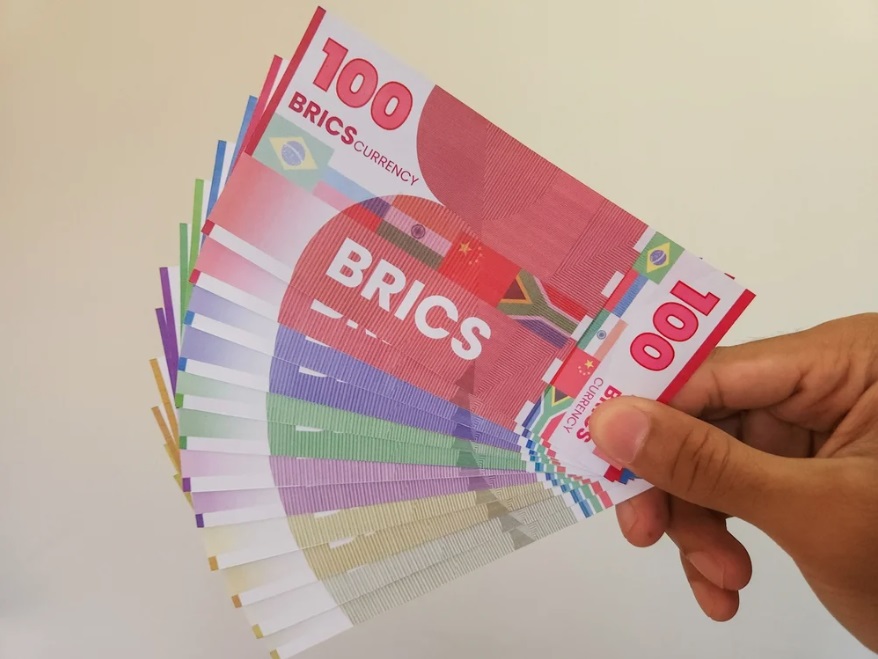
In a significant geopolitical development, Turkey has officially submitted an application to join the BRICS group, signaling a potential shift in the global economic landscape. This move by Turkey, a NATO member, underscores the nation’s desire to diversify its international alliances and economic partnerships.

BRICS, an acronym for Brazil, Russia, India, China, and South Africa, represents a coalition of emerging economies known for their significant influence on world trade and economic trends. The inclusion of Turkey, a country that bridges Europe and Asia, could further enhance the group’s global impact.

Turkey’s application comes at a time when the country is expressing growing frustration with the European Union, particularly over the stalled progress in its membership talks. Joining BRICS could provide Turkey with alternative avenues for trade, investment, and diplomatic engagement, aligning with its broader strategy to expand its global influence.

Turkey’s application to join the BRICS group, while a significant move in terms of global economic partnerships, raises questions about its implications for the country’s longstanding relationship with NATO. As a member of NATO since 1952, Turkey’s strategic alliances have predominantly aligned with Western interests. However, the recent application to BRICS suggests a pivot towards diversifying its international relations and economic dependencies.

This move could be seen as part of Turkey’s broader strategy to assert a more independent foreign policy stance. It reflects a desire to engage with a wider array of global players, potentially balancing its Western alliances with new partnerships in the East. The application to BRICS, which includes nations that have at times been at odds with NATO policies, may be interpreted as a signal of Turkey’s willingness to explore alternatives to its traditional Western-centric foreign policy approach.

The impact on Turkey’s relations with NATO could be multifaceted. On one hand, it may introduce complexities in diplomatic relations, given the differing stances on various international issues among BRICS nations and NATO members. On the other hand, Turkey’s potential new role within BRICS could also serve as a bridge, fostering dialogue and cooperation between the two groups.

It is important to note that BRICS is primarily an economic alliance, and Turkey’s membership would not necessarily translate into a security alliance that conflicts with NATO’s objectives. Nonetheless, Turkey’s engagement with BRICS could necessitate a delicate balancing act to maintain its commitments to NATO while pursuing new economic partnerships.

Turkey’s application to join BRICS is a strategic move that could reshape its international relations. While it may present challenges, it also offers opportunities for Turkey to expand its global influence and economic ties. The full impact on its relations with NATO will depend on the outcomes of the BRICS application process and the subsequent diplomatic negotiations.

The decision to apply for BRICS membership also reflects Turkey’s ambition to play a more prominent role in the Global South’s quest for a fairer world order and the reform of international institutions. This aligns with the founding principles of BRICS, which advocate for a more equitable global governance system.

Turkey’s bid is reportedly welcomed by current BRICS members, especially Russia and China, which could see this expansion as a means to bolster the group’s position as a counterweight to Western economic institutions. However, the application process is expected to be thorough, with discussions and evaluations by existing members.

The potential expansion of BRICS to include Turkey could have far-reaching implications for international relations and economic dynamics. It remains to be seen how this development will unfold and what it will mean for the future of global economic cooperation. As the world watches closely, Turkey’s strategic move to join BRICS may mark a new chapter in the narrative of emerging economies shaping the 21st century’s economic order.

African Startup Funding Slows Dramatically in August, But Q3 Remains Strong Due to July Surge

0

In a recent report by Africa: The Big Deal, African startup funding dipped in the month of August after record-breaking funding in July, which emerged as a landmark month for startup fundraising across Africa, which saw an impressive $443 million raised.

In July, a total of 47 ventures secured at least $100,000 in funding, making July the second-best month of the year in terms of the number of deals closed, trailing only behind May, which saw 40 grant announcements from major players like DEG, CHub, and iHub. Among these, 16 ventures managed to raise over $1 million, consistent with the monthly average during the first half of the year.

The surge in fundraising activity was heavily influenced by two major deals that dominated the headlines in July which include global leader in solar energy solutions d.light, which secured a massive $176 million securitization facility, and leading Egyptian fintech company MNT-Halan which raised $157.5 million.

The impressive performance observed last month had raised expectations, but the unexpected decline materialized in August, with start-ups on the continent raising only $56 million in funding. This marked a dramatic drop from the amount raised in July, a decline of nearly eightfold and a stark contrast to the $234 million recorded in August 2023, making August 2024 the second-slowest month in four years, following June 2024, which saw just $42 million in funding.

The bulk of the funding in August 2024 was secured as equity, accounting for 87% of the total, with debt representing 9%, and grants making up the remaining 4%. A total of 27 start-ups announced funding rounds in August, a figure significantly below the monthly average of 40+ over the past year.

The three largest deals of the month were Dutch DFI FMO’s $10 million investment in Ghanaian fintech Fido as part of its Series B round, a $9 million investment in South Africa’s Solarise Africa (Energy sector), and Nigerian fintech Waza, which emerged from stealth mode with $8 million in funding, consisting of $3 million in seed funding and $5 million in debt.

No exits were recorded during the month, and overall funding activity for 2024 continues to lag behind recent years, with a 40% year-over-year decline compared to 2023. However, there is a silver debt representing 9%, and grants making up the remaining 4%.

However, despite the August slowdown, the ecosystem’s robust performance in July has ensured that the total funding raised in Q3 2024 (with one month still to go) has already surpassed the totals for Q1 and Q2.

While August’s funding decline presents a challenge, the resilience and potential of Africa’s start-up ecosystem remain evident, as the region continues to attract significant investment despite periodic fluctuations in funding activity.