DD
MM
YYYY

PAGES

DD
MM
YYYY

spot_img

PAGES

Home Blog Page 2943

Tekedia Mid-Week Blockchain and Crypto Digest

0

In a significant development for the blockchain industry, Polygon has initiated a strategic transition from its native token MATIC to a new token, POL. This move marks a pivotal moment for the platform, as it aims to enhance its ‘hyperproductive’ utility and foster greater community participation.

The migration, which commenced on September 4, 2024, is a seamless process for users with staked MATIC, as their holdings are being automatically upgraded to the new POL token. This upgrade is not just a mere token swap but a thoughtful evolution of the ecosystem, reflecting Polygon’s commitment to scalability and growth.

The POL token is designed to be a ‘hyperproductive’ asset, which means it will play a crucial role in the aggregated blockchain network envisioned by Polygon. It is set to become the native gas and staking token of the Polygon Proof of Stake (PoS) network, underpinning the network’s security and operations.

For users, the transition process has been made as smooth as possible. Those holding MATIC on the Polygon PoS chain need not take any action, as their tokens will automatically convert to POL. However, users on the Ethereum network and Polygon’s zkEVM layer-2 network might need to manually migrate their tokens through the Polygon Portal Interface or by bridging to Ethereum.

Bitcoin ETFs recorded $287 million in net outflows, marking the most substantial withdrawal since May 2nd. This development is a critical indicator of investor sentiment and market trends. The outflows were led by Fidelity’s FBTC, which saw $162.3 million in withdrawals, while Grayscale’s GBTC experienced $50.4 million in outflows. Other funds, including BITB and ARK, also reported notable withdrawals.

This trend coincides with a broader downturn in the cryptocurrency market, which has been influenced by various economic factors. Weak U.S. manufacturing data has revived growth concerns, contributing to the negative sentiment and affecting risk assets like cryptocurrencies. The outflows from Bitcoin ETFs reflect a cautious approach from investors who are possibly looking to reduce exposure amid uncertain market conditions. It’s a reminder of the volatile nature of the cryptocurrency market and the need for investors to stay informed and agile.

Volmex Finance, a crypto derivatives protocol, has recently launched a groundbreaking financial instrument for the cryptocurrency market: the Solana Volatility Implied Volatility (SVIV) Index. This index represents a significant advancement for traders and investors interested in the Solana ecosystem, providing a tool to measure the expected price fluctuations of Solana’s SOL token over a 14-day period.

The SVIV Index is designed to give market participants insights into the anticipated volatility of SOL, allowing them to make more informed decisions regarding their investment strategies. Volatility indices are crucial in traditional financial markets, and their introduction to the cryptocurrency sector indicates a maturation of the market, aligning it closer to established financial systems.

For Solana, which has positioned itself as a high-performance blockchain supporting decentralized applications and cryptocurrencies, the SVIV Index offers an additional layer of sophistication for traders. By quantifying expected price swings, traders can better assess risk and potential reward scenarios associated with SOL’s market movements.

The launch of the SVIV Index by Volmex Finance is not just a milestone for Solana but also for the broader crypto market, as it reflects the growing demand for complex financial products within the space. As the cryptocurrency market continues to evolve, we can expect to see more such instruments being developed, catering to the needs of a diverse range of market participants.

Consequently, Blast, the burgeoning force in the decentralized finance (DeFi) space, has recently unveiled the details of its highly anticipated “Big Bang” competition, designed to ignite innovation and growth within the mobile decentralized application (DApp) development community. This competition stands as a testament to Blast’s commitment to fostering a vibrant ecosystem, offering a substantial $250,000 in grants to support builders who are ready to bring their visionary projects to life.

The “Big Bang” competition is not just about financial grants; it’s a holistic program that aims to provide comprehensive support to developers. Participants will have the opportunity to tap into a wealth of resources, including co-marketing opportunities and access to the Blast Foundation’s network, which could prove invaluable for both seasoned and emerging talents in the blockchain arena.

The initiative is part of Blast’s Phase 2 strategy, which emphasizes the development and incentivization of mobile DApps through the Blast App. A notable aspect of this phase is the distribution of 10 million Gold, Blast’s native token, which will be allocated to support DApps on the Blast Mainnet, with a special reserve for newly launched applications.

Exploring the Global Reach of Starlink

0

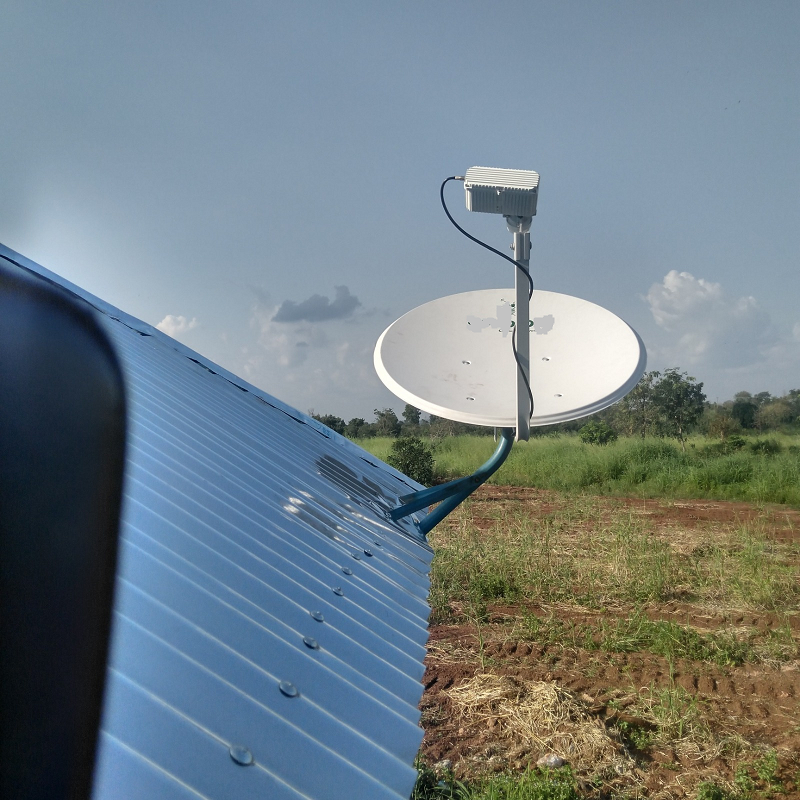
In the realm of global connectivity, Starlink emerges as a formidable player, boasting an ambitious goal to blanket the entire Earth with high-bandwidth internet. This initiative, spearheaded by SpaceX, aims to bridge the digital divide and provide remote and underserved areas with reliable internet access. As of 2024, Starlink has made significant strides towards this goal, deploying over 5,300 satellites and expanding its coverage to over 60 countries.

The innovative satellite system has been engineered to deliver broadband speeds up to 300 Mbps, a remarkable feat that promises to revolutionize internet access in rural and remote locations. The service’s availability map indicates a vast coverage area, with ongoing expansions to further increase its global footprint. Starlink’s no-contract policy and 30-day trial offer a flexible approach to internet service, aligning with the dynamic needs of consumers worldwide.

Starlink’s impact extends beyond residential areas, with its RV plan catering to users on-the-go and those living in mobile homes. Despite the de-prioritization of network services for the RV plan, which may result in slower speeds, the service remains a valuable asset for travelers and nomadic lifestyles.

The company’s commitment to innovation is evident in its next-gen Starlink V2 Mini satellites, which utilize the E-band for backhaul, enhancing capacity by four times compared to previous models. This technological advancement underscores Starlink’s dedication to continuous improvement and its vision for a hyper-connected world.

Furthermore, Starlink’s Direct-to-Cell service, which began with text messaging and is set to expand to phone calls, illustrates the company’s broader ambitions in the telecommunications sector. This service, once fully operational, could redefine the way we think about mobile connectivity, especially in regions traditionally plagued by poor cellular service.

As of 2024, Starlink has achieved an impressive coverage footprint, servicing over 1 million users in 60 countries. This includes not only urban areas, but also rural and remote regions where traditional internet services have been limited or non-existent. The service’s availability map indicates a wide-reaching network, with plans for expansion to cover more areas soon.

The technology behind Starlink is engineered by SpaceX, leveraging their experience with spacecraft and on-orbit operations to provide a reliable internet connection. Users can set up the service with ease, requiring only two steps: plugging in the equipment and pointing it at the sky. This simplicity is part of what makes Starlink an attractive option for those in underserved locations.

In the United States, Starlink boasts over 99% coverage, with a small percentage on a waiting list, indicating near-complete reach within the country. The service has been particularly impactful for people living in rural parts of the world, where the introduction of Starlink has led to greatly improved internet speeds.

Starlink’s approach to contracts is also user-friendly, offering services without long-term commitments and allowing users to cancel at any time. This flexibility, combined with the service’s rapid deployment and ease of installation, positions Starlink as a leading solution for global internet coverage.

While it may not be the only high-bandwidth internet system available globally, Starlink’s extensive satellite network and continuous improvements in speed and capacity make it a prominent player in the quest to connect the entire Earth. With ongoing advancements and satellite launches, Starlink’s coverage is set to expand further, potentially fulfilling the vision of universal internet access.

The journey of Starlink is not just about technological prowess; it’s about connecting people, empowering communities, and fostering opportunities in every corner of the planet. As we look to the future, the promise of a fully connected Earth is not just a possibility—it’s on the horizon, thanks to the relentless efforts of initiatives like Starlink.

DTX Exchange (DTX): The Fastest-Selling Presale Could Provide Bigger Returns Than Toncoin (TON) and Solana (SOL)

0

In the crypto market, new projects are popping up every day. However, only a few see the level of attention from the community, such as DTX Exchange (DTX). Given that it has already reached Stage 3 of its presale in just a few short months, DTX is now becoming one of the hottest projects in the market.

Demand is so high that some experts say DTX could provide bigger returns than established crypto coins like Toncoin (TON) and Solana (SOL). Since its value has already jumped by 200%, they hint at a potential 60x surge in 2024. Let’s see why.

DTX Exchange (DTX): A Record-Breaking Presale

DTX Exchange (DTX) is making a name for itself in the crypto space. In just a little while, DTX has already raised more than $2M and projections say that this number will reach $3M before this month ends. Even big YouTubers like Crypto Chino have taken notice of it. He told his 250K subscribers that DTX Exchange has the potential to be the ultimate trading platform.

They are saying this because of the hybrid nature of DTX Exchange. Its trading model is a combination of the best CEX and DEX features. Thus, people can buy over 120K asset classes like gold, crypto coins and stocks with 1000x leverage in one place. Plus, this will be done anonymously since DTX Exchange does not do any sign-up KYC checks.

The DTX utility token is the main attraction of its ecosystem. Holding it will bring you smaller trading fees and governance voting rights. It is now worth $0.06 in Stage 3 of its presale – a 200% rise from its start. Another jump to $0.08 is expected once Stage 4 begins. Experts predict a 60x surge after a Tier-1 CEX lists DTX in Q3 of 2024.

Toncoin (TON): New Exciting Binance Announcement

Meanwhile, Toncoin (TON) has seen some new developments. For instance, Binance announced adding Toncoin to its Simple Earn Locked Products. This latest development will allow people to earn up to 5.9% APR rewards during promotion.

This Toncoin news could cause interest in the coin to rise. When it comes to its value, it has been dropping as CoinMarketCap data shows a 15% fall on the 1-month chart. TON is now trading below its 50-day simple and exponential moving averages.

As a result, market analysts foresee the Toncoin crypto trading at $6 before October 2024 ends which is a small jump.

Solana (SOL): A Pump.fun Milestone

Solana (SOL) is another token that has been making headlines. Recently, Ryan Watkins revealed that Pump.fun is the fastest-growing app in revenue. It accomplished this by seeing $100M in revenue in 217 days. Watkins thinks this is a good sign for people to build on Solana.

When it comes to the Solana coin value movement, it has also fallen nearly 15% in the past week alone. SOL is now sitting below its 100-day exponential and simple moving averages.

Because of all this Solana news, experts predict that its value will hit $140 before the end of September 2024.

Why Could DTX Exchange Outperform Toncoin and Solana?

While Toncoin and Solana are seeing some exciting developments, their long-term growth may not match DTX Exchange’s. This is because DTX has a smaller market cap than these crypto coins and is tapping into the $17T gold market. Therefore, those who buy DTX now will see faster returns as it needs less new money for its price to surge.

Learn more:

Buy Presale

Visit DTX Website

Join The DTX Community

Challenges and Strategies for Miners Post Bitcoin-Halving

0

The cryptocurrency mining landscape has undergone a significant transformation following the Bitcoin halving event. This pivotal occurrence, which took place in April 2024, has presented a host of challenges for miners, but also opened up new avenues for innovation and adaptation.

Cryptocurrency mining, especially Bitcoin mining, has raised significant environmental concerns. The process is energy-intensive, often relying on electricity generated from fossil fuels, which contributes to carbon emissions and climate change. The energy consumption of Bitcoin mining operations is substantial; for instance, in the year prior to July 2022, Bitcoin alone consumed an estimated 36 billion kilowatt-hours of electricity, comparable to the combined electricity consumption of several US states.

One of the most immediate effects of the halving was the reduction in miners’ block rewards, which were slashed from 6.25 BTC to 3.125 BTC. This has directly impacted miners’ profitability, as they now receive fewer coins for their efforts. The situation is exacerbated when the price of Bitcoin is not sufficiently high to offset the reduced rewards, putting a strain on the profit margins of mining operations.

The halving event has also led to increased competition among miners, intensifying the race for the now smaller pool of rewards. This competition favors those with more efficient operations and access to cheaper energy sources. For smaller miners, especially those with less efficient hardware and higher electricity costs, staying competitive becomes increasingly challenging.

The reliance on fossil fuels for electricity generation means that cryptocurrency mining can have a large carbon footprint. This is at odds with global efforts to reduce greenhouse gas emissions and limit global warming to 2°C as per the Paris Agreement. Mining equipment, particularly specialized hardware like ASIC miners, has a relatively short lifespan and can become obsolete quickly, leading to significant amounts of electronic waste.

The establishment of large mining facilities can lead to increased local air, water, and noise pollution, impacting the quality of life for nearby residents. Additionally, the surge in mining operations can strain local energy grids and potentially lead to increased electricity rates for local consumers.

Post-halving, the need for Bitcoin prices to remain high is crucial for miners. The profitability of mining operations is closely tied to market prices, as higher Bitcoin values can justify the significant energy costs associated with mining. Conversely, a drop in Bitcoin prices can lead to unsustainable mining costs and potentially push less efficient miners out of the market.

In response to these challenges, miners are exploring ways to improve their operational efficiency. This includes investing in more energy-efficient mining hardware and seeking out renewable energy sources to reduce costs. Some miners are considering consolidation, merging smaller operations to benefit from economies of scale. By pooling resources, miners can achieve lower operational costs and better withstand the pressures of reduced block rewards.

Diversification of income streams is another strategy being adopted by miners. This could involve participating in other aspects of the cryptocurrency ecosystem, such as providing transaction processing services or engaging in staking activities where applicable. The approval of Bitcoin ETFs has introduced new financial instruments into the market. Miners can potentially use these tools to hedge against price volatility and secure better returns on their investments.

Looking Ahead

The post-halving world poses significant challenges for Bitcoin miners, but it also offers opportunities for those willing to adapt and innovate. By embracing new technologies, optimizing operations, and exploring alternative revenue streams, miners can navigate the complexities of this new landscape and continue to thrive in the evolving world of cryptocurrency mining.

Gasoline Consumption in Nigeria Can Now Be Accurately Tracked – Dangote

0

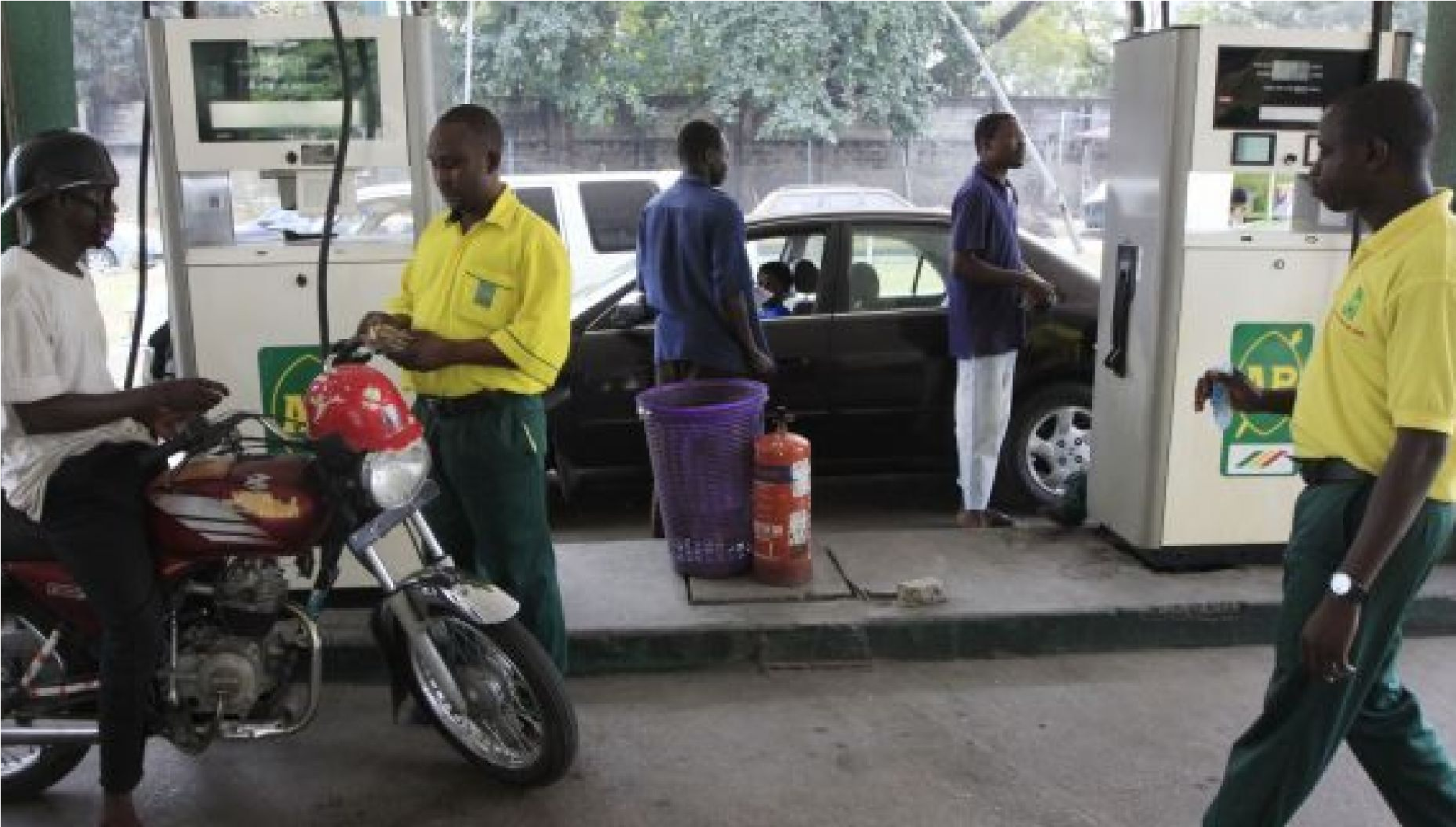
Following the commencement of gasoline production by the $20 billion Dangote Refinery located in Lagos, on Tuesday, the chief executive officer of the giant oil plant, Aliko Dangote has announced there will be tracking of all products from the refinery to ascertain the exact volume Nigerians consume.

This marks a new chapter for Nigeria, a country long plagued by discrepancies in its fuel consumption figures, which have been a source of controversy and suspicion.

During a press briefing held at the expansive petrochemical plant in Lagos, Dangote declared that with the refinery now operational, Nigeria is better equipped to accurately monitor and report its daily petrol consumption.

He emphasized that the refinery’s capabilities would put an end to the pervasive issues of round-tripping and the falsification of import documentation, problems that have severely undermined the credibility of Nigeria’s reported fuel consumption statistics.

Tackling Round-Tripping and Documentation Fraud

Round-tripping, a fraudulent practice where fuel is documented as imported into Nigeria but is instead diverted elsewhere, has been a significant issue within the petroleum sector. According to Dangote, the refinery’s operations will bring much-needed transparency to the process.

“As you know, there is quite a lot of what you call round-tripping whereby people now do documentation and the fuel is not coming to Nigeria. And this is a fact,” Dangote stated.

He went on to explain that with the refinery now functioning, it would “show the true consumption of Nigeria,” providing the ability to “track every single loaded truck” and “loaded ship,” thus offering unprecedented visibility into the country’s fuel logistics.

This move by the Dangote Refinery is poised to close the chapter on the long-standing discrepancies that have clouded Nigeria’s fuel consumption data, bringing a new level of accountability to the industry.

The Impact on Foreign Exchange and Economic Stability

Beyond addressing fuel consumption discrepancies, Dangote also highlighted a significant policy initiative by the Federal Executive Council (FEC) that will see crude oil supplied to the refinery in local currency. This policy, known as the “Naira for Crude” arrangement, is expected to slash Nigeria’s demand for foreign exchange by at least 40%. The reduction in demand for U.S. dollars is expected to bring greater stability to the naira, Nigeria’s local currency, which has faced significant devaluation pressures in recent years.

“I want to personally also thank Mr. President for creating this idea of Naira for Crude and also Naira for the product. This will give a lot of stability for the Naira because you remove 40% of the demand of the dollars in the market,” Dangote said, expressing gratitude to President Bola Tinubu and his administration for the strategic move.

This policy is particularly critical in light of the economic challenges that have followed the removal of the fuel subsidy. Announced by President Tinubu during his inaugural address in May 2023, the end of the petrol subsidy led to a more than 400% increase in petrol prices, driving inflation and placing additional strain on the economy. The Naira for Crude arrangement is seen as a measure to cushion the impact of these economic shocks by reducing the country’s reliance on foreign currency.

Unraveling Nigeria’s Fuel Consumption Figures

The inconsistency in Nigeria’s petrol consumption figures has been a long-standing issue. For years, different government agencies have provided conflicting data, leading to confusion and mistrust among the public. For example, the Nigeria Extractive Industries Transparency Initiative (NEITI) reported that in 2019, Nigeria imported 20.6 billion liters of petrol, suggesting a daily consumption rate of 55 million liters. In contrast, the Nigerian National Petroleum Corporation (NNPC), the country’s main petroleum regulatory body, has offered varying figures.

In 2022, NNPC’s Group Chief Executive Officer, Mele Kyari, stated that daily consumption was at 68 million liters, while another NNPC report placed the figure as high as 74 million liters for certain periods in 2022.

These discrepancies have sparked widespread skepticism, with accusations that the figures were being manipulated. The House of Representatives Committee on Finance, for instance, accused the now-defunct Petroleum Products Pricing Regulatory Agency (PPPRA) of falsifying data, noting discrepancies between figures provided by different agencies, including the NNPC and the Nigerian Customs Service.

The situation was further complicated by reports of large-scale smuggling of petrol to neighboring countries, which some estimates suggest could be as high as 15.6 million liters per day. This figure has been doubted also, as the logistics required to smuggle such a large volume of fuel daily are daunting.

A Path Toward Transparency

The discrepancies and challenges in tracking Nigeria’s petrol consumption have been attributed to corruption and incompetence within key government agencies. Professor Pat Utomi, a renowned political economist, argued in an interview with The Punch that modern technology should make it possible for all relevant agencies to have accurate and up-to-date data on fuel consumption.

“In this time and age of cutting technology, how can agencies responsible for such information claim they do not know the actual volume of products consumed? Modern technologies have made it possible for all agencies to know and have access to such figures at the same time every day if they want to. The only problem that can be responsible for such discrepancies is corruption and incompetence,” he said.

The commencement of gasoline production at the Dangote Refinery is believed to have come with a promising solution to these long-standing issues. The refinery’s advanced tracking systems are expected to provide real-time data on fuel consumption, helping to eliminate the discrepancies that have plagued the sector. By accurately monitoring every truck and shipment, the refinery aims to establish a clear and reliable picture of Nigeria’s actual fuel usage.