DD
MM
YYYY

PAGES

DD
MM
YYYY

spot_img

PAGES

Home Blog Page 2946

LinkedIn Hit With $335m Fine for Data Privacy Violation By the EU

0

LinkedIn has found itself in hot water in Europe, as the professional networking platform has been hit with a hefty €310 million ($335 million) fine for violating privacy regulations tied to its targeted advertising practices.

The penalty, one of the largest imposed on Big Tech under the European Union’s General Data Protection Regulation (GDPR), was levied by Ireland’s Data Protection Commission (DPC), which serves as the primary regulator for Microsoft, LinkedIn’s parent company, under GDPR guidelines.

The DPC’s investigation revealed several breaches related to LinkedIn’s processing of personal data for behavioral advertising, including violations of the GDPR principles of lawfulness, fairness, and transparency. GDPR mandates that data processing activities must have a valid legal basis, and in this case, LinkedIn’s arguments fell short.

LinkedIn had relied on three legal bases to justify its use of users’ data: consent, legitimate interests, and contractual necessity. However, the DPC concluded that none of these justifications held up under scrutiny. LinkedIn had not obtained proper consent for processing personal data for tracking ads and failed to provide users with clear and sufficient information about how their data was being used. Consequently, the regulator determined that LinkedIn’s practices infringed on users’ fundamental rights to data protection.

DPC deputy commissioner Graham Doyle acknowledged the significance of the ruling in a statement.

“The lawfulness of processing is a fundamental aspect of data protection law, and the processing of personal data without an appropriate legal basis is a clear and serious violation of data subjects’ fundamental right to data protection,” he said.

The case against LinkedIn began over six years ago, originating with a complaint filed in France in 2018 by the digital rights organization La Quadrature Du Net. The complaint was transferred to the DPC, given its role as the lead oversight authority for Microsoft’s GDPR compliance. The DPC launched its investigation in August 2018, but it took nearly six years for a final decision to be reached.

In July 2024, the DPC submitted a draft decision to other EU data protection authorities, who raised no objections, allowing the enforcement to proceed. The prolonged duration of the case highlights the complexities of GDPR enforcement, especially involving multinational corporations operating across multiple jurisdictions.

Following the announcement of the fine, LinkedIn acknowledged the DPC’s decision in a statement but expressed its disagreement with the findings. The company maintains that it has been compliant with GDPR but has committed to bringing its ad practices in line with the ruling.

“While we believe we have been in compliance with the General Data Protection Regulation (GDPR), we are working to ensure our ad practices meet this decision by the IDPC’s deadline,” a spokesperson for LinkedIn, Jonny Wing, stated.

The professional social media has been given a three-month window to rectify its operations and ensure full compliance with GDPR requirements.

Big Tech and GDPR

The €310 million penalty puts LinkedIn in the mid-range of the top 10 GDPR fines levied on tech giants, joining other prominent companies like Meta, Google, and Amazon that have faced significant sanctions. This case denotes that data protection authorities across Europe are prepared to take stringent measures against non-compliance, particularly concerning the complex landscape of digital advertising and user privacy.

The ruling also signals the growing scrutiny over the use of personal data for behavioral advertising, a practice that has come under fire for its potential to infringe on individual privacy. As regulators continue to clamp down on non-compliance, companies operating in the EU are expected to adopt more rigorous data protection practices to avoid costly penalties.

This latest penalty is not the first time LinkedIn has faced regulatory challenges in Europe over privacy concerns. However, it marks the most significant fine the company has received to date under GDPR. The platform’s previous brushes with data protection regulators involved less severe infractions.

With a three-month deadline to align its operations with GDPR requirements, LinkedIn must overhaul its advertising practices and data processing methods in Europe. This could entail revising consent mechanisms, enhancing transparency about data usage, and potentially reducing reliance on tracking technologies for ad targeting. Failure to make these adjustments could result in further penalties or restrictions on the company’s ability to operate within the EU.
Klasha And EasyTransfer Partner to Simplify Global Tuition Payments For African Students

0

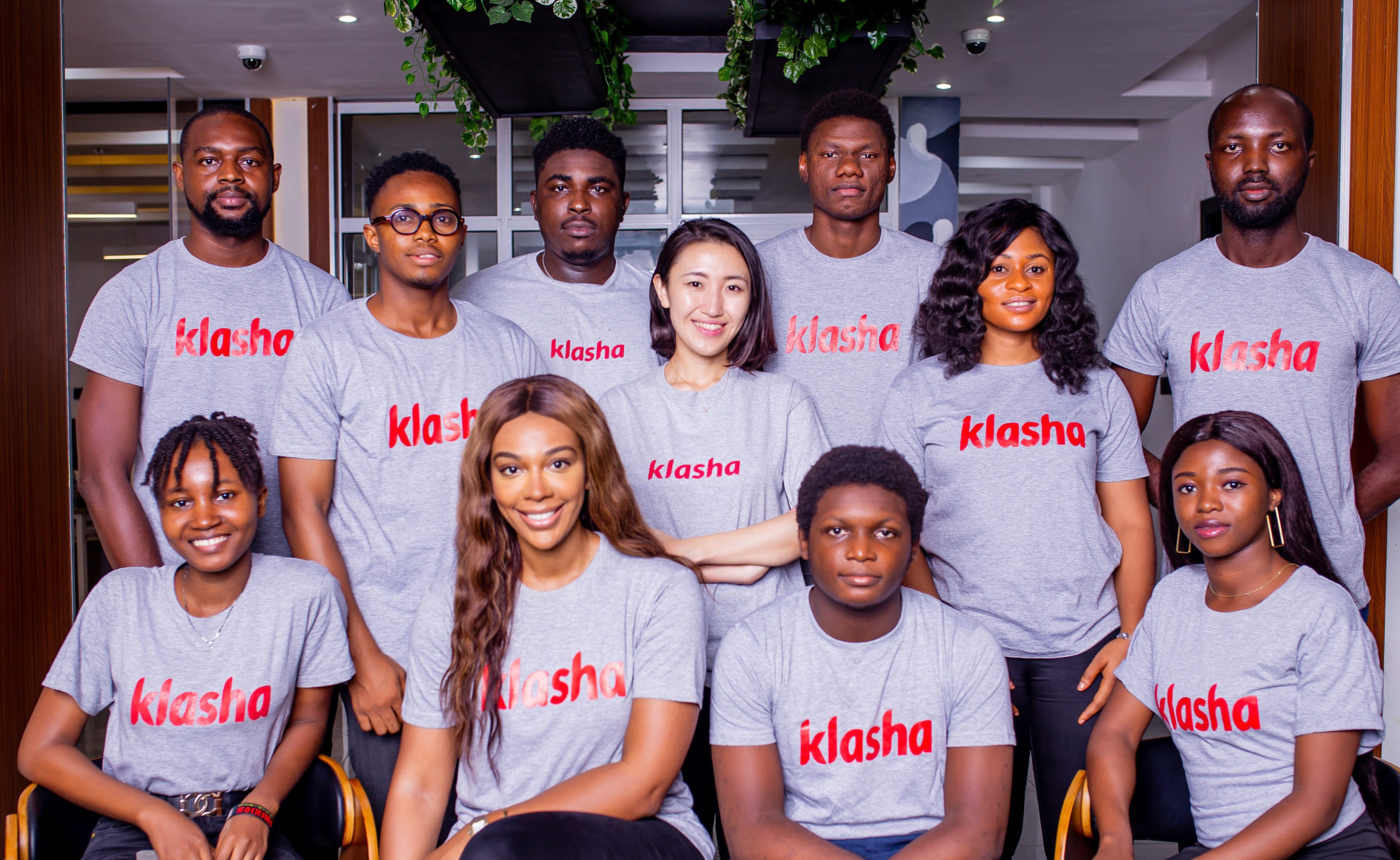
Klasha, a leading global cross-border payment company, and EasyTransfer, a Singapore-based global education fintech company, have announced a strategic partnership to facilitate easier and more affordable global tuition payments for international students from Africa.

Through this collaboration, EasyTransfer will leverage Klasha’s expertise in cross-border payments to enable students from African countries to pay tuition fees in their local currencies and receive payouts in hard currencies like USD at competitive rates. This will significantly reduce the costs and complexities associated with international transactions.

Our partnership with Klasha is a game-changer for international students from Africa,” said Tony Gao, President and Co-Founder of EasyTransfer. “By offering more cost-effective payment solutions, we are empowering students to pursue their educational dreams without the financial burdens”, he added.

Also commenting, Jess Anuna, Founder and CEO of Klasha, expressed her excitement about the partnership, which she said,

At Kasha, our mission has always been to bridge the gap for cross-border payments in emerging markets. This partnership with EasyTransfer reflects our commitment to providing international students with accessible and reliable payment options. We’re excited to make paying for tuition easier and more affordable for African students studying abroad, further empowering the global education sector.”

Klasha’s Managing Director, Asia Operations, Justin Fan, highlighted the strategic importance of this partnership, stating,

As African students continue to pursue educational opportunities in countries like the UK, simplifying their tuition payments is crucial. Our partnership with EasyTransfer ensures students and their families can focus on education without the stress of complex financial logistics. We provide a solution that caters to their specific needs”.

EasyTransfer is an intelligent AML, anti-fraud, and compliance approval platform procured by major commercial banks and consumer finance institutions in Asia. The platform powers tuition payments for international students from over 170 countries and regions, including many African countries. The new partnership with Klasha will help streamline and speed up African payments on their platform.

This is significant for the international education industry, with students from certain African countries such as Nigeria and Kenya flocking to foreign educational institutions, especially universities in the United Kingdom, at a rapidly growing pace.

About Klasha

Kasha is a global technology company, building a platform and APIs to move
money to and from emerging markets frictionlessly. With Klasha, businesses
can collect, send money and hold exotic and hard currencies through our extensive API stack. Enterprise businesses use our rails and infrastructure to power their cross-border payments. Founded in 2021 by Jess Anuna, Klasha collects and sends over 120 currencies, saving merchants time and money.

About Easy Transfer

EasyTransfer is a Singapore-based online cross-border education payments platform for international students. Founded in 2013 by ex-international students, Easy Transfer improves international education exchange and student mobility by allowing international students to “pay like a local”.

Every year, Easy Transfer processes billions of dollars in payments to thousands of
educational institutions around the world. Working closely with government
regulators, EasyTransfer’s intelligent anti-fraud and AML platform increases the
efficiency of compliance reviews and fraud risk analysis. The platform’s services
are procured and integrated within the Internet and mobile banking applications
of major commercial banks and consumer finance institutions in Asia.


Nvidia Expands AI Footprint in India With Key Partnerships

0

Nvidia, leader in AI chip processors, has expanded its global footprint to India after it announced a series of major partnerships with leading Indian companies to supply advanced AI processors.

The U.S. giant chip maker has proposed collaborating with India to Co-develop a custom AI chip, leveraging the country’s strong chip design talent. The custom AI chip would support Indian startups, businesses, and public sector initiatives as part of the government’s AI mission.

According to Nvidia CEO Jensen Huang, India has the potential to become an Al exporter on an international level. He underlined several reasons for his expectations including the country’s large population number, internet access at low costs, and Al infrastructure.

In his words, “India used to be a country that produced and exported software. India is going to be the country that will export Al.”

India has been focusing on Al models to tailor diverse languages that exist within different ethnicities of the country. The preference is mutual for startups as well as major corporations.

In line with India’s expansion, Nvidia also introduced Nemotron-4-Mini-Hindi 4B, a small language model designed for Hindi, India’s most widely spoken language. This model is available for companies running Nvidia hardware, with IT consultancy Tech Mahindra launching its own Hindi Al initiative, Project Indus 2.0, based on Nvidia’s technology.

These moves come as Nvidia seeks to tap into new markets amid a slowdown in the explosive growth experienced over the past 18 months. India, under Prime Minister Narendra Modi’s leadership, has been aggressively courting foreign tech companies to bolster its semiconductor industry and achieve self-sufficiency in manufacturing.

Here’s what Nvidia’s expansion to India means

Strategic Partnerships in India’s Tech Ecosystem:

Nvidia has forged partnerships with major Indian firms like Reliance Industries, Tata Communications, Yotta, and Tech Mahindra to build Al and computing infrastructure in the country.

These collaborations will help establish large-scale Al systems and data centers, positioning India as a significant hub for Al research and development.

By working with companies like Tata and Yotta, Nvidia is helping India scale up its computing power which is critical for Al research, cloud services, and other high-performance computing tasks.

Boost to India’s Al Capabilities and Developer Ecosystem

Nvidia’s move into India includes a commitment to training 500,000 developers to create and implement Al agents. Collaborating with Indian IT giants like Infosys, Wipro, and TCS, Nvidia aims to build a skilled Al workforce that can drive innovation across sectors such as finance, healthcare, and telecommunications.

This training initiative will help accelerate India’s adoption of Al technologies and create a strong developer ecosystem that can build Al solutions for global markets. Also, it will position India as an Al powerhouse, where companies, can develop Al models locally instead of relying entirely on imported solutions.

Development of Language Models Tailored to India

Nvidia launched Nemotron-4-Mini-Hindi 4B, a small language model designed specifically for Hindi, which is India’s most widely spoken language. This signifies Nvidia’s commitment to supporting Al in diverse languages, catering to India’s linguistic diversity.

The availability of a Hindi language model means that Al applications can better serve Indian users in their native language, improving user experience across platforms, including customer service, education, and healthcare.

Strengthening India’s Semiconductor and Al Infrastructure

Nvidia’s investment in Al infrastructure aligns with India’s goals to increase self-sufficiency in tech manufacturing and to develop its semiconductor industry. Also, Nvidia’s expansion promises a significant increase in India’s computing power, 20 times more computing” than just a year ago. This enhanced infrastructure is vital for Al research, data analytics, cloud computing, and training Al models.

Nvidia’s expansion into India marks a transformative moment for both the company and the country. For Nvidia, it offers an opportunity to tap into a rapidly growing market and support the country’s Al revolution.

For India, it accelerates the country’s ambitions to become a global Al hub, strengthens its digital and Al infrastructure, and positions it as a leader in the technology-driven future.

Using Secondary Data To Understand Nigeria’s Economic Activities

0

What is really wrong with some young people in Nigeria? Can they just focus on data and not tribe? This post on where things stand is bringing that thing I do not like. Any long-time visitor to this feed knows that regularly, I share where things stand, extrapolating from ship traffic on the harbour, number of parked commercial aircrafts, volume of traffic at international airports, etc, to model our economic activities.

Sure, I have never sent the outcome to any journal because it is not scientific but it helps us in our business. Simply, we discover patterns before most people know what is going on.

My students in Tekedia Institute  do appreciate how we help them understand things at a really simple level. Period, my feed is a classroom. This was a similar post in Jan 2018 and there are many others (sure, I do not share more detailed indicators here because those are proprietary as one still needs to buy garri, zobo and nkwobi).

Young People, to get value from my post, drop the tribal nonsense. Nigeria cannot thrive that way. You can learn from some of these methods.

Recall: when Nigeria closed the land borders, I was among the few  who said that would trigger a massive trade route distortion with potential weakening of many communities in Nigeria. The massive rise of kidnapping started after we closed land borders as micro-economies which have existed for decades were destroyed. Togo, which has less than 5% of Nigeria’s population, grew its port to become the busiest port in West Africa. In my data, I shared how that policy scored many own goals against Nigeria.

Nigerians Must Quadruple Efforts to Avert Economic Paralysis as Supply Chain Volume Drops

Nigeria Has “Disappointed The Black Race, Africa, And The World At Large,” – Obasanjo

0

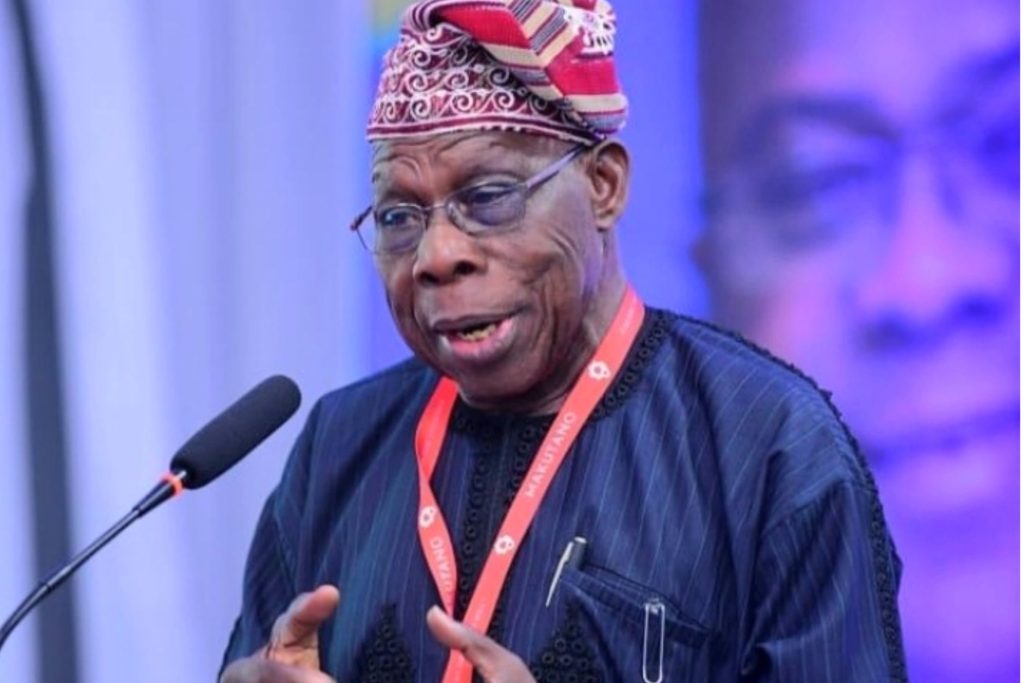
Former President Olusegun Obasanjo has expressed deep concern over the persistent disunity in Nigeria, attributing the lack of national cohesion to regionalism that has existed since before the country gained independence in 1960.

Speaking on Tuesday while receiving a 20-member delegation of the League of Northern Democrats, led by former Kano State governor Alhaji Ibrahim Shekarau, at his penthouse in the Olusegun Obasanjo Presidential Library, Abeokuta, the former president lamented the country’s missed opportunities for greatness.

Obasanjo pointed to the foundation laid at independence as a key factor in the country’s prolonged division. He explained that regionalism practiced before and shortly after independence fostered a situation where the country operated more like three distinct entities than a united nation.

“The truth is that at independence, Nigeria emerged with three leaders, and so it has been a situation of three countries in one ever since,” he said. This disunity, he argued, has undermined the country’s potential to achieve greatness, limiting its ability to live up to its early reputation as a “giant in the sun.”

Despite the discouraging state of affairs, Obasanjo expressed optimism about Nigeria’s future, provided the country could learn from its mistakes.

“I remain an incurable optimist about things turning around for good for the country, as long as we can look back as a country and correct the mistakes of the past,” he said.

He emphasized the need for the nation to move beyond regional loyalties and prioritize merit, capacity, and the ability to deliver on national objectives over considerations of ethnic or geographical origin.

Obasanjo critiqued the regional focus of the visiting group, urging them to adopt a more national outlook. While acknowledging the group’s identification as the League of Northern Democrats, he suggested a broader name change to the “National League of Democrats” to better reflect a commitment to national rather than regional interests.

“Where you come from should not be a problem,” Obasanjo said, adding, “Where I was born should not be the enemy of my ‘Nigerianess’. I will be increasing by being a Nigerian rather than being a member of the Republic of Oodua.”

He expressed pride in his Yoruba heritage but stressed that ethnic identity should not undermine one’s commitment to the nation. The priority, he said, should be getting “the best man for the job,” regardless of their place of origin. He called for an end to the divisive politics of regionalism, advocating instead for leadership that would focus on the national interest.

Disappointment on a Global Scale

The former president was candid in his assessment of Nigeria’s current state, noting that the country had failed not only itself but also the African continent and the global community.

“The African continent, the black race, and the entire world are looking up to us,” he remarked. “When we got our independence, what they were calling us was a giant in the sun, but is that the situation today?”

He lamented that Nigeria had “disappointed the black race, Africa, and the world at large,” and called for urgent action to reverse the country’s decline.

Obasanjo attributed the country’s woes to a disregard for the values of integrity, truth, and love, which he said have been “rubbished” over the years. Nevertheless, he expressed hope that it is not too late for Nigeria to “retrace our steps” and work towards a more unified and prosperous future. He emphasized the need for a collective effort to put past grievances aside and build a better nation.

In his interaction with the League of Northern Democrats, Obasanjo shared the group’s concerns about the poor state of affairs in Nigeria but emphasized that the country was not beyond redemption.

The 2023 Election: A Recent Example of Nigeria’s Ethnic Divisions

Obasanjo’s lamentation comes in the wake of the 2023 general elections, which exposed an unprecedented level of ethnic and religious bigotry within the country’s electoral process. His statements highlight a troubling reality: the persistence of ethnic politics, which many believe is one of the primary factors hindering Nigeria’s development.

Since gaining independence in 1960, the country has struggled with a political culture dominated by ethnic allegiances rather than merit-based leadership selection. This culture is believed to have resulted in the election of leaders who are chosen not for their competence or vision but for their ethnic or religious affiliations. As a result, Nigeria has often found itself governed by leaders who may not be the most capable, contributing to the country’s protracted socio-economic challenges.

The 2023 general election brought these issues into sharp focus. The level of ethnic and religious bigotry displayed during the election was unprecedented, with politicians and their supporters frequently appealing to ethnic sentiments to garner votes. Observers noted that this divisive strategy intensified long-standing animosities and overshadowed the pressing need for a national agenda that prioritizes economic development, security, and social justice.

The consequences of this political structure have been profound. Successive governments have been marred by allegations of favoritism and ethnic bias, resulting in policies that favor certain regions over others. This trend has persisted into modern times, with electoral contests often framed as battles between ethnic groups rather than debates about policies and programs that would benefit the entire nation.

The former president lamented that this practice has prevented Nigeria from reaching its full potential, leading to a situation where “the worst are usually chosen over the best” based on ethnicity.