
DD
MM
YYYY

PAGES

DD
MM
YYYY

spot_img

PAGES

Home Blog Page 2951

China Constructing 33,000 Capacity Mandjafa Stadium in Chad

0

In the heart of Africa, a new landmark is rising in N’Djamena, the capital city of Chad. The Mandjafa Stadium, a project backed by China, is set to become a beacon of sports and unity for the nation. With a seating capacity of 30,000, this stadium is not just a construction project; it’s a symbol of the growing relationship between Chad and China, and a testament to the power of sports to bring people together.

China’s involvement in Africa’s infrastructure development is extensive and multifaceted, reflecting a strategic partnership that spans various sectors and countries across the continent. The Belt and Road Initiative (BRI), proposed by President Xi Jinping in 2013, is a cornerstone of this engagement, aiming to enhance regional connectivity and embrace a brighter future together.

Under the BRI, China has embarked on numerous infrastructure projects, including the construction of roads, railways, ports, and energy facilities. These projects are designed to fill the infrastructure gap in Africa, boost economic growth, and foster bilateral ties. For instance, the Tanzania-Zambia railway, an 1800 km line, stands as a significant example of China’s commitment to improving transportation networks in Africa.

Moreover, China’s role in African infrastructure extends to capital projects that are vital for the continent’s economic development. Investment in these projects is seen as crucial for promoting private sector activity, industrialization, and job creation for Africa’s growing population. The Deloitte Insights article highlights China as the biggest financier of Africa’s infrastructure, with Chinese banks playing a pivotal role in funding these developments.

The impact of these projects is far-reaching, with the potential to increase GDP per capita, foster innovation, and reduce transaction costs. This, in turn, facilitates trade and talent transfer, contributing to more inclusive growth and poverty alleviation across the continent. China’s infrastructure footprint in Africa is evident in 35 countries, with a concentration of projects in nations like Angola, Nigeria, and Sudan. Plans for new projects continue to emerge, demonstrating China’s ongoing commitment to the continent’s development.

The architectural marvel, designed with the principles of economy, practicality, and beauty, is poised to provide a ventilated, shaded, and comfortable environment for spectators. The design concept of “Victory” is embodied in the V-shaped columns that adorn the facade, representing a positive attitude and the Olympic spirit of “higher, faster, stronger”.

This stadium is more than just a venue for sports; it’s a platform for cultural exchange and a catalyst for economic growth. It will host national and international events, including the potential to welcome the prestigious “African Cup,” elevating Chad’s presence on the global sports stage. The project also signifies China’s commitment to supporting infrastructure development in African nations, fostering a spirit of cooperation and mutual development.

The Mandjafa Stadium stands as a promise of progress for Chad’s youth, eagerly anticipated by a generation aspiring to compete and excel in sports. It fills a long-standing void in sports infrastructure in the country, providing state-of-the-art facilities for athletes and fans alike. The stadium is not just a structure of steel and concrete; it’s a home for dreams, ambitions, and the indomitable spirit of Chadian athletes.

As the construction progresses, the excitement is palpable among the citizens of N’Djamena and beyond. The Mandjafa Stadium is set to become a hub of activity, a place where the community can gather to celebrate their athletes and their nation. It’s a project that transcends sports, embodying the hopes and aspirations of a country on the rise.

The completion of the Mandjafa Stadium will mark a new chapter in Chad’s sporting history, one that will hopefully inspire other nations to invest in the power of sports as a unifying force. It’s a story of partnership, perseverance, and the universal language of sports that connects us all.

Exploring Dubai’s Embrace of Crypto in Salary Payments

0

In a landmark decision, the Dubai Court of First Instance has set a precedent by recognizing cryptocurrency as a valid form of salary payment. This ruling, stemming from case number 1739 of 2024, signifies a pivotal shift in the legal landscape of the United Arab Emirates (UAE) regarding digital currencies. The case involved an employee who had not received their wages and sought compensation for wrongful termination. The court ruled in favor of the employee, ordering the employer to pay the crypto salary as per the employment contract without converting it to fiat currency.

This ruling aligns with the global trend of integrating digital finance into mainstream legal frameworks. It reflects a growing recognition of cryptocurrencies’ potential to function as a legitimate medium of exchange. However, it’s important to note that this ruling may not necessarily legalize cryptocurrency for salary payments across the board. Legal experts suggest that the decision may be specific to the case and the particular cryptocurrency involved.

The court’s decision supports the notion that salaries can be paid in cryptocurrencies, provided there is a mutual agreement between the employer and the employee, as stipulated in the employment contract. This opens up possibilities for other sectors to consider including virtual assets as part of compensation packages. Nonetheless, there are still unanswered questions, such as which virtual assets are permissible and whether approval from Dubai’s Virtual Assets Regulatory Authority is required.

The recognition of cryptocurrency as a valid form of salary payment is a topic of increasing interest as digital currencies gain prominence in the global economy. Following Dubai’s recent legal acknowledgment of crypto for salary payments, other countries have also taken steps to integrate cryptocurrency into their employment and financial regulations.

Japan stands out as a leader in this area, allowing companies to compensate their employees with cryptocurrency. However, such arrangements must adhere to Japan’s stringent tax and labor laws, ensuring proper reporting and tax withholding in Japanese Yen.

In addition to Japan, several other countries have shown openness to the use of cryptocurrency in various capacities. While not all may specifically recognize it for salary payments, countries like Angola, Costa Rica, Ecuador, Lebanon, Turkey, Iran, Argentina, Brazil, Pakistan, Chile, South Korea, Malaysia, the Philippines, Thailand, Vietnam, and New Zealand have deemed cryptocurrency legal, which could pave the way for its acceptance as a form of remuneration.

It’s important to note that the legal status of cryptocurrency payments can vary widely from one jurisdiction to another, and often depends on specific regulatory frameworks and the nature of the cryptocurrency in question. Employers and employees considering crypto for salary payments should seek legal advice to ensure compliance with local laws and regulations.

The implications of this ruling are far-reaching. It not only legitimizes the use of digital currencies in the UAE but also encourages other jurisdictions to consider the role of cryptocurrencies in employment contracts. The decision may serve as a catalyst for further regulatory clarity and the development of comprehensive legal frameworks governing digital assets.

As the world continues to embrace digital transformation, the integration of cryptocurrencies into legal and financial systems becomes increasingly crucial. Dubai’s latest ruling is a testament to the progressive stance of the UAE in adapting to these changes. It marks a significant step towards the acceptance of digital currencies, not just as investment vehicles but as functional tools in everyday transactions.

China’s Strategic $56.3 Billion Bond Purchase

0
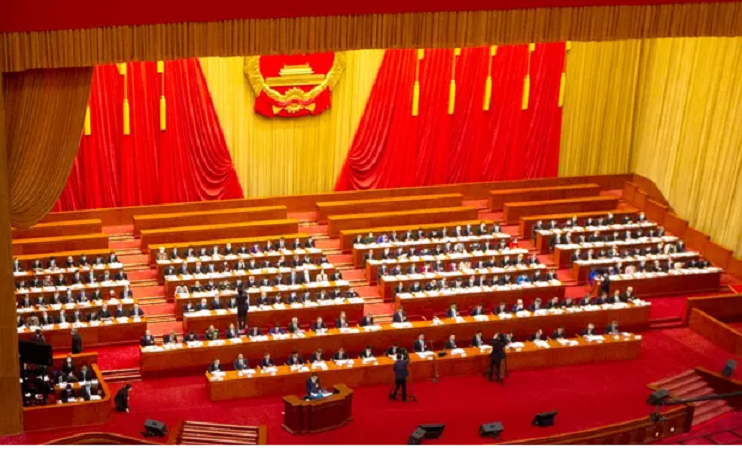
Chinese leaders are pragmatic

In a significant financial maneuver, the People’s Bank of China (PBOC) has made headlines with its purchase of $56.3 billion worth of government bonds, marking its first such acquisition in nearly two years. This strategic decision has reignited discussions about potential intervention in the domestic debt market.

The PBOC’s action involved the procurement of 10-year and 15-year bonds through open market operations. This move comes at a time when the Chinese economy, like many others, faces the challenge of maintaining stability amidst fluctuating global conditions. The bond purchase by the central bank is seen as a measure to manage yields and signal a readiness to intervene if necessary to support the market.

The purchase can inject liquidity into the market, which may help stabilize the financial system, especially if there are concerns about cash shortages. By buying long-term bonds, the central bank may be signaling its intention to keep interest rates low, which could encourage borrowing and investment. Such a move can boost market confidence as it shows the central bank’s commitment to supporting government debt markets.

If the economy is at risk of inflation, buying bonds can help keep it in check by reducing the money supply. The bond purchase could affect the value of the yuan, as it involves the central bank increasing its holdings of government securities. As China is a major player in global markets, its bond purchases can have ripple effects on other economies and influence global interest rates.

The context of this purchase is critical. China’s economy has been navigating through a period of uncertainty, with bond prices reaching inflated levels and yields hitting record lows. This situation has prompted banks and investors to gravitate towards safe assets, a trend that the PBOC has been monitoring closely.

This action sets a precedent for future monetary policy moves and could be seen as a tool to be used in similar situations down the line. It’s important to note that these implications can vary based on the broader economic context and the specific details of the bond purchase.

The central bank’s decision to buy these bonds from primary dealers is not just a standalone event but part of a broader strategy. It reflects a proactive approach to influencing the bond market, ensuring that the rollover of bonds does not adversely affect cash conditions, and potentially preparing for further supportive measures if the economic situation demands it.

Analysts are closely watching the PBOC’s moves, as they could have far-reaching implications for the economy. The bond purchase is a clear indication that the central bank is willing to utilize its arsenal of tools to guide the market. This could include selling bonds to prevent yields from falling further, thereby maintaining a balance between stimulating economic growth and preventing an overheated bond market.

The PBOC’s recent activities underscore the delicate act of monetary policy management in today’s economic landscape. With the global economy showing signs of strain, central banks worldwide are finding themselves in the position of having to navigate through uncharted waters, making calculated decisions to safeguard their economies.

China’s central bank’s bond purchase is a testament to the dynamic nature of financial markets and the pivotal role central banks play in stabilizing them. As the PBOC continues to monitor the market conditions and adjust its strategies accordingly, the world watches to see how these interventions will shape the future of China’s economy and, by extension, the global financial ecosystem.

NCR Atleos and LibertyX Integration Enables Bitcoin Cashout at ATMs

0

The financial landscape is witnessing a significant transformation with the integration of cryptocurrency into traditional banking systems. A prime example of this evolution is the recent development by NCR Atleos, a renowned retail banking company, which has enabled Bitcoin cashout at ATMs through a collaboration with LibertyX.

NCR Atleos, having acquired LibertyX, a leading cryptocurrency software provider for ATMs, point-of-sale systems, and kiosks, in early 2022, has now launched a service that allows Americans to sell Bitcoin and withdraw cash at numerous ATM locations across the United States. This innovative feature leverages the Atleos ReadyCode API suite, a one-time use code system that supports a variety of cash in and out options.

The process is straightforward and user-friendly. Enrolled LibertyX users initiate a transaction by selling their Bitcoin using the LibertyX app’s locator to find a participating ReadyCode-enabled Atleos ATM. Once the transaction is staged, users can conveniently withdraw their cash. This service not only enhances the value proposition of LibertyX but also increases foot traffic at participating merchants and boosts the productivity of the ATMs involved.

The strategic move by NCR Atleos to bridge the gap between digital and physical currency transactions represents a significant step forward in modern banking. It provides a practical solution for Bitcoin users who wish to convert their digital assets into physical cash, thereby expanding the utility of cryptocurrencies in everyday transactions.

This feature is set to be rolled out across all participating ATMs, with a transaction point within five miles of more than three-quarters of Americans, indicating a widespread and accessible service for a vast majority of the population.

Firstly, the Atleos ReadyCode API suite, which is central to the service, employs a one-time use code system. This means that each transaction is unique, reducing the risk of fraudulent activities. Additionally, the service requires users to be enrolled with LibertyX, which involves a verification process designed to prevent unauthorized access to accounts.

NCR Atleos has also published a document outlining the best practices for logical security, emphasizing a layered approach to protect against various attack vectors. This approach ensures that all security layers are in place, maximizing the protection of the ATM network.

Moreover, NCR Atleos has developed endpoint security software that prevents unauthorized code from running on the ATMs, effectively blocking the potential for malicious programs or individuals to compromise the network.

While no system can be entirely foolproof, the security measures implemented by NCR Atleos and LibertyX demonstrate a robust effort to safeguard their Bitcoin ATM service. Users are encouraged to follow best practices for digital security, such as keeping their app and device software up to date and being cautious of phishing attempts, to further enhance the security of their transactions.

The implications of such an integration are far-reaching. It not only signifies the growing acceptance of cryptocurrencies in mainstream finance but also highlights the adaptability of retail banking companies like NCR Atleos in embracing technological advancements to meet the evolving needs of consumers.

As the world continues to move towards a more digitized economy, the role of cryptocurrencies in retail banking will likely become more prominent. The initiative by NCR Atleos and LibertyX is a testament to the potential of cryptocurrencies to coexist and enhance traditional financial services, paving the way for a more inclusive and versatile banking experience for customers around the globe.

The Implications of Escalating Credit Card Debt in the U.S.

0

The United States is witnessing a significant surge in credit card debt, reaching an unprecedented high of $1.14 trillion. This alarming figure is indicative of a broader economic trend that affects millions of Americans. The reasons behind this rise are multifaceted, involving a combination of consumer behavior, economic factors, and financial policies.

One of the primary drivers of this increase is consumer spending habits. Post-pandemic, there has been a noticeable shift in spending patterns, with a marked increase in services spending. Additionally, the high inflation rates and rising interest rates have put considerable pressure on household budgets, prompting many to rely on credit cards to make ends meet.

Another contributing factor is the modest rise in unemployment rates, which has led to economic uncertainty for many. This uncertainty often results in increased credit card usage as a short-term solution to financial instability. The Federal Reserve Bank of New York’s data shows a $27 billion increase in credit card debt in just the second quarter of 2024, highlighting the rapid growth of this issue.

The impact of high credit card debt is not uniform across the population. It disproportionately affects those with lower incomes, who struggle to keep up with the cost of living. The burden of debt is exacerbated by the fact that credit card interest rates are at record highs, making it even more challenging for consumers to pay down their balances.

The consequences of such high levels of debt are far-reaching. Prolonged debt can lead to increased delinquency rates, which were reported to have risen from 5% to 7.18% in the second quarter. This not only affects individual credit scores but also has broader implications for the economy, potentially leading to a credit crunch and reduced consumer spending.

Addressing this issue requires a multi-pronged approach. Financial education and responsible credit card usage are critical in preventing consumers from falling into a debt trap. Additionally, policy interventions may be necessary to provide relief to those most affected by high interest rates and to stimulate economic growth. Reducing credit card debt is crucial for financial health and can be approached through various methods tailored to individual circumstances.

One popular strategy is the debt snowball method, which involves paying off the smallest debts first to gain momentum before tackling larger debts. This method capitalizes on psychological wins, providing motivation to continue debt repayment efforts. Conversely, the debt avalanche method prioritizes debts with the highest interest rates, potentially saving more money in the long run by reducing the amount of interest paid.

Another approach is to pay more than the minimum payments required by credit card companies. Minimum payments often cover just the interest, barely making a dent in the principal balance. By paying more, consumers can reduce the principal faster and decrease the overall interest accrued.

For those with multiple credit card debts, debt consolidation can be a viable option. This involves combining all debts into a single loan with a lower interest rate, simplifying monthly payments and potentially reducing the amount paid overtime.

Additionally, transferring balances to a credit card with a 0% introductory APR can provide a temporary reprieve from interest, allowing more of the payment to go towards the principal. However, it’s important to have a plan to pay off the balance before the promotional period ends to avoid high-interest rates.

Financial discipline is also key. Creating a budget, tracking expenses, and cutting unnecessary spending can free up funds to pay down credit card debt. It’s also wise to build an emergency fund to avoid falling back into debt during unforeseen circumstances.

The Federal Reserve’s potential rate cut could offer some respite to borrowers. A reduction in the benchmark rate could lead to lower APRs on credit cards, providing much-needed relief for those struggling with high-interest debt.

The $1.14 trillion credit card debt in the U.S. is a complex issue that calls for immediate attention. It is a reflection of underlying economic challenges and requires concerted efforts from individuals, financial institutions, and policymakers to address. As we navigate through these economic headwinds, it is imperative to foster a culture of financial literacy and responsible borrowing to mitigate the impact of such debt on American households.