DD
MM
YYYY

PAGES

DD
MM
YYYY

spot_img

PAGES

Home Blog Page 2956

Apple Incubates Apple Search with Planned Investment in OpenAI

0

Community Member: has Google stock peaked considering your post on Apple planning to invest in ChatGPT’s OpenAI?

My Response: It may not be a great idea asking a village boy to offer an opinion on the market performance of Google or any company.  But what I do posit is that while Google can continue to rise and do well, if Apple does go ahead and invest in OpenAI, Google’s search partnership with Apple which enables Apple to make Google Search page its default page on the Safari browser, is imperiled, despite the $20 billion plus yearly fee which Google pays for that digital real estate on Apple devices.

In other words, with OpenAI, we can see Apple Search at scale, and that would be a massive disintermediation for Google business within the Apple ecosystems.

Would that affect Google revenue – and in extension the short-term stock performance of its parent company (Alphabet)? For that, you can ask ChatGPT!

Of course, Google is an innovator and continues to do great things.

Google has rolled out AI technology capable of predicting early signs of disease based on sound. HeAR is a bioacoustic foundation model trained on 300 million pieces of audio data from around the world that can detect subtle differences in cough patterns. The AI can be loaded onto a smartphone and could become a critical tool in early detection of diseases, such as tuberculosis, in areas where expensive diagnostic hardware isn’t available. Google is also researching a model that uses ultrasound for early breast cancer detection.

NNPCL Seeks Private Firms to Manage Kaduna and Warri Refineries

0

The Nigerian National Petroleum Company Limited (NNPCL) has announced its intention to engage reputable and credible Operations and Maintenance (O&M) companies to oversee the operations of the Warri Refining and Petrochemical Company (WRPC), and the Kaduna Refining and Petrochemical Company (KRPC).

This development is part of NNPCL’s ongoing efforts to revitalize the country’s refinery sector, which has been plagued by inefficiency and underperformance for years. NNPC has reportedly spent about $20 billion on maintenance for state refineries, the same cost as Dangote Refinery. In 2020, Kaduna Refinery earned zero revenue but reportedly spent N26 billion in employee costs.

In a statement released on Friday through its official X handle, NNPCL detailed the process and requirements for interested O&M firms.

“The O&M tender for WRPC and KRPC will be treated as a single tender through a three-stage tender process (expression of interest, EOI, technical and commercial), leveraging on all the possible opportunity costs associated with procurement of consumables, personnel/manpower management, utilization of computerized maintenance management software (CMMS), warehousing management system (WMS), etc.,” the statement read.

The scope of work for the O&M contract is extensive, covering various aspects of refinery operations and maintenance. These include long-term and short-term production and operations planning, execution, monitoring, reporting, and optimization of operations.

Maintenance planning and execution, reliability and inspection, process and controls engineering, quality control, and health, safety, and environmental management are also part of the responsibilities outlined by NNPCL.

Additionally, the contract will cover turnaround maintenance planning and execution, minor projects, subcontractor management, and inventory and warehouse management.

Eligibility and Financial Requirements

NNPCL has set stringent financial requirements for bidders. Interested companies are required to submit audited accounts for the past four years (2020 to 2023), including balance sheets, income statements, and cash flow statements. Furthermore, bidders must provide evidence of their latest credit ratings and demonstrate a minimum average annual turnover of at least USD 2 billion for the specified financial years.

All submissions must be made online through the NIPEX tender portal http://forms.office.com/r/kjSyVwz3Eg, with a submission deadline of 12 noon on September 26, 2024. The EOIs will be opened virtually on October 10, 2024, with bidders and external observers invited to attend the live-streamed session.

The Refineries Back Story

The Warri refinery located at Warri in Delta State was commissioned in 1978.  Warri is a complex conversion refinery with a nameplate distillation capacity of 6,250,000 MTA (125,000 bpd). The refinery complex includes a petrochemical plant commissioned in 1988 with production capacities of 13,000 MTA of polypropylene and 18,000 MTA of carbon black. The refinery is meant to supply markets in the south and southwest regions of Nigeria.

On its part, the Kaduna refinery was commissioned in 1980 to supply petroleum products to Northern Nigeria with a capacity of 50,000 B/D. In 1983, the capacity was expanded to 100,000 B/D by adding a second 50,000 B/D crude train dedicated to the production of lubricating oils (lubes). In 1986, the capacity of the first crude train was expanded to 60,000 B/D. The expansions have increased the current nameplate capacity of the refinery to 110,000 B/D.

The decision to seek external O&M expertise comes after years of failed attempts by NNPCL to manage and rehabilitate these facilities effectively. Public frustration has been growing, particularly as the NNPCL has repeatedly missed deadlines for bringing the refineries back online. For instance, in July 2023, NNPCL’s Group Chief Executive Officer, Mele Kyari, assured Nigerians that the Port Harcourt Refinery would begin operations in early August.

Kyari had also made similar promises in the past, stating in 2019 that NNPCL would deliver all four of the country’s refineries before the end of former President Muhammadu Buhari’s administration. In a more recent appearance before the Senate in July, Kyari confidently declared, “I can confirm to you, Mr. Chairman, that by the end of the year, this country will be a net exporter of petroleum products.

“Specific to NNPC refineries, we have spoken to a number of your committees, and it is impossible to have the Kaduna refinery come into operation before December, it will get to December, both Warri and Kaduna, but that of Port Harcourt will commence production early August this year.”

However, as August draws to a close, the refinery, which has already consumed $1.5 billion in rehabilitation costs, remains non-operational.

This backdrop has led to skepticism among industry experts and the public. Some analysts argue that instead of seeking O&M partners, the federal government should consider privatizing the refineries entirely to bring in more experienced operators and reduce the burden on public resources.

German Labour Market Subject of Debate, as Switzerland Plans to Build Nuclear Power Plants

0

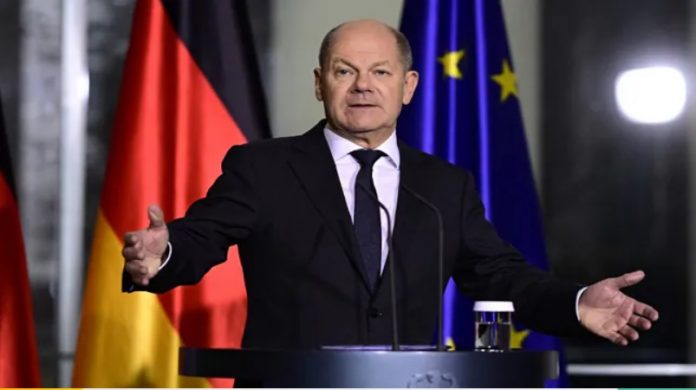
The German labor market is currently a subject of debate among the country’s economic institutes, reflecting the complexity and dynamism of the economic landscape. The ifo Institute for Economic Research and the Institute for Employment Research (IAB) have presented contrasting perspectives on the state of employment in Germany.

The ifo Institute’s Employment Barometer has indicated a decline for the third consecutive month, suggesting a cautious or even pessimistic outlook. The institute’s study leader, Klaus Wohlrabe, has pointed out that the lack of orders is leading companies to restrain hiring, with some sectors considering job cuts. This sentiment is particularly evident in the industrial sector, where there is a growing inclination towards reducing the workforce.

On the other hand, the IAB’s labor market barometer has shown an increase for the third month in a row, offering a more optimistic view. The barometer stands slightly above the neutral mark, hinting at a potential stabilization or improvement in the labor market. Enzo Weber, head of the forecasts and macroeconomic analyses research department at the IAB, acknowledges the weak economy but suggests that an end to the rise in unemployment could be on the horizon.

The German economy, renowned for its robust industrial base and innovative engineering, is driven by several key sectors that are central to the country’s employment landscape. The automotive industry, with global giants such as Volkswagen, Daimler, and BMW, is a significant employer and a symbol of German manufacturing prowess. This sector not only leads in turnover but also in technological advancements, setting standards in automotive engineering worldwide.

Mechanical engineering, another cornerstone of the German economy, employs over a million people and is predominantly composed of small and medium-sized enterprises (SMEs). These companies are often highly specialized and contribute significantly to Germany’s reputation as an export powerhouse.

The chemical industry, led by BASF, the world’s largest chemical company, is another employment heavyweight. With around 118,000 employees, it represents a sector where research and development play a crucial role in driving innovation and sustaining economic growth.

Electrical engineering, with Siemens as one of its leading companies, is also a vital sector. It encompasses a range of industries from energy technology to medical equipment, contributing substantially to the employment figures.

Moreover, the service sector, although not as often highlighted as manufacturing, contributes the largest share to the GDP, indicating its importance in the employment matrix. Within this sector, IT and tourism stand out as significant employers, reflecting the digital transformation and the country’s appeal as a travel destination.

The differing views from these institutes underscore the multifaceted nature of the labor market, influenced by various factors such as consumer spending, the construction sector’s crisis, and the performance of service providers, especially in IT and tourism. While the ifo Institute’s findings reflect immediate concerns over order backlogs and potential job cuts, the IAB’s data provides a glimmer of hope for employment growth, albeit in a still fragile economic environment.

The debate extends beyond these two institutes, with other economic watchers weighing in on the labor market’s trajectory. The German Economic Institute (IW) discusses the labor market’s recent flux, highlighting the impact of structural changes and digitization on employment. They emphasize the importance of policies that increase labor force participation and manage the shortage of skilled workers in light of demographic changes.

The European Parliament’s study on the employment and social situation in Germany also sheds light on major trends, including atypical employment and the challenges posed by digitization and demographic shifts. This comprehensive view provides a broader context for understanding the labor market dynamics and the policy responses required to navigate them.

The German labor market is at a crossroads, with varying indicators from leading economic institutes painting a picture of uncertainty and cautious optimism. The coming months will be crucial in determining the direction of employment trends in Germany, as the country grapples with the challenges of a changing economic landscape and the aftermath of the pandemic. Stakeholders, policymakers, and the public alike will be watching closely as these developments unfold.

Switzerland to Build Nuclear Power Plants After 6-Year Ban

Switzerland has announced plans to lift the ban on constructing new nuclear power plants, a prohibition that has been in place since January 1, 2018. This move comes as a response to the evolving energy landscape, characterized by increasing electricity demand and the pressing need to meet climate targets.

Nuclear power is a significant source of electricity generation worldwide, known for its low greenhouse gas emissions and capacity to produce large amounts of energy. However, the safety concerns associated with nuclear power plants are a topic of ongoing discussion and research. These concerns primarily revolve around the potential for accidents, the management of radioactive waste, and the security measures to prevent misuse.

The Swiss government’s decision reflects a broader recognition of the challenges posed by the transition to renewable energy sources. The Energy Strategy 2050, which came into effect in 2018, initially called for a gradual withdrawal from nuclear energy, spurred by the Fukushima Daiichi accident in Japan in 2011. However, the strategy also anticipated a potential increase in reliance on fossil fuels and electricity imports as interim measures.

Recent developments have prompted a reevaluation of this stance. The federal popular initiative “Electricity For Everyone At All Times (Stop Blackouts)” was passed on March 19, 2024, mandating that the electricity supply must be guaranteed at all times. This initiative underscores the necessity for technological openness in electricity generation to ensure environmental and climate-friendly production.

The Federal Council has expressed that technological openness is crucial for meeting the increasing electricity demand in a climate-friendly, safe, and reliable manner over the long term. With the existing nuclear power plants set to shut down eventually, there is a concern that the expansion of renewable energies may not be rapid enough to cover the lost capacity and the increasing electricity demand in a timely manner.

The design and operation of nuclear reactors involve multiple safety systems to prevent accidents, including redundant cooling systems and containment structures designed to withstand extreme events. Despite these precautions, the possibility of technical failure, human error, or natural disasters cannot be entirely eliminated.

Radioactive waste management is another critical safety concern. Spent nuclear fuel and other radioactive materials must be stored securely for extended periods, as they remain hazardous for thousands of years. Finding long-term storage solutions that ensure the isolation of radioactive waste from the environment and living organisms is a challenge that the industry continues to address.

Security measures are also paramount to prevent the theft or diversion of nuclear materials that could be used for malicious purposes. Nuclear facilities are among the most secure, with stringent access controls and monitoring systems. However, the threat of terrorism or sabotage remains a concern that requires constant vigilance.

The International Atomic Energy Agency (IAEA) plays a vital role in establishing international safety standards and assisting member states in applying these standards to strengthen nuclear power plant safety. The IAEA’s guidance and oversight help ensure that safety measures are effectively implemented and continuously improved.

Switzerland currently operates four nuclear reactors, which generate about one-third of its electricity. These reactors have unlimited operating licenses, allowing them to operate as long as they meet safety standards. The proposed lifting of the ban would not only facilitate the planning of electricity supply security but also address risks associated with the dismantling of existing plants.

The Swiss government’s move to embrace nuclear power once again highlights the complexities of energy policy in the modern era. It underscores the need for a balanced approach that considers the immediate requirements of energy security and the long-term goals of environmental sustainability. As the global community grapples with similar challenges, Switzerland’s policy shift could serve as a case study for other nations navigating the transition to a greener energy future.

The debate on nuclear energy continues to be a contentious one, with strong opinions on both sides. However, the Swiss government’s decision to prioritize energy security and climate goals by reconsidering nuclear power reflects a pragmatic approach to the multifaceted issue of energy supply in the 21st century.


Binance announces Solana liquid staking token BNSOL

0

In a significant development for the cryptocurrency sector, Binance has announced the launch of a new Solana liquid staking token named BNSOL. This move is poised to have a considerable impact on the Solana ecosystem and the broader DeFi landscape.

Liquid staking is a process that allows cryptocurrency holders to stake their assets to support a blockchain network while retaining liquidity. Traditionally, staked assets are locked and cannot be traded or used in other DeFi activities. However, liquid staking tokens like BNSOL enable users to stake their SOL tokens and simultaneously maintain the ability to trade or use them, offering a flexible and efficient way to earn staking rewards.

The introduction of BNSOL is expected to address a significant gap in the Solana network’s staking infrastructure. While Solana has a higher percentage of its native token staked compared to Ethereum, it lags in terms of liquid staking options. Ethereum boasts approximately 65% of its staked ETH in liquid form, whereas Solana has only about 6% in liquid staking tokens. The launch of BNSOL, therefore, represents a strategic effort to enhance Solana’s liquid staking capabilities and could potentially lead to an increase in the total value locked (TVL) within the Solana ecosystem.

Binance’s foray into Solana staking with BNSOL is also indicative of a growing trend among major exchanges to create their own derivative assets. This trend reflects the increasing institutional interest in the cryptocurrency space and the desire of centralized platforms to integrate more deeply with decentralized ecosystems. However, it also raises questions about the implications of centralized entities exerting influence over decentralized networks.

The launch of BNSOL is not just a technical development; it carries broader implications for the Solana network. It could lead to enhanced liquidity and accessibility, making it easier for investors to participate in staking. This, in turn, could contribute to the decentralization and security of the Solana network, as more stakeholders become validators.

Staking rewards are incentives provided to users who lock up their cryptocurrencies to support the operation and security of a blockchain network. With BNSOL, users can expect to earn rewards in several ways:

As you stake your SOL to receive BNSOL, these tokens are expected to appreciate in value over time relative to the staking rewards. Holding BNSOL not only represents your staked investment but also grants you voting power in the Solana ecosystem. Additionally, you may be eligible for exclusive airdrops, where holding more BNSOL could result in receiving more airdropped tokens.

By using BNSOL in various decentralized finance applications, you can potentially increase your staking rewards. For example, providing liquidity on a decentralized exchange with your BNSOL could earn you a share of the swap fees.

For the cryptocurrency community, the introduction of BNSOL by Binance is a development worth watching. It highlights the dynamic nature of the DeFi sector and the continuous innovation that drives it forward. As the landscape evolves, BNSOL could play a pivotal role in shaping the future of staking and liquidity within the Solana network and beyond.

The cryptocurrency market is known for its rapid pace of change, and BNSOL is the latest example of how innovation can open up new possibilities for investors and users. As the community awaits further details on the rollout of BNSOL, the anticipation builds for what could be a transformative moment for Solana and the wider DeFi ecosystem.

Examining Coinbase Foray into Bitcoin Lightning Network Transactions

0

Coinbase, a leading cryptocurrency exchange platform, has recently made a significant stride in enhancing the efficiency of Bitcoin transactions. With the integration of Bitcoin’s Lightning Network, Coinbase users can now send up to $10,000 instantly. This move is a game-changer for the platform’s 100 million users, offering a faster and more cost-effective method for transferring Bitcoin.

The Lightning Network is a second-layer technology applied to Bitcoin that enables off-chain transactions, which are significantly quicker and cheaper than traditional on-chain transactions. Since its inception in 2017, the Lightning Network has seen steady growth and adoption within the crypto community. Coinbase’s integration of this technology marks a pivotal step in the platform’s commitment to improving user experience and transaction efficiency.

For users, the benefits are manifold. Transactions that previously could take minutes to hours to confirm on the blockchain can now be settled almost instantaneously. This is particularly advantageous for those looking to send money across borders, as it reduces the time and fees associated with international transfers. Moreover, the lower transaction costs make Bitcoin a more viable option for small and large transactions alike, potentially increasing its use as a medium of exchange rather than merely a store of value.

Coinbase’s adoption of the Lightning Network could also have broader implications for the cryptocurrency market. As one of the most prominent exchanges, Coinbase’s actions may encourage other platforms to integrate similar technologies, thereby enhancing the overall usability and adoption of Bitcoin. Furthermore, the ability to send large sums quickly and at a low cost may prompt more businesses to accept Bitcoin as a payment method, recognizing the benefits of receiving payments swiftly and economically.

Consequently, Coinbase has raised concerns about the SEC’s proposal to include decentralized exchanges (DEXs) in the definition of an exchange, arguing that this could stifle innovation and have a profound impact on the crypto industry. The company has also pointed out what it believes to be flaws in the SEC’s analysis, claiming that the proposed definition of an exchange is not accurate.

The stakes were raised following a key court ruling in favor of Ripple, where a U.S. judge ruled that XRP token purchases via exchanges were not securities transactions. This decision has been seen as a positive sign for Coinbase, bolstering its case against the SEC. Coinbase’s chief legal officer expressed confidence in their position, suggesting that the ruling could set a precedent for other cryptocurrencies not to be subject to security laws.

However, the SEC has charged Coinbase with operating as an unregistered securities exchange, broker, and clearing agency, alleging that the platform has made billions of dollars unlawfully facilitating the buying and selling of crypto asset securities. This has led to a complex legal confrontation, with Coinbase aggressively taking the agency to court and seeking records on the SEC’s review of Ethereum.

The outcome of this battle could have far-reaching implications for the crypto industry, potentially shaping the regulatory framework and influencing how cryptocurrencies are traded and managed in the United States. As the situation unfolds, the industry watches closely, hoping for a resolution that supports innovation while providing clear regulatory guidance.

The integration of the Lightning Network by Coinbase is a testament to the ongoing evolution of the cryptocurrency space. It reflects a growing trend towards making digital assets more accessible and practical for everyday transactions. As the crypto ecosystem continues to mature, such innovations are likely to play a crucial role in shaping the future of money and payments.