DD
MM
YYYY

PAGES

DD
MM
YYYY

spot_img

PAGES

Home Blog Page 2964

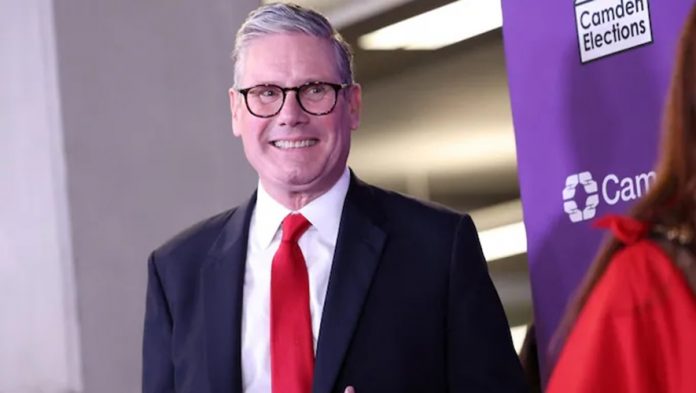
Keir Starmer Rules Out UK’s Possibility of Rejoining European Union

0

UK Prime Minister Keir Starmer has firmly ruled out the possibility of the United Kingdom rejoining the European Union. This statement comes amidst a series of meetings with European leaders, including German Chancellor Olaf Scholz. The visit, which is part of a broader effort to “reset” the UK’s relations with the EU, underscores the current government’s stance on maintaining the post-Brexit status quo while seeking a closer relationship with Europe on various fronts.

The United Kingdom’s departure from the European Union, commonly known as Brexit, has significantly altered the dynamics between the UK and EU member states. The transition has been complex, with both sides facing challenges and adjustments in various sectors.

Post-Brexit, the UK and EU have navigated a new trade landscape under the EU-UK Trade and Cooperation Agreement. This agreement ensures zero tariffs and zero quotas on goods, provided they meet specific rules of origin. Despite this, Brexit has introduced new layers of bureaucracy and trade barriers, affecting the flow of goods and services. The UK’s trade with the EU has seen fluctuations, with initial dips and subsequent recoveries. However, the overall trade volume has not increased as it might have without Brexit, indicating a potential drag on the UK’s economic growth.

Prime Minister Starmer’s declaration is a clear indication of his government’s commitment to forging a new path for the UK, one that respects the outcome of the Brexit referendum while acknowledging the importance of strong ties with European neighbors. The emphasis on resetting relations suggests a strategic approach to collaboration, particularly in areas such as security, defense, and economic growth, without reversing the fundamental aspects of Brexit.

The UK’s labour market has also felt the impact, with a decrease in labour supply from the EU. This reduction is partly due to new immigration rules and uncertainties surrounding Brexit. The changes have led to shortages in certain sectors, prompting discussions about the need for reform in immigration policies to address these gaps.

Uncertainty surrounding Brexit has affected foreign direct investment (FDI) in the UK. The prolonged negotiations and changes in trade relations have made the UK a less attractive destination for some investors, impacting the country’s investment growth rate and, consequently, its productivity growth.

On a positive note, Brexit has opened doors for the UK to pursue independent security and defense strategies. The UK is actively seeking to strengthen bilateral relations, particularly with key EU countries like Germany, to enhance cooperation in these areas.

The visit also highlights the UK’s intent to strengthen bilateral relations with Germany, a key player in the EU. The discussions around drafting a new security and defense treaty signal a move towards deeper cooperation, which could have significant implications for both countries’ strategic interests and collective security efforts within the region.

Moreover, the prime minister’s stance on not re-entering the single market or customs union, while ruling out a youth mobility scheme, points to a nuanced approach to migration and labor mobility. These decisions reflect the complexities of post-Brexit adjustments and the UK’s endeavor to balance national priorities with international commitments.

Brexit has presented challenges; it has also provided opportunities for the UK to redefine its international role. The long-term effects of these changes remain to be fully understood, but it is clear that the UK-EU relationship continues to evolve in this post-Brexit era.

As the UK navigates its post-Brexit journey, the outcomes of these high-level meetings and the proposed “reset” of relations will be closely watched. The government’s approach to EU relations will undoubtedly play a crucial role in shaping the UK’s international standing and its ability to address global challenges collaboratively.

NNPCL Mulls Assets Sales, Public Offers As Calls for Divestment Grows

0

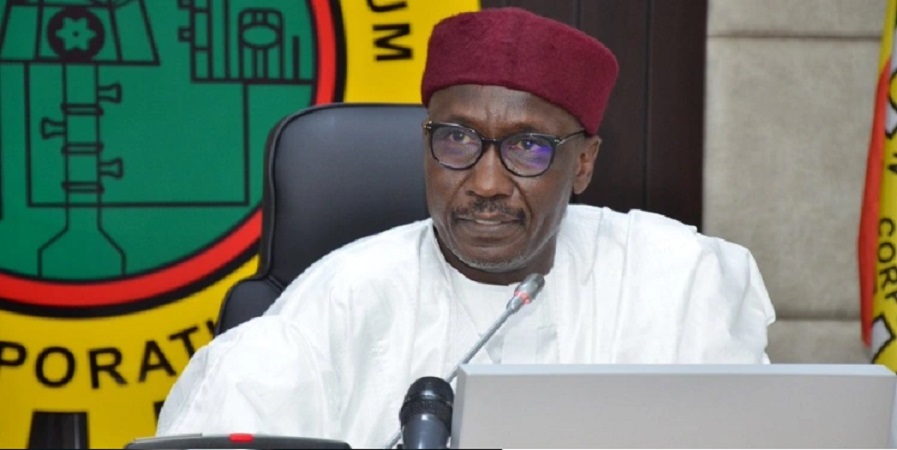
The Chief Financial Officer of the Nigerian National Petroleum Company (NNPC) Limited, Umar Ajiya, has revealed that the company is open to asset sales as part of its strategy to enhance profit margins and achieve higher returns in the near term.

In an interview discussing the 2023 audited financial statement of the oil company, Ajiya stated that NNPC is not just focused on maximizing the utilization of its assets but is also considering divesting those that cannot be optimized to generate better returns.

“We have a company that is literally just one year old. We started on the first of July, 2022, and 2023 marks our second year of operation.

“We are going to maximize the value of our assets by bringing in partners to help optimize them. Additionally, we will sell off assets that we believe we cannot optimize ourselves.

“This approach will allow us to rebalance the balance sheet and ensure that our assets are fully utilized, leading to expected returns,” Ajiya explained.

NNPC, which reported a 28% increase in profit, reaching N3.2 trillion, holds total assets valued at approximately N246.8 trillion, surpassing Nigeria’s entire Gross Domestic Product (GDP).

NNPC Ready for Public Offers

Ajiya also indicated that the company is preparing for public offers, contingent on shareholder approval. He pointed out that the Petroleum Industry Act (PIA) recommends a two to three-year financial history to assure investors that the national energy giant is on a profitable path.

He highlighted that NNPC has already demonstrated profitability in its first two years and that shareholders are eager to see the company deliver strong performance as it moves toward becoming a publicly traded entity.

“Entering the public market is ultimately a decision for the shareholders. We are almost there in the sense that we have at least two or three years of financial history to show investors that the company is on a profitable trajectory. We’ve demonstrated that for the first two years.

“Hopefully, the shareholders will determine how much equity to sell down and unwind. It’s really their call.

“The shareholders are not currently inclined to sell down. They are eager to see us deliver robust performance, and they can direct us to enter the market at the appropriate time,” Ajiya added.

The latest audited financial report of NNPC has sparked discussions about the company’s profit margins and the structure of its capital equity.

While the national oil company reported a 28% profit increase, reaching N3.2 trillion compared to 2022, many analysts argue that it has not fully optimized its assets and equity, which now exceed Nigeria’s GDP. However, NNPC has maintained that as a limited liability company for just two years, its profitability reflects a strong commitment to corporate governance. This has already generated significant interest from potential investors and shareholders as the company prepares for a potential public offering.

The Financial Struggles Behind the Curtain

While NNPCL’s public declaration of profit may have sparked optimism, its struggle to maintain financial solvency tells a different story. This paradox is further underscored by the company’s recent efforts to secure a $2 billion loan from the international market, a move that raises questions about the true state of its finances.

The NNPCL’s financial woes have become so pronounced that even high-ranking government officials have acknowledged the challenges. Heineken Lokpobiri, Nigeria’s Minister of State for Petroleum, recently admitted that the NNPCL lacks the necessary funds to rehabilitate its aging pipeline infrastructure. This admission stands in stark contrast to the company’s public image of profitability and success.

Calls for Asset Sales Grow Louder, Energy Expert Weighs In

NNPCL’s financial struggles have instigated growing pressure from industry stakeholders to adopt more drastic measures, including divestment of its assets. The Crude Oil Refiners Association of Nigeria has been vocal in urging the government to consider selling NNPCL’s refineries in Port Harcourt, Warri, and Kaduna. They argue that the proceeds from these sales could be redirected to finance the development of modular refineries, which could play a crucial role in bolstering Nigeria’s refining capacity.

Energy expert Kelvin Emmanuel supports this call for divestment. He argues that the government should unbundle NNPCL and focus on its core business areas where it can generate the highest returns.

“I agree with the Crude Oil Refiners Association that the government-owned refineries should be sold off to private sector companies who are interested in making a move for it,” Emmanuel stated.

Emmanuel further elaborated on the potential business lines where NNPCL could excel: including exploration and production through the IJVC model, gas and power, trading, new energy, and shipping. He believes that these areas offer significant opportunities for NNPCL to generate substantial returns if managed effectively.

However, he is critical of the company’s current focus on its retail business, which he describes as yielding low and negligible margins—a “complete waste of the potential the company has.”

Emmanuel suggests a series of strategic shifts for NNPCL to emerge from its current financial quagmire. These include increasing daily gas output to over 10 billion standard cubic feet (SCF), boosting crude oil production to meet both domestic and export demands, and investing in new energy sources such as bio-grade ethanol. He also advocates for NNPCL to invest in tankers and vessels to enhance its export capabilities and reduce gas flaring through joint ventures in Floating Liquefied Natural Gas (FLNG) projects.

One of the most critical aspects of Emmanuel’s recommendations is the unbundling of NNPCL. He believes that the company’s current board and management have failed to deliver the necessary results and that a transition team should be brought in to initiate the unbundling process.

“A major part of me thinks the current board and management has failed, and Mr. President needs to fire them and bring in a transition team that can start that unbundling process,” Emmanuel stated, underscoring the urgency of reforming NNPCL’s structure to ensure its long-term viability.

The MIT’s Affirmative Action And The Defective American Admission System

0

In 2024, 5% of MIT’s incoming undergraduate class was Black or African American, which is a significant drop from the 13% average over the previous four years. MIT’s dean of admissions, Stu Schmill, attributes the drop to the Supreme Court’s 2023 decision to end consideration of race in the admissions process. Schmill said, “We expected that this would result in fewer students from historically underrepresented racial and ethnic groups enrolling at MIT. That’s what has happened”.

That is where we are. I am still waiting for a study which shows the bottom of the class on graduation day, by race. In other words, even though Obama might have needed affirmative action to get in, he was not the bottom of his class [on affirmative action policy, Obama noted that it “allowed generations of students like Michelle [Obama] and me to prove we belonged”] .

The implication is this: any system which does not make it possible to discover the potential best student, and who without extra help would not have gotten in, is defective.

So, as companies after companies (Ford, Lowe’s, Deere & Co. and Harley-Davidson) implement the Supreme Court ruling which has abolished affirmative actions, and use of race in admissions into anything, it is important to ask this question: were the people who needed help always the least performing? If not, it means you have your own version of affirmative action – institutionalized privileges built on moats, preventing others from proving they “belong”.

Comment On Feed

Comment 1: What Ndubuisi Ekekwe did is to show that the end results from the comparative performance of those admitted with Affirmative Action to others show that AA is corrective of other latent biases / edges in the system before the admission evaluations were done.

My Response: Nurudeen explains the core of my thesis: it has nothing to do with test scores. Obama needed AA to get into Harvard but graduated top 1% of his class. That Harvard needed to admit him via AA implied that the system was biased against him. How can an AA student be a president of Harvard Law Review  which was purely based on “MERIT”? So, this AA thing helped Obama to demonstrate that he belongs which without he would have been left behind. The argument of test scores is a distraction.

Comment 2: This is such an important discussion. It’s easy to focus on how people get in, but what truly matters is how they perform once they’re there. The idea that those who benefited from affirmative action are always the least successful is far from the truth—many excelled and proved they belonged, just like anyone else.

As companies adapt to the new landscape post-Supreme Court ruling, it’s vital to remember that talent can come from any background. If we don’t offer opportunities to those who need a bit of extra help, we might miss out on incredible potential. We should be questioning the systems that keep people from having a fair chance to show what they’re capable of.

What Makes BK8 the Best Crypto Casino Choice for Singaporean Gamblers?

0

In recent years, the landscape of online gambling has evolved dramatically, with the introduction of cryptocurrency adding a new dimension to the gaming experience. Among the many platforms that have embraced this innovation, BK8 online casino Singapore stands out as a premier choice for crypto-savvy gamblers, especially those in Singapore. But what exactly makes BK8 the best crypto casino choice for Singaporean gamblers? Let’s dive in and explore the factors that contribute to BK8’s prominence in the industry.

The Rise of Crypto Casinos in Singapore

Why Singaporean Gamblers are Turning to Crypto Casinos

The online gambling scene in Singapore has seen a significant shift, with more players opting for crypto casinos. The reasons are clear: cryptocurrency offers unparalleled benefits such as faster transactions, lower fees, and enhanced privacy. For Singaporean players, who are keen on protecting their identity and financial information, these advantages are hard to ignore.

The Advantages of Using Cryptocurrency in Online Gambling

Cryptocurrency is revolutionising online gambling by offering secure, decentralised transactions that bypass traditional banking systems. This is especially appealing to players in Singapore, where regulations around online gambling can be stringent. With crypto, players can enjoy seamless deposits and withdrawals without the usual delays associated with conventional payment methods.

Legal Considerations for Crypto Casinos in Singapore

While the legality of online gambling in Singapore is a complex issue, the use of cryptocurrency adds an extra layer of protection for players. By using crypto, Singaporean gamblers can circumvent many of the legal hurdles that come with traditional online gambling, making it a safer and more attractive option.

BK8: A Trusted Name in Online Gambling

The History of BK8

BK8 has built a solid reputation in the online gambling industry over the years. Since its inception, the platform has grown to become a trusted name, not just in Singapore, but across Asia. BK8’s commitment to providing a safe, reliable, and enjoyable gaming experience has made it a favorite among online gamblers.

Reputation and Trustworthiness in the Industry

One of the key factors that set BK8 apart is its commitment to transparency and fairness. The platform is known for its strict adherence to industry standards, ensuring that players can trust the games and services they receive. This trustworthiness is a major draw for Singaporean players who value integrity in their gaming experiences.

BK8’s Licensing and Regulation

BK8 operates under stringent licensing and regulatory standards, ensuring that all gaming activities on the platform are conducted legally and ethically. This gives players peace of mind, knowing that they are engaging with a licensed and regulated casino that prioritises their safety.

Why BK8 Stands Out as a Crypto Casino

Wide Range of Cryptocurrency Options

BK8 offers a diverse range of cryptocurrency options, making it easy for players to deposit and withdraw funds using their preferred digital currency. Whether you’re a fan of Bitcoin, Ethereum, or other popular cryptocurrencies, BK8 has you covered. This flexibility is a significant advantage for Singaporean players who are looking to maximise their crypto holdings.

User-Friendly Interface and Experience

Navigating an online casino should be a seamless experience, and BK8 excels in this regard. The platform features a user-friendly interface that is both intuitive and visually appealing, making it easy for players to find their favourite games and manage their accounts. Whether you’re a seasoned gambler or new to the crypto casino scene, BK8 ensures a smooth and enjoyable experience.

Exclusive Crypto Bonuses and Promotions

BK8 goes above and beyond to reward its crypto users with exclusive bonuses and promotions. These incentives are designed to enhance the gaming experience, giving players more value for their deposits. From welcome bonuses to ongoing promotions, BK8 ensures that its crypto users are well taken care of.

Security Measures and Anonymity for Players

Security is paramount in online gambling, and BK8 takes this seriously. The platform employs state-of-the-art encryption technology to protect players’ personal and financial information. Additionally, the use of cryptocurrency adds an extra layer of anonymity, allowing players to enjoy their gaming experience without worrying about their privacy.

BK8’s Game Selection and Providers

Variety of Casino Games Available

One of the most compelling reasons to choose BK8 is its extensive selection of casino games. From classic table games to modern slots, BK8 offers something for every type of player. The platform’s game library is regularly updated, ensuring that players always have access to the latest and most exciting games.

Top Game Providers Associated with BK8

BK8 partners with some of the most renowned game providers in the industry, including Pragmatic Play, Evolution Gaming, and Microgaming. These partnerships ensure that players have access to high-quality games that are both entertaining and fair.

Provably Fair Gaming and Transparency

Transparency is crucial in online gambling, and BK8 takes this seriously by offering provably fair games. This feature allows players to verify the fairness of each game, ensuring that outcomes are random and not manipulated. For Singaporean players who value honesty, this is a significant advantage.

The Role of Customer Support at BK8

24/7 Customer Support Channels

BK8 understands the importance of providing reliable customer support. That’s why the platform offers 24/7 customer service, ensuring that players can get help whenever they need it. Whether it’s a technical issue or a question about a game, BK8’s support team is always ready to assist.

Multilingual Support for Singaporean Players

Language should never be a barrier to enjoying online gambling. BK8 offers multilingual support, making it easier for Singaporean players to communicate their needs and resolve issues quickly. This commitment to accommodating different languages is just another reason why BK8 is the top choice for Singaporean gamblers.

Responsive and Efficient Problem Resolution

Nothing is more frustrating than encountering a problem and not being able to get it resolved quickly. BK8’s customer support team is known for its efficiency and responsiveness, ensuring that players can get back to enjoying their games with minimal disruption.

The Future of BK8 and Crypto Casinos in Singapore

Innovations and New Features on the Horizon

BK8 Singapore crypto casino is always looking to the future, constantly innovating and introducing new features to enhance the gaming experience. From cutting-edge technology to new game releases, BK8 is committed to staying at the forefront of the crypto casino industry.

The Growing Community of Crypto Gamblers

As more Singaporean players discover the benefits of crypto gambling, the community continues to grow. BK8 is at the heart of this movement, providing a platform that meets the needs of crypto enthusiasts and helping to foster a vibrant, engaged gaming community.

How BK8 is Shaping the Future of Online Gambling

BK8 is not just keeping up with the trends; it’s setting them. By embracing cryptocurrency and continually improving its platform, BK8 is helping to shape the future of online gambling in Singapore and beyond. For players who want to be part of this exciting future, BK8 is the obvious choice.

Conclusion

In conclusion, BK8 is undoubtedly the best crypto casino choice for Singaporean gamblers. With its extensive game selection, robust security measures, and commitment to customer satisfaction, BK8 offers an unparalleled gaming experience. As the world of online gambling continues to evolve, BK8 is leading the way, ensuring that its players are always ahead of the curve.

Tailoring Technological Solutions to the Unique Challenges of Africa: A Contextual Approach

0

Africa presents a myriad of opportunities, and understanding the diverse struggles faced by our people across different regions is crucial for developing effective solutions. From education to transportation, there are numerous areas where improvements are needed to provide better services for communities. However, a common challenge faced by many tech founders is the inclination to replicate services that exist abroad, applying them directly to rural communities in Africa without sufficient adaptation to local contexts.

One fundamental mistake often made is underestimating the significant differences in infrastructure between African countries and those in more developed regions.

Unlike countries abroad where robust infrastructures support technological processes, many African societies lack even basic infrastructures. Recognizing this disparity is essential for innovation and the development of solutions that are both practical and effective.

Consider the example of Aliko Dangote during the construction of his oil refinery. The underdeveloped infrastructure in Nigeria presented significant challenges, forcing him to develop the necessary infrastructure to support his operations. This scenario is not unique; many other businesses in Africa face similar challenges. Therefore, it is imperative to adopt a different approach when seeking to develop solutions for African communities.

For instance, the issue of poor road networks in rural areas hampers the ability of villagers to access delivery services available in urban centers.

A potential solution could involve establishing warehouses in local communities and employing local motorcycle (okada) riders and tricycle (keke) drivers to deliver goods. This approach not only ensures that products reach their intended recipients but also creates additional income streams for these local drivers. Scalability is achievable as long as the platform can coordinate logistics across villages, with drivers operating within their localities.

Africa’s uniqueness lies in its diversity, and it is essential to recognize that merely replicating foreign models often leads to increased costs and cultural dilution.

While technology can be operated globally, the services should be tailored to fit the specific needs of local communities. For example, an app could allow small businesses in rural areas to sign up and offer services locally, with profits targeted on volume rather than sign-ups, especially in rural communities.

During a recent visit to Ghana, I spent time in the rural areas of Kwesimintsim in the Western Region, where I observed significant challenges, particularly in accessing public toilets.

In many areas, people struggle to find adequate sanitation facilities, leading to unsanitary conditions, especially around beaches that could otherwise be attractive relaxation spots for entrepreneurs. An app that lists public toilets, provides directions and includes contact information for those in charge of the facilities could be an innovative solution to this issue. Although it may seem trivial, addressing such basic needs can significantly improve the quality of life in these communities.

Similarly, farmers in rural areas face difficulties in getting their produce to markets in urban centers or beyond. Often, Africans, particularly those in villages, are reluctant to ask for help, preferring to solve problems on their own.

However, if provided with an app that facilitates the marketing of their produce to a broader audience, they would likely embrace it as a valuable tool.

Spending time in Africa reveals the vast potential for technology to enhance lives, particularly when solutions are tailored to the existing infrastructure and specific needs of local communities. China’s example is instructive; the country has effectively integrated technology into even its most rural areas, making transactions and other services incredibly efficient and user-friendly. This success is rooted in adapting technology to the existing conditions in each community.

There is an urgent need to focus on research and development of technological solutions that are contextually relevant to Africa. 

By understanding the unique challenges and opportunities within African societies, we can create innovations that genuinely improve lives, from market women and okada riders to students and entrepreneurs in local communities. The goal should be to put smiles on the faces of people by leveraging technology in ways that are meaningful and beneficial within the context of their daily lives.

Facts:

  • Africa’s Unique Opportunities:Africa presents a wealth of opportunities across various sectors, from transportation to education. By understanding the specific struggles of different regions, young founders can develop innovative solutions that address real needs and create meaningful impact.
  • Infrastructure Challenges Are Stepping Stones:The lack of infrastructure in many African regions can be seen as an opportunity rather than a barrier. By recognizing and addressing these gaps, young founders can pioneer new solutions that are better suited to local contexts, much like Dangote did by developing the necessary infrastructure for his refinery.
  • Tailoring Solutions to Local Needs:Replicating foreign models often leads to increased costs and cultural misalignment. Instead, young African founders should focus on creating solutions that are tailored to the specific needs and existing conditions of their local communities, which can lead to more sustainable and impactful outcomes.
  • Empowering Local Economies:By engaging local resources such as employing local riders for delivery services or helping farmers market their produce young founders can create additional income streams and strengthen local economies, contributing to the overall development of their communities.
  • Learning from Global Success Stories:Countries like China have successfully integrated technology into rural areas by adapting it to local conditions. Young African founders can draw inspiration from such examples, demonstrating that with the right approach, it is possible to achieve widespread technological adoption and create user-friendly solutions that resonate with local populations.