DD
MM
YYYY

PAGES

DD
MM
YYYY

spot_img

PAGES

Home Blog Page 2966

Zuckerberg’s Admission of White House Pressure to Censor Contents Validates Musk’s Censorship Claims

0

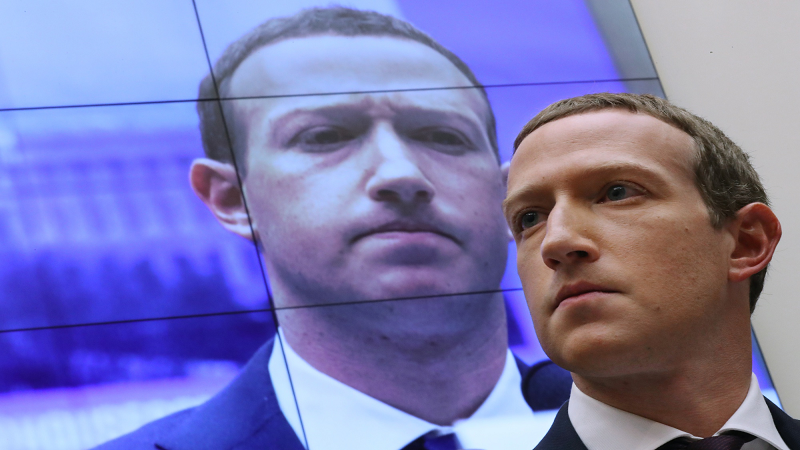
In a revealing statement, Mark Zuckerberg admitted that Facebook had faced pressure from the White House to censor certain content, lending significant weight to the warnings of Elon Musk, the owner of Twitter (now X), who has long criticized government censorship.

Zuckerberg’s admission that Facebook experienced pressure from the White House to suppress certain content is the latest mark in the ongoing discourse about government interference in social media.

“I believe the government pressure was wrong, and I regret that we were not more outspoken about it,” Zuckerberg wrote. “I feel strongly that we should not compromise our content standards due to pressure from any Administration in either direction — and we’re ready to push back if something like this happens again.”

With this revelation, which highlights the growing tension between social media giants and government authorities, the debate over free speech has intensified, especially as the US Presidential election draws close.

Zuckerberg vowed not to repeat contributions he made in the last presidential election cycle to fund election infrastructure.

“My goal is to be neutral and not play a role one way or another — or to even appear to be playing a role,” he said. “So I don’t plan on making a similar contribution this cycle,” he said.

Elon Musk’s Free Speech Crusade

Zuckerberg’s acknowledgment of governmental influence echoes the concerns that Elon Musk has been voicing since he acquired Twitter. Musk, a vocal advocate for free speech, has repeatedly warned of the dangers posed by government overreach in regulating online discourse.

The tech billionaire said his purchase of Twitter in 2022 was driven by a strong belief in the importance of free speech.

“Free speech is the bedrock of a functioning democracy, and Twitter is the digital town square where matters vital to the future of humanity are debated,” Musk declared shortly after taking control of the platform.

He added that his vision was to transform Twitter into a haven for open dialogue, unencumbered by government censorship.

Musk wasted no time in implementing changes to achieve this vision. He overhauled Twitter’s content moderation policies, which he deemed too restrictive, and replaced them with guidelines, including Community Notes, that prioritized freedom of expression. This shift was intended to create a space where users could share their views without the fear of censorship—a direct challenge to what Musk perceives as a growing trend of government control over digital platforms.

Also, he unblocked many accounts suspended under the previous Twitter management.

The Twitter Files: A Revelation of Government Influence

In 2023, Musk made a bold move to reinforce his commitment to transparency by releasing the “Twitter Files.” This series of internal documents and communications exposed the extent to which the U.S. government had exerted pressure on Twitter’s previous management to censor content. The files revealed a systematic effort by various government agencies to influence the platform’s content moderation decisions, particularly around politically sensitive topics.

Musk said following the release of the files that the level of government involvement in content decisions was shocking, adding that it’s a clear violation of the principles of free speech, and it’s something that every citizen should be concerned about.

The Twitter Files provided a rare and disturbing look at how deeply government authorities had embedded themselves in the content moderation processes of one of the world’s most influential social media platforms. The documents showed how officials had directly influenced which posts were allowed to remain and which were removed, sparking a wave of criticism from free speech advocates who argued that the government’s actions amounted to censorship by proxy.

However, Zuckerberg’s recent admission has added fuel to the fire of an ongoing debate about the role of government in regulating speech on social media platforms. The issue extends beyond the control of information to the very heart of democratic principles and the free exchange of ideas.

Musk has positioned himself as a leading voice against this trend, in a contrasting approach with that of other social media giants like Facebook. He said the government cannot be allowed to dictate what’s true and what’s not, declaring that the power to control information should not be concentrated in the hands of a few, especially when those hands are influenced by government agendas.

As social media platforms become increasingly central to public discourse, the question of who controls the flow of information becomes more pressing. If social media platforms are perceived as extensions of government power, the trust that users place in these platforms could be severely undermined.

Musk’s approach, while controversial, is believed to represent a counter-movement against this trend.

Ndubuisi Ekekwe Celebrates 200,000 LinkedIn Followers

0

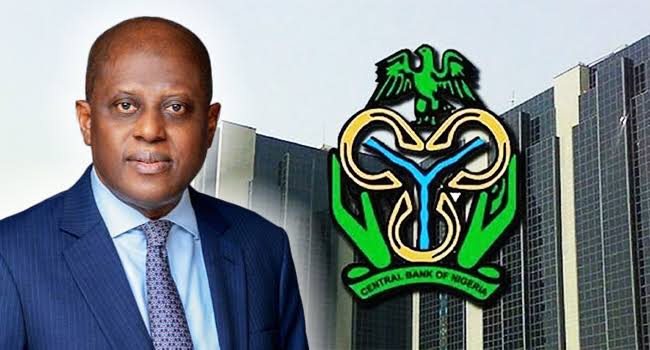
Good People, let me thank you all for taking this village boy from Ovim, to 200,000 followers at LinkedIn. That is now a city, well more than a village! And all connections are natural and organic, by looking at the level of engagement. We do close to 1 million views weekly!

In college, I edited and published FUTO Bubbles, a print magazine, as a student. When I write, I have liberation.  Thanks for  making time, and I truly appreciate your time  on this feed.

Please connect on Linkedin as I am more active there.

Central Bank of Nigeria (CBN) announces increase in Standing Lending Facility (SLF) rate to 31.75%, SDF to 25.75%

0

In another move to manage liquidity in Nigeria’s financial system, the Central Bank of Nigeria (CBN) has announced an increase in the rates for its Standing Deposit Facility (SDF). This adjustment is part of the CBN’s broader strategy to curb excess liquidity and promote more active lending among banks, amid ongoing efforts to address inflationary pressures.

Following the 296th Monetary Policy Committee (MPC) meeting, the CBN announced significant changes, including an increase in the Standing Lending Facility (SLF) rate to 31.75%, the SDF rate to 25.75%, and an adjustment of the Asymmetric Corridor around the Monetary Policy Rate (MPR).

One of the most significant shifts is the revision of the Asymmetric Corridor around the Monetary Policy Rate (MPR) from +100/-300 basis points (bps) to +500/-100 bps. This adjustment is designed to make it less attractive for banks to park excess funds at the central bank and instead encourage them to lend more actively to the private sector.

The circular detailed the following specifics:

  • Commercial and Merchant Banks: They will receive a 25.75% rate on deposits up to N3.00 billion. Deposits exceeding this amount will attract a lower rate of 19.00%.
  • Payment Service Banks: They will receive 25.75% on deposits up to N1.50 billion, with amounts above this threshold earning 19.00%.

These new rates are effective immediately, with all authorized dealers expected to comply with the updated guidelines.

These measures, aimed at controlling excess liquidity in the financial system, have sparked a debate over their long-term impact.

The CBN’s decision to raise the SLF rate and the SDF is understood to be born of its commitment to combating inflation. However, the ripple effects of these adjustments are not lost on financial experts, who have voiced concerns about the broader implications for Nigeria’s economy.

The impact of these policies is expected to be felt across various sectors. Banks, now facing higher costs to borrow short-term funds from the CBN, may pass on these costs to consumers in the form of higher lending rates. This could reduce the availability of credit for businesses and consumers alike, further slowing economic activity.

Additionally, the reduction in interest rates for excess deposits at the CBN is intended to push banks toward more active lending. However, with the current economic climate and the rising cost of funds, there is a risk that banks may become more risk-averse, choosing to tighten lending criteria rather than increase their exposure.

Financial analysts believe that while the CBN’s efforts to manage inflation are commendable, the high cost of borrowing will inevitably slow down economic activities. Businesses, especially small and medium-sized enterprises (SMEs), will struggle to access affordable credit, which could lead to a slowdown in investment and job creation, they say.

Others have warned that while tightening monetary policy might be necessary to address inflation, it must be done with caution. This is because the Nigerian economy is at a delicate stage.

It is believed that high interest rates, if not managed properly, could lead to a contraction in economic growth. Economists have advised that the focus should be on striking a balance between curbing inflation and sustaining growth.

The central bank’s move is part of a broader strategy to rein in inflation, which has been exacerbated by a range of factors including rising food prices, supply chain disruptions, and currency devaluation. Yet, the challenge remains to ensure that these measures do not inadvertently choke off the economic growth needed to sustain the nation’s recovery.

While the CBN remains focused on its inflation-targeting mandate, the debate continues over the best course of action. The warnings from economic experts suggest that a more nuanced approach may be required—one that carefully balances the need to control inflation with the imperative to foster sustainable economic growth.

NNPCL Is Broke: Nigeria Seeks Public-Private Partnerships to Revamp Nigeria’s Crumbling Oil Pipeline Infrastructure

0
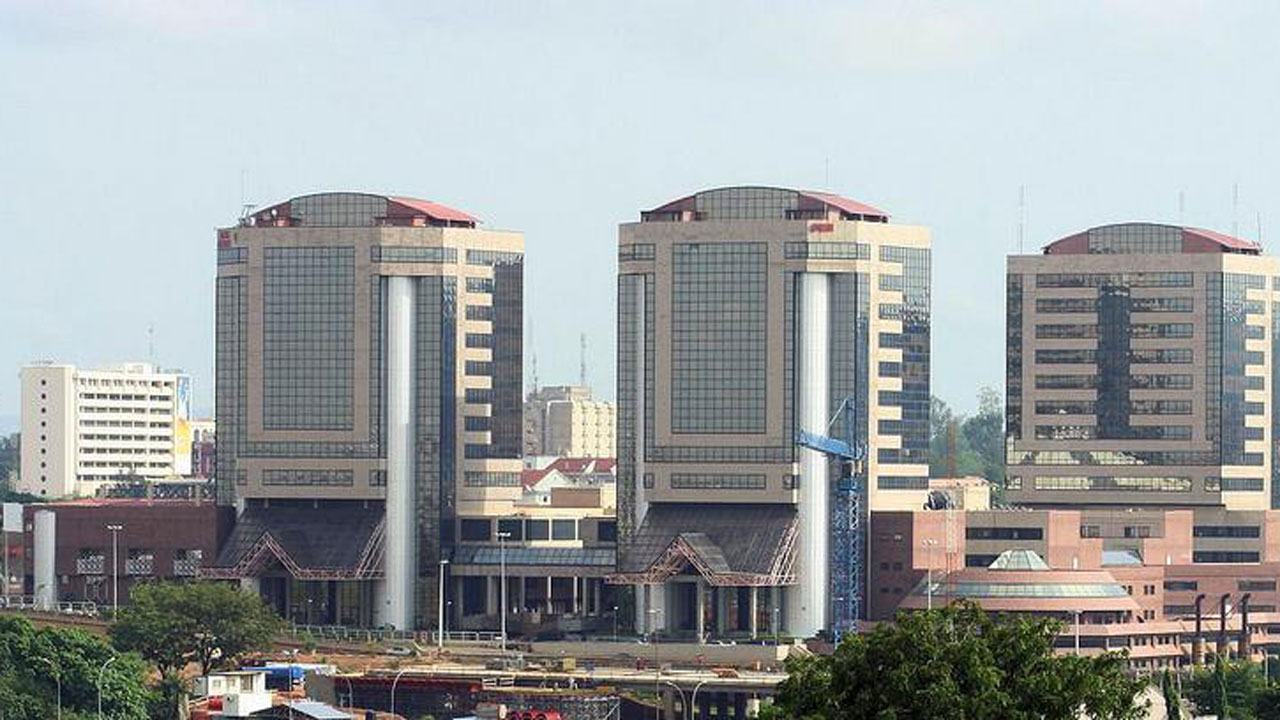
NNPC HQs in Abuja (credit: Guardian)

The Federal Government of Nigeria has acknowledged the dire state of the country’s oil pipeline infrastructure, revealing that the Nigerian National Petroleum Company Limited (NNPCL) lacks the financial capacity to undertake the necessary repairs and upgrades.

This admission was made by the Minister of State for Petroleum Resources (Oil), Heineken Lokpobiri, during the 2024 Energy and Labour Summit organized by the Petroleum and Natural Gas Senior Staff Association of Nigeria (PENGASSAN) in Abuja.

Lokpobiri highlighted the critical need to overhaul Nigeria’s oil pipeline network, which has suffered decades of neglect and corrosion. Most of these pipelines, constructed in the 1960s and 1970s, have far exceeded their intended lifespan, making them highly vulnerable to vandalism and leaks.

The minister noted that even if Nigeria were capable of increasing its crude oil production beyond 1.7 million barrels per day (mbpd), the deteriorating state of these pipelines poses a significant challenge to evacuating the oil to export terminals.

“The reason why pipeline vandalism is very easy to do is because the pipelines have all expired; they are completely corroded, and so, anybody can just go and tap it and the thing is busted,” Lokpobiri explained.

He noted that while more advanced and secure pipeline technologies exist, they are significantly more expensive, requiring a shift in the country’s approach to managing its oil infrastructure.

NNPC’s Financial Constraints and the Need for PPP

Lokpobiri candidly stated that the NNPC does not have the financial resources to fund the extensive repairs and replacement of the old pipeline network.

“The NNPC, that is our joint venture partner, do they have the money to be able to replace these pipelines? I think NNPC will speak for themselves whether they have the money to be able to do that, and I don’t think they have,” he declared.

Given these financial constraints, the minister called for public-private partnerships (PPP) as a viable solution to address the infrastructure deficits. He urged for the involvement of the private sector, noting that successful investments would require restoring investor confidence, which has been lacking over the past decade due to various challenges, including security concerns and regulatory uncertainties.

The minister also addressed the ongoing issue of fuel smuggling, attributing it to the pricing policies of the NNPC, which imports Premium Motor Spirit (PMS) and sells it below the landing cost. This pricing discrepancy, he said, creates a lucrative opportunity for smugglers, who illegally transport fuel to neighboring countries where it commands higher prices.

He disclosed the difficulty in curbing this illicit activity, noting the complicity of some security agents at Nigeria’s borders.

“Nigeria plays a very critical role in the energy security in Africa. That is why whatever PMS we import into Nigeria finds its way to the whole of West Africa. That is why smuggling cannot stop,” Lokpobiri remarked, stressing the importance of a strategic approach to achieving energy security in the region.

Local Refining and Production Goals

The minister expressed concerns about the ability to supply crude oil to local refineries, including the Dangote Refinery, unless Nigeria significantly ramps up its production levels. While the Federal Executive Council has resolved to prioritize local refining by ensuring a steady supply of crude to domestic refineries, Lokpobiri noted that meeting these obligations remains a challenge.

“Our ambition is to ramp up production. It is only when we ramp up production that the midstream and the downstream can also be successful,” he stated. The minister highlighted the importance of attracting investors to explore and produce more crude oil, which would not only satisfy domestic needs but also allow for continued exports to generate foreign exchange.

Lokpobiri concluded by affirming the government’s commitment to supporting local refineries, both large and small, by ensuring a fair and competitive environment. He reiterated that the government’s goal is to secure sufficient feedstock for local refiners while maintaining a balance between domestic supply and export demands.

The Challenge of High Cost of Governance

However, the revelation that Nigeria lacks the funds to undertake pipeline replacement is seen as a sobering reminder of the nation’s fiscal challenges that further highlight the pressing need for the government to re-evaluate its spending priorities.

The pipelines, which are crucial for transporting Nigeria’s crude oil, are not just outdated—they are dangerously corroded – having been constructed in the 1960s and 1970s, painting a troubling picture as oil remains the major source of the country’s revenue.

While the development highlights the ugly situation of the NNPC, which has been operating at a loss until recently when it announced profits, it points to a major issue that has been eating the country deeply – the high cost of governance and corruption.

The government’s inability to finance the pipeline repairs is believed to be a reflection of a broader issue that has plagued Nigeria for years: the misallocation of resources. While the government struggles to fund essential infrastructure, it has continued to engage in extravagant spending that drains the national coffers. Critics have long argued that the government’s lavish expenditures on non-essential projects and the perks of public office have left vital sectors, like oil and gas, severely underfunded.

Last month, BudgIT, a civic tech organization, revealed an alarming allocation of N732.5 billion for vague empowerment projects in Nigeria’s 2024 budget.

This is against the backdrop of criticism of Nigeria’s government maintaining an oversized political class, with a bloated number of ministries, agencies, and special advisers. The cost of governance is among the highest in the world, with public officials enjoying luxurious lifestyles funded by taxpayers.

The national budget routinely allocates enormous sums for the purchase of exotic cars, renovations of government offices, and frequent foreign trips under the guise of diplomatic engagements. These expenditures continue despite calls for austerity and fiscal discipline, especially given the country’s economic realities.

In 2024, the National Assembly budget was pegged at N344.85 billion, covering expenses that include lawmakers’ salaries, allowances, and other perks, such as constituency projects that have often been criticized for their lack of transparency and impact. This amount stands in stark contrast to the allocation for critical sectors such as health, education, and infrastructure, which continue to suffer from underfunding.

This pattern of spending is not new. Under previous administrations, the government’s focus on maintaining a lavish lifestyle for the political elite often took precedence over investing in the country’s infrastructure and economic development. Former President Muhammadu Buhari’s administration, for example, was frequently criticized for approving spending demands from the national assembly amid revenue deficiency that impacted developmental projects.

Thus, many see Lokpobiri’s admission that the NNPCL does not have the funds to replace the old pipelines as a wake-up call for the government to reassess its priorities. While the minister calls for PPP, admitting that the NNPCL cannot fund the repair of the pipelines alone, experts have noted that the success of such partnerships hinges on creating a conducive investment climate—a challenge in a country where confidence in governance has been eroded by years of mismanagement and corruption.

These challenges, make it increasingly clear that the government must curtail its excessive spending to free up resources for critical economic development projects. Economists have warned that the country cannot afford to continue on its current path, where the wealth of the nation is squandered on luxuries while vital infrastructure crumbles.

Top Presales to Watch This Month: Shiba Shootout and MinePro Among Others

0

Why These Presales Are Worth Your Attention

Navigating the vast ocean of crypto presales can be daunting, but the right picks can turn a modest investment into significant returns. As the crypto landscape continues to evolve, new projects emerge with the potential to reshape the market. Below, we spotlight four presales: Shiba Shootout, Memereum, Pawfury, and MinePro, that are generating both buzz and millions in investments, each offering something unique for early investors.

1. Shiba Shootout: Aiming for the Stars

Shiba Shootout ($SHIBASHOOT) has captured the attention of meme coin enthusiasts with its engaging Wild West theme and a game that’s already making waves in the mobile gaming community. Launched just a month ago, Shiba Shootout has quickly surpassed the $1 million mark in its presale, showing no signs of slowing down.

The project’s native game, Shiba Sharpshooter, has already been downloaded over 1,000 times on Google Play, and a Web3 version is on the way. The combination of an immersive gaming experience and the ever-popular Shiba Inu brand makes Shiba Shootout a project worth watching closely.

2. MinePro: Mining Profits from Bitcoin’s Dominance

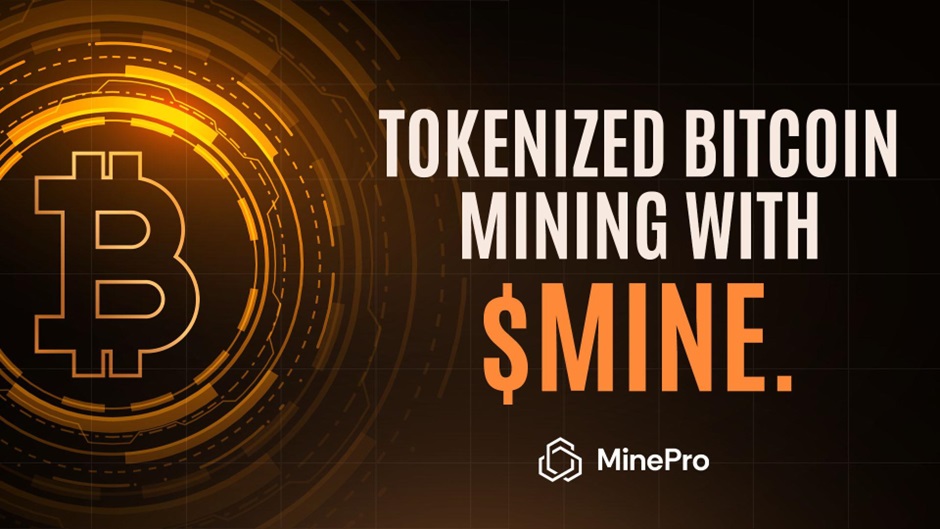
Riding the ever-reliable wave of Bitcoin’s success, MinePro is set to revolutionize how investors think about crypto mining. With the simple act of staking $MINE tokens, investors can earn Bitcoin, bypassing the hefty investments and complexities traditionally associated with Bitcoin mining.

MinePro’s presale has already caught significant attention, raising substantial funds and setting the stage for its token’s future success. Analysts predict the $MINE token could soar to $50 by the end of 2025, making it a potentially lucrative investment. Unlike other projects, MinePro doesn’t just offer a promise; it delivers a direct link to the world’s most stable cryptocurrency, Bitcoin. This connection makes MinePro a standout in the crypto presale landscape, offering investors a secure and profitable entry into the world of Bitcoin mining.

3. Memereum: A Decentralized Powerhouse

Memereum is rapidly becoming a well-known name in the crypto sphere, thanks to its highly successful presale. With over 30 million tokens sold, Memereum has demonstrated that there’s significant investor interest in its vision of a fully decentralized platform. Memes and crypto go hand in hand, as degens flock to projects that lean into meme culture or use meme as a buzzword, so it was a no-brainer that a team that both pulls off a good product surrounding it would jump to success.

What sets Memereum apart is its commitment to security and decentralization, offering users a platform where transactions can be conducted without intermediaries. This ensures that control remains firmly in the hands of the community. With plans to launch a decentralized exchange (DEX) and introduce advanced security features, Memereum is positioning itself as a leader in the next generation of blockchain projects.

4. Pawfury: The Meme Coin Revolution

In an impressive display of market momentum, Pawfury (PAW) has become the latest sensation in the meme coin world. With a presale that has already reached $5.4 million, Pawfury is drawing investors away from established names like Pepe and Shiba Inu.

The rapid success of Pawfury’s presale isn’t just about numbers—it reflects the project’s innovative approach and the community’s belief in its potential. Offering secure and transparent operations alongside a supportive community, Pawfury is more than just another meme coin; it’s a platform that’s poised to drive the next wave of decentralized finance. The final phase of the presale is underway, and with the FOMO (Fear of Missing Out) kicking in, this is one project that could see explosive growth.

Riding the Wave To The Next Bull Run

The crypto market has seen a resurgence in investor interest this year, largely fueled by the approval of Bitcoin ETFs back in January. This monumental shift has breathed new life into the market, attracting both seasoned investors and newcomers eager to capitalize on the next big opportunities. Amid this wave of renewed enthusiasm, new projects have successfully captured attention, raising substantial amounts of investment and building strong communities around them.

In this vibrant landscape, projects like Shiba Shootout, Memereum, and Pawfury are shining examples of how innovation and engagement can drive success even in a crowded market. However, for those looking to secure long-term growth tied to the ever-dominant Bitcoin, MinePro stands out as the top pick. With its revolutionary approach to Bitcoin mining, MinePro is not just riding the wave of Bitcoin’s success—it’s paving the way for the future of decentralized finance.


Join MinePro Presale Now:

Presale: https://mineprobusiness.net?referrer=tekedia

Telegram: https://t.me/MineProBitcoin

Discord: https://discord.gg/dWtWJjwNYy

Additional disclaimer: The opinions in this article belong solely to the author and do not reflect those of MinePro or its team. MinePro and its affiliates are not liable for any content provided.

This information is not financial advice and does not consider your individual circumstances or needs. We recommend conducting your own research or seeking independent professional advice before making financial decisions based on this content.