
DD
MM
YYYY

PAGES

DD
MM
YYYY

spot_img

PAGES

Home Blog Page 2976

Navigating the Future of Apple’s iPhone

0

As we look towards the future, Apple’s iPhone continues to be a beacon of innovation in the smartphone industry. With the anticipated release of the iPhone 16, rumors and leaks suggest a plethora of advancements that promise to redefine our mobile experience.

The iPhone 16 is expected to debut in September 2024, and the buzz is already palpable. The new lineup may include the standard iPhone 16 alongside the larger iPhone 16 Pro and iPhone 16 Pro Max, potentially joined by an even more advanced iPhone 16 Ultra. This tiered system allows users to choose a device that best fits their needs and budget, without compromising on the quality and performance that Apple is known for.

Camera technology is also expected to leap forward, with the standard models possibly adopting a vertical lens arrangement to facilitate spatial video capture. This aligns with Apple’s vision of integrating its devices with augmented reality and virtual reality platforms. The Pro models, on the other hand, might see the inclusion of a Tetraprism lens, enhancing optical zoom capabilities and photo clarity.

The upcoming iPhone 16 series is poised to introduce a groundbreaking feature that could transform the way we capture moments on our mobile devices: the rumored Capture button. This new addition is expected to offer users a more intuitive and tactile way to take photos and videos, reminiscent of traditional cameras. According to various sources, the Capture button will be a multifunctional tool designed to enhance the photography experience on the iPhone 16, especially the Pro models.

One of the most exciting prospects is the introduction of the A18 Pro processor, which is rumored to significantly enhance Apple’s AI capabilities. This processor could bring about improvements in efficiency and performance, making the iPhone even more intuitive and responsive to user needs.

Design-wise, while the external changes from the previous generation might be subtle, the internal updates are where the iPhone 16 is set to shine. The Pro models are rumored to feature a Capture button, adding a new dimension to photography and videography by providing a tactile experience similar to that of a digital camera. This would complement the existing Action button, further bridging the gap between smartphones and professional cameras.

Borrowing from the DSLR playbook, a light press on the Capture button may allow users to autofocus on their subject, providing greater control and precision. A firmer press could be the trigger to snap a photo, offering a physical interaction that many photography enthusiasts miss in touchscreen devices. Swiping left or right on the Capture button might enable users to zoom in and out seamlessly, a feature that could be particularly useful for capturing images or videos from a distance.

There may also be gestures integrated into the Capture button for switching between photo and video modes, streamlining the process and making it more efficient. The button is expected to be pressure-sensitive, responding to different levels of force to perform various functions, which could include additional gestures not yet revealed.

The placement of the Capture button is rumored to be on the right side of the iPhone, where the mmWave antenna is currently located on US models. This strategic positioning would make it easily accessible when the phone is held in landscape mode, encouraging users to take advantage of the device’s full photographic potential.

In terms of user interaction, Apple is exploring arm-mounted haptics for more discreet notifications. This technology could revolutionize the way we receive alerts, making them private and less intrusive. Additionally, Apple’s patent filing hints at Vision Pros that could work in tandem with the iPhone to automatically adjust for a wearer’s presbyopia, showcasing Apple’s commitment to accessibility and user comfort.

The future of Apple’s iPhone is not just about hardware; it’s also about creating an ecosystem where each device complements the other, enhancing the overall user experience. With every new release, Apple pushes the boundaries of what’s possible, and the iPhone 16 is shaping up to be a testament to the company’s innovative spirit.

As we await the official announcements and releases, one thing is certain: the future with Apple’s iPhone looks bright, filled with advancements that will continue to transform our daily lives. Stay tuned for more updates as we approach the launch date and prepare to welcome the next generation of iPhones into our lives.
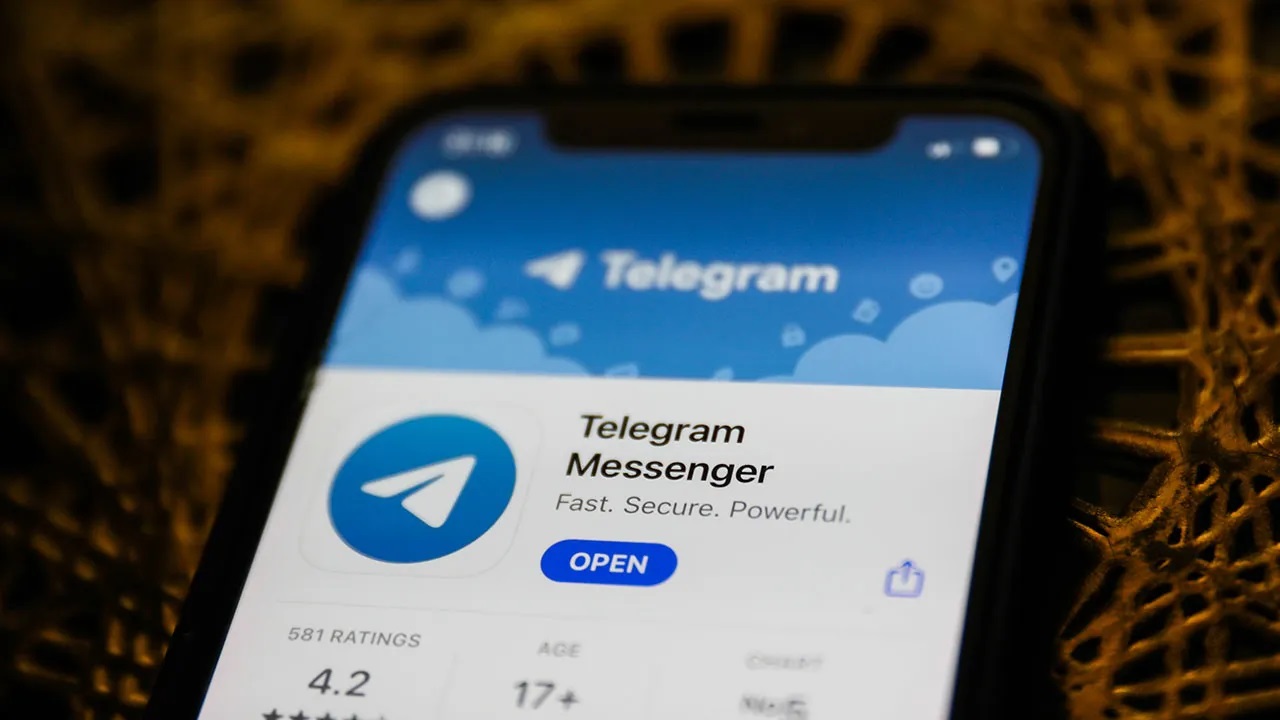

With Arrest of Durov Pavel, Encryption and Free Speech are Threatened

0

The recent arrest of Pavel Durov, the CEO of Telegram in France, has sparked a global conversation about the delicate balance between law enforcement and the rights to privacy and free speech. Durov, known for his staunch advocacy for encryption and privacy, was detained by French authorities, raising concerns about the future of encrypted messaging services and their role in safeguarding user data.

The debate between privacy and security is more relevant than ever. With the increasing amount of personal data online, the need for robust security measures is undeniable. However, these measures often come at the cost of individual privacy.

Encryption is a fundamental technology that ensures the security and confidentiality of digital communication. It is the bedrock upon which the modern internet is built, providing the privacy needed for online banking, confidential business communications, and personal messaging. The arrest of a figure like Durov, who has been a vocal proponent of encryption, sends a chilling message to the tech community and users alike.

Privacy advocates argue that strong encryption and minimal data collection are essential to protect users’ rights. On the other hand, security agencies claim that access to data is crucial to prevent and investigate crimes. The challenge lies in finding a middle ground that respects both privacy and security.

One approach is to implement end-to-end encryption with a secure backdoor for authorities, but this raises concerns about the potential for abuse and the technical feasibility of such a solution. Another option is to enhance transparency around data requests from law enforcement, ensuring a legal framework supports any access to private information.

Ultimately, the balance between privacy and security requires a collaborative effort from tech companies, governments, and civil society to establish regulations that protect both individual rights and public safety. It’s a delicate equilibrium that demands ongoing dialogue and a commitment to finding solutions that honor the principles of a free and secure internet.

The implications of this event are far-reaching. On one hand, it highlights the ongoing struggle between governments seeking to prevent illegal activities and tech companies striving to protect user privacy. On the other hand, it underscores the importance of free speech and the role of encrypted messaging services in facilitating it, especially in regions where freedom of expression is not guaranteed.

Telegram has been at the forefront of this debate, offering end-to-end encryption in voice and video calls, and minimal restrictions on content. This approach has made it a haven for those seeking privacy but has also drawn criticism for its use by individuals and groups spreading extremist views or engaging in illegal activities.

Durov’s arrest, based on an arrest warrant issued by the French National Judicial Police, involves charges of complicity in several illegal activities allegedly facilitated by the Telegram platform. This has sparked a discussion about the responsibilities of tech platforms in moderating content and cooperating with law enforcement while respecting user privacy.

The case also raises questions about the international legal framework governing digital communication and privacy. With Durov holding dual citizenship in France and Russia and Telegram operating globally, the legal complexities become even more pronounced.

As the situation unfolds, the tech industry, legal experts, and civil rights advocates will be watching closely. The outcome of Durov’s case could set a precedent for how encrypted messaging services operate and cooperate with government authorities. It could also influence the ongoing debate about the balance between security and privacy in the digital age.

For now, the tech community continues to advocate for strong encryption and the protection of free speech, while acknowledging the need for responsible moderation of content to prevent harm. The arrest of Pavel Durov is a reminder of the ongoing challenges in achieving this balance and the vigilance required to maintain the freedoms that encryption provides.

The Trouble with Coding In the AI Era [video]

1

Have you noticed that the business model of training young people in the developing world to get (remote) software related jobs in the developed world has cooled significantly? Yes, that business model is being disintermediated by artificial intelligence (AI).

Also, have you noticed that adverts to attend coding schools or coding camps have reduced in volume? Yes, the fact that coding is largely becoming  superfluous, as many coders in leading tech companies are coding themselves out of jobs, meaning that companies do not need a lot of them,  coding pipelines will be affected.

See it this way: you have 200 techies to execute an AI playbook. By the time they are done, if they are successful, you may need just 40 people, because AI is now a team member. So, the coding jobs of today may not create a lot of roles for coders!

Coding is the blue-collar job of the 21st century. The real deal is Mathematics, which my teacher, Mr. Aham, in senior secondary school, defined as the “beautiful science of numbers”, and the “pillar upon which natural philosophy understanding is built upon”.

Yes, building algorithms, and NOT coding, is where the sustainable opportunity will migrate to as AI revolution intensifies. I had this chat with Microsoft Copilot:

Sure – it is not yet all finished for coding, but pay attention.

Update: Just woke up this morning, and got many messages on the piece titled “The Trouble with Coding In the AI Era”. Please coding will remain a great career domain even as AI evolves, just as I concluded in that same piece: “Sure – it is not yet all finished for coding, but pay attention.”

The Future of Coding as AI Revolution Intensifies

1

In a recent development that has stirred the tech community, a leaked audio recording from an internal Amazon Web Services (AWS) event revealed the company’s cloud CEO discussing the future of coding and the role artificial intelligence (AI) may play in it. The CEO suggested that within the next few years, AI could significantly alter the landscape of software development, potentially reducing the need for human coders.

Now, before all the software engineers out there start panicking and envisioning a Terminator-style AI uprising, let’s take a moment to chuckle at the lighter side of this prediction. Imagine a world where AI does all the coding. Developers could finally have the time to pursue their long-forgotten hobbies. They could go back to playing the guitar, painting, or even perfecting their sourdough bread recipe, all while their AI counterparts are churning out code.

This bold statement aligns with the rapid advancements in AI and machine learning technologies that are reshaping various industries. In the realm of software development, AI has the potential to automate repetitive tasks, optimize code, and even generate new code, which could increase efficiency and reduce the time required to bring products to market.

The AWS boss suggests that developers might need to upskill and learn new technologies. So, perhaps in the future, we’ll see developers becoming poets, philosophers, or even space explorers. After all, who needs to debug code when you can be pondering the meaning of life or discovering new galaxies?

And let’s not forget the GitHub report that nearly all developers have used AI coding tools. It seems like AI is the new must-have accessory for the modern coder. It’s like having a trendy robot sidekick that not only helps you code but also laughs at your jokes (or at least, we can program it to do so).

The AWS CEO emphasized that the skill of coding is not an end in itself but a means to communicate with computers. The true value lies in innovation and the ability to create something meaningful for end-users. As AI takes over more of the routine coding tasks, developers may find themselves focusing on more creative and strategic aspects of software development.

The conversation around AI in coding is not new, but it is becoming more pressing as AI capabilities continue to grow. It raises important questions about the future of work, the skills that will be in demand, and how individuals and organizations can prepare for these changes.

Of course, the AWS spokesperson clarified that the boss’s words were not a doomsday prophecy but rather a vision of how AI could help developers accomplish more. So, maybe it’s not all doom and gloom. Perhaps AI will be the best coworker you’ve ever had, never stealing your lunch from the office fridge or forgetting to refill the coffee pot.

While the thought of AI taking over coding jobs might send shivers down some spines, it’s important to remember to take these predictions with a grain of salt and a good dose of humor. Who knows? The future might just be filled with AI companions helping us to live our best lives, both in and out of the office.

Safaricom Calls For Stricter Regulations on Satellite Internet Providers, Amid Starlink’s Entry into Kenya

0

Kenya’s leading telecommunications company, Safaricom, has raised concerns about the regulatory environment surrounding the entry of satellite internet providers like Elon Musk’s Starlink.

The company has urged the Kenyan government to implement stricter regulations for these providers, calling for the apprehension about the possibility of them receiving independent licenses.

In a formal letter addressed to the Communications Authority of Kenya (CAK), Safaricom urged the regulator to consider requiring satellite providers to partner with local mobile network operators.

Part of the letter reads,

“Satellite coverage inherently spans multiple territorial borders and in doing so has the potential to illegally provide services and cause harmful interference within the territorial borders of the Republic of Kenya”.

Safaricom’s concerns are centered on the potential risks of satellite coverage extending across multiple borders, which could lead to unauthorized service provision within Kenya. The company warned that such practices could result in “harmful interference” with local telecommunications services. 

The telecom giant is advocating for a regulatory framework that ensures satellite providers like Starlink operate under similar conditions as local telecom companies, particularly regarding licensing, service standards, and contributions to the Universal Service Fund, which supports the expansion of telecommunications services to rural and underserved areas.

This classification would ensure that these companies invest locally, create employment opportunities, and adhere to Kenyan regulations, maintaining a level playing field in the market.

Safaricom’s recent concerns have sparked widespread reactions from Kenyan Netizens on X,

@Towett B wrote,

“Safaricom thought that orchestrating plans to revoke Starlink licenses in Kenya would protect their market, but they got it wrong. Instead it turns out that they marketed it even further to the extent that I installed a total of 7 hardware hapa Mau Summit. They won’t believe it.”

@Ochieng Malo wrote,

“Safaricom must lower their prices and target the mass market as was done by their founding fathers/mothers. They make obscene profits already.”

@NANKONFOMIST wrote,

“There is enough space for everyone. Why does Safaricom want to create policies that will monopolize internet provision to Kenyans? Competition and growth should be welcome, just like landlines were faced out, let us be willing to accept the next concept. I detest this. Safaricom has made enough benefits already, and nobody is stopping them from reinventing themselves. Change is inevitable! Old is old!”

@Dr Korir MD wrote,

“Safaricom wants to monopolize mobile services and internet access in Kenya, especially with the emergence of Starlink. No no no. Let Kenyans access services freely, and out of their own choice, based on available competitors”.

@Nurdin elmoge wrote,

“Safaricom should not dictate which services Kenyans can or cannot use. The company has consistently fallen short in offering fair services to its customers. It’s time to break the monopoly and embrace diversity in our communication choices. Say no to Safaricom’s dominance.”

@Teddy Murigi wrote,

“Let Safaricom set up their radio access service in space and rival the likes of Starlink for the Kenyan market. Kenyans cannot be locked out of a groundbreaking technology simply because the service provider has no local license.”

From the comments, the majority of Kenyans suggest that Safaricom feels threatened by the entry of Starlink into the Kenyan market, as it introduces a new level of competition that could disrupt the existing telecom landscape. Starlink’s satellite-based internet service offers high-speed, low-latency connectivity, particularly advantageous in remote and underserved areas where Safaricom and other traditional telecom providers have struggled to establish robust infrastructure.

The threat comes from the potential for Starlink to bypass local networks entirely, providing direct internet access to consumers without relying on terrestrial infrastructure. This could undermine Safaricom’s significant investments in network development across Kenya, especially in rural regions where the company has been working to expand its reach.

Additionally, Safaricom’s concerns about “harmful interference” and the potential for illegal service provision within Kenya’s borders suggest that the company is wary of losing market control to a global player like Starlink. Safaricom’s call for satellite providers to operate as infrastructure providers is likely an attempt to ensure that companies like Starlink are subject to the same regulatory and operational constraints as local telecom operators, thereby protecting its market position and investment.

Starlink, which launched in Kenya in July 2023, has continued to expand across Africa, offering satellite-based internet services that bypass traditional ground infrastructure. It currently operates in Zimbabwe, Nigeria, Mozambique, Malawi, Madagascar, Benin, South Sudan, Eswatini and Sierra Leone. While the company has faced regulatory hurdles in some countries, it has introduced competitive pricing and hardware rental plans, making its services more accessible.