DD
MM
YYYY

PAGES

DD
MM
YYYY

spot_img

PAGES

Home Blog Page 2978

Bitcoin Bullish Signal Sparks $120k Hopes

0

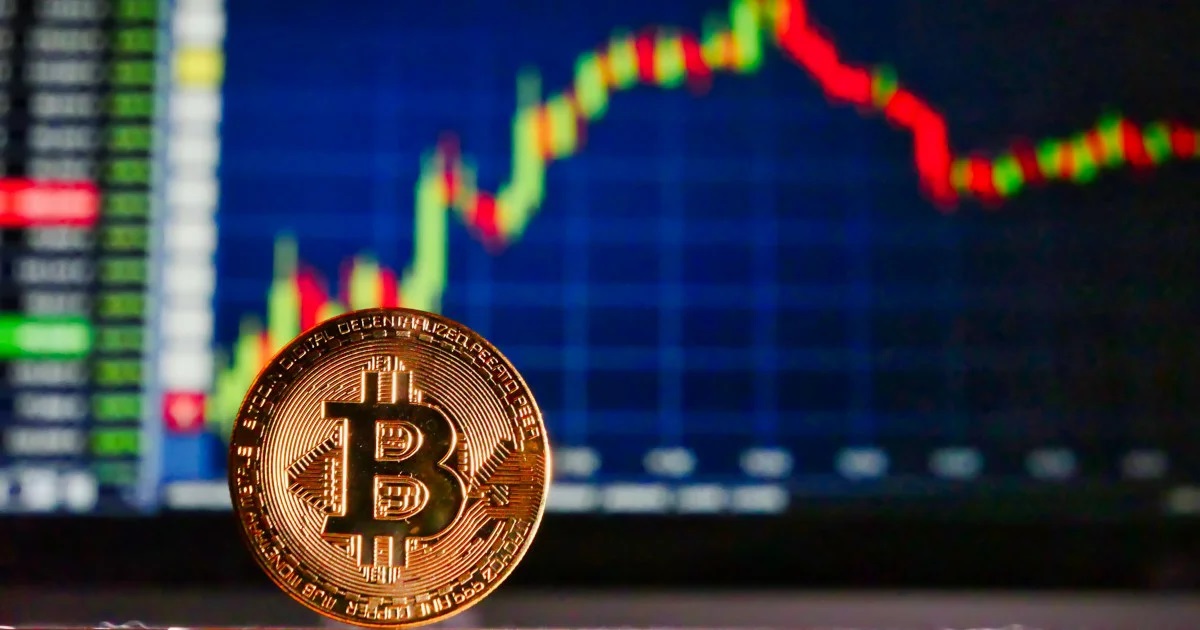
The cryptocurrency market is abuzz with the latest bullish signals for Bitcoin, sparking hopes among investors that the digital currency could potentially reach the $120,000 mark. This optimism stems from a key bull signal that has historically been correlated with significant price rallies in Bitcoin’s history. The signal, which flashed for the first time in nearly two years, suggests a possible price surge that could see Bitcoin’s value double or even triple from its current standing.

The excitement around this development is palpable, as similar signals in the past have preceded substantial increases in Bitcoin’s price. For instance, a 19-fold rally was observed in the 2017 cycle, followed by a six-fold increase in the 2020 cycle. These precedents have set a high bar for expectations, with analysts and investors closely monitoring the market for signs of a repeat performance.

The price of Bitcoin, the pioneering cryptocurrency, is influenced by a myriad of factors that interplay in the complex ecosystem of digital assets. Understanding these factors is crucial for investors and enthusiasts alike to navigate the volatile landscape of cryptocurrency markets.

The primary driver of Bitcoin’s value is market demand. As Bitcoin gains acceptance among individuals, institutions, and businesses, its demand escalates, positively impacting its price. Bitcoin’s built-in scarcity, with a cap of 21 million coins, underpins its value. The halving events, which reduce the rate at which new Bitcoins are created, exacerbate this scarcity, enhancing its appeal as a long-term investment.

Investor psychology and speculative trading significantly influence Bitcoin’s price. Market participants often buy or sell Bitcoin based on their expectations of future price movements, leading to price volatility. Government policies and regulations can either boost Bitcoin’s value by providing clarity and facilitating institutional involvement or depress its price through restrictive measures.

Economic uncertainty, political instability, or currency devaluation can lead to increased interest in Bitcoin as a potential safe haven asset. Innovations and improvements in blockchain technology and Bitcoin’s protocol can affect its price. For instance, upgrades that enhance scalability and security may attract more users and investors.

The way media portrays Bitcoin can sway public perception and, consequently, its price. Positive news can lead to increased buying pressure, while negative news can result in selling. The emergence of new cryptocurrencies and the performance of existing ones can also impact Bitcoin’s market share and price.

However, the path to $120,000 is not without its obstacles. The catch lies in the performance of the US Dollar Index (DXY) and the overall global liquidity. For Bitcoin to achieve such a lofty target, the DXY would need to fall well below 101, spurred by ongoing central bank injections that would push the global M2 money supply over $120 trillion for this cycle. This scenario hinges on a delicate balance of economic factors that are, by nature, unpredictable and volatile.

Moreover, the short-term outlook presents its own set of challenges. Over $1.4 billion worth of Bitcoin options are set to expire, and unless Bitcoin can stage a recovery above the $60,000 threshold, the market may face downward pressure. The interplay of expanding global M2 money supply and the inflows from US spot Bitcoin exchange-traded funds (ETFs) will also play a critical role in determining Bitcoin’s price trajectory.

Despite these uncertainties, the underlying sentiment remains bullish. The ‘Doomsday Rally’ narrative, as some have termed it, points to geopolitical factors and the search for investment hedges as potential catalysts for a surge in Bitcoin’s value. The cryptocurrency’s correlation with traditional market assets remains high, but its role as a viable hedge and investment option continues to attract attention.

While the bullish signal for Bitcoin has ignited hopes for a significant price increase, the journey to $120,000 is fraught with complexities. Investors must navigate a landscape filled with economic indicators, market dynamics, and geopolitical events. As always, caution and due diligence are advised when dealing with such speculative investments. The potential for high rewards comes with equally high risks, and only time will tell if Bitcoin reaches the heights that many hope for.
Russia to Launch Two Crypto Exchanges to Bolster BRICS Trading Relationships

0

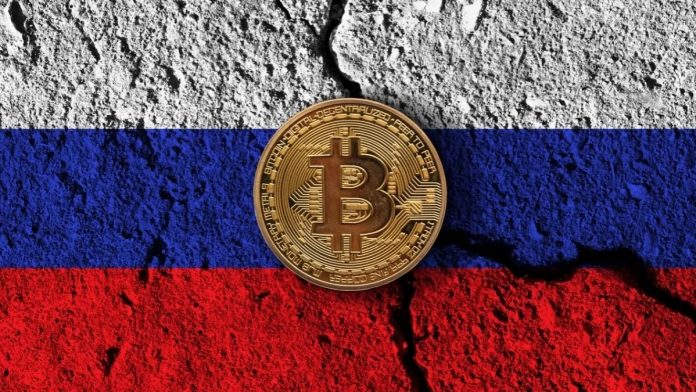
In a significant move that could reshape the landscape of digital finance, Russia is reportedly advancing its plans to launch two state-backed cryptocurrency exchanges. This strategic development, as reported by Kommersant, aims to bolster Russia’s position in the global financial market and diversify its economic activities amid ongoing international sanctions.

The proposed crypto exchanges, slated for establishment in Moscow and St. Petersburg, are envisioned as platforms that will facilitate international trade, focusing on high-profile assets and stablecoins. With an eye on reducing reliance on traditional financial systems and fostering economic alliances, Russia is also planning to introduce stablecoins pegged to the Chinese yuan and the currencies of the BRICS nations (Brazil, Russia, India, China, and South Africa).

This move is not merely a foray into the burgeoning world of cryptocurrencies; it is a calculated response to the economic challenges posed by sanctions. By creating a financial ecosystem that operates independently of the dollar-dominated global market, Russia seeks to circumvent the limitations that have affected its economy, such as delayed payments and increased transaction costs.

The focus on stablecoins is particularly noteworthy. Stablecoins are digital currencies designed to maintain a stable value by being pegged to a fiat currency or a basket of assets. Russia’s plan to anchor its stablecoins to the yuan and BRICS currencies reflects a strategic pivot towards strengthening ties with its allies and reducing the hegemony of the US dollar in international trade.

One of the primary concerns on Stablecoins is counterparty risk. Stablecoins rely on the solvency and reliability of the issuing entity. If the issuer faces financial difficulties or fails to maintain the pegged value, the stablecoin can lose its stability, affecting users’ investments.

The lack of comprehensive regulation in the stablecoin market is another significant risk. This can result in a lack of transparency and accountability, leaving investors vulnerable to unforeseen market movements and decisions made by the issuing entities.

Reserve backing is a critical aspect of stablecoins, and concerns about the sufficiency and quality of these reserves can pose a risk. If the reserves are not managed properly or are insufficient to cover the number of stablecoins in circulation, it could lead to a loss of confidence and a potential depegging from the asset to which they are tied.

Depegging risk is a reality for stablecoins. Market pressures, economic events, or changes in the underlying asset’s value can cause stablecoins to deviate from their target value, leading to instability and potential financial losses for holders.

Operational risks, such as technical issues with the blockchain network, smart contract vulnerabilities, or network congestion, can also impact the functionality and reliability of stablecoins.

Geopolitical risks and liquidity risks are also factors that can affect stablecoins. Changes in regulatory stances, international sanctions, or liquidity crunches in the market can all lead to rapid changes in stablecoin values.

However, these ambitious plans come with their own set of challenges and risks. The regulatory framework for operating cryptocurrency exchanges in Russia is still in its nascent stages, and the proposed exchanges would initially cater to a select group of wealthy investors, with broader access anticipated in the future. Moreover, the potential for secondary sanctions and the volatile nature of cryptocurrencies adds layers of complexity to this endeavor.

Despite these hurdles, Russia’s crypto initiative signals a bold step towards integrating digital assets into its economic infrastructure. It underscores the country’s commitment to innovation and adaptability in the face of geopolitical pressures. As the world watches closely, the success of these exchanges could potentially pave the way for other nations to explore similar avenues in the digital economy.

The implications of Russia’s crypto exchanges extend beyond financial transactions; they represent a shift in the global power dynamics of trade and finance. If successful, they could serve as a model for other countries looking to assert their financial sovereignty and embrace the digital revolution.

As the details of this plan continue to unfold, stakeholders in the global financial system must consider the potential impacts and opportunities that such a development presents. Russia’s crypto exchanges could be the harbinger of a new era in international trade, one where digital currency play a pivotal role in economic activities across borders.

U.S. Securities and Exchange Commission Rejects two Solana ETFs Applications

0

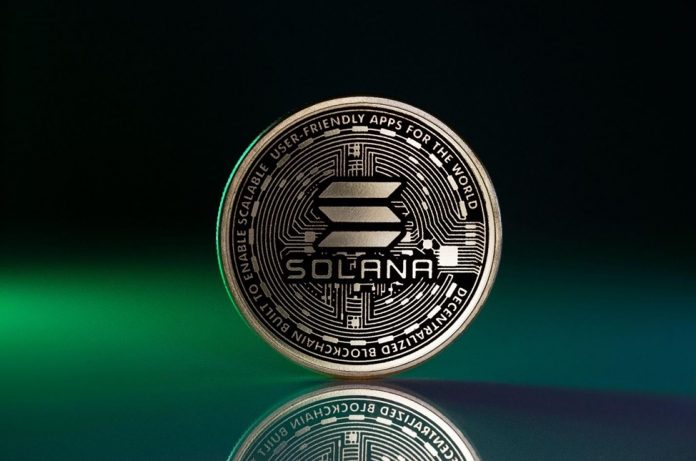
In the ever-twisting saga of politics and finance, the latest episode features the U.S. Securities and Exchange Commission (SEC) waving the red flag at two Solana ETFs. Now, this might sound like a dry financial headline, but let’s sprinkle some humor into the mix and see what we get.

Picture this: The SEC, in a move as unexpected as a plot twist in a telenovela, has decided to give the thumbs down to the Solana ETFs. The reason? Concerns that the cryptocurrency might be classified as a security. It’s like being back in high school and having your prom date rejected because your suit looked too much like the gym teacher’s.

Analysts are weighing in, and their predictions for a U.S. Solana ETF approval in 2024 are as hopeful as a snowball’s chance in a sauna. Meanwhile, documents crucial for the ETFs have vanished from the Chicago Board Options Exchange (CBOE) website like a magician’s rabbit. It’s a mystery wrapped in an enigma, with a side of ‘where did it go?’

The SEC’s hesitation has stirred up more drama than a daytime soap opera. With the ETF filings disappearing faster than my motivation on a Monday morning, the future of these applications is as clear as mud.

And let’s not forget the crypto enthusiasts, who are watching this unfold like a new season of their favorite show. The SEC’s decision has left them hanging on a cliffhanger, wondering if Solana is the leading actor or just a cameo appearance in the grand scheme of crypto.

The SEC’s decision to reject the two Solana ETFs has sent ripples through the crypto community, leaving investors to navigate the choppy waters of regulatory uncertainty. This move by the SEC could be seen as a tightening of the reins on the wild stallion that is the crypto market, potentially leading to a more stable and less speculative investment environment.

For the crypto investor, this decision might feel like a wrench thrown in the gears of their well-oiled investment machine. It’s like planning to run a marathon and finding out the night before that all your sneakers have been replaced with clown shoes – unexpected and a tad uncomfortable. The rejection of the ETFs could mean that investors will have to reassess their portfolios and strategies, possibly looking for alternative investments that don’t involve juggling in the circus of regulatory scrutiny.

On the flip side, some investors might see this as a clarion call for more transparency and legitimacy in the crypto space. After all, a little bit of regulation could be the spinach to crypto’s Popeye, giving it the strength to fight off the Blutos of fraud and market manipulation. In the grand casino of cryptocurrencies, the SEC’s decision might just be the pit boss ensuring that the house rules are followed, even if it means the high rollers have to play a more cautious game.

So, what does this mean for the average Joe and Jane? Well, it’s like expecting a plot twist in your favorite book series, only to find out the author has decided to take a sabbatical. The anticipation is palpable, and the outcome is anyone’s guess.

In the end, the SEC’s rejection of the Solana ETFs might just be another episode in the long-running series of ‘Cryptocurrency: Expect the Unexpected.’ Stay tuned for the next installment, where we’ll find out if Solana gets a second chance at ETF stardom or if it’s destined for the cutting room floor. And remember, in the world of crypto, the only thing you can expect is the unexpected.

Fuel Scarcity Persists as Black Marketers Exploit Nigerians

0

In Nigeria, the topic of fuel subsidy removal has been a subject of intense debate and public interest. The recent reports of persistent fuel scarcities and the exploitation of Nigerians by black marketers have raised questions about the actual status of the fuel subsidy. Despite announcements from the government regarding the removal of fuel subsidies, the situation on the ground appears to reflect a different reality.

In May 2023, President Bola Tinubu announced the removal of the fuel subsidy, a move that was expected to save the government significant financial resources. This policy shift was part of a broader strategy to stabilize the economy and redirect funds to other critical sectors. However, the implementation of this policy has been met with challenges, leading to confusion and hardship for many Nigerians.

The Nigerian National Petroleum Company (NNPC) has been at the forefront of managing the country’s fuel supply. Reports indicate that the NNPC has been struggling with escalating subsidy payments, which have severely affected its cash flow. The subsidy payments, referred to as a “subsidy shortfall/FX differential,” have led to a forecasted cumulative petrol subsidy bill of N6.884 trillion by December 2024.

The inconsistency between the government’s declarations and actions has been a source of contention. Critics, including political figures such as Atiku Abubakar, have accused the current administration of continuing the fuel subsidy under the guise of different nomenclatures, thereby eroding the credibility of the government. This situation has also given rise to black marketers who exploit the fuel scarcity by selling at inflated prices, further burdening the average Nigerian.

The Nigerian National Petroleum Company Limited (NNPCL) has been at the center of a complex and controversial acquisition that has raised questions about the transparency and legality of its downstream operations. The situation unfolded when NNPC Retail, the downstream arm of NNPCL, was dissolved following a court-approved transfer of its ownership and assets to OVH Energy Marketing Limited, a company previously claimed to have been acquired by NNPCL.

This acquisition has been described by some insiders as one of the most absurd business acquisitions globally, with allegations of secret deals and a complicated ownership structure. The controversy intensified when an investigation revealed inconsistencies in the number of filling stations claimed by OVH Energy during merger negotiations and the subsequent managerial control of NNPC Retail by OVH Energy officials, leading to a toxic work environment.

The court ruling that approved the dissolution of NNPC Retail and the transfer of its assets to OVH Energy Marketing Limited was based on a petition filed by the three companies involved, and it has been effective since January 1, 2024. Despite the approval, employees and observers have voiced concerns, with some calling the takeover “criminal” and questioning the transparency of the process.

The NNPCL’s Group Chief Executive Officer defended the acquisition, asserting that it was properly conducted and beneficial for the company’s control of the downstream sector. However, the controversy remains a topic of public debate and scrutiny, highlighting the need for clear and transparent processes in such significant business transactions within the oil and gas industry.

The fuel subsidy debate is not just an economic issue but also a social one. It affects the daily lives of millions of Nigerians who rely on fuel for transportation, business, and basic utilities. The government’s policy on fuel subsidy removal was intended to bring about economic reform, but the lack of clarity and consistency in its execution has led to public skepticism and distress.

As Nigeria navigates this complex issue, it is imperative for the government to provide clear communication and a transparent approach to policy implementation. The goal should be to ensure that the removal of fuel subsidies, if indeed carried out, benefits the economy without disproportionately impacting the citizens who are already facing economic challenges.

The fuel subsidy saga in Nigeria serves as a reminder of the intricate relationship between policymaking and its impact on the populace. It underscores the need for careful planning, stakeholder engagement, and a commitment to transparency to foster public trust and achieve sustainable economic growth.

Kamala Harris Hints at More Crypto-Friendly Stance

0

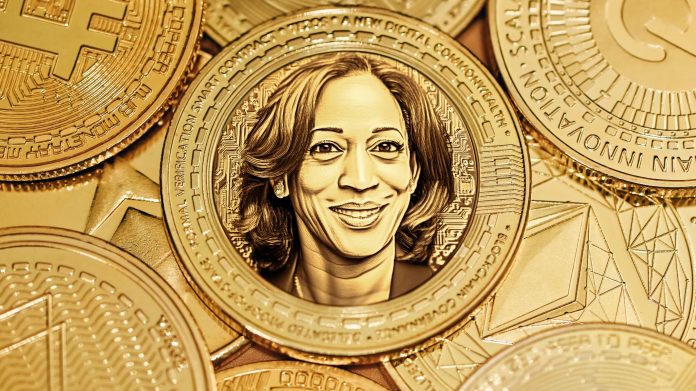
In the dynamic world of cryptocurrency, the stance of political figures can significantly influence market sentiment and regulatory landscapes. Recently, Kamala Harris, the Vice President of the United States, has hinted at a more crypto-friendly approach, a shift that could have far-reaching implications for the industry.

Harris’s signals of a friendlier stance towards cryptocurrency come at a time when the industry has expressed dissatisfaction with the current administration’s regulatory approach. This change in tone is not only a breath of fresh air for crypto enthusiasts but also a sign of potential policy shifts that could foster innovation and growth within the sector.

Coinbase’s policy chief, Faryar Shirzad, confirmed Harris’s constructive discussions on crypto, emphasizing a focus on innovation. This endorsement from a leading figure in the crypto exchange platform adds credibility to the notion that Harris’s campaign is adopting a more supportive view of the industry.

Moreover, Harris’s campaign advisor, Brian Nelson, mentioned at a Bloomberg event that the Vice President plans to back policies that ensure the growth of emerging technologies like cryptocurrency. Such statements from campaign insiders offer a glimpse into the possible future direction of Harris’s policymaking.

The “Crypto for Harris” initiative further underscores the campaign’s commitment to engaging with the crypto community. High-profile events with influential figures like Mark Cuban and Ron Conway, along with positive statements from Senate Majority Leader Chuck Schumer, indicate a ramping up of support for the crypto sector.

Vice President Kamala Harris’s stance on cryptocurrency has been a topic of much discussion and speculation. As the political climate evolves, so does the potential for new policies that could shape the future of the crypto industry. Here are some specific policies that Harris might support, based on recent statements and industry expectations.

Harris’s team has indicated a desire to provide “stable rules of the road” for the cryptocurrency industry. This could mean the introduction of clear, consistent regulations that would help businesses navigate the crypto space with better understanding and less risk. While fostering growth in the crypto sector, Harris is also expected to back policies that protect consumers. This includes safeguards against fraud, market manipulation, and other financial risks associated with digital assets.

Harris has shown interest in supporting emerging technologies. Policies under her influence might include incentives for innovation, research grants, and a supportive environment for startups and tech companies working with blockchain and cryptocurrencies. Given the global nature of cryptocurrencies, Harris might advocate for international cooperation on regulatory standards, aiming to create a cohesive framework that facilitates cross-border transactions and combats illicit activities.

To integrate cryptocurrencies into the mainstream economy, Harris might support the development of tax guidelines and reporting standards that provide clarity for both individuals and businesses dealing with crypto transactions. With the growing concern over the environmental impact of cryptocurrency mining, policies promoting sustainable practices and the use of renewable energy sources in the industry could also be on the agenda.

The political influence on the cryptocurrency market cannot be overstated. As Harris may play a pivotal role in shaping future policies, her views on cryptocurrency regulation are of keen interest to investors and market analysts alike. The potential regulatory powers of the U.S. government mean that Harris’s stance could heavily sway market behavior.

While Harris has been associated with the Biden administration’s more cautious approach to crypto, recent developments suggest a shift towards a more supportive stance. This potential change is being closely watched by investors, as it could signal a more favorable environment for cryptocurrency growth and innovation.

Kamala Harris’s evolving stance on cryptocurrency represents a significant development for the industry. It reflects a broader trend of political figures recognizing the importance of blockchain technology and its potential to revolutionize various sectors. As the political landscape continues to evolve, the crypto community will undoubtedly keep a close eye on Harris’s actions and their impact on the market.