
DD
MM
YYYY

PAGES

DD
MM
YYYY

spot_img

PAGES

Home Blog Page 2979

DOJ and Eight States Sue RealPage Over Anti-Competitive Practices that Allow Landlords Inflate Rental Prices

0

On Friday, the U.S. Department of Justice (DOJ) and eight states filed a landmark civil antitrust lawsuit against the software company RealPage, accusing it of engaging in unlawful practices that undermine competition among landlords and inflate rental prices for millions of renters.

The lawsuit, lodged in the U.S. District Court in North Carolina, alleges that RealPage has used its algorithmic tools to manipulate market forces in a manner detrimental to renters and fair market competition.

The DOJ’s complaint describes RealPage as an “algorithmic intermediary” that collects and exploits competitively sensitive information from landlords. The lawsuit contends that RealPage’s practices have allowed landlords to coordinate their pricing strategies, effectively stifling competition and leading to higher rental costs for tenants.

“RealPage allows landlords to manipulate, distort, and subvert market forces,” the complaint asserts. “In so doing, it enriches itself and compliant landlords at the expense of renters who pay inflated prices and honest businesses that would otherwise compete.”

Attorney General Merrick Garland, during a press conference on Friday, underscored the severity of the allegations: “Everybody knows the rent is too damn high, and we allege this is one of the reasons why.”

He stated that the lawsuit represents a significant step in addressing new methods of anti-competitive behavior facilitated by technology.

This lawsuit marks the first time the U.S. government has accused a company of systematically using algorithms to subvert free-market competition. Garland pointed out that antitrust laws remain relevant even as companies devise new methods to collude unlawfully.

“Antitrust law does not become obsolete simply because competitors find new ways to unlawfully act in concert,” Garland stated. “And Americans should not have to pay more in rent simply because a company has found a new way to scheme with landlords to break the law.”

The DOJ is supported in this legal action by the attorneys general of North Carolina, California, Colorado, Connecticut, Minnesota, Oregon, Tennessee, and Washington. Their joint effort highlights the broad concern about the impact of RealPage’s alleged practices on housing affordability across various states.

RealPage’s Response

RealPage, which is owned by the private equity firm Thoma Bravo, has vowed to defend itself against the accusations. The company dismissed the lawsuit as a “distraction” from broader economic issues driving inflation and called the legal action an attempt to scapegoat its technology.

“We are disappointed that, after multiple years of education and cooperation on the antitrust matters concerning RealPage, the DOJ has chosen this moment to pursue a lawsuit that seeks to scapegoat pro-competitive technology that has been used responsibly for years,” RealPage said in a statement on X (formerly Twitter).

The company maintained that its revenue management software is designed to comply with legal standards and that it has a history of cooperating with the DOJ.

The Lawsuit and Biden Administration’s Push to Lower Housing Costs

The timing of the lawsuit is notable, coming in the midst of a U.S. presidential election cycle where housing affordability has become a critical issue. Democratic presidential nominee Kamala Harris has recently unveiled an economic plan aimed at reducing rental costs, which includes measures to address collusion among landlords facilitated by price-setting tools.

The White House, while declining to comment directly on the DOJ’s lawsuit, released a statement from national economic advisor Lael Brainard. Brainard reaffirmed the administration’s commitment to addressing high rental prices, stating that “President Joe Biden and Vice President Harris know that too many Americans feel squeezed by high rents.”

She emphasized the administration’s support for vigorous enforcement of antitrust laws to prevent illegal collusion and ensure fair market practices.

President Joe Biden has emphasized the urgent need to address the rising housing costs in the United States, calling for significant investments to tackle the severe shortage of affordable homes. This shortage, which has been growing for more than a decade, was said to have been exacerbated by the previous administration’s inaction.

Earlier this year, Biden urged Congressional Republicans to break the legislative gridlock and pass measures designed to lower housing costs. His proposals include a $10,000 tax credit for first-time homebuyers and those selling their starter homes, the construction and renovation of over 2 million homes, and efforts to reduce rental costs.

In addition to these proposals, Biden announced new steps to make homebuying and refinancing more accessible by lowering closing costs and cracking down on corporate practices that exploit renters.

Earlier this month, the White House introduced a series of new initiatives aimed at boosting the construction of affordable housing units and easing the affordability crisis affecting both renters and homebuyers. These actions include $100 Million in Community Grants. This funding is intended to help communities identify and remove barriers to affordable housing production and preservation.

With housing affordability being a central issue in current political discourse, the DOJ’s lawsuit against RealPage represents a significant action supporting Biden’s administration’s push for affordable housing.

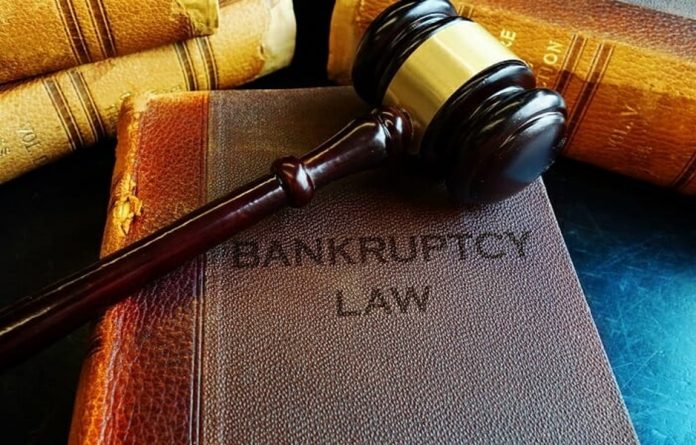
US is a More Consumer-Oriented Society

0

The United States has long been characterized as a consumer-oriented society, a concept that has evolved significantly over the past century. The roots of this consumer culture can be traced back to the early 20th century, when the notion of human beings primarily as consumers began to take shape. This was a time when the economy started to pivot from a focus on production to one that emphasized consumption as a key driver of economic growth and social progress.

The rise of consumerism in the United States was not an overnight phenomenon; it was the result of a series of historical developments that encouraged the mass of people to consume more than just the necessities of life. The late 18th century saw the beginnings of this shift in Britain, but it was in the United States, around the turn of the 20th century, that consumer culture began to flourish. The expansion of shops, the surge of mail-order shopping, and the establishment of massive department stores all contributed to a new culture of acquisition and consumption.

The transformation into a consumer society was marked by several key developments. The expansion of big business turned America into a land where timesaving and leisure commodities became widely sought after. The emergence of large department stores and chain stores offered a variety of shopping options, catering to different social classes and not just the wealthy elite. The construction of stores with higher ceilings for larger displays and the use of large sheets of plate glass for windows and countertops revolutionized the shopping experience, allowing consumers to observe a multitude of goods at a glance.

Post-World War II America witnessed an immense eruption of consumption across the industrialized world. The American consumer was often portrayed as a patriotic citizen, contributing to the success of the American way of life. Consumer spending was no longer just about satisfying material desires; it was about upholding values associated with home and family life. The federal government and the American people saw the new consumerism as a way to deemphasize class differences while stressing traditional gender roles.

The consumer culture in the United States is marked by several key features: the pursuit of happiness through acquisition and consumption, the cult of the new, the democratization of desire, and the use of money value as the predominant measure of all value in society. These features have shaped the American ethos and have had a profound impact on the global economy and culture.

Marketing and advertising played a significant role in this shift. L. Frank Baum, better known for “The Wizard of Oz,” founded the National Association of Window Trimmers in 1898, advising businesses on space usage and promotion, which highlights the importance of visual appeal in consumer culture.

The consumer culture also reached rural America, where mail-order catalogs, such as those from Sears, Roebuck & Company, allowed families to access a greater variety of products. These catalogs were considered revolutionary, offering clear pricing and an array of products that provided alternatives to the higher prices and credit purchases at small-town country stores.

Today, the United States continues to be a leading consumer-oriented society, with its influence felt worldwide. The consumer culture has been both celebrated as a driver of economic prosperity and criticized for fostering unsustainable practices and contributing to global issues such as environmental degradation and economic inequality.

As we look to the future, it is clear that the consumer-oriented society of the United States will continue to evolve. The challenge will be to balance the benefits of consumerism with the need for sustainable and equitable economic practices that serve the well-being of all citizens and the planet.

US Bankruptcy Filings at HIGHEST level since 2017

0

The recent surge in U.S. bankruptcy filings marks a significant shift in the economic landscape, reaching levels not seen since 2017. This uptick is a critical indicator of the financial stress businesses and individuals are experiencing in the current economic climate.

Bankruptcy is a legal process that provides relief to individuals and businesses overwhelmed by debt. While it can offer a fresh start, it also reflects underlying financial challenges. The common reasons for bankruptcy are multifaceted and often involve a combination of factors rather than a single cause.

Job loss or a reduction in income can lead to financial distress, especially for those living paycheck to paycheck. Without a steady income, managing existing debts becomes increasingly difficult. Unexpected medical bills can quickly accumulate, particularly for those without adequate health insurance. Even with insurance, high deductibles and out-of-pocket costs can be financially crippling.

With housing often being the largest monthly expense for families, an unaffordable mortgage can lead to financial ruin. Foreclosure not only displaces families but also severely impacts their credit and ability to secure future housing. Living beyond one’s means and accumulating debt through credit cards, loans, and other financial commitments can lead to a situation where bankruptcy is the only viable option to reset one’s financial state.

According to the Administrative Office of the U.S. Courts, bankruptcy filings have risen by 16.2 percent in the twelve-month period ending June 30, 2024, compared with the previous year. This increase is notable across both personal and business filings, with business filings seeing a substantial rise of 40.3 percent from the previous year. These figures reflect the challenges faced by the economy, including fluctuating market conditions, changes in consumer behavior, and the ongoing impact of global events.

The rise in bankruptcy filings can have a ripple effect on the economy, affecting credit markets, employment rates, and consumer spending. For businesses, filing for bankruptcy can be a strategic move to restructure debt, streamline operations, and emerge stronger. For individuals, it can provide a path to financial recovery and relief from insurmountable debts.

It’s important to note that while the numbers are the highest since 2017, they are still lower than the historical highs observed in the past decade. The peak of nearly 1.6 million filings in September 2010 stands as a testament to the resilience of the U.S. economy in recovering from financial downturns.

The data also reveals a shift in the types of bankruptcy filings. Chapter 7 filings, which involve liquidation of assets, remain the most common, but there has been an increase in Chapter 11 filings, which allow for reorganization and restructuring of debts. This suggests that many businesses are opting to restructure their operations and finances in response to the changing economic environment.

The implications of these bankruptcy filings are far-reaching. They highlight the need for robust financial planning and support for businesses and individuals alike. As the economy continues to navigate through uncertain times, the rise in bankruptcy filings serves as a reminder of the importance of adaptability and resilience in the face of financial adversity.

For a more detailed analysis of the bankruptcy filings and their impact on various sectors, one can refer to the comprehensive statistics provided by the U.S. Courts and other financial advisory firms. These resources offer valuable insights into the trends and factors influencing bankruptcy filings, helping stakeholders make informed decisions during these challenging times.

In conclusion, the increase in U.S. bankruptcy filings is a complex phenomenon with multiple underlying factors. It underscores the need for continued vigilance and strategic financial management to weather the economic storms. As history has shown, the U.S. economy has the capacity to recover and grow, even in the face of daunting challenges. The current rise in bankruptcy filings may indeed be a pivotal moment, but it also presents opportunities for renewal and growth in the long term.

Nigeria Sees 5% Growth in Smartphone Shipments in Q2 2024, Boosting Digital Access

0

In the second quarter (Q2) of 2024, Nigeria saw a 5% increase in smartphone shipments, signaling continued growth in the country’s mobile market.

This surge is attributed to several factors which include consumer demand, improved availability of affordable smartphone models, and the ongoing digital transformation across various sectors in the country.

In the broader African landscape, Canalys research disclosed that the region’s smartphone market expanded modestly by 6% amid economic headwinds. North African markets led the continent with robust double-digit growth in smartphone shipments.

Algeria experienced an impressive 52% surge, amid ongoing import challenges. This significant increase highlights the market’s resilience and growing consumer demand. Egypt also saw a strong 27% rise in shipments, fueled by local currency stabilization and the government’s initiatives to promote local manufacturing. This has attracted major brands like Xiaomi, Vivo, Samsung, and possibly Apple, as HMD is already in discussions.

In contrast, Morocco encountered a sharp 24% decline due to vendors grappling with import issues following higher customs duties imposed earlier in the year, Sub-Saharan Africa faced its own set of challenges. South Africa was the exception, achieving a 13% growth rate, influenced by the post-election political landscape, which has created both uncertainty and opportunities for reform.

Kenya, the economic hub of East Africa, saw a 22% decline in shipments, largely due to ongoing political tensions within the country. Meanwhile, Nigeria, the region’s leader in shipment volumes, posted a modest increase. This growth was dampened by persistent inflation, currency risks, sluggish GDP growth, and decreasing disposable income.

The surge in smartphone shipments across Africa reflects the growing reliance on mobile technology for communication, banking, e-commerce, and other digital services. As more Africans embrace digital platforms, the demand for smartphones, especially those with advanced features will rise.

Moreover, local and international smartphone manufacturers are increasingly focusing on the African market, offering competitively priced devices that cater to a broad range of consumers. This growth in smartphone shipments is also indicative of the broader trend where mobile penetration is expanding rapidly, driven by youthful populations and the increasing availability of mobile internet services.

In line with this growth, feature phones are reported to hold a substantial 52% share and with many opportunities for expansion for smartphones. Notably, in sub-Saharan Africa, device financing is emerging as a critical driver, making smartphones more accessible to the average consumer.

“In the near term, scaling innovative financing models like Kenya’s M-Kopa with support from smartphone vendors like HMD, telecom operators, and governments will be crucial to accelerating this transition. Over the long term, local manufacturing will be key to reducing costs. While countries like Egypt are taking the lead, other, regions are expected to follow suit. Addressing broader challenges such as consumers’ willingness to pay, digital literacy, high taxation on devices and currency fluctuations will be essential for unlocking the full potential of smartphone adoption across Africa”, the report noted.

Cardano Nears Breakout; Chainlink Shows Resilience Above $10 – Novel AI-Powered Intel Markets Stir Buzz

0

Investor confidence is gradually returning and the crypto market’s outlook is beginning to look more promising. Cardano (ADA) was at the heart of the market buzz following its attention-grabbing rally, with a breakout above $0.5 imminent. Chainlink (LINK) also shows resilience above $10, despite selling pressure.

At the same time, Intel Markets (INTL), an emerging cryptocurrency, is also in the spotlight. Its AI-powered trading platform is the talk of the crypto community and the wider financial landscape, making it a new DeFi project to keep on the radar.

Intel Markets (INTL): Stirring up Market Buzz with AI-Powered Protocol

Intel Markets (INTL), one of the latest players on the investment block, stands out for several reasons. Its AI-powered crypto trading platform has been hailed by industry experts as a trailblazer, potentially transforming the $36 billion global crypto trading market.

This cutting-edge platform is set to provide traders with unprecedented computing power, making it a strong contender. Other advanced trading tools and features like copy trading, 1,000x leverage and access to expert trades make it stand out even more.

Its novelty and anticipated adoption have been stirring quite a buzz, with investors stacking up the new coin at the current price of $0.009. Over $130,000 has been raised in the first few days of the ICO launch, hinting at confidence in its appeal. With a projected 50x gain after its launch, experts believe it is a more compelling altcoin than new ones like Cardano and Chainlink.

Cardano (ADA): Eyes $0.5

Cardano (ADA), a Layer-1 token, led in gains. It was up by over 10% on the weekly chart, suggesting rising interest. With more room for growth, retailers and whales have been bidding high, aiming to capitalize on its next burst of momentum.

The Cardano price hovers above $0.37, approaching a breakout. Set to enjoy sustained traction, especially with the anticipated launch of the Chang hard fork later this month, several bullish forecasts have been making the rounds.

According to a Cardano price prediction, a breakout above $0.5 will play out in the coming days. Flipping this level will be crucial, as it will be a significant stride toward its 2021 peak price of $3.1. Despite the over 80% decline from its ATH, experts predict a new price discovery at the peak of this bull run.

Chainlink (LINK): Targets $20 Amid Resilience

Chainlink (LINK), besides being a novel decentralized oracle network, is also one of the top coins. It re-entered the top 15 crypto standings, highlighting its growing adoption and popularity. At the start of the month, LINK traded above $13 but has since declined.

Despite rising selling pressure, the $10 support hasn’t moved an inch. Meanwhile, this resilience is expected to propel its next jump, placing it on the list of good cryptos to buy. Retailers have been showing quite a keen interest, as have whales—a wave worth riding, no doubt.

With more room for growth, a Chainlink price prediction tips it for a rally past $20 in the coming weeks. This bullish screams volumes about its potential, making the current Chainlink price a good entry point. However, this isn’t financial advice and we suggest you do your research as always.

Conclusion

While Cardano approaches a breakout above $0.5, Chainlink’s resilience is set to play a big part in its next jump. Meanwhile, Intel Markets stands out thanks to its AI-powered crypto exchange. With adoption imminent, we recommend checking out the presale to become an early adopter.


For the latest updates and information, visit the official Intel Markets Website.