DD
MM
YYYY

PAGES

DD
MM
YYYY

spot_img

PAGES

Home Blog Page 2987

Second Solana Based ETF Approved in Brazil, as Tether Mints $1B USDT on Tron

0

The Brazilian financial market has taken a significant step forward in the cryptocurrency space with the approval of a second Solana-based Exchange-Traded Fund (ETF). This move by Brazil’s securities regulator, the Comissão de Valores Mobiliários (CVM), marks a notable development in the adoption of cryptocurrency investment vehicles within the country’s regulated financial environment.

The newly approved Solana ETF is set to be launched by Hashdex, a Brazil-based asset manager, in partnership with the local investment bank BTG Pactual. This follows the earlier approval of the country’s first Solana ETF, which was offered by asset manager QR Asset and operated by administrator Vortx. The approval of these ETFs indicates a growing interest and confidence in cryptocurrency-based investments in Brazil, which could potentially lead to increased mainstream acceptance and integration of digital assets into the broader financial system.

While Brazil is showing a progressive stance towards cryptocurrency ETFs, the situation in the United States remains uncertain. Despite the initial approvals of Ethereum ETFs, which sparked optimism among industry observers, the U.S. Securities and Exchange Commission (SEC) has shown reluctance in approving Solana ETFs. In June 2024, both VanEck and 21Shares filed applications for spot Solana ETFs with the SEC, but recent events have cast doubt on the prospects of such approvals in the U.S. The Cboe Global Markets website, which had originally filed the 19b-4 forms on behalf of VanEck and 21Shares, recently removed these filings, leading to speculation about regulatory challenges facing Solana ETFs in the United States.

What sets Solana apart from other cryptocurrencies is its innovative consensus mechanism known as Proof-of-History (PoH), combined with Delegated Proof-of-Stake (DPoS). This hybrid mechanism allows for a more efficient process of validating transactions and securing the network. Proof-of-History is particularly notable for its use of timestamps to create a historical record that proves the occurrence of an event, such as a transaction, at a specific point in time. This is a departure from the traditional Proof-of-Work (PoW) system used by Bitcoin, which requires extensive computational work and energy consumption.

Solana’s architecture enables it to process transactions at an impressive speed, reportedly handling 50,000 transactions per second, which is a stark contrast to Ethereum’s current capability of processing 15 transactions per second. This high throughput is achieved without sacrificing the decentralized nature of the blockchain, which is often a challenge for other platforms seeking to increase their transaction speeds.

The SOL token, Solana’s native cryptocurrency, serves multiple purposes within the network. It is used to pay for transaction fees and for staking, which involves holding tokens in a wallet to support the network’s operations and security. The token’s utility and the platform’s performance have contributed to Solana’s growing popularity, making it a significant player in the fields of decentralized finance (DeFi), non-fungible tokens (NFTs), and decentralized applications (DApps).

The contrast between Brazil’s embrace of Solana ETFs and the U.S. SEC’s hesitancy highlights the divergent approaches to cryptocurrency regulation and acceptance across different jurisdictions. Brazil’s second approval of a Solana ETF not only consolidates its position as a leading market for regulated investments in crypto assets but also raises questions about the future of such investment vehicles in the U.S. market.

As the global financial landscape continues to evolve with the integration of digital assets, the actions of regulatory bodies like the CVM and the SEC will play a pivotal role in shaping the accessibility and growth of cryptocurrency investments. The approval of the second Solana ETF in Brazil may serve as a catalyst for other countries to consider similar measures, potentially leading to a more harmonized and supportive regulatory environment for cryptocurrencies worldwide.

Tether Mints $1B USDT on Tron Amid Launching Dirham Pegged Stablecoin

The cryptocurrency landscape is witnessing a significant event as Tether, the company behind the widely used stablecoin USDT, has minted an additional $1 billion USDT on the Tron blockchain. This move comes at a time when the crypto market is abuzz with activity, especially in the realm of memecoins.

Tether’s recent action is not just a routine operation; it is a strategic maneuver aimed at enhancing liquidity and ensuring the stablecoin’s availability across different blockchain networks. The minting of such a large amount of USDT on Tron suggests a growing demand for the stablecoin within this ecosystem, which is known for its high transaction speed and low fees.

The implications of this minting are manifold. For one, it reflects a broader trend in the crypto market where liquidity is paramount. With more USDT in circulation, traders and investors have more flexibility and can execute transactions more efficiently. This is particularly important in a market that is as volatile as the cryptocurrency market, where the ability to move funds quickly can be crucial.

Moreover, the addition of USDT to the Tron blockchain is indicative of the evolving landscape of stablecoins. As the crypto market matures, the role of stablecoins becomes increasingly important. They act as a bridge between the traditional financial world and the burgeoning crypto economy, providing a stable medium of exchange that can be used for trading, lending, and other financial activities.

The timing of this minting coincides with a surge in memecoin activity. Memecoins, which often start as internet jokes but can gain substantial followings and market capitalization, add a layer of complexity to the crypto market. They can lead to increased speculation and volatility, and having a stablecoin like USDT readily available on the same blockchain can provide a counterbalance to these forces.

Tether has announced the addition of a new stablecoin to its portfolio, this time pegged to the United Arab Emirates Dirham (AED). This strategic move is set to bolster Tether’s presence in the Middle East and provide a digital representation of the AED that is fully backed by liquid UAE-based reserves.

The global market for stablecoins is currently valued at $150 billion, with projections seeing this industry’s potential growth to $2.8 trillion by 2028. The UAE has been at the forefront of cryptocurrency adoption, driven by the establishment of the Virtual Asset Regulatory Authority, the world’s first independent crypto regulator. This favorable regulatory environment has transformed cities like Dubai and Abu Dhabi into global hubs for innovation in crypto assets and blockchain technology.

The introduction of a Dirham-pegged stablecoin is a significant development for the cryptocurrency market, especially for the UAE’s rapidly growing digital economy. It represents a commitment to adhering to Tether’s transparent and robust reserve standards, ensuring that each token’s value is tied to the AED, thereby offering stability and confidence to users.

This initiative is not just about expanding Tether’s stablecoin offerings but also about enhancing cross-border trade and remittance efficiency. The new stablecoin is expected to streamline international trade and remittances, reduce transaction fees, and provide a hedge against currency fluctuations, playing a crucial role in the financial ecosystem of the UAE and beyond.

It’s also worth noting that Tether has been expanding its presence across various blockchains, not just Tron. This multi-chain approach allows Tether to cater to a diverse range of users and applications, from decentralized finance (DeFi) to payments and beyond. The recent launch of USDT on the Aptos blockchain, for instance, is part of Tether’s ongoing efforts to improve accessibility and reduce transaction costs for users.

As the crypto market continues to evolve, the role of stablecoins like USDT will likely become even more critical. They provide a foundation for the market’s liquidity and stability, enabling other cryptocurrencies to thrive. Tether’s minting of $1 billion USDT on the Tron blockchain is a testament to the company’s commitment to supporting the crypto ecosystem and its diverse range of participants.

For investors and market observers, these developments are a reminder of the dynamic nature of the cryptocurrency market. As stablecoins continue to play a pivotal role, it will be interesting to see how their influence shapes the future of digital assets and blockchain technology. The minting of USDT on Tron is not just a singular event but a part of the ongoing narrative of crypto’s growth and its potential to transform the financial landscape.

Nigeria to Launch IPv6 Protocol to Enhance Internet Security and Economic Growth

0

Nigeria is on the brink of a significant digital transformation as the Federal Government prepares to launch the latest version of Internet Protocol, known as IPv6. This move is set to redefine how internet users and their devices are identified, numbered, and tracked across the country, heralding a new era of enhanced cybersecurity and digital infrastructure.

This ambitious initiative was unveiled at the IPv6 Driven Digital Summit, an event that has brought together key stakeholders in Nigeria’s technology sector. The summit was organized by the National Information Technology Development Agency (NITDA) in partnership with global tech giant Huawei, the IPv6 Forum, and the IPv6 Council of Nigeria. The theme, “Bringing Net 5.5G Into Reality: Inspiring New Growth,” encapsulates the forward-looking vision of Nigeria’s digital future.

Dr. Bosun Tijani, Nigeria’s Minister of Communications, Innovation and Digital Economy, articulated the significance of this transition. He explained that the adoption of IPv6 is not just a technical upgrade but a strategic advancement that positions Nigeria among the leading African nations embracing cutting-edge digital protocols.

“With the adoption of IPv6, network providers in Nigeria can now offer more reliable services while enhancing the security of online transactions,” Dr. Tijani remarked

Strengthening Cybersecurity in a Digital Age

In a world where cyber threats are increasingly sophisticated, Nigeria’s shift to IPv6 is believed to be a timely intervention. The new protocol is designed to bring about a radical improvement in the management and security of internet traffic. For a country grappling with the challenges of cybercrime, IPv6 offers a much-needed tool to bolster national cybersecurity efforts.

Dr. Tijani highlighted the protocol’s ability to unmask cybercriminals, making it easier for authorities to track and monitor online activities.

“This is the standard used globally, but only a few countries like the U.S., France, Saudi Arabia, and United Arab Emirates are on IPv6; others are trying to catch up,” he noted.

With IPv6, Nigeria will be better equipped to create a safer digital environment, protecting both citizens and businesses from the growing threats of cyberattacks.

Unlocking Economic Potential

Beyond its security benefits, IPv6 is also a gateway to economic growth. Malam Kashifu Inuwa, Director-General of NITDA, shed light on the economic implications of this digital upgrade. He cited research from Roland Berger, a global consultancy firm, which suggests that the global market potential unlocked by IPv6 could reach an astounding $10 trillion.

The economic opportunities are vast, particularly as Nigeria continues to integrate with the global digital economy. Inuwa pointed out that most existing devices are already compatible with IPv6, which means that the migration process will be less about overhauling infrastructure and more about implementing strategic policies to ensure compliance.

“This migration to IPv6 is expected to open new economic opportunities and strengthen Nigeria’s cybersecurity posture,” Inuwa explained.

Building the Digital Backbone

As Nigeria embraces IPv6, the government is also making strides in ensuring that the country’s digital infrastructure is robust enough to support this new protocol. The Nigerian Communications Satellite (NigComSat) is at the forefront of these efforts, with plans to replace the aging NIGCOMSAT-1R satellite by 2026. This move is critical to maintaining uninterrupted internet coverage and supporting the growing demands of Nigeria’s digital ecosystem.

In a bid to bridge the digital divide, NigComSat has also partnered with Hotspot Network Limited to extend internet connectivity to rural communities. This collaboration is a key part of Nigeria’s broader strategy to ensure that all citizens, regardless of their location, have access to reliable and affordable internet services. By enhancing connectivity in underserved areas, the government is laying the groundwork for a more inclusive digital economy, where opportunities are accessible to all.

Many believe Nigeria’s transition to IPv6 marks the beginning of a new chapter in the country’s digital journey. It is a move that not only aligns Nigeria with global standards but also sets the stage for the nation to play a more prominent role in the global digital economy.

However, experts have advised the government to build the infrastructure needed to support this transition, so that the benefits of IPv6 will extend far beyond the tech sector, influencing everything from cybersecurity to economic growth.

Nigeria’s National Passports Adjust to New Pricing, Post Naira Floating

0

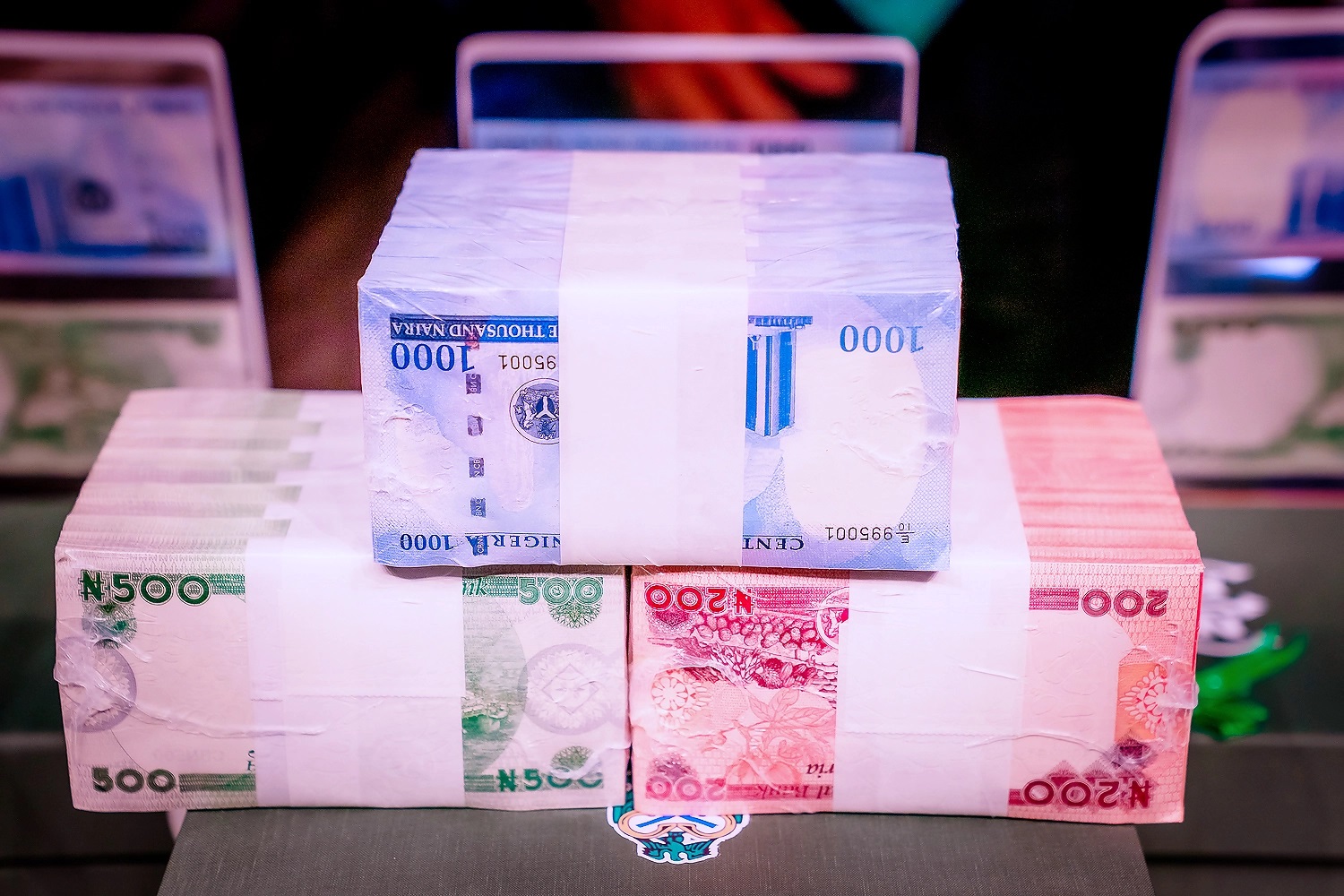
Very revealing – the Nigerian nation is updating the price of the international passport of its citizens as Naira deterioration makes that a necessity: “In a significant policy shift, the Federal Government of Nigeria has officially announced an upward revision of passport fees for citizens residing within the country, set to take effect on September 1, 2024. Under the new pricing structure, the cost of obtaining a 32-page passport booklet with a 5-year validity will rise from N35,000 to N50,000. Similarly, the fee for a 64-page passport booklet with a 10-year validity will increase from N70,000 to N100,000.”

Yes, the Nigerian passport is an imported product (the core raw material is not made in Nigeria), and even though those OUTSIDE Nigeria will not see any change in their US dollar prices, those in the country will pay more NAIRA considering that Naira has lost value.

Hope people will not sue the country in the same way we have been suing DStv and other brands.  But here is the deal, tapping an African proverb: when a bird flies from the ground and perches on the ant-hill, it is still very much on the ground. By devaluing the Naira, even the Nigerian nation will need more Naira to run its business.

Nigeria Increases Passport Fees, Effective September 2024

Kenyan HR And Payroll Startup Workpay Raises $5 Million in Series A Funding Round

0

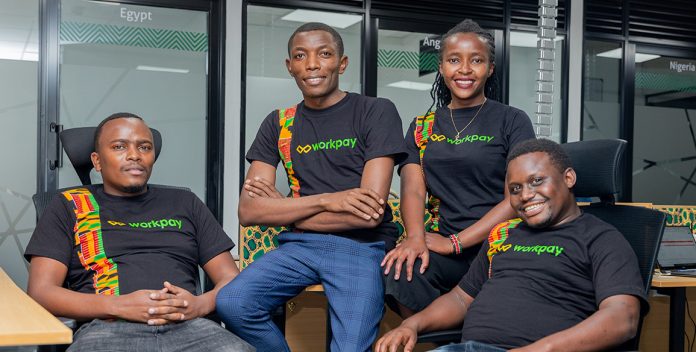
Kenyan HR and Payroll startup Workpay, has successfully raised $5 million in a series A funding round led by pan-African venture capital firm Norrsken22, with new participation from global payments giant Visa.

The round also saw participation from a bunch of current investors which includes; Y Combinator, Saviu Ventures, Axian, Plug n Play, Verod-Kepple Africa Ventures, and Acadian Ventures. 

This investment marks a significant milestone for Workpay, as it aims to expand its operations and enhance its platform, which provides businesses across Africa with solutions for managing payroll, HR, and employee benefits.

The company’s CEO Paul Kimani said the new funding will be used to expand its financial services offering (exploring new products to enhance how employers and employees interact with salaries), advance its performance management tools with AI to improve how businesses manage their teams and continue to grow its workforce. 

In his words,

“The shift in customer needs has pushed us to expand our product from being a solid payroll solution to offering a more full-stack HR service. We’ve also noticed an opportunity to layer financial services on top of our HR offerings. Since companies already use us to pay their employees, we can now provide added services like medical and vehicle insurance and even partner with providers for lending, savings, and investment options. This way, we offer a more comprehensive solution that meets the broader needs of our customers and their employees.”

Notably, Kimani, who co-founded Workpay with Jackson Kungu (COO), sees a big opportunity for market leadership in Africa, having built the tech and non-tech infrastructure to enable it to scale.

“On the tech side, we have integrated with nearly everyone who is processing payments to allow us to send money to as many countries in Africa as possible. Non-tech means we have established a presence in these countries, and have partners that allow us to be compliant, which is very important,” he said.

Workday, an HR and payroll startup founded by Paul Kimani in 2019, has been experiencing significant growth and expansion since its inception. The company offers cloud-based tools for payroll, HR management, compliance, and employee benefits, allowing businesses to streamline these processes across Africa. Since 2021, Workpay has been doubling its revenue every year, as well as the number of its customers, which has seen the startup help over 700 companies and processed more than $200 million in payroll annually.

The recent funding round follows a $2.7 million pre-Series A round last year, which the company said will be used to roll out operations in 40 countries. Workpay’s rapid growth is supported by investments from prominent backers, including Y Combinator and several venture capital firms.

The startup expansion strategy highlights the increasing demand for HR tech solutions across Africa, especially as remote work and cross-border employment become more common. With its ambitious plans and strong financial backing, Workpay is well-positioned to continue leading the HR tech space in Africa.

In-Depth EssayService Review: Top Writers, One-Page Abstract and More

0

Navigating college isn’t just about making friends or finding your way around campus; it’s also about tackling those tough academic challenges. That’s where EssayService can be useful. The service is known for its dependable help and a professional team of writers. It has been a go-to for students needing a boost with their essays and research papers and a tried and tested ally in the academic arena.

In academic support, EssayService stands tall with a solid reputation for quality and reliability. It has garnered a loyal base of students who swear by its services. In this in-depth Essay Service review, we’ll peel back the layers to see if it really stands up to the hype and explore its new one-page abstract feature. Stick with me as we dive into what makes EssayService a favorite among students.

EssayService One-Page Abstract Feature Review

Let’s talk about a tool that could seriously up your academic game: EssayService’s brand-new one-page abstract feature. Think of this as your academic cliff notes, providing a crisp, concise summary of your paper’s main points and objectives right up front. This isn’t just about saving you a bit of reading time; it’s about enhancing your entire approach to academic tasks.

Why is this one-page abstract so cool? For starters, it distills the essence of your work into a single page. This means you get the core information without wading through pages of detail—perfect for review sessions or when you need to reference key points quickly. Plus, it helps clarify complex ideas, making it easier for you to grasp and communicate the main themes and arguments of your research.

But the benefits don’t stop there. This feature also makes your work pop! A well-crafted abstract can elevate your paper, giving it a professional polish that stands out in a pile of academic documents.

And guess what? Students who’ve used this feature are loving it. They’re raving about how the abstracts help when they are trying to impress professors and just keep your work organized. Try out the one-page abstract on your next paper and see just how much it enhances your understanding and presentation.

Simplified Order Process at EssayService

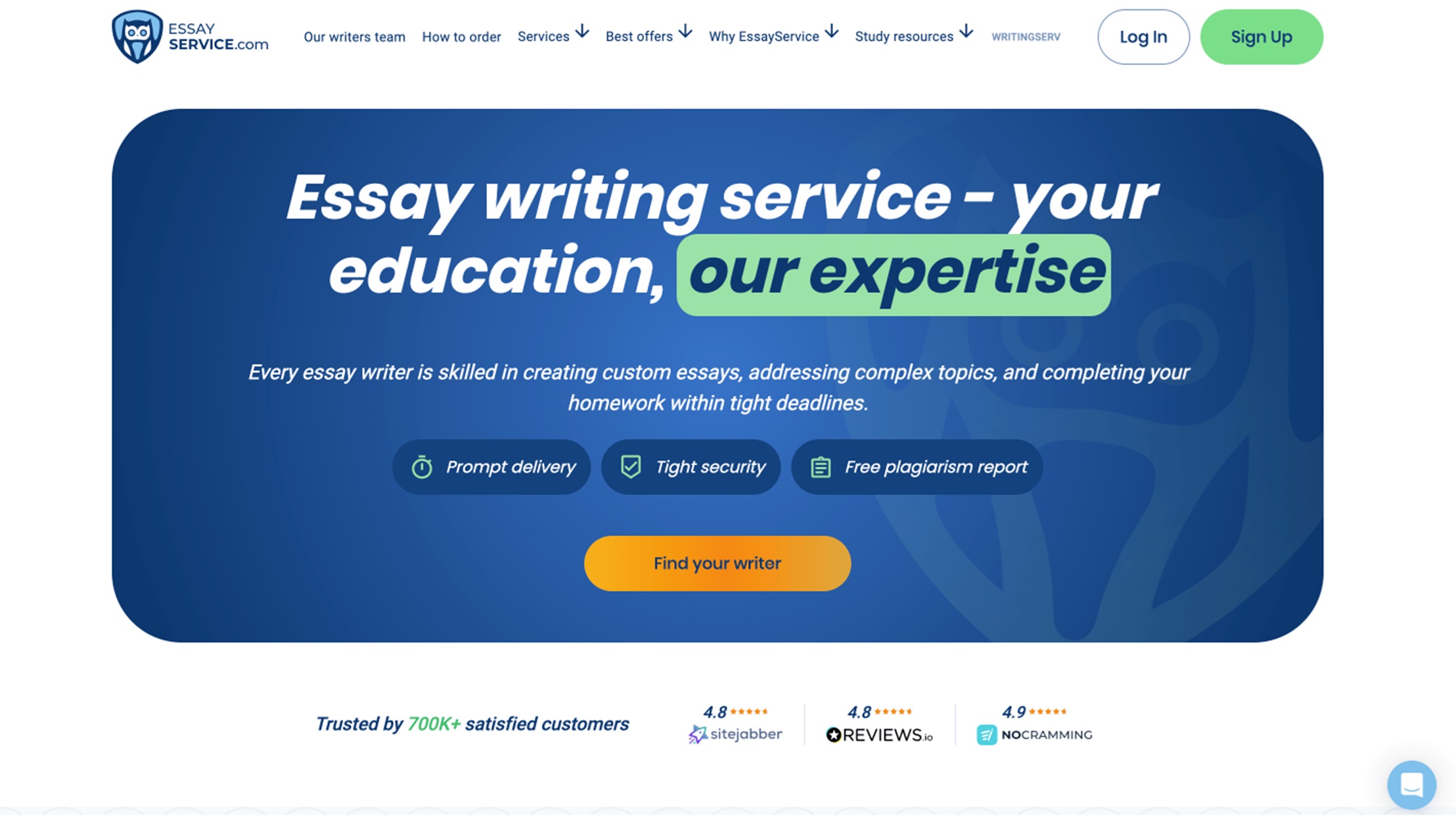
Let’s dive into just how EssayService makes life easier for students from the moment they land on the website. It’s not just about having a bunch of academic services; it’s about making them accessible. And on this front, EssayService truly excels. The website sports a clean, intuitive design that’s a breeze for anyone to navigate—even if it’s your first time visiting.

What makes the EssayService site stand out? First off, placing an order is as quick as you’d hope. Thanks to straightforward menus and a smart layout, you can find what you need right away. Even better, the order process itself is streamlined to perfection. You simply enter your requirements, and you’re on your way to getting professional help. This means less time clicking around and more time focusing on what really matters—your studies.

The website is also designed to be fast and responsive, ensuring that you won’t have to wait for pages to load. Whether you’re on a desktop at home or on your phone between classes, EssayService’s platform adjusts smoothly for a hassle-free experience every time.

The Skilled Writers Behind EssayService

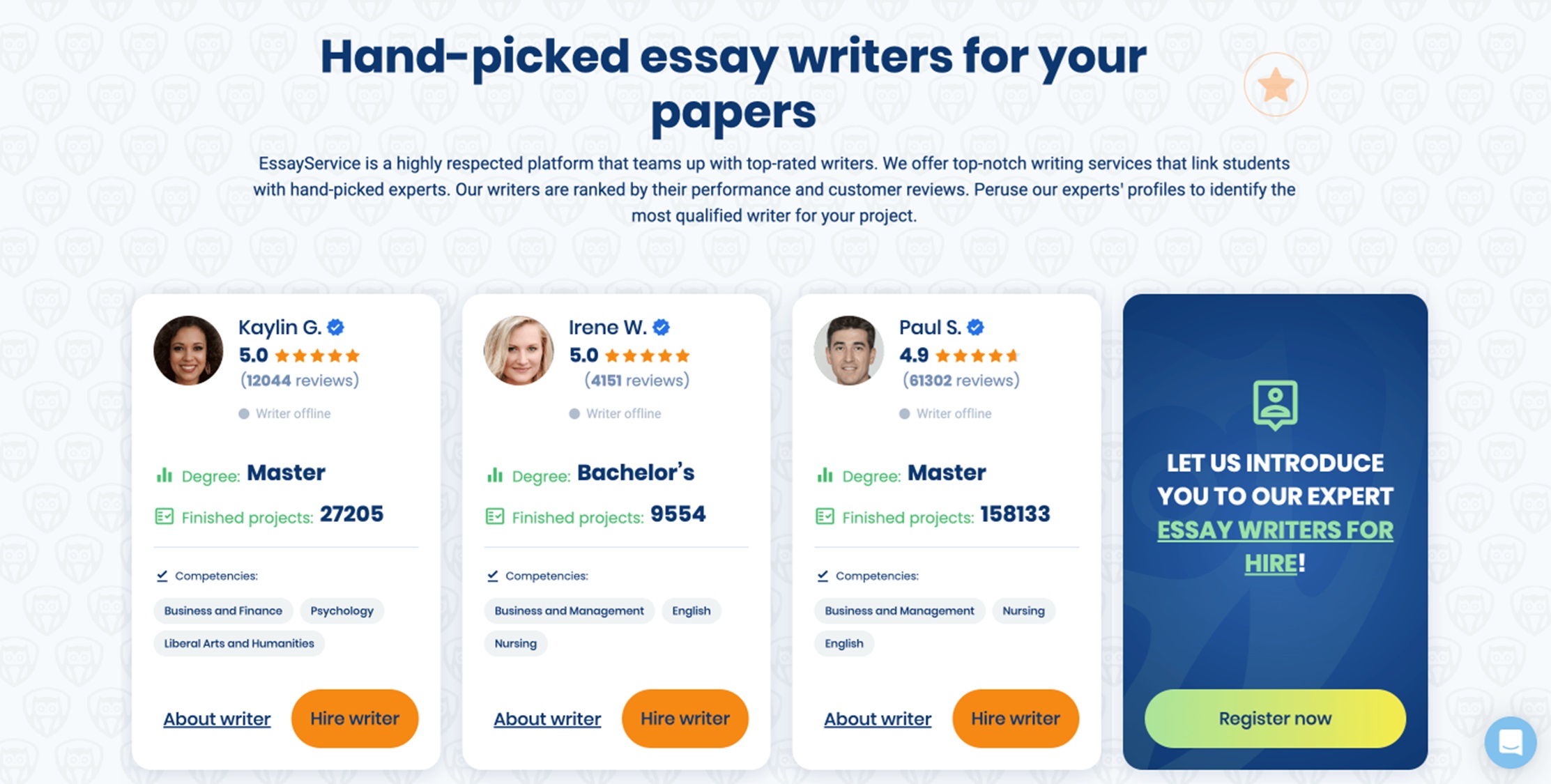
At the heart of EssayService’s reliable reputation are its top-tier writers—true professionals who bring a wealth of knowledge and expertise to every assignment they tackle. These aren’t just any writers; each one is a seasoned expert, specialized in various academic fields, ensuring that no matter the subject, there’s someone perfectly suited to handle your paper.

Every piece of work they deliver is high-quality and entirely original. There’s no AI in sight here; every word is human-written, tailored to meet your specific needs and backed by thorough research. Plus, you can rest easy knowing that all content is 100% plagiarism-free and crafted to uphold the highest academic standards.

This commitment to excellence is what makes EssayService stand out in a crowded field. Their writers don’t just write; they produce meticulously crafted papers that reflect deep understanding and critical analysis. Whether it’s a quick essay or a complex research paper, you can trust that the work from EssayService’s writers will enhance your academic journey and help pave your path to success.

Pricing Review: Is It Affordable?

Let’s talk money because the budget is a big deal when you’re a student. One of the most impressive aspects of EssayService is how it manages to offer some of the most competitive prices in the industry. It’s not just about being affordable; it’s about making sure you get top-notch work without the stress of overstretching your wallet.

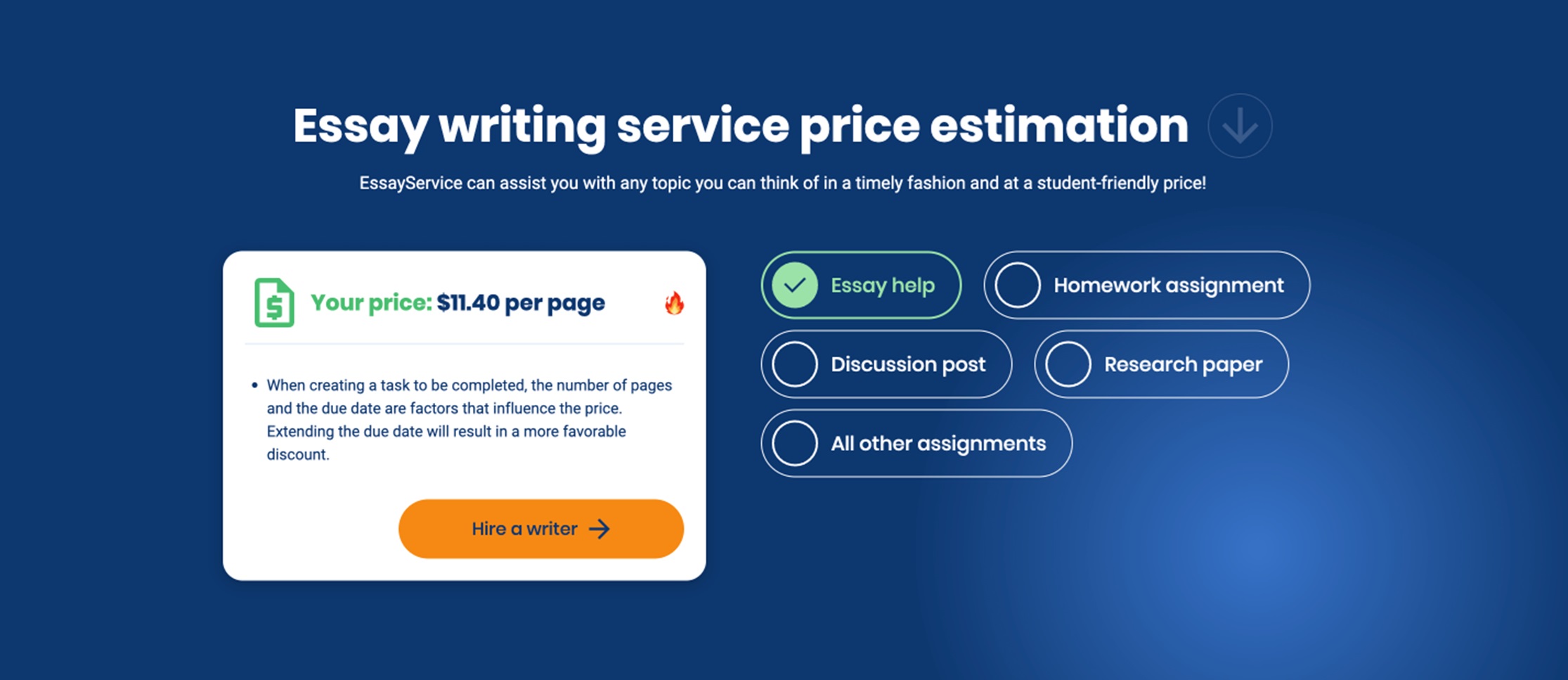
For example, imagine needing a standard essay. At EssayService, you could get this done at a price significantly lower than many other services. How does a high-quality college essay for just $11.4 sound? Compared to prices upwards of $20 elsewhere, it’s a no-brainer. But it’s not just about low costs. EssayService also rolls out regular discounts and special offers, making their services even more accessible to students who are watching every dollar.

The combination of affordable rates, regular discounts, and occasional special offers truly makes EssayService stand out. The team understands that students need high-quality academic support but also need to keep their spending in check.

Conclusion: Does EssayService Really Deliver?

So, what’s the final word on EssayService? After putting its performance through its paces, it’s clear the service is not just another academic help site. It really stands out for its exceptional quality. The order I placed was not only completed on time but also crafted to perfection, showcasing deep research and flawless writing that exceeded my high expectations.

And if you’re still on the fence, you should definitely check out its innovative one-page abstract feature. It’s a fantastic way to see the caliber of work EssayService can deliver quickly. This feature provides a concise yet thorough summary of the main points and analysis of your topic, offering a snapshot of what the full service can offer.

In a nutshell, EssayService isn’t just reliable; it’s a standout choice for any student looking to boost their academic performance. The combination of expert writers, user-friendly service, and value for money makes it a top pick. Give that one-page abstract a try—it might just be the game-changer you need to elevate your studies and manage your workload more effectively.