DD
MM
YYYY

PAGES

DD
MM
YYYY

spot_img

PAGES

Home Blog Page 3000

How To Stabilize Naira And Fix Investment Challenges in Nigeria within 24 Hours

1

 “Minister of Trade and Investments, Doris UzokaAnite, highlighted in February this year that direct engagements with foreign investors have resulted in substantial interest and commitments totalling USD 30 billion since Tinubu’s inauguration. Despite these commitments, actual investments have yet to materialize due to investor apprehension over the forex market’s instability.” –  Private Equity and Venture Capital Association of Nigeria (PEVCA) .

In the last 18 months, the big ticket fundraises have dried up in the Nigerian startup universe; external settlement, remittance, and general cross-border operating firms are exceptions.  When you ask the global investors, they drop this line: I know the exchange rate I am coming in, but I am not confident what it would be when I need to take the funds out of Nigeria.

Largely, the exchange rate volatility is a big problem. That is the reason why most of the investment commitments are not coming through in the nation. So, what do we do? I have three points:

#1. Nigeria should understand that the Naira exchange rate volatility is more injurious to the economy than the actual exchange rate. In other words, that Naira moves like a pendulum, oscillating week-in and week-out, causes more confusion than what it is exchanging against USD, Euro or GBP. 

#2. While Naira has attained near parity between the black and official rates with the official rate being the NAFEX rate, it is largely immaterial as before the float, many did not see that as a big problem. That the black and official rare are the closer does not remove the fact that their consistent changes are harmful to long-term plans in boardrooms. 

#3. Nigeria should prioritize making the Naira stable, over fighting to reduce the exchange rate. For that I have two suggestions:

  1. Make the exchange rate to be N1,200/$ or whatever you desire.
  2. Make it illegal for anyone in any place and in any form to exchange above 1,203/$ in Nigeria. This is the Chinese model; they pegged Yuan against USD, and have a system where the exchange rate is uniform, from hotels to banks and airports. If Nigeria can do that, arbitrage will go and Naira will breathe because roundtripping will disappear.

The major economic challenge in the nation today is the volatility of the Naira. Interestingly, Nigeria can solve that problem within 24 hours, and bring calm in the economy.

Nigeria’s B2B Payment Platform Waza, Emerges From Stealth, Raises $8 Million to Fund Market Expansion

0

Waza, a Nigerian Y Combinator-backed B2B payment and liquidity platform has secured $8 million in equity and debt funding to expand into new markets.

This significant capital injection is expected to bolster Waza’s efforts in expanding its operations and enhancing its platform, which is designed to streamline business-to-business transactions across Africa.

The funding round includes a $3 million seed equity round from investors such as Y Combinator, Norrsken Africa, Heirloom VC, Byld Ventures, Plug and Play Tech Center, and Olive Tree Capital, along with $5 million in debt funding from Timon Capital to pilot trade financing for large enterprise clients.

Speaking on the fund raised, CEO and Co-founder of Waza Maxwell Obi expressed excitement, stating that this development brings the startup closer to transforming B2B payments and access to liquidity for businesses across the African continent.

“By providing a more efficient settlement infrastructure, we are bridging the foreign exchange and liquidity gap and empowering African businesses to access more global trade opportunities that will drive economic growth and development in the markets we serve”, he added.

With emerging economies facing trade deficits which have caused demand for dollars, this challenge is majorly felt in Africa due to a shortage of tech solutions addressing the liquidity needs of large enterprises and multinationals. Waza which began operations in January 2023, aims to solve this challenge and make its mark in the global payments market starting with Africa. The startup claims to make it easier for African businesses and traders to manage and pay their suppliers globally.

In its first month, Waza’s total payment volume amounted to $280,000, co-founder and CEO Maxwell Obi told TechCrunch. In May, the fintech processed up to $70 million in monthly payment volume, translating to $700 million in annualized transaction volume, he added. The CEO also disclosed that Waza’s transaction volumes and revenues, which come from FX spread and a 0.75% to 1% take rate, are growing by an average of 20% monthly.

The startup facilitates business payments and liquidity management across six continents for hundreds of clients, cutting across three categories with different needs. It currently aims to target a $7 trillion market with the potential to generate $250 billion in revenue.

According to CEO Obi, Waza’s competitive edge lies in its ability to offer both affordability and speed in settlements, which are crucial factors for businesses engaged in international trade.

He said,

“Cross-border payments in the context of trade is for businesses to pay their suppliers fast and expect the product to come quickly as exchange rate plays a part in how much they make. So our value proposition has always been on affordability and speed of settlement. We also have much more control of our payment infrastructure versus the competition out there. It’s why we’re able to be a cheaper option out there in the market, and that’s how we’ve been able to corner our customers so far”.

The emergence of Waza marks an important step in the evolution of the B2B sector, as the platform seeks to address key challenges in business operations and drive efficiency in the African marketplace.

Dubai’s Progressive Stance on Cryptocurrency as Salary

0

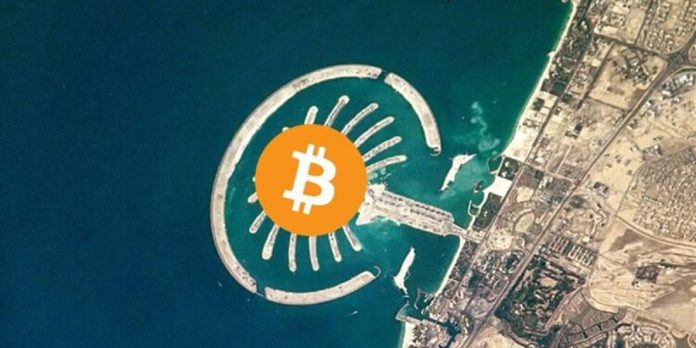
In a groundbreaking decision that marks a significant shift in the legal treatment of digital currencies, the Dubai Court of First Instance has set a precedent by ruling in favor of cryptocurrency as a legitimate form of salary payment. This ruling comes as a response to a case where an employee’s contract stipulated payment in both fiat currency and EcoWatt tokens, a form of cryptocurrency. The court’s decision enforces the employer’s obligation to honor the contractual agreement, thereby acknowledging the enforceability of cryptocurrency payments under employment contracts.

The recent ruling represents a notable evolution from a previous judgment by the same court in 2023, where a similar claim involving cryptocurrency was denied due to the lack of a precise valuation of the digital currency. The 2024 ruling, however, reflects a progressive approach to integrating digital currencies into UAE law, emphasizing the importance of clear and precise contractual terms. This ensures that both traditional and digital forms of payment are adequately addressed in employment agreements.

Implications for Employers and Employees

For employers, these ruling underscores the necessity of defining clear terms regarding salary payments in contracts, especially when dealing with cryptocurrencies. It sets a legal precedent that could influence future contractual negotiations and dispute resolutions. For employees, it provides a sense of security and validation that their agreed-upon compensation, if it includes cryptocurrency, will be supported by the legal system.

Dubai has been at the forefront of blockchain technology adoption, with initiatives like the Blockchain Strategy launched in 2016. The city’s favorable tax regulations and booming venture capital investment scene have made it a hub for crypto projects. Companies like Binance, OKX, and Crypto.com have a significant presence in Dubai and have been known to pay their employees in crypto.

The court’s disposition is particularly noteworthy for its recognition and enforcement of cryptocurrency as a valid form of remuneration in the emirate. This decision reinforces Dubai’s commitment to adapting to the changing financial landscape and integrating cryptocurrencies into business practices.

The landscape of salary payments is evolving with the integration of cryptocurrency, a trend that is gaining momentum across various countries. Following Dubai’s legal endorsement of cryptocurrency for salary payments, several other nations have also taken steps to accommodate digital currencies within their payment systems.

Switzerland, known for its financial innovation, does not tax individuals on cryptocurrency profits, creating a favorable environment for crypto transactions. Singapore, another financial hub, offers a tax-friendly approach to cryptocurrencies, exempting specific tokens from taxes for individuals.

Portugal stands out as a particularly crypto-friendly country, with no capital gains tax on cryptocurrency held for over a year, encouraging long-term investment in digital assets. Slovenia and Malta also offer supportive regulatory environments, with no capital gains tax for individuals in Slovenia and favorable conditions in Malta.

Canada and Germany are recognized for their positive stance towards cryptocurrencies, providing a supportive regulatory framework for digital currency transactions. The Netherlands and Luxembourg share this approach, fostering a conducive atmosphere for cryptocurrency innovation.

El Salvador has taken a pioneering role by classifying Bitcoin as legal tender, a bold move that underscores its commitment to embracing the digital currency revolution. The Bahamas and Turkey are also emerging as crypto-friendly destinations with their open-minded regulatory policies.

The Dubai Court of First Instance’s ruling is a significant step forward in the legal recognition of cryptocurrency. It highlights the UAE’s progressive approach to digital currencies and sets a precedent for other jurisdictions to consider. As the world increasingly embraces cryptocurrency, decisions like this one from Dubai’s legal system demonstrate a willingness to adapt and provide clarity in the evolving financial ecosystem.

The Dubai court’s ruling is a landmark decision that could pave the way for broader acceptance and integration of cryptocurrency in salary payments worldwide. It reflects the emirate’s innovative spirit and its dedication to remaining at the cutting edge of technological and financial advancements. As the legal frameworks continue to evolve, Dubai’s approach offers a model for other nations to follow in accommodating the dynamic nature of digital currencies in the global economy.

BRICS Will Invite Palestine to Attend Summit in Russia, as American Airlines Suspends Flights to Israel Until April 2025

0

The BRICS alliance, representing Brazil, Russia, India, China, and South Africa, has been a significant force in international relations, focusing on economic, political, and regional cooperation. The recent news that Palestine may be invited to attend the BRICS summit in Russia is a development of considerable interest in the geopolitical landscape.

Palestine’s potential participation comes at a time of heightened tensions and complex diplomatic maneuvers in the region. The invitation, as reported, would allow Palestine to attend the summit under an ‘outreach’ format, which could provide a platform for Palestine to express its perspectives and engage with the BRICS nations on various issues, including economic development and political recognition.

This move by BRICS could be seen as an extension of the group’s influence and a gesture of solidarity with Palestine, reflecting BRICS’ growing role in global governance and its members’ willingness to engage with states and territories seeking international support and recognition. The summit, scheduled to be held in Kazan, Russia, in October 2024, represents an opportunity for BRICS to address not only economic and trade issues but also to delve into more sensitive political matters that have global implications.

The invitation of Palestine to attend the BRICS summit in Russia could have a multifaceted impact on Israel-Palestine relations. On one hand, it may be perceived as an acknowledgment of Palestine’s political stance and aspirations on the international stage. This could potentially bolster Palestine’s confidence in pursuing its objectives through diplomatic channels.

On the other hand, Israel may view this invitation as a challenge to its own diplomatic positions, especially if the BRICS nations express solidarity with Palestine. The BRICS bloc’s previous condemnation of the war on Gaza and calls for the cessation of hostilities indicate a collective stance that could influence the dynamics of Israel-Palestine relations.

Furthermore, the BRICS summit’s focus on direct negotiations between Israel and Palestine, based on international law and the Arab Peace Initiative, suggests a push for renewed dialogue towards a two-state solution. This could introduce new avenues for conflict resolution, although it remains to be seen how both Israel and Palestine will respond to these developments.

Overall, the BRICS invitation to Palestine is a significant diplomatic gesture that could either facilitate a new phase of engagement or exacerbate existing tensions, depending on the subsequent actions and reactions of the involved parties. The global community will be closely observing the outcomes of this engagement and its implications for peace and stability in the region.

The inclusion of Palestine in the BRICS summit could also signify a shift in the international community’s approach to the Palestinian-Israeli conflict, potentially paving the way for more inclusive discussions that take into account the aspirations and concerns of both parties involved. It is a development that underscores the importance of dialogue and diplomacy in addressing long-standing conflicts and the role of emerging powers in shaping the future of international relations.

As the BRICS alliance continues to evolve, its engagement with Palestine may offer insights into the changing dynamics of global power structures and the possibilities for cooperation and conflict resolution in the 21st century. The world will be watching closely as the BRICS summit approaches, anticipating the outcomes of this significant gathering and its impact on the geopolitical stage.

American Airlines Suspends Flights to Israel Until April 2025

In a significant move amidst escalating regional tensions, American Airlines has announced the suspension of its flights to and from Israel until April 2025. This decision comes as a response to the ongoing instability in the region, which has seen a dramatic increase in violence since the outbreak of the Iron Swords War in October last year.

The suspension by American Airlines follows a trend among major airlines, with 20 other carriers having ceased operations to Israel. The airline’s decision to extend the suspension until April 2025 is indicative of the serious concerns regarding safety and security in the airspace surrounding Israel. This prolonged absence from one of the Middle East’s key destinations reflects the complexities airlines face in navigating geopolitical conflicts.

The Lufthansa Group, which includes carriers such as Austrian Airlines, Lufthansa, Eurowings, Swiss, and Brussels Airlines, has halted flights to various cities in the Middle East, including Tel Aviv, until mid-August based on security analyses. Other airlines that have suspended flights include Air India, which has paused operations until late October, and a European budget airline that had to cancel flights as tensions escalated.

A comprehensive guide detailing the flight cancellations to Israel reveals that over twenty airlines have made such decisions amid the Iranian threats of retaliation. United Airlines and Delta have canceled flights until the end of August, while Air Europa and the Italian airline ITA have suspended flights until mid-August. Spanish airlines like Iberia Express and Vueling have also canceled flights for the coming weeks.

American Airlines had initially planned to resume flights at the end of October 2024, but the continued unrest has forced a reassessment of their operations. The airline has been more cautious than its main competitors, Delta Air Lines and United Airlines, both of which had resumed and then again canceled flights to Tel Aviv in response to the latest flare-up of tensions.

The impact of such suspensions on global travel and commerce is significant. Israel, known for its vibrant economy and as a hub for international business and tourism, is facing isolation due to the lack of air connectivity. This not only affects the Israeli economy but also travelers and businesses worldwide that rely on these connections.

For passengers affected by the suspension, American Airlines has offered flexibility, allowing customers to rebook without a fee or cancel for a refund. The airline has emphasized its commitment to working closely with partner airlines to assist customers traveling between Israel and European cities with service to the US.

Travelers are advised to stay in close contact with their airlines for the latest updates and to explore all available options, including connecting flights through countries not affected by the suspensions. The situation remains fluid, and airlines are continuously assessing the security conditions to determine when they can safely resume full operations to Israel.

The situation has left many travelers looking for alternative routes and has had a significant impact on international travel and commerce. Airlines are closely monitoring the situation, hoping for stability that would allow them to safely resume flights. Passengers affected by these cancellations are advised to stay updated with their respective airlines for the latest information and assistance.

How to Choose the Perfect Live Casino in Slovenia

0
Slovenian live casino

Slovenia live casinos have become very popular among punters due to the exciting and involving experience they provide, spanning the gap between a real casino and an online user. A player at Sloterman.si enjoys the feel of real-time activity with live dealers, all from the comfort of their homes. The appeal is actually based on this mix of state-of-the-art technology and an almost authentic casino atmosphere that these platforms offer. Knowledge of what brings more attention to them in Slovenia is essential for any gambling enthusiast whose demand for live casinos is going through the roof.

Understanding Slovenian Gambling Regulations

The safety and enjoyment relies on the nicety around which the legal landscape of gambling in Slovenia is negotiated. In a very regimented manner, the regime of gambling laws in Slovenia takes charge of the gamers by assuring them of safe play. In this country, platform services are offered legally only by licensed operators.

A licensed casino must adhere to the country’s very stringent regulatory framework. If you pick a licensed site, you will rest assured that the platform shall at least meet the Slovenian standards, and more importantly, your rights as a player will be preserved. Before playing games at a live casino, make sure it has obtained a valid licence from the Slovenian authorities.

Key Features to Look for in a Slovenian Casino

A live platform should depict the classics of blackjack, roulette, and baccarat with modern twists and game shows. Next up is the software provider. Top companies like Evolution Gaming and NetEnt make sure the video quality is going to be great; the gameplay is smooth, and most importantly, fair. Finally, user experience does matter. It needs to be intuitive, responsive, and cross-device, giving you a chance to enjoy your favourite games without much hustle.

Customer Support in Live Platforms Accepting Players From Slovenia: Quality and Availability

Customer support is the heart of every good and reliable platform. The best casinos in Slovenia have super-fast and efficient customer support, which handles all the member’s questions and complaints in a good time. Look for the platforms that offer 24/7 support in the shape of chat, email, and telephone.

Quality support is important and can make all the difference between a positive or negative gambling experience, more so when you face technical challenges or have problems related to payments and bonus terms. Consider sites with excellent track records of customer service.

Live casinos in Slovenia present an engaging method of playing gambling in the comfort of your home. However, selecting the right platform means you need to take into consideration a bunch of factors.

A focus on all these features would, for yourself, result in a live casino experience in Slovenia like never before, bringing joy to you and providing a safe and delightful gaming environment.