DD
MM
YYYY

PAGES

DD
MM
YYYY

spot_img

PAGES

Home Blog Page 3003

Germany’s Deutsche Bahn Approves Freight Subsidy Sale as the Country plans tighter rules for Social Welfare Benefit

0

In a landmark decision that marks a significant shift in strategy, Deutsche Bahn AG, the German railway company, has approved the sale of its logistics subsidiary, DB Schenker, to the Danish transport and logistics group DSV. This move, valued at an enterprise value of 14.3 billion euros, is not just a financial transaction but a strategic realignment towards enhancing the core operations of Deutsche Bahn.

The sale, which is expected to be completed by 2025 pending regulatory approvals, represents a pivotal moment for Deutsche Bahn. The company is refocusing its efforts on the modernization of rail infrastructure and the promotion of climate-friendly passenger and freight transport within Germany and across Europe. This decision aligns with the broader European commitment to sustainable development and the reduction of carbon emissions.

The Integrated Rail System is the backbone of Deutsche Bahn, encompassing passenger transport activities within Germany, rail freight transport, and the rail infrastructure companies. This system ensures the smooth operation of both passenger and cargo services across the nation’s extensive rail network.

Additionally, Deutsche Bahn operates various service units that provide internal support and services. These include DB Systel GmbH, focusing on IT solutions; DB Sicherheit GmbH, responsible for security; DB Services GmbH, handling facility management; and DB Kommunikationstechnik GmbH, which specializes in communication technologies.

Moreover, the group’s train operating companies, such as DB Fernverkehr and DB Regio, manage long-distance and local passenger services, respectively. DB Cargo takes charge of rail freight, and DB Netz operates a significant portion of the German railway infrastructure, contributing to the largest rail network in Europe.

DB Schenker, a global logistics service provider, has been a profitable arm of Deutsche Bahn, contributing significantly to the company’s financial health. However, the sale to DSV is seen as a strategic move to reduce Deutsche Bahn’s debt, which stood at around 33 billion euros in the first half of the year prior to the sale. By divesting from DB Schenker, Deutsche Bahn can concentrate on its primary mission of providing efficient and eco-friendly rail transportation, which is increasingly important in the face of climate change and the need for sustainable mobility solutions.

The transaction also signifies a commitment to the workforce and the preservation of collective agreements. DSV has expressed its dedication to maintaining German co-determination and existing labor agreements, ensuring that employees’ rights and benefits are safeguarded during this transition.

The sale has been met with mixed reactions, with some labor representatives expressing concerns over potential job losses. Nonetheless, the approval by the federal government under the Federal Budget Code (BHO) indicates a recognition of the necessity of this strategic move for the future of Deutsche Bahn and the logistics industry at large.

As Deutsche Bahn embarks on this new chapter, the focus on its core rail business is expected to foster innovation in sustainable transportation and infrastructure development. The proceeds from the sale will not only alleviate the company’s debt but also enable investments in modernizing operations and enhancing profitability.

The logistics market remains highly fragmented, and even after the merger, Schenker and DSV will hold a global market share of approximately 7%. This indicates that there is still ample room for competition and growth within the industry.

In conclusion, the approval of the sale of DB Schenker to DSV is a strategic step for Deutsche Bahn, reflecting a commitment to its core rail operations and the broader goal of a sustainable future for transportation. It is a move that underscores the importance of adaptability and strategic planning in today’s rapidly evolving business and environmental landscape. As Deutsche Bahn streamlines its focus, it sets an example for other companies in the transportation sector to prioritize sustainability and core competencies for long-term success and resilience.

Germany plans tighter rules for Social Welfare Benefit

The German government has recently approved a plan to implement stricter regulations for social welfare benefits. This move is aimed at encouraging greater participation in the workforce and ensuring fairness in the welfare system. The new rules include more severe penalties for those who refuse work or training opportunities without valid reasons, with a proposed 30% reduction in basic income support for three months for such cases. Additionally, failure to attend appointments at job centers without a good reason will result in a similar reduction in benefits.

The reforms are part of a broader strategy to foster more labor market integration and commitment among welfare recipients. Employment Minister Hubertus Heil emphasized the importance of cooperation and the consequences of cheating the system, such as working illegally while claiming benefits. The government also plans to offer subsidies to businesses that hire refugees and allow time off for vocational language courses, targeting Ukrainian refugees in Germany who lack the necessary language skills for employment.

These changes come alongside the introduction of the ‘Bürgergeld’ social welfare program, which replaces the previous ‘Hartz IV’ system. The ‘Bürgergeld’ aims to provide more substantial support to the unemployed, including increased monthly allowances and additional funds for vocational training to prepare individuals for permanent employment. This is a significant policy shift by Germany’s center-left coalition government, reflecting a commitment to reforming the social safety net amid rising living costs and inflation.

Here are the key differences between the two systems:

Increased Allowance: ‘Bürgergeld’ provides a higher monthly allowance for individuals. For example, a single adult will receive €502 under ‘Bürgergeld’, compared to the €449 provided by ‘Hartz IV’.

Asset Consideration: With ‘Bürgergeld’, for the first 24 months, housing and assets up to €60,000 are excluded from the benefits calculation, allowing individuals to retain their savings and home without affecting their eligibility.

Sanctions and Trust Period: The new system introduces a six-month ‘trust period’ where sanctions for missing appointments or job opportunities are less severe. After this period, sanctions can increase up to 30%, which is similar to ‘Hartz IV’, but the initial trust period represents a more compassionate approach.

Promotion of Education and Training: ‘Bürgergeld’ emphasizes the importance of vocational training and education (‘Weiterbildungen’), allocating funds to support individuals in these programs. This contrasts with ‘Hartz IV’, where job searching took precedence over training.

Treatment of Job Seekers: The ‘Bürgergeld’ system aims to treat job seekers kindlier and supportively, focusing on fair treatment and social participation, moving away from the punitive measures associated with ‘Hartz IV’.

These changes reflect a broader vision of social welfare that respects individual dignity and promotes active participation in the workforce, while providing a safety net for those in need. For more detailed information, you can refer to the full articles online.

The German parliament has already approved the ‘Bürgergeld’ program, and the new welfare scheme is set to become effective in January 2025. This represents a major overhaul of the social benefits system, with the potential to impact many lives across the country. The government’s approach balances the need for a robust welfare system with the encouragement of active participation in the labor market, reflecting a nuanced understanding of the complexities of unemployment and social support.

African Petroleum Producers Secure 45% Startup Capital to Launch $5bn Energy Bank

0

In a move to bridge the widening gap in oil and gas financing, several African oil-producing nations, under the aegis of the African Petroleum Producers Organization (APPO), are gearing up to launch a $5 billion energy bank by next year in Abuja, Nigeria’s capital. The organization has secured 45% of the necessary startup capital to create a financial institution aimed at sustaining the continent’s oil sector amid a global shift towards cleaner energy.

Omar Farouk Ibrahim, Secretary General of APPO, made the announcement during the Angola Oil & Gas conference in Luanda, highlighting the commitment of countries like Angola, Nigeria, and Ghana as initial backers.

“We have come a long way. I believe we are the first development bank to progress from conceptualization to near fruition in just over two years,” he said.

This move, which underscores the urgency African nations feel in securing resources for oil production, comes amid a global push for a shift to cleaner energy, which has seen traditional investors turning away from fossil fuels.

The energy bank’s mission is to fill the funding gap left by international financiers who have begun to pull back from investments in crude oil and other fossil fuels, opting instead to focus on low-carbon energy projects to meet climate change goals. The African Export-Import Bank (Afrexim Bank), the key financier behind the initiative, signed a memorandum of understanding with APPO in June, marking a significant step toward establishing the bank.

The timing of this new institution comes as African nations grapple with the dual challenge of addressing climate change while pursuing economic development. Countries like Angola and the Democratic Republic of Congo (DRC) are finding it increasingly difficult to secure financing for oil projects through international capital markets, where climate concerns dominate investment strategies. The energy bank, once operational, would provide much-needed financial support for oil-producing countries to continue tapping into their resources.

Between Economic Prosperity and Climate Commitments

This latest development reflects a broader tension that African nations face: the pressure to reduce carbon emissions versus the immediate need for economic growth and energy security. Last year, at the Africa Climate Summit in Kenya, African leaders called for increased taxation on carbon emitters, signaling their acknowledgment of the climate crisis.

However, the resolution to push ahead with the energy bank runs counter to some of the key recommendations made at the summit, which emphasized the need to curb fossil fuel reliance.

Against this backdrop, African countries find themselves at a critical juncture: the dilemma of striking a balance between the global movement towards achieving net-zero greenhouse gas emissions by mid-century and pursuing fossil fuel projects for economic growth. In nations like Nigeria, Angola, and Ghana, oil remains a cornerstone of their economies, contributing to export revenues, job creation, and foreign exchange earnings.

For these countries, completely abandoning fossil fuels could spell economic disaster, a sentiment shared by Sanjeev Gupta, the Executive Director of Financial Services at the African Finance Corporation (AFC).

Gupta, in an interview with Reuters, maintained that the AFC would continue to invest in fossil fuels despite warnings from global development institutions about climate change. “Africa has significant development needs,” Gupta stated, making it clear that the continent cannot simply pivot away from oil without risking severe economic repercussions.

Voices of Resistance Against Climate Hypocrisy

Many see the push for an energy bank and continued fossil fuel investments as not just about securing financing—but about challenging what some African leaders see as a double standard.

In a 2022 opinion piece, former Nigerian President Muhammadu Buhari called out Western nations for what he termed the “hypocrisy” of urging African countries not to exploit their own oil and gas reserves while those same nations had built their economies on fossil fuels. Bola Tinubu, Nigeria’s current president, has echoed these concerns, advocating for a more balanced partnership in addressing global climate challenges.

“We can’t be asked to keep our resources in the ground while others have enriched themselves from theirs,” Buhari wrote, noting the disparity between Africa’s development needs and the global pressure to reduce fossil fuel reliance.

The African Export-Import Bank (Afrexim Bank) has also raised concerns over the potential fallout from divesting in fossil fuels. According to the bank, this could lead to a loss of up to $30 billion in Nigeria’s Gross Domestic Product (GDP), a dire consequence for a country that depends heavily on oil exports. The bank’s warning aligns with the broader sentiment that fossil fuels while contributing to emissions, remain indispensable to meeting Africa’s energy needs in the short term.

The Road Ahead for Africa’s Energy Bank

The establishment of this energy bank is seen as a bold decision by African oil-producing nations to control their narrative and safeguard their economic interests in an era of shifting global priorities. This means that while the rest of the world accelerates toward clean energy solutions, Africa is walking a tightrope between sustaining its economic prosperity through fossil fuels and responding to climate change.

Against this backdrop, African leaders see the energy bank as more than just a financial institution. To them, it represents a platform for asserting the continent’s right to develop on its own terms.

Zuckerberg Becomes World’s Second-richest Person with A $206.2bn Fortune

0

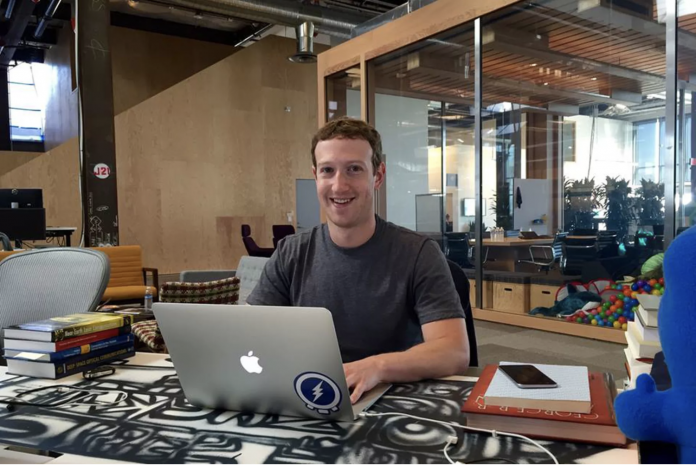
Mark Zuckerberg has soared to the position of the world’s second-richest person, surpassing Amazon founder Jeff Bezos with a net worth of $206.2 billion, according to the Bloomberg Billionaire Index.

This remarkable feat comes after a stunning increase of $78 billion in 2024, largely driven by a 70% surge in Meta Platforms Inc.’s stock.

Zuckerberg’s journey back to the pinnacle of global wealth is nothing short of remarkable, considering that he was once shaken by the collapse of Meta’s stock resulting in his staggering fall in net worth.

This leap in the Facebook founder’s fortune has cemented his place in the global billionaire rankings, positioning him ahead of Bezos, whose wealth now stands at $205.1 billion. However, Zuckerberg remains around $50 billion shy of the top spot, still held by Elon Musk.

Strategic Restructuring that Revived His Fortune

Zuckerberg’s resurgence is notable as a product of a calculated and aggressive restructuring of Meta, a move that initially stirred concerns but ultimately proved crucial. After suffering a more than $100 billion hit to his personal wealth in 2022, Zuckerberg embarked on a massive cost-cutting initiative that laid the foundation for Meta’s turnaround.

The company cut 21,000 jobs in late 2022, a drastic measure aimed at stemming losses and reshaping the company’s future. While the layoffs sparked outrage and fear among employees and market watchers, Zuckerberg defended them as necessary steps to streamline Meta’s operations and refocus the company on its core strengths.

Meta’s restructuring wasn’t just about reducing the workforce—it was part of a comprehensive transformation plan.

Zuckerberg shifted the company’s priorities from its conventional social media business to frontier technologies, such as artificial intelligence (AI), augmented reality (AR), and virtual reality (VR). This shift wasn’t without its risks. Many questioned whether Meta’s pivot to the so-called “metaverse” and its AI ventures would pay off, especially when its digital advertising business, which had long been the backbone of its revenue, faced stiff competition and market saturation.

Yet, Zuckerberg’s vision prevailed. By investing heavily in infrastructure, particularly in expanding data centers and boosting computing power, Meta was able to position itself as a formidable player in the rapidly evolving AI landscape. The company’s infrastructure upgrades were key to supporting the development and deployment of AI-driven technologies, a move that has now begun to bear fruit.

The Metaverse and AI New Era for Meta

In the backdrop of these sweeping changes was Zuckerberg’s unwavering commitment to the metaverse, a concept he believes will transform how people interact with the digital world. The company’s investments in virtual and augmented reality culminated in the launch of the Orion augmented reality glasses, a product that demonstrates Meta’s ambition to merge physical and digital experiences seamlessly. Though met with skepticism at first, the AI investment has reinvigorated the company’s stock and instilled new confidence among investors.

It wasn’t just these futuristic technologies that played a role in Meta’s revival. The core digital advertising business of Meta, despite the company’s AI and VR ambitions, remains strong and continues to provide a reliable financial backbone. This combination of steady cash flow from advertising and the high-potential returns from AI and AR investments has emerged as a cornerstone of Meta’s ongoing success.

With the metaverse, AI, and AR all playing key roles in his vision, Zuckerberg aims to position Meta at the forefront of the next wave of digital transformation. The 40-year-old is expanding his conglomerate through acquisition and creation of new platforms –the latest being Threads. His goal is not just to create a dominant tech company but to build a legacy that will influence how people interact with technology for generations to come.

Tekedia Institute To Co-learn with Unilorin Students on Business and Entrepreneurship

3

Thank you so much University of Ilorin, Nigeria, the “better by far” epitome of academic excellence for the U-Inspire Award, to deliver and prepare young people for the world of entrepreneurial capitalism. Tekedia Institute thanks our Vice Chancellor, Prof Wahab Olasupo Egbewole, faculty, staff and students for the opportunity to co-learn with thousands of Unilorin academic Champions.

To the Champions, we’re honoured for the privilege to receive this honour to educate on the fundamental elements of business and entrepreneurship. More students, from many universities, come to Tekedia Institute than any university in Africa; you are in good hands.

Unilorin has prepared you all for success; we will only provide a little more support to the mastery you have been equipped with, in one of Africa’s finest universities. But that “little more support” will be catalytic and transformational in your career, as an engineer, accountant, economist, chemist, and more. Simply, the destination is clear: that you may lead the future in our beautiful world. Welcome to Tekedia Institute.

Thank you again Prof Egbewole for calling us to serve.

Tekedia CollegeBoost works with universities to prepare young people for entrepreneurial business success. For more, contact Eyitayo Adeleke, our program manager. I am Prof Ndubuisi Ekekwe, Lead Faculty of Tekedia Institute, USA.

Five Sustainable Business Practices for Modern Entrepreneurs

0

A couple of years ago, I remember a retail store that opened on the next street. The store owner seemed to hit gold immediately as the store quickly became a favorite stop to buy home necessities, beverages, and the like. The prices were pocket-friendly, and the customer service was fairly good, too. Their success was quite enviable and there was no doubt that other small businesses around envied them. So, imagine my surprise when the business closed the next year and I saw that the space had been converted to a salon by the next owner.

What went wrong?

That was the question on the lips of everyone. As we later got to know, the business ran out of funds. By the end of the next year, the business owner was making a tight decision between using the available funds to restock or pay the next rent and eventually choosing to close it up. It would seem that the high sales did not translate to profitability for it.

This is the harsh reality of the business environment today, and I am sure most people have seen at least one case of a business that rose rapidly, only to crash just as swiftly. The entrepreneurial dream is often marred by harsh realities, and staying power is the name of the game. To thrive, today’s entrepreneurs must build their ventures on a foundation of sustainable business practices. These aren’t just buzzwords—they’re essential strategies that can protect your business from the unpredictable storms of the market and ensure long-term success. Here are five key practices I can share that an entrepreneur should integrate into the business model from the get-go:

1. Embrace Financial Prudence because cash flow is king.

Financial prudence isn’t just about counting your pennies; it’s about having a comprehensive grasp of your cash flow, budgeting wisely, and maintaining a safety net for lean times.

Many startups falter due to poor financial management, often overspending in the early stages or failing to plan for unforeseen expenses. Financial prudence is not what you opt for when things start going south, it is something you include right from the beginning

Start by developing a Detailed Budget: Outline all projected expenses and income. Include everything from operational costs to marketing spend. Adjust this budget regularly based on actual performance. Also, build a cash reserve with at least three to six months’ worth of operating expenses to serve as a cushion during slower periods. Monitor Cash Flow and block all leakages. In the story I gave above, it later turned out that incidences of employee theft dug a deep hole in the business finances, eventually running them out of business. Use financial software to track and project cash flow accurately, and also review your cash flow statements to ensure that you’re not spending more than you’re bringing in.

2. Prioritize Customer Experience. A satisfied customer is your best marketing strategy.

The marketplace is very competitive and sometimes, your customer experience can become your key differentiator. Companies that prioritize delivering exceptional customer service tend to build stronger brands and enjoy greater customer loyalty. When customers have a positive experience, they’re more likely to return and refer others.

Listen to Your Customers. Use surveys, feedback forms, and social media to gather insights into customer preferences and pain points. Act on this feedback to refine your products and services. Also, invest in Training to Equip your team with the skills and knowledge to provide top-notch service. It is important, too, to personalize interactions and offers to suit customer needs.

3. Identify relevant Technology and Leverage it Wisely

Technology can be a game-changer, but only if used strategically. Entrepreneurs often fall into the trap of adopting new tech for its own sake, rather than considering its actual impact on their business processes. Not every technology would be useful to your business, and some may even clog up your processes. Smart technology investments can streamline operations, enhance productivity, and offer valuable insights, in a way that saves you time and money.

You can automate repetitive tasks like invoicing, inventory management, and email marketing, and let team members handle direct interactions with clients. You can also use Analytics tools to track performance metrics, customer behavior, and market trends to stay ahead of the competition. As you integrate more technology, make sure to prioritize cybersecurity measures. Protect your business data and customer information with robust security protocols and regular system updates.

4. Cultivate a Strong Company Culture from Day 1

Company culture isn’t just about perks and office ambiance; it’s about creating an environment where employees are engaged, motivated, and aligned with your business values. It is not to be introduced midway because employees naturally pick up the existing culture when they join the company, whether good or bad. A strong culture can enhance productivity, reduce turnover, and attract top talent.

Clearly articulate the Core values that guide your business; and ensure they are reflected in your hiring practices, company policies, and everyday operations. Create channels for transparent and open communication between management and staff. Regular team meetings, feedback sessions, and an open-door policy can strengthen trust and collaboration. Also, make it a habit to Acknowledge and reward the contributions, achievements, and exceptional performance of your employees.

5. Adopt Sustainable Practices

Because I am an advocate of environmental sustainability, I have to add this as the fifth tip. It is not a trend, but a necessity that you embrace eco-friendly and socially responsible practices. Interestingly, they can greatly reduce costs and ensure compliance with increasing regulations. Implement recycling programs, optimize resource uses, and invest in energy-efficient equipment and practices to reduce your carbon footprint. Also, source responsibly by choosing suppliers and partners that adhere to ethical and sustainable practices

Overall, it is not just about avoiding pitfalls, but about building a resilient and adaptable business. It is what some would call building to last, and the earlier you fuse them into your model, the better for your business in the long run.