DD
MM
YYYY

PAGES

DD
MM
YYYY

spot_img

PAGES

Home Blog Page 3166

Nigeria Unveils Ambitious Path to a $1 Trillion Economy by 2030: Launches the Economic and Financial Inclusion Initiative

1

On Wednesday, Nigeria’s federal government unveiled a bold new initiative aimed at establishing an operating model and framework for Economic and Financial Inclusion. This project is part of a larger vision to transform Nigeria into a $1 trillion economy by 2030, focusing on combating poverty and driving sustainable economic growth from the grassroots level.

Vice President Kashim Shettima highlighted the significance of this initiative as a testament to the administration’s commitment to enhancing financial and economic inclusion across the country.

Speaking at the kick-off meeting for the Operating Model for Economic and Financial Inclusion, Shettima noted the administration’s dedication to providing access to capital and eradicating poverty through legislative interventions and critical policies.

This new initiative builds upon the Aso Accord on Economic and Financial Inclusion, unveiled on April 25, 2024. The accord is a comprehensive blueprint designed to achieve universal access to financial services and represents a core pillar of President Bola Tinubu’s Renewed Hope Agenda. This agenda aims to transform Nigeria into a $1 trillion economy by 2030 while addressing poverty and insecurity through broad-based prosperity.

Shettima disclosed that inclusive economic growth and development are at the heart of every strategy championed by Tinubu. He pointed to recent positive outcomes, such as the upgrade of Nigeria’s credit outlook to positive by Fitch Ratings, as recognition of the reform progress under the current administration.

However, Shettima acknowledged the short-term impacts of the reforms and stressed the importance of measures to mitigate the effects, citing the Student Loan Act and efforts by the Federal Ministry of Agriculture and Food Security to combat food insecurity.

The Vice President also highlighted that economic and financial inclusion has been elevated to the agenda of the National Economic Council (NEC), where all governors of the 36 states and the FCT minister participate in crucial policy deliberations alongside other stakeholders. He noted that this elevation underscores the administration’s belief that inclusive growth must be both strategic and sustainable.

Addressing the implementation team and stakeholders, Shettima called on them to recognize the weight of their responsibility.

“You have been entrusted with a vital national assignment, and I have full confidence that you will bring your best efforts to ensure its success,” he stated.

He urged the team to engage all stakeholders fully and contribute their insights, expertise, and dedication to forge a robust operating model that will drive economic and financial inclusion across Nigeria.

Shettima stressed the importance of developing solutions to alleviate the impact of ongoing economic reforms on over 30 million financially excluded Nigerians, propelling the country toward sustainable and inclusive growth.

Speaking at the event, Dr. Nurudeen Zauro, Technical Advisor to the President on Financial Inclusion, reported substantial progress in implementing the Aso Accord on financial inclusion and other initiatives aimed at broadening financial access across the nation. He noted that discussions on financial inclusion have reached the highest levels of government, including the NEC.

Zauro highlighted that the operationalization of the accord has received funding from the Bill & Melinda Gates Foundation through the Lagos Business School (LBS). The team is setting up the operating model and legal framework to ensure the project’s smooth takeoff and alignment with the Renewed Hope Agenda. Collaborators on the team include Augmentum Advisory, Banwo & Ighodalo, and Ndarani (SAN) & CO.

Also, Prof. Olayinka David-West, Project Manager at Lagos Business School, commended the Tinubu administration for prioritizing economic and financial inclusion. She noted that the team at LBS, in collaboration with counterparts in the VP’s office and other stakeholders, is working on the legal framework for financial inclusion and giving the initiative the convening power and national coordination needed to drive ownership across the country.

David-West noted that while LBS and its partners have made deliberate efforts to entrench financial inclusion over the years, the current administration’s initiative will serve as a gateway to successfully operationalizing the policy nationwide.

The engagement with the Vice President aims to identify the right platforms and structures to galvanize relevant authorities to support the initiative.

Current Economic Realities Breed Skeptical Outlook

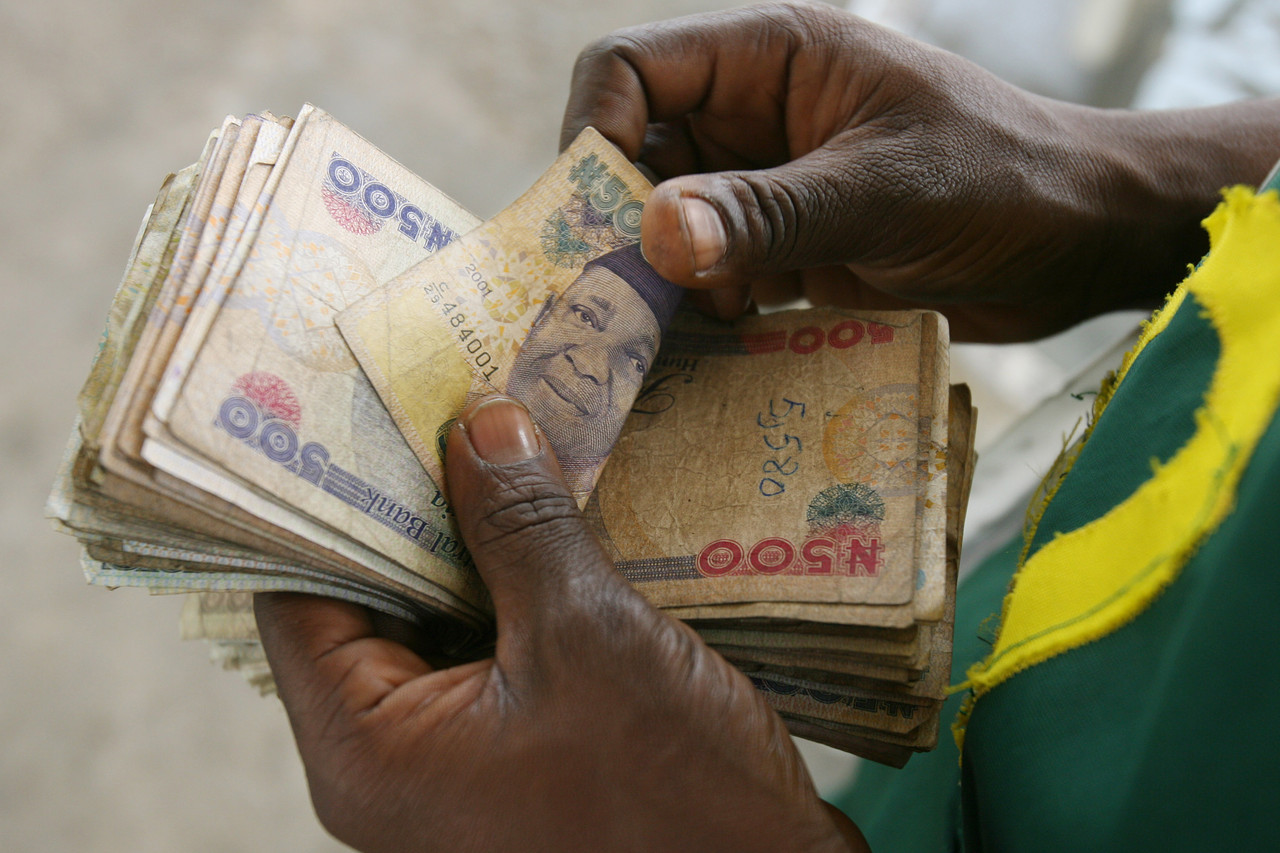
Nigeria’s economy has faced significant headwinds in recent years, with declining oil revenues, inflation, and foreign exchange instability impacting overall economic performance. The country’s GDP, once a powerhouse in Africa, has struggled to regain its footing, falling below $300 billion. This economic trajectory has led many analysts and citizens to question whether the ambitious goal of transforming Nigeria into a $1 trillion economy by 2030 is achievable under the current administration.

While some analysts believe that the Tinubu administration’s focus on economic and financial inclusion is a step in the right direction, they note it must be coupled with broader economic reforms to address the underlying issues affecting Nigeria’s economy.

For instance, they note that ensuring stability in the foreign exchange market, fostering an environment conducive to foreign investment, and implementing policies that stimulate growth across various sectors are crucial to achieving the ambitious $1 trillion economy target.

While the new initiative and the Aso Accord on Economic and Financial Inclusion provide a framework for addressing some of these challenges, the path to a $1 trillion economy will require more than just regulatory frameworks and financial inclusion efforts, economists note. They add that it will demand a holistic approach, political will, and sustained efforts to drive structural economic reforms and create a resilient, inclusive economy.


Keir Starmer Becomes UK Prime Minister – But BREXIT Will Continue To Affect the UK

1

From AP: “Labour leader Keir Starmer has officially become prime minister of the United Kingdom. Starmer received the blessing of King Charles III to form a government in a ceremony known as the “kissing of hands.” Starmer is now headed from Buckingham Palace to take up residence in No. 10 Downing Street, where he is expected to speak. He replaces Conservative Prime Minister Rishi Sunak, who offered his resignation to Charles after his party that ruled for 14 years was swept from power in a Labour landslide”.

This is how democracy works. An opposition party destroyed a ruling party in the voting booths. The leader of the ruling party made way. The elections were free and fair. This is what Nigeria has not picked about democracy. And until we do, the best of Nigeria will not get closer to political leadership.

To Mr. Keir Starmer, nothing will change. As I wrote in May 2019, the UK will be changing leaders until they return back to the EU:

“UK Prime Minister Theresa May resigns. I do not know why it took so long. The fact is this: the world that United Kingdom wants will not happen in the very near future. So, they better be changing leaders because no one can take them to their designed equilibrium point. In the past, it used to be The Rise of Me Only; today, it is now The Rise of All.

“That means – if you expect the world as it was 100 years ago, you are living in an illusion. UK benefited from the world, ravaging empires from Asia to Africa; now, it wants to sleep under its pillows happily, out of the world. That will not happen. Gone David Cameron, gone Theresa May, bring the next person. It will not change UK until it realizes that the new world is The Rise of All and citizens must make adjustments for that reality.”

Count how many UK leaders have rotated since that post…. There is a parallel to Nigeria. Yes, we will mess up the country until we wake up one morning and decide that Nigerians are ready to fix Nigeria. Have you noticed that cholera is back….across Nigeria? Are we moving forward or backward?

Rishi Sunak Loses UK Prime Minister Election, marking an end to Tory’s Conservatives Rule

Rishi Sunak Loses UK Prime Minister Election, marking an end to Tory’s Conservatives Rule

0

The recent UK general election has marked a significant shift in the country’s political landscape. The Conservative Party, led by Rishi Sunak, has faced a substantial defeat as the Labour Party emerges victorious, signaling an end to the Conservative rule that has been in place for over a decade. This election has seen the Labour Party, under the leadership of Keir Starmer, secure a commanding majority in the House of Commons.

The results indicate a clear public desire for change, with the Labour Party projected to secure 410 out of 650 seats, a remarkable achievement that underscores the shifting sentiments of the British electorate. The election has been notable not only for the change in government but also for the record number of cabinet ministers from the Conservative Party who lost their seats, including prominent figures such as Penny Mordaunt and Jacob Rees-Mogg.

The election night was dramatic, with Rishi Sunak conceding defeat while retaining his seat, and Nigel Farage finally becoming an MP after multiple attempts. The results have also been historic for the Labour Party, as they are set to form a government with one of the largest Commons majorities in recent history.

Keir Starmer’s Labour Party has outlined a comprehensive set of policies aimed at transforming the United Kingdom. The party’s manifesto for the 2024 general election presents a vision for a government that balances pro-business and pro-worker initiatives, with a strong focus on healthcare, the economy, and national security.

One of the central pledges of the Labour Party is to address the challenges facing the National Health Service (NHS). They have committed to reducing wait times for key care services by adding 40,000 more NHS operations and appointing 8,500 new mental health staff. This is part of a broader plan to reset relations with NHS staff and improve the overall efficiency of healthcare services in the UK.

Nigerians, along with other diaspora communities, have become increasingly influential in British politics. The Labour Party, in particular, has seen a rise in candidates of Nigerian descent, with eight British Nigerians representing the party in the parliamentary election. This representation reflects the Labour Party’s commitment to diversity and inclusion, resonating with a broad spectrum of voters who seek a government that mirrors the multicultural fabric of the nation.

The influence of these communities extends beyond mere representation. The endorsement of the Labour Party by prominent figures such as Peter Obi, a former Nigerian presidential candidate, just days before the election, likely swayed voters’ opinions. Such endorsements highlight the Labour Party’s progressive policies and aim to boost their campaign, potentially impacting the election’s outcome.

Moreover, the active participation of Nigerians in the UK in the electoral process, with 30 candidates of Nigerian descent contesting parliamentary seats, suggests a turning point in the political landscape. Analysts believe that this election could signify a shift, with the Labour Party posing a strong challenge to the Conservative Party’s long-standing rule.

This election outcome represents a pivotal moment for the UK, as it navigates post-Brexit challenges, economic pressures, and a global landscape that is rapidly evolving. The incoming Labour government will have the task of addressing these issues while delivering on their campaign promises to the British public.

As the Conservative Party reflects on its defeat, the Labour Party’s victory marks the beginning of a new chapter in British politics. It remains to be seen how this transition of power will influence the UK’s domestic and foreign policy in the years to come. However, one thing is certain: the people of the UK have spoken, and they are ready for a new direction.

Africa’s Start-Up Funding Was $780 Million in H1 2024, Lowest Since Late 2020

0

According to a report by Africa: The Big Deal, the first half (H1) of 2024, marked the quietest period for startups in Africa since late 2020.

Startups in the region raised $780 million (excl. exits), representing a 31% drop compared to H2 2023, and an even more pronounced 57% decline compared to H1 2023, highlighting a significant slowdown in venture capital activity on the continent.

Of the total $780 million raised, two-thirds were secured through equity, while the remaining one-third came from debt financing, marking a notable increase in the proportion of debt funding compared to previous years, where debt accounted for an average of just 17% of start-up financing since 2019.

Part of the report reads,

“Two-thirds of this funding was in the form of equity, and a third was debt. As for 2023, this is a much higher share of debt than what we’d been seeing in the past (17% on average since 2019). 4 out of 5 dollars invested in startups in Africa went to ventures based in the Big Four. This is high, but not the highest we’ve seen 92% back in H1 2023). A third of all the funding went to Kenya alone”.

In terms of regional distribution of funding, the “Big Four” countries – Nigeria, Kenya, South Africa, and Egypt attracted most of the funding in the region. These nations collectively accounted for four out of every five dollars invested in African start-ups during this period. While this concentration is significant, it is slightly lower than the 92% seen in the first half of 2023.

Notably, East African country Kenya, was the most favorite in terms of funding, accounting for one-third ($244m) of all funding in H1 2024, underscoring its growing prominence in the African start-up ecosystem. Nigeria accounted for $172 million representing 23%, Egypt attracted $101 million representing 13%, while South Africa attracted $85 million, representing 11 percent of the total funding raised.

Collectively, the Big 4 tech startup ecosystems raised $602 million of the total $780 million raised on the continent in H1 of 2024, representing 79% of total funding. Other African countries attracted at least 10 million in funding, which include, Benin Republique ($50 Million), Ghana ($29 Million), Uganda ($19 Million), Morocco ($14 million), and Senegal ($11 Million).

In terms of the sector that attracted the most funding, there was an unusual twist with the Transport & Logistics sector displacing the fintech sector to emerge as the top recipient of start-up funding, attracting 28% of the total investment.  Transport sector dominance was bolstered by two of the three largest deals announced in the first half of the year, involving (Moove and Spiro).

Fintech occupied the second position in terms of amount raised, but led in the number of startups securing $1 million or more, with 30 deals recorded.

Despite ongoing discussions about gender equity in the African startup ecosystem, the distribution of funding remained heavily skewed towards male-led ventures. Only a fraction of the funding continued to go to female-focused and female-led startups with 85% of the funding going to ventures without a single female founder and 92% to companies with a male CEO. This funding disparity further highlights the persistent challenges female entrepreneurs face in accessing capital.

The Intersection of Law and Medicine: CBD Oil for Chronic and Joint Pain

0

In recent years, CBD oil has emerged as a popular natural remedy for a variety of ailments, particularly chronic and joint pain. Even people sharing thoughts that CBD oil cures chronic joint pain, provide relief from anxiety and sleep disorders. However, its legality and medical efficacy remain subjects of intense debate. 

This blog explores the complex relationship between the legal landscape and medicinal applications of CBD oil, specifically in the context of chronic and joint pain relief.

Understanding CBD Oil

Cannabidiol (CBD) is one of over a hundred compounds found in the cannabis plant. Unlike tetrahydrocannabinol (THC), CBD does not produce a psychoactive effect, making it an attractive option for those seeking relief from pain and other symptoms without the mind-altering effects of marijuana.

The Legal Landscape of CBD Oil

Legality of CBD oil varies significantly globally and even within countries. In the US, for example, the 2018 Farm Bill legalized hemp-derived CBD products with 0.3% THC or less under federal jurisdiction; however state laws vary significantly with some having more stringent regulations than others; it’s vital that consumers familiarize themselves with local laws so as to avoid legal complications and legal ramifications.

CBD oil for pain is legal across most of Europe if it contains minimal THC levels, while countries like Canada take an integrated approach by legalizing both medical and recreational cannabis, including CBD products. However, in regions with strict cannabis regulations CBD may still fall into a legal gray area, making its purchase and usage riskier.

Medical Efficacy of CBD Oil for Chronic and Joint Pain

How CBD Oil Works

CBD interacts with the body’s endocannabinoid system (ECS), a complex cell-signaling system that regulates various functions including pain, mood, and immune response. The ECS comprises receptors (CB1 and CB2), endocannabinoids, and enzymes. CBD primarily interacts with CB2 receptors, predominantly found in the immune system and peripheral organs. This interaction is believed to contribute to CBD’s anti-inflammatory and analgesic effects, making it beneficial for chronic and joint pain.

Research and Evidence

Numerous studies have explored the potential of CBD oil as a treatment for chronic and joint pain. In 2018, the journal Frontiers in Pharmacology published a review that demonstrated how well CBD might alleviate pain and inflammation in animal models. Human studies, although limited, also suggest positive outcomes. For instance, a study published in The European Journal of Pain demonstrated that topical CBD application could help alleviate pain and inflammation associated with arthritis.

Despite these promising findings, more extensive clinical trials are necessary to establish standardized dosing, long-term safety, and efficacy of CBD oil for chronic and joint pain. The medical community remains cautiously optimistic, urging further research to solidify CBD’s place in pain management.

Legal Considerations for Medical Use

Prescription and Regulation

In countries where CBD oil is legal for medicinal use, obtaining it typically requires a prescription from a healthcare provider. Regulatory bodies ensure that these products meet specific standards for safety and quality. For instance, the U.S. Food and Drug Administration (FDA) has approved Epidiolex, a CBD-based medication, for treating certain types of epilepsy, signaling a willingness to acknowledge CBD’s therapeutic potential.

However, the regulatory environment is constantly evolving. In some regions, CBD products are available over-the-counter, while in others, they are strictly controlled. Patients must navigate these regulations to access CBD oil legally, which can be a complex and daunting process.

Quality and Safety Concerns

The lack of uniform regulation also raises concerns about the quality and safety of CBD products. The market is flooded with products of varying quality, and without stringent oversight, some may contain contaminants or inaccurate levels of CBD and THC. This inconsistency poses risks to consumers, particularly those using CBD oil for medicinal purposes.

To mitigate these risks, consumers should seek products from reputable manufacturers that provide third-party lab testing results. These tests verify the product’s cannabinoid content and ensure it is free from harmful substances such as pesticides, heavy metals, and solvents.

The Future of CBD Oil in Pain Management

The future of CBD oil in pain management looks promising but hinges on several factors, including further scientific research, regulatory developments, and public acceptance. As more studies confirm the efficacy and safety of CBD oil, its integration into mainstream medicine could become more widespread.

Moreover, as laws continue to evolve, there is potential for a more standardized approach to CBD regulation, ensuring consistent quality and access for patients. Public education and advocacy will also play crucial roles in shaping the future landscape of CBD oil in chronic and joint pain management.

Conclusion

The intersection of law and medicine in the context of CBD oil for chronic and joint pain is a complex yet fascinating area. While legal and regulatory challenges remain, the growing body of evidence supporting CBD’s medicinal benefits offers hope for those seeking alternative pain relief options. 

As research progresses and regulations adapt, CBD oil could become a cornerstone of pain management, providing relief for countless individuals worldwide. Understanding and navigating this evolving landscape is essential for consumers, healthcare providers, and policymakers alike.