DD
MM
YYYY

PAGES

DD
MM
YYYY

spot_img

PAGES

Home Blog Page 3189

Brazil’s Supreme Court Judge Dares Elon Musk, Threatens to Shut X Down Within 24hrs

0

In an escalation of tensions between Brazil’s judiciary and Elon Musk, a Supreme Court judge has issued a stark ultimatum to the billionaire entrepreneur to name a legal representative for X (formerly Twitter) in Brazil within 24 hours or face the suspension of the platform in Latin America’s largest nation.

The warning from Justice Alexandre de Moraes is the latest in the ongoing struggle between Musk’s vision of free speech and Brazil’s efforts to curtail misinformation and hate speech.

Brazil’s Supreme Court has been the target of misinformation following the defeat of incumbent president Jair Bolsonaro.

Brazil’s third largest newspaper, O Estado de São Paulo, highlighted that the far-right’s preferred target was the supreme court, which it reported was hit with a barrage of “threats, insinuations and plenty of disinformation” over its rulings that were meant to curb fake news.

It added that social media and private messaging groups are lit up with tales of egregious police abuse, arbitrary arrests, and detention facilities akin to “concentration camps” – all as part of allegations of the new government’s brutality against Jair Bolsonaro supporters.

Police arrested over a thousand rioters following the insurrection triggered by Jair Bolsonaro’s defeat in January.

In April, de Moraes initiated an investigation into Musk for obstruction of justice after Musk vowed to defy a court order blocking certain accounts on X in Brazil. This defiance came despite X initially complying with the order by informing affected accounts that their access had been restricted due to legal obligations.

De Moraes, in his decision to open an inquiry against Musk, emphasized the importance of judicial authority, stating, “X shall refrain from disobeying any court order already issued, including performing any profile reactivation that has been blocked by this Supreme Court.”

He further imposed a fine of $20,000 for every instance in which an account is reactivated on X in defiance of court orders.

De Moraes’ actions reflect the broader concerns within Brazil’s government about the influence of foreign-owned social media platforms on the country’s political stability. The conflict with X is seen by many as a test case for how far Brazil is willing to go to assert its sovereignty over digital spaces that have become central to the dissemination of information—and misinformation.

Brazilian Attorney General Jorge Messias has publicly supported the need for urgent regulation of social media networks, arguing that unchecked power held by billionaires like Musk, poses a threat to the rule of law.

“We cannot live in a society in which billionaires domiciled abroad have control of social networks and put themselves in a position to violate the rule of law, failing to comply with court orders and threatening our authorities,” Messias stated.

In response, X announced earlier this month that it would cease operations in Brazil, a country with a significant user base for the platform. This decision came after de Moraes allegedly threatened to arrest X’s legal representative in Brazil for non-compliance with censorship orders.

In a public statement, X outlined reasons for its drastic decision: “Last night, Alexandre de Moraes threatened our legal representative in Brazil with arrest if we do not comply with his censorship orders. He did so in a secret order, which we share here to expose his actions. Despite our numerous appeals to the Supreme Court not being heard, the Brazilian public not being informed about these orders, and our Brazilian staff having no responsibility or control over whether the content is blocked on our platform, Moraes has chosen to threaten our staff in Brazil rather than respect the law or due process. As a result, to protect the safety of our staff, we have made the decision to close our operation in Brazil, effective immediately.”

Musk’s decision to pull X out of Brazil, a move that hearkens back to his self-proclaimed identity as a “free speech absolutist,” underpins his growing commitment to resisting what he views as authoritarian overreach.

Musk has long positioned himself as a staunch defender of free speech, often clashing with governments and regulatory bodies that he perceives as infringing on this principle. This latest episode in Brazil is a vivid illustration of this stance, as Musk takes a stand against what he describes as a judiciary that has “brazenly and repeatedly betrayed the constitution and people of Brazil.”

“Justice Alexandre de Moraes has applied massive fines, threatened to arrest our employees, and cut off access to ? in Brazil. We will probably lose all revenue in Brazil and have to shut down our office there. This is not compatible with democracy,” Musk said in a post on X.

However, X’s departure from Brazil sends a strong message about the platform’s commitment to Musk’s free speech ethos, and it also raises concerns about the future of digital platforms in Brazil.

Recently, the country has been a focal point for debates on the balance between free speech and the need to curtail harmful content online. Analysts believe the confrontation between Musk and Brazil’s judiciary could set a precedent for how other nations approach the regulation of social media platforms, particularly in politically sensitive environments.

Musk’s bold stance has garnered support from those who view his actions as a necessary defense of free speech in the face of authoritarianism. However, it has also drawn criticism from those who argue that it could lead to the unchecked spread of harmful content on digital platforms.
Emergence of Ether ETFs and the Crypto Market Dynamics

0

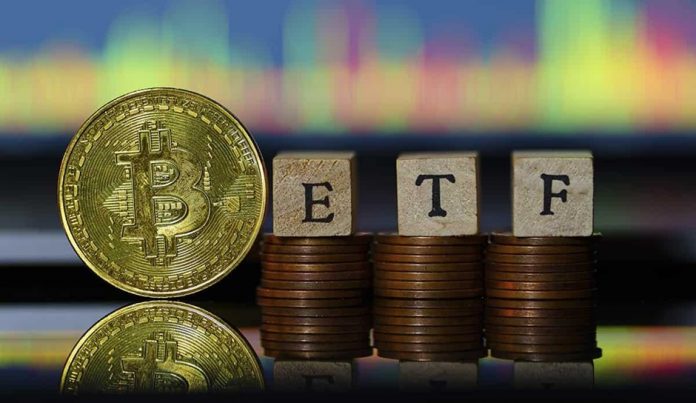
The cryptocurrency market has experienced significant turbulence since the introduction of Ether-based Exchange-Traded Funds (ETFs). A report from Citi indicates that the crypto market has faced challenges since the launch of spot Ether ETFs, with notable net outflows observed in the past month. This trend is a departure from the initial optimism that surrounded the introduction of these financial products.

Ethereum and Bitcoin are the two most recognized cryptocurrencies, each with its own unique characteristics and purposes. While they share some similarities, such as being decentralized digital currencies that can be traded on various exchanges, their differences are fundamental to their respective roles in the digital economy.

Bitcoin, introduced in 2009, is primarily a digital alternative to traditional currencies. It operates on a blockchain that is designed to handle transactions and store value. Bitcoin’s primary aim is to be a decentralized medium of exchange, free from government or corporate control, and it has a capped supply of 21 million coins, which contributes to its store of value proposition.

On the other hand, Ethereum is the native cryptocurrency of the Ethereum network, which was launched in 2015. Ethereum’s blockchain is designed not just for transactions but also to support smart contracts and decentralized applications (dApps). This makes Ether a fuel for the Ethereum ecosystem, where it is used to pay for transaction fees and computational services.

The Ether ETFs were anticipated to broaden institutional appetite for cryptocurrencies, potentially mirroring the bullish momentum Bitcoin experienced following its own ETF launch. However, the reality has been somewhat different. Ethereum, the platform underpinning the Ether cryptocurrency, has seen its price struggle to maintain the $3,000 mark, with eight consecutive days of ETF outflows. This has raised questions about the long-term impact of these ETFs on the market.

Analysts are divided on the implications of Ether ETFs. Some, like Standard Chartered, had projected a significant increase in Ether’s price, potentially reaching $8,000 by year’s end, driven by an influx of $15 billion to $45 billion into the market. Others, such as JPMorgan, have been more conservative in their estimates, suggesting that Ether ETFs might only see a fraction of Bitcoin’s inflows.

The introduction of Ether ETFs was expected to be a historic win for the crypto industry, offering a new way for investors to gain exposure to the second-largest cryptocurrency by market capitalization. The functionality of Ether, beyond being a mere investment vehicle, includes staking, which is not accessible through ETFs, potentially limiting their appeal.

Despite the current market struggles, some analysts remain optimistic about the future of Ether and the broader crypto market. Canaccord Genuity, for instance, has suggested that spot Ether ETFs could reverse the recent downtrend, given the continued growth in institutional adoption and the potential for inflows from retail investors through tax-advantaged accounts.

One of the key differences between the two is their approach to scalability and transaction processing. Bitcoin uses a proof-of-work (PoW) consensus mechanism, which, while secure, is energy-intensive and slower compared to Ethereum’s transition to a proof-of-stake (PoS) mechanism through its Ethereum 2.0 upgrade. PoS is considered to be more energy-efficient and has the potential to handle more transactions per second.

Another significant difference lies in their supply. Bitcoin has a fixed supply, which means there will only ever be 21 million Bitcoins. Ethereum, however, does not have a fixed supply, and while the annual issuance rate is controlled, it is not capped in the same way as Bitcoin.

The crypto market is known for its volatility, and the introduction of new financial instruments like Ether ETFs adds another layer of complexity to its dynamics. As the market continues to evolve, it will be crucial for investors to stay informed and adapt their strategies accordingly. The impact of Ether ETFs on the market is a developing story, one that reflects the ever-changing landscape of cryptocurrency investment.

The Rise Of NFTs on Bitcoin: A Brief History of Ordinal Inscriptions

0

Non-fungible tokens (NFTs) have carved out a significant digital asset niche. These unique assets, which range from digital art to collectibles and more, have transformed how we perceive ownership and value in the digital realm.

While most NFTs have been traditionally associated with the Ethereum (ETH) blockchain and other smart contract platforms, a relatively new development has brought them to the Bitcoin (BTC) network: Ordinal inscriptions.

This article explores the history of NFTs, the emergence of Ordinal inscriptions on Bitcoin, and their potential impact on the network.

What Are Ordinal Inscriptions?

Ordinal inscriptions represent a novel approach to NFTs, tailored specifically for the Bitcoin blockchain. Unlike traditional NFTs that rely on smart contracts, Ordinal inscriptions leverage Bitcoin’s existing transaction structure.

Introduced by developer Casey Rodarmor, Ordinal Theory enables each satoshi, the smallest unit of bitcoin, to be individually numbered and tracked. These inscriptions attach metadata to satoshis, effectively creating NFTs directly on the Bitcoin blockchain.

This method distinguishes Ordinal inscriptions from NFTs on platforms like Ethereum, where smart contracts manage the creation, known as minting, and transfer of tokens. By integrating NFTs in the Bitcoin blockchain, Ordinal inscriptions offer a unique blend of Bitcoin’s security and the novelty of digital collectibles.

The Early Days Of NFTs On Bitcoin

Integrating NFTs into Bitcoin has seen several iterations and experiments dating back to the early 2010s.

Colored Coins

Colored Coins were among the first attempts to represent real-world assets on the Bitcoin blockchain. Introduced around 2012, Colored Coins used BTC transactions to assign and track ownership of assets such as stocks, bonds, and real estate. By “coloring” a fraction of a bitcoin, these tokens could be distinguished from regular bitcoins and used to represent other values. Despite the innovative concept, Colored Coins faced scalability and practical application limitations, hindering their widespread adoption.

Counterparty

Following Colored Coins, Counterparty emerged in 2014 as another pioneering project to bring NFTs to Bitcoin. Counterparty extended Bitcoin’s functionality by creating a layer on the blockchain. This allowed for the creation and trading of digital assets, including NFTs, using the Bitcoin network’s security. Counterparty introduced popular projects like Rare Pepe, digital trading cards featuring internet meme characters. While Counterparty made significant strides, it still faced user experience and network efficiency challenges.

The Re-Emergence Of NFTs On Bitcoin

After the initial experiments, the concept of NFTs on Bitcoin experienced a resurgence, driven by new technological advancements and protocols.

Stacks

Stacks (formerly Blockstack) represents a significant leap in bringing smart contracts and NFTs to Bitcoin. Launched in 2017, Stacks operates as a layer-1 blockchain that connects to Bitcoin, enabling decentralized applications and smart contracts while leveraging Bitcoin’s security. Developers can create NFTs and other digital assets with Stacks without altering Bitcoin’s core protocol. This approach has revitalized interest in Bitcoin-based NFTs, offering a more scalable and user-friendly solution.

Ordinals Protocol

The introduction of the Ordinals protocol marked a significant breakthrough in the integration of NFTs on Bitcoin directly. Casey Rodarmor’s proposal to inscribe data directly onto satoshis provided a new avenue for creating NFTs on Bitcoin without altering its fundamental protocol. This approach harnessed Bitcoin’s robustness and security, making it an attractive option for NFT enthusiasts.

Since the advent of Ordinal inscriptions, several notable projects have emerged. From digital art to virtual land, these projects are leveraging Bitcoin’s unique attributes to offer new experiences and investment opportunities. The first step to interacting with Bitcoin Ordinals is to create an Ordinals Inscriptions Wallet and connect it to your favorite Bitcoin NFT marketplace.

Final Word

In summary, the evolution of NFTs and their emergence on the Bitcoin network through Ordinal inscriptions represents a fascinating convergence of technology and creativity. From the early days of Colored Coins and Counterparty to the modern advancements of Stacks and Ordinal inscriptions, the journey of NFTs on Bitcoin has been marked by innovation and resilience.

As the digital asset landscape continues to grow, the integration of NFTs into Bitcoin could unlock new potentials and reshape the blockchain space. For enthusiasts and investors alike, staying informed and engaged with these developments is crucial as we witness the unfolding of this innovative frontier.

Tekedia Capital portfolio company, HXAfrica, Makes Progress on SEC Nigeria Licensing

0

Tekedia Capital portfolio company, HXAfrica, makes progress on its licensing with Nigeria’s Securities and Exchange Commission. Read the SEC press release.


SEC Press release below…

In furtherance of its commitment to enabling innovation that would deepen the capital market while guaranteeing the protection of investors, the Securities and Exchange Commission (“the SEC”) hereby announces that two (2) Digital Assets Exchanges have been granted “Approval-in-Principle” to commence operation under the Accelerated Regulatory Incubation Program [“ARIP”].  Similarly, 4 firms have been admitted to test their models and technology under the SEC’s Regulatory Incubation [“RI”] Program.

It would be recalled that the SEC introduced the ARIP to strategically on-board firms which had commenced operations prior to the release of the Rules on Virtual Asset Service Providers in May 2022. Conversely, the RI Program was created to assess the business models of Digital Assets firms and test innovative products, services and technology in a real-time market environment under close supervision by the SEC.

Specifically, the current cohort of the ARIP and the RI Program is characterized by the increased use of distributed ledger technology [“DLT”] in creating and trading crypto assets The outcome of the process would inform further policy development in this space.  Tests would be conducted on a short-term and small-scale basis and the SEC would continue to work with the participating firms to agree on testing parameters as well as robust consumer safeguards.

The referenced Approvals-in-Principle are a precursor to the grant of full registration by the SEC and are meant to ensure that appropriate protection and transparency is in place in respect of each product or service.

HousingExhange.NG Ltd Digital Asset Offering Platform


HXAfrica solution is designed to enable developers raise capital via tokenization of properties and also provide an avenue to liquidate investments via the integrated Exchange feature.  Intended lot sizes for real estate tokens are planned to be ?50,000.  Token owners would also earn rent and capital gains.

It is noteworthy that the above firms are not the only entities that have applied to ARIP and the RI Program.  Other applications received are being assessed would be granted Approval-in-Principle on a case-by-case basis as they meet all SEC requirements.

The SEC uses this medium to reiterate that only approved digital exchanges and platforms are legally authorized to carry out the business of crypto trading in any form in Nigeria. In this regard, the ARIP and RI remain the only avenues for well-intentioned entities to legitimately introduce their digital products and services to the Nigerian Capital market.

The public is strongly advised to refrain from dealing with illegal operators who have not applied to and received the SEC’s approval under the ARIP or the RI Program. Intending investors are also reminded to always confirm from the various SEC information portals whether entities purporting to provide investment services are legally empowered to so do.

The Institutionalization of Digital Assets

0

The financial landscape is undergoing a significant transformation with the institutionalization of digital assets. This movement marks a pivotal shift in the acceptance and integration of digital currencies and blockchain technology within traditional financial systems. The journey towards this integration has been gradual but steady, with several key factors driving the adoption of digital assets by institutional investors.

One of the primary catalysts for this shift has been the search for diversification and higher returns amidst the backdrop of an increasingly correlated stock and bond market. Digital assets offer a unique value proposition in this regard, providing a less correlated asset class that can potentially enhance portfolio performance.

The maturation of digital assets is often compared to the historical adoption of commodities as a mainstream investment vehicle. Just as commodities once transitioned from a niche market to a widely traded asset class, digital assets are now following a similar trajectory. This transition is supported by increased demand for alternative investments, improved regulatory frameworks, and the development of more standardized products and services.

Institutional-grade custody and infrastructure providers have emerged, offering the necessary security and operational efficiency required by large-scale investors. Regulatory clarity, although still evolving, has provided a foundation for institutions to engage with digital assets more confidently. Moreover, the growing Decentralized Finance (DeFi) ecosystem continues to innovate, presenting new opportunities for investment and engagement.

The adoption trends are clear, with a Fidelity Digital Assets study revealing an increase in digital asset allocation among institutional investors in the U.S. and Europe. Despite market volatility, the inflation-hedging characteristics and potential for higher returns have kept digital assets attractive to investors.

The regulatory environment for digital assets is still evolving, with many jurisdictions lacking clear guidelines. This uncertainty can lead to compliance risks, but an attorney specializing in digital asset law can guide institutions through the complex, often ambiguous regulatory landscape. Digital assets are susceptible to cyber-attacks, hacks, and digital theft. Financial institutions, due to the high-value and low-liquidity nature of digital assets, may become prime targets for cybercriminals.

Digital assets are known for their high volatility. This can pose significant market risks for institutions, affecting the valuation of their investments and potentially leading to substantial financial losses. The integration of digital assets requires robust infrastructure and operational processes. Issues related to connectivity, interoperability, and scalability can pose operational risks.

The legal status of digital assets can vary, leading to potential disputes over ownership rights and enforcement of contracts. Given the nascent stage of digital assets, any negative events or news can disproportionately affect the reputation of institutions involved with them. Anti-money laundering (AML) and know-your-customer (KYC) regulations are becoming increasingly stringent for digital asset transactions. Ensuring compliance with these regulations is a significant challenge for institutions.

Looking ahead, the institutionalization of digital assets seems poised to continue. The alignment of technology maturity, valid business cases, regulatory support, and market readiness suggests a future where digital assets are a standard part of investment portfolios. This integration represents not just a financial evolution but also a technological one, as blockchain technology promises to bring about greater transparency, efficiency, and innovation in financial services.

As we witness this transformative period, it is crucial for investors, regulators, and market participants to stay informed and engaged with the developments in the digital asset space. The institutionalization of digital assets is not just a trend but a fundamental shift in the fabric of financial systems, one that could redefine the way we perceive and interact with money and investments in the years to come.