DD
MM
YYYY

PAGES

DD
MM
YYYY

spot_img

PAGES

Home Blog Page 3214

Nvidia Partners with Ooredoo to Deploy AI Technology in the Middle East Despite US Restrictions

0

Nvidia, the global leader in AI and graphics processing technology, has signed a groundbreaking deal with Ooredoo, the Qatari telecoms giant, to deploy its advanced AI technology across data centers in five Middle Eastern countries.

This agreement marks Nvidia’s first major foray into a region where the U.S. has restricted the export of sophisticated chips to prevent Chinese firms from accessing the latest AI technology through Middle Eastern intermediaries.

Ooredoo’s CEO, Aziz Aluthman Fakhroo, disclosed the deal to Reuters, emphasizing the strategic importance of this partnership. Under the agreement, Ooredoo’s data centers in Qatar, Algeria, Tunisia, Oman, Kuwait, and the Maldives will be the first in the region to provide clients with direct access to Nvidia’s cutting-edge AI and graphics processing technology.

“This deal positions us ahead of our competitors, offering our B2B clients services that others in the region won’t have for another 18 to 24 months,” Fakhroo stated.

The collaboration aims to enhance Ooredoo’s capability to support its customers in deploying generative AI applications, a goal highlighted by Nvidia’s senior vice president of telecom, Ronnie Vasishta.

Navigating Geopolitical Challenges

Nvidia’s expansion into the Middle East, despite U.S. export restrictions, underlines a significant shift in the company’s position when it comes to relevance in the global chip industry. Washington has permitted the export of certain Nvidia technologies to the Middle East while curbing the export of the company’s most advanced chips to prevent misuse by Chinese entities.

The deal with Ooredoo marks Nvidia’s major step into the Middle East and is expected to pave the way for the company’s expansion into the region and beyond. By integrating Nvidia’s technology, Ooredoo aims to meet the growing demand for AI-driven solutions, which is expected to drive substantial growth in the telecom and data service markets.

Although the financial details of the deal were not disclosed, the agreement was formalized on June 19 during the TM Forum in Copenhagen. This move by Nvidia and Ooredoo is particularly notable given the geopolitical context.

In line with this technological upgrade, Ooredoo is investing $1 billion to expand its regional data center capacity. The investment will add 20-25 additional megawatts to its current 40 megawatts, with plans to nearly triple capacity by the end of the decade. This expansion is crucial for accommodating the increased demand for data processing and storage as more businesses in the region adopt AI technologies.

Ooredoo’s strategy includes not only expanding its technological capabilities but also restructuring its corporate assets for greater efficiency and focus.

The company has separated its data centers into a standalone entity, following a similar move last year when it created the Middle East’s largest tower company in collaboration with Kuwait’s Zain and Dubai’s TASC Towers Holding. Additionally, Ooredoo plans to carve out its undersea cables and fiber network into separate entities, further streamlining its operations and potentially unlocking new revenue streams, according to Fakhroo.

Nvidia’s Remarkable Rise

Nvidia’s journey to becoming the world’s most valuable chipmaker is nothing short of extraordinary. Founded in 1993 by Jensen Huang, Chris Malachowsky, and Curtis Priem, Nvidia initially focused on graphics processing units (GPUs) for gaming. Over the years, the company expanded its horizons, capitalizing on the growing demand for high-performance computing and AI.

In recent years, Nvidia’s AI technology has revolutionized various industries, including healthcare, automotive, finance, and telecommunications. The company’s GPUs have become the backbone of AI research and development, powering everything from autonomous vehicles to advanced medical imaging systems.

In 2020, Nvidia’s market value surged, driven by the increasing adoption of AI and the company’s strategic acquisitions, such as Mellanox Technologies and Arm Holdings. By 2023, Nvidia had surpassed its competitors, including Intel and AMD, to become the world’s most valuable semiconductor company.

Earlier this month, Nvidia soared to become the most valuable public company in the world, about two weeks after beating Apple to become the world’s second most valuable company. The company shares surged by 3.6%, propelling its market capitalization to an unprecedented $3.34 trillion. This surge allowed Nvidia to surpass Microsoft, now valued at $3.32 trillion.

This meteoric rise has been attributed to its innovative technology, strategic partnerships, and relentless focus on AI.

Building Agile Workforce in Companies | Tekedia Mini-MBA

0

Companies exist to fix frictions in markets. To do that, they must mobilize factors of production to create products and services. When you examine the whole constellation of that translation of organizing, combining and recombining those factors to make products, you see three things: people, processes and tools.

The People are the heart of every firm. They are the central nervous system of any operating entity, making it possible for the neurons and synapses of markets to fire effectively. The wealth of firms is in the People of the firms.

Join us at Tekedia Mini-MBA tomorrow, as one of the finest minds in this industry of discovering, nurturing, and uplifting the PEOPLE to execute business missions, educate. Ijeoma Anunibe, PHRi, SHRM-SCP, ACIPM is the Head of People at Shuttlers, an innovative transportation startup.

IJ will teach on “Building Agile Workforce in Companies”. It would be an academic excursion from an industry leader with certifications in the critical domains of human resources management and administration. When you get the People right, you get the firm right. Our Faculty will explain how to make that happen. Zoom link in the board

Tekedia Institute >> only the best teach here!

Why Litecoin Investors Search For Bullish Altcoins Like BlockDAG Network; Internet Computer Price Dips 

0

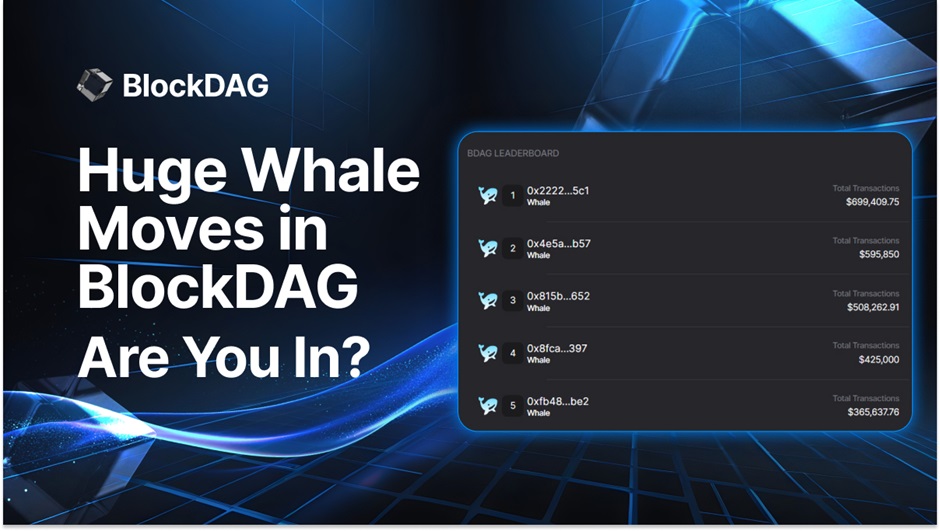
As the cryptocurrency market continues to experience fluctuations, three notable altcoins are making headlines. Litecoin (LTC) is battling to stay above $80, causing concern among its holders. Internet Computer (ICP) has plummeted over 5% in the past 24 hours, continuing a week-long decline. However, BlockDAG (BDAG) stands out as a beacon of optimism in this turbulent market. With an impressive presale raising $53.2 million and its innovative X1 Miner App revolutionizing smartphone mining, BlockDAG is drawing significant investor interest and proving to be a compelling investment opportunity.

Litecoin Holders Concerned Amid Declining Price

After surpassing the $100 mark in March, optimism for Litecoin (LTC) was high. However, the price has since struggled, now battling to maintain support above $80, causing concern among investors about the project’s long-term prospects.

Over the past 30 days, Litecoin’s price has dropped by 3%, with a 7% decline in the past week. Key market indicators, such as trading volume, are also on a downtrend. Despite this, data from Santiment shows a surge in daily active addresses, suggesting a potential rebound. If this trend continues, Litecoin could break the $100 mark again, making it a noteworthy altcoin to watch.

Internet Computer (ICP) Plummets Over 5% in 24 Hours

Internet Computer (ICP) has experienced a significant drop in value, with its price falling 5.26% in the past 24 hours to $8.78. This decline extends a week-long negative trend, with ICP losing 21% of its value, down from $11.06.

The accompanying chart shows ICP’s price movement and volatility over the past 24 hours and the past week, with wider Bollinger Bands indicating increased volatility.

Trading volume for ICP has decreased by 32% over the past week, contrasting with a 0.17% increase in its circulating supply, now at 465.32 million. Currently, ICP holds a market cap ranking of #27, valued at $4.12 billion.

BlockDAG’s $53.2M Presale: A Game Changer in the Crypto World

BlockDAG is rapidly gaining traction in the crypto market, attracting a surge of investors eager to join this expanding network. High-profile crypto investors are particularly drawn by BlockDAG’s impressive daily earnings, recently hitting $3 million and aiming for $5 million. Analysts forecast a potential coin price surge to $10 by 2025, underscoring the network’s robust growth and promising returns.

BlockDAG’s success stems from its ambitious global strategy, establishing a presence in major cities and hosting notable events like the display at Piccadilly Circus in London and a celebration at the Sphere in Las Vegas. A pivotal moment was the Moon-based Keynote 2, which captivated the global crypto community and solidified BlockDAG’s market presence.

BlockDAG’s platform is distinguished by its Low Code/No Code approach for developing decentralized applications (dApps), simplifying the process for non-developers. This strategy accelerates prototyping and reduces development times, making it easier to create and deploy applications.

The presale has gained impressive momentum, raising $3 million in just 12 hours, with projections to hit $5 million daily becoming increasingly likely. To date, BlockDAG has raised $53.2 million, distributed over 11.6 billion BDAG coins, and generated $3.3 million from miner sales. With more than 8000 miners sold, BlockDAG presents a compelling investment opportunity for those looking to capitalize on its innovative technology and growth potential.

Takeaway

In a market fraught with volatility, BlockDAG emerges as a standout choice among altcoins. While Litecoin struggles to regain its former glory and Internet Computer faces significant losses, BlockDAG’s innovative technology and robust presale success position it as a frontrunner for substantial returns. Its Low Code/No Code approach for developing decentralized applications and ambitious global strategy underscore its potential for long-term growth. As BlockDAG continues to attract high-profile investors and gain market traction, it offers a promising investment opportunity that sets it apart from its peers. For those seeking high returns in the crypto space, BlockDAG is the clear winner.

Invest in the BlockDAG Presale Now:

Presale: https://purchase.blockdag.network

Website: https://blockdag.network

Telegram: https://t.me/blockDAGnetwork

Discord: https://discord.gg/Q7BxghMVyu

Japanese Investment Managers plan to Invest in Crypto

0

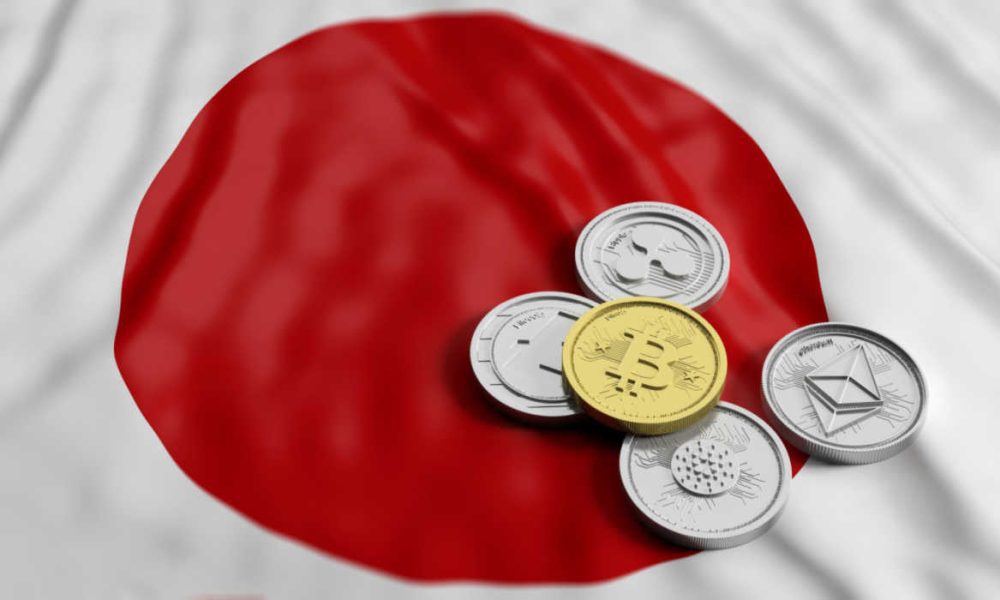
The landscape of investment is ever evolving, and a significant shift is on the horizon in Japan. A recent survey conducted by Nomura Holdings and its digital asset subsidiary Laser Digital has revealed a growing interest among Japanese investment managers in the realm of cryptocurrencies. According to the survey, a substantial 54% of the investment managers polled are considering an allocation to digital assets within the next three years.

This interest is not just a fleeting trend but a strategic move to diversify investment portfolios. With the preferred allocation to cryptocurrencies being between 2%-5% of assets under management (AUM), these managers are looking at digital assets as a complement to traditional investments such as cash, stocks, bonds, and commodities.

The survey, which included responses from institutional investors, family offices, and public-service corporations, indicates a positive impression of digital assets by 25% of the firms. Moreover, 62% view cryptocurrencies as a diversification opportunity, highlighting the potential of digital assets to enhance investment strategies.

The development of new products in the crypto space, such as exchange-traded funds (ETFs), investment trusts, and staking and lending offerings, is seen as a key driver for future investment. Approximately half of the respondents also expressed interest in investing directly in Web3 projects or through venture capital funds, signaling a broader acceptance and understanding of the technological advancements within the blockchain ecosystem.

The Japanese cryptocurrency market has shown a keen interest in a variety of digital assets. As of the latest data, Bitcoin remains the dominant cryptocurrency in Japan, with the highest spot trading value reaching nearly 549 billion Japanese yen. Ethereum follows as the second most traded cryptocurrency, with a trading value of around 76 billion yen.

Other cryptocurrencies that have captured the attention of the Japanese market include Ripple’s XRP, Cardano’s ADA, and Dogecoin. These digital assets are not only popular for trading but also for their potential use cases and community support. For instance, XRP is known for its fast transaction speeds and is used in cross-border payments, while Cardano offers a platform for building decentralized applications with a focus on security and sustainability.

The interest in cryptocurrencies in Japan extends beyond these top contenders. The market has also shown curiosity in newer and less established cryptocurrencies, reflecting a diverse and dynamic environment for digital assets. With Japan’s progressive stance on technology and regulation, the cryptocurrency landscape continues to evolve, offering a glimpse into the future of finance and investment in the country.

However, the journey into the crypto market is not without its challenges. The survey identified barriers to entry, including concerns about counterparty risk, high volatility, and regulatory requirements. These factors are critical considerations for investment managers as they navigate the complexities of the digital asset space.

As Japan continues to position itself as a hub for digital asset innovation, the findings of this survey are a testament to the shifting sentiments towards cryptocurrencies in the traditional financial sector. With regulatory changes aimed at fostering growth while maintaining investor protections, the next three years could see a significant influx of institutional money into the crypto market, potentially leading to greater stability and maturity of this emerging asset class.

The proactive stance of Japanese investment managers towards cryptocurrencies could serve as a bellwether for other markets globally. As the digital asset landscape evolves, the strategic integration of cryptocurrencies into investment portfolios may become a standard practice, offering a new frontier for growth and diversification in the global financial ecosystem.

Ethereum Gas Fees drop below 3 GWEI for the first time since 2020

0

The Ethereum Network has witnessed a significant milestone as gas fees have plummeted to below 3 GWEI for the first time since 2020, marking a historic low in transaction costs. This remarkable decrease in gas fees is a boon for users and developers alike, fostering an environment conducive to increased activity and innovation on the blockchain.

Gas fees on Ethereum are a measure of the computational effort required to execute transactions and smart contracts. These fees are denominated in GWEI, with one GWEI equating to one-billionth of an ETH. The recent drop in gas fees is attributed to a combination of factors, including improvements in network efficiency and the adoption of layer 2 scaling solutions.

The implementation of EIP-1559, which introduced a base fee and a priority fee system, has played a pivotal role in making gas fees more predictable and fairer. Moreover, the surge in layer 2 protocol usage has effectively distributed the transaction load, resulting in a more efficient fee market. The integration of “blob” transactions through protocols like Base has further reduced costs, making operations like token swaps and NFT trades remarkably cheaper.

Despite the lower fees, network activity has soared to new heights, disproving the notion that reduced costs would lead to decreased usage. On the contrary, Ethereum’s daily transaction volume remains robust, indicating a healthy and active ecosystem. The efficient fee market, bolstered by layer 2 volumes and enhancements such as EIP-4844, has allowed the mainnet to maintain high throughput while keeping gas costs at bay.

One of the primary features of EIP-1559 is the introduction of a base fee for transactions, which fluctuates with network congestion and is burned, permanently removing it from circulation. This base fee replaces the previous first-price auction model, which often led to unpredictable and high transaction fees. The new model aims to provide more predictability and stability in transaction costs.

For miners, EIP-1559 has altered their revenue model. Previously, miners would receive the entire transaction fee; however, with the new system, they now receive only the priority fee (tip) set by users, while the base fee is burned. This change has raised concerns among miners about potential reductions in their income.

Despite initial worries, data following the activation of EIP-1559 indicated that miners’ revenue did not significantly decline. In fact, reports showed a slight increase in daily miner revenue by 7.1%, suggesting that the impact of EIP-1559 on miners’ earnings was not as detrimental as feared.

The dip in gas fees also has implications for Ethereum’s tokenomics, particularly concerning the burn rate introduced by EIP-1559. With fewer fees to burn, the supply dynamics of ETH have shifted slightly, leading to a marginal inflationary trend. Nonetheless, the network’s growth rate remains low, and the overall impact on Ethereum’s economy is yet to be fully understood.

This development is a testament to Ethereum’s ongoing evolution and its community’s commitment to improving user experience. As gas fees reach new lows, the potential for increased adoption and development on the Ethereum blockchain is boundless. The future looks promising for Ethereum as it continues to solidify its position as a leading platform for decentralized applications and financial innovation.