DD
MM
YYYY

PAGES

DD
MM
YYYY

spot_img

PAGES

Home Blog Page 3269

Tinubu Signs South-East And North-West Development Commission Bills into Law

0

President Bola Tinubu has officially signed into law the North-West and South-East Development Commission Bills, marking a significant legislative milestone aimed at addressing the unique development challenges in these regions of Nigeria.

The enactment of these bills is seen as a crucial step towards enhancing infrastructure and tackling longstanding issues arising from years of insecurity and neglect.

The North-West Development Commission Bill, introduced by the Deputy President of the Senate, Senator Jibrin Barau, targets the seven states within the North-West region. The region has faced significant developmental setbacks due to Boko Haram insurgency, armed banditry, and other forms of criminality.

Speaking with journalists in Abuja, Senator Barau expressed his appreciation to President Tinubu for signing the bill into law.

“The Commission will assist in the development of the geo-political zone in terms of required infrastructure, production of food, etc. It would be recalled that Boko Haram, kidnappers, and bandits ravaged the zone like the North-East with an attendant drop in development indices. With the assent to the bill, the coast is now clear for the rebuilding of the zone,” he said.

Meanwhile, the South-East Development Commission Bill, sponsored by the Deputy Speaker of the House of Representatives, Rt. Hon. Benjamin sigKalu also received presidential assent. This legislation is designed to address critical issues such as environmental degradation, particularly erosion, as well as the reconstruction and rehabilitation of roads in the Southeast states, including Abia, Enugu, Ebonyi, Imo, and Anambra.

Levinus Nwabughiogu, Chief Press Secretary to the Deputy Speaker, announced the signing on social media, celebrating the milestone as a victory for the South-East region:

“Ndi Igbo, this government loves us. Congratulations to my principal, Rt. Hon. Benjamin Okezie Kalu (Enyi Abia), who champions this cause. Congratulations to Ndi Igbo worldwide.”

The passage of these bills follows a protracted debate on the necessity of regional development commissions, especially in the Southeast, where the legacy of the Nigerian Civil War continues to hamper infrastructure development. The establishment of the South-East Development Commission is viewed by many as an essential move toward addressing historical grievances, promoting regional development, and fostering peace in a region marked by secessionist movements.

However, the creation of these new commissions has not been without concerns. There is a prevailing skepticism among some stakeholders regarding the potential effectiveness of these bodies.

This skepticism is largely rooted in the experiences with the Niger Delta Development Commission (NDDC), which was established to address the developmental needs of the Niger Delta region but has been mired in allegations of corruption and mismanagement. Reports of malfeasance within the NDDC, including the misappropriation of funds and lack of transparency, have raised concerns about whether the newly established commissions will be able to avoid similar pitfalls.

The NDDC’s struggles with corruption have cast a long shadow over the potential effectiveness of the North-West and South-East Development Commissions. Many fear that without robust oversight and transparent governance, these new bodies could fall prey to the same issues that have plagued the NDDC, failing to deliver the much-needed development and relief to their respective regions.

Based on these concerns, there are calls for significant scrutiny of the ability of these development commissions to implement projects efficiently, manage funds transparently, and genuinely address the developmental challenges in their respective regions. The success of these commissions will be pivotal not only in improving the quality of life in the North-West and South-East but also in restoring public trust in government-led development initiatives.

The coming months will determine whether these new commissions can rise above the challenges that have hampered similar bodies in the past. The Nigerian government, under Tinubu’s leadership, now faces the challenging task of ensuring that these commissions fulfill their intended purpose.

Why Aviator is a Popular Choice on Mostbet Azerbaycan

0

Mostbet Azerbaycan has over 2,000 games that you can choose from on your mobile device or desktop computer. Are you excited that there is so much to play with? We hope so—because we have one game in particular to check out. Say hello to Aviator.

For all kinds of fun, Aviator Mostbet has the potential to be one of your favorites for a long time to come. Let’s explore how you can get started.

What is an Aviator?

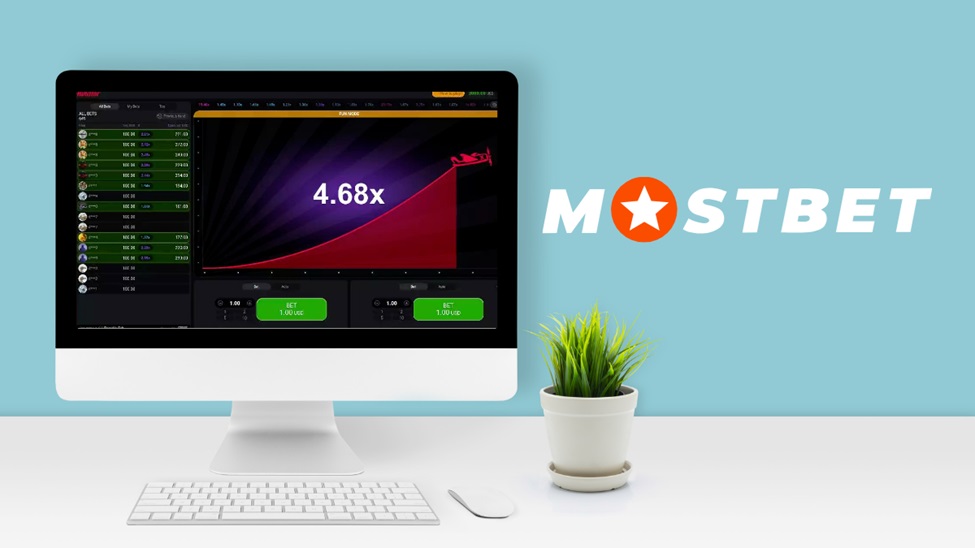
Aviator is no ordinary online casino game. It’s not a slot game or a table game, but it is a special kind of game that you can play on platforms like the Mostbet online casino AZ. The way this works is that you watch an airplane take off and fly up to a certain distance. For example, let’s say the plane flies off at 1.5x. Let’s say you place a bet for the plane to take off right there.

If you guess the takeoff distance correctly, then you win the bet. If you get it wrong, then you lose. What makes Aviator Mostbet Interesting is that you can make bets based on a specific prediction you make. You might even have a few Mostbet aviator tricks that give you an edge over your competitors. If you’re playing your favorite casino games in Azerbaijan and want to check out this fun game, you will need to sign up on the Mostbet site.

You can play it on your desktop or download the Mostbet Azerbaycan Yukle from your phone. Either way, get ready to play this fun game and place bets on when takeoff begins.

It’s Accessible and Convenient

If you have a mobile device, desktop, or laptop, you’ll notice that online casino platforms like Mostbet are easily accessible and convenient. This means you can enjoy Aviator anytime and any place. If you have a reliable and solid connection on your desktop or mobile device, you can continue to place bets while playing Aviator for as long as you like. Not only will it be fun for you, but it will also be fun for other competitors accessing the game from different parts of the world. Whether you are someone who likes fun games where you can bet on a specific prediction or if you’re just a strategic gamer, you can have fun with Aviator.

Excellent Payouts and Rewards

The game multiplier system will vary depending on where the plane takes off. That’s the beauty of Aviators. If you get it right, you get the BET times the multiplier. Talk about a lucrative payout that will be quite rewarding. Imagine getting a big reward for guessing something right. That is exactly one of the reasons why Aviator might be growing in popularity not just in Azerbaijan but in some parts of the world as well.

Of course, it is essential to make sure that you place responsible bets. Especially if you are looking to manage your bankroll and play longer, do not place any bets that are more than you can afford to lose. Having fun and being responsible while playing games such as Aviator and the 2000 plus others available on the Mostbet platform is important. These games you can play on Mostbet include:

  • Slots
  • Roulette
  • Blackjack
  • Live Sports Bets
  • And more…

Final Thoughts

If you are looking for a fun game to play and live in Azerbaijan, Aviator just might be the game for you. It’s available on Mostbet and can be easily played on your desktop or mobile device. If you still need an account with the platform, now is your chance to sign up. Once you are finished, you can decide whether or not you want to download the app on your mobile device. The desktop version will always be available if you feel comfortable doing so.

You are now clear to understand Aviator. Have fun and enjoy the takeoff.

Nigerians’ Foreign Education Spending Declines to $38.17m in Q1 2024, Amid New CBN Policies and International Immigration Shifts

0
A university

In a significant shift from previous trends, Nigerian spending on foreign education plummeted to $38.17 million in the first quarter of 2024, according to the Central Bank of Nigeria’s (CBN) quarterly statistical bulletin, marking an 83% decrease from the $218.87 million recorded during the same period last year.

Notably, this reduction comes alongside a 54% increase compared to the $24.82 million spent in the fourth quarter of 2023, highlighting a complex and evolving financial landscape for Nigerians seeking education abroad.

However, this sharp decline in foreign exchange (FX) spending on education is not occurring in isolation. It aligns with broader global and domestic changes affecting international student mobility and financial policies.

A significant factor contributing to this downturn is the recent introduction of stringent CBN regulations designed to curb the outflow of foreign currency, especially in light of Nigeria’s ongoing economic challenges significantly buoyed by FX illiquidity.

The CBN, under the leadership of Governor Yemi Cardoso, has been vocal about the economic strain caused by substantial spending on foreign education and medical tourism. In a presentation to the House of Representatives, Cardoso revealed that a staggering $40 billion had been spent on these sectors, compounding Nigeria’s foreign exchange crisis and contributing to the devaluation of the Naira.

The CBN’s measures include a cap of $10,000 per customer annually for foreign currency purchases related to school fees, requiring these transactions to be conducted through Bureau De Change (BDC) operators’ domiciliary accounts with Nigerian banks. This new policy is intended to ensure that funds are directly paid to educational institutions, limiting the potential for misuse and excessive FX outflows.

The CBN’s new guidelines also demand a thorough documentation process for educational transactions. These include a completed e-Form A, proof of admission or course registration, an invoice from the educational institution, and additional documentation for postgraduate studies. For medical expenses, a similar cap of $5,000 per annum has been implemented, requiring direct transfers from BDCs to the medical facility abroad, supported by referral letters and cost estimates.

However, the broader international context also plays a crucial role in this scenario. The downturn in Nigerian spending on foreign education coincides with a noticeable decline in international student enrollment in the UK, a popular destination for Nigerian students. This trend is linked to the UK’s recent tightening of immigration policies, which have made it more challenging for international students to secure visas and study permits.

The Office for Students (OfS) in the UK has reported a sharp decline in student applications, leading to a financial crisis across many universities. According to the OfS annual report, 40% of England’s universities are projected to operate with deficits in the 2023-24 academic year, with many facing low cash flows and the risk of closure if they cannot adapt their funding models.

Data from Universities UK (UUK) and Enroly corroborate these findings, showing a significant drop in international student interest. A survey conducted by UUK across 73 universities revealed a 44% decrease in international postgraduate student enrollments in January compared to the previous year.

Enroly’s data further indicates a decline in deposit payments from international students, suggesting reduced interest in studying in the UK. This reduction in international students, who often pay higher fees, poses a significant financial challenge for UK universities, particularly those relying heavily on income from these students.

The backdrop of these international shifts, combined with Nigeria’s internal economic policies, underscores a critical juncture for Nigerian students and families. The CBN’s stringent measures, while aimed at stabilizing the Naira and reducing FX pressures, limit access to foreign education and significantly impact the aspirations of many Nigerians seeking higher education abroad.

Meanwhile, the reduction in foreign education spending has occurred alongside a significant increase in spending on health-related and social services. The CBN data indicate a 122% rise in spending from $1.04 million in Q1 2023 to $2.31 million in the same period in 2024, marking a 485% increase from Q4 2023’s $0.39 million. This shift suggests a shift to healthcare spending over education.

While the current measures by the CBN seem to be achieving its aim to reduce the FX outflow associated with foreign education, there is growing concern about their impact on access to quality education for Nigerian students, especially as the nation’s education sector remains poor.

From Stability to Innovation: How Brett Is Challenging Litecoin’s Dominance, With WW3 Shiba Set to Dominate P2E Memecoins in 2024!

0

The crypto market is seeing both ups and downs. Some tokens like Litecoin are gaining momentum. On the other hand, a few memecoins like Brett are losing investors.

One notable meme coin is WW3 Shiba is making waves with its hot initial coin offering (ICO).

Litecoin Price Eyes $100

Last week, Fidelity Digital Assets announced its support for Litecoin. Litecoin is the third cryptocurrency to get the backing. This made it available to many institutional investors.

Both trading volume and market capitalization grew. They reached $360 million and $5.43 billion. This suggests that investors are gaining interest.

CoinMarketCap’s data revealed that both of Litecoin’s prices gained bullish momentum over the past few days. To be precise, LTC witnessed a 1.2% price rise (at the time of writing). Currently, Litecoin is trading at $72.65(at the time of writing).

Can BRETT Come Back to Winning Tracks?

Considering the attractiveness of BRETT memecoin, the Base blockchain continues to expand. Over the last month, BRETT has experienced an almost 10% decrease in its price. The Base blockchain is experiencing a lot of activity, and it’s not only BRETT.

Trading volume, currently at around 25.4 million dollars, is also decreasing. New memecoins are swiftly making their imprint, as BRETT is struggling.

WW3 Shiba Craze Is Real

The SocialFi memecoin known as WW3 Shiba is the most recent cryptocurrency to attract investors, including Litecoin and BRETT, despite its recent success, WW3 Shiba is a meme coin that can be used for real-world purposes such as donating to organizations focusing on dogs.

The team has incorporated a play-to-earn (P2E) platform to facilitate WW3 Shiba’s entry into the blockchain game industry. Through arcade missions, players can acquire in-game assets and other prizes.

WW3 Shiba excels in its value proposition, so investors flock to its ICO. Staking WW3 Shiba allows investors to generate passive income in addition to its potential future price increase. After the presale, it is anticipated that WW3 Shiba might be the next 100x coin once listed on major exchanges, making it the most valuable memecoin for investors to buy.

If you would like to get more details about this presale,

Website: www.ww3shiba.com

Twitter: https://x.com/WW3SHIBA

Telegram: https://t.me/WW3SHIBA


Nigerian Banks At Inflection Point As A 70% Windfall Tax Awaits on Forex Gains

0

Poor bankers and their Bankers Committee. Unfortunately, the support from KPMG, PwC, and Ndubuisi could not help them as the Nigerian Senate has retroactively changed the tax laws, to collect extra cash on those windfall Forex-related gains.  Initially, the proposal was 50%, but the Senators updated it to 70%: “The Nigerian Senate has on Tuesday, passed the amendment bill to the 2023 Finance Act, significantly raising the windfall tax on banks’ foreign exchange revaluation gains from 50% to 70%.”

The government has a huge opportunity to pick more money from this policy: “Nigeria’s leading commercial banks recorded significant FX revaluation gains, estimated at a combined total of N3. 37 trillion in 2023 and Q1 2024, primarily due to the devaluation of the Naira last year. These FX gains include both realized and unrealized amounts, as reported by the banks” – Nairametrics.

GTCO – N844.450 billion FX Gains 

Zenith Bank Plc – N828.675 billion

Access Holdings – N748.159 billion FX gains

United Bank for Africa – N682.952 billion FX gains

First City Monument Bank (FCMB) – N116.443 billion FX Gains

While the one-time windfall tax could promote economic stability and social welfare, it will also reduce banks’ net profits, impacting their bottom lines and shareholders’ wealth. 

The next 3 months will be tough for Nigerian bankers. I just hope those profits are not vapour profits, because if that should be the case, bad things will happen. More here