DD
MM
YYYY

PAGES

DD
MM
YYYY

spot_img

PAGES

Home Blog Page 3319

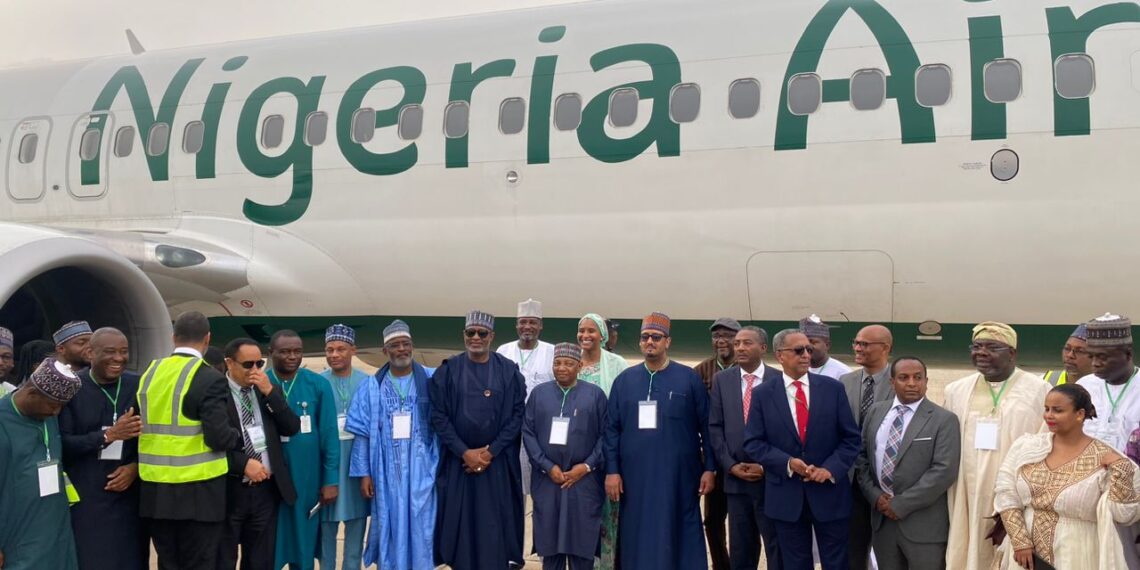
Ethiopian Airlines Confirms Nigerian Government’s Withdrawal from the ‘Air Nigeria’ Project

0

Ethiopian Airlines has confirmed that the Nigerian government is no longer pursuing the proposed Nigeria Air joint venture. This revelation came from the Group’s CEO, Mesfin Tasew, during a media briefing in Dubai, according to a report by Ethiopian Tribune.

This update comes shortly after the Federal Government of Nigeria suspended the Nigeria Air project indefinitely.

“The Nigerian government has lost interest in partnering with a foreign airline,” Tasew announced, confirming the end of the Nigeria Air project initiated by the past administration.

The Nigeria Air Backstory

In May 2024, Festus Keyamo, the Minister of Aviation and Aerospace Development, announced the suspension of the Nigeria Air project during a ministerial briefing commemorating the first year of President Bola Tinubu’s administration. Keyamo criticized the partnership with Ethiopian Airlines, arguing it would be detrimental to Nigerian airlines and risk creating a monopoly by a foreign entity in Nigeria’s aviation industry.

The Nigeria Air project was initially launched in May 2023 with high hopes under the stewardship of then Minister of Aviation, Hadi Sirika. The launch, which occurred just before President Muhammadu Buhari’s administration ended, was meant to revitalize the national carrier and boost the country’s aviation sector. However, optimism quickly faded as concerns emerged about the plane used for the launch and the specifics of the deal.

Controversial Deal Structure

Sirika had outlined that Ethiopian Airlines would hold a 49 percent equity stake in Nigeria Air, with the Nigerian government retaining only 5 percent. The remaining 46 percent was to be owned by a consortium of three Nigerian investors. This allocation raised eyebrows, with many critics arguing that the deal heavily favored Ethiopian Airlines, potentially compromising the benefits to Nigeria.

Investigative Revelations and Legislative Scrutiny

The launch of the Nigeria Air came with a lot of concerns about transparency, as it was hurriedly executed. Investigative journalist David Hundeyin’s exposé intensified the controversy, revealing potential fraudulent elements and a lack of transparency in the project.

His findings highlighted irregularities that increased public skepticism and prompted the House of Representatives to intervene. In June 2023, the House called for the suspension of Nigeria Air operations, labeling the deal a fraud and demanding a thorough review.

Following the legislative intervention, the government, through Minister Keyamo, suspended the Nigeria Air project in September 2023. Keyamo reiterated the government’s commitment to establishing a national carrier under terms beneficial to Nigeria. He emphasized that the suspended project was misrepresented as a Nigerian initiative when it was largely driven by Ethiopian Airlines.

The Aviation Minister was understood to be acting based on broader public and stakeholder sentiment that a true national carrier should belong to Nigeria in both ownership and operational benefits.

He criticized the initial ownership structure, stating, “Nigeria Air must be indigenous, it must be wholly Nigerian, and must be for the full benefits of Nigeria. Not that 50 percent of the profit is for another country.”

Thus, The Nigerian government’s decision to terminate the partnership with Ethiopian Airlines is seen as part of its commitment to creating a national carrier that aligns with national interests and promotes local growth in the aviation sector. The suspension of the Nigeria Air project is seen as a way to ensure that future ventures are transparent, equitable, and genuinely beneficial to Nigeria’s economy and its people.

Former Aviation Minister Hadi Sirika is currently being prosecuted by the Economic and Financial Crimes Commission (EFCC) on charges of alleged money laundering, contract fraud within the ministry, and issues related to his handling of the Nigeria Air project.
Dangote Refinery Begins Export to West Africa, Disrupting Market for European Refiners

0

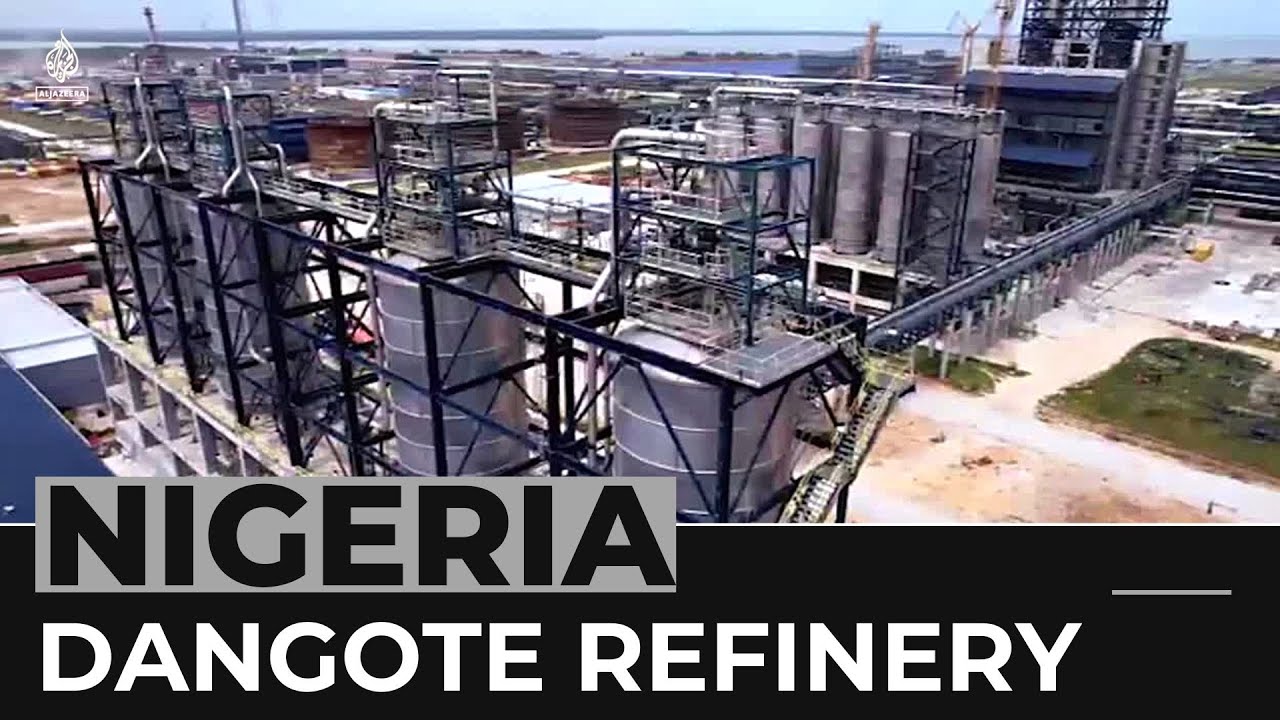
Nigeria’s new Dangote oil refinery is rapidly disrupting the landscape of gasoil exports in West Africa, significantly impacting European refiners.

The $20 billion refinery, heralded as a game-changer for Nigeria’s oil industry, is capturing market share from European suppliers despite facing substantial domestic challenges.

According to traders and shipping data cited in a report by Reuters, the refinery has been producing a lower grade of gasoil than initially planned, as it awaits the restart of units essential for cleaner fuel production. However, this delay has not stopped the refinery from finding eager buyers in neighboring West African markets.

In May, gasoil exports from the refinery surged to nearly 100,000 barrels per day (bpd), almost double the exports of April, with most shipments directed to other West African countries and one shipment reaching Spain. Preliminary June data indicates a decline in gasoil volumes, although total oil product exports, including fuel oil, naphtha, and jet fuel, remained robust at 225,000 bpd.

Shifts in West African and European Markets

The Dangote refinery has shifted market dynamics in West Africa, reducing the region’s dependency on European refiners. According to Kpler data, EU and UK gasoil exports to West Africa plummeted to a four-year low of 29,000 bpd in May. Simultaneously, Russian exports to the region dropped to an eight-month low of 87,000 bpd.

A European distillates trading source told Reuters, “The refinery has shifted the balance in West Africa,” noting the significant impact on European markets.

The Dangote refinery’s ability to produce and export substantial volumes of gasoil is expected to continue altering trade flows.

While Dangote has been selling some high-sulfur gasoil within Nigeria, a dispute has arisen with local fuel retailers over responsibility for the distribution of this dirtier fuel. The Petroleum Industry Bill 2021 mandates a sulfur content of 50 parts per million (ppm) to align with sub-regional ECOWAS standards adopted in 2020. However, the regulator allowed the sale of gasoil with sulfur content above 200 ppm locally until June 2024, giving local refineries and importers time to meet the new standards.

As European countries, including key hubs like Belgium and the Netherlands, enforce stricter regulations on high-sulfur gasoil exports, the Dangote refinery has found markets in regions with more lenient fuel standards. This strategic adaptation enables the refinery to maintain high export levels despite regulatory challenges.

Domestic Challenges: Sourcing Crude Oil

The ambitious project, however, faces significant domestic hurdles, particularly in sourcing crude oil. Nigeria’s oil production has been plagued by inefficiencies and disruptions, creating a substantial obstacle for the Dangote refinery. Despite its vast capacity, the refinery has struggled to secure a steady supply of crude oil, a critical component for its full operational capability.

Nigeria, once a leading oil producer, has seen its production levels decline due to a combination of aging infrastructure, theft, vandalism, and regulatory uncertainties. These issues have exacerbated the refinery’s difficulties in sourcing sufficient crude oil to ramp up operations to full capacity. Consequently, the refinery’s plans for full-scale operations have been delayed, impacting its potential to meet both local and regional demand comprehensively.

Aliko Dangote, Chairman of the Dangote refinery, stated in May that the refinery’s capacity is designed to supply products not just to Nigeria but to West and Central African countries, given its scale. This capacity aligns with reports suggesting that the refinery could significantly reduce the continent’s $17 billion oil import bill and potentially lead to the closure of some European refineries.

In 2023, West Africa emerged as the largest regional recipient of Europe’s gasoline exports, accounting for about one-third of the continent’s average exports of 1.33 million bpd.

While the refinery is pushing its ambition to export refined petroleum beyond West Africa, the region alone has been described by analysts as a huge market that could sustain the refinery’s plan for economic growth, if it successfully tackles the challenge of insufficient crude oil supply.

As Nigeria Upgrades Withholding Tax Regime, We Must Update the TRUST Component

2

The team upgrading Nigeria’s withholding tax regime has gotten an approval with the summary presented by the Chairman: “A SIMPLIFIED AND BUSINESS FRIENDLY WITHHOLDING TAX REGIME HAS BEEN APPROVED”. Well done team, as we continue to reform the tax system. 

Nonetheless, let me drop these words: people willingly pay taxes when taxes are working in their lives. Where am I going? I want, as part of this tax reform, for the team to put efforts on how to deepen the TRUST of the Nigerian people on this matter. 

See, I am not sure people really hate to pay taxes in Nigeria. Yes, as a primary school kid, my grandmother gave me money to give to the principal, to send to legendary ex-Governor of Imo State, Chief Mbakwe,  because the governor was on TV, and asked the citizens to send him funds to develop Imo State.

This experience was not an isolated one. The Peoples Club of various branches in South East Nigeria was the IMF and World Bank then. Governors went to them, and asked for funds, and men will return with FREE cash raised to help the government execute projects. 

But when Nigeria institutionalized corruption, the Peoples Club stopped giving, and the citizens moved back. So, a “reform” on the tax system that will bring that old TRUST back will be the most potent as Nigeria continues to struggle to increase its tax tickets.


A SIMPLIFIED AND BUSINESS FRIENDLY WITHHOLDING TAX REGIME HAS BEEN APPROVED

Background

Withholding tax was introduced into the Nigeria tax system in 1977 to serve as an advance payment of income tax on specified transactions. It was designed to provide the government with regular revenue flow and to serve as a means of curbing tax evasion.

Challenges

As the regime expanded over time to cover more transactions, various ambiguities and complications crept in. This resulted in many businesses, especially SMEs, being exposed to excessive burden of compliance and a strain on the working capital of low-margin businesses.

Other unintended consequences include:

1) Ambiguities regarding persons required to comply, eligible transactions, applicable rates, and timing of the obligation for remittance, among others.

2) Treatment of the deduction as a separate tax, thereby adding to the list of multiple taxes and cost of doing business.

3) Challenges regarding obtaining refunds for excess withholding tax.

4) Lack of exemption threshold making the cost of compliance by taxpayers and cost of enforcement by the tax authority uneconomical.

5) Some emerging and contemporary issues are not properly addressed.

6) The overall structure of the withholding tax regime promoted tax inequity.


Key changes

As part of the ongoing fiscal policy and tax reforms, a new withholding tax regime has been approved. The key changes introduced are to address the identified challenges and specifically include: 

1) Exemption of small businesses from Withholding Tax compliance

2) Reduced rates for businesses with low margins

3) Exemptions for manufacturers and producers such as farmers

4) Measures to curb evasion and minimise tax avoidance

5) Ease of obtaining credit and utilisation of tax deducted at source

6) Changes to reflect emerging issues and adopt global best practices

7) Clarity on the timing of deduction and definition of key terms


The approved regulation is expected to be published in the official gazette in the coming days.

Exchange for Fractionalization of Real Estate Investment – Tekedia Live

0

Join us today as we discuss how you can use N100 to invest in that N20 billion real estate project. It is a new vista in the world of real estate investment. Yes, technology is making it possible to fractionalize assets and unlock opportunities for all.

What can we learn from this redesign, and how can you participate? Join the #best school as our faculty, UGO PETERS, CEO of HXAfrica takes us into that evolving journey.

This is Tekedia Mini-MBA; register and get big discounts for the next edition here.

Investors Are Excited Over JASMY and MATIC Potential But Nothing Comes Close To Excitement Around Rollblock (RBLK)

0

The crypto markets have been on fire this year, with huge gains being made across all sectors of the space. JasmyCoin (JASMY) and Polygon (MATIC) have long been on many investors’ watchlists as they have grown and developed the potential of Web3. However, despite strong bullish trends, both projects are being outperformed by Rollblock.

Rollblock ($RBLK) is an entirely new concept in online gambling – a fully crypto-native platform with huge scope for growth in the coming bull run. With a burgeoning community and impressive levels of hype, it looks set to dominate the GambleFi scene in the coming months and has huge potential to make enormous gains for early adopters. Analysts predict the coin could be 50x in the coming months as the project gains market share.

JasmyCoin (JASMY): A Titan of IoT and Data Management

JasmyCoin (JASMY), often labeled the ‘Bitcoin of Japan,’ has seen incredible growth this year and emerged as a market leader in the IoT (Internet of Things) space. JasmyCoin lets users control their own data securely and has revolutionized how personal data can be stored and managed in Web3.

JasmyCoin’s utility token, JASMY, trades on Ethereum and has seen considerable volatility in recent months, as the token has risen to highs of $0.04 from the bear market lows of $0.003, and currently sits below the 50-day simple moving average (around 0.034) at $0.03.

Although JasmyCoin has seen a considerable decline from all-time highs, this swing reflects market-wide adjustments, and the coin’s recovery in terms of price action and volume is impressive. Analysts look towards a future price of around $0.16 for JasmyCoin, though experts believe that JasmyCoin could experience considerable resistance on the way.

Polygon (MATIC): Will the Giant of Scaling Solutions Rise Again?

Polygon (MATIC) has been on the scene since late 2017 and has established itself as a leading Layer 2 on the Ethereum blockchain, allowing for increased throughput and vastly reduced fees. Polygon went on an almighty run during the previous bull market, with price running from $0.07 to heights of $2.93 in December 2021. Since then, Polygon has languished slightly and recently lost its position in the Crypto top 10.

However, there is hope for a resurgence as the Polygon team has been building furiously during the bear market. It rebranded as Polygon 2.0 and launched Polygon zkEVM, which leverages zero-knowledge proofs to improve scalability and interoperability. If the coin can reclaim the $1.00 mark, there will be little to stop MATIC reaching old highs – many analysts predict an easy 10-20x from here.

Rollblock (RBLK): A Innovative Disruptor in the GambleFi Space

Rollblock (RBLK) recently emerged as a coin likely to follow in the footsteps of JASMY and MATIC to become a major player in its niche. Making moves into the $450 billion online gambling space, Rollblock is set to gain massive adoption as the first fully community-backed Casino and ‘Play-to-Earn’ token.

Rollblock has a considerable ace up its sleeve as it requires zero KYC from users signing up, ensuring a welcome level of privacy and security. Users can create an account with an email address, make a deposit and choose from a huge range of games including Roulette, Blackjack, and many new options exclusive to the site. As all bets are made on-chain, there is no danger of the house editing or manipulating the transactions.

An innovative system of tokenomics will ensure that the native $RBLK token will become highly deflationary over time, with users earning coins in game, and staking rates offered at an attractive APY. The platform will also run an aggressive ‘buy-back and burn’ mechanism, ensuring that over time the supply will decrease as adoption grows.

Up to 30% of the Casino’s profits will be allocated to the market, buying $RBLK tokens each week through a decentralized exchange (DEX). 50% of the tokens repurchased will be immediately burned, and the remaining 50% will be distributed to stakers as a source of passive income for holders. This will allow Rollblock to offer their holders some of the best APY in the crypto space.

Right now $RBLK is in stage 3 of its prelaunch, with over 90 million of its total 1 billion tokens being purchased already. The price will soon rise from $0.015 with early adopters already enjoying returns of 50%. The price is set to jump up many multiples from here and experts are predicting a likely 50x move in the coming weeks and months.


Discover the Exciting Opportunities of the Rollblock (RBLK) Presale Today!
Website: https://presale.rollblock.io/

 Socials: https://linktr.ee/rollblockcasino