DD
MM
YYYY

PAGES

DD
MM
YYYY

spot_img

PAGES

Home Blog Page 3434

Lokpobiri: Nigeria Lost $34bn in Two and Half Years Due to Decline in Oil Production

0

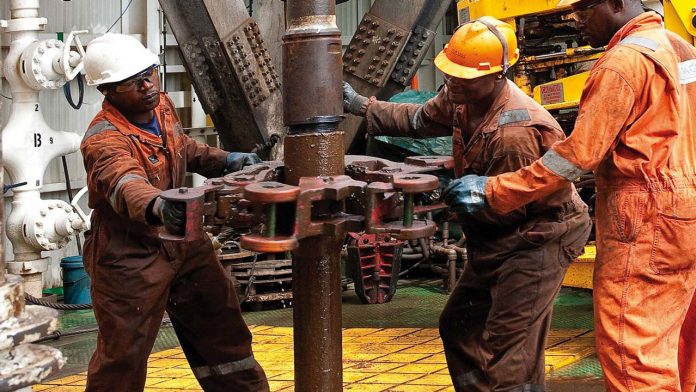
During the Second Quarter Dinner of the Petroleum Club in Lagos themed “Funding Our Way out of the Crisis: Looking up to the Oil and Gas Sector”, Minister of State for Petroleum Resources, Heineken Lokpobiri, delivered a keynote speech addressing critical issues facing the oil and gas sector.

Among other things, he revealed a staggering loss of $34 billion over the last two and a half years due to declining oil production from assets being divested by ExxonMobil to Seplat Energy.

Lokpobiri disclosed that output from these assets plummeted from 600,000 barrels per day (bpd) to a mere 120,000bpd, resulting in a significant shortfall of 480,000bpd. At a conservative estimate of $80 per barrel, this translated to a monumental loss of $34 billion, highlighting the magnitude of the challenge facing Nigeria’s oil industry.

“My own opinion is that, look, we are in short of 480,000 barrels a day from that ExxonMobil-Seplat transaction,” he said.

“For the past two and a half years, oil has been moving around $80 a barrel. Four hundred and eighty thousand barrels a day, multiply it by two and a half years, and it will give you about $34 billion.

“When I was at this table, I was doing rough mathematics and I guess you have your phones. So, you can do the calculation. If one asset was doing about 600,000 barrels, because of certain problems, which we’re trying to resolve, production declined to 120,000 barrels, which means we’ve lost about 480,000 barrels a day.

“Multiply it by $80 a barrel. Every day, you’ll get about $34 million. Multiply it by two and a half years, you’re talking about over $30 billion. If $30 billion is injected into our economy today, I guess you guys will have to sell more of your dollars because dollar will naturally drop. This exchange rate is sometimes a question of demand and supply.”

Against this backdrop, which has been described as the major contributor to the naira’s woeful performance in the FX market, Lokpobiri expressed confidence in the country’s ability to ramp up oil production to five million barrels per day within the next 12 to 18 months. He attributed the decline in production to a lack of investment in the sector over the past decade and underscored the urgency of addressing this issue.

“If from only that Seplat-ExxonMobil transaction, we have lost about $35 billion, imagine if that money was in Nigeria. Imagine if NNPC has about 70 per cent of that money. If they have that money to expand their investment, I believe that Nigeria will be in a better place,” he added.

The Minister said the quickest way to the redemption of the Nigerian economic problems is through the oil and gas sector. No oil and gas-producing country fails to prioritize investment in the sector.

He further outlined the potential for restoring production levels by resolving the divestment process and making minimal investments in the affected assets. He stressed that resolving the bottlenecks hindering the divestment process was paramount to unlocking Nigeria’s oil production potential.

According to him, one of the first problems that confronted him was the ExxonMobil-Seplat transaction, and said for the past two years, they’ve been struggling to resolve the problem.

“When I came, what I did was to bring Seplat and NNPC to the table to say, ‘Look, we must lock up ourselves in this room. We must find a solution to this problem.’

“What is the problem? They can attest to the fact that we are able to get some agreements. And I believe that in no distant time, we’ll be able to resolve that problem,” he said.

Lokpobiri’s calculations revealed the staggering economic impact of the production decline, with implications for the country’s revenue and overall economic stability. He reiterated the government’s commitment to prioritizing investment in the oil and gas sector to drive economic growth and deliver on its promises to the Nigerian people.

“That is my mandate. That is the mandate given to me by Mr. President. And I can assure you that this present administration is committed to ensuring that that happens.”

In addition to addressing the divestment challenges, Lokpobiri highlighted the government’s efforts to attract investment and remove bottlenecks in the industry. He emphasized the importance of collaboration with industry stakeholders and expressed optimism about resolving the issues hindering investment in the sector.

“We are willing to remove all bottlenecks in the industry because every country that has oil prioritizes investment in the oil and gas sector,” he said.

Furthermore, the Minister outlined plans for hosting the African Energy Bank (AEB), highlighting the potential economic benefits for Nigeria. He noted the government’s determination to leverage all available resources to attract investment and maximize the country’s oil and gas potential.

“But the summary of what I want to say today is that, as a government, our own policy is to ensure that we do everything that is globally possible that other countries don’t have and that other countries are doing to attract investment, so that we can attract the desired investment,” he said.

An increase in oil output has been touted as a sure way to lift Nigeria from its present economic predicament – which has unleashed an unprecedented 40.1 percent food inflation as the naira falters.

Lokpobiri’s remarks are seen as an admission of how critical the situation has become and the importance of addressing the challenges – mainly, oil theft and infrastructure vandalism. Also, experts note that by resolving divestment issues, attracting investment, and fostering collaboration with industry stakeholders, Nigeria can unlock its oil production potential and pave the way for sustainable economic growth.
E-Payment Transactions in Nigeria Surged to N234 Trillion in Q1 2024

0

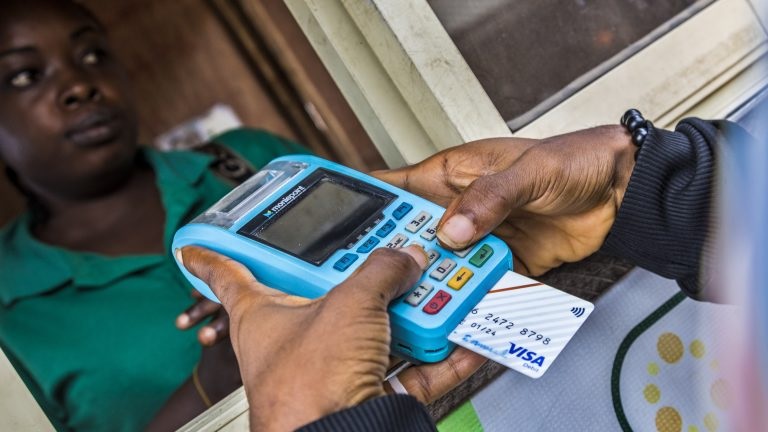
Electronic payment transactions in Nigeria is reported to have surged to N234.4 trillion in the first quarter (Q1) of 2024.

According to the report released by the Nigerian Interbank Settlement System (NIBSS), the value of electronic payment transactions grew year-on-year (YoY) by 89 percent from N136.2 trillion recorded in Q1 of 2023.

The data also showed that the value of NIBSS Instant Payment (NIP) recorded a high value of transactions, growing YoY by 90.8 percent to N236.46 trillion in Q1, 2024, from N123.9 trillion in Q1 2023.

From January to March, there was a steady rise in the amount of payment transactions carried out via various banks and fintechs in the country, as report revealed that the value of Mobile Money Operations (MMO) transactions grew by 87.8 percent to N17.11 trillion in Q1, 2024 from N9.11 trillion in Q1 of 2023.

Also, the value of Cheque transactions grew by 22 percent to N935.24 billion in Q1 of 2024, from N765.9 billion in Q1’23. However, the transaction value of PoS transactions fell year-on-year (YoY) by 8.09 percent to N2.61 trillion in Q1’24 from N2.84 trillion in Q1’23.

Financial experts disclose that the surge in e-payment transactions can be linked to the recent cash crunch experienced in the country and the cashless policy of the Central Bank of Nigeria (CBN).

Recall that when the CBN last year announced plans to redesign the old Naira notes, New notes were scarce in circulation as banks were rationing their release. On the other hand, PoS operators imposed exorbitant cash exchange charges.

This development compelled most Nigerians to adopt the electronic channels for payment of goods and services. Despite the ease of the cash crunch, a lot of them have maintained the electronic mode of payment as their preferred option.

Many of those who were forced to use either PoS or bank transfers during the period, have discovered that it is the fastest way to make payments without them going through the hassle of withdrawing cash from the bank or ATM before making payment.

Aside the cash scarcity experienced in March 2023, the revised cashless policy implemented by the CBN, which further limits the amount of cash that can be withdrawn from banks daily, has also been pushing e-payment growth. Many Nigerians are now getting used to mobile transfers, paying with PoS, USSD, among others.

Also, most businesses that do not accept mobile transactions, have now adopted transfer option as a means of payment. This implies that electronic transactions are expected to increase.

In line with this, it is interesting to note that six (6) commercial banks in Nigeria have ramped up their investment in information and technology (IT) by 44.66 percent, totaling N205.34 billion. This surge in spending corresponds with the increasing number of customers engaging in electronic transactions.

Financial statements from these banks also indicate a significant uptick in income from electronic transactions, rising by 43.73 percent to N331.61 billion. These figures underscore the notable evolution occurring in Nigeria’s payment landscape.

Dangote Refinery Slashes Diesel Price to N1,000 per Liter

0

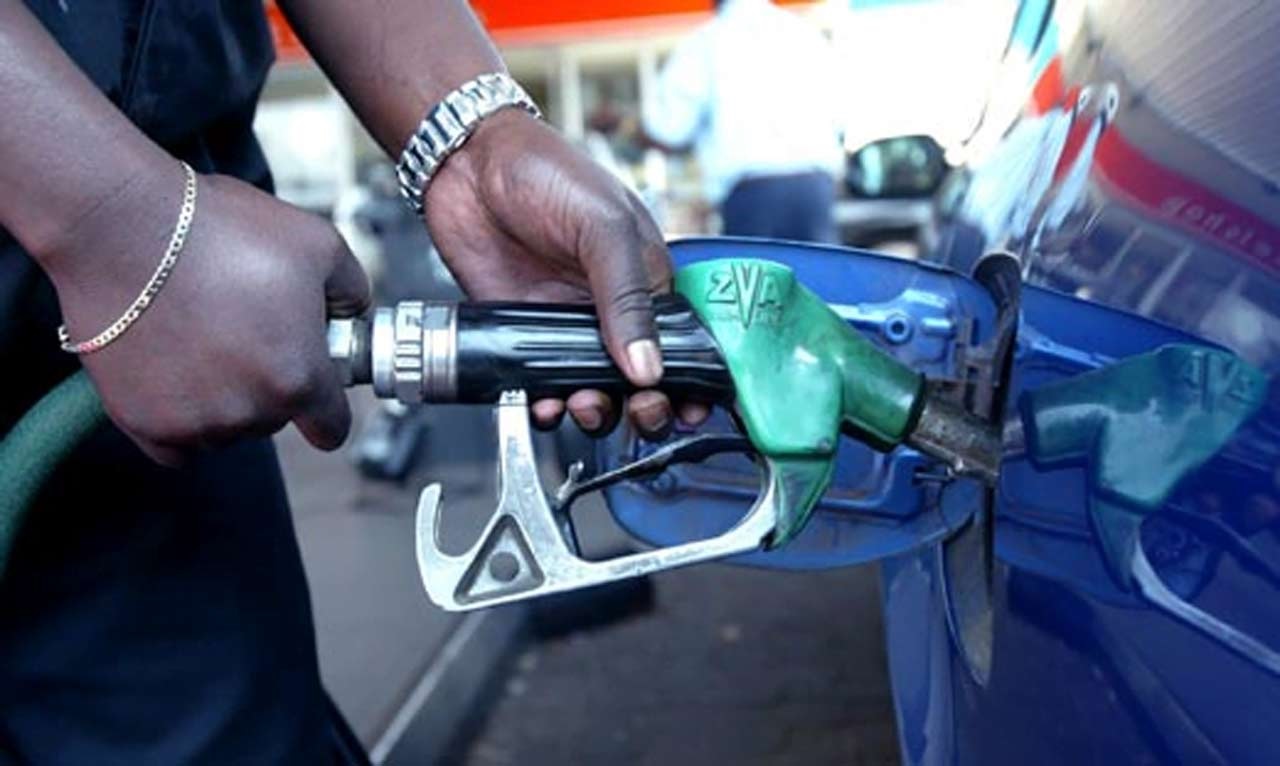
In a bid to alleviate the financial burden on businesses and consumers, the Dangote Petroleum Refinery announced a significant reduction in the price of diesel from N1,200 to N1,000 per liter.

This move follows the refinery’s previous reduction from the market rate of N1,600, representing over a 30% crash. The latest price adjustment is expected to have a considerable impact on the overall economy, particularly in light of diesel’s crucial role in powering businesses across various sectors.

“While rolling out the products, the refinery supplied at a substantially reduced price of N1,200 per liter three weeks ago, representing over 30 percent reduction from the previous market price of about N1,600 per liter.

“This significant reduction in the price of diesel, at Dangote Petroleum Refinery, is expected to positively affect all the spheres of the economy and ultimately reduce the high inflation rate in the country,” the company said in the note.

The reduction in diesel prices comes as a welcome relief amidst concerns over the high cost of living, exacerbated by the country’s high food inflation rate, which stood at 40.01% as of March. The steep reduction in diesel prices is expected to positively affect all spheres of the economy, ultimately contributing to a reduction in the nation’s high inflation rate.

Dangote Petroleum Refinery, Africa’s largest refinery project spearheaded by Aliko Dangote with an investment of about $19 billion, has begun supplying the Nigerian domestic market with petroleum products, including diesel and aviation jet fuel. The refinery’s strategic positioning near Lagos’ commercial center and its capacity to process up to 650,000 barrels per day are poised to revolutionize Nigeria’s petroleum industry, significantly reducing the nation’s dependence on imported fuels.

Devakumar Edwin, a Group Executive at Dangote, confirmed that the company has initiated the distribution of diesel and jet fuel to the local market.

“We have substantial quantities. Products are being evacuated both by sea and road. Ships are lining up one after another to load diesel and aviation jet fuel.

“Ships load a minimum of 26 million liters, though we try to push for 37 million liters vessels, for ease of operations,” Edwin said.

However, despite the refinery’s efforts to lower diesel prices, industry stakeholders, including the Independent Petroleum Marketers Association of Nigeria (IPMAN), advocate for further reductions to between N700 and N850 per liter. Marketers argue that such reductions would not only enhance competitiveness within the sector but also stimulate economic activity by reducing operational costs for businesses across industries.

Oil marketers and refinery managers have called upon the Federal Government to intervene and facilitate constructive dialogue aimed at reaching a consensus on fair and sustainable pricing mechanisms for diesel. They believe that by aligning diesel prices with market realities and addressing concerns raised by industry stakeholders, policymakers can effectively support economic recovery efforts and foster long-term prosperity for Nigeria’s economy.

This intervention is seen as crucial for promoting stability in the energy sector and enhancing investor confidence in Nigeria’s economic future.

In essence, the reduction in diesel prices holds the promise of catalyzing a virtuous cycle of economic growth, wherein lower operational costs translate into reduced consumer prices, thereby mitigating inflationary pressures and enhancing overall economic stability.

Nigerians, The Best Way to Read Ndubuisi Ekekwe

0

Good People, allow me to breathe. I did not create the foreign reserves data on Nigeria. I only picked that data from the Central Bank of Nigeria website. I am not spreading any fake news; that is impossible as I do not break news as I only focus on analyzing broken news. Understand that 99.9% of my posts  have links to my blog. The goal is for you to go there and get references, links. The link to CBN website was provided, and here is the direct link for that plot on CBN website https://lnkd.in/e467YVif
(Tekedia post https://lnkd.in/e296Uv3S )

Also, the reduction on foreign reserves was not an attack on any politician or party. I only quoted a statement made by the current finance minister.  So, it is strange how people think I am attacking someone. Punch reported the same thing: “Nigeria’s FDI fell by $19bn in 10 years – Edun” https://lnkd.in/ejAEZPSK
(Tekedia post https://lnkd.in/evVk4m7N )

What is the problem with Nigeria? Does it mean we cannot express our opinions without being reminded of our tribes? I have said this many times, if you want to get value from my posts, try not to see Ndubuisi, because that amazing Igbo name could throw you off, making you form opinions before reading. Yes, the problem is not me, most times, it is you. I enjoy writing because it liberates my mind and I appreciate that you find time to come here. Thanks.

US Basketball Salaries and Liberations in Mali, Niger, and Burkina Faso

0

Wow. Women NBA #1 pick will be paid $338,056 over four years:

  • 2024: $76,535
  • 2025: $78,066
  • 2026: $85,873
  • 2027: $97,582

For men, the NBA’s 2023 No. 1 draft pick signed a four-year contract totaling $55 million. That is on average $13.7 million per year. (The 2024 #1 pick is not ready but will likely be in $millions).

This world has no balance at all. During a program in Johns Hopkins University over the weekend, a professor noted that Ivory Coast still pays rents to France for its presidential mansions in the country (I did not believe that, but it seems to be factual). Another bombshell was that some French mining companies in some of these Francophone countries pay taxes to France, not to the African nations!

Where am I going? Follow me. Yes, across most indicators, humans are not optimal animals. How do you pay a young woman $76,535 and a man $13.7 million in the same company? I mean the National Basketball Association is an organization with Women and Men subsidiaries. Even if the men bring 99% of the profits, fairness will demand a boost for the girl wage, say $1 million, over this burger-frying-wage despite the efforts and intensity required for a professional sport.

On the Francophone one, I said I will check the economies of Mali, Niger, and Burkina Faso to see if the walls they’re breaking are working. It seems: “According to the IMF, Mali, Niger, and Burkina Faso have outperformed the average growth for sub-Saharan Africa in 2023, despite sanctions imposed on them by ECOWAS. The IMF attributes this performance to strategic choices in several sectors of the economy.” Check, those “choices” could be asking companies to pay taxes or leave the country.  How I wish people do not need to do coups for such liberations in the land!