DD
MM
YYYY

PAGES

DD
MM
YYYY

spot_img

PAGES

Home Blog Page 3474

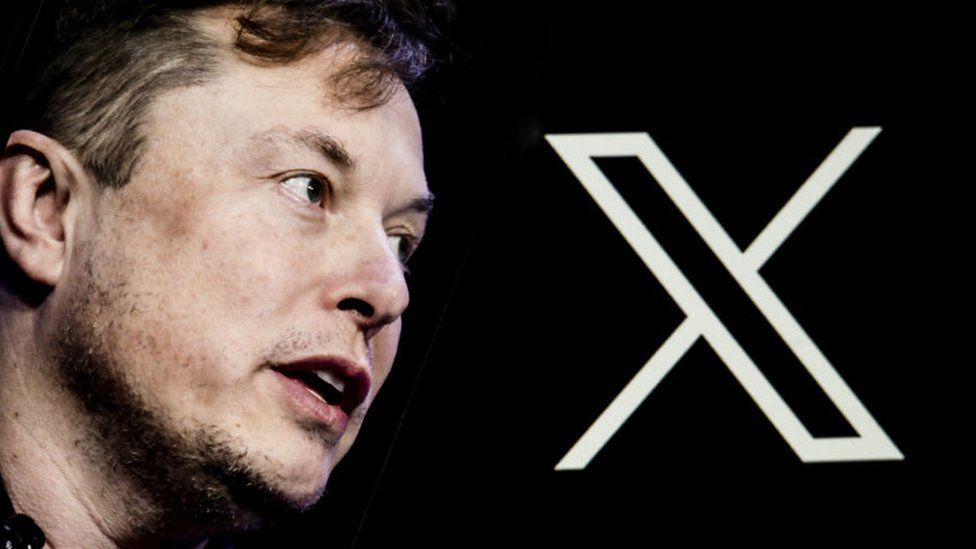
Elon Musk Makes A U-turn, Begins Reinstatement of Blue Checkmarks for Influential X users

0

In a surprising move that has left many shaking their heads, Elon Musk’s X platform, formerly known as Twitter, has initiated the reinstatement of blue check verification badges for select users, causing a flurry of confusion and mixed reactions across the social media sphere.

Once considered a symbol of prestige, Twitter’s blue checkmarks were typically reserved for celebrities, politicians, and other influential figures. However, this paradigm shifted following Musk’s acquisition of the platform for a staggering $44 billion in October 2022.

Last year, X altered its verification policy, restricting blue checkmarks solely to users who subscribed to the platform’s premium services, priced at $8 per month. This decision sparked uproar, as it resulted in the removal of verification badges from numerous prominent accounts, triggering complaints and a surge in fake profiles impersonating verified users.

Yet, in a peculiar turn of events, numerous users reported witnessing the reappearance of blue checkmarks on their accounts, or the awarding of verification badges for the first time, despite not being subscribers to X’s premium offerings, according to The AP.

Addressing the developments, Musk disclosed last week that all X accounts boasting more than 2,500 verified subscriber followers would receive premium features, including the coveted checkmark, at no additional cost. Additionally, accounts with over 5,000 followers would be granted premium plus benefits free of charge.

The rationale behind this abrupt policy shift remains ambiguous, with X declining immediate comment in response to inquiries.

Reactions to the resurgence of blue checks have been varied. While some users expressed excitement over the validation, others voiced frustration and bewilderment.

Actress Yvette Nicole Brown, one of the apparent beneficiaries of the reinstated blue checkmarks, vented her confusion in a Wednesday evening post, exclaiming, “What happened? I didn’t pay for this. I would NEVER pay for this.”

As X’s blue checkmark undergoes a transformation into a perceived endorsement of the platform’s new ownership and subscription model, some users have even shared guidance on removing the unrequested verification badges through settings adjustments.

In discussions surrounding the re-emergence of blue checks, certain users shared notifications they received from X, attributing their complimentary premium subscriptions to being recognized as “influential members of the community.”

Interestingly, several Associated Press staff members also found themselves verified without requesting or paying for the privilege as of Thursday.

Beyond the blue check saga, X continues to grapple with user and advertiser discontent, fueled by ongoing concerns regarding content moderation, misinformation, and hate speech proliferation under Musk’s stewardship.

Several major brands, including IBM and NBCUniversal, withdrew their advertising from X in November following reports of their ads appearing alongside pro-Nazi content. Musk’s combative response to these concerns, characterized by expletive-laden tirades and accusations of “blackmail,” further exacerbated tensions.

In a bid to stifle criticism, X has resorted to legal action against entities documenting hate speech and racism on the platform, including the nonprofit Center for Countering Digital Hate. However, a federal judge recently dismissed one such lawsuit, marking a setback in X’s contentious battle to reclaim ad revenue and restore its tarnished reputation.

The shift in the blue check verification process is one of the numerous changes Musk introduced to Twitter after he acquired the microblogging app. Musk has been criticized for introducing some of these changes to the platform, with many arguing that he’s heading to ruin it.

Reversing some of these decisions is believed to be an indication that Musk regrets taking them, as they contributed to the drop in X’s user base, even though Musk has always maintained that the platform’s growth rate is at an all-time high.

X is bringing back blue checkmarks for some users. A year after the company’s owner Elon Musk ditched the account verification program for paid Premium and Premium Plus models, the blue checks have begun reappearing next to some users’ names, Forbes writes. Musk said accounts with over 2,500 followers would receive some complimentary Premium benefits, including verification. Blue checks were once “coveted” when X was still Twitter, the publication notes, but they became a “badge of shame” once they were purchaseable. Their reintroduction to the site could be an attempt to boost X’s credibility and combat misinformation.

Galaxy Digital announces Galaxy Ventures Fund supporting Cryptocurrency Startups

0

Galaxy Digital, a prominent player in the cryptocurrency sector, has recently announced the launch of a $100 million fund dedicated to supporting the growth of early-stage cryptocurrency startups. This strategic move, named Galaxy Ventures Fund I, LP, is set to back up to 30 startups over the next three years, with initial investments starting at $1 million. The fund will concentrate on financial applications, software infrastructure, and crypto protocols, marking a significant shift in Galaxy Digital’s venture strategy as it opens its doors to outside investors for the first time.

The announcement comes at a time when the crypto venture capital landscape is witnessing a resurgence of interest, despite the challenges faced in the previous year. In 2023, passive investment products dominated the market, leading to a decline in institutional interest as valuations decreased. However, Galaxy Digital’s initiative seems to be riding the wave of a renewed appetite for crypto investments, as evidenced by collaborations and fund-raising efforts within the sector earlier this year.

Galaxy Digital’s foray into this venture fund aims to replicate the success of its balance sheet investing through an institutional-grade fund. The company has a robust track record of investing in the crypto ecosystem, having invested $200 million in over 100 projects in the past six years. With the Galaxy Ventures Fund I, LP, the company is looking to empower promising early-stage companies that are building the future of the digital asset ecosystem.

Over the years, Galaxy Digital has invested in a wide array of companies, each playing a unique role in the expansion and innovation within the crypto space.

One of the notable investments by Galaxy Digital is in Citrea, a project that aims to bring zero-knowledge rollups (ZK-rollups) to Bitcoin. This technology is designed to enhance the scalability and privacy of transactions on the Bitcoin network, which is a groundbreaking development in the realm of cryptocurrency. The investment in Citrea underscores Galaxy Digital’s commitment to supporting technological advancements that could redefine the future of digital currencies.

Galaxy Digital has also placed its bets on startups like 1inch, a decentralized exchange aggregator that optimizes trades across multiple liquidity sources, offering users better rates than any individual exchange. This investment reflects Galaxy Digital’s belief in the importance of decentralized finance (DeFi) and its potential to democratize financial services.

These are just a few examples of the many startups that Galaxy Digital has invested in, each contributing to the diverse and dynamic landscape of the cryptocurrency sector. With the launch of the new Galaxy Ventures Fund I, LP, Galaxy Digital continues to pave the way for innovation and growth in the digital asset ecosystem, empowering the next generation of crypto startups to flourish. For a more comprehensive list of Galaxy Digital’s investments and their impact on the crypto industry, you can delve into further details provided in the reports and analyses available online.

The significance of this fund is underscored by the fact that global venture capital firms focusing on crypto/blockchain secured only $5.75 billion in 2023, a stark contrast to the 2022 record of $37.7 billion. This fund is poised to provide a much-needed boost to the sector, potentially catalyzing innovation and growth in the burgeoning field of cryptocurrency.

Nigeria Government Collaborates with INTERPOL on Binance Director’s Extradition

0

The Nigerian government’s collaboration with INTERPOL in the extradition of a Binance Director marks a significant development in the realm of international law enforcement and the cryptocurrency industry. This move underscores the increasing global reach of legal actions in the digital age, where financial transactions and corporate operations span multiple jurisdictions.

The case involves Nadeem Anjarwalla, a Binance executive, who is sought by Nigerian authorities over allegations of money laundering involving a substantial sum of $35,400,000. Anjarwalla’s escape from detention in Nigeria and subsequent international manhunt has brought to light the complexities and challenges of cross-border criminal proceedings.

The charges against him include money laundering, which involves the illegal transfer of funds to disguise their illicit origin. Additionally, Anjarwalla is accused of escaping from custody, an act that has led to an international manhunt with the collaboration of INTERPOL.

The situation began when Anjarwalla was detained upon his arrival in Nigeria as part of a crackdown on the cryptocurrency company Binance. The allegations suggest that Binance’s platform was used for money laundering activities. Following his escape, the Nigerian National Security Adviser’s office stated that Anjarwalla fled using a smuggled passport, further complicating the legal proceedings.

Moreover, the Nigerian tax agency has filed a four-count charge on tax evasion against Binance, accusing the company and its executives, including Anjarwalla, of aiding customers in evading taxes through their platform. These charges highlight the challenges that governments face in regulating the cryptocurrency industry and ensuring compliance with financial laws.

The Economic and Financial Crimes Commission (EFCC) of Nigeria is set to prosecute executives of the cryptocurrency firm Binance Holdings Limited, with the Federal Government engaging in discussions with INTERPOL to facilitate Anjarwalla’s return to Nigeria to face charges. This situation highlights the intricate balance between national sovereignty and international cooperation in combating financial crimes.

The extradition process is a testament to the collaborative efforts between nations and international organizations to uphold the rule of law. It also reflects the growing concern over the regulation of cryptocurrency platforms and the enforcement of financial laws in an increasingly digital economy.

As the Nigerian government and INTERPOL work together to navigate the legal and diplomatic channels necessary for extradition, the outcome of this case could set a precedent for future actions against individuals and entities operating in the digital finance sector. It is a reminder of the ever-evolving landscape of international law and the need for robust mechanisms to address crimes that transcend borders.

The collaboration between the EFCC and various international agencies in this matter demonstrates a united front against unlawful financial activities and the commitment to ensuring accountability, regardless of the complexity of the digital domain.

The case of Nadeem Anjarwalla is a clear example of the complexities surrounding the enforcement of laws in the digital financial sector. It underscores the need for international cooperation in addressing crimes that cross borders and the importance of regulatory oversight in the burgeoning field of cryptocurrency. As the legal process unfolds, it will be closely watched by industry observers and regulatory bodies around the world.

Of course, for expert legal assistance in extradition matters, connect with a specialized extradition law firm here to navigate the challenges of cross-border legal issues effectively.

Google Files Lawsuit Against Crypto Scammers For Defrauding Thousands of People With Fake Apps on PlayStore

20

Tech giant Google has reportedly filed a lawsuit against crypto scammers for defrauding over a hundred thousand people through fake crypto apps on the Play Store.

The company said that this is the first time it is taking action against crypto scammers, which was necessitated to set a legal precedent to establish protections for users.

In the lawsuit, Google noted that the defendants made numerous false statements to the company, to upload their deceitful apps on the Play Store, including misrepresentations about their identity, location, and the characteristics of the application.

Google is therefore bringing civil claims under the Racketeer Influenced and Corrupt Organizations (RICO) law as well as breach of contract claims against the group of scammers, who the company said created and published at least 87 fraudulent apps to dupe users.

Speaking on the case, general counsel at Google Halimah DeLaine Prado said,

“This is a unique opportunity for us to use our resources to actually combat bad actors who were running an extensive crypto scheme to defraud some of our users. In 2023 alone we saw over a billion dollars within the U.S. of cryptocurrency fraud and scams and this lawsuit allows us to not only use our resources to protect users but to also serve as sort of a precedent to future bad actors that we don’t tolerate this behavior”.

In an effort to convince users that the apps were trustworthy, the defendants would allow users to initially withdraw small amounts of money, according to the suit. Others were allegedly told they needed to pay a fee or have a minimum balance to withdraw their money, ploys that Google said “bilked some victims out of even more money.”

“We have teams that work around the clock to detect fraud and spam and abuse and when we find a unique instance in which we can actually go a step further, we’ll engage in affirmative litigation filing a lawsuit to actually create legal protections for our users in a more constructive way”, DeLaine Prado said.

Google claims it suffered damages of over $75,000 by incurring expenses to investigate the breach and on safety and integrity resources.

It is worth noting that in recent times, Crypto scam apps have been able to bypass iOS and Android security. Upon further investigation, researchers found fake cryptocurrency investment apps in the official Google Play and Apple App stores. These apps have seemingly benign descriptions in the app stores.

To get past the Apple App Store review process, the app developers submit the app for approval using legitimate, run-of-the-mill web content. Then, once the app has been approved and published, they modify the server hosting the app with code for the fraudulent interface.

Crypto traders have been advised to do their due diligence before downloading any app, by researching to see any whitepaper they can read, as well look out for genuine reviews and testimonials.

Nigerian Government Initiates National Artificial Intelligence Framework with 120 Researchers, Startups

0

In a move aimed at harnessing the potential of Artificial Intelligence (AI) for national development, the Federal Government has unveiled plans to convene a gathering of 120 Nigerian researchers, startups, and stakeholders in the field of AI.

This collaborative effort aims to formulate a cohesive framework for AI implementation across the nation, and it’s seen as part of broader efforts to develop a regulatory framework for the burgeoning technology.

The announcement was made by the Minister of Communications, Innovation, and Digital Economy, Bosun Tijani, in a statement posted on his official X account on Thursday. Minister Tijani disclosed that the assembly of AI experts and stakeholders will convene for the National Artificial Intelligence Strategy workshop scheduled to take place from April 15 to 18, 2024, in Abuja.

Supported by Luminate, a global firm dedicated to driving transregional change, the workshop seeks to facilitate the co-creation of a comprehensive framework aligned with Nigeria’s priorities and implementation approach for leveraging AI to enhance lives and foster economic growth. Many pioneering things are coming, and we can see artificial girlfriend apps, AI tutors, AI planners and more.

Highlighting the significance of this initiative, Minister Tijani said that the resulting strategy will play a pivotal role in delivering priorities and implementation approaches geared towards improving lives and bolstering Nigeria’s economy through the application of AI.

“One of the earliest initiatives, from the start of my term in office, was to properly define and outline a comprehensive Artificial Intelligence Strategy for Nigeria,” he stated.

He noted the critical need to coordinate and harness the power of AI for national development, positioning technology as a catalyst to accelerate productivity across various sectors such as education, agriculture, and healthcare.

“The need to coordinate and harness the power of AI for national development is a critical element in our journey towards the use of technology to accelerate productivity in our country.

“AI offers us the opportunity to leverage technology to solve some of our most complex and urgent challenges in education, agriculture, healthcare, and so much more,” Tijani added.

Recognizing the abundance of talent within the Nigerian diaspora actively engaged in AI research, the Minister highlighted ongoing efforts to engage leading researchers in various initiatives, including the National Artificial Intelligence Research Scheme (NAIRS) and the Fourth Industrial Revolution Technology Application (4IRTA) project.

Collaboration with these talented individuals aims to mainstream the application of AI in everyday life, addressing complex challenges and driving progress in key sectors.

The proposed workshop marks a significant step towards establishing a robust framework for AI implementation, poised to propel the nation towards technological advancement and sustainable development. If implemented, experts believe it holds immense potential for Nigeria to contribute significantly to AI development in several ways.

Here are some of the potential benefits:

Utilization of local talents: By bringing together 120 Nigerian researchers, start-ups, and stakeholders in the field of AI, the government is tapping into the rich talent pool in the country. This collaborative effort enables the exchange of expertise, ideas, and resources to develop AI solutions tailored to Nigeria’s unique needs and challenges.

Strategic planning and framework: The formulation of a coherent framework for AI implementation provides a structured approach to guide Nigeria’s efforts in AI development. This framework will outline priorities, strategies, and policies to promote AI innovation and adoption in various sectors.

Alignment with national priorities: The AI strategy will align with Nigeria’s priorities and ensure that AI initiatives directly contribute to solving pressing societal problems and promoting economic growth. By focusing on sectors such as education, agriculture, healthcare, and others, AI solutions can be tailored to the specific needs of Nigerian communities.

International collaboration and support: Working with global companies like Luminate demonstrates Nigeria’s commitment to leveraging external expertise and resources to drive AI development. International partnerships can provide valuable insight, funding, and technical support to complement local efforts and accelerate progress.

Mainstreaming AI Applications: Through initiatives like the National Artificial Intelligence Research Scheme (NAIRS) and the Fourth Industrial Revolution Technology Application (4IRTA) project, the government aims to integrate AI applications into everyday life. This involves embedding AI solutions into existing systems and processes to enhance efficiency, productivity, and innovation across various sectors.

Capacity Building and Knowledge Sharing: The workshop and ongoing initiatives provide platforms for capacity building and knowledge sharing among AI professionals in Nigeria. By facilitating collaboration, training, and skill development, the government can nurture a vibrant ecosystem of AI talent capable of driving sustained innovation and growth.