DD
MM
YYYY

PAGES

DD
MM
YYYY

spot_img

PAGES

Home Blog Page 3589

Implications of Multiplex World Order for Global Governance, Security, and Development

0
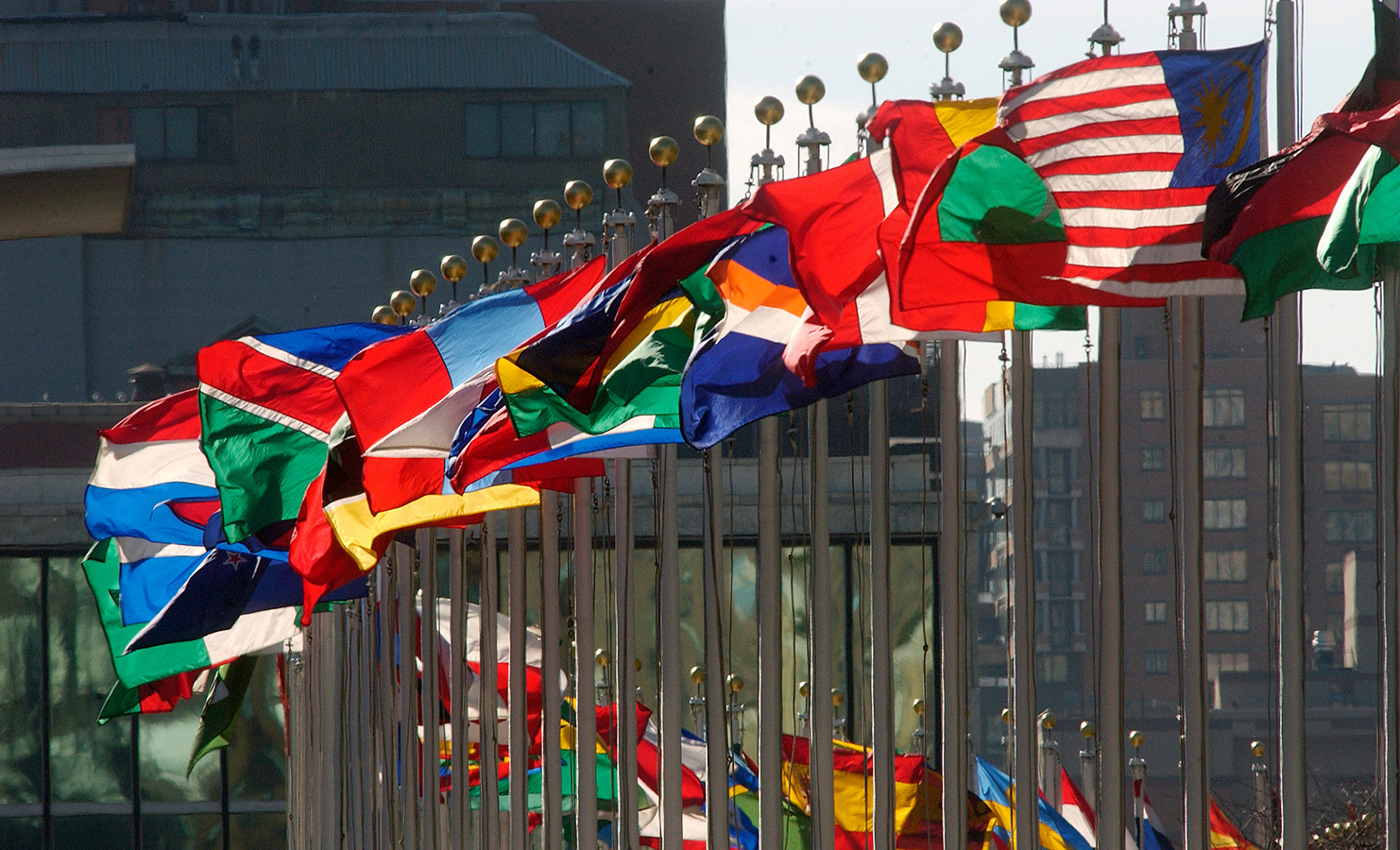
Flags of member nations flying at United Nations Headquarters.

The global landscape is undergoing a profound transformation as new actors and forces emerge and challenge the established order. While the US remains a key global actor, the world order is becoming more pluralistic and ‘multiplex’, meaning that different dimensions of power and influence are distributed across multiple actors and regions. ‘‘While the US remains a key global actor, the world order is becoming more pluralistic and ‘multiplex’’.

The world is witnessing a shift from a unipolar to a multipolar order, where multiple centers of power and influence coexist and compete for global leadership. This has profound implications for global governance, security, and development, as well as for the role of international organizations and civil society.

One of the main challenges of a multiplex world order is how to manage the diversity and complexity of interests, values, and norms among different actors. The multiplex world order is not only characterized by the rise of emerging powers such as China, India, Brazil, and South Africa, but also by the emergence of new actors such as transnational corporations, non-governmental organizations, regional organizations, and city networks.

These actors have different agendas, capabilities, and legitimacy in the global arena, and often challenge the existing rules and institutions of global governance. How can these actors be integrated into a more inclusive and representative system of global governance that can address the common problems facing humanity?

Another challenge of a multiplex world order is how to ensure the stability and security of the international system in the face of increasing competition and conflict among major powers. The multiplex world order is not only marked by the diffusion of power from the West to the rest, but also by the redistribution of power within the West itself.

The United States, the European Union, and other traditional allies are facing internal divisions and external pressures that undermine their cohesion and leadership. How can these actors maintain their strategic partnerships and alliances in a changing world? How can they prevent or manage the escalation of tensions and disputes with other powers over issues such as trade, technology, human rights, and territorial claims?

A third challenge of a multiplex world order is how to foster the sustainable development of all countries and regions in the context of growing interdependence and inequality. The multiplex world order is not only shaped by the convergence of economic growth and social development among different regions, but also by the divergence of environmental impacts and human security among different groups.

How can these actors balance their national interests and responsibilities with their global obligations and opportunities? How can they cooperate to achieve the Sustainable Development Goals (SDGs) and address the existential threats posed by climate change, pandemics, and terrorism?

Despite these challenges, a multiplex world order also offers some opportunities for enhancing global governance, security, and development. One opportunity is to leverage the diversity and creativity of different actors to generate innovative solutions and best practices for global challenges.

The multiplex world order is not only a source of fragmentation and competition, but also a source of experimentation and learning. How can these actors share their experiences and expertise with each other? How can they create platforms and mechanisms for dialogue, consultation, coordination, and collaboration across different levels and sectors?

Another opportunity is to harness the potential and dynamism of emerging powers and regions to provide new sources of leadership and resources for global cooperation. The multiplex world order is not only a reflection of the decline of the West, but also a manifestation of the rise of the rest.

How can these actors contribute to the reform and renewal of global institutions and norms? How can they mobilize their political will and financial capacity to support the implementation and monitoring of global agreements and commitments?

A third opportunity is to strengthen the participation and empowerment of civil society and citizens in shaping the agenda and outcomes of global governance. The multiplex world order is not only a challenge to the legitimacy and effectiveness of state-centric governance, but also an opportunity for the emergence and recognition of bottom-up governance.

How can these actors voice their concerns and demands in the global public sphere? How can they hold their governments and other actors accountable for their actions and inactions? How can they build coalitions and networks for advocacy and action at local, national, regional, and global levels?

A multiplex world order presents both risks and opportunities for global governance, security, and development. The key question is how to manage the complexity and uncertainty of this new reality in a way that promotes cooperation rather than confrontation, inclusion rather than exclusion, innovation rather than stagnation, solidarity rather than fragmentation, justice rather than injustice.

This requires a collective vision, a shared responsibility, a flexible approach, a long-term perspective, a constructive attitude, a pragmatic spirit, a respectful dialogue, a mutual trust, a common action.


Canada Reaches A $100m Agreement with Google Over Online News Act

0

The Canadian government and tech giant Google have struck an agreement, bringing an end to the prolonged dispute stemming from the Online News Act.

The Honourable Pascale St-Onge, Minister of Canadian Heritage, unveiled a breakthrough last week, announcing Google’s commitment to provide $100 million annually in financial support as part of a framework aimed at ensuring Canadians have access to credible news content.

St-Onge highlighted the culmination of constructive discussions, expressing satisfaction in finding common ground with Google for the implementation of the Online News Act.

“Following weeks of productive discussions, I am happy to announce that we have found a path forward with Google for the implementation of the Online News Act,” she stated. “This will benefit the news sector and allow Google to continue to play an important role in giving Canadians access to reliable news content.”

Under this framework, Google will allocate $100 million in yearly financial assistance, indexed to inflation, to a diverse array of news businesses across Canada. This support extends to independent news outlets, Indigenous publications, and those representing official-language minority communities.

Google will have the option to collaborate with a single collective to distribute these contributions among eligible news businesses, based on the number of full-time equivalent journalists engaged by each entity.

Emphasizing the broader societal importance of a sustainable news ecosystem, Minister St-Onge stressed the critical role news and journalism play in informing communities, fostering civic engagement, and combating the proliferation of disinformation. She highlighted the necessity for Canadians to have access to news to fully participate in a democratic society, especially amidst the challenges faced by newsrooms, including position cuts and closures.

Addressing the Online News Act’s objectives, St-Onge reiterated the government’s confidence in this framework, affirming its viability and equity for both news organizations and digital platforms.

The Online News Act was introduced in 2021 in response to concerns over fair commercial relationships between tech giants and Canadian news outlets. Apart from the financial contribution, Google has committed to providing various programs to support Canadian news businesses, including training, business development tools, and assistance for non-profit journalism projects.

Moreover, Google has assured that Canadian news entities will be treated fairly in comparison to their global counterparts. In the event of any deviation from this commitment, Google has agreed to engage with both the Government and the industry to address concerns and seek resolution.

The enactment of the Online News Act in Canada echoes similar moves globally, following precedents set by countries like Australia. It represents a stance taken by governments and media entities against tech monopolies such as Google and Facebook, aiming to ensure fair compensation for publishers contributing content used by these platforms to generate substantial ad revenue.

Pending approval by the Treasury Board of Canada, Canadian Heritage will provide additional details on the final regulations before the Act takes effect on December 19, 2023.

Executing a Bias-free Recruitment Process

0

Someone recently walked me through a recruitment process she went through to get her current job and how it differed significantly from anything she had experienced in the past. And I thought, “Wow, this is what a recruitment process would look like if there were zero bias.

While I will not be mentioning the company’s name, let me run through the process and tell you what piqued my interest in it.

No resume!

First of all, no resume was required for the application. According to her, the job description was clear about what and what one would be required to do on the job, what skills and education one needed to have, etc. After reading through the JD, she created an account on the portal to start the application.

What I like about this is that the job focuses on the exact activities one would do in the role. Also, her explaining this process to me opened my mind to how resumes may have been introducing some biases into the recruitment process. When you consider the fact that people pay to get well-crafted resumes these days, then you will agree that shortlisting applicants based on the resumes may not necessarily give you the best candidate. Because, of course, the best candidate may not have the best resumes. And besides, why should resumes be the basis for judging when the person is not employed to write resumes for a living?

Testing the skills

After setting up the account and filling out brief information on her profile about her education and work history, she was required to take a basic English test. Now, even though the JD had specified that one needed to be fluent in the English Language to take on the role, this step ensures that the people who have applied actually have this fluency they claim to have. The test was graded with stars, and only those who scored four stars and above could proceed from the stage.

Reenacting a real-time workday

After the test of the English language, the next stage was to test the actual skills. This stage took 3 hours. The applicant was given a brief (of a task that she would typically do on the job) and had to work on it online and submit it within the stipulated time. This is a real-life task, and the way I see it, this stage shows the recruiter how the applicant can perform on the job in terms of the quality of tasks delivered, timeliness, and ability to follow instructions.

The second part of this task took 1 hour, and the applicant was given a task to rate work done (maybe from their archives) and explain why it is good, great, or bad and what they would do to improve on it. Again, this tests the person’s understanding of the expected results. If you are seasoned in a specific skill, you should be able to tell when it has been done right or wrong or what can be done to improve on a poorly done job.

Up to this point, the grading is done independently by parties who neither know the name, gender, or other specifics of the applicant they are grading.

Interview at last!

By the time the applicant gets to the interview stage, she has aced all the other stages and established the capacity to deliver on the skills for the job. At this stage, all left is a series of friendly chats with designated company executives to establish a culture fit and the applicant’s social/communication skills. Once this is done, the applicant can expect an offer. But not so fast; there is one more stage.

Are you who you say you are?

To confirm that an applicant did not have an imposter to help him through the previous stages and tests, the last test is to confirm capacity. In this stage, the applicant takes another test, which is designed to detect any fraud. Once this test starts, if the system detects any side conversation (suggesting help from a third party), light from another screen (suggesting the applicant is consulting other sources), or any other thing of such, the test will be submitted automatically. Also, the video feature has to be put on the whole time to be certain that the applicant is the one taking the test.

Conclusion

Last came the offer, and by the time she resumed the job, it was a smooth ride. The onboarding process went smoothly, and she could immediately get on with tasks and deliver within the given timeframe.

This, for me, is what a recruitment process without bias would look like, and I like every stage of it. No doubt, it may take some resources to set it up, but I think it is something hiring teams should consider. Also, given the high staff turnover rates resulting from people employing staff who cannot deliver on their job roles, it is truly worth considering. It also puts some responsibility on the recruiter to establish what the new employee would do daily before putting out an advertisement. There is no point in hiring for a role if you cannot figure out what a typical workday would look like.

Stealth launch of Call of Duty Mobile Server in Nigeria Caught Gamers Off-Guard

0

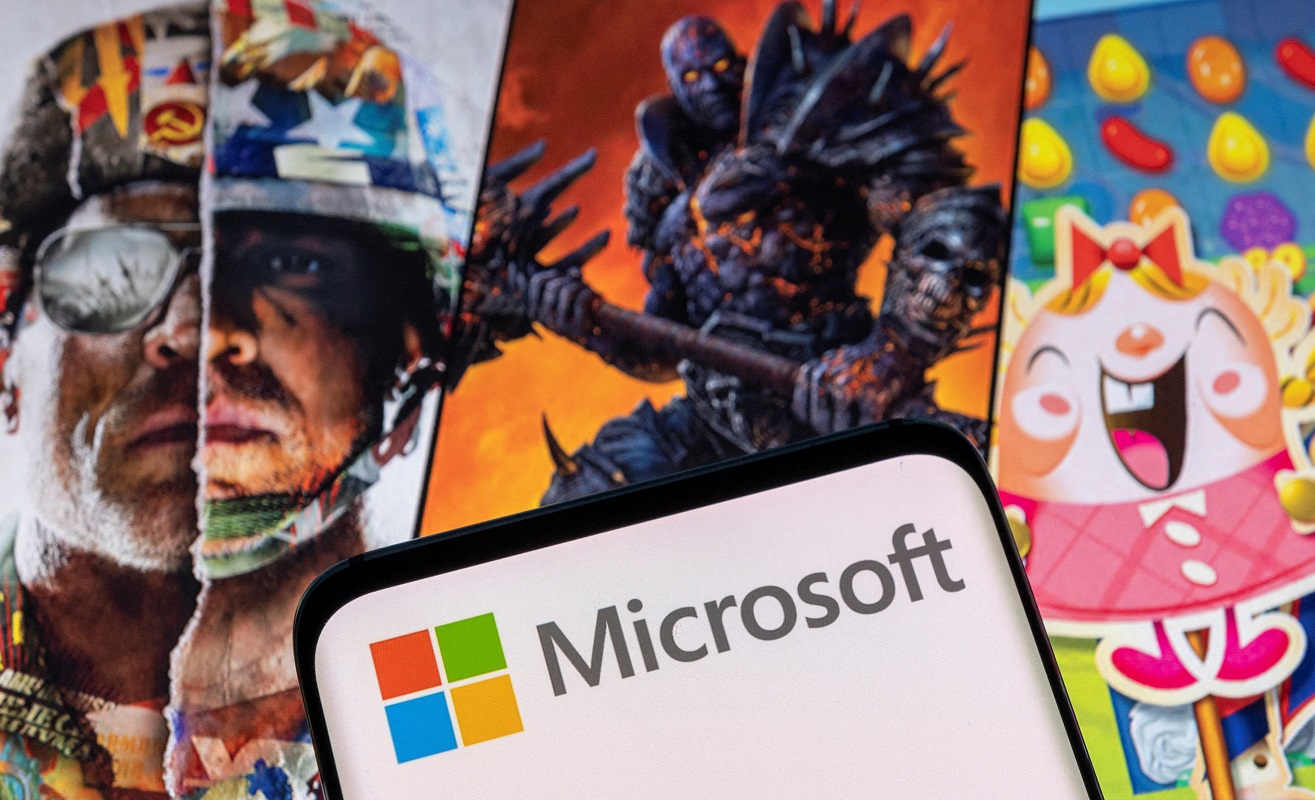
A stealth launch of the Call of Duty mobile server in Nigeria caught gamers off guard. The popular first-person shooter game, which has millions of fans worldwide, is now available for Nigerian players to enjoy on their mobile devices. The launch was not announced by the game’s developer, Activision, or its publisher, Tencent, but was discovered by some eager gamers who noticed the game was downloadable from the Google Play Store and the App Store in Nigeria.

The game features various modes, maps, and weapons from the Call of Duty franchise, as well as a battle royale mode that can accommodate up to 100 players. The game also supports cross-play, meaning that players can team up or compete with others who are playing on different platforms, such as PC or console.

Call of Duty mobile fans in Nigeria were in for a treat when they discovered that the game’s server had quietly gone live in their country. The stealth launch was not announced by Activision or any of its partners but was spotted by some eagle-eyed players who noticed a new option to select Nigeria as their region. This means that Nigerian gamers can now enjoy lower latency and smoother gameplay, as well as connect with other local players.

The launch of the server is a welcome development for the Nigerian gaming community, which has been growing rapidly in recent years. According to a report by PwC, Nigeria is the largest gaming market in Africa, with an estimated revenue of $122 million in 2019. The report also projected that the gaming industry in Nigeria would grow by 12% annually until 2024, reaching $178 million.

Call of Duty mobile is one of the most popular mobile games in the world, with over 500 million downloads since its release in 2019. The game features various modes, such as multiplayer, battle royale, zombies, and special ops, as well as iconic maps and characters from the Call of Duty franchise. The game also supports cross-play, meaning that players can team up or compete with others on different platforms, such as iOS, Android, and PC.

The stealth launch of the server in Nigeria is a sign that Activision is paying attention to the African market, which has often been overlooked by major game publishers. It is also a testament to the quality and popularity of Call of Duty mobile, which has managed to attract and retain millions of players around the world. Nigerian gamers can now join the global community of Call of Duty mobile enthusiasts and experience the thrill of the game on their own turf.

The stealth launch of the Call of Duty mobile server in Nigeria is a welcome surprise for many gamers who have been waiting for the game to be available in their region. The game has been praised for its high-quality graphics, smooth gameplay, and diverse content.

However, some players have reported issues with lag, connectivity, and compatibility with some devices. Activision and Tencent have not yet commented on the launch or the issues, but it is expected that they will address them soon and provide more information on the game’s features and updates.

Bitcoin is the first asset in history “that is scarcer than gold”, CNBC says

0

In a recent article, CNBC claimed that Bitcoin is the first asset in history “that is scarcer than gold.” This statement reflects the growing recognition of Bitcoin’s unique properties as a digital store of value that cannot be inflated, manipulated or confiscated by any central authority.

Bitcoin’s scarcity is determined by its fixed supply of 21 million coins, which will be reached by the year 2140. Unlike gold, whose supply is unknown and depends on mining activity, Bitcoin’s supply is transparent and predictable. Moreover, Bitcoin’s scarcity is enhanced by its high demand, as more investors, institutions and countries adopt it as a hedge against inflation and currency devaluation.

Bitcoin’s scarcity gives it a competitive edge over other assets, as it ensures that its purchasing power will increase over time. As CNBC noted, “Bitcoin is the only asset that has a hard-coded limit to its supply. Gold doesn’t have that. There’s always more gold in the ground.” This means that Bitcoin is more resistant to the effects of monetary expansion and debasement that plague fiat currencies and precious metals.

Bloomberg says this is the start of a fresh crypto Supercycle that will push Bitcoin above $500,000.

Bloomberg, the leading financial media company, has published a report that predicts a new crypto Supercycle that will propel Bitcoin to unprecedented heights. According to the report, the current market conditions are favorable for a massive surge in demand and adoption of cryptocurrencies, especially Bitcoin, which is seen as the most reliable and secure digital asset. The report cites several factors that support this bullish outlook, such as:

  • The increasing institutional and retail interest in Bitcoin as a hedge against inflation and currency devaluation.

  • The growing innovation and development of the crypto ecosystem, including decentralized finance (DeFi), non-fungible tokens (NFTs), and layer-2 solutions.

  • The rising awareness and acceptance of Bitcoin as a legitimate and mainstream asset class by regulators, policymakers, and influencers.

  • The limited supply and increasing scarcity of Bitcoin, which creates a positive feedback loop of higher prices and lower volatility.

The report estimates that these factors will trigger a new Supercycle that will last for several years and push Bitcoin’s price above $500,000. This would imply a market capitalization of over $10 trillion for Bitcoin, surpassing that of gold. The report also suggests that Bitcoin could eventually become the global reserve currency of the digital age, replacing the US dollar as the dominant medium of exchange and store of value.

Bitcoin’s scarcity also makes it more attractive than other cryptocurrencies, which often have unlimited or variable supply models. While some altcoins may offer faster transactions, lower fees or more functionality, none of them can match Bitcoin’s proven security, network effect and immutability. Bitcoin is the original and most trusted cryptocurrency, and its scarcity is one of its key features that sets it apart from the rest.