DD
MM
YYYY

PAGES

DD
MM
YYYY

spot_img

PAGES

Home Blog Page 3705

“Quick Cash in the Crypto Jungle: The 2023 Guide to Skyrocketing Your Digital Wealth”

0

Navigating the Crypto Terrain: A Balanced 2023 Guide to Diversifying Your Digital Portfolio

In the ever-shifting terrain of the digital economy, cryptocurrencies have carved out a space that attracts investors, innovators, and risk-takers. The purpose of this guide is to provide a balanced overview of various strategies and investment avenues within the crypto market for 2023. It focuses on five different crypto assets and platforms: Scorpion Casino Token, Binance Coin (BNB), Uniswap, Cardano, and Decentraland. Each offers unique opportunities and risks, and this guide aims to assist in making informed decisions.

1. Pre-Launch Opportunities – Scorpion Casino Token

Investing in pre-launch or presale cryptocurrencies presents both opportunities and challenges. Scorpion Casino Token exemplifies this type of early investment. The platform itself stands as a leading social online gambling hub, featuring over 30,000 monthly betting opportunities, 210 casino games, and 160 live games. For sports enthusiasts, major sports leagues are also covered comprehensively.

Investors in the early stages can expect a range of benefits. The $SCORP token is engineered as a deflationary asset, designed to increase in value over time. Early adopters have the potential to earn up to $10,000 daily through the platform’s unique passive income mechanisms. Scorpion Casino also boasts trusted partnerships with industry stalwarts like BetRadar and CoinsPaid, lending credence to its operations.

Added to this is the platform’s ‘Elite Scorpion Members Club,’ providing exclusive benefits such as special promotions, VIP customer service, and priority access to new features. Legal concerns are also mitigated, as Scorpion Casino is licensed and regulated by Curacao EGaming, a reputable authority in the online gambling space.

While the presale price often undercuts future market values, providing a potentially lucrative opportunity, it’s important to remember that early investments are not without risk. These can range from market uncertainties to regulatory shifts, underscoring the importance of comprehensive due diligence before making any financial commitments.

2. Trading Platforms – Binance

Trading cryptocurrencies can be rewarding but is also fraught with risk, especially in a volatile market. Binance is one of the platforms where investors can trade a variety of cryptocurrencies, including its native Binance Coin (BNB). The platform offers various resources for both novice and experienced traders, but it’s crucial to remember that profits are not guaranteed. One should only invest money they can afford to lose, and it is advisable to consult financial advisors for personalized investment strategies.

3. Decentralized Finance (DeFi) – Uniswap

The rise of Decentralized Finance, or DeFi, has provided an alternative to traditional banking systems. Uniswap, a decentralized exchange built on the Ethereum blockchain, allows users to trade cryptocurrencies without the need for an intermediary. It offers various income-generating opportunities, such as yield farming and liquidity provision. However, the DeFi space is still nascent and subject to regulatory uncertainty, smart contract vulnerabilities, and market fluctuations.

4. Crypto Staking – Cardano

For investors seeking a more conservative approach, crypto staking offers an alternative. Cardano, for instance, allows holders of its native ADA tokens to participate in staking, earning additional tokens over time. This activity helps secure the network and validate transactions. While staking is generally considered less risky than trading, it’s worth noting that returns are not guaranteed, and the staked tokens are often locked for a period.

5. Virtual Economies – Decentraland

The intersection of gaming and cryptocurrencies has given rise to virtual economies like Decentraland. Users can purchase virtual real estate and trade digital assets, earning the platform’s native MANA tokens. While this approach is novel and engaging, it is essential to consider the sustainability and long-term value of such virtual assets.

The cryptocurrency landscape offers diverse investment opportunities, each with its unique risk and reward profile. Whether you’re inclined toward the immediacy of trading, the potential upside of early-stage tokens, the steady income streams of DeFi, or the emerging realm of virtual economies, a balanced and informed approach is crucial. Market conditions can change rapidly, and diversification is often recommended as a risk mitigation strategy. Continuous education and staying updated on market trends are key factors in navigating the complex and dynamic world of cryptocurrencies.

More info on Scorpion Casino Token:

Presale: https://presale.scorpion.casino/

Twitter: https://twitter.com/ScorpionCasino

Telegram: https://t.me/scorpioncasino_official

How to Generate Passive Income with Cryptocurrency

0

The allure of cryptocurrency extends beyond its potential for capital appreciation. Many savvy investors are tapping into crypto’s unique ability to generate passive income. With the rise of innovative protocols and strategies, individuals can now earn by simply holding or allocating their assets. If you’re looking to have your crypto work for you, three coins that have this benefit are: Scorpion Casino Token, Cardano and Uniswap

Buy Back, Burn, and Earn

Scorpion Casino Token has carved a niche for itself in the online gaming world. But beyond its gaming appeal lies a potent mechanism for passive income: the buy-back and burn strategy. Here’s how it works: a portion of the token’s revenue is used to buy back $SCORP tokens. 50% of these tokens are then ‘burned’ or permanently removed from circulation, reducing the total supply and inherently boosting the token’s value. The other 50% is distributed between all holders of $SCORP thereby generating passive income. As the project continues to expand and gain traction, the likelihood is that the amount you earn each day will increase.

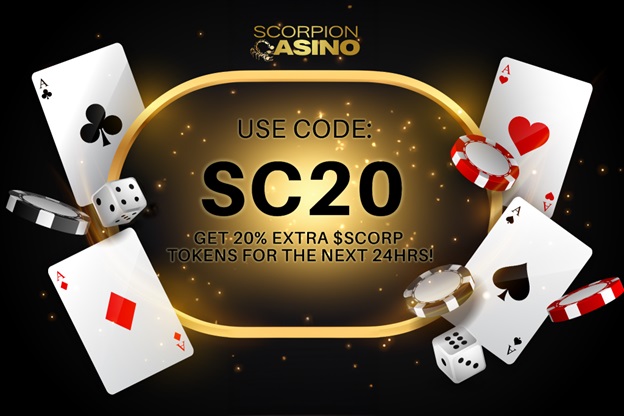
Furthermore, for a limited time, there’s a bonus code “SC20” available. This code, applicable during the presale, grants users an additional 20% of SCORP tokens on their purchase, increasing your potential earnings.

Stake and Earn

Cardano has emerged as one of the most promising blockchain platforms, providing a more secure and scalable environment for smart contracts. But for passive income seekers, Cardano’s staking mechanism is the real draw. Staking crypto involves locking up a certain amount of cryptocurrency in a wallet to support network operations, such as transaction validation, in exchange for rewards. By simply holding and “staking” ADA in a wallet, investors can participate in the network’s proof-of-stake consensus mechanism. In return, they earn additional ADA tokens over time. The process is straightforward, requires minimal effort, and, most importantly, doesn’t necessitate selling or locking up your ADA permanently.

Provide and Earn

Uniswap, one of the pioneers of decentralized exchanges (DEXs), has introduced a game-changing way for crypto enthusiasts to earn: by becoming a liquidity provider (LP). Users can deposit an equal value of two tokens in a liquidity pool on Uniswap. In return for providing liquidity to the platform, they receive a share of the trading fees earned by the exchange. This strategy, while carrying certain risks associated with impermanent loss, offers a consistent stream of passive income for those who understand and navigate its intricacies.

Starting Your Side Hustle

Passive income is the dream of many, and cryptocurrency has brought that dream closer to reality for countless individuals. Whether it’s through the innovative buyback and burn mechanism of Scorpion Casino Token, staking with Cardano, or providing liquidity on Uniswap, the possibilities are vast and varied. While each strategy has its intricacies and potential risks, with thorough research and a clear understanding, one can navigate this digital realm and make their assets work for them. In a rapidly evolving crypto landscape, one thing remains certain: the opportunities to generate passive income have never been better.

 Start Generating Passive Income With Scorpion Casino Token Here:


Presale: https://presale.scorpion.casino/

Twitter: https://twitter.com/ScorpionCasino

Telegram: https://t.me/scorpioncasino_official

For NGOs and Donors:- Notable Provisions of The NAFDAC Guidelines on Donated Medical Products in Nigeria

0

For Non-Governmental Organizations (NGOs) & Individual/Corporate Donors :- Provisions Of The NAFDAC Guidelines For Donated Medical Products in Nigeria

The National Agency For Food and Drug Administration and Control (NAFDAC) guidelines on donated medical products in Nigeria are for the interest of the general public, donors and recipients of donor medical products.

It is necessary to emphasize that no donated medical product shall be imported into Nigeria unless it has undergone due processing with the NAFDAC in accordance with the regulations for drug donation.

The recipient organization must demonstrate the capacity to handle the type and quantity of the drug product e.g. for cold chain products.

The recipient organization must also liaise with the NAFDAC State Co-ordinator in the location of project/program execution.

Products deleted from the application during assessment must not be imported and all approvals should be forwarded to the Heads of Ports of entry and respective state coordinators.

Heads of Ports of entry should under the NAFDAC Guidelines, get the contact of the focal person of the recipient organization for monitoring of program activities.

The recipient organization after obtaining approval and having successfully imported and cleared any donated drug, shall invite the NAFDAC state and or zonal offices in the area where the donated drugs are to be used to witness the event.

The NAFDAC state and/or zonal offices would periodically monitor and evaluate the level of compliance with the conditions of approval for each consignment of donated drugs. 

A report should be generated regarding the donation exercise and the utilisation of the donated items and submitted to PVG/PMS state coordinators.

The Pharmacovigilance and Post Marketing Surveillance directorate of the agency shall also be involved in monitoring the public for any unexpected adverse drug reaction associated with the use of donated drugs.

The following important further provisions of the guidelines will thus be highlighted in detail.

Applications/Recipients/Donors

– An application for drug donation shall be made by the recipient organization in Nigeria to the Agency before the drug leaves the country of origin. The recipient organization must be an entity registered by the Corporate Affairs Commission(CAC). 

– The application shall be in form of letter addressed to the Director General, NAFDAC,  stating the type and quantities of the medical supplies or drug(s); including the generic name, strength, dosage form, manufacturing and expiry dates. The inventory list should be submitted in a soft editable copy (Ms Word/Excel).

– The identity and contact address of the donor and expected date of arrival at the port of entry shall be stated.

– The applicant should provide information on the port of arrival of the consignment before shipping.

– In addition, the following documents shall be attached:

i. Evidence of correspondence between the recipient and donor showing how the donation was initiated.

ii. Detail plan on how the program will be executed which must include: date, venue and details of its Nigerian contact/focal person must be included.

iii. Evidence that the donated drugs are relevant for the purpose and shall be of maximum benefit.

iv. Evidence of skilled professionals (Pharmacists) in the organization, be they volunteers or validly contracted by the organization (with evidence attached proving such engagement) who can handle the drugs safely.

v. The premises (warehouse) where the donated drugs will be kept pending usage must be licensed by the Pharmacist council of Nigeria (PCN) and evidence should be attached alongside the application form.

 iv. The premises must not necessarily be owned by the recipient organization but could  be owned by a third party which it has an understanding with a copy of an agreement to this effect attached.

Products

All donated drug products shall meet the following requirements:

-Be of good quality, safe and efficacious.

– The presentation, strength and formulation shall be as much as possible similar to those used in this country, unless specifically requested for by the recipient.

– Be labelled in English language and bear the generic name, batch number, dosage form, composition, strength, name of manufacturer, quantity in each container, storage condition and date markings.

– Shall be obtained from reliable sources and must comply with quality standards in Nigeria and donor country. (Evidence of complying with the quality standards of the Donor country should be attached).

Port Clearance Of Donated Drugs

– Upon arrival in the country, the following documents are required before clearance at the ports.

– A copy of the approval letter from the agency to import the donated drugs.

– A letter of undertaking as required by the port inspection Directorate attaching the following documents:

  1. A Single good declaration (SGD) form, if applicable.
  2. Certificate of analysis.
  1. Packing list.
  1. Clean report of inspection/evidence of destination inspection (if applicable).
  1. Narcotics permit to import and clear (if applicable).
  1. Bill of lading/Airway bill.
  1. Pre-Assessment Arrival Report (PAAR).
  1. Invoice or letter transferring the donated drug from the donor to the recipient containing the name and quantity of drugs. 

Tariff

Donated drugs are exempted from all processing fees, however where the need for product laboratory analysis arises, the recipient may bear the cost.

Report

– On completion of the proposed program, the recipient organization is required within thirty (30) calendar days to provide feedback to the Agency’s Pharmacovigilance and Postmarketing Surveillance (Pv/PMS) Directorate and a copy to the Drug Registration and 

Regulatory Affairs Directorate by forwarding a detailed report that must include:

  • pictorials, 
  • detailed distribution record,

iii. stock utilization record of the donated drugs,

  • any other pertinent details.

 – Failure to do so may result in denial of future requests.

Conditions For Destruction

– Where drugs donated do not comply with requirements, or are expired upon arrival, the NAFDAC shall seize and destroy the drugs. 

– The recipient shall bear the cost of destruction as stipulated in the appropriate guidelines with the Investigation & Enforcement Directorate.

Notes

– Donated medical product are drugs, drug products and medical devices sent by a Donor to a Recipient in Nigeria in the face of a disaster and suffering or on humanitarian basis which may or may not be on request.

– A copy of the approval letter issued by Drug Registration and Regulatory Affairs Directorate should always be forwarded to the Ports Inspection Directorate, the Directorate, Pharmacovigilance and Post marketing Surveillance and the Director-General’s Office.

US Government is Waging War on Crypto – World Coin’s Sam Altman

0

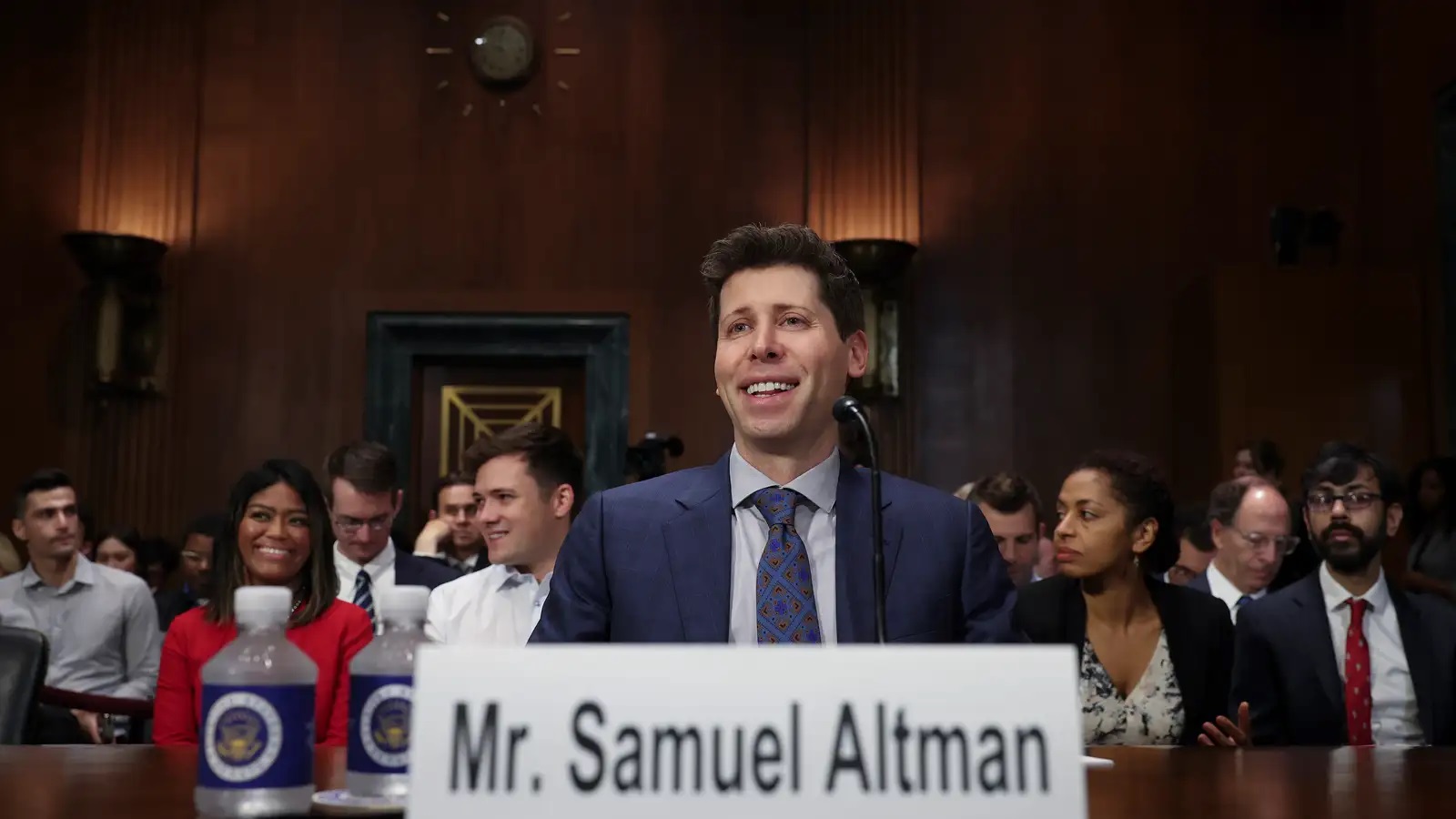
In a recent episode of the popular podcast The Joe Rogan Experience, Worldcoin co-founder and former Y Combinator president Sam Altman shared his views on the current state of the cryptocurrency industry and the challenges it faces from regulators and governments.

Altman, who launched Worldcoin earlier this year with the ambitious goal of creating a global digital currency that would be distributed to everyone on the planet via iris scans, said that he believes that the US government is actively trying to suppress the innovation and adoption of crypto.

“I think the US government is waging a war on crypto, and I think they’re doing it in a very subtle and smart way,” Altman said. “They’re not outright banning it, they’re not saying it’s illegal, they’re just creating a lot of uncertainty and fear and doubt and confusion in the market.”

Altman argued that the US government sees crypto as a threat to its monetary sovereignty and its ability to impose sanctions and control the global financial system. He said that the government is using various tactics to discourage people from using crypto, such as imposing heavy taxes, enforcing strict regulations, spreading misinformation, and launching its own digital dollar project.

“They’re trying to scare people away from crypto, they’re trying to make it seem like it’s too complicated, too risky, too volatile, too shady, too criminal, too environmentally unfriendly,” Altman said. “They’re also trying to create their own version of crypto, which is not really crypto at all, but a centralized digital currency that they can control and monitor and manipulate.”

The US government is waging war on crypto, and this is bad news for anyone who values freedom, innovation and privacy. Crypto, or cryptocurrency, is a form of digital money that is decentralized, secure and transparent. It allows people to transact without intermediaries, censorship or surveillance. Crypto also enables new forms of social and economic organization, such as decentralized autonomous organizations (DAOs), which are self-governing entities that operate on the blockchain.

However, the US government sees crypto as a threat to its power and control. It wants to regulate, tax and monitor every aspect of crypto activity, and to impose its own centralized digital currency on the public. The US government is using various tactics to undermine crypto, such as:

Proposing legislation that would require crypto users to report their transactions and identities to the IRS, and to pay capital gains tax on every exchange of crypto assets.

Launching investigations and lawsuits against crypto companies and individuals, accusing them of fraud, money laundering and tax evasion.

Pressuring banks and payment processors to cut off services to crypto businesses and customers, effectively freezing their funds and accounts.

Spreading misinformation and fear about crypto, portraying it as a tool for criminals, terrorists and rogue states.

Developing its own digital dollar, which would be controlled by the Federal Reserve and the Treasury Department, and which would enable mass surveillance and manipulation of the economy.

These actions are not only harmful to the crypto community, but also to the American people and the world at large. By waging war on crypto, the US government is:

Violating the constitutional rights of its citizens, such as the right to privacy, free speech and free association. Stifling innovation and entrepreneurship in one of the most promising sectors of the economy. Alienating its allies and partners, who are embracing crypto as a way to foster financial inclusion, cross-border trade and global cooperation. Losing its competitive edge and influence in the emerging digital economy, where crypto is becoming the dominant form of money and value exchange.

The US government should stop waging war on crypto, and instead embrace it as an opportunity to advance its values and interests. Crypto is not a threat, but a solution to many of the challenges that the US faces in the 21st century. Crypto can help:

Enhance democracy and accountability by enabling more participatory and transparent governance models. Promote economic growth and development by lowering barriers to entry and creating new markets and jobs. Protect national security and sovereignty by reducing dependence on foreign actors and enhancing resilience against cyberattacks. Foster social justice and equality by empowering marginalized groups and individuals to access financial services and opportunities.

Altman said that he thinks that the US government is making a huge mistake by trying to stifle crypto, instead of embracing it and leading the innovation. He said that crypto represents a huge opportunity for economic growth, social inclusion, and human empowerment. He also said that crypto is inevitable and unstoppable, and that the government will eventually have to accept it or lose its relevance.

“I think crypto is the future of money, and I think it’s the future of democracy,” Altman said. “I think it’s the best chance we have to create a fairer and more transparent and decentralized and open and inclusive world. I think it’s unstoppable because it’s driven by people’s desire for freedom and sovereignty and choice. And I think the US government should be supporting it, not fighting it.”

Altman also discussed his vision for Worldcoin, which he described as a “social experiment” to create a new global currency that would be accessible to everyone, regardless of their location, identity, or wealth. He said that Worldcoin aims to distribute its tokens to every person on Earth via iris scans, which he claimed are more secure and privacy-preserving than other biometric methods.

“We want to create a new kind of money that is truly for everyone,” Altman said. “We want to give everyone a stake in the future of humanity. We want to create a more equal and inclusive world. And we think the best way to do that is to use iris scans, which are unique and immutable and anonymous and verifiable.”

Altman acknowledged that Worldcoin has faced some criticism and skepticism from the crypto community and the public, especially regarding its use of iris scanners, which some people see as invasive or creepy. He said that he understands the concerns, but he believes that they are unfounded or exaggerated.

“We’re not collecting any personal data, we’re not storing any images, we’re not sharing any information with anyone,” Altman said. “We’re just using iris scans to create a one-way hash that proves that you’re a unique human being. We’re not tracking you; we’re not spying on you; we’re not selling your data. We’re just giving you free money.”

Altman said that Worldcoin has already distributed its tokens to over 100,000 people in 15 countries, mostly in Africa and Latin America. He said that the project is still in its early stages, but he hopes to scale it up to reach billions of people in the next few years. He also said that he hopes that Worldcoin will inspire other projects and initiatives to use crypto for social good.

“We’re not trying to replace Bitcoin or Ethereum or any other crypto,” Altman said. “We’re trying to complement them and expand them and democratize them. We’re trying to create a new layer of value and trust and cooperation on top of them. We’re trying to use crypto for good.” The US government should not fear or fight crypto, but rather learn from it and adopt it. Crypto is the future of money, and the US should be at the forefront of it.

Egypt has closed the Rafah crossing with Gaza’s Southern Border

0

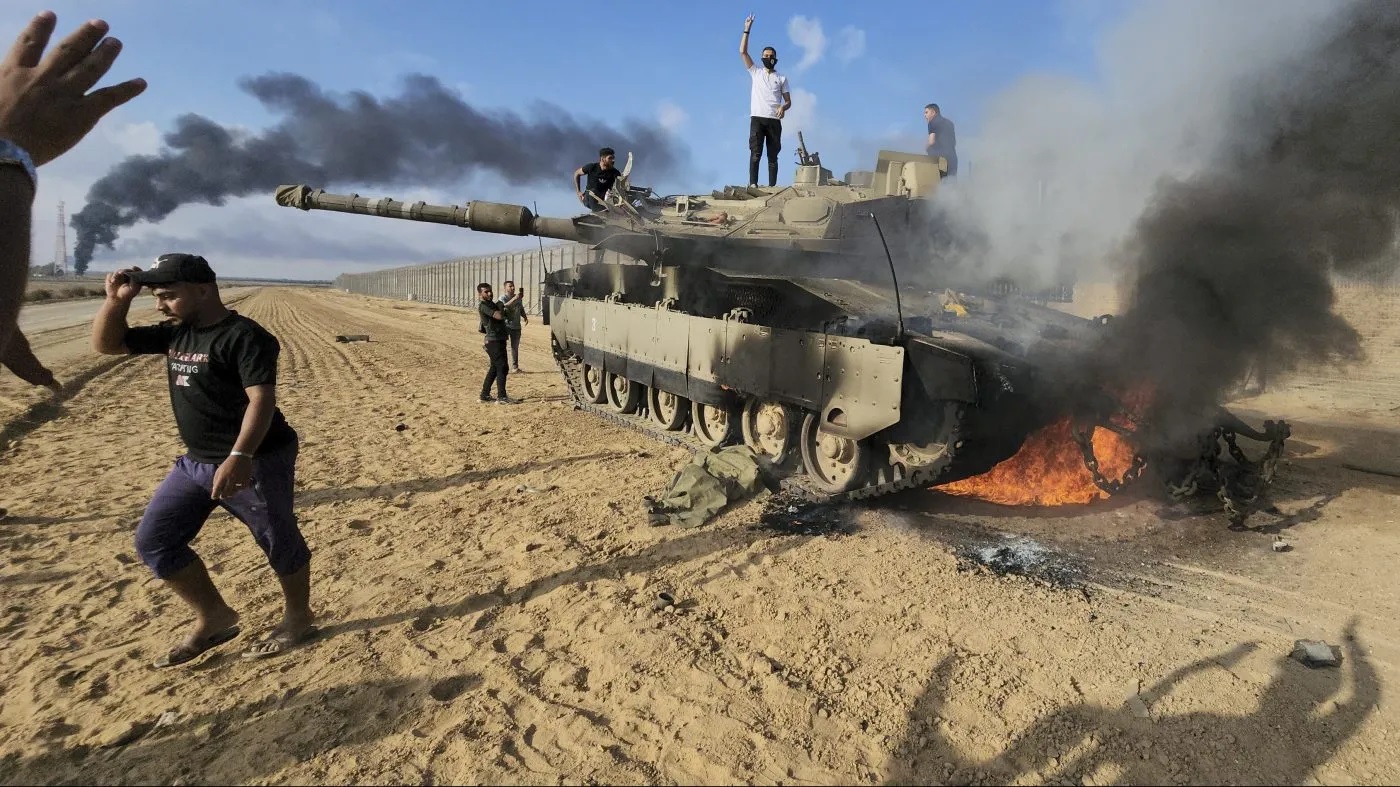
Egypt has closed the Rafah crossing with Gaza’s southern border, a move that has been widely condemned by human rights groups and international observers. The closure, which began on October 7, is part of a series of measures taken by the Egyptian government to crack down on the smuggling of weapons and militants across the border. The Egyptian authorities claim that the closure is necessary to protect national security and prevent terrorist attacks.

However, the closure has also cut off the only lifeline for the 1.8 million Palestinians living in Gaza, who are already suffering from a 14-year-long Israeli blockade that has crippled the economy and infrastructure of the coastal enclave. The Rafah crossing is the only point of entry and exit for Gaza that is not controlled by Israel, and it is vital for the movement of people and goods, especially humanitarian aid and medical supplies. According to the United Nations, more than 80% of Gaza’s population depends on humanitarian assistance to survive.

The closure of the Rafah crossing has been met with protests and criticism from various parties, including Hamas, the de facto ruler of Gaza, which accused Egypt of “collaborating with the Israeli occupation” and “punishing the Palestinian people”. The Palestinian Authority, which has limited control over parts of the West Bank, also denounced the closure as a “collective punishment” and a “violation of international law”. The UN Special Coordinator for the Middle East Peace Process, Tor Wennesland, expressed his “deep concern” over the impact of the closure on the humanitarian situation in Gaza and urged Egypt to reopen the crossing as soon as possible.

The closure of the Rafah crossing is not only a humanitarian crisis, but also a political one. It reflects the strained relations between Egypt and Hamas, which have deteriorated since the 2013 coup that ousted former President Mohamed Morsi, a member of the Muslim Brotherhood, an ally of Hamas. Egypt considers Hamas a terrorist organization and accuses it of supporting armed groups in Sinai, where Egypt is fighting an insurgency. Hamas denies these allegations and says it is willing to cooperate with Egypt on security issues.

The closure also undermines the prospects for reconciliation between Hamas and Fatah, the rival Palestinian factions that have been divided since 2007, when Hamas seized control of Gaza after a bloody civil war. In 2017, Egypt brokered a deal between the two parties to form a unity government and hold elections, but the agreement has stalled due to disagreements over power-sharing and security arrangements. The closure of the Rafah crossing could further widen the gap between Hamas and Fatah and jeopardize the hopes for a unified Palestinian leadership that can negotiate with Israel for a lasting peace.

The closure of the Rafah crossing is a tragic reminder of the plight of the Palestinian people, who have been living under occupation, siege and violence for decades. It is also a challenge for the international community, which has a moral and legal responsibility to protect the rights and dignity of the Palestinians and to end their suffering.

The international community should pressure Egypt to reopen the Rafah crossing without delay and ensure that it operates regularly and smoothly. The international community should also support the efforts to end the Israeli blockade of Gaza and to resume the peace talks between Israel and Palestine based on a two-state solution that respects international law and human rights.