DD
MM
YYYY

PAGES

DD
MM
YYYY

spot_img

PAGES

Home Blog Page 3711

Global Oil Prices have recorded their biggest Weekly Decline

0

Oil prices have recorded their biggest weekly decline in over six months, plunging by more than 10% amid renewed concerns over the global demand outlook and the impact of the Omicron variant. The first and most obvious reason for the oil price slump is the emergence of the new Omicron variant of Covid-19, which has triggered travel bans, lockdowns and uncertainty across the world.

The variant, which was first detected in South Africa, has been reported in dozens of countries and is believed to be more transmissible than previous strains. The World Health Organization (WHO) has declared it a variant of concern and warned that it poses a “very high” global risk.

The fear of a new wave of infections and restrictions has dampened the outlook for oil demand, especially in the transportation sector, which accounts for about 60% of global oil consumption. According to the International Energy Agency (IEA), global oil demand is expected to grow by 5.5 million barrels per day (bpd) in 2021 and 3.3 million bpd in 2022, but these projections could be revised downward if the Omicron variant proves to be more severe or resistant to vaccines.

The second factor behind the oil price decline is the decision by the Organization of the Petroleum Exporting Countries and its allies (OPEC+) to stick to their plan to increase production by 400,000 bpd every month until July 2023. The Organization of Petroleum Exporting Countries (OPEC) has sought to influence global oil prices by limiting the supply of crude for decades, with varying degrees of success.

The OPEC+ decision reflects its confidence that the oil market remains tight, and that demand will recover as the Omicron situation stabilizes. The group also believes that its spare capacity, which is estimated at around 6 million bpd, gives it enough flexibility to respond to any changes in market conditions. However, some analysts argue that OPEC+ is risking a repeat of the 2014-2016 oil price crash, when it failed to cut production in response to a demand slowdown and a surge in US shale output.

The third factor behind the oil price decline is the increase in US crude inventories, which rose by 3.4 million barrels last week, according to the Energy Information Administration (EIA). This was the first weekly build since October and contrasted with market expectations of a drawdown. The rise in US stockpiles suggests that domestic demand is weakening amid high gasoline prices and lower travel activity due to the Thanksgiving holiday and the Omicron scare.

Is the world order cause of decline in oil price globally? This is a question that many people are asking, especially in the wake of the recent OPEC+ meeting, where the major oil-producing countries agreed to increase their output gradually over the next few months. The decision was seen as a compromise between the competing interests of Saudi Arabia, which wanted to maintain tight supply and high prices, and Russia, which wanted to boost production and market share.

However, some analysts argue that the OPEC+ deal is not enough to reverse the long-term trend of declining oil prices, which is driven by deeper structural factors beyond the control of any cartel or country. One of these factors is the changing world order, which is characterized by the rise of new powers, such as China and India, and the relative decline of old ones, such as the US and Europe. These shifts have profound implications for the global demand and supply of oil, as well as the geopolitics and security of energy markets.

The US is the world’s largest oil consumer and producer, so any changes in its supply and demand dynamics have a significant impact on global oil prices. The US shale industry, which has been recovering from the pandemic-induced slump, could also face challenges if oil prices remain low for a prolonged period. According to Baker Hughes, the US rig count, which is a proxy for drilling activity, fell by five last week to 521, the first decline in nine weeks.

Oil prices have recorded their biggest weekly decline in over six months due to a combination of factors, including the Omicron variant, the OPEC+ decision and the rise in US inventories. These factors have raised doubts about the strength and sustainability of the oil demand recovery and increased the volatility and uncertainty in the oil market. While it is too early to assess the full impact of the Omicron variant on oil demand and supply, it is clear that the oil market will remain under pressure until more clarity emerges on the situation.
Prof Wole Soyinka Should Ignore Twitter Netizens!

0

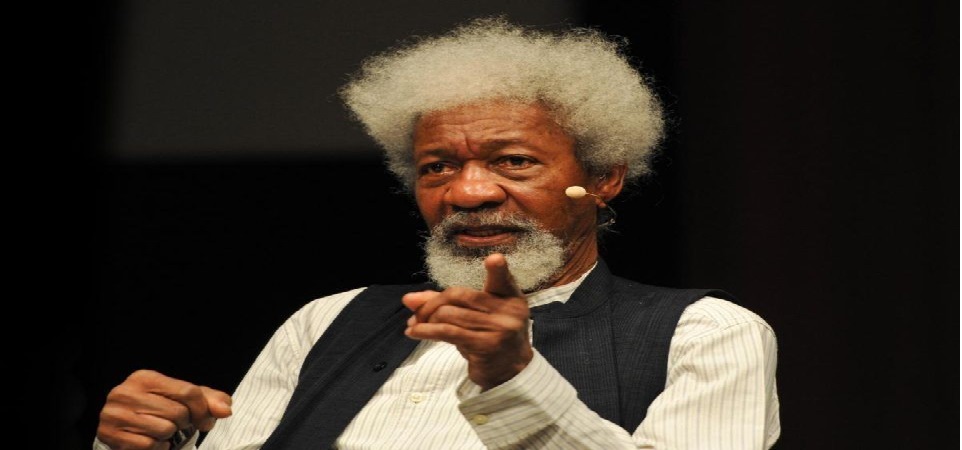
People who are close to Prof Wole Soyinka should tell him to ignore faceless Twitter netizens.  Africa cannot afford him going to this level. That he has to put a press statement to defend himself over ‘accusation” of his degree diminishes Nigeria. Men like Soyinka are legends, and even though we’re in the season of verifying certificates in Nigeria, Prof should focus on more important things.

I was never a Literature in English student (substituted it for Further Mathematics), but as a teenagor, I did everything offered in school;I ignored the WAEC prescription. In the Literature class, I was always invited to pick up roles as I could memorize plays. One of those was acting like Lakunle in The Lion and the Jewel, and I muttered these words to Sidi in the Soyinka’s play: “a savage custom, barbaric, outdated, rejected, denounced, accursed, excommunicated, archaic, degrading, humiliating, unspeakable, redundant, retrogressive, remarkable, unpalatable.”

Nigeria has become a very challenging country, and no matter what you have achieved, nobody cares. Prof should ignore these young people and focus on more important things.

The custom which Prof explained in that play seems to be the national culture of Nigeria. But Prof does not need to get into these fights.

According to Nairametrics:

Nobel laureate Prof. Wole Soyinka has issued a 30-day challenge to those questioning his academic credentials, urging them to provide evidence to the nation’s investigative authorities.

Professor Soyinka released a statement yesterday addressing the allegations made by one Prof. James Gibbs in an online publication. Gibbs had questioned Soyinka’s First Class degree in Literature from Leeds University, UK.

  • “A document of unmatchable scurrility, last encountered during General Sani Abacha’s global campaign of calumny against opponents of his despotic, infernally venal and homicidal reign, is back in circulation. Duly modified to suit a debased internet culture, it is making its grimy rounds ironically under the auspices of a democratic political party, supposedly dedicated to an ethos of freedom of opinion and expression. The contents of that script are attributed, as before, to the scholastic industry of a Bristol school teacher.
  • “While awaiting a decision from my lawyers whether or not to dignify the current sponsors of this mouldy tract with legal action, I wish to state in advance that I voluntarily waive all protection under the statute of limitations and insist that the laws that govern fraudulent academic claims be invoked and applied to these allegations to the uttermost limit. I also declare, in advance, that, if found culpable, I shall strip myself of any titles and honours I may have garnered in my entire career, from the most obscure to the most coveted.
  • “In return, I expect the purveyors of this sordid material to submit all evidence, however minuscule, to the nation’s investigative agencies – Directorates of Prosecutions, EFCC, ICPC, plus affected institutions and others – within the next 30 days.
  • “Failing this elementary service in public interest within the stated time, and/or if such allegations are yet again proven baseless, thus indicating that their sponsors can boast of neither honours to their careers nor honour to their births and origins, then, as a token of moral recompense, they should undertake to jump off the bridge of the symbolic River Niger, provided with life jackets to ensure a life of remorse after this ritual purgation, but chained to one another in a commendable unity of purpose.
  • “This is being copied to the Academic Staff Union of Nigeria, Pan-African Writers Association, Accra, Nigerian Association of Authors, the Nobel Foundation, Stockholm, the University of Leeds, the alleged Bristol Primary Source and his school, and the infested media.”

The Roles of Solicitors as Operators in the Nigerian Capital Market

0

Capital Market Operators (CMOs) are intermediaries who facilitate the mechanism of mobilizing funds for long term investment. They transact various businesses in the stock market and cannot operate in the capacity of operators unless they have been duly compulsorily registered with the Securities and Exchange Commission (SEC). 

The relevant provisions of the Investment & Securities Act (ISA) as well as the SEC Rules mention legal practitioners/solicitors as one of the classes of professionals subject to registration with the SEC in so far as their professional opinions impact directly on capital market transactions.

This article will be looking at the various roles of solicitors within the Capital Market .

What is the general duty of a solicitor in the Nigerian Capital Market?

It is the duty of the solicitor to ensure that there is no deliberate concealment of material facts or misstatements in offer documents relating to a capital market transaction for which otherwise the solicitor would be liable as a result of a failure to exercise reasonable professional diligence.

What is the role of a solicitor to an issuing party in a capital market transaction?

– The solicitor ensures that the issuer is in good legal and regulatory stand with regards to the issue.

– The solicitor ensures that the company’s memorandum and articles of association as well as its certificate of incorporation reflect the status of the issuer as a public company.

– The solicitor drafts the underwriting and other agreements.

– The solicitor ensures that contracts (if any) in which any director has an interest are disclosed ,e.g. contracts of service of long durations as well as contracts involving substantial properties belonging to the company.

– The solicitor must ensure that a power of attorney and/or consent documents are duly executed by the chairman and all other directors.

– He must, in conjunction with the company secretary, verify all historical and present facts about the company, with the aim of, ensuring that decisions and minutes of the board and general meeting for the various corporate decisions and approvals are in place.

– The solicitor ensures that the issuer company as well as its principal officers are in good legal standing .

– The solicitor must confirm to the issuing house that the issuer has been properly advised by him and that the directors have collectively and individually accepted full responsibility for the accuracy of the information given in the prospectus and the application forms. He must avoid contravention or breaches of the practice and procedures of Securities and Exchange Commission,the  Corporate Affairs Commission (CAC) &  the Nigerian Stock Exchange especially their listing requirements. 

What is the role of solicitors to the offer?

– Acting as independent professional observers acting on behalf of the general investing public and the issuing house.

– Requesting from the company all substantial contracts and critically examining and determining material contracts for disclosure.

– Verifying the accuracy and authenticity of the company and offer documentation asvwell ascertaining that the condition precedents contained therein have been satisfied.

– Reviewing pending claims and litigations of the issuer and rendering  professional opinions on the likely effect of litigations on the issues.

– Working in conjunction with solicitors to the issuers by examining all documents, contracts and correspondences made available to him and advising the issuing house accordingly on the same.

What is the role of solicitors to the trustee?

Corporate trustees are entities licensed by the SEC to engage in the business of preserving assets such as debentures & bond/security issues handed over to them via the legal instrumentality of a trust deed.

The roles of solicitors to trustees in capital market operations include :-

– Rendering legal advice to the trustees and advising them in selecting viable investments.

– Ensuring that the trustees comply with the laws, regulations and guidelines of the ISA and other laws regarding trustee investments in Nigeria.

– Drafting the trust deed and rendering professional advice to the trustees on all aspects of the trust deed.

Sui, Bitcoin ETF, FTX, Stars Arena, and other Crypto News

0

The Sui Foundation, a nonprofit organization dedicated to promoting creativity and innovation, has announced a new initiative called Play Beyond Games. The initiative aims to explore the potential of interactive media beyond entertainment and education, and to foster new forms of expression, collaboration and social impact. Play Beyond Games will support projects that use game design principles and technologies to address real-world challenges, such as climate change, mental health, civic engagement and more.

The initiative will also provide opportunities for learning, networking and mentoring for aspiring creators and changemakers. The Sui Foundation believes that play is a powerful tool for positive change, and that games can be more than just fun. By supporting Play Beyond Games, the foundation hopes to inspire a new generation of creative thinkers and doers who can use interactive media to make a difference in the world.

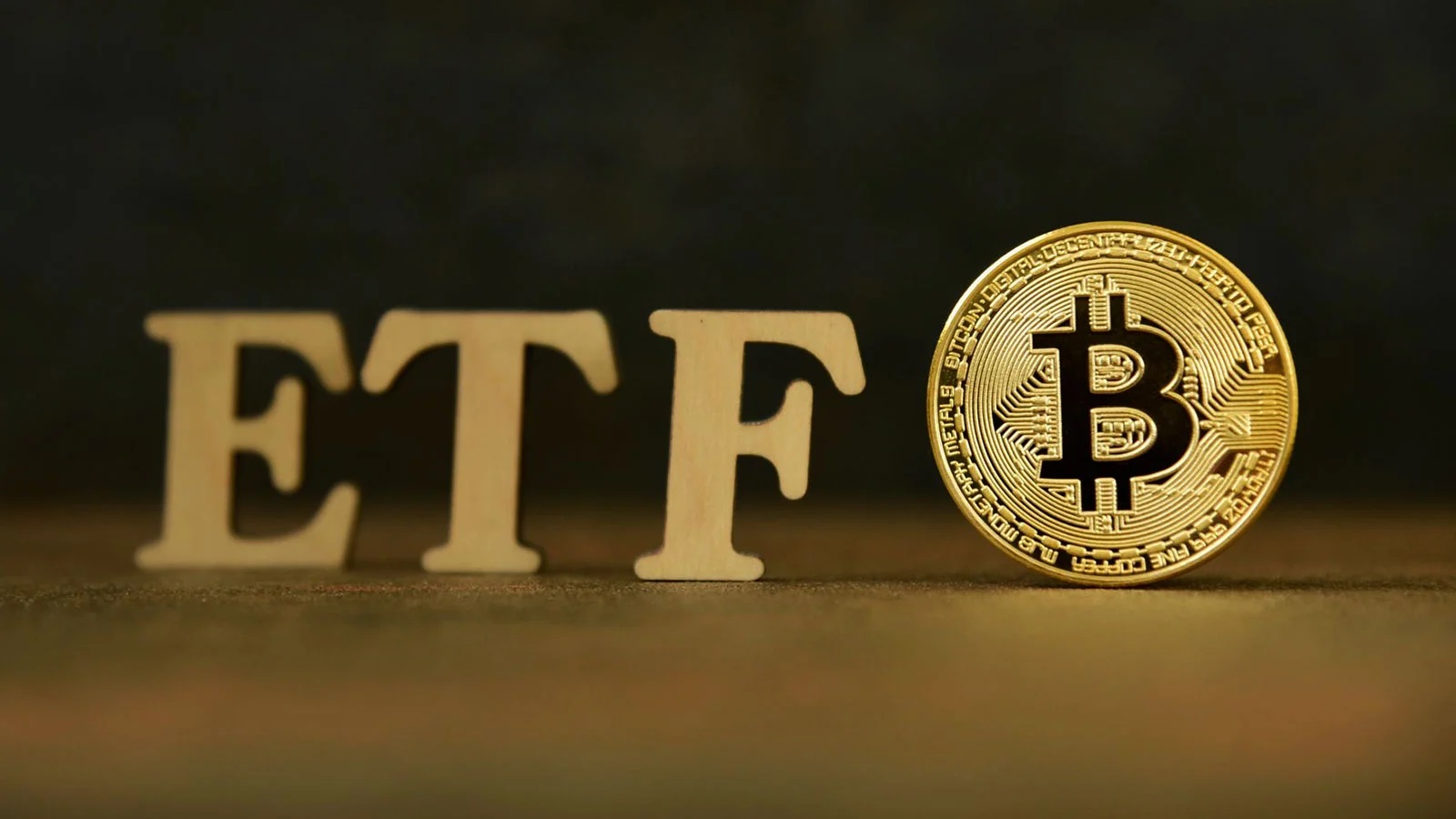
The U.S. Securities and Exchange Commission (SEC) is expected to give the green light to multiple bitcoin exchange-traded funds (ETFs) that track the spot price of the cryptocurrency, according to a BlackRock executive. Rick Rieder, who is now the chief investment officer of global fixed income at BlackRock, said in an interview with CNBC that he believes the SEC will approve several bitcoin ETFs at the same time, rather than picking one or two winners. He said this would create a more competitive and efficient market for investors who want exposure to bitcoin without buying it directly.

A major security breach occurred at Stars Arena, a popular play-to-earn game on the Avalanche blockchain, resulting in the theft of $2.9 million worth of AVAX tokens from the game’s treasury. The attackers exploited a vulnerability in the smart contract that allowed them to withdraw funds without authorization. However, the developers assured that the funds in user wallets were not affected and that they are working on a compensation plan for the affected players. They also said that they have fixed the bug and are taking measures to prevent future attacks.

The latest book by Michael Lewis, the bestselling author of The Big Short and Moneyball, is a scathing expose of the SBF, or the Strategic Brainstorming Force, a secretive group of government officials and consultants who devise and implement risky and controversial policies without proper oversight or accountability. Lewis reveals how the SBF has been behind some of the most disastrous decisions in recent history, such as the botched response to the Covid-19 pandemic, the withdrawal from Afghanistan, and the failed attempt to overthrow the Venezuelan regime.

Lewis also interviews some of the former members of the SBF, who share their stories of how they were recruited, manipulated, and silenced by the powerful and charismatic leader of the group, known only as “The Brain”. The book is a shocking and eye-opening account of how a small clique of unelected and unaccountable experts can shape the fate of millions of people with their hairbrained schemes.

A surprising discovery was made by a former executive of FTX, a leading cryptocurrency exchange platform. The executive, who wished to remain anonymous, revealed that he once stumbled upon several airdrops of tokens worth millions of dollars that the company had received without being aware of them. Airdrops are a way of distributing new tokens to existing holders of a certain cryptocurrency, usually as a marketing strategy or an incentive.

The executive said that he found the airdrops while auditing the company’s wallets and was shocked by the amount of money that was sitting there unnoticed. He added that he informed the CEO of FTX, Sam Bankman-Fried, who decided to donate most of the airdrops to charity.

Ostium Labs, a decentralized exchange (DEX) platform, has announced that it has secured $3.5 million in a seed funding round led by Polychain Capital. The startup aims to offer perpetual swap contracts for commodities such as oil and gold, leveraging blockchain technology and smart contracts. Perpetual swaps are a type of derivative that allow traders to speculate on the price movements of an underlying asset without an expiry date. Ostium Labs claims that its platform will provide lower fees, higher liquidity, and more transparency than traditional exchanges, as well as enable cross-chain interoperability and access to global markets.

Future of Finance will be shaped by Interplay between Fintech companies and Banks

0

Banks are not sleeping because they are fully aware that the business model of Fintech companies will likely converge towards them. This is the main conclusion of a recent report by the World Economic Forum, which analyzes the impact of digital transformation on the financial sector.

The report argues that Fintech companies, which offer innovative solutions for payments, lending, insurance, wealth management and other services, are not only disrupting the traditional banking industry, but also creating new opportunities for collaboration and integration.

According to the report, Fintech companies have three main advantages over banks: they are more customer-centric, more agile and more data-driven. They can leverage their digital platforms, artificial intelligence and cloud computing to provide personalized, convenient and low-cost services to their users.

They can also adapt quickly to changing customer needs and regulatory environments, as well as experiment with new products and business models. Moreover, they can use their data to generate insights, optimize decisions and create value for their customers and partners.

However, the report also acknowledges that Fintech companies face significant challenges and limitations, such as scaling up their operations, ensuring trust and security, complying with regulations and standards, and competing with other players in the market. These challenges may prevent them from achieving profitability and sustainability in the long term.

Furthermore, the report suggests that Fintech companies will eventually need to offer a broader range of services and products to their customers, which may require them to partner with or acquire other Fintech or non-Fintech firms. This may lead to a convergence of business models between Fintech companies and banks.

The report warns that banks should not underestimate the threat posed by Fintech companies, but rather embrace the opportunities for collaboration and innovation. Banks have several strengths that Fintech companies lack, such as a large customer base, a strong brand reputation, a deep expertise in financial services, a robust infrastructure and a regulatory compliance capability.

One of the key questions that the report addresses is how banks collaborate with Fintech companies to achieve mutual benefits and synergies. The report identifies four main types of collaboration models:

Coopetition: Banks and Fintech companies compete in some areas and cooperate in others, such as sharing data, infrastructure or customers. For example, a bank may use a Fintech company’s payment platform to offer faster and cheaper transactions to its customers, while a Fintech company may use a bank’s deposit network to provide liquidity and security to its users.

Partnership: Banks and Fintech companies form strategic alliances to jointly offer products or services to their customers, leveraging their respective strengths and capabilities. For example, a bank may partner with a Fintech company to provide digital lending or wealth management solutions to its customers, while a Fintech company may partner with a bank to access its regulatory expertise or distribution channels.

Investment: Banks and Fintech companies invest in each other to acquire equity stakes, technologies or talents. For example, a bank may invest in a Fintech company to gain access to its innovative solutions or customer base, while a Fintech company may invest in a bank to enhance its credibility or scalability.

Acquisition: Banks and Fintech companies merge or acquire each other to create new entities that combine the best of both worlds. For example, a bank may acquire a Fintech company to integrate its digital capabilities into its core business, while a Fintech company may acquire a bank to obtain its licenses or assets.

The report suggests that banks should adopt a flexible and proactive approach to collaborate with Fintech companies, depending on their strategic objectives, competitive advantages and market conditions. The report also recommends that banks should foster a culture of innovation and experimentation within their organizations, as well as engage with regulators and policymakers to create an enabling environment for digital finance.

Banks can leverage these strengths to enhance their digital capabilities, improve their customer experience, diversify their revenue streams and reduce their costs. Banks can also partner with or invest in Fintech companies to access new markets, technologies and talents.

The report posited that the future of finance will be shaped by the interplay between Fintech companies and banks, as well as by other factors such as customer preferences, regulatory frameworks and social impacts. The report calls for a constructive dialogue and cooperation among all stakeholders to ensure that the digital transformation of finance benefits everyone.