DD
MM
YYYY

PAGES

DD
MM
YYYY

spot_img

PAGES

Home Blog Page 3771

Germany’s justice minister stands by rejection of EU supply chain law

0

Germany’s justice minister, Christine Lambrecht, has defended her decision to reject a proposed EU law that would require companies to ensure that their supply chains are free of human rights violations and environmental harm. Lambrecht said that the law would impose excessive burdens on businesses and undermine national sovereignty.

The EU supply chain law is a proposed legislation that aims to make companies more responsible for the social and environmental impacts of their business activities. The law would require companies to conduct due diligence along their supply chains, which means to identify, prevent, mitigate and account for the potential or actual harms that their operations may cause to human rights, the environment and good governance. The law would also enable victims of corporate abuses to seek justice and compensation in European courts.

The EU Commission presented the draft law in April 2021, aiming to create a legal framework for corporate due diligence and accountability across the bloc. The law would oblige companies to identify, prevent, mitigate and account for the adverse impacts of their operations on human rights, the environment and good governance. Companies that fail to comply could face fines, lawsuits and reputational damage.

However, Lambrecht argued that the law would go too far and interfere with the autonomy of member states. She said that Germany already has its own national law on supply chain due diligence, which was passed in June 2021 and will come into force in 2023. She claimed that the German law is more balanced and proportionate than the EU proposal, as it only applies to large companies with more than 3,000 employees and does not include extraterritorial liability.

Lambrecht also expressed concern that the EU law would create legal uncertainty and complexity for businesses, especially small and medium-sized enterprises (SMEs). She said that the law would impose a “one-size-fits-all” approach that does not take into account the different circumstances and risks of different sectors and regions.

She added that the law would create a competitive disadvantage for European companies in the global market, as they would have to comply with stricter standards than their competitors.

Lambrecht’s position has been criticized by human rights groups, trade unions, civil society organizations and some members of the European Parliament. They argue that the EU law is necessary to ensure a level playing field for businesses and to protect the rights and interests of workers, consumers and communities affected by corporate activities.

They also point out that the German law has several loopholes and weaknesses, such as excluding SMEs, allowing self-regulation by industry associations, and lacking effective enforcement mechanisms.

The EU law is currently under negotiation between the Commission, the Council and the Parliament. The Council, which represents the governments of the member states, has not yet adopted a common position on the proposal.

The Parliament, which represents the citizens of the EU, has expressed its support for a strong and ambitious law. The final outcome of the negotiations will depend on the political will and compromise of all parties involved.

The EU supply chain law is seen as a landmark initiative that could set a precedent for other regions and countries to follow. The law is expected to have positive effects on the protection and promotion of human rights, the environment and good governance around the world. The law is also expected to benefit businesses by creating a level playing field, enhancing trust and reputation, reducing legal risks and fostering innovation.

However, the EU supply chain law is not yet final. The law is still under negotiation between the Commission, the Council and the Parliament, which are the three main institutions of the EU. The Council represents the governments of the member states, and some of them have expressed reservations or opposition to the law.

Investors bet more on Cross-Chain Solutions as A16z-backed Scene Infrastructure raises $10m

0
Fund, money cash dollar

The blockchain industry is witnessing a surge of interest in cross-chain solutions, which enable interoperability and communication between different blockchains. Cross-chain technologies aim to solve some of the limitations and challenges of the current blockchain landscape, such as scalability, security, privacy, and user experience.

One of the main drivers of cross-chain innovation is the growing demand for decentralized applications (DApps) that can leverage the advantages of multiple blockchains. For example, a DApp might want to use Ethereum for its smart contracts, Binance Smart Chain for its low fees, and Polkadot for its governance.

However, without cross-chain compatibility, these DApps would face significant barriers and inefficiencies in transferring data and value across different networks.

To address this need, several projects are developing cross-chain protocols and platforms that can facilitate seamless and trustless transactions between various blockchains. Some of the prominent examples include:

Cosmos: A network of interoperable blockchains that use the Inter-Blockchain Communication (IBC) protocol to exchange data and tokens.

Polkadot: A multi-chain network that connects different blockchains through specialized bridges called parachains.

Avalanche: A high-performance platform that supports cross-chain transfers of any digital asset through its Avalanche Bridge.

Thorchain: A decentralized liquidity network that enables cross-chain swaps of native assets without intermediaries or custodians.

Ren: A protocol that enables the transfer of any token between any blockchain using secure multiparty computation.

These projects have attracted significant attention and investment from both the crypto community and institutional investors. According to a recent report by Outlier Ventures, cross-chain projects raised over $1.2 billion in funding in Q3 2023, accounting for 23% of the total funding in the blockchain space.

The report also highlighted that cross-chain projects have outperformed the broader crypto market in terms of returns, with an average return on investment (ROI) of 530% compared to 230% for the overall market.

The growing popularity and adoption of cross-chain solutions indicate that the future of blockchain is not about one dominant chain, but rather about a network of interconnected chains that can offer the best of both worlds: diversity and interoperability.

As more users and developers embrace the cross-chain vision, we can expect to see more innovation and collaboration across different blockchain ecosystems.

However, cross-chain solutions are not without their own challenges and trade-offs. Some of the common issues that cross-chain projects face include:

Complexity: Cross-chain protocols often involve multiple layers of abstraction and coordination, which increase the technical complexity and potential attack vectors.

Compatibility: Cross-chain platforms need to ensure compatibility with different blockchain standards and protocols, which may require constant updates and adaptations.

Governance: Cross-chain networks need to establish clear and fair governance mechanisms to manage the interactions and disputes between different stakeholders and communities.

Performance: Cross-chain transactions may incur additional costs and delays due to the involvement of multiple parties and consensus mechanisms.

Therefore, cross-chain projects need to balance between achieving interoperability and maintaining efficiency, security, and sovereignty. The optimal design and implementation of cross-chain solutions will depend on the specific use cases and requirements of each project.

A16z-backed Scene Infrastructure has raised $10 million in a Series A round

Meanwhile, Scene Infrastructure, a startup that aims to build a decentralized platform for the creative industry, has raised $10 million in a Series A round led by Andreessen Horowitz (A16z). The company says its mission is to show that crypto is “not just money” but also a powerful tool for empowering creators and enabling new forms of expression.

The platform, which is still in development, will allow users to create, share and monetize digital content using blockchain technology and smart contracts. Users will be able to own and control their own data, identity and intellectual property, as well as access a global network of collaborators and supporters. Scene Infrastructure plans to support various types of content, such as music, art, games, podcasts and more.

The startup was founded by a team of veterans from the entertainment and tech industries, including former executives from Spotify, Netflix, YouTube and Facebook. The team says they have witnessed the challenges and limitations of the traditional centralized models of content creation and distribution and believe that crypto can offer a better alternative.

“We believe that crypto is not just money, but a new paradigm for how we create and share value in the digital world,” said Scene Infrastructure CEO and co-founder Alex Lee. “We want to build a platform that enables anyone to be a creator, not just a consumer, and to benefit from their own creativity.”

The Series A round also included participation from other investors such as Coinbase Ventures, Paradigm, Electric Capital, Variant Fund and Collaborative Fund. The funding will be used to expand the team, develop the platform and launch a beta version later this year.

Scene Infrastructure is one of the latest startups to receive backing from A16z, which has been actively investing in the crypto space. The venture capital firm recently announced a new $2.2 billion crypto fund, which will focus on supporting projects that are building the next generation of decentralized applications and protocols.

A16z general partner Katie Haun, who joined Scene Infrastructure’s board of directors as part of the deal, said she was impressed by the vision and expertise of the team. She also said she believes that crypto can unlock new possibilities for the creative industry.

“Scene Infrastructure is building a platform that will empower creators to express themselves in new ways, reach new audiences and earn fair rewards for their work,” Haun said. “We are excited to partner with them as they show the world that crypto is not just money, but also a force for innovation and creativity.”

Namibia swears in new President after Geingob’s death

0

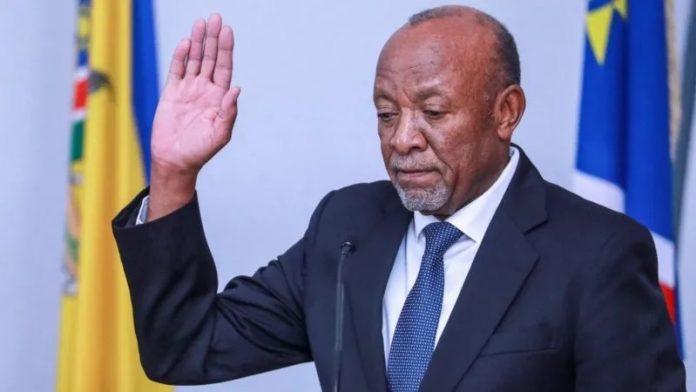
Namibia has witnessed a historic transition of power as Nangolo Mbumba was sworn in as the new President of the Republic, following the death of his predecessor Hage Geingob on Sunday morning. Mbumba, who was the Vice President under Geingob, took the oath of office at the State House in Windhoek, in front of dignitaries, officials and media.

Mbumba becomes the fourth President of Namibia since its independence from South Africa in 1990. He will serve until the next general elections scheduled for November this year. In his acceptance speech, Mbumba paid tribute to Geingob, who he described as a visionary leader and a chief architect of the Namibian Constitution.

”I accept with humility, the noble assignment bestowed upon me, that of appointment as the President of the Republic of Namibia, in accordance with Article 29 read together with Article 34 of the Namibian Constitution,” Mbumba said.

I take on this heavy mantle, cognizant of the weight of this responsibility, to serve all the People of the Republic of Namibia with utmost dedication and commitment, in the service of all citizens of the Namibian House.”

Mbumba also announced that he had appointed Netumbo Nandi-Ndaitwah, the Minister of International Relations and Cooperation, as his Vice President with immediate effect. Nandi-Ndaitwah is a veteran politician and diplomat who has served in various cabinet positions since 1990.

The swearing-in ceremony was held amid a national mourning period declared by Mbumba for seven days. Flags are flying at half-mast and public gatherings are limited to 50 people as a mark of respect for Geingob, who died at the age of 82 after a long battle with cancer.

Geingob was a towering figure in Namibian politics and history. He was one of the founding members of the ruling SWAPO party and a key negotiator for Namibia’s independence from South Africa’s apartheid regime. He served as the first Prime Minister of Namibia from 1990 to 2002, and again from 2012 to 2015. He was elected as President in 2015 and re-elected in 2019.

Geingob was widely praised for his role in promoting democracy, peace and stability in Namibia and beyond. He was also instrumental in advancing regional integration and cooperation through his chairmanship of the Southern African Development Community (SADC) and his involvement in various continental and global initiatives.

However, Geingob also faced challenges and criticisms during his tenure. He presided over a stagnant economy that was hit hard by droughts, Covid-19 pandemic and corruption scandals. He also faced growing discontent among some segments of the population, especially the youth, who demanded more social justice, accountability and inclusion.

Mbumba inherits a country that is still grappling with these issues, as well as the legacy of colonialism and apartheid that left deep scars on its society. He will have to balance continuity and change, as well as unity and diversity, as he leads Namibia towards its next phase of development.

IMF predicts China to witness economic decline over next four years

0

According to a recent report by the International Monetary Fund (IMF), China’s economic growth is expected to slow down significantly in the next four years, due to various factors such as the impact of the Covid-19 pandemic, the aging population, the trade tensions with the US, and the environmental challenges.

The report, which was released on Wednesday, projected that China’s gross domestic product (GDP) would grow by 5.6% in 2021, 5.3% in 2022, and then gradually decline to 4.9% by 2025. This is lower than the average growth rate of 6.8% that China achieved between 2010 and 2019.

The IMF said that China’s recovery from the pandemic has been uneven and unbalanced, with some sectors such as manufacturing and exports performing well, while others such as services and consumption lagging behind. The report also warned that China faces several long-term structural challenges that could hamper its economic potential, such as the shrinking and aging labor force, the high debt levels, the low productivity growth, and the rising inequality. The IMF urged China to implement reforms to address these issues, such as increasing social spending, enhancing innovation, improving governance, and opening up its markets.

The report also highlighted the risks that China’s economic slowdown could pose to the global economy, especially to the emerging and developing countries that rely on China as a major trading partner and a source of investment. The IMF suggested that China should play a more active role in supporting the global recovery from the pandemic, by providing more financial assistance, vaccine donations, and debt relief to the low-income countries. The IMF also called for more cooperation between China and other major economies on issues such as climate change, trade policy, and digital regulation.

China’s Koreanization strategy penetrates South Korean E-commerce market.

In recent years, China has been pursuing a strategy of Koreanization, which aims to increase its cultural influence and economic presence in South Korea. One of the main aspects of this strategy is to penetrate the South Korean E-commerce market, which is one of the most developed and competitive in the world.

According to a report by the Korea International Trade Association (KITA), China’s E-commerce exports to South Korea increased by 62.8% in 2023, reaching $12.4 billion. This accounted for 28.7% of South Korea’s total E-commerce imports, making China the largest source of online purchases for South Korean consumers.

The report also revealed that China’s E-commerce exports to South Korea mainly consisted of low-priced products, such as clothing, accessories, cosmetics, household goods, and electronics. These products appeal to the price-sensitive and trend-conscious South Korean consumers, who are also influenced by the popularity of Korean dramas and celebrities that feature Chinese products.

One of the key factors that enabled China’s E-commerce penetration into South Korea is the development of cross-border platforms, such as Coupang, Tmall Global, and Kaola. These platforms provide convenient and fast delivery services, as well as various payment options and customer support. They also offer discounts and coupons to attract more buyers.

Another factor that contributed to China’s E-commerce success in South Korea is the improvement of product quality and design. Chinese sellers have been investing more in research and development, branding, and marketing, to enhance their competitiveness and reputation in the South Korean market. They have also been adapting their products to suit the preferences and needs of South Korean consumers, such as offering more sizes, colors, and styles.

China’s Koreanization strategy is not only limited to E-commerce, but also extends to other sectors, such as entertainment, tourism, education, and technology. China hopes to leverage its economic power and cultural appeal to strengthen its ties and influence with South Korea, which is a key partner and rival in the region.

Central Bank of Nigeria audit uncovers $2.4bn false claims in $7bn FX backlog

0

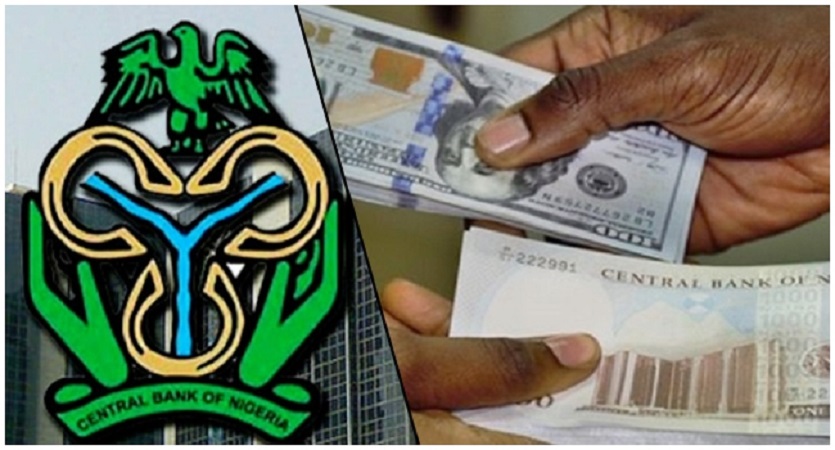
In a shocking revelation, the Central Bank of Nigeria (CBN) announced on Monday that it has uncovered invalid foreign overdue claims amounting to $2.4 billion, adding further pressure on the naira and sending shockwaves through the currency market.

Central bank governor Yemi Cardoso revealed this information during an interview with Arise TV, highlighting the dire consequences of these false claims on the country’s economy. The discovery of these invalid claims came to light after a comprehensive audit conducted by Deloitte, a consulting firm engaged by the CBN.

The CBN said it engaged Deloitte to investigate the situation in an effort to get a clear and accurate understanding of the forex claims.

“We had reasons to believe we needed to take a harder look at these obligations. So we contracted Deloitte management consultants to do forensics of all these obligations and to actually tell us what was valid and what was not,” Cardoso said.

This revelation comes after seven years of concealing the audited accounts of the CBN from public knowledge.

Last year, during the release of the audited accounts, it was disclosed that there was a $7 billion backlog of unmet dollar demand from investors and currency users. This backlog has cast a shadow over the market and, if not addressed promptly, could further weaken the naira, causing it to experience a continued free fall against the dollar.

Nigeria has been grappling with a prolonged foreign exchange (FX) crisis that has significantly impacted its economic stability. This backlog created an overhang in the market, contributing to the depreciation of the naira against the dollar and causing concerns among investors and the public.

The revelation of such a substantial backlog hinted at deep-seated issues within Nigeria’s foreign exchange system, prompting the need for a comprehensive investigation.

The Deloitte report revealed that a significant portion of the backlog, amounting to $2.4 billion, comprised false claims. In some instances, claimants were unable to provide valid import documents, while in other cases, entities making the claims were found not to exist.

“The result that came out of this was startling in a great respect. We discovered that of the roughly $7 billion, about $2.4 billion had issues, which we believe had no business being there, and the infractions on that ranged from so many things, for example not having valid import documents and in some cases entities that do not exist,” Cardoso said, expressing concern over the shady deals that were unearthed during the audit.

Cardoso revealed that not only did entities that didn’t exist receive allocations, but some entities received more than they initially requested, adding another layer of complexity to the already dire situation. In a startling admission, he stated, “Entities did not exist but got allocations. Entities who asked for FX got more than they asked. Entities that did not ask got allocations.”

The central bank governor said the CBN wrote to the authorized dealer to explain. Sadly, ‘much has not been disputed.’

Despite the alarming irregularities, Cardoso emphasized progress in addressing the FX crisis, revealing that $2.3 billion of the validly executed claims, including those from airlines, have been cleared. However, challenges persist as $2.2 billion of questionable claims remain unresolved. Cardoso expressed confidence in addressing these outstanding issues but admitted, “We have come to the end of the road.”

The revelation of these irregularities has added to the existing pressure on the naira, with concerns over its undervaluation. Cardoso stated that the naira remains undervalued, and emphasized the need for comprehensive measures to stabilize the currency.

The audit report raises concerns about the integrity of the foreign exchange system and the need for stricter oversight to prevent such incidents in the future. The implications of these invalid claims are severe, as they contribute to the existing pressure on the naira and exacerbate the challenges faced by the Nigerian economy.

Investors and currency users are now closely monitoring the central bank’s response to address the backlog and restore confidence in the foreign exchange market.

Anti-graft advocates said the uncovering of these false claims denotes the urgency for regulatory reforms and enhanced transparency within Nigeria’s financial system. Stakeholders are calling for accountability and swift actions to rectify the situation, ensuring the stability of the currency and fostering a transparent economic environment.

However, Cardoso expressed optimism about the future, assuring that the naira would stabilize. He said the CBN is confident that the issues will be addressed, assuring that the naira will stabilize. The assurance from the central bank governor aims to instill confidence in investors and the public, signaling a commitment to resolving the lingering FX crisis.