DD
MM
YYYY

PAGES

DD
MM
YYYY

spot_img

PAGES

Home Blog Page 3843

Special Investigator’s Report: Titan Trust Bank Denies Allegations of Wrongdoing in Union Bank Acquisition

0

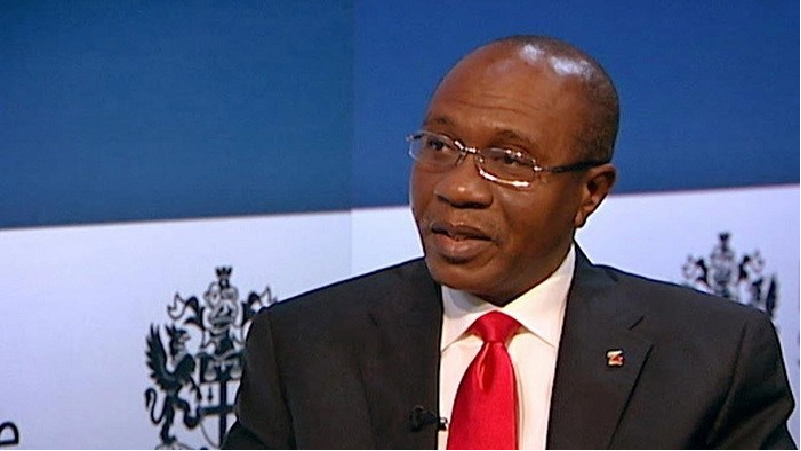
In the wake of the leaked report from the Special Investigator appointed by President Bola Tinubu to probe the Central Bank of Nigeria (CBN) during Godwin Emefiele’s tenure, Titan Trust Bank Limited has issued a comprehensive statement vehemently denying any wrongdoing in the acquisition of Union Bank.

The Special Investigator’s report alleged that the acquisition, which was finalized in mid-2022, did not follow due process and insinuated that Emefiele and associates used illicit funds stolen from the CBN to purchase Union Bank.

In a detailed statement, Titan Trust Bank refuted the allegations, asserting that “the acquisition was conducted in the most professional, open, and transparent bidding process.” The bank clarified key points to address concerns raised by the report.

“The attention of the Board and Management of Titan Trust Bank Limited has been drawn to the widely circulating report of the special investigation into the activities of the Central Bank of Nigeria wherein, among other things, an allegation of illegal acquisition of Union Bank of Nigeria Plc (Union Bank) by Titan Trust Bank Limited (or TTB, the Bank) has featured prominently.

“We are aware that our customers, shareholders, employees, and other stakeholders of the two banks will naturally be troubled by this allegation. Consequently, the Board and Management of Titan Trust Bank Limited wish to clarify the following to set the records straight,” the bank said.

According to the statement, Titan Trust Bank signed a Share Sale and Purchase Agreement (SPA) on December 18, 2021, with Atlas Mara Limited, Union Global Partners Limited, Emeka Emuwa, Standard Chartered Bank, Montane Partners West Africa Limited, TLG Africa Growth Impact Fund, and Sanlam Life Assurance Limited – the bulk shareholders of Union Bank. These shareholders collectively owned 93.41 percent of Union Bank’s issued ordinary share capital.

The acquisition process involved an extensive due diligence process with reputable firms such as PricewaterhouseCoopers Limited (PWC) for financial due diligence, Drey Law Practice (DLP) for legal due diligence, Norton Rose Fulbright (NRF) UK as legal advisers, and Citibank London as financial/transaction advisers. The bulk shareholders engaged White & Case, a prominent UK law firm, as their legal advisers.

“The bulk shareholders together owned 93.41percent of Union Banks issued ordinary share capital. The SPA was the product of a long and tortious due diligence process that involved leading financial and technical advisers,” the statement said.

Titan Trust Bank noted that the acquisition was funded through a combination of debt ($300 million) and an additional equity injection of about $190 million, contributed by the bank’s major shareholders, Magna International DMCC and Luxis International DMCC. The Certificates of Capital Importation (CCI) for both debt and equity financing, evidencing the legal receipt of funds in Nigeria, have been made available upon request.

The statement further clarified that the $300 million acquisition facility was sourced from Afreximbank and is priced on SOFR with a margin of 6.25%, totaling almost 12% per annum, with a moratorium period of 30 months. Titan Trust Bank confirmed payment of interest on the loan for three interest periods (18 months).

Titan Trust Bank stated that it sought and obtained all necessary regulatory approvals from the Central Bank of Nigeria (CBN), the Securities and Exchange Commission (SEC), the Nigerian Exchange Limited (NGX), and the Federal Inland Revenue Service (FIRS), among others.

“Following TTBs acquisition of 93.41percent controlling interest in Union Bank on June 1, 2022, a change in control was effected with the dissolution of the former Board and the reconstitution of a new Board with new leadership.”

The bank’s statement was intended to reassure its customers, shareholders, employees, and stakeholders that the acquisition had been carried out transparently and in compliance with regulatory and legal standards. Nonetheless, the potential progression of the matter remains uncertain. Analysts speculate that the investigator’s report, regardless of its outcome, could have a detrimental effect on both investor and customer confidence in the bank.

Unveiling the History and Evolution of Betting Promotions

0

In the dynamic world of online betting, promotions have become a cornerstone, attracting punters and shaping the landscape of the industry. The history of these promotions is a fascinating journey that mirrors the evolution of the betting world itself.

Early Days: Simple Beginnings

The concept of promotions in betting can be traced back to the early days of bookmaking. In its simplest form, a promotion was often a bonus offered to new customers or a special deal for a major sporting event. These were straightforward incentives aimed at drawing attention and building a customer base.

The Rise of Sign-Up Bonuses

As the betting industry expanded, so did the scope and complexity of promotions. Sign-up bonuses emerged as a powerful tool for attracting new users. Bookmakers started offering free bets or deposit matches to entice punters to choose their platform over competitors. This marked a shift from one-off promotions to more structured and recurring offers.

Promotions Go Digital: Online Era

With the advent of online betting platforms, promotions underwent a digital transformation. The ease of online transactions allowed for more diverse and innovative promotions. Free bets, enhanced odds, and cashback offers became standard, providing a competitive edge to betting platforms and Betwinner’s betting platform is not an exception.

In-Play Betting and Promotions

The introduction of in-play or live betting opened new avenues for promotions. Betting platforms began offering exclusive deals tied to ongoing matches, encouraging users to engage in real-time betting. Enhanced odds for specific in-play scenarios and live streaming promotions further enhanced the in-play experience.

VIP Programs and Loyalty Rewards

To retain customers, betting operators introduced VIP programs and loyalty rewards. Punters were now not only attracted by initial bonuses but also by the promise of ongoing benefits based on their betting activity. These loyalty schemes often included points systems, tiered rewards, and exclusive promotions for VIP members.

Comparing Promotions Across Operators

The current landscape is marked by intense competition, with betting operators vying to offer the most attractive promotions. Free bets, acca insurance, odds boosts, and event-specific promotions are now commonplace. Comparing these promotions involves looking beyond the surface – understanding the terms and conditions, wagering requirements, and overall value offered.

Innovation and Future Trends

As technology advances, the future of betting promotions seems poised for further innovation. Virtual and augmented reality experiences, personalized promotions based on user behavior, and exclusive partnerships with sports leagues could be on the horizon. The evolution of promotions will likely continue to mirror the broader trends in the betting industry, ensuring an exciting and dynamic future for punters.

Navigating the Diversity of Promotions

Today, punters are presented with a diverse array of promotions, each designed to cater to different preferences and playing styles. Free bets, often a staple for many platforms, provide users with a risk-free opportunity to explore the platform. These bets can come in various forms, such as matched bets, no-deposit bets, or conditional bets tied to specific events.

Enhanced Odds and Price Boosts

Enhanced odds or price boosts have become immensely popular. These promotions involve offering higher-than-normal odds for a particular outcome, often for high-profile events. This not only attracts attention but also provides an avenue for users to amplify their potential winnings.

Accumulator Insurance and Cashback

Accumulator insurance is a promotion designed to soften the blow of narrowly missed bets. If one leg of a multiple bet loses, the punter receives their stake back or a free bet. Similarly, cashback promotions, especially in the realm of casino gaming, offer a percentage of losses back to the player. These types of promotions provide a safety net, making the betting experience more forgiving.

Event-Specific and Seasonal Promotions

Many betting platforms tailor promotions to specific events or seasons. For major tournaments or leagues, operators often roll out promotions tied to the event, such as odds boosts on selected matches or special bonuses for hitting certain milestones during the tournament. Seasonal promotions, like those tied to major holidays or sporting seasons, keep the betting landscape dynamic and engaging.

Challenges and Responsible Promotion

While promotions undoubtedly add excitement to the betting experience, there are challenges. Wagering requirements, restrictions, and the fine print associated with promotions can sometimes be confusing. Furthermore, there’s the responsibility of ensuring that promotions don’t encourage excessive or irresponsible gambling.

The Future Landscape: Personalization and Innovation

The future of betting promotions is likely to be characterized by increased personalization and innovative offerings. With the aid of data analytics, betting platforms can tailor promotions to individual preferences, creating a more targeted and engaging experience. Additionally, collaborations with sports teams, influencers, or even other brands could pave the way for unique and exclusive promotions.

The Ever-Evolving Tapestry of Promotions

In conclusion, the history and evolution of betting promotions tell a story of constant innovation and adaptation. From humble beginnings to the intricate and diverse landscape we see today, promotions continue to be a driving force in the betting industry. As users navigate this tapestry of offers, understanding the nuances and making informed choices will be key to maximizing the value derived from these promotions. Whether you’re drawn in by free bets, enticed by enhanced odds, or appreciate the security of cashback, the world of betting promotions is vast and varied, offering something for every type of punter.

The case of INUA Advocacy in Malawi, Taliban regime in Afghanistan on Girls’ Rights

0

Malawi is a landlocked country in southern Africa, home to about 50,000 refugees and asylum seekers, mostly from the Democratic Republic of Congo, Burundi and Rwanda. They live in the Dzaleka refugee camp, located about 50 km from the capital, Lilongwe. The camp was established in 1994 and has been facing overcrowding, lack of basic services and security issues for years.

The Dzaleka refugee camp in Malawi is one of Africa’s largest. For the last three decades, it has been a haven for refugees and asylum seekers fleeing from political instability and violence in their home countries. The Malawian government’s partnership with INUA Advocacy granted the group access to the camp to scrutinize the human rights situation. However, the recent termination of this partnership raises eyebrows at the already deteriorating situation in the refugee camp.

In March 2023, the Malawian government gave a directive to enforce its encampment policy, which ordered all refugees in cities, villages, or towns outside the camp to return. In May, the police began rounding up thousands of refugees across Malawi, temporarily detaining and forcefully relocating them back to the Dzaleka camp.

As expected, not long after, the forceful relocations birthed numerous challenges in the camp, such as out-of-school children due to overcrowded schools and the shortage of food, shelter, water, health services, and sanitation facilities.

The Dzaleka refugee camp was initially meant to host 12,000 people but currently accommodates around 50,000. And despite President Lazarus Chakwera’s promise in June to improve the living conditions of the refugees in the camp, there has been no significant progress.

In this context, a refugee-led organization called INUA Advocacy emerged in 2018, with the aim of promoting the rights and dignity of refugees in Malawi. INUA means “to uplift” in Swahili, and that is what the group has been doing through various initiatives, such as providing legal aid, education, health care, livelihoods and psychosocial support to the camp residents.

INUA also advocates for the inclusion of refugees in the national development agenda and the implementation of the Global Compact on Refugees, which calls for more responsibility-sharing and durable solutions for refugees.

However, INUA’s work has not been welcomed by the Malawian authorities, who have accused the group of being illegal, unregistered and disruptive. On November 15, 2023, the government issued a notice to INUA, ordering them to cease their operations and vacate the camp within seven days.

The notice claimed that INUA was violating the Refugee Act of 1989 and the NGO Act of 2001, and that their activities were inciting violence and unrest among the refugees. The notice also warned that any failure to comply would result in legal action and deportation.

INUA has denied these allegations and challenged the notice in court, arguing that it violates their constitutional rights to freedom of expression, association and assembly. They have also appealed to the international community, especially the UN Refugee Agency (UNHCR), to intervene and protect them from harassment and intimidation.

INUA claims that they have been operating legally and transparently, with the consent and participation of the refugees themselves, and that they have been contributing to the humanitarian response and social cohesion in the camp.

The case of INUA is not an isolated one. It reflects a broader trend of shrinking civic space and increasing hostility towards civil society organizations in Malawi and other countries in the region. It also raises serious questions about the role and rights of refugees as active agents of change, rather than passive recipients of aid.

How can refugees exercise their voice and agency in a context where they are marginalized, discriminated and criminalized? How can they access justice and accountability when their rights are violated? How can they participate in finding solutions to their own displacement?

Taliban regime in Afghanistan is systematically violating the human rights of women and girls

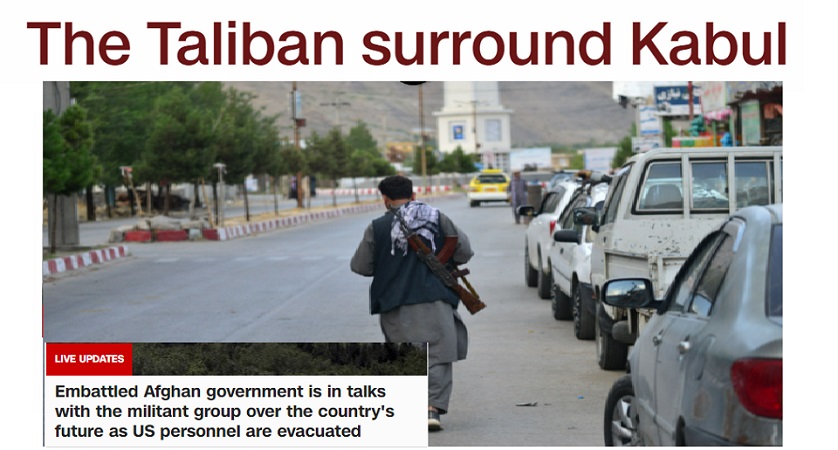
A UN report has revealed that the Taliban regime in Afghanistan is systematically violating the human rights of women and girls, especially those who have been subjected to domestic violence, forced marriage, or sexual abuse. According to the report, many of these women and girls are being sent to prison or detention centers, where they face further abuse, torture, or even death.

The report, based on interviews with 77 women and girls who were detained by the Taliban between August and November 2023, documents a range of violations, including:

  • Arbitrary arrest and detention without due process or legal representation
  • Physical and psychological violence, including beatings, electric shocks, and threats of execution
  • Sexual violence, including rape, forced pregnancy, and forced abortion
  • Denial of basic needs, such as food, water, health care, and hygiene
  • Forced labor and exploitation
  • Restrictions on communication, education, and freedom of movement
  • Discrimination and stigmatization based on gender, ethnicity, or religion

The report also highlights the lack of protection and support for women and girls who are at risk of violence or persecution by the Taliban, as well as the challenges faced by humanitarian organizations and human rights defenders who are trying to assist them. The report urges the international community to take urgent action to hold the Taliban accountable for their crimes and to ensure the safety and dignity of Afghan women and girls.

The UN report is a stark reminder of the grim reality that millions of Afghan women and girls are facing under the Taliban rule. It also exposes the hypocrisy and lies of the Taliban, who have claimed to respect women’s rights and uphold Islamic values. The report shows that the Taliban are not only violating international law and human rights norms, but also betraying their own religion and culture, which honor and protect women and their dignity.

According to the report, the Taliban have imposed a strict interpretation of Islamic law that severely restricts the rights and freedoms of women and girls. Women and girls are banned from attending school, working, participating in public life, accessing health care and justice, and expressing their opinions.

They are also subjected to forced marriage, sexual violence, corporal punishment, and discrimination. The report warns that these violations amount to crimes against humanity and could constitute genocide.

The report urges the international community to take urgent action to protect the rights of women and girls in Afghanistan and to hold the Taliban accountable for their atrocities. The report also calls for the establishment of a special tribunal to investigate and prosecute the perpetrators of human rights violations. The report stresses that any political settlement or recognition of the Taliban must be conditional on their respect for human rights and international law.

The world cannot turn a blind eye to the plight of Afghan women and girls. They deserve justice, freedom, and dignity. They deserve our solidarity and support. We must not let them down.

The report also answers the question: What is the UN doing about this? The report outlines some of the actions that the UN has taken or plans to take to address the situation in Afghanistan. These include:

  • Providing humanitarian assistance and protection to millions of people in need, especially women and girls.
  • Advocating for the rights of women and girls with the Taliban and other parties and supporting local civil society organizations that work on these issues.
  • Monitoring and reporting on the human rights situation in Afghanistan, and documenting cases of violations.
  • Mobilizing international support and pressure for a peaceful and inclusive political process that upholds the rights of women and girls.

The report is a sobering reminder of the suffering of millions of women and girls who are living under a repressive regime that denies them their dignity and humanity. The report also challenges us to stand with them and to demand justice for them. As the report states, “The rights of women and girls are not negotiable. They are universal and inalienable.”

Former CBN Governor Godwin Emefiele Denounces “Special Investigator’s” Allegations as Baseless and Defamatory, Vows Legal Action

0

Former Governor of the Central Bank of Nigeria (CBN), Godwin Emefiele, has vehemently refuted and denounced the allegations made against him in a report by the Special Investigator appointed by President Bola Tinubu. Emefiele, in a strongly worded statement released on Sunday, labeled the accusations as “satanic, baseless, defamatory, and false,” further asserting his intent to pursue legal recourse to clear his name from what he termed as “defamatory statements.”

The embattled former CBN Governor denied a series of allegations put forth by the private investigator, Jim Obazee. Emefiele disclaimed the claim that he had deposited billions of naira in foreign currencies across 593 bank accounts in various countries, including the United States, United Kingdom, and China, without requisite approval from the apex bank’s board of directors and the CBN Investment Committee.

In a statement titled “Re: Emefiele, others stole billions, illegally kept Nigeria’s funds in foreign banks,” released on Sunday night and confirmed by one of his lawyers, Maxwell Okpara, Emefiele countered the allegations presented in the investigator’s report. The report, allegedly submitted to President Tinubu, accused Emefiele of unauthorized actions, including the opening of numerous foreign bank accounts, notably holding £543, 482,213 in fixed deposits in UK banks alone.

Furthermore, the report claimed that the recent redesign of the naira was not explicitly endorsed by former President Muhammadu Buhari and alleged that the idea for the redesign came from Buhari’s aide, Sabiu Tunde Yusuf. It purported that Emefiele had overseen the redesign, involving a fee of £205,000 and only minor alterations to the N1,000, N500, and N200 notes.

Responding to these accusations, Emefiele refuted the claims, emphasizing that he provided evidence of presidential approval for the naira redesign during the investigation, in the presence of senior CBN officials and the investigator’s team. He reiterated President Buhari’s stated authorization of the redesign on multiple occasions, expressing confusion over the investigator’s assertion of a lack of presidential approval.

Additionally, Emefiele contested allegations of a $6.23 million withdrawal from the CBN vault, purportedly based on a falsified presidential directive bearing the signatures of Buhari and the former Secretary to the Government of the Federation (SGF), Boss Mustapha. Emefiele claimed ignorance of such a directive, challenging the investigator to release the alleged documents and statements made during their interactions.

Regarding the 593 foreign accounts, Emefiele explicitly stated non-involvement and lack of knowledge about their creation or the fixed deposits associated with them. He affirmed that the relevant CBN departments hold the authority to undertake such actions within their lawful mandate, distancing himself from any involvement.

The former CBN head who was just released from prison on bail, while reiterating the demand for a transparent investigation into the alleged frauds, announced his decision to pursue legal action to clear his name from the damaging accusations contained in the report and subsequent publications.

Emefiele’s statement reads: “Because of my present situation, I have been advised by my lawyers not to say anything in respect of the matters which have been submitted to the court for adjudication.

“However, I need to address some of the issues raised in the publication which are barefaced lies told by the investigator in order to achieve his satanic agenda,” Emefiele said.

“First, it was reported that contrary to the provision of the CBN Act 2007, there was no presidential approval for the naira redesign.

“I wish to state unequivocally that there was indeed a presidential approval, and the said approval was handed over to the same Jim Obazee during the process of his investigation in the presence of senior CBN officials and his own investigative team.

“Moreover, the former President Muhammadu Buhari GCFR has stated on a number of occasions that he authorized and approved the naira redesign. I am therefore at a loss as to why Mr. Jim Obazee will mislead Nigerians that there was no presidential approval.

“The report also claimed that the sum of 6.23 million dollars was withdrawn from the CBN vault based on a false presidential directive bearing the signature of the former president Muhammadu Buhari GCFR, and that of the former Secretary to the Government of the Federation (SGF), Mr. Boss Mustapha.

“About two weeks ago, Jim Obazee, in the company of a certain Deputy Commissioner of Police from Force CID, came to Kuje to ask me questions in respect of the said document in the presence of my lawyers.

“I stated verbally and in writing that I have no knowledge of such directive from the former president and the former SGF. In fact, I told them that that was the first time I would be seeing the documents. On this, I challenge Jim Obazee to publish the said documents and also the statements that I made to them.

“The final issue that I would like to respond to is the issue of the 593 accounts which were purportedly opened in different parts of the world. I state categorically that I am not involved in the opening of these accounts and I do not have knowledge of their openings. The fixed deposits in those foreign accounts are definitely outside my knowledge.

“However, let me state clearly that the relevant departments of the CBN have the authority to carry out such activities in line with their lawful mandate within the CBN.
I, therefore, join well-meaning Nigerians who have spoken on this matter and have demanded a thorough and transparent investigation of all these alleged frauds.

“Meanwhile, I have instructed my lawyers to immediately commence legal process to clear my name from the defamatory statements contained in the report and by extension the publications,” the former CBN chief stated.

African Smartphone Market Surges 12% Year-on-Year in Q3 2023 Despite Currency Challenges And Import Restrictions

1

In a recent report by Canalys, the African smartphone market saw a 12% surge year-on-year in the third quarter of 2023.

Despite macroeconomic headwinds, volatile currencies in key markets, and import restrictions, the region experienced an impressive growth in smartphone shipment, totaling up to 17.9 units.

In the report, Transsion, a Chinese smartphone manufacturer provider of smart devices and mobile services for consumers in global emerging markets, whose brands include Tecno, Itel, and Infinix, maintained its leading position, and achieved 9% annual growth, securing a dominant 48% market share.

The company is strategically expanding its footprint, especially in emerging markets, focusing on price bands below US$100.

Coming in second position is Samsung which recorded total shipments of 4.6 million, with a market share of 26%. The company was hit by a 13% decline due to challenges in its mid-to-high-end devices.

Followed next is Xiaomi, which successfully positioned itself as an aspirational brand for many consumers, gaining popularity with products such as the Redmi series A2, Note 12 4G, 12, and 12C. This strategy is also successful for Xiaomi in North African countries such as Egypt and Morocco. Egypt experienced a double-digit 19% growth in smartphone shipments, signaling vendors have successfully addressed the challenges posed by strict import restrictions in the previous year.

Speaking on the report, Canalys Senior Consultant, Manish Pravinkumar said that the African market has demonstrated strong resilience in demand and supply amid macroeconomic challenges.

In his words,

Despite rapid currency devaluation, South Africa’s smartphone market exhibited a remarkable growth of 20%. This surge was fueled by the demand for entry-level devices, particularly catering to the extensive pre-paid segment. Additionally, mid-tier devices experienced heightened demand, and the prevalence of load-shedding contributed to this trend, as people increasingly prioritize smartphones with quality screens and robust battery life to keep them entertained during power outages.

Nigeria’s smartphone market expanded substantially, with TRANSSION playing a pivotal role by offering entry-level devices and Xiaomi successfully positioning itself as an aspirational brand for many consumers, gaining popularity with products such as the Redmi series A2, Note 12 4G, 12, and 12C. Vendors’ local teams are leveraging the strengths of their brand assets and global product portfolios to augment market positions in Africa.

TRANSSION, through initiatives such as the Takenow device financing schemes for TECNO and collaborations with Easybuy, has not only boosted sales but also advocated for an increase in Average Selling Price (ASP). HONOR and Xiaomi are, making significant impacts by introducing diverse products at accessible prices, and points. This strategic move aims to expedite the transition from basic feature phones to smartphones, injecting excitement into markets.

Meanwhile Samsung maintained its A-series to drive volume. And, confronted with the challenge of consumers preferring mid-range devices from Xiaomi, OPPO, and Realme, Samsung proactively promoted foldable devices to secure a prominent position in the premium segment. Huawei has been collaborating with local software suppliers in South Africa, continually enhancing the usability of HMS and tackling the lack of GMS.”

While recording significant growth in the third quarter of 2023, Canalys foresees limited expansion in the African region, expecting single-digit growth in 2024. The firm believes that the availability of device financing schemes from operators and channel partners could significantly enhance accessibility and boost adoption rates.