
DD
MM
YYYY

PAGES

DD
MM
YYYY

spot_img

PAGES

Home Blog Page 3883

How to Launch An Application and Why Constantly Improve It?

0

In general, launching and developing a successful application is a complex process. It requires a balanced approach and management of many risks and challenges. A good example is the National Casino application where all the rules for the perfect gambling app are respected. But proper planning, budget and team management, as well as continuous training and market analysis will help minimize risks and ensure the success of the project.

How Does a New Application Start?

To successfully launch a new application, you must follow a certain sequence of steps. First of all, conduct market research and determine the target audience. This will help you make the right choice of design, color palette and compose the functionality of the application in accordance with the needs of users.

In order for an application to be attractive to the target audience, a number of factors must be taken into account. Visual design, usability, functionality. All this directly affects the involvement of users and their trust in the application. You should also not forget about the marketing strategy. It should also attract exactly the audience that you have identified. It is important to understand that each audience is unique. So an individual approach is needed. It makes the application as attractive as possible for it.

After that, you need to develop an API for mobile applications. The API can be created in different server-side programming languages such as Java, C#, Python, NodeJS, etc.

The next step is to develop a mobile application. The main mobile operating systems are Android and iOS. So applications should be developed using popular programming languages such as Java for Android and Swift for iOS. Developers can also use less common mobile app development frameworks such as React Native.

An important step is to test the application before launching it. This will allow you to detect and correct errors and shortcomings. You’ll increase the quality and security of the application.

Also, keep in mind that launching an app will require an appropriate budget, development time, and a Product Owner. The team can be assembled for the project, if it does not exist. Project implementation can be a long and costly process. But if you pay attention to every factor, you can get the desired result.

After the successful completion of all stages, the application is ready to launch. You can start promoting on the market, attracting new users.

About the Risks

There are risks of underestimating the budget and development time, the absence of a Product Owner. A complex application can take anywhere from 6 to 12 months to develop. At the same time, several teams of developers, analysts, and testers will work. And there must be a Product Owner or a colleague who will combine this role. In fact, this is the main role. And without such a coordinator, the development timeline can be greatly delayed. If it is not possible to fully staff the teams, then there are outsourcing and outstaff companies that will help in product development. Or they will allocate employees to the team.

In general, launching and developing a successful application is a complex process. It requires a balanced approach and management of many risks and challenges.

Application Continuous Improvement Techniques

First of all, you need to use metrics and communicate with the target audience. The analysis of metrics will allow you to identify unused menu items. You’ll understand how interesting this or that functionality is for users. To improve the user experience, you can bring the most popular menu items to the main page and make them more convenient with the help of links and banners.

It is also important to constantly analyze and improve the usability of the application. For example, if users often watch models on the site and save links to mobile devices, then for a more convenient and comfortable search and purchase, it is necessary to create a function for opening links in the application.

The most efficient process for developing an application is in two-week sprints. Initially, the task of creating an application is divided into parts: “create an API”, “create an Android application”, “create an iOS application”. The task to “create an API” is divided into a list of required endpoints. And so on in depth, until the duration of the solution of a specific problem is less than eight working days. At the end of the sprint, the team should conduct a retrospective analysis, discuss what worked well and what can be improved in the next sprint.

This process allows you to quickly create a product and make changes to it with minimal cost and maximum efficiency.

About App Recognition

The successful operation of the application directly depends on the success of the business as a whole, and not only on the quality of the application itself – this is important to remember. We basically created a completely new application at our company and every four weeks we release a new release and add new features. The application is known among users due to its high brand awareness. Every month, more than one million unique users visit the site and the application – this is due to the high quality of goods and services of delivery, assistance and customer support.

When developing the application, the main difficulty was to build clear communication between the business and all team members. Business, marketing, designers, developers – everyone has different opinions and visions of processes and the end result. This difficulty was successfully overcome thanks to competent management and a friendly atmosphere.

The design for the application was created taking into account the accumulated experience. Each screen was analyzed based on the results of communication with the focus group for convenience and usability. Many edits were made before the final version appeared. The application is designed in such a way that the user can comfortably spend time in it. The functionality is made with an emphasis on the quick search for the necessary model of shoes, clothes or accessories. At the same time, it is possible to add products to “Favorites”, subscribe to the product. The user account displays statistics on orders, you can leave a review about the purchased product or after a long time to hand over the shoes for repair.

What Makes An Application Successful?

The value of an application is determined by how useful it can be for users. For example, an application with weather forecasts in Moscow is only valuable for residents or visitors of this city, and if there are no similar solutions on the market, then the value of this product will be high at first, but will gradually decrease with increasing competition. To increase the value of the application, you need to add new features, such as an increase in the number of cities, hourly weather forecast, rain or sudden temperature change alerts.

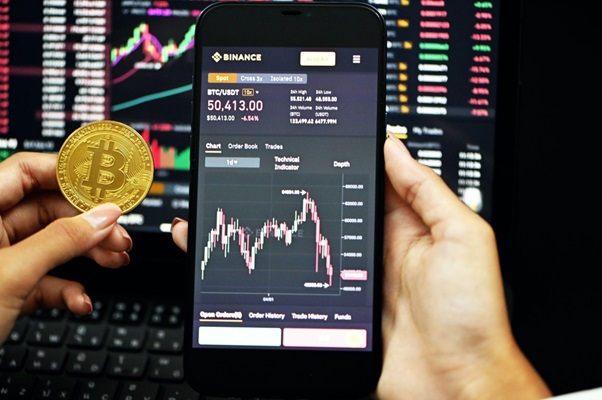
India’s Prime Minister Narendra Modi Advocates for Blockchain Stimulation at B20 Summit

0

The B20 summit, which brings together business leaders from the G20 countries, was held virtually on August 25-27, 2023. One of the key topics discussed at the summit was the regulation and innovation of cryptocurrencies, which have become a global phenomenon in recent years.

India’s Prime Minister Narendra Modi spoke about the challenges and opportunities of cryptocurrency at the B20 summit, a gathering of business leaders from the G20 countries. He stressed the importance of having a coordinated and holistic approach to deal with the emerging issues related to digital currency.

He said that cryptocurrencies have the potential to transform the global financial system, but also pose risks such as money laundering, terrorism financing, cybercrime and tax evasion. He called for a balanced and pragmatic approach that respects the sovereignty of nations, promotes innovation and protects consumers and investors.

He urged the B20 members to work together to create a common framework and standards for regulating and governing cryptocurrency, taking into account the diverse perspectives and interests of different stakeholders. He said that such a framework should balance the need for innovation and inclusion with the need for security and stability.

Modi also highlighted the initiatives taken by India to promote digital transformation and financial inclusion, such as the Aadhaar biometric identification system, the Unified Payments Interface (UPI) platform, and the Digital India program. He said that these initiatives have enabled millions of Indians to access formal banking services, digital payments, and e-governance.

Modi also highlighted the initiatives taken by India in this regard, such as the formation of an inter-ministerial committee to study the legal and regulatory aspects of cryptocurrencies, the launch of a sandbox framework to test new fintech products and services, and the development of a national blockchain strategy. He said that India is open to learning from the best practices of other countries and collaborating with them to create a conducive environment for cryptocurrency innovation and regulation.

India is one of the fastest growing economies in the world, with a large population of young and tech-savvy people. India has a strong IT industry and a vibrant startup ecosystem, which can provide the talent and innovation needed to leverage blockchain technology. India also has a supportive government that is committed to fostering digital transformation and creating a conducive regulatory environment for blockchain adoption. India’s blockchain strategy is based on four pillars: infrastructure, regulation, innovation and education.

Infrastructure: Building a robust and scalable blockchain infrastructure is essential for enabling widespread adoption of blockchain applications. India is working on developing a national blockchain platform, called IndiaChain, which will provide a common framework and standards for deploying blockchain solutions across various domains.

IndiaChain will also integrate with IndiaStack, a set of digital infrastructure layers that include Aadhaar (the world’s largest biometric identity system), UPI (a unified payment interface) and eSign (a digital signature service). IndiaChain will leverage these existing components to provide identity verification, authentication and consent management for blockchain transactions. IndiaChain will also offer interoperability with other blockchain platforms, both public and private, to facilitate cross-border and cross-sector collaboration.

Regulation: Creating a clear and supportive regulatory environment is crucial for fostering innovation and investment in blockchain technology. India is working on developing a comprehensive legal framework for blockchain regulation, which will address issues such as data privacy, consumer protection, taxation, anti-money laundering and cyber security.

India is also engaging with international bodies and standards organizations to align its regulatory approach with global best practices and norms. India is also exploring the use of blockchain technology for regulatory compliance and enforcement, such as smart contracts, digital certificates and audit trails.

Innovation: Promoting innovation and entrepreneurship in blockchain technology is vital for creating new solutions and use cases that can benefit various sectors and stakeholders. India is supporting innovation in blockchain technology through various initiatives, such as:

Setting up dedicated centers of excellence for blockchain research and development, such as the Centre for Distributed Ledger Technologies at IIT Bombay, the Centre for Blockchain Technologies at IIIT Hyderabad and the Centre for Blockchain Innovation at IIM Bangalore.

Launching innovation challenges and hackathons to encourage startups and developers to create blockchain solutions for social impact, such as the NITI Aayog Blockchain Grand Challenge and the Maharashtra Blockchain Hackathon. Providing funding and incubation support for blockchain startups through schemes such as Startup India, Atal Innovation Mission and Digital India. Facilitating collaboration and partnerships between academia, industry, government and civil society to foster knowledge exchange, capacity building and co-creation of blockchain solutions.

Education: Developing a skilled and aware workforce is key for driving adoption and diffusion of blockchain technology. India is investing in education and training programs to enhance the knowledge and skills of various stakeholders in blockchain technology, such as: Introducing blockchain courses and curricula in educational institutions at various levels, from schools to universities to vocational training centers.

Organizing workshops, seminars, webinars and conferences to disseminate information and awareness about blockchain technology among various audiences, such as policymakers, regulators, business leaders, professionals, students and citizens. Creating online platforms and resources to provide access to quality content and learning materials on blockchain technology, such as the Blockchain Simplified portal by NITI Aayog.

Narendra Modi expressed his hope that the B20 summit would provide a platform for fruitful dialogue and collaboration among the business leaders of the G20 countries and contribute to the global recovery from the COVID-19 pandemic.

Tuesday Crypto Trending Headlines

0

PlanB, a leading platform for cryptocurrency trading and education, has announced a strategic partnership with FC Lugano, one of the oldest and most prestigious football clubs in Switzerland. The partnership will enable fans and supporters of FC Lugano to purchase tickets, merchandise and other services using Bitcoin and Tether, two of the most popular and widely used digital currencies in the world.

Additionally, PlanB will become a major sponsor of FC Lugano, featuring its logo on the club’s jerseys during international competitions such as the UEFA Europa League. This collaboration marks a significant milestone for both Plan ? and FC Lugano, as they aim to promote the adoption and awareness of cryptocurrencies among sports enthusiasts and the general public.

The recent surge in the Bitcoin Network Hashrate, which measures the total computing power of all the miners, has led to a sharp drop in the revenue per Terahash (TH) for the participants. According to data from Bitinfocharts, the average revenue per TH per day has fallen from $0.40 in April to $0.15 in August, nearing the record low of $0.09 in November 2018. This means that miners are earning less for each unit of work they contribute to the network, making it harder to cover their operational costs and stay profitable.

The high hashrate also implies a higher difficulty level, which adjusts every 2016 blocks (about two weeks) to keep the average block time at 10 minutes. The difficulty level determines how hard it is for miners to find a valid hash for each block and earn the block reward and transaction fees. The higher the difficulty, the more resources and electricity are required to mine each block.

As of August 29, the difficulty level is at an all-time high of 19.97 trillion, up by 7.3% from the previous adjustment on August 13. The increasing competition and declining rewards pose significant challenges for miners, especially those with older and less efficient hardware. Some miners may have to shut down their machines or relocate to regions with cheaper electricity to cope with the situation. Others may look for alternative sources of income, such as mining other cryptocurrencies or providing services such as lending or staking.

According to a report by JPMorgan analysts, the recent wave of crypto selloffs may be coming to an end, signaling a positive outlook for the market. The report cites the increased demand for Bitcoin futures contracts as a sign of optimism among investors, who expect the price of the leading cryptocurrency to rise in the near future.

The analysts also note that the market has shown resilience in the face of regulatory pressures and environmental concerns, which have contributed to the volatility of crypto prices in the past months. The report concludes that the crypto market is maturing and becoming more attractive for institutional and retail investors alike.

Hong Kong is embracing blockchain technology as a key driver of innovation and economic development in the digital era. The financial secretary, Paul Chan Mo-po, has expressed his support for the adoption of blockchain in various sectors, such as finance, trade, logistics and public services. He believes that blockchain can enhance efficiency, security and transparency, as well as create new opportunities and value for businesses and consumers.

In his budget speech, Chan announced a series of initiatives to promote blockchain research and development, education and talent cultivation, and regulatory alignment. He also allocated HK$100 million to the Innovation and Technology Fund to support the development of blockchain-based platforms and solutions. Chan said that Hong Kong aims to become a leading hub for blockchain innovation in the region and beyond, and to leverage its strengths as an international financial center and a gateway to mainland China.

Litecoin, one of the oldest and most popular cryptocurrencies, has seen a significant increase in its adoption and usage on BitPay, a leading platform for crypto payments. According to a recent report by BitPay, Litecoin accounted for 50% of the total transactions processed by the platform in August 2023, surpassing Bitcoin, Ethereum and other altcoins. This remarkable surge in Litecoin usage reflects the growing demand and preference for fast, low-cost and secure crypto payments among merchants and consumers.

Litecoin, which was launched in 2011 as a fork of Bitcoin, offers several advantages over its predecessor, such as faster transaction confirmation times, lower fees and higher scalability. Litecoin also benefits from its wide network effect, strong community support and high liquidity. BitPay, which was founded in 2011 as well, is one of the largest and most trusted crypto payment platforms in the world. BitPay enables merchants to accept crypto payments from customers across various industries and regions, without exposing them to the volatility and complexity of the crypto market.

BitPay also provides users with a convenient and secure way to spend their crypto on various goods and services, both online and offline. BitPay supports over 30 cryptocurrencies, including Litecoin, Bitcoin, Ethereum, Dogecoin and stablecoins. The report by BitPay highlights the growing popularity and potential of Litecoin as a medium of exchange and a store of value.

Litecoin is currently ranked as the 15th largest cryptocurrency by market capitalization, with a value of over $10 billion. Litecoin is also one of the most widely traded and accepted cryptocurrencies, with over 3000 merchants and 300 exchanges supporting it. Litecoin is expected to continue its growth trajectory in the coming months and years, as more users and businesses adopt it for their crypto payment needs.

A major cryptocurrency theft has sparked a legal battle involving 50 Russian users of Atomic Wallet, a popular digital asset storage platform. The plaintiffs claim that they lost a total of $100 million worth of various tokens in an exploit that occurred in July 2023. The lawsuit alleges that Atomic Wallet failed to provide adequate security measures and customer support, and that it misled the users about the risks of using its service.

The origin of the exploit is still unclear, but there are different theories circulating among the affected users. Some believe that the attack was carried out by North Korean hackers, who have a history of targeting cryptocurrency platforms and exchanges. Others suspect that Ukrainian actors were involved, possibly with the help of insiders within Atomic Wallet. Boris Feldman, a Moscow-based lawyer who coordinates the victims’ efforts, says that he has evidence of both scenarios, but he cannot disclose it yet due to the ongoing investigation.

The lawsuit is seeking compensation for the losses, as well as punitive damages and legal fees. Atomic Wallet has not commented on the case, but it has previously stated that it is not responsible for any losses caused by external factors or user errors. The company has also advised its customers to enable two-factor authentication and use hardware wallets for extra security. The case is expected to go to trial in early 2024.

China Implements Cut on Stock Trading Stamp Duty from 0.1% to 0.05%

0

A major policy change is coming to China’s stock market this week. The Ministry of Finance announced on Friday that it will reduce the stamp duty on stock transactions from 0.1% to 0.05%, effective from Monday. This is the first time that the stamp duty has been lowered since 2008, when it was cut from 0.3% to 0.1%. The move is expected to boost market liquidity, lower trading costs, and stimulate investor confidence.

The stamp duty is a tax levied on the buyers and sellers of stocks, based on the transaction value. It is one of the main sources of revenue for the Ministry of Finance, which collected about 150 billion yuan ($23 billion) from the stamp duty in 2020, accounting for 2.4% of its total fiscal revenue. However, the stamp duty also imposes a burden on investors, especially those who trade frequently or in large volumes.

The Ministry of Finance said that the decision to cut the stamp duty was made in accordance with the central government’s guidelines on promoting high-quality development of the capital market and enhancing its role in serving the real economy. The ministry also said that it will continue to optimize the tax system and implement tax policies that are conducive to the healthy and stable development of the stock market.

The announcement was welcomed by market participants, who believe that the lower stamp duty will have a positive impact on both the supply and demand sides of the market. On the supply side, the lower stamp duty will encourage more companies to list on the stock market, as it will reduce their financing costs and increase their attractiveness to investors. On the demand side, the lower stamp duty will attract more investors to enter or re-enter the market, as it will increase their returns and reduce their risks.

According to some analysts, the stamp duty cut could boost China’s stock market turnover by 10% to 20% and lift the benchmark Shanghai Composite Index by 5% to 10%. They also expect that the stamp duty cut will benefit sectors such as technology, consumer, and healthcare, which have higher valuations and trading volumes.

The stamp duty cut is also seen as a signal that China’s regulators are taking more proactive measures to support the stock market, amid concerns over slowing economic growth, rising inflation, and regulatory crackdowns on some industries. In recent months, China’s stock market has been under pressure from various factors, such as the Evergrande debt crisis, the power shortage, and the delisting of Chinese companies from US exchanges. The stamp duty cut could help ease some of these worries and restore investor confidence.

However, some experts also caution that the stamp duty cut is not a panacea for all the challenges facing China’s stock market, and that investors should not expect too much from it. They point out that the stamp duty is only one of many factors that affect the market performance, and that its impact may be limited or short-lived if other fundamental issues are not resolved. They also warn that the stamp duty cut may increase market volatility and speculation, and that investors should be prudent and rational in their trading decisions.

How will this affect investors? The answer may depend on their investment goals, strategies, and risk preferences. For long-term investors who seek stable returns and low costs, the stamp duty cut may be a good opportunity to buy or hold quality stocks at lower prices.

For short-term investors who seek high returns and high risks, the stamp duty cut may be a good opportunity to trade more frequently or aggressively, but they should also be aware of the potential pitfalls and losses. For investors who are interested in specific sectors or themes, such as green energy or digital economy, they should pay attention to how the stamp duty cut affects their performance and valuation relative to other sectors or themes.

Threads Vs. Twitter: The Social Media Platform War

0

Threads is the new social media platform popularly known as the Twitter replacement created by Mark Zuckerberg, Meta CEO. The app was launched shortly after many recent unpredictable occurrences happening on Twitter since Elon Musk’s takeover.

The two platforms have been in a tussle because many features on the new social media platform, Threads, bear quite a lot of similarities to Twitter — one of which is the fact that Threads is a text-focused messaging app, just like Twitter. Many users believe that Mark is leveraging Instagram’s popularity to pull a crowd of users to the new platform, especially as both Threads and Instagram are almost joined at the hip.

However, others say that the new features that Threads provides users make it a worthy contender for Musk’s Twitter.

In our review of both platforms, indeed we have found many similarities but also a few differentiators as well. Come on this journey with us as we settle the recent tech trends battle between Twitter and Threads.

What Is the Threads App?

Threads is a social media platform that allows users to share and interact with text-based posts. Like Twitter, it’s a micro-blogging social media app that provides a more welcoming space to have online conversations. The platform prides itself on the “new way to share with text,” and Threads users have not wasted a minute utilizing the full features the app provides.

In just a few early days since Zuckerberg announced the launch of the Threads app, the platform amassed over 100 million sign-ups ups making it the current biggest Twitter competitor in the social media world. Threads is available on the list of social media platforms available for download in over 100 countries around the globe.

Threads lets users share posts that look just like Tweets. Users can also grow their followers, comment, and interact with them on trending topics. You can always buy Threads followers from Views4You and have instant growth with your account.

The Main Differences & Similarities Between the Threads Feed & Twitter’s

There are many similarities that make the Instagram-related app seem a tad too similar to Twitter features, which is one of the reasons why the Twitter company CEO, Elon Musk, recently filed to take legal action against the new app. However, each platform still has its own uniqueness that makes Instagram users support Zuckerberg, and Twitter users stand firmly behind Musk.

One significant difference you may observe from the outside looking in is the stark variation between the Twitter logo and Threads’ logo. Unlike the Twitter app icon — the Twitter bluebird, the Threads icon is a thread-like representation of the “@” symbol.

Nevertheless, let’s look in-depth at the key differences between Threads and Twitter as a user of both apps.

Threads vs Twitter: Character Count & Limits on Posts

You can share posts on both Threads and Twitter, which include images, videos, links, GIFs, and much more. However, Threads allows up to 500 character counts per post, while Tweets have a 280-character limit per post on a basic tier account. However if you have a Twitter Blue subscription, you get up to 25k characters per post.

Threads offers users up to 10 items per post with its Carousel posts feature, one-upping Twitter that only allows four items for each post.

Threads vs Twitter: Account Creation Requirements

You need to have an Instagram account to be able to use the Threads platform. If you have the Threads App, you must also be signed up on Instagram to use it. Threads will also allow you to select which account handles from your Instagram account you wish to follow when you join the app. You can select all handles or choose the ones you like.

One major deal breaker that Threads users are facing is that the platform does not allow users to delete their Threads account without deleting their main Instagram account. So, if you’re not ready to say goodbye to your Instagram accounts, Threads may not be an option for you.

Twitter, on the other hand, is a standalone company that’s not joined at the hip with any other social media platforms. This means that you can join Twitter without having to be on any other social media. If you like, you’re also free to delete your Twitter accounts with no strings attached.

Threads vs Twitter: The UI & UX Features

Threads and Twitter look very much alike in their user interface. They both sport a text box that looks alike. The retweet icons and procedure also seem very much similar. Other activities like tagging a Threads user in a comment or post are also similar. Twitter’s hashtags feature which many users leverage to make posts go viral or to search for followers handles is, however, not yet available on the Threads platform. Seeing as hashtags are a popular Instagram and Facebook feature, it’s not far-fetched to assume that Meta is likely working on something related.

Threads vs Twitter: Direct Messaging

Twitter is not just great for creating tweets, tweet threads, and sharing videos on the feed, but the company also provides a Direct Message or DM feature where users can communicate privately. Here, you can share links, messages, images, videos, voice messages, and more. Instagram DMs also provide a similar feature for Instagram users.

Sadly, this feature has not yet been replicated on Threads, perhaps because it already has 3 major social media channels dedicated to exchanging DMs (Facebook Messenger, IG DMs, & WhatsApp).

Threads vs Twitter: Search Capabilities

One of the qualities that help Twitter stand out is the ability it gives its users to search for an old tweet on their feed, a trending news story, a follower, or certain hashtags. Meta has a search feature on its other platforms, as well, but it mostly focuses on finding accounts, and locations, or using the hashtag feature to curate posts with related search terms.

Threads does not have an in-depth search capability like Twitter right now. Instead, it can only search for other Thread accounts. Being a new social media channel, it’s difficult to tell if this feature is in the works.

Threads vs Twitter: Trending Posts

Twitter has a well-built system in place to help users find hot and trending topics. You can also customize your feed to determine the types of posts that show up based on the settings you choose. “Following” gives you content from your followers alone, while “For You” shows you a mix of relevant content from a variety of audiences.

Although Threads also allows you to mute words to customize the posts you see, a typical Threads feed is very basic. You only get to view posts from people you follow and posts that are trending. There are some talks about a Chronological feed in the works for Threads, but that’s about it for now.

Other Minor Differences & Similarities in the Threads vs. Twitter Conflict

Now that you’ve seen the major differences between Threads & Twitter, there are a few other nitty-gritty that you may want to get up to date with.

Followers List

Twitter provides two distinct tabs indicating who you’re following and who is following you. Threads, however, only provides a “Followers” tab under which you can then view who follows you.

Ads, Security, & Privacy Policies

Unlike Twitter, Threads does not run ads — yet. Everyone knows how big Meta is on advertising on many of its social channels, so it’s likely that the feature will be integrated into Threads soon. As for privacy and security, your Threads account can be either private or public, just like Twitter. Threads by Meta is highly interested in your personal data. The social channel collects a huge amount of your personal data and sensitive information from your purchase history to your physical address, and so much more.

Verification Badge & Pricing

If you have the blue checkmarks on your Instagram accounts, then you automatically have them on your Thread accounts at no charge. Twitter, on the other hand, has a thing going with paid verification badges, assigning badges based on a subscription tier. You can get a blue checkmark on Twitter for $8. A gold check on Twitter represents a business. The only exceptions are Government accounts that get a grey check.

Username Claims

On Threads, your Instagram username automatically becomes your Threads username. You can only modify your Threads username by changing your IG username. Your Twitter name, however, is anything you want it to be, unconnected to any other social media.

Does a Threads Account Need an Instagram Account?

Yes, it does. You can only join Threads if you have an account on Instagram. Similarly, you can only delete your Threads account if you delete your Instagram account. This means you must consider the implications of joining the channel very well before you agree to sign up.

How to Join Threads Social Media Platform

Joining Threads is easy.

  1. Make sure you have an IG account
  2. Download the Threads app from your device’s app store (Google Play or App Store)
  3. Sign in and claim your IG username.