DD
MM
YYYY

PAGES

DD
MM
YYYY

spot_img

PAGES

Home Blog Page 3931

Southeast Nigeria Development Commission Bill Passes Third Reading in the House of Representatives

0

The long-debated South-East Development Commission Bill successfully passed the third reading at the House of Representatives on Thursday, marking a historic moment after facing multiple rejections over the years.

Sponsored by the Deputy Speaker, Benjamin Kalu, alongside other lawmakers from the South East region, the bill’s explanatory memorandum outlines the commission’s crucial role in receiving and managing funds from the Federation Account. These funds are earmarked for the reconstruction and rehabilitation of roads, houses, and other infrastructure damaged during the civil war.

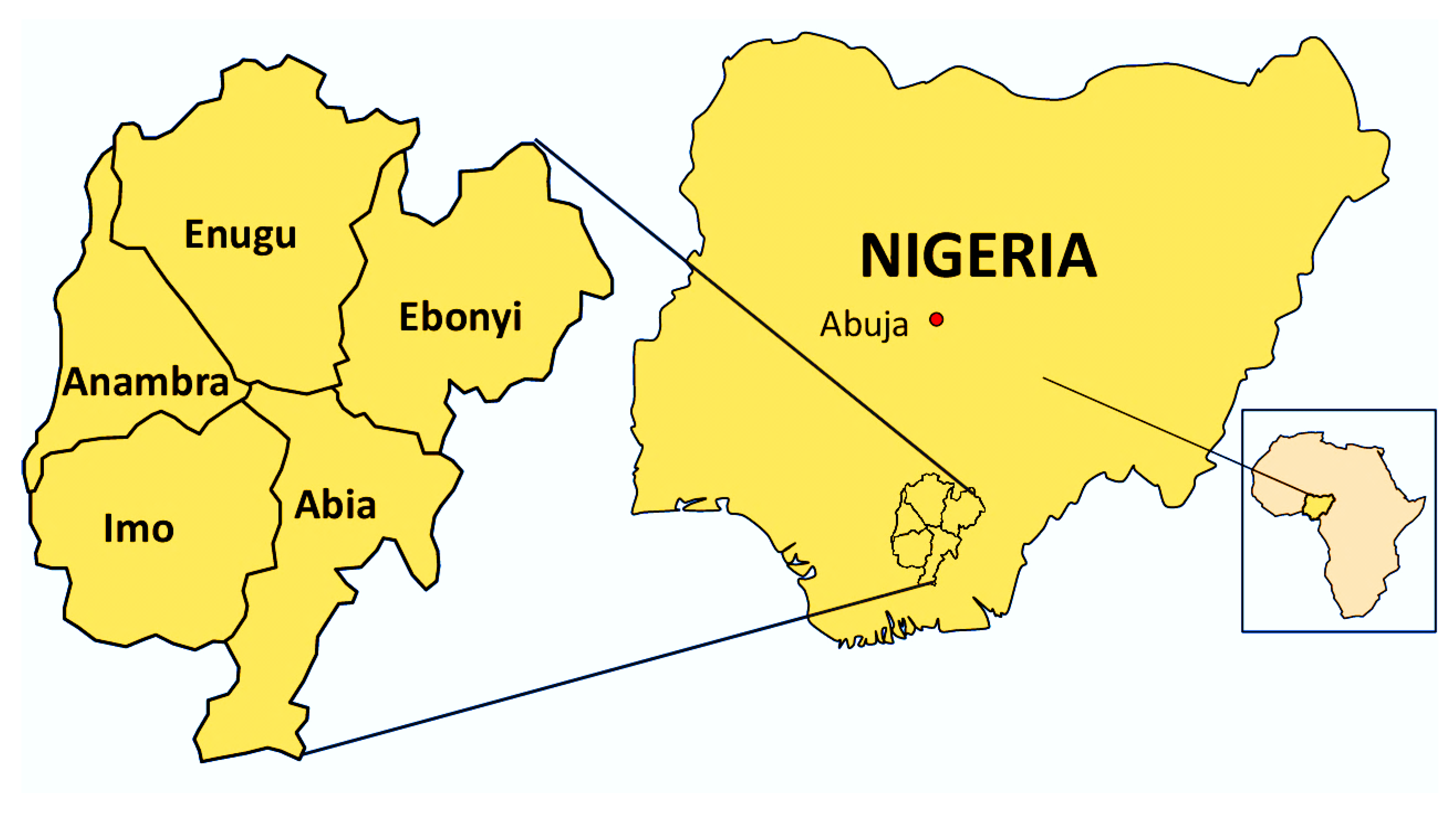
According to a statement from the Chief Press Secretary to the Deputy Speaker, Mr. Levinus Nwabughiogu, the commission, when established, will have the mandate to address not only the physical reconstruction but also ecological problems and other environmental or developmental challenges faced by the Southeast States—Abia, Imo, Enugu, Anambra, and Ebonyi.

“The passage of the bill is coming at a time members of the National Assembly from the region led by the Deputy Speaker are championing a new initiative known as Peace in South East Project,” the statement read.

This initiative seeks a non-kinetic approach to resolving socio-economic and sociological challenges while concurrently boosting the infrastructural development of the region.

The successful third reading of the bill now paves the way for it to move to the Senate for concurrence before being transmitted to President Bola Tinubu for his assent, ultimately transforming it into law.

Since the end of the Nigerian civil war in 1970, the development of the Southeast region through a regional development commission has remained a contentious issue. In 2017, The House of Representatives was thrown into a rowdy session, forcing a hasty adjournment of proceedings. The cause of the rowdiness was the rejection of a bill seeking to establish a South-East Development Commission.

The lawmakers had been debating the need for the Southeast geopolitical zone to have a commission to develop collapsed infrastructure and the damage suffered by the zone as a result of the Nigerian Civil War.

However, the bill failed at the session, which was presided over by the Speaker, Yakubu Dogara, after it had been debated. South-East lawmakers protested the decision because the House could have, at least, allowed the bill to pass the second reading for more views to be collated from Nigerians at a public hearing.

A similar bill to establish the North-East Development Commission had since been passed by the National Assembly and was hastily assented to by President Muhammadu Buhari.

The 2017 failed attempt to pass the bill in the House was proceeded by other failed attempts. Also, after the bill was passed by the Senate in 2018, it failed to scale opposition hurdles to become a law. Buhari was once accused of refusing to sign the bill into law.

With secession agitation, led by the Indigenous People of Biafra (IPOB), heightened in the Southeast since 2015 – calls to revisit the bill as a way of mitigating the tension and insecurity in the region have been on high.

The passage of this bill is believed to be signifying a crucial step towards addressing historical grievances, fostering development, and promoting peace in the South East region of Nigeria.

Is It Too Late To Buy Sei (SEI) And Bitget Token (BGB)? Experts Say This Rising Altcoin Has Greater Potential

0

Timing is of the essence when it comes to investing in cryptocurrencies. Since the crypto market is quite dynamic, investors need to be attentive, and ensure they do not miss any golden opportunity. Recently, Sei (SEI) and Bitget Token (BGB) gave significant returns to their investors.

However, you can get more profits by investing in a new project, Everlodge. This new project has become a hot asset due to its enormous growth potential. Therefore, investors are trying to lock their presale ELDG tokens as early as possible.

Sei (SEI) Hits A New All-time High

The Sei (SEI) community is on cloud nine as the network has reached its new all-time high. At the time of writing, Sei (SEI) is trading at $0.37. Notably, the market value of Sei (SEI) has pumped by around 54% in the past week.

The market cap of Sei (SEI) has also surged to more than $849 million, making it the 81st largest cryptocurrency. Analysts say that the rising trading volume of Sei has helped the price movement of SEI.

The data from Santiment shows that Sei’s (SEI) daily trading volume increased by 433% in 24 hours on December 19. Besides, the social volume of Sei (SEI) soared by 154% during the same period.

Bitget Token (BGB) Announces New Listings

Bitget Token (BGB) aims to increase the trading volume on its exchange through new listings. Recently, Bitget Token (BGB) announced that it will list JITO tokens built on Solana. Prior to that, Bitget Token (BGB) had announced the listing of SEAM tokens in its Launchpool. Through these measures, Bitget Token (BGB) aims to provide its users with more options and deeper liquidity.

These announcements have also helped Bitget Token (BGB) improve its standing on the price chart. During the previous seven days, the market value of Bitget Token (BGB) has increased by 35%. Therefore, the current trading price of Bitget Token (BGB) has reached $0.67.

Everlodge – Your Ticket To Vacation Property Investment

In recent years, the hospitality industry has exploded. An STR report suggests that there are more than 17.5 million guest rooms in over 187,000 hotels across the globe. Thus, the ongoing market trends suggest the industry will grow further. Hence, several investors are taking an interest in this sector. Everlodge, a new blockchain-powered property marketplace, has made this sector more appealing.

The platform mixes the concept of owning a holiday property, and the blockchain. It enables people to own a part of a luxury vacation stay for just $100. The platform will use NFT technology, and mint digital tokens against real-world properties. It will also break these digital tokens. Thus, lots of people can own part of the same property.

Notably, these digital tokens will have the backing of the real-world properties they represent. Thus, their prices will be immune to wild market fluctuations, and will go up as time passes. Additionally, the platform will partner with renowned hotels and realtors to add the best properties to its ecosystem.

Interestingly, the platform has taken preventive measures to avoid any pullouts. The project has locked the liquidity pool for 8 years, and team tokens for 2 years.

ELDG will serve as the native crypto of the project. The initial seven stages of its presale phase are sold out. Subsequently, the value of a token has reached $0.027. This is a 170% increase from its introductory price of $0.01.

Crypto experts are confident that the market value of the token will go up by 280% during the presale. Furthermore, it can skyrocket by 3000% once the tokens hit major exchanges like Uniswap.

Visit Everlodge

The Central Bank of Nigeria’s Fudge Factors to Destroy Nigeria’s Economy

0

In engineering, there is what they call a fudge factor (“a figure included in a calculation to account for some unquantified but significant phenomenon or to ensure a desired result”). And the factors are bad things across many domains of designs. It turns out that the financial engineering in the Central Bank of Nigeria (CBN) had many fudge factors.

Yes, I wrote here that many things the CBN was doing did not make sense. And it was surprising because it was largely the same team which stabilized the Naira around 2013 to early 2015. So, how could they have lost the exchange rate gravitational pull which was pulling Naira down?

Now, it seems that we have an answer: in the financial engineering of the Nigerian economy and the apex bank, the leaders introduced many fudge factors: “The report, titled ‘Report of the Special Investigation on CBN and Related Entities (Chargeable offences)’, delivered to President Tinubu on December 9, has exposed a labyrinth of financial misconduct allegedly perpetrated during the tenure of former CBN Governor, Godwin Emefiele.”

Those were part of the things which did not allow the Naira and the economy to balance. The pain here was the desired result was to destroy the economy of Nigeria and using those fudge factors, they executed the mission.

Good People, this is still early as Emefiele and the CBN did not operate alone. As I have said, the Nigerian economy does not obey the economic “laws” of Adam Smith and AO Lawal (he wrote a great secondary school economics textbook), and the reason that remains the case is that in our finance-first economy, we have many fudge factors structured to destroy Nigeria, by those tasked to lead and manage.

Comment on Feed

Comment: Ndubuisi Ekekwe You were a banker and now financial expert. We both worked in Diamond Bank. I cannot remember a time when an audit report was submitted to the management in respect of a person, team or business unit without the input of the entity concerned. How many of the personalities involved in this matter were invited for interrogation before a verdict was passed? How competent is the investigator in this matter? What was the basis for this investigation?

While not holding forth for the previous managers of the CBN (all government institutions in Nigeria are collectively a basket case) the fact, in my view, that the report did not give the people being interrogated/investigated the opportunity to defend themselves makes it incomplete.

As you have rightly pointed out, Nigeria economy does not respect even the simplest rule of economics and that is only because the mangers made it so. So far, the management of the Nigeria economy, nay the whole of its affairs, has been nothing short of brigandage.

My Response: unfortunately, there is no history of Nigeria and its central bank operating the way the private sector works. In EFCC, they arrest the person and then ask the person to give them the info to destroy the person. For this one though, the simple thing is always to refuse via a press release. Nigeria does not have a history of asking the accused for response because this is a political theater. Those accused can respond because that is how Nigeria operates, unfortunately.

Alleged Financial Mismanagement Rocks Nigeria’s Central Bank as Investigator’s Report Exposes High-Level Fraud

Will all securities be on Blockchains?

0

The question of whether all securities will be on blockchains is not a simple one to answer. There are many factors that influence the adoption of blockchain technology in the securities industry, such as regulation, cost, efficiency, security, interoperability, and scalability.

Blockchains are distributed ledgers that store transactions in a secure and transparent way. They can enable faster and cheaper settlement of securities, as well as reduce operational risks and fraud. Blockchains can also facilitate the creation and trading of new types of securities, such as tokenized assets, smart contracts, and decentralized autonomous organizations (DAOs). These innovations can potentially democratize access to capital markets and create new opportunities for investors and issuers.

Securities are traded in markets, where buyers and sellers agree on a price and execute transactions. The transactions are then settled, meaning that the ownership or debt claims are transferred from the seller to the buyer. The settlement process can involve intermediaries, such as brokers, custodians, clearing houses, or central securities depositories, who facilitate the exchange of securities and money.

What are the benefits and challenges of using blockchains for securities?

Blockchains could offer several benefits for securities trading and settlement, such as:

  • Faster and cheaper transactions: Blockchains could reduce the need for intermediaries and enable peer-to-peer transactions, which could lower the costs and risks associated with trading and settlement. Blockchains could also enable real-time or near-real-time settlement, which could improve liquidity and efficiency in the markets.

  • Enhanced security and transparency: Blockchains could provide a tamper-proof and auditable record of transactions, which could increase trust and confidence among market participants. Blockchains could also enable greater visibility and access to information, which could improve market surveillance and compliance.

  • Increased innovation and inclusion: Blockchains could enable new forms of securities and markets, such as tokenized assets or decentralized exchanges. Blockchains could also lower the barriers to entry and participation in the markets, by allowing more people to access financial services and opportunities.

However, blockchains are not a panacea for the securities industry. There are still many technical and regulatory hurdles that need to be overcome before blockchains can become mainstream. For instance, blockchains may face scalability issues, as they need to process large volumes of transactions in a timely manner.

Blockchains may also pose governance challenges, as they require consensus among multiple parties with different interests and incentives. Moreover, blockchains may raise legal and compliance questions, such as who is responsible for enforcing the rules and regulations of the securities market, and how to ensure the protection of investors’ rights and interests.

Therefore, it is unlikely that all securities will be on blockchains in the near future. Rather, we may see a hybrid model, where some securities are issued and traded on blockchains, while others remain on traditional platforms. The adoption of blockchains for securities will depend on the specific use cases, benefits, and risks involved. Ultimately, the market will decide which securities are best suited for blockchains, and which ones are better off without them.

Will all securities be on blockchains?

The answer to this question is not clear-cut or definitive. Blockchains have the potential to transform securities trading and settlement, but they also face significant hurdles and uncertainties. The adoption of blockchains for securities will depend on various factors, such as technological innovation, market demand, regulatory support, industry collaboration, etc.

It is likely that blockchains will coexist with traditional systems for some time, and that different types of securities will have different degrees of blockchain integration. Some securities may be fully tokenized on blockchains, while others may use hybrid solutions that combine blockchain-based components with conventional ones.

Ultimately, the future of securities on blockchains will be shaped by the needs and preferences of market participants, as well as by the evolution and convergence of technology, regulation, and governance.

Angola Quits OPEC Over Output Dispute, Exposing the Rift in the Oil Cartel

0

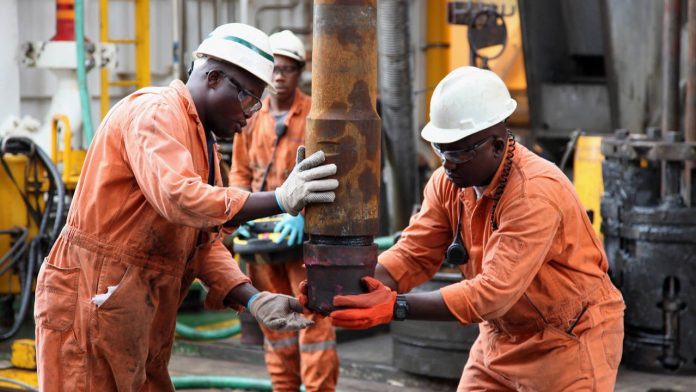
The Republic of Angola’s abrupt departure from the Organization of the Petroleum Exporting Countries (OPEC) marks a decisive turn in the group’s unity, raising concerns and signaling a growing rift within the coalition of oil-producing nations.

The move announced following a cabinet meeting on Thursday, lays bare a deepening conflict between Angola and OPEC, exposing underlying tensions over output limits that failed to accommodate Angola’s diminishing oil production capacities.

Minister of Mineral Resources, Diamantino Azevedo, voiced Angola’s disillusionment with OPEC, stating, “Our role in the organization was not deemed relevant… it no longer makes sense for us to remain in the organization.”

This rupture evolved from a deal in June, which allocated a higher production target to the United Arab Emirates, compelling Angola to accept a reduced output limit for 2024, per Bloomberg.

Angola’s oil capacity has plummeted by nearly 40% over eight years to approximately 1.14 million barrels a day, accentuated by insufficient investments in aging, deepwater oil fields, according to data from Bloomberg. However, the quota debacle intensified when OPEC, following a delayed ministerial meeting, imposed an even more stringent production cap of 1.1 million barrels a day, exacerbating the already strained relations between Angola and the organization, Bloomberg reported.

This situation significantly reduced the country’s production below the target agreed with its OPEC counterparts, contributing largely to the dispute.

While Angola’s decision to exceed the imposed quota may be symbolic due to its dwindling output, it underscores the breakdown in relations between the country and OPEC. Industry analysts speculate that this move might not significantly impact global oil supplies since Angola was already operating near full capacity, disregarding OPEC+ quotas.

There’s “no impact on supply forecasts as Angola is already producing at full capacity rather than limiting output due to OPEC+ quotas,” said Richard Bronze, head of geopolitics at consultant Energy Aspects Ltd. It “doesn’t directly impact quotas or production plans for other OPEC+ countries.”

This dissent, previously expressed in private by other members, indicates a growing discord within the cartel’s leadership, potentially posing future challenges.

However, Javier Blas, a Bloomberg analyst said while Angola’s exit mirrors the limited impact of previous departures – Indonesia, Qatar, and Ecuador, it signals some troubling developments for OPEC.

“The announcement, with the government in Luanda openly expressing its frustration with the cartel, sheds some light on an open secret: Lots of OPEC member countries are less than happy about the direction the group has taken over the last few years under the leadership of Saudi Arabia,” he said.

Blas noted that the bone of contention, which has been expressed always in private by other members of the oil cartel, is that Riyadh is trying to keep oil prices too high, close to $100-a-barrel, which is propping up rivals, notably the US shale industry.

If OPEC continues doing so, he said, sooner or later it would have to cut production even more, ceding more market share. Other OPEC members would be happy with oil prices lower, in the $60-to-$70 range, he added.

This complaint is accompanied by another one: Riyadh, under its Energy Minister Prince Abdulaziz bin Salman, appears unresponsive to the concerns raised by others and is seemingly attempting to coerce dissenting views into submission.

“The departure of Angola makes it more likely that Riyadh will have to let the UAE to produce, over time, even more oil. The risks for OPEC start in Luanda — but ultimately end more dangerously in Abu Dhabi,” Blas noted.

As tensions escalate, Angola’s departure could foreshadow a more tumultuous path ahead for OPEC, triggering uncertainties in the global oil market.