DD
MM
YYYY

PAGES

DD
MM
YYYY

spot_img

PAGES

Home Blog Page 3957

The Lesson from Disney on Having Great Records as Iger, Staggs and Mayer Return

1

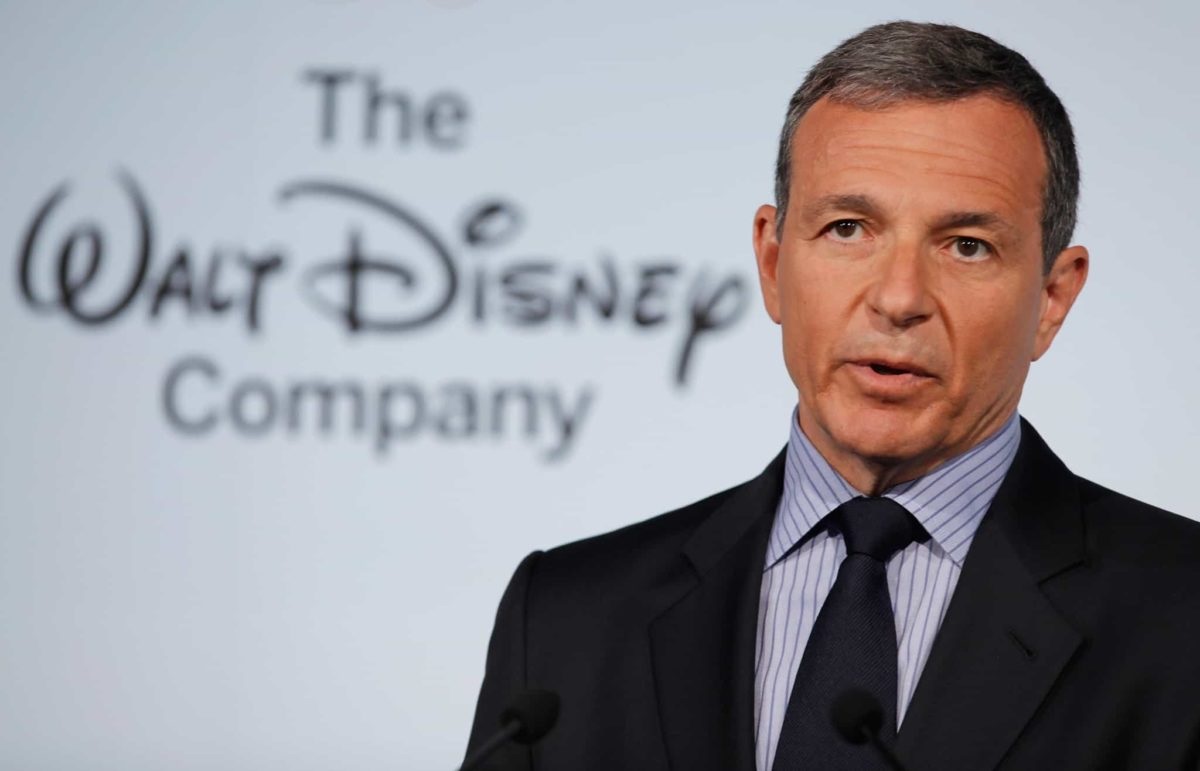
When Bob Iger, long-time leader of Disney, returned to the company, after a brief retirement, I wrote: “ Jose Mourinho. Bob Iger. These men have one thing in common: they have rings or have great business records – and the world reuses them even when they desire to retire.

“You cannot explain these things. The football world continues to recycle and re-appoint Jose. …Just like football, business is about winning. Records, records and records build careers. Even when they begin to fade, the kingmakers always default to the man or woman with records.  That explains why Bob Iger is returning back to Disney”.

But do you know the most exciting aspect? Here is it: The newly returned CEO has sought the help of two executives from his previous tenure, Disney tells Bloomberg. Tom Staggs and Kevin Mayer… Both were in the mix to replace Iger as CEO, a role that ultimately went to Bob Chapek” who has been fired for underperformance.

Bob Iger isn’t the only familiar face on a mission to figure out Disney’s entertainment strategy. The newly returned CEO has sought the help of two executives from his previous tenure, Disney tells Bloomberg. Tom Staggs and Kevin Mayer, now co-CEOs of Candle Media, “will assist ESPN Chairman Jimmy Pitaro on developing and analyzing partners for the business.” Iger has said he’s searching for strategic partnerships for ESPN but is willing to consider selling some of Disney’s TV networks as it tries to make streaming more profitable.

Staggs was Disney’s chief financial officer and chief operating officer under Iger. Mayer was chief strategy officer before leading Disney’s direct-to-consumer segment, including streaming. Both were in the mix to replace Iger as CEO, a role that ultimately went to Bob Chapek.

In the Igbo Nation, it takes the killing of one leopard to be called a killer of leopards. Yes, do all to put some great records in your resume! You just have to win once and that will do. It is the same whether in sports, politics (the boss defines what a win is there, though), business or any domain.

The “Juicy Ministries” Cliche in Nigeria: Its Psychology and Impacts in Public Administration in Nigeria

0

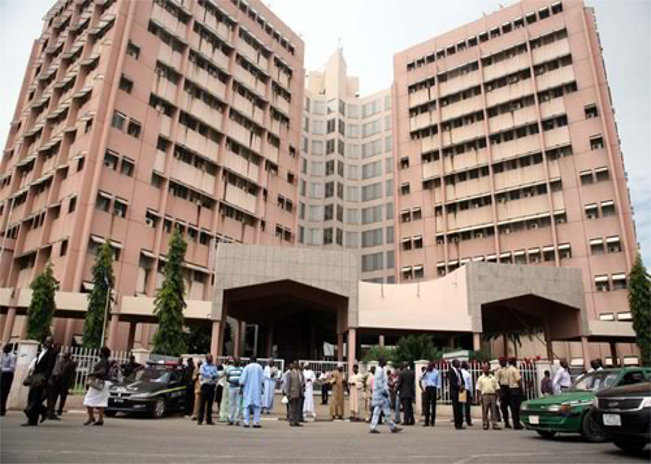
The 1999 constitution of the Federal Republic of Nigeria, as amended, provides that the president shall constitute his cabinet not more than 60 days after his assumption of office. This particular provision of the constitution ensures that the federal executive arm of government does not have a vacuum and can quickly swing to its statutory responsibility of implementing policies and programmes that will significantly impact lives through its various departments, ministries and agencies.

Up until President Bola Ahmed Tinubu released the first batch of his ministerial nominees to the senate for screening on Monday, July 31, 2023, Nigerians had put forward several permutations as to who would get the honour to be included in the president’s cabinet. Some of the values expected to be considered by the president in his selection of his ministers included; equity, merit, loyalty and political expediency. The names that have emerged on the ministerial list so far have been considered to represent the mix of these variables.

Even though the portfolios for each of the nominated individuals have yet to be disclosed, commentators have lauded President Tinubu for meeting the deadline and the calibre of individuals he has chosen to help him implement his plans at the various ministries of the state.

In the media, the cliché ‘’Juicy ministries’’ appears often and is being used to dissect the differential powers and/or the competitive advantages of the ministries in the political landscape of the country. Even though the cliché is arguably no more than a symbolic expression of the ministries which are deemed to be highly important due to their direct economic impacts and budgetary allocation, the unintended consequences of this representation are more than meets the eye.

The dichotomy of the juicy and the non-juicy ministries, as often promoted in the media, does not only have a tendency to encourage complacency and lack of competition and innovation in the ministries, it also subtly promotes the mindset and culture of corruption in the people. Furthermore, a sense of entitlement and personal aggrandizement festers as politicians continue to lobby to be assigned to the juicy Ministries regardless of their capacity to deliver in these areas. Therefore, it is important that the media which is supposed to be the conscience of the people reconsiders this parlance and the negative effects it could have on the wiring and the political consciousness of the over two hundred million Nigerians.

It goes without saying that the efficiency and the relevance of a ministry or any government corporation rest on the capacity of its leadership to innovate, not on the amount of resources it is bestowed with. This has been demonstrated by some previous ministers and heads of government parastatals who were able to combine agility with lean management techniques to execute their vision at their respective departments or agencies. Technocrats such as Omotayo Omotosho, Dora Akunyili, Mohammed Nami of the Federal Inland Revenue Service, FIRS, etc are exemplary visionaries that have proven governance is a serious business.

Nigerians will not forget the daredevil of late Dora Akunyili which she used to transform the National Agency for Food and Drug Administration and Control, NAFDAC, under the ministry of health. The ingenuity of Omotayo Omotosho MFR also led to an outstanding feat in the ministry of Arts, Culture, and Tourism. As Director-General of the Nigerian Tourism Development Corporation, NTDC, under the then Obasanjo-led administration, Omotayo Omotosho introduced public private partnership (PPP) to develop the corporation from almost a zilch funding to several million of dollars in revenue.

I believe these are the narratives and feats we must begin to replicate and extend as a people if we hope to take our governance and public administration from where it is to where it should be. Government, especially at the executive level, should also be allowed to run like a business to encourage competitive zest among the departments and agencies. This is why some individuals have continued to advocate for the recruitment of technocrats to lead the ministries and government corporations.

China to develop a blockchain infrastructure system in Shanghai by 2025

0

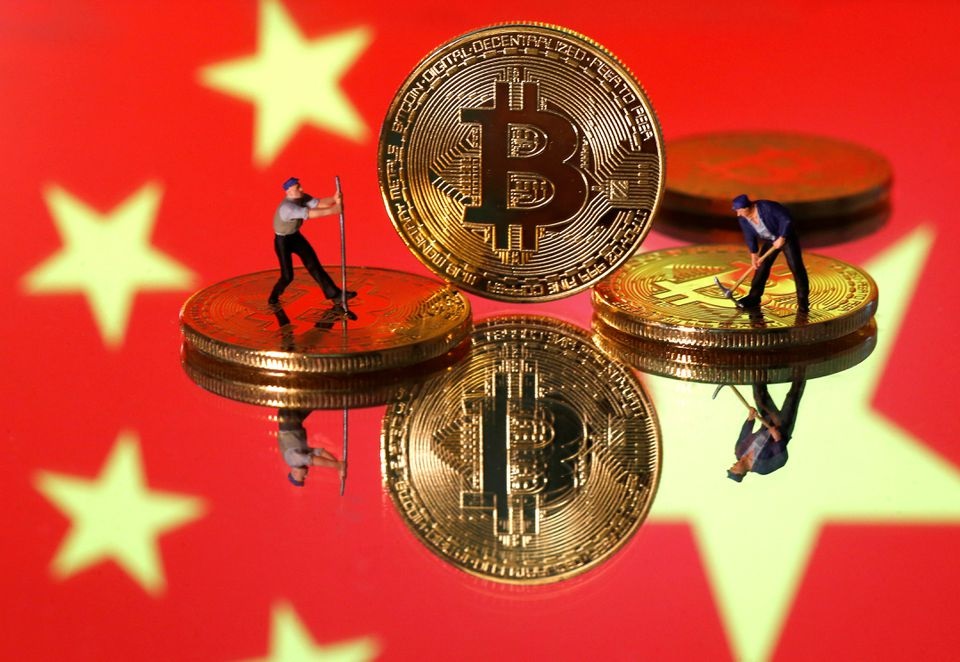
Blockchain technology is one of the most promising and innovative fields in the digital economy. It has the potential to transform various industries, such as finance, logistics, healthcare, and e-commerce, by enabling secure, transparent, and efficient transactions and data sharing. Blockchain technology can also enhance the competitiveness and innovation of cities, regions, and countries.

Shanghai, as one of the most dynamic and influential metropolises in China and the world, has recognized the strategic importance of blockchain technology and has set ambitious goals to become a global leader in this field. In June 2021, the Shanghai Municipal Government issued the “Shanghai Blockchain Industry Development Action Plan (2021-2025)”, which outlines the vision, objectives, and measures to promote the development of a blockchain infrastructure system in Shanghai.

The action plan aims to build a comprehensive and integrated blockchain infrastructure system that covers four aspects: basic facilities, application platforms, industrial ecology, and supervision mechanisms. The basic facilities include hardware devices, network facilities, cloud services, data centers, and security systems that support the operation of blockchain applications. The application platforms refer to the software systems that provide blockchain services for various industries and scenarios, such as digital identity, supply chain management, digital assets, smart contracts, and cross-border payments.

The industrial ecology refers to the network of stakeholders that participate in the blockchain industry, such as developers, service providers, users, investors, regulators, and industry associations. The supervision mechanisms refer to the legal frameworks, standards, policies, and institutions that regulate and guide the development of the blockchain industry.

The action plan sets specific targets for each aspect of the blockchain infrastructure system by 2025. For example, it aims to establish 10 blockchain innovation centers, 50 blockchain application demonstration projects, 100 blockchain enterprises with core competitiveness, and 300 blockchain patents. It also aims to cultivate 10 leading blockchain talents, 1000 blockchain professionals, and 10,000 blockchain practitioners.

To achieve these targets, the action plan proposes a series of measures and initiatives to support the development of the blockchain infrastructure system in Shanghai. These include:

Strengthening the top-level design and coordination of the blockchain industry development.

Enhancing the research and innovation capabilities of blockchain technology.

Accelerating the application and integration of blockchain technology in various industries.

Improving the quality and standards of blockchain products and services.

Fostering a healthy and vibrant blockchain industrial ecology.

Establishing a sound and effective blockchain supervision system.

Promoting the international cooperation and exchange of blockchain technology.

As a global financial center and an international metropolis, Shanghai has a strong demand for the application and development of blockchain technology. In order to seize the strategic opportunities of the digital economy, promote the high-quality development of Shanghai’s economy and society, and enhance Shanghai’s core competitiveness and innovation capability, the Shanghai Municipal People’s Government has formulated the following goals and targets for the development of blockchain technology in Shanghai by 2025.

  1. Build a world-class blockchain innovation ecosystem. By 2025, Shanghai will have more than 300 blockchain enterprises, more than 10 blockchain industry associations and alliances, more than 50 blockchain research institutions and platforms, and more than 100 blockchain experts and talents. Shanghai will also host more than 20 blockchain-related events annually, such as forums, exhibitions, competitions, and hackathons, attracting more than 100,000 participants from home and abroad.
  2. Promote the application and integration of blockchain technology in key areas. By 2025, Shanghai will have more than 100 blockchain application scenarios in various fields, such as finance, trade, logistics, public services, and social governance. Shanghai will also explore the integration of blockchain technology with other emerging technologies, such as artificial intelligence, big data, cloud computing, internet of things, and 5G, to create new business models and value propositions.
  3. Enhance the standardization and regulation of blockchain technology. By 2025, Shanghai will have established a sound legal and regulatory framework for blockchain technology, covering aspects such as data security, privacy protection, intellectual property rights, anti-money laundering, and consumer rights. Shanghai will also participate in the formulation of national and international standards for blockchain technology and promote the interoperability and compatibility of different blockchain platforms and systems.
  4. Strengthen the international cooperation and exchange of blockchain technology. By 2025, Shanghai will have established close partnerships with leading blockchain organizations and institutions around the world, such as the World Economic Forum, the International Organization for Standardization, the Blockchain Research Institute, and the Hyperledger Foundation. Shanghai will also actively participate in global blockchain initiatives and projects, such as the Belt and Road Blockchain Consortium, the Digital Currency Electronic Payment System, and the Global Blockchain Business Council.

Shanghai is committed to becoming a pioneer and leader in the development of blockchain technology in China and the world. Shanghai welcomes all kinds of blockchain enterprises, institutions, experts, and enthusiasts to join us in this endeavor. Together, we can create a new era of digital innovation and transformation for Shanghai.

The plan demonstrates Shanghai’s ambition and vision to become a leading city in the global blockchain arena. By developing a blockchain infrastructure system, Shanghai hopes to enhance its competitiveness, innovation and social welfare. Shanghai also hopes to contribute to the national strategy of building China into a blockchain powerhouse.

The Political Economy of Military Coups in West Africa

0

The phenomenon of military coups in West Africa has recently taken center stage as countries like Chad and Mali experience sudden transitions of power. The swift takeover by the military and the subsequent appointment of military commanders as interim leaders raise concerns about the region’s political stability and democratic governance. In this piece, our analyst delves into the political economy of military coups in West Africa, examining the risks and potential implications for the region’s stability and democratic development.

The recurrence of military coups in West Africa has exposed the fragility of democratic institutions in the region. Chad, Burkina Faso, Mali and Niger’s experiences serve as stark reminders of the challenges faced in establishing and maintaining stable democratic governance. The ability of the military to swiftly seize power and its subsequent involvement in governance highlight the need for a deeper examination of the root causes and consequences of military interventions.

In response to the political crises in West African countries, regional bodies like the Economic Community of West African States (ECOWAS) have attempted to intervene and facilitate resolutions. The case of Mali exemplifies ECOWAS’s involvement, pressuring for a civilian-led transitional government after the coup. However, despite these interventions, the presence of military commanders in civilian governments raises questions about the effectiveness of such measures in ensuring lasting democratic stability.
One of the significant dangers stemming from military coups is the potential for democratically elected governments to become reliant on the military for legitimacy and survival. Governments installed through military processes may feel compelled to please the military to maintain their positions, potentially leading to a culture of military influence over democratic governance. This reliance on the military could undermine the principles of democracy and hinder the development of accountable and transparent institutions.

West African nations’ interconnectedness makes military coups in one country capable of causing ripple effects throughout the region. The recent warning from Burkina Faso and Mali against military intervention in Niger demonstrates the potential for regional destabilization arising from political turmoil. The volatility of these situations requires careful consideration and collaborative efforts from neighboring nations to prevent further escalation.

External actors, such as former colonial powers like France and Germany, also play a role in responding to military coups in West Africa. Their actions, including sanctions and interventions, can significantly impact the region’s political landscape. However, striking the right balance between international involvement and respecting the sovereignty of West African nations is essential to ensure a constructive and positive impact on democratic governance.

While the risk of a widespread return to military rule may be relatively low, the presence of military commanders in civilian-led transitional governments demands close monitoring. Regional cooperation and the role of external actors should focus on supporting democratic governance and mitigating the potential destabilizing effects of military coups.

Sustained efforts to strengthen democratic institutions, uphold the rule of law, and promote transparency and accountability will be crucial in safeguarding West Africa’s political stability and economic development. By addressing these challenges proactively, the region can pave the way for a future that upholds democratic principles and fosters sustainable growth and progress.

FTX Confirms Plan to Relaunch the Crypto Exchange

0

FTX, has announced its intention to relaunch its platform in the near future. The exchange, which was founded in 2019 by Sam Bankman-Fried, had temporarily suspended its operations in 2022 due to regulatory issues and security breaches. FTX and its parent company Alameda Research plummeted Investor’s assets on its balance sheet and many of its users lost tons of liquidities to the collapse of its native token $FTT.

FTX was launched as a derivatives exchange that aimed to offer innovative and liquid products for crypto traders. The exchange quickly gained popularity and market share, thanks to its cutting-edge technology, low fees, high leverage and diverse product offerings. FTX also pioneered the concept of leveraged tokens, which are ERC-20 tokens that represent a leveraged position in an underlying asset. FTX also launched FTX Pay, a payment service that allows users to send and receive payments in fiat or crypto.

In addition to its core business, FTX has also been involved in various acquisitions and partnerships, such as: Acquiring Blockfolio, a leading portfolio tracking app, for $150 million in August 2020; Acquiring LedgerX, a regulated futures and options platform, for an undisclosed amount in July 2021.

Partnering with Tom Brady and Gisele Bündchen, who became FTX’s global ambassadors and equity holders in June 2021; Partnering with Miami Heat, who renamed their home arena as FTX Arena in March 2021; Partnering with Major League Baseball, who named FTX as their official cryptocurrency exchange partner in June 2021. FTX has also been active in the social and philanthropic sphere, donating millions of dollars to various causes and organizations, such as:

Donating $5 million to Biden’s presidential campaign in October 2020.

Donating $10 million to GiveDirectly’s Africa Response fund in December 2020.

Donating $25 million to OpenAI in February 2021.

Donating $10 million to the Clean Energy for America initiative in April 2021.

Donating $210 million to the University of California, Berkeley for the naming rights of their esports program in August 2021.

According to a blog post published by FTX on August 1, 2023, the exchange has been working hard to address the challenges it faced and to improve its services for its customers. The post stated that FTX has been cooperating with regulators and law enforcement agencies to comply with the relevant rules and regulations in different jurisdictions. It also claimed that FTX has implemented enhanced security measures and protocols to protect its users’ funds and data.

The post revealed that FTX plans to relaunch its platform in September 2023, with a new design, features and functionalities. Some of the new features that FTX will offer include:

A revamped user interface that is more user-friendly and intuitive.

A new trading engine that is faster, more reliable and more scalable.

A new liquidity pool that will provide deeper and more diverse market liquidity.

A new fee structure that will be more competitive and transparent.

A new loyalty program that will reward users for their trading activity and referrals.

A new customer support system that will provide faster and more efficient service.

The post also stated that FTX will continue to support its existing products and services, such as futures, options, spot, leveraged tokens, OTC, NFTs and FTX Pay. It also promised to launch new products and services in the future, such as derivatives on stocks, commodities, indices and ETFs.

The post concluded by expressing gratitude to FTX’s users, partners and supporters for their patience and loyalty during the suspension period. It also invited feedback and suggestions from the community on how to improve FTX’s platform and services.

FTX is one of the most innovative and influential players in the crypto space, with a valuation of over $18 billion as of June 2022. The exchange has been known for its aggressive expansion and acquisition strategy, as well as its philanthropic and social initiatives. The relaunch of FTX is expected to generate a lot of excitement and interest among crypto enthusiasts and investors.

Sam Bankman-Fried stated that FTX is committed to providing a transparent and fair-trading environment for its users, and that it will continue to cooperate with regulators and authorities around the world. He expressed his gratitude to the FTX community for their support and patience during the downtime and assured them that FTX will come back stronger than ever.

“We are very excited to relaunch FTX and welcome back our loyal customers. We have been working hard to make FTX the best crypto exchange in the world, and we are confident that you will love the new features and improvements we have made. We appreciate your trust and feedback, and we look forward to serving you again soon.” Bankman-Fried wrote.