DD
MM
YYYY

PAGES

DD
MM
YYYY

spot_img

PAGES

Home Blog Page 3985

Rwanda Announces Visa-free Travel for All Africans

0

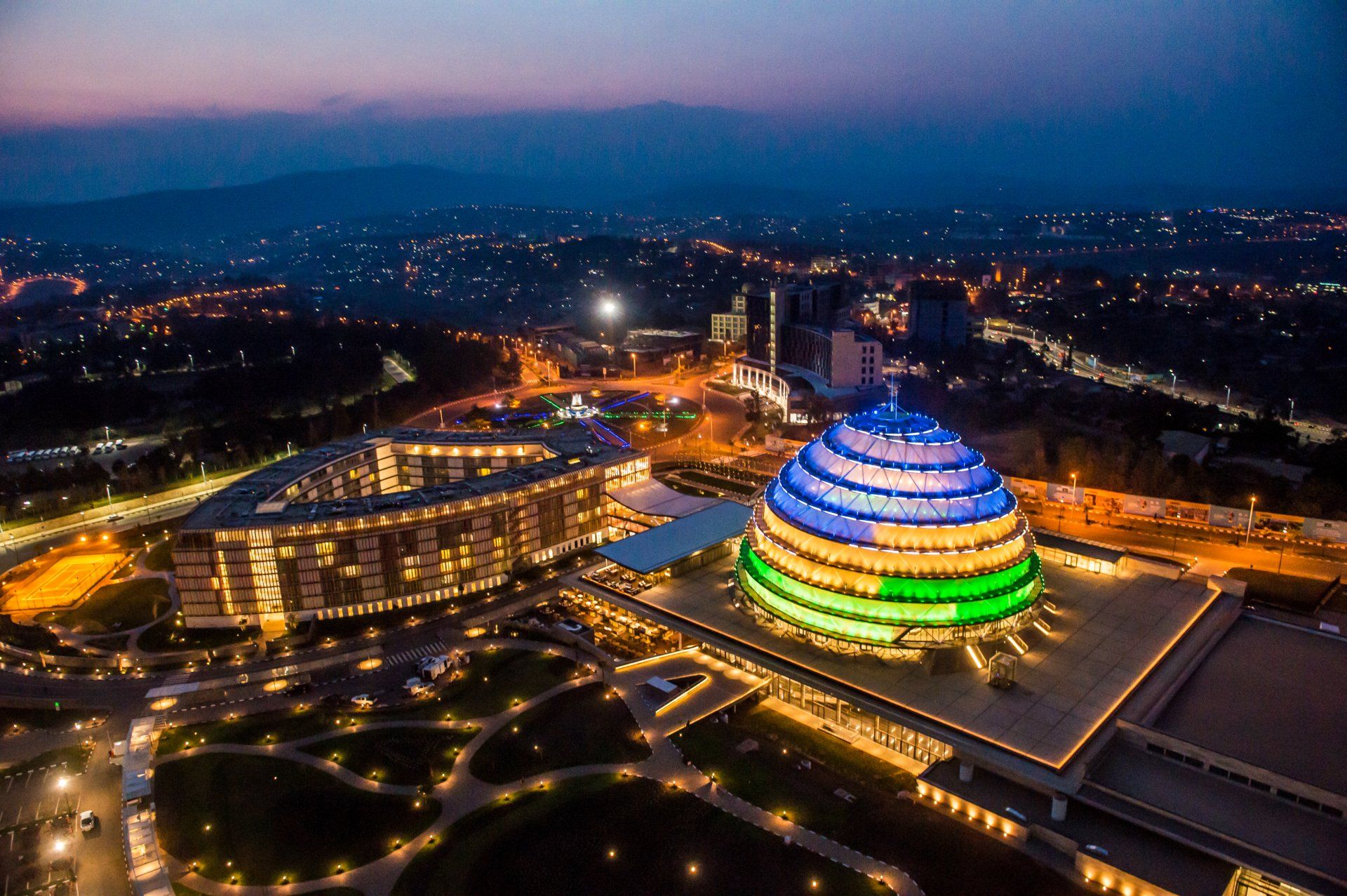
Rwanda has announced that it will allow visa-free travel for Africans visiting the country, joining a growing number of nations on the continent that are promoting free movement and trade.

President Paul Kagame made the announcement on Thursday in Kigali during the 23rd Global Summit of the World Travel and Tourism Council, highlighting the potential of Africa as a unified tourism destination.

Kagame stated, “Any African can get on a plane to Rwanda whenever they wish and they will not pay a thing to enter our country.” He emphasized the importance of the continental market and the role of Africans in shaping the future of global tourism, as Africa’s middle class continues to grow.

“We should not lose sight of our own continental market,” he added. “Africans are the future of global tourism as our middle class continues to grow at a fast pace in the decades to come.”

Integration has been key in various discussions about economic development in Africa. In March 2018, the African Continental Free Trade Area (AfCFTA) agreement was brokered by the African Union (AU). The aim was to create a single unified market for the continent that would boost intra-African trade and economic development – mimicking Europe’s Schengen zone.

The AfCFTA was expected to kick off integration for Africa’s 1.3 billion people, spurring an estimated $3.4 trillion market.

However, the initiative is yet to be fully implemented by all involved African States, making integration within the continent difficult. Other efforts by the AU and regional blocs have also failed to bridge the integration gap.

For instance, the African passport launched by the AU in 2016, with the aim of facilitating free movement, work, and living for Africans across the continent, has been limited to only diplomats and AU officials. It has not been widely available to the general public.

Against this backdrop, movement across the continent has been significantly restricted, impacting its economic development. Nigeria, Africa’s largest economy has free visa access to only 17 out of 54 African Nations, according to Passport Index 2023.

Africa still depends on 60% of its tourists from outside the continent, as indicated by data from the United Nations Economic Commission for Africa. However, a few African countries that see the situation as a barrier to their aim to boost their economy through tourism have set out on their own to bridge the gap.

“Visa restrictions amongst ourselves is working against us. When people cannot travel, business people cannot travel, entrepreneurs cannot travel we all become net losers” said Kenyan President William Ruto at an international summit in Congo Brazzaville.

By this move, Rwanda will join Gambia, Benin, and Seychelles, who have waived visa applications and eliminated other travel restrictions for Africans. Also, Ruto recently announced plans to permit visa-free travel to Kenya for all Africans by December 31.

Nonetheless, it remains uncertain if more African countries are inclined to endorse unrestricted movement across the continent, particularly since the present momentum is primarily fueled by efforts to boost tourism.

AI safety is vital to the future of civilization, Digital Currency Legalization and Regulation Act

0

Artificial intelligence (AI) is one of the most powerful and transformative technologies of our time. It has the potential to enhance human capabilities, improve social welfare, and solve some of the most pressing challenges facing humanity.

However, AI also poses significant risks and challenges, such as ethical dilemmas, social impacts, and existential threats. Therefore, ensuring the safety and alignment of AI systems with human values and goals is vital to the future of civilization.

AI safety is the field of research that aims to prevent and mitigate the harmful effects of AI, both in the short term and in the long term. AI safety researchers study how to design, build, and deploy AI systems that are robust, reliable, trustworthy, and beneficial for humans and other sentient beings. Some of the key topics in AI safety include:

Specification: How to define and communicate the objectives and constraints of AI systems in a clear and consistent way. Robustness: How to ensure that AI systems behave as intended and are resilient to errors, uncertainties, adversarial attacks, and environmental changes. Alignment: How to align the values and preferences of AI systems with those of their human users, stakeholders, and society at large. Governance: How to regulate, oversee, and coordinate the development and use of AI systems in a responsible and ethical way.

AI safety is not only a technical challenge but also a social, moral, and political one. It requires the collaboration and coordination of multiple disciplines, sectors, and stakeholders, such as computer scientists, engineers, ethicists, philosophers, psychologists, sociologists, policymakers, regulators, industry leaders, civil society organizations, and the general public. It also requires a proactive and precautionary approach that anticipates and addresses the potential risks and challenges of AI before they become irreversible or catastrophic.

AI safety is not a luxury or an afterthought. It is a necessity and a priority for the future of civilization. As AI becomes more powerful and ubiquitous, we have a moral duty and a strategic opportunity to ensure that it serves the common good and respects the dignity and rights of all beings. By doing so, we can harness the full potential of AI for creating a more prosperous, peaceful, and sustainable world.

The Digital Currency Legalization and Regulation Act

The Digital Currency Legalization and Regulation Act is a proposed bill that aims to provide a clear and comprehensive framework for the use of digital currencies in the United States. The bill was introduced by Senator John Smith, a member of the Senate Banking Committee, and co-sponsored by several other senators from both parties.

The bill recognizes the potential benefits of digital currencies, such as lower transaction costs, faster settlement times, greater financial inclusion, and enhanced innovation. It also acknowledges the challenges and risks posed by digital currencies, such as volatility, cyberattacks, money laundering, tax evasion, and consumer protection.

The bill proposes to define digital currencies as a new type of financial instrument, distinct from securities, commodities, or currencies. It also proposes to create a new regulatory agency, the Digital Currency Commission (DCC), to oversee the development and implementation of rules and standards for digital currency activities. The DCC would coordinate with other federal and state agencies, such as the SEC, CFTC, IRS, FinCEN, and the Federal Reserve, to ensure consistency and avoid duplication.

The bill also outlines some of the key principles and objectives that would guide the DCC in its rulemaking process. These include:

Promoting fair and transparent markets for digital currencies and related products and services. Protecting consumers and investors from fraud, manipulation, and abuse. Enhancing the security and resilience of digital currency networks and systems. Fostering innovation and competition in the digital currency industry. Balancing the need for regulation with the respect for privacy and civil liberties. Supporting the development of interoperable and compatible standards and protocols. Encouraging international cooperation and coordination on digital currency issues

The bill has received mixed reactions from various stakeholders in the digital currency space. Some have welcomed the bill as a positive step towards legal clarity and regulatory certainty. Others have criticized the bill as too vague, too restrictive, or too centralized. The bill is currently under review by the Senate Banking Committee and awaits further action.

What’s the difference between BSA and AML?

BSA and AML are two acronyms that often appear together in the context of banking and financial regulations. But what do they mean and how are they related?

BSA stands for Bank Secrecy Act, which is a US law that requires financial institutions to keep records of certain transactions and report suspicious activities to the authorities. The BSA was enacted in 1970 to combat money laundering, tax evasion, and other financial crimes.

AML stands for Anti-Money Laundering, which is a term that refers to the policies, procedures, and systems that financial institutions use to comply with the BSA and other laws that aim to prevent, detect, and deter money laundering and terrorist financing. AML programs typically include customer identification, transaction monitoring, record keeping, reporting, and training.

The BSA and AML are closely linked because they both seek to protect the integrity of the financial system and prevent the misuse of funds for illicit purposes. Financial institutions that fail to comply with the BSA and AML regulations can face severe penalties, such as fines, sanctions, or even criminal charges. Therefore, it is essential for banks and other financial entities to have robust BSA and AML compliance programs that meet the standards set by the regulators.

Elon Musk predicted that human work will become obsolete as artificial intelligence progresses, calling it “the most disruptive force in history.” Speaking with U.K. Prime Minister Rishi Sunak late Thursday, the owner of Tesla, SpaceX, social media platform X and the newly formed AI startup xAI said “there will come a point where no job is needed” as AI does everything. It came just after world leaders at the AI Safety Summit in Bletchley Park signed a global declaration on the risks AI poses, with even the U.S. and China agreeing to seek consensus on its development. Instagram is currently working on an “AI friend” that users can customize, from ethnicity to personality.

Hot Abuja and Need for A Yacht Even As Executives Spend Before Approval in Nigeria

1

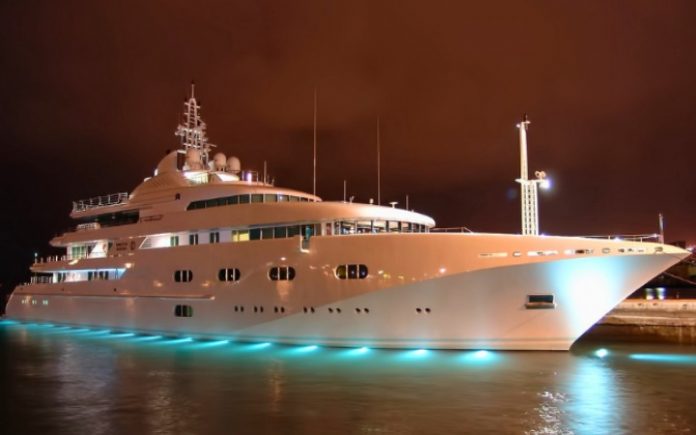
Good People, I received the message which was delivered by Senator Ali Ndume which he noted: “The [yacht] deal has been signed and delivered, but not paid, and that’s what brought the inclusion of the amount (N5 billion) in the supplementary budget.” Yes, the House of Representatives rejected the federal government’s plan to buy a presidential yacht as part of  the supplementary budget, without knowing that the yacht is already somewhere in River Abuja cooling. But where there is no River Abuja, we have Ide Ovim which can provide a good abode.

The Senator noted that this special engine of productivity and innovation for Nigeria (lol) has already been delivered, and is in use in Nigeria, and should be paid for. But with the House rejecting the deal, they could be stressing the presidential office.

Let me say this: why are people complaining? Recall that with 26 days to go, the Senate approved Buhari’s N22.7tn extra-budgetary spending, with some of the funds already spent. Also, the biggest discovery which sank the Nigerian Naira came when it was revealed that the apex bank had borrowed on future crude oil sales. Largely, the American banking system revealed that the money we thought we have has been mortgaged for loans, which we did not know the nation took, along with crude oil which has been pre-sold before they’re piped. What happened after that revelation? The National Assembly did nothing!

Senator Ndume said it the way it is: the National Assembly does no legislative check and balances, and the executive is close to 100% certain that anything which goes there will be approved. That is why they can spend money, order a yacht, etc before seeking approval at the parliament. 

Nigeria needs a mindset shift, but it is not just for the politicians, I must note. Yes, the citizens who vote today, hoping to shout tomorrow, despite knowing the political players they are giving power to. 

Nigeria’s democracy is weakening: all executives know that they can spend and get approvals later from the legislatures because it is now a job, not a service. If you do not play along, you can suddenly have a court case opened for you.

The controversial presidential yatch has been met with public outrage as Nigerians have criticized the plan as a waste of money on luxuries considering the economic situation in the country.

President Tinubu had tabled a supplementary budget in the National Assembly for approval, with the planned purchase of the yacht listed under the Nigerian Navy’s proposed capital expenditure of $53 million.

Meanwhile, the presidency has claimed the item named ‘Presidential Yacht, as found in the 2023 Supplementary Appropriation Bill, is not for Tinubu’s personal use.

The presidency said the naval boat bears such a classification “because of the high-level security features.”

“What was named as presidential yacht in the budget is an operational Naval boat with specialised security gadgets suitable for high-profile operational inspection and not for the use of the President.”

Special Adviser to the President on Information and Strategy, Bayo Onanuga, said in a statement on Thursday.

As Dangote Group and BUA Group Fight, One Thing Is Clear: Nigeria’s Industrial Sector Is Outside Free Market

2

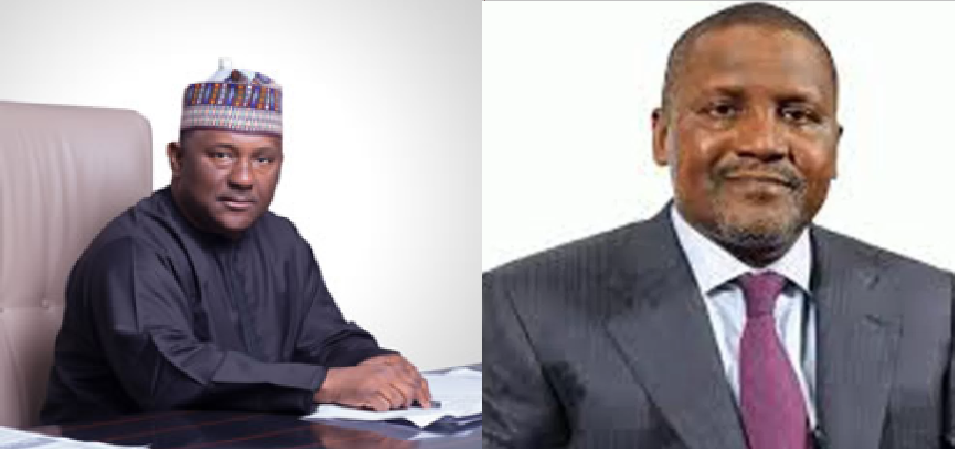
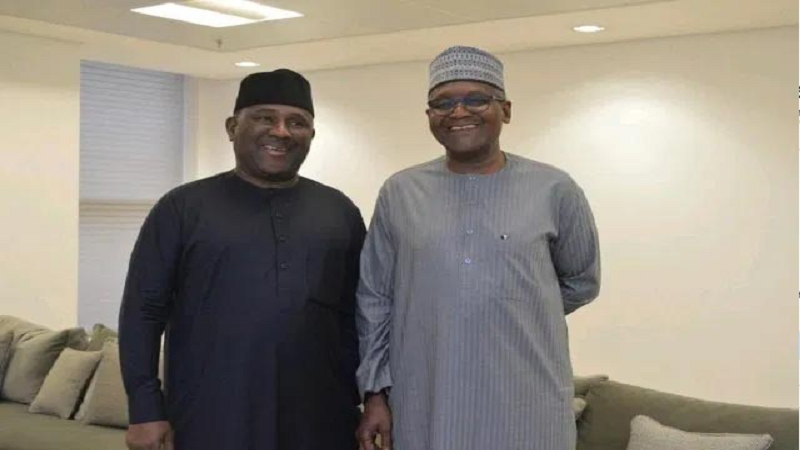
Good People, I have read Dangote Group’s accusations against BUA Group and the high-voltage response from the BUA Group. In summary, Nigeria has a long way to go. From these public crusades, we can get one thing: it is not the best idea that wins in Nigeria in these traditional industries, but the idea with the best “connections”.

In other words, there is no way you can operate in these industries without selling your soul to politicians since they hold the powers to advance or cut you off. As these two men fight, they are sending the wrong messages to the world on some of these critical sectors: how fast a president or a minister could pick your call is what really matters, and not the ideas you are bringing to the market.

That must change, and necessarily must change. Yes, Adam Smith’s invisible hands where the free market drives business systems must work in Nigeria. From these accusations and counter-responses, it is evident that the state is still running the shows despite actors like Dangote and BUA founder.

Read Dangote’s position here (PDF) and follow up with BUA’s response here (PDF); a good business student has some nice documents for a final year seminar on business strategy in Nigeria!

“We Have Nothing To Do With Your Self-inflicted Issues” – BUA Replies Dangote (full text)

1

Read Dangote’s position here (PDF) and follow up with BUA’s response here (PDF)

For several years, Aliko Dangote and Abdulsamad Rabiu, the founders of Dangote Group and BUA Group, have been involved in a highly publicized feud. The conflict primarily centered around their cement and sugar businesses, where Dangote Group and BUA Group were vying for market dominance in Nigeria.

The dispute began in 2017 when Dangote Group accused BUA of operating an unauthorized cement plant in Edo State, while BUA countered that Dangote was attempting to eliminate competition. Tensions escalated in 2020 when both companies planned to expand their cement plants in Sokoto State, with allegations of trade secrets theft and patent infringement.

The feud was characterized by mutual accusations and counter-accusations as they competed for a larger market share. It is 2023, and not much has changed.

On Friday, BUA released a letter in response to “a recent 7-page editorial” by Dangote, which leveled “blackmail” against BUA.

Read the full letter below:

“It’s with a profound sense of responsibility and a heavy heart that we address the claims and very cheap attempts at blackmail leveled against BUA by Aliko Dangote in a recent 7-page editorial following months of sponsored campaigns of calumny against us using third-party platforms. To put things in perspective, it’s imperative to revisit history—a history not of rivalry but of resilience; not of enmity, but of endurance.”

“In August 1991, a young BUA was doing its commodities trading business just as Nigeria faced a scarcity of sugar. As sugar was scarce, BUA was lucky to be one of the few with any stock for sale, and we stood prepared to supply the nation’s needs as best as our stock could. It was during this period Aliko Dangote approached us to purchase sugar. If only we knew he was setting the first of many traps in our business history. He gave us a Societe Generale Bank of Nigeria Cheque, which bounced upon presentation to the bank. Unbeknown to us, this was a ruse that would lead to a court-sanctioned freeze of our assets orchestrated by Dangote.”

“For three agonizing months, our accounts were garnisheed, warehouses shuttered, and our spirit tested. Yet, from the ashes of deceit, BUA survived. (see attached court order)”
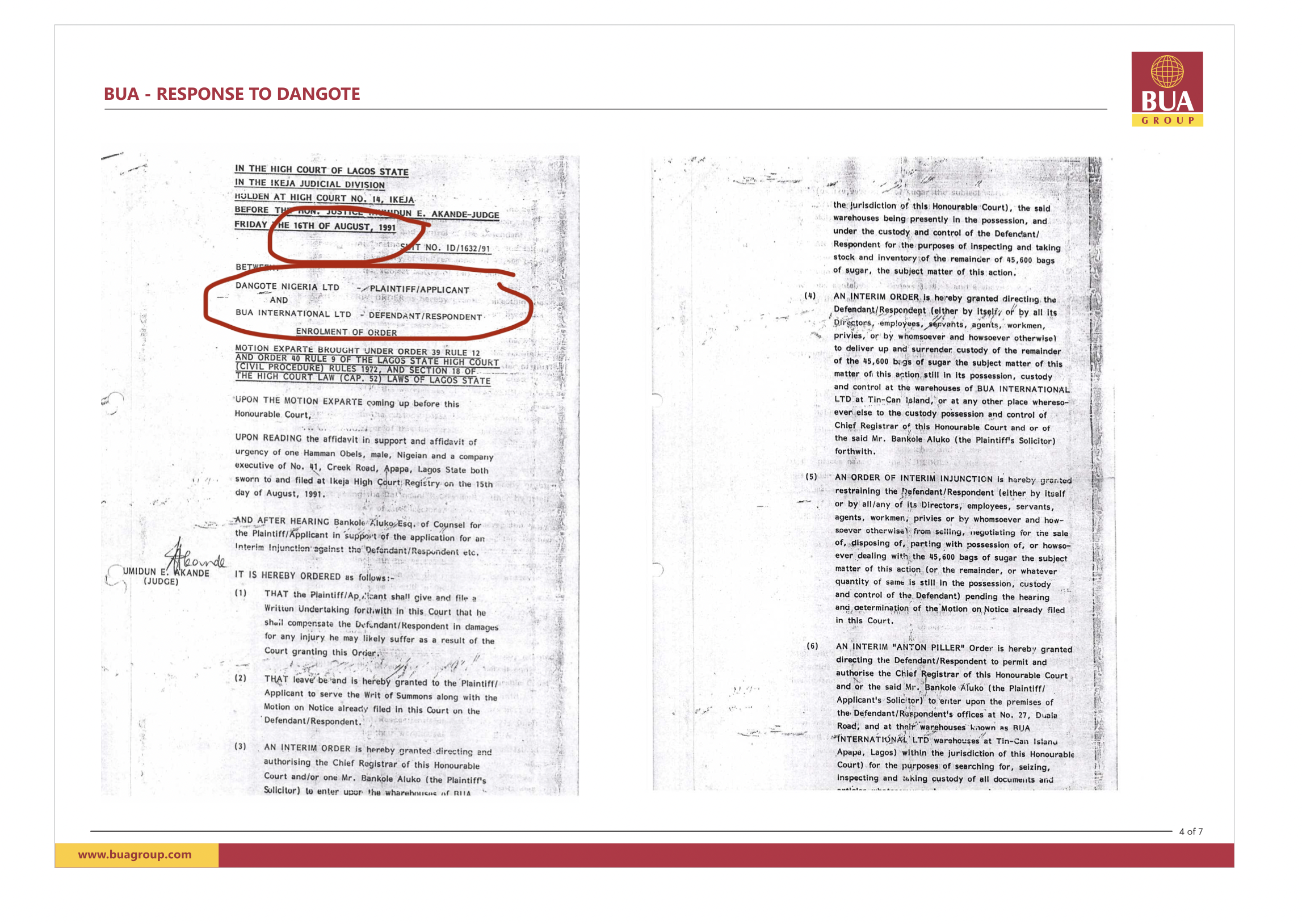
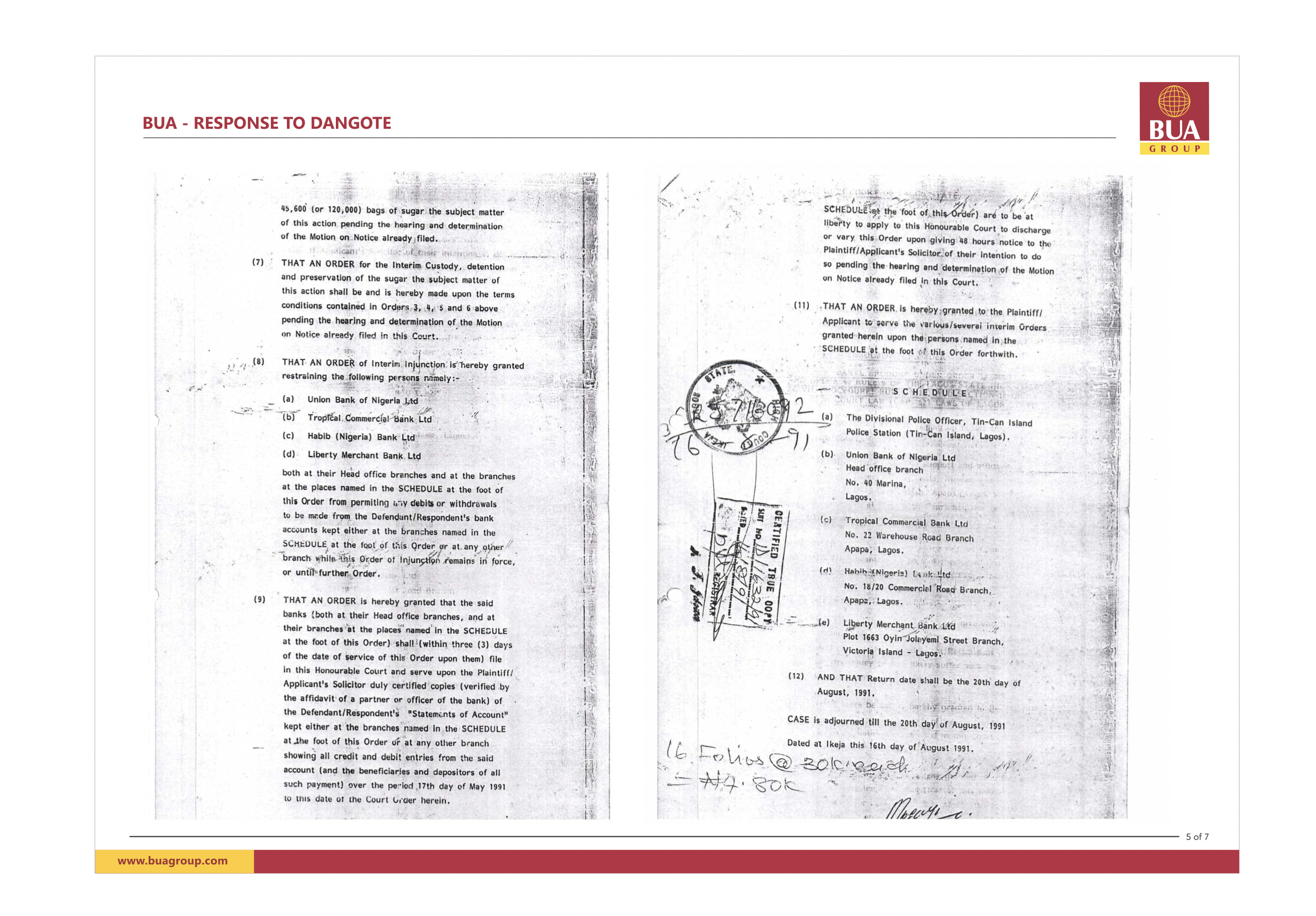
“Fast forward a few years later, we decided that since we were making good progress in our various businesses, we should open a sugar refinery. We approached one Usman Dantata (now late), Aliko Dangote’s uncle, and leased his NPA waterfront land (4.5 hectares) at the Tincan Island port, ‘Polo House’. We took the land, signed an agreement with the consent of NPA, and paid all applicable dues. Dangote waited until our contractors and equipment had been mobilized to the site, then he went to former President Obasanjo. President Obasanjo had the land revoked entirely and gave the lease to Dangote. As a result, even his uncle lost the land. BUA was only given 24 hours to vacate the land.”

“It took us over a year to get another land. How?”

“Our survival as a business especially our Lagos sugar refinery is a legacy handed to us by a loving father who, seeing his son’s distress, did what only the noblest and kindest of hearts could do. With unwavering faith, our Chairman’s late father—may his soul rest in eternal peace—handed him the land on which our Lagos Sugar Refinery stands today. This land was the location of one of his thriving businesses with a warehouse, which he shut down and handed to us without asking for compensation. He just saw the pain of our chairman, Abdul Samad Rabiu, called him one day and handed him the papers to the land. His gesture was a beacon of hope in one of our darkest hours. And so, BUA survived again another Dangote trap. Today, we are now the largest Sugar refining concern in West Africa.”

“Our businesses continued to surge forward amid several other attempts, too many to mention now. In 2007, under President Yar’Adua’s visionary mandate to broaden Nigeria’s cement industry and break the monopoly in the sector, BUA was among the six companies selected and granted licenses. Our approach was unconventional but effective: we introduced a floating terminal – ‘BUA CEMENT I’, which is a cement factory built into a large ship, as a stopgap while we were working on securing our land-based cement plant.”

“What followed, however, was another act intended to drive us out of business. Our application to dock the floating terminal in Lagos met with resistance. We then decided to berth the ship at the terminal we owned in Port Harcourt. Despite this, we faced considerable pushback and it took the decisive intervention of late President Yar Adua, who directed that the Minister of Transport and the Chairman of NPA honor our right to contribute to the nation’s growth.”

“But the hurdles didn’t end there. The drama intensified when Orwell Brown, a Deputy Comptroller General who was also an older brother to a Dangote Staff, launched a sudden strike, attempting to deport our vessel’s entire expatriate crew. It was a Friday that is forever seared into our memory—the shock of our expatriates rounded up, their confusion as they were shepherded onto a Dangote-funded one-way local flight from Port Harcourt to Lagos en-route Asia via Emirates.”

“Upon hearing of what had happened, we reached out to Tanimu Yakubu, the then Chief Economic Adviser, who acted with the urgency that the situation demanded. His call to the CG of Immigration was a lifeline, and our expatriate team was brought back from the Emirates aircraft and not deported. The aftermath was swift action by the President, who ensured that such a misuse of power would not go unchecked. DCG Brown, caught in a tangle of undue influence, admitted what he did to the Minister, and he was later dismissed.”

“Through all these tribulations, BUA’s resolve has only strengthened. These events narrate not just the trials of a company but the resolve of its people, bound together by a shared vision and an unwavering belief in justice and fairness.”

“We also know what transpired whilst we were building our Edo Cement Plant. Everyone knows the issues we faced. The plant we are operating in Edo would not have been operating and contributing immensely to the economy, if not for the former President Buhari who had to intervene by calling Governor Obaseki that no staff must lose their jobs and the plant must not be shut down, no matter what happens.”

“We cannot say more as the matter is currently sub-judice – and is at the Supreme Court. During that time, Edwin Devakumar and Sunday Esan (two long-time and current staff of Dangote) were caught in leaked emails, whose content were not limited to sending thugs to foment trouble, close our factory as well as pushing bad press against us (See emails attached).”
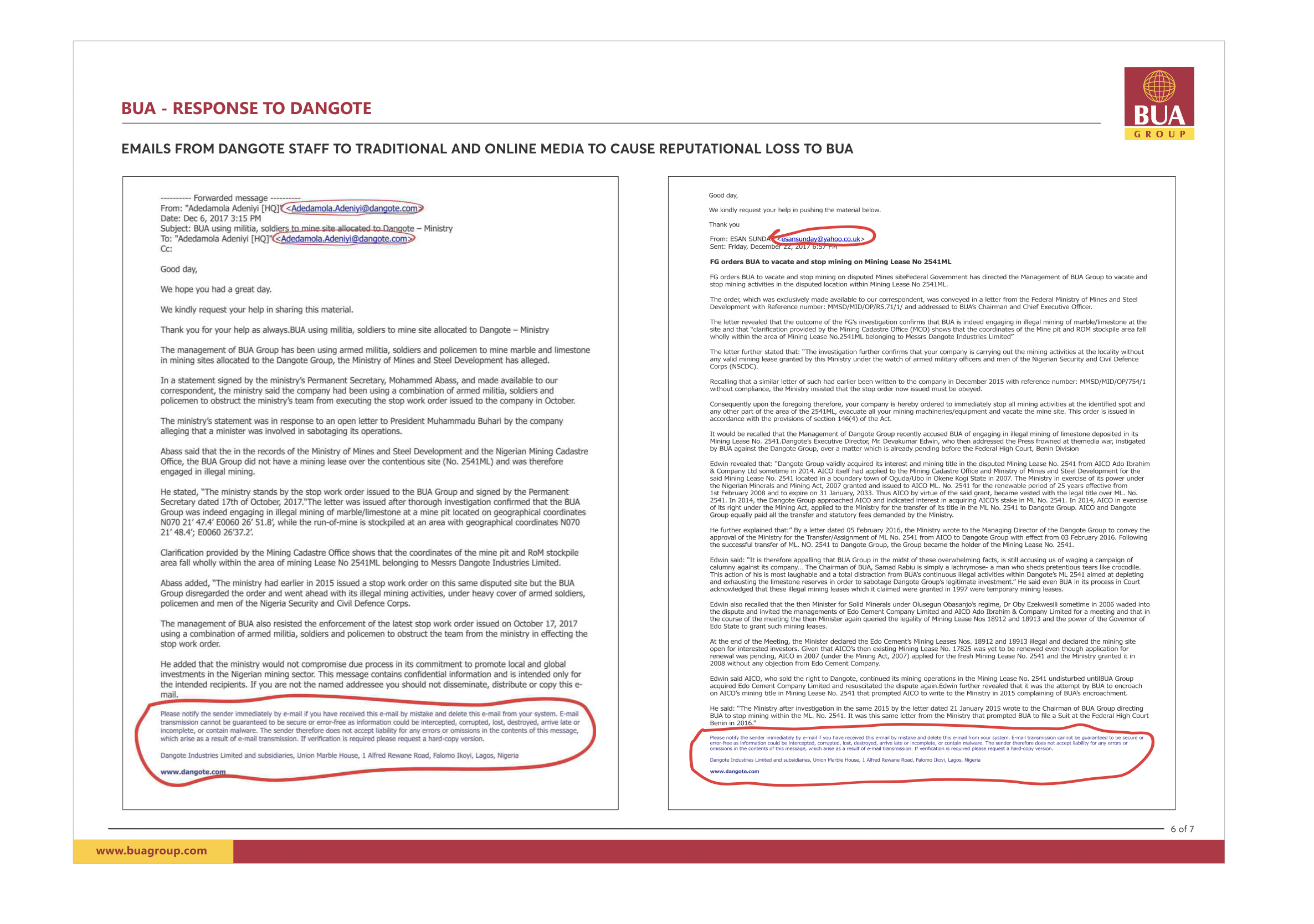
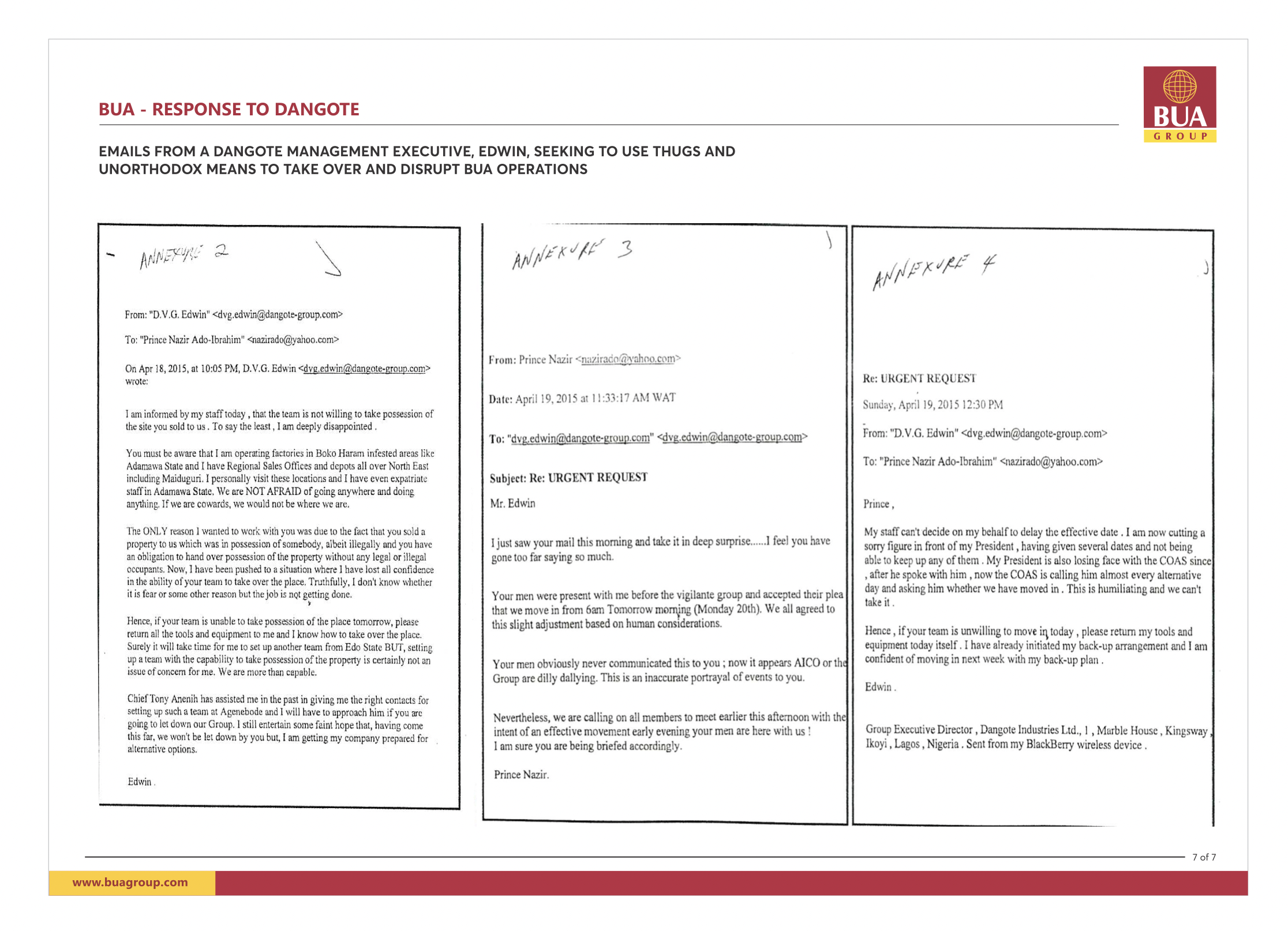
“Same thing happened again with our Port Harcourt sugar refinery – the only sugar refinery in Nigeria that is outside Lagos. Dangote utilized every means possible to ensure the refinery did not take off and we raised the alarm. At some point, the terminal was taken away from us and was to have been given to someone else at the behest of Dangote. There had to be a presidential intervention again for NPA to do the right thing. Yet, we survived.”

“For over 32 years, we have been cast as the antagonists in a narrative woven with malice. We have not just survived; we have thrived, expanding our operations and contributing to Nigeria’s economy without resorting to subterfuge.”

“To Mr. Dangote and the Dangote Group, we say: Let us build, not belittle. Let us cultivate, not conquer. While we may share the marketplace, we need not share malice. We have nothing to do with your self-inflicted issues. Blame no one but yourself.”

“In closing, we at BUA remain committed to our ethos of innovation, integrity, and inclusiveness. Our history is not one of being handed anything on a silver platter. We will continue to serve our beloved country and its people with the diligence and honor they deserve. Our past, present, and future activities are rooted in the prosperity of Nigeria, undeterred by the winds of unfounded criticism. We remain focused on building and developing Nigeria.”