DD
MM
YYYY

PAGES

DD
MM
YYYY

spot_img

PAGES

Home Blog Page 4

Universal Electronics Sues Amazon Over Patents Covering Echo, Fire TV and Alexa Technologies

0

UEI seeks damages and an injunction, escalating a broader battle over intellectual property in connected-home technology

Universal Electronics Inc. has sued Amazon in a California federal court, accusing the technology and e-commerce giant of infringing five patents covering remote-control technologies used across smart-home devices, streaming products and household appliances.

The lawsuit, filed on Thursday, alleges that Amazon’s Echo smart speakers, Fire TV streaming devices and other products use technology protected by UEI’s patents without authorization. The complaint also targets applications associated with Amazon’s Alexa voice assistant and Prime Video streaming service.

Scottsdale, Arizona-based UEI is seeking an unspecified amount in monetary damages and an order prohibiting Amazon from continuing to use the technologies it alleges infringe its patents.

The lawsuit puts intellectual property at the center of a dispute involving two companies that occupy different positions in the connected-device ecosystem. Amazon has built a broad consumer hardware and software platform around Alexa, Echo and Fire TV, while UEI has developed remote-control and device-control technologies used to connect consumers with televisions, streaming equipment, home appliances and other electronics.

The patents identified in the complaint relate to remote-control technology for several categories of smart products and appliances, according to UEI’s allegations. The company is asking the court to determine that Amazon infringed the patents and to award damages for the alleged violations.

Amazon and UEI did not immediately respond to requests for comment on the complaint.

The case adds to Amazon’s history of patent disputes involving Alexa and related technologies.

In 2023, a federal jury in Delaware found Amazon liable for infringing patents owned by VB Assets covering speech recognition and natural language processing. The jury awarded VB Assets $46.7 million.

The latest lawsuit is separate from that case and involves five patents asserted by UEI. However, it shows the growing intellectual property exposure faced by technology companies as functions that were once handled by standalone remote controls are increasingly integrated into software, voice assistants and connected-device platforms.

The shift has created a more complicated technology landscape in which a single consumer product can incorporate numerous patented technologies. An Echo speaker, for example, can combine hardware controls, wireless communications, voice recognition and software-based device management, while Fire TV products can integrate streaming, remote-control functions and smart-home connectivity.

That convergence can increase the number of potential patent disputes because companies developing connected products may rely on technologies originally developed for separate categories of consumer electronics.

UEI’s claims also come as Amazon continues to expand its connected-home ecosystem. Alexa allows users to control compatible devices through voice commands, while Echo devices serve as hubs for interacting with smart-home products. Fire TV products extend Amazon’s hardware presence into television and entertainment.

For UEI, the case could have implications beyond any damages eventually awarded if the court finds that Amazon’s products infringe valid patents. A successful injunction could potentially require Amazon to modify affected products or software, negotiate a licensing agreement, or otherwise alter how certain functions operate.

Patent cases can also result in licensing agreements rather than an outright ban on products, particularly when the disputed technology is embedded in commercially important devices and applications. The financial stakes could therefore depend not only on the number of products and services found to infringe but also on the scope and validity of UEI’s patents, the duration of any alleged infringement and whether the companies reach a settlement.

Amazon has faced intellectual property disputes involving several areas of its technology business as it has expanded beyond online retail into cloud computing, consumer electronics, streaming and artificial intelligence. The UEI case is therefore seen as one of the legal challenges accompanying that expansion: the more functions Amazon incorporates into its hardware and software ecosystem, the greater the potential overlap with intellectual property developed by other technology companies.

The lawsuit is Universal Electronics Inc. v. Amazon.com Inc., U.S. District Court for the Central District of California, No. 8:26-cv-02117. The allegations have not been proven in court, and Amazon has not yet publicly responded to the claims.


The Bitcoin Red Team Surpasses 1,000 High and Critical Security Bugs in Wallets and Software

0

The Bitcoin Red Team announced that it has uncovered more than 1,000 high and critical vulnerabilities across Bitcoin wallets, infrastructure, and related software.

While the number may appear alarming at first glance, it actually highlights the strength of Bitcoin’s security culture.

Rather than exposing systemic weakness, the discovery reflects the relentless efforts of security researchers dedicated to identifying and fixing vulnerabilities before malicious actors can exploit them.

Red teams are specialized cybersecurity professionals who simulate real-world attacks against software and systems. Their objective is to think like hackers, testing applications under hostile conditions to expose weaknesses that traditional development and quality assurance processes may overlook.

Within the Bitcoin ecosystem, these experts continuously examine wallet implementations, node software, cryptographic libraries, APIs, hardware wallets, and supporting infrastructure for flaws that could compromise user funds or network integrity.

The discovery of over 1,000 high and critical bugs demonstrates the sheer complexity of Bitcoin’s expanding ecosystem.

Bitcoin itself remains remarkably resilient, but the software built around it—including mobile wallets, desktop applications, hardware devices, exchanges, and payment platforms—introduces additional layers of code where vulnerabilities can emerge.

Every feature, integration, and user interface creates new opportunities for programming errors, making continuous security testing essential. Importantly, most of these vulnerabilities were discovered through responsible disclosure programs.

Instead of publicly exposing flaws immediately, researchers privately informed developers, allowing patches to be released before attackers could exploit the weaknesses. This collaborative approach has become one of the defining characteristics of Bitcoin’s open-source development model.

Developers, independent researchers, and security firms work together to strengthen the ecosystem rather than compete against one another. The achievement also reflects Bitcoin’s mature security-first philosophy.

Unlike many emerging blockchain projects that prioritize rapid feature releases, Bitcoin development generally favors careful review, extensive testing, and conservative upgrades.

This cautious approach often slows innovation but significantly reduces the likelihood of catastrophic software failures. The work of the Bitcoin Red Team complements this philosophy by continuously stress-testing implementations and validating that security remains the highest priority.

For wallet providers, the findings serve as a reminder that safeguarding digital assets extends far beyond cryptography.

Secure coding practices, rigorous code reviews, penetration testing, hardware protections, authentication systems, and user education all play vital roles in preventing attacks.

A wallet is only as secure as its weakest component, whether that is its encryption, backup mechanism, or user interface. The report reinforces the importance of maintaining good operational security.

Users should keep wallet software updated, verify downloads from trusted sources, enable strong authentication where available, securely store recovery seed phrases offline, and remain vigilant against phishing attempts.

Many successful attacks exploit human error rather than flaws in Bitcoin’s underlying protocol. The broader cryptocurrency industry can also learn valuable lessons from this milestone.

As digital assets attract greater institutional adoption and billions of dollars in capital, proactive security research becomes increasingly important. Discovering vulnerabilities before criminals do is one of the most effective ways to build trust and protect users.

Uncovering more than 1,000 high and critical bugs should not be viewed as a sign that Bitcoin is insecure. Instead, it demonstrates that the ecosystem benefits from an active, transparent, and highly skilled security community committed to continuous improvement.

The Bitcoin Red Team’s achievement reinforces an important principle of cybersecurity: true resilience comes not from believing software is flawless, but from constantly challenging it, identifying weaknesses, and making it stronger with every discovery.

US Ends Saudi Oil Imports After 40 Years as Senate Delays CLARITY Act Vote

0

The United States has reached a historic milestone by effectively ending imports of Saudi Arabian crude oil for the first time in more than four decades.

The development reflects a profound transformation in America’s energy landscape, driven by the shale revolution, increased domestic production, and a strategic shift toward energy independence.

Washington is navigating another major policy debate, as the U.S. Senate has postponed the final vote on the CLARITY Act until September, delaying one of the most anticipated pieces of cryptocurrency legislation in recent years.

For decades, Saudi Arabia was a cornerstone of U.S. energy security. American dependence on Middle Eastern oil shaped foreign policy, military strategy, and global economic relations throughout the late twentieth century.

Advances in hydraulic fracturing and horizontal drilling dramatically increased U.S. oil output, turning the country into one of the world’s largest energy producers.

As domestic production expanded, reliance on imported Saudi crude steadily declined until it effectively disappeared, marking the end of an era in global energy markets. Reduced dependence on Saudi oil gives the United States greater flexibility in international diplomacy.

America now has more leverage in managing its energy needs than at any point in recent history. Saudi Arabia remains a dominant force within global oil markets through its leadership in OPEC+, meaning its production decisions continue to influence worldwide crude prices.

Meanwhile, attention has shifted to Capitol Hill, where lawmakers delayed the Senate vote on the CLARITY Act until September. The legislation is widely viewed as a landmark proposal that seeks to establish clearer regulatory boundaries for digital assets.

The delay means the cryptocurrency industry will have to wait longer for legal certainty that many believe is essential for innovation and institutional investment. The CLARITY Act aims to define how cryptocurrencies should be regulated by distinguishing between digital commodities and securities.

It seeks to clarify the responsibilities of federal regulators, reducing overlap and uncertainty that have frustrated blockchain companies, investors, and developers. Industry participants argue that clearer rules would encourage responsible innovation while improving consumer protection and market transparency.

Some investors fear that delaying the vote extends regulatory uncertainty, slowing investment decisions and product launches. Others believe the additional time allows lawmakers to refine the legislation, address stakeholder concerns, and produce a stronger regulatory framework capable of supporting long-term industry growth.

These developments highlight the evolving priorities of the United States. Energy independence demonstrates the country’s growing ability to reshape traditional geopolitical relationships, while efforts to regulate digital assets signal recognition that blockchain technology is becoming an increasingly important component of the future economy.

Both issues illustrate how technological innovation can redefine industries once considered foundational to national power. As September approaches, markets will closely monitor progress on the CLARITY Act while continuing to assess the long-term consequences of America’s reduced reliance on Saudi oil.

Whether in energy or digital finance, policy decisions made today will influence investment, innovation, and global competitiveness for years to come. These parallel developments underscore a broader transition in which the United States is adapting its economic strategy to meet the demands of a rapidly changing world.

US Appeals Court Upholds Sam Bankman-Fried’s Conviction, Marking Another Milestone in Crypto Accountability

0
Sam Bankman-Fried

A United States appeals court has upheld the conviction of Sam Bankman-Fried (SBF), the former CEO of the collapsed cryptocurrency exchange FTX, reaffirming one of the most significant fraud verdicts in the history of the digital asset industry.

The decision represents another major victory for federal prosecutors and reinforces the judiciary’s stance that financial crimes committed within the cryptocurrency sector will be treated with the same seriousness as those in traditional finance.

Bankman-Fried was originally convicted in 2023 on multiple counts of fraud and conspiracy after prosecutors demonstrated that he orchestrated a years-long scheme that diverted billions of dollars in customer funds from FTX to its affiliated trading firm, Alameda Research.

The collapse of FTX in late 2022 erased billions in customer assets, shook confidence in centralized cryptocurrency exchanges, and triggered a wave of regulatory scrutiny across global digital asset markets.

Following his conviction, Bankman-Fried appealed the verdict, arguing that errors during the trial and evidentiary rulings deprived him of a fair legal process. His defense also challenged aspects of the jury instructions and sought to overturn the guilty verdict based on procedural grounds.

The appeals court rejected those arguments, concluding that the trial had been conducted fairly and that the evidence overwhelmingly supported the jury’s findings.

The court’s ruling effectively leaves intact Bankman-Fried’s conviction and lengthy prison sentence, further diminishing any realistic prospect of reversing the case through the federal appeals process.

While additional legal options may still exist, including petitions for further review, appellate courts rarely overturn convictions where substantial evidence of fraud has already been established.

The decision carries significance far beyond the fate of one individual. It sends a powerful message to cryptocurrency founders, executives, and investors that the rapid growth of blockchain technology does not exempt businesses from longstanding financial laws and fiduciary responsibilities.

Regulators have consistently argued that innovation cannot come at the expense of transparency, customer protection, or honest corporate governance. The FTX collapse became a defining turning point.

It accelerated demands for stronger proof-of-reserves systems, improved custody practices, enhanced risk management, and clearer regulatory frameworks for exchanges handling customer assets.

Many major crypto platforms have since adopted stricter transparency measures in an effort to rebuild public trust and distinguish themselves from the practices that led to FTX’s downfall.

Investors continue to view the Bankman-Fried case as a reminder of the importance of due diligence, regardless of how prominent or influential a company may appear.

Before its collapse, FTX was widely regarded as one of the world’s most successful cryptocurrency exchanges, attracting billions in investments from venture capital firms, institutional investors, and retail users.

The revelations that followed exposed serious governance failures and highlighted the dangers of concentrating customer funds without sufficient oversight.

The appeals court’s decision also arrives at a time when the cryptocurrency industry is experiencing renewed institutional interest through Bitcoin exchange-traded funds, tokenized financial products, and expanding blockchain adoption.

As digital assets become increasingly integrated into mainstream finance, legal accountability is expected to remain a cornerstone of market credibility. The affirmation of Sam Bankman-Fried’s conviction reinforces a simple but powerful principle: technological innovation does not place individuals above the law.

To achieve sustainable long-term growth, trust, transparency, and responsible stewardship must remain as important as innovation itself. The ruling closes another chapter in one of crypto’s largest scandals while strengthening the legal precedent for accountability across the evolving digital economy.

Fed Signals Possible Rate Hike as Bitcoin Surges Past $65,000

0

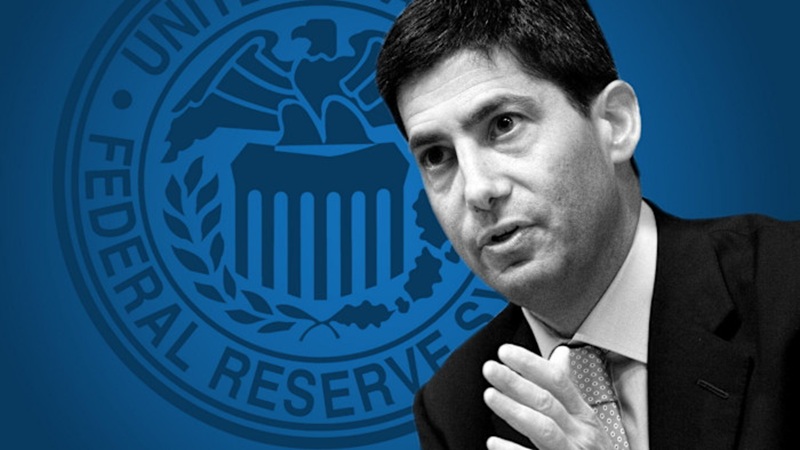
Financial markets are once again at a critical crossroads as the U.S. Federal Reserve signaled that it is prepared to raise interest rates at its next policy meeting if inflation fails to show meaningful signs of slowing.

Bitcoin has climbed above the $65,000 mark, demonstrating renewed investor confidence despite the prospect of tighter monetary policy. The combination of these two developments highlights the complex relationship between macroeconomic policy and digital asset markets.

Federal Reserve officials have consistently emphasized that their primary objective remains restoring price stability.

While inflation has eased significantly from its pandemic-era peaks, policymakers continue to stress that progress must be sustained before they can confidently pause or reverse their restrictive stance. If upcoming inflation reports remain stubbornly high, the central bank has indicated it is ready to increase borrowing costs again next month.

Higher interest rates typically strengthen the U.S. dollar and increase yields on government bonds, making traditional fixed-income investments more attractive. They tend to reduce liquidity across financial markets, putting pressure on risk-sensitive assets such as equities, cryptocurrencies, and speculative technology stocks.

Aggressive monetary tightening has created headwinds for Bitcoin by reducing investor appetite for higher-risk investments. Despite these concerns, Bitcoin has broken through the $65,000 level, signaling remarkable resilience.

The world’s largest cryptocurrency has continued to attract institutional and retail demand, driven by growing confidence in the long-term outlook for digital assets. Investors increasingly view Bitcoin not only as a speculative investment but also as a strategic portfolio asset that can provide diversification.

Several factors are contributing to Bitcoin’s strength. Continued institutional participation, expanding digital asset infrastructure, and sustained inflows into regulated investment products have reinforced market confidence.

Long-term holders have shown little willingness to sell, reducing available supply while demand continues to build. This imbalance has supported upward price momentum even as macroeconomic risks remain elevated.

Market participants are now closely monitoring incoming inflation data alongside labor market reports. A softer inflation reading could reduce the need for additional tightening, potentially providing further support for cryptocurrencies and other growth-oriented assets.

Another strong inflation report could strengthen the case for a rate hike, increasing volatility across both traditional and digital financial markets. The divergence between Federal Reserve policy expectations and Bitcoin’s performance also reflects the cryptocurrency market’s growing maturity.

In previous tightening cycles, Bitcoin often experienced sharp sell-offs in response to hawkish central bank announcements. Broader institutional adoption, improved market infrastructure, and increased regulatory clarity have helped strengthen investor confidence during periods of economic uncertainty.

A surprise rate increase could trigger short-term corrections as investors reassess valuations and reposition their portfolios. Higher financing costs generally reduce leverage within financial markets, and cryptocurrencies often experience heightened volatility during such transitions.

Traders should therefore remain cautious while maintaining a long-term perspective. The Federal Reserve’s next decision will depend heavily on economic data, particularly inflation trends.

Meanwhile, Bitcoin’s ability to sustain prices above $65,000 will serve as an important indicator of investor conviction and the strength of institutional demand. Whether tighter monetary policy or growing digital asset adoption ultimately dominates market sentiment.

Both developments underscore how interconnected macroeconomics and cryptocurrency markets have become. Investors around the world will be watching closely as these powerful forces shape the next phase of financial markets.

Uniswap Launches Pools on Robinhood Chain, Robinhood Lists CASHCAT Memecoin as XCopy NFT Sells for $525K

Meanwhile, the digital asset industry continues to expand beyond traditional cryptocurrency trading, with decentralized finance, memecoins, and digital art all capturing significant attention.

Uniswap’s launch of Pools on the Robinhood Chain, Robinhood’s listing of the CASHCAT memecoin, and the sale of a rare XCopy digital artwork for an impressive $525,000. These events demonstrate the growing maturity and diversity of the Web3 ecosystem.

Uniswap, the world’s leading decentralized exchange, has introduced its new Pools launchpad on the Robinhood Chain, marking another step toward making decentralized finance more accessible.

The launchpad enables users and developers to create and deploy liquidity pools with greater ease, reducing barriers for new token projects seeking market exposure. By integrating with the Robinhood Chain.

Uniswap expands its reach into an ecosystem designed to combine the familiarity of traditional financial platforms with the transparency and efficiency of blockchain technology.

Liquidity pools are the backbone of decentralized exchanges, allowing users to trade cryptocurrencies without relying on centralized intermediaries. The new launchpad simplifies pool creation while encouraging broader participation from developers, liquidity providers, and traders.

This collaboration signals increasing competition among blockchain networks seeking to attract DeFi applications and liquidity, reinforcing the industry’s commitment to permissionless financial infrastructure.

Robinhood continues to embrace the fast-moving digital asset market by listing the CASHCAT memecoin. Memecoins have evolved from internet jokes into highly speculative digital assets capable of generating substantial trading volumes and vibrant online communities.

While many lack traditional utility, successful memecoins thrive on social engagement, community participation, and viral marketing. The addition of CASHCAT reflects Robinhood’s strategy of expanding its cryptocurrency offerings to meet growing retail demand.

Listings on major trading platforms often increase a token’s visibility and liquidity, attracting new investors eager to participate in emerging market trends. Memecoins remain among the most volatile assets in the cryptocurrency sector.

Their prices are frequently driven by market sentiment rather than fundamental value, making risk management essential for investors considering exposure to these assets.

Beyond finance and trading, blockchain technology continues transforming the art world.

A digital artwork by the renowned crypto artist XCopy recently sold for approximately $525,000, highlighting the enduring value of premium NFT collections despite broader market fluctuations.

XCopy has established himself as one of the most influential creators in digital art, producing distinctive glitch-inspired works that have become iconic within NFT culture. The sale demonstrates that collectors continue to place significant value on historically important digital artworks.

While speculative NFT projects have experienced declining interest, high-quality collections created by respected artists continue attracting wealthy collectors who view these works as both cultural artifacts and long-term investments.

This resilience suggests the NFT market is maturing, with greater emphasis on artistic merit, rarity, and creator reputation rather than short-term speculation. Collectively, these developments reveal an ecosystem evolving on multiple fronts.

Infrastructure projects like Uniswap’s Pools launchpad strengthen decentralized finance, exchange listings such as CASHCAT broaden retail participation, and landmark NFT sales reaffirm the cultural significance of blockchain-based digital ownership.

Although market volatility remains a defining characteristic of the crypto industry, innovation continues to drive adoption across financial services, online communities, and creative industries.

As blockchain technology advances, the convergence of decentralized finance, tokenized communities, and digital collectibles is likely to create new opportunities for investors, developers, creators, and institutions alike.

These latest milestones reinforce the idea that Web3 is no longer confined to cryptocurrency trading alone but is steadily becoming a broader digital economy built on transparency, ownership, and decentralized participation.