DD
MM
YYYY

PAGES

DD
MM
YYYY

spot_img

PAGES

Home Blog Page 4216

How Bitcoin Pizza Came into Existence

0

Bitcoin is a revolutionary digital currency that has changed the way people transact and store value. But do you know how it all started? One of the most iconic events in Bitcoin’s history is the Bitcoin Pizza Day, which marks the first time someone used Bitcoin to buy a real-world good.

Bitcoin Pizza Day is a reminder of how far Bitcoin has come from its humble beginnings to its current status as a global phenomenon. It is also a celebration of the innovation and creativity of the Bitcoin community, which continues to push the boundaries of what is possible with this technology.

The story goes back to May 22, 2010, when a Florida programmer named Laszlo Hanyecz posted on a Bitcoin forum that he was willing to pay 10,000 bitcoins for two pizzas delivered to his house. He wrote: “I’ll pay 10,000 bitcoins for a couple of pizzas… like maybe 2 large ones so I have some left over for the next day. I like having left over pizza to nibble on later.”

At that time, Bitcoin was still a new and obscure technology, with no established market value or widespread adoption. Hanyecz had mined some bitcoins on his computer, but he had no idea what to do with them. He thought it would be cool to exchange them for something tangible, like food.

Luckily, someone took up his offer and agreed to order two pizzas from Papa John’s and deliver them to Hanyecz in exchange for 10,000 bitcoins. The pizzas cost about $30, which means Hanyecz paid around $0.003 per bitcoin. The person who accepted the deal was a British man named Jeremy Sturdivant, who went by the nickname “jercos” on the forum.

The transaction was completed and Hanyecz posted a picture of the pizzas on the forum, confirming that he had received them. He wrote: “I just want to report that I successfully traded 10,000 bitcoins for pizza. Thanks jercos!”

The event was recorded on the Bitcoin blockchain as transaction hash ID a1075db55d416d3ca199f55b6084e2115b9345e16c5cf302fc80e9d5fbf5d48d.

Little did Hanyecz know that his pizza order would go down in history as the first documented case of Bitcoin being used to purchase a physical good. The day of the transaction, May 22, is now celebrated as Bitcoin Pizza Day by the Bitcoin community around the world.

The significance of Bitcoin Pizza Day is not only that it demonstrated the potential of Bitcoin as a medium of exchange, but also that it showed how much Bitcoin has appreciated in value over time. The 10,000 bitcoins that Hanyecz spent on the pizzas are now worth over $200 million at the current market price of around $20,000 per bitcoin.

The value of the 10,000 bitcoins used in the transaction has also skyrocketed over time, reaching hundreds of millions of dollars at current prices. This makes the pizzas arguably the most expensive ones ever bought in history. However, Hanyecz does not regret his decision and has said that he enjoyed the pizzas and was happy to be part of the early days of bitcoin.

That means Hanyecz paid about $10 million per pizza, making them the most expensive pizzas ever bought. Of course, Hanyecz did not regret his decision, as he later said: “It wasn’t like Bitcoins had any value back then, so the idea of trading them for a pizza was incredibly cool.”

The bitcoin pizza transaction has become part of the folklore of cryptocurrency and is celebrated every year on May 22 as Bitcoin Pizza Day. On this day, bitcoin enthusiasts around the world commemorate the event by buying goods (often pizza) with bitcoin or other cryptocurrencies. Some also use the occasion to reflect on how far bitcoin has come since its inception and how much potential it still has.

The bitcoin pizza transaction may seem trivial today, but it was a milestone in the history of cryptocurrency. It demonstrated that bitcoin could be used as a medium of exchange for goods and services, not just as a store of value or a speculative asset. It also showed that bitcoin could facilitate cross-border transactions without intermediaries or fees. Moreover, it inspired other people to experiment with using bitcoin for everyday purchases and created a sense of community among early adopters.
Tesla and Musk Return To Business 101 – Advertising Is Part of the Soul of Business

1

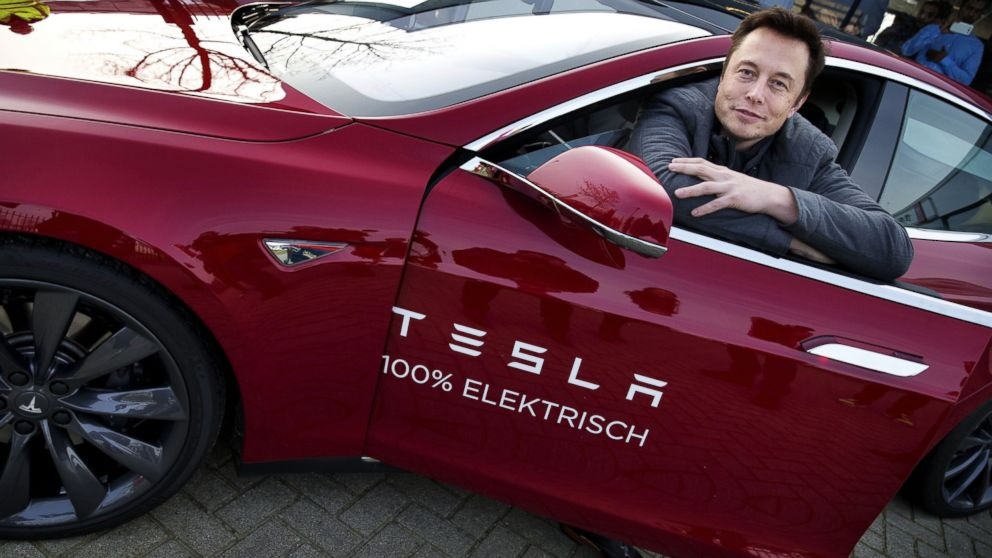
For years, Tesla has not done traditional advertising. Yes, you have not seen a Tesla ad on a TV. But that is going to change, according to Elon Musk: ‘“He said that in his experience as CEO of Twitter, a company that is highly dependent on advertising, has shown him that “advertising is awesome, and everyone should do it.”’

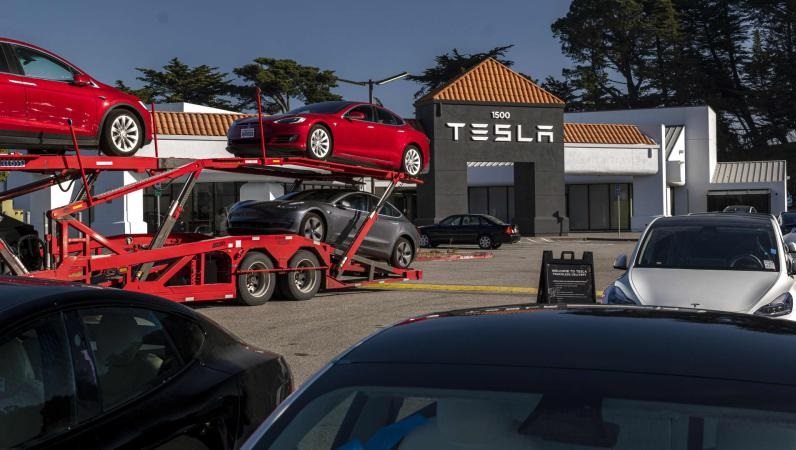
Tesla CEO Elon Musk said the company will try conventional advertising, marking a shift from the electric vehicle maker’s approach to sales.

Musk said this on Tuesday during the automaker’s 2023 annual meeting of shareholders. The shift is coming amid growing competition in the EV market and dwindling sales that have seen Tesla lost its dominant position in markets like China.

Tesla is known for not paying for conventional advertising, relying on other avenues of marketing to promote its products. The automaker uses emails, word-of-mouth and referrals in addition to Musk’s tweets, which promote Tesla models, to reach a large audience.

Why not? If you do not advertise your products, you may not be fair to those who do not know your product exists. In other words, even though you are not closing deals, you are also not helping people, since you are depriving them of the opportunity to know about a great product. Tesla has great features that if people know about them will get them to patronize the brand.

In the Igbo Nation, the market women will say, “ahia oma na-ere onwe ya” [ a good product sells itself] but check carefully, the women have paid extra fees to be at the junction in the market. In all my grandmother’s “shades” (minimized stores), in Oriendu Market in Ovim, she tried to be at intersection- or T-junctions.

There is a reason for that, being at a  T-junction means you are going to lead into the product category from one side of the market. Being in the middle is not good. In other words, the women actually pay more money to the owners of the shades and stores to position their garri, yam, etc before customers – and that is an advertising awareness!

And sure, beyond advertising, the product has to work. Indeed, the product selling itself means unlocking referrals from the current customers. But those initial customers need to know that your product exists and that is where advertising comes into play.

This playbook will help Tesla! Welcome Tesla to traditional advertising which has been called the “soul of business”

Tesla Will Try Conventional Advertising – Elon Musk

0

Tesla CEO Elon Musk said the company will try conventional advertising, marking a shift from the electric vehicle maker’s approach to sales.

Musk said this on Tuesday during the automaker’s 2023 annual meeting of shareholders. The shift is coming amid growing competition in the EV market and dwindling sales that have seen Tesla lost its dominant position in markets like China.

Tesla is known for not paying for conventional advertising, relying on other avenues of marketing to promote its products. The automaker uses emails, word-of-mouth and referrals in addition to Musk’s tweets, which promote Tesla models, to reach a large audience.

“Our owners become our ambassadors,” Musk told Advertising Age in 2010 when Tesla was celebrated as one of “America’s hottest brands.”

Tesla’s key to successful unconventional advertising is its reliance on the quality of its products. This, boosted by word-of-mouth from early customers, helped the company to its status as a leader in the EV industry.

Tesla’s market value has plummeted by more than half since April last year – a development largely attributed to Musk’s acquisition of Twitter and he spending more time running the social media company while paying less attention to Tesla.

China’s BYD recorded the highest sales in 2022 with sales of 1.86 million electric cars while Tesla was left a distant second with 439,770 China-made vehicles delivered to locals. Tesla announced price cuts for some of its car models across its markets as the downturn in sales mounts.

Musk has also lost his place as the world’s richest man to Louis Vuitton’s Bernard Arnault as Tesla shares Plunged.

Against this backdrop, Musk is willing to give traditional advertising a try as Tesla pushes to regain its dominance in China and other EV markets.

“We’ll try a little advertising and see how it goes,” TechCrunch quoted Musk as saying Tuesday in response to a question from Kevin Paffrath, AKA Meet Kevin, a YouTuber and financial analyst whose ETF ticker, PP, counts Tesla as its largest position.

Musk agreed with Paffrath that Tesla could advertise features like over-the-air updates that improve airbag deployments, or counter common beliefs that Teslas are “super expensive” when in reality “the starting price for Tesla is below the average car price in the U.S.”

He said that in his experience as CEO of Twitter, a company that is highly dependent on advertising, has shown him that “advertising is awesome, and everyone should do it.”

“I think I hear your sort of larger point, which is that there are amazing features and functionality about Teslas that people just don’t know about, and although there’s obviously a lot of people that follow the Tesla account and my account…it is preaching to the choir, and the choir is already convinced,” he said.

Understanding Smart Contracts

0

Smart Contract is a self-executing agreement that is written in code and deployed on a blockchain network. A smart contract can facilitate, verify, and enforce the terms of a contract between two or more parties without the need for intermediaries or trusted third parties.

Smart contracts were first proposed by Nick Szabo in 1994 as a way to extend the functionality of electronic transactions to the digital realm. He envisioned smart contracts as computerized protocols that could enforce the terms of a contract using cryptography and logic. Since then, smart contracts have evolved with the development of blockchain technology, especially on platforms like Ethereum.

Smart contracts are composed of code and data that reside at a specific address on the blockchain. They can receive and send transactions, store and manipulate data, and interact with other smart contracts. They can also have a balance of cryptocurrency that they can use to pay for their execution.

Smart contracts are executed by a network of nodes that run the blockchain. Each node follows the same set of rules and verifies that the smart contract code is executed correctly and consistently. Once a smart contract transaction is confirmed, it becomes part of the immutable ledger and cannot be changed or reversed.

Smart contracts have many potential applications in various domains, such as finance, supply chain, insurance, healthcare, and more. For example, a smart contract can be used to automate the payment of dividends to shareholders, to track the delivery of goods and services, to manage insurance claims, or to verify the identity and credentials of patients and providers.

Smart contracts are immutable, meaning that once they are deployed on the blockchain, they cannot be modified or deleted. This makes it difficult to fix bugs, update features, or resolve disputes that may arise from the contract execution.

Smart contracts are deterministic, meaning that they will always produce the same output given the same input and state of the blockchain. This makes it hard to incorporate external data or events that may affect the contract logic, such as market prices, weather conditions, or user inputs.

Smart contracts are transparent, meaning that anyone can view the code and the transactions of the contract on the blockchain. This may raise privacy and security issues for some users who do not want their data or activities to be exposed to the public.

Smart contracts are costly, meaning that they consume computational resources and network fees to execute on the blockchain. This may limit the scalability and efficiency of some applications that require high throughput or low latency.

Therefore, smart contracts are not a one-size-fits-all solution for every use case. They require careful design, testing, and auditing to ensure their correctness, security, and performance. They also require a clear understanding of the legal and regulatory implications of using them in different jurisdictions and contexts.

Why is it important to acquire a fundamental understanding of financial literacy?

0

In today’s rapidly evolving world, with advancements in financial instruments and constant changes in the economic landscape, possessing financial literacy skills has become crucial. Whether you’re a student, a working professional, or an entrepreneur, these skills play a vital role in attaining financial stability and well-being.

Let’s explore some key reasons why learning the basics of financial literacy holds significant importance: 

1. Making reasonable financial decisions:

Gaining proficiency in financial literacy empowers you to make informed decisions regarding your finances. By comprehending concepts related to income, expenses, investments, and loans, you can make choices aligned with your financial goals. This proficiency enables you to effectively manage your monetary resource, steer clear of debt issues, and build a sustainable financial future.

2. Achieving financial stability:

The financial literacy skills assist you to produce the most stable and secure life. Acquiring a solid grasp of budgeting essentials, devising strategic expenditure plans, and adopting effective saving strategies empowers you to skilfully navigate your financial landscape, ensuring efficient financial management and minimizing superfluous expenditures. Moreover, mastering investment skills allows for potential income growth and the creation of additional sources of passive income. For example, engaging in sports betting through websites like surebet247.com can provide an opportunity to earn money while enjoying sports events. Ultimately, this increased financial stability provides greater freedom and flexibility.

3.Enhancing economic awareness:

By improving your financial literacy, you elevate your understanding of economic principles and the functioning of the financial system. This heightened awareness allows you to grasp the interconnections between markets, inflation, interest rates, and other factors impacting your finances. Consequently, you can make well-informed decisions based on economic realities.

4. Cultivating confidence in the future:

Acquiring financial literacy equips you with the skills to confidently plan your future budget and establish a strong financial foundation for your family. Proficiency in budgeting, debt management, retirement planning, and asset protection enables you to ensure financial security for yourself and your loved ones. Additionally, you can establish savings, which contributes to financial independence during retirement.

Budget planning

Incorporating income and expense planning into your financial literacy toolkit is pivotal for achieving financial stability. This process enables you to exercise control over your finances, avoid debt problems, and accomplish your financial objectives. A budget serves as a roadmap, illustrating your income and how you intend to allocate it.

It involves assessing regular income sources such as wages, additional income streams, and investment returns. Additionally, it requires identifying fixed expenses like rent, mortgage payments, utilities, as well as variable expenses including food, entertainment, clothing, etc.

When creating a budget, it is essential to be realistic and consider all potential costs. Allocate funds for unexpected expenses and emergencies. Monitor and analyze your expenses, identifying areas where you can save or reallocate money. Don’t forget to plan ahead, explore investment opportunities, and develop additional income streams. Regular savings or investments contribute to long-term financial goals.

Investment

Investment entails allocating money or assets with the objective of generating income or capital growth in the future. To begin investing, it is crucial to define your financial goals. Determine what you aim to achieve through investing, such as generating passive income, planning for retirement, funding education, or building wealth.

Educate yourself about various investment types, their associated risks, and potential returns. Seek guidance from financial professionals or advisors for further insights and advice. Diversifying your investment portfolio is important to minimize risk and maximize growth potential.

Establish an investment budget, setting sensible limits and refraining from investing funds you cannot afford to lose. Be prepared for market fluctuations and associated risks.

At one time your financial goals are defined, analysis is conducted, and an investment budget is set, choose specific investment vehicles. Options include stocks, bonds, investment funds, real estate, and other assets. Familiarize yourself with the characteristics and risks of each investment tool. Consider diversification by distributing investments across different asset classes to reduce risk.

Investing demands patience, ongoing learning, and continuous monitoring of your investments. However, it presents an opportunity to attain financial freedom, secure future stability, and fulfil your aspirations. Delaying investments may limit your timeframe for achieving financial goals, so it is advantageous to start as early as possible.

By understanding and embracing the basics of financial literacy, you equip yourself with invaluable skills to navigate the complex world of finance, make informed decisions, and work towards a secure and prosperous future.