DD
MM
YYYY

PAGES

DD
MM
YYYY

spot_img

PAGES

Home Blog Page 4251

What Comes After the Card? The Future of Payments Today

0

As technology continues to advance at an unprecedented pace, it’s no surprise that the way we pay for goods and services is also changing. Cash and cards are no longer the only options available, and the future of payments is already upon us. With the rise of e-commerce, mobile devices, and new innovations such as blockchain and biometric authentication, we’re now at a point where payments are more convenient, secure, and faster than ever before. But what comes after the card, and how will payments continue to evolve in the years to come? In this article, we’ll explore the latest trends in payments and what they could mean for the future of transactions. From cryptocurrencies to contactless payments and AI-powered fraud detection, we’ll take a closer look at what’s driving the next phase of the payments revolution, and what individuals and businesses need to know to stay ahead of the curve.

The evolution of payments so far

The history of payments can be traced back thousands of years to the bartering system, where people exchanged goods and services directly with each other. Over time, precious metals such as gold and silver became a common medium of exchange, eventually leading to the invention of coins and paper money. In the modern era, credit cards and debit cards have become the most popular form of payment for everyday transactions. These plastic cards allow individuals to access funds in their bank accounts or lines of credit, and the transactions are processed electronically through point-of-sale (POS) terminals.

The rise of electronic payments in the late 20th century marked a significant turning point in the evolution of payments. The development of the Automated Clearing House (ACH) network allowed for the transfer of funds between banks, which paved the way for electronic payments such as direct deposit and bill payments. The emergence of the internet and e-commerce in the 1990s further accelerated the shift towards digital payments. Online payment providers such as PayPal and Stripe enabled individuals and businesses to send and receive payments securely and efficiently over the Internet.

We’re at the end of the era of credit and debit cards

While credit cards are a widely used and accepted payment method, they are not without their limitations and challenges. As the payments landscape continues to evolve, it’s important to consider alternative payment methods that address these challenges and provide greater security, affordability, and accessibility.

Debit and credit card payments have been a dominant payment method in the world of iGaming for many years. However, the challenges presented by credit cards, such as high transaction costs and security concerns, have led to a shift towards alternative payment methods in recent years. Nonetheless, credit and debit card payments remain popular in iGaming due to their familiarity and convenience. Many players still prefer to use their debit or credit cards when making deposits and withdrawals at the majority of these reviewed credit card gambling sites.

However, online casinos need to be aware of the potential risks associated with card payments and take steps to mitigate them, such as implementing advanced fraud prevention measures and working with payment processors that specialize in iGaming transactions.

As the casino industry continues to evolve, it’s likely that we will see a growing emphasis on alternative payment methods that offer greater security, affordability, and accessibility, like eWallets, the services of various fintechs, or even cryptocurrency, that has taken the casino industry by storm in recent years. But debit and credit card payments will likely remain a key payment method for the foreseeable future.

Physical cards, and their digital representations, are not immune to fraud – they can be stolen either through hacking or phishing, or data breaches, and this can cause significant financial losses both for individuals and businesses. Plus, they come with transaction fees that can eat into the profits of businesses, especially small businesses. Finally, they can be inconvenient to use in certain areas where banks and ATMs are out of reach.

Mobile payments are gaining momentum

Mobile payments have become increasingly popular in recent years, driven by the widespread adoption of smartphones and mobile wallets. Mobile payments allow individuals to make transactions using their mobile devices, eliminating the need for physical cards or cash. The use of mobile payments is growing rapidly, with the global mobile payments market projected to reach $6.9 trillion by 2023, up from $2.1 trillion in 2019.

One of the key advantages of mobile payments is convenience. With mobile payments, individuals can make transactions quickly and easily using their smartphones or other mobile devices. Mobile payments are also highly secure, as they typically use advanced encryption and authentication technologies to protect sensitive financial data. This has led to the widespread adoption of mobile payments in regions such as Asia and Africa, where mobile payments have become the dominant form of payment in some countries.

Another advantage of mobile payments is their versatility. Mobile payments can be used for a wide variety of transactions, from small in-store purchases to larger online transactions. Mobile payments can also be used for person-to-person (P2P) transactions, allowing individuals to send and receive money from friends and family members without the need for cash or checks.

Mobile payments have also spurred the development of new payment technologies, such as near-field communication (NFC) and QR codes. NFC technology allows users to make contactless payments by tapping their mobile devices on a point-of-sale terminal, while QR codes can be used to make payments by scanning a code with a mobile device. These technologies have made mobile payments even more convenient and accessible for users.

The future of payments – today

There are several technologies that represent the future of payments, both online and in real life. Here are a few examples:

Digital wallets, also known as mobile wallets, are smartphone applications that allow users to store and manage their payment information securely. Digital wallets can be used to make payments online, in-store, and even at vending machines. Popular digital wallets include Apple Pay, Google Pay, and Samsung Pay.

Contactless payments allow users to make transactions without the need to physically touch a payment terminal. This technology uses Near Field Communication (NFC) or Radio-Frequency Identification (RFID) to enable contactless transactions, which are faster and more convenient than traditional card-based transactions.

Biometric payments use a person’s unique physical characteristics, such as their fingerprint, facial recognition, or voice, to authenticate transactions. Biometric payments are highly secure and convenient and are expected to become increasingly common in the coming years.

Cryptocurrencies, such as Bitcoin and Ethereum, are digital alternatives to traditional money that use encryption to regulate the creation of units of currency (minting) and verify all fund transfers. Cryptocurrencies offer fast, secure, and low-cost payments, and are gaining acceptance, despite their many ups and downs, as a legitimate payment method in many industries.

In conclusion

The future of payments is already here, and it’s evolving at an unprecedented pace. The rise of e-commerce, mobile devices, and new innovations such as blockchain and biometric authentication is changing the way we pay for goods and services. While debit and credit cards are still widely used, alternative payment methods that offer greater security, affordability, and accessibility are gaining popularity. Mobile payments, digital wallets, and contactless payments are just a few examples of technologies that represent the future of payments, both online and in real life. As individuals and businesses navigate this changing landscape, it’s important to stay informed and adaptable to the latest trends and technologies to stay ahead of the curve.


WhatsApp Unveils Plan to Add More Security Features on The Platform to Enhance User Protection

0

Meta-owned messaging platform Whatsapp has revealed plans to add more security features on the platform in the coming months,  to enhance user protection.

The social media platform revealed that it would be rolling out features such as Device verification, Automatic security codes, and Account protection.

For the device verification feature, the company said, “Mobile device malware is one of the threats to people’s privacy and security today because it can take advantage of your phone without your permission and use your WhatsApp to send unwanted messages. To help prevent this, we have added checks to help authenticate your account with no action needed from you and better protect you if your device is compromised. This lets you continue using WhatsApp uninterrupted.”

On Automatic security codes, the company said, “Our most security-conscious users have always been able to take advantage of our security code verification feature which helps ensure you are chatting with the intended recipient. You can check this manually by going to the Encryption tab under a contact’s info. To make this process easier and more accessible to everyone, we are rolling out a security feature based on a process called “Key Transparency” that allows you to automatically verify that you have a secure connection. What it means for you is that when you click on the encryption tab, you will be able to verify right away that your conversation is secured”.

For account protection, WhatsApp stated, “If you need to switch your WhatsApp to a new device, we want to double-check that it is really you. From now on, we may ask you on your old device to verify that you want to take this step as an extra security check. This feature can help alert you to an unauthorized attempt to move your account to another device.”

Generally, WhatsApp is secure comprehensively when it comes to messages and chats. However, the WhatsApp chats backup is not end-to-end encrypted by default, unlike the messages. Therefore, the backup of users’ WhatsApp messages on iCloud or Google Drive is vulnerable to attacks from hackers.

Meanwhile, it is interesting to note that no messaging system is without vulnerabilities, but reports suggest that WhatsApp is relatively more secure than other messaging apps like Instagram and Snapchat, especially when users enable security features. The working mechanism of the end-to-end encryption feature makes WhatsApp safe from hackers.

However, the safety concerns of WhatsApp have increased ever since the latest updates of its linkage with the Facebook platform. Many users are concerned if the WhatsApp new policy is safe or not. Ever since the release of this policy, there have been many speculations of data breaches and privacy concerns. However, the reality is that this new policy will not impact the end-to-end encryption method.

As the world is experiencing a rapid rate of digitization, safety, and data privacy have become major concerns for platforms in this digital world. Cyber attacks are on the rise on different social media platforms, which can make the data of millions of users vulnerable within a short period. Hence, platforms must ensure to update its security features often to protect users data.

Axie Infinity (AXS) and Decentraland (MANA) Keep Losing While Uwerx (WERX) Rises

0

Crypto gaming has seen explosive growth in the past couple of years. The pandemic-induced lockdowns served to increase the frenzy. Investors find crypto gaming platforms profitable.

With the winning combo of playing and earning, game-based cryptos like Axie Infinity (AXS) and Decentraland (MANA) have made big inroads in the market. But the downtrend in Axie Infinity (AXS) and Decentraland (MANA) reveals that the model is not as successful as predicted.

On the other hand, upcoming platforms like Uwerx show immense growth potential. Uwerx does not have the inherent risks found in the crypto gaming network. Here are the main reasons for the descent in Axie Infinity (AXS) and Decentraland (MANA) and the positive growth of Uwerx.

The Erratic Price Action of Axie Infinity (AXS) And Decentraland (MANA) In 2022 

Axie Infinity (AXS) is a trading and battling game based on blockchain technology. AXS are non-fungible tokens (NFTs) that players can collect, raise, create, trade, and battle. Players get to earn tokens at every stage of their gameplay.

As a pioneer of the Play-to-Earn (P2E) model, the value of Axie Infinity (AXS)relies on its players. Axie Infinity (AXS) focuses on efficient data transfer and fast and error-free transactions. Priced at $8.76 with a volume of $52,806,575, Axie Infinity (AXS) has been showing a bearish trend.

Decentraland (MANA) is an Ethereum-based crypto gaming platform where users can buy, build, and earn virtual reality applications. Decentraland (MANA) allows users access to interactive applications, communication, and in-world payments. Gamers and investors find many applications for the platform.

Developed in 2016, Decentraland (MANA) was priced at $0.024 and gradually increased to $0.24 but soon dropped to previous lows. It reached $0.80 in 2020 and $1.56 in 2021. But 2022 saw Decentraland (MANA) declining in value. Its present value is $0.61 and the trading volume is $107,931,874.

The Future Outlook for Axie Infinity (AXS) And Decentraland (MANA)

As per crypto analysts, Axie Infinity (AXS) has behaved erratically with a downward trend. If the present pattern continues, it may increase in value. But, if the trend reverses, it can fall below the existing level.

Decentraland (MANA), on the other hand, shows a bull run and is highly volatile. The present downward trend of the crypto coin does not look good for investors, though analysts predict an increase in its value in the future, but not as much as Uwerx.

The Dominance of Uwerx (WERX) In the Crypto Market 

Uwerx is an innovative platform that will be built on the Polygon network. It is a freelancing-based platform predicted to become a dominant player when it is launched.

Uwerx promises enhanced security and trust. Users get to enjoy lower fees and robust protection of their creations. Transparency in records is guaranteed with the blockchain-based storage solution that Uwerx offers. Plus, its team renounced ownership of smart contracts once the taxes diminished to zero.

Driving Factors Behind The Rise of Uwerx (WERX) 

Many factors contribute to the explosive growth potential of Uwerx. They include:

  • Faster transactions, lower fees, and robust security are the main features of the platform
  • It has a higher probability of becoming a blue-chip crypto platform used by millions globally.
  • Uwerx has the essential structure to withstand the volatile crypto market and a high growth potential
  • Its liquidity is locked for 25 years after the presale ends, and it is audited by InterFi Network and SolidProof well before its launch.
  • Contract ownership will be renounced by the owners.
  • Integration of popular tools such as Slack, Trello and Asana.
  • Gamification and incentive based rewards to enable users to earn more.

Final Thoughts

While crypto gaming platforms lure players and investors with decentralization, faster transactions, and lower fees, the declining value of Axie Infinity (AXS) and Decentraland (MANA) show the risks involved. While their future outlook is promising, it is not as good as Uwerx. Moreover, as per crypto experts, Uwerx is expected to increase by 8,500%. To get in on the action, at the low presale price of an Uwerx token going at $0.0065, follow the links shown below and participate to enjoy a 25% bonus on your investment:


Presale: invest.uwerx.network

Telegram: https://t.me/uwerx_network

Twitter: https://twitter.com/uwerx_network

Website: https://www.uwerx.network/

Exploring the benefits of AI in financial trading

0

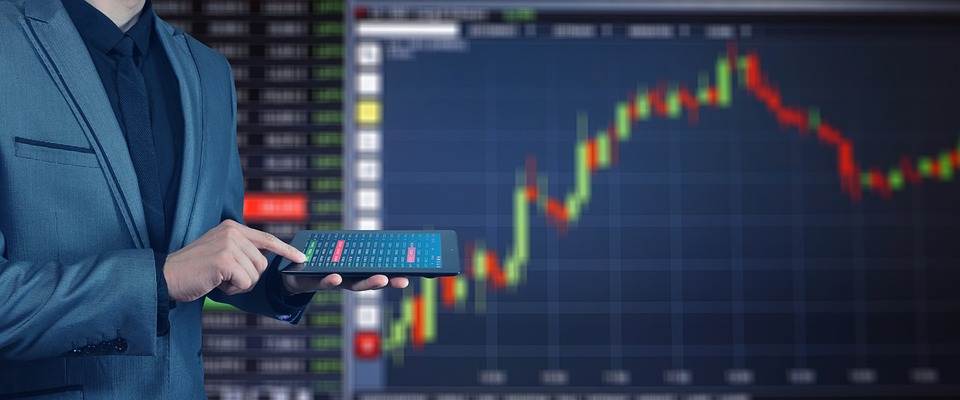
AI has developed at an incredible rate, and through increased investment in this technology, AI is making its mark on several industries. The financial trading industry has benefitted from this, as AI can sift through large amounts of data much quicker and more accurately than ever. Machine learning makes it easier to identify patterns and market trends as and when they happen to make well-informed trading decisions.

Improved decision-making with AI

AI has advanced the decision-making process within finance by analyzing vast amounts of data with greater efficiency and accuracy than any human. Complex and sophisticated AI-powered algorithms can identify relevant patterns and relationships. This will help traders make well-informed decisions and act accordingly concerning the information provided.

AI algorithms can play a vital role in enabling traders to make well-informed decisions regarding currency trades and also when taking broader economic factors into account. In the context of the US Dollar Index (DXY), AI helps traders make informed decisions based on the dollar’s performance against other currencies. Being the benchmark indicator of the value of the US Dollar in comparison to other major currencies, being able to the DXY will help with more efficient tracking of market trends. Consequently, traders can be more confident when deciding how to optimize portfolio allocation.

Another notable example lies in the field of quantitative trading. AI algorithms can analyze market trends and predict price movements more quickly and accurately than the human eye. Traders can then take this information and use it to make any necessary adjustments to trading strategies. This, in turn, can lead to a significant improvement in potential profitability. Not only that, but the ability of AI to provide this information in real-time gives unrivaled opportunities for a more efficient decision-making process. Traders can respond quickly to the latest market changes and events to keep up with the fast world of financial trading.

Enhanced risk management

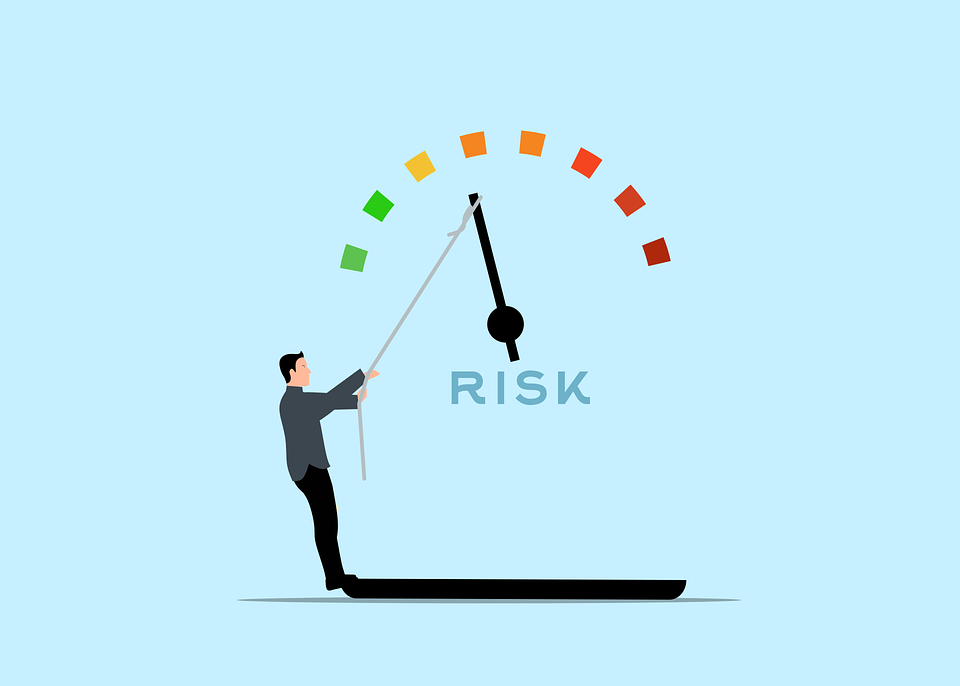
In financial trading, managing risk is always a top-listed priority. Traders will always favor being in a position to identify potential risks before they have a significant impact on their portfolios. They can act accordingly and mitigate those risks to ensure a higher probability of successful trading.

Before integrating such a program, make sure to learn more about AI driven automation and how it can be utilized in your business setting. This is where artificial intelligence excels, as it can analyze and interpret vast amounts of data in real-time.

One very important way in which AI can help with risk mitigation is by identifying potentially fraudulent activity. AI algorithms can sift through relevant information like transactional data to identify patterns that might indicate fraudulent activity. This includes unusual trading volumes or abnormal price movements. Traders are then one step ahead of the game and better equipped to take quick action.

Another helpful way AI can help with enhanced risk management is by assisting traders in reducing operational risks. For example, AI algorithms can effectively analyze trading data in order to pinpoint any potential errors or issues that may exist with trading algorithms. With this information, traders can take corrective action before such matters can have a chance to lead to significant financial loss.

The use of AI in financial trading is arming traders with powerful tools to make well-informed trading decisions without unnecessary delay. As this technology continues to evolve, the benefits provided will surely skyrocket, with previous limitations falling away. AI gives a competitive advantage that surpasses the abilities of human-only analysis. The benefits of AI in financial trading are clear, and you can’t deny that this growing relationship will surely shape the future of the financial trading industry.

Abia Must Move Forward – Home of Prosperity through Enterprise! 

0

Feels great. Instead of waking up early for Saudi Arabia or Brazil or Rwanda, one has been up since 3am for God’s Own State, for Dr Alex Otti’s Governorship Transition and Advisory Council. Good People, Abia MUST move forward. The gateways to Nigeria’s opportunities pass through Abia State. You’re invited – this is the home of prosperity through enterprise! 


We’re all ABIANs because we’re God’s own people. Come over here, all citizens of the world.

“Abia State will rise because Abia has the capacity, people and knowledge to make Abia great. … Let us serve Abia… This Council is inaugurated” – Mr. Governor-elect, Dr Alex Otti, just finished inaugurating members of the Governorship Transition Council. Our work begins.


Every Abian has the spirit of enterprise. Dr Ngozi Okonjo-Iweala, the Director General of the World Trade Organization, and an Abian, spoke before members of Dr Alex Otti  Governorship Transition Council today. In a really moving speech, using words/phrases like “my state”, “visiting Ariaria Aba”, you get the sense that home is home and everyone wants his or her home to advance.

Ndi Abia, this is the time. Your daughter is in charge of global trade and our state’s motto is “prosperity through enterprise”, the only option is MOVING FORWARD.

Abia is open for business! I want the world to converge in our state.