DD
MM
YYYY

PAGES

DD
MM
YYYY

spot_img

PAGES

Home Blog Page 4263

The Jobs-To-Be-Done Theory: How Companies Can Uncover the Hidden Motivations of Customers and Achieve Innovation Success

0

The theory of Jobs-to-be-done, JTBD, was developed by Tony Ulwick in 1990 and was popularized a decade later by Clayton M. Christensen. In his 2003 book, ‘’The innovator’s solution’’ Christensen presented the JTBD theory as a model for entrepreneurs and developers to develop and ascertain a checklist of innovation success before launching their products or services to the market. The theory is based on the premise that customers have initiative, are motivated by different factors in different contexts, and could choose to decline or buy whatever a company is trying to sell to them.

However, when people prefer the offering of a brand to those of its dozens of competitors, it mostly implies that the preferred brand has a superior business model, not necessarily a superior product or service, which inspires a deep sense of connection of the customers to it.

The theory also showcases there is a thin line between a product and its user’s behaviour. Rather than purchase goods or services for their own sake, people mostly spend their money on goods and services in order to satisfy a need under specific circumstances. In other words, people mostly unconsciously acquire goods and services as a means to an end. Therefore, innovation must be driven by an awareness of the gaps that needs to be filled by the users.

Irrespective of the size of budget and the pool of skills that goes into the innovation process, success is invariably determined by the extent to which the developer or innovator understands the job that people feel needs to be done, and the extent to which a solution (product or service) developed out of this understanding meet users’ expectation.

The process of inquiry into the job that needs to be done must be traced down to specific context, such as understanding the what, who, where, or when. Critically analyzing an offering in terms of its functional, social and emotional relevance to the user constitute the very heart of the JTBD theory. The developer also works with relevant data, such as, the user’s age-category, family status, and financial status which offer insights that can be used to predict user behavior.

Furthermore, interrogating the JTBD of a business enables companies to better understand their competitive landscape and gain insight about previously unnoticed competitors, as well as understand the main drivers behind the why in the customer’s mindset, be it social or emotional.

Studies have shown that most innovation efforts which fall short of expectations in the market are merely driven by their functional uses while their social and emotional uses are often downplayed. It is believed that the social and the emotional components of a product are what invariably inform user preferences and subsequent adoption of the product when people are presented with many alternatives.

How understanding the JTBD drives innovation success and triggers higher customer interest in specific offerings of companies are shown in the following cases:

Case1: Beat Headphones and Making of High-school Cool kids

The maker of Beat headphones was able to capture a substantial market share in the United States despite being considered to offer products of lesser quality compared to brands such as Bose or JBL. However, it transpired that Beat Electronics recorded success in that product line due to its ability to appeal to the high-status craving of most teenagers. Also, due to the brand’s association with American rapper, Jay-Z, users of Beat headphones are seen as “the cool kids” in high school.

Case2: Snapchat, a go-to place for teenagers craving unrestrictive fun

The success initially recorded by social media app, Snapchat, has been attributed to the brands ability to address the social and the emotional component of its offering. Snapchat reportedly reached 190 million daily active users in 2019 despite fierce competition. The customer base of Snapchat users is much younger than that of other social media. The differentiated feature of the social media app is that messages do not stay long the recipient phones. Thus, at the time it launched, Snapchat was able to address the needs of teenagers who have long avoided parental scrutiny.

Resources:
The Innovation Revolution in Agriculture: A Road Map to Value Creation. Hugo Campo Editors
Paypal Announces Launch of US Dollar Stablecoin PYUSD, Issued by Paxos

0

Paypal, a global online payment platform, has announced that it will launch its own US dollar-backed stablecoin a digital currency that is pegged to a fiat currency or a basket of assets, PYUSD in partnership with Paxos Trust Company, a regulated and licensed issuer of digital assets. This move has significant implications for the future of the crypto industry, as well as the broader financial system.

Stablecoins are designed to reduce the volatility and risk associated with cryptocurrencies, which often fluctuate wildly in value. They also offer faster and cheaper transactions than traditional payment methods, as well as greater transparency and security. By issuing its own stablecoin, PayPal could leverage its existing network of millions of users and merchants and offer them a new way to store and transfer value online.

However, PayPal’s stablecoin also poses some challenges and risks. For one thing, it could face regulatory hurdles and scrutiny from governments and central banks, who may see it as a threat to their monetary sovereignty and control. For another, it could face competition from other stablecoins, such as Facebook’s Diem (formerly Libra), or from central bank digital currencies (CBDCs), which are being developed by several countries around the world.

According to a press release, PYUSD will be available for Paypal users to buy, sell, hold and transfer within the Paypal app, as well as to use it for payments across its network of 32 million merchants worldwide. The stablecoin will also be integrated with Venmo, PayPal’s mobile payment service, in the near future.

Paypal said that PYUSD will offer its customers a convenient and secure way to access the benefits of blockchain technology and cryptocurrencies, without the volatility and complexity associated with other digital assets. PYUSD will be fully backed by US dollars held in reserve by Paxos and will be redeemable at any time at a 1:1 ratio.

Paxos, which already provides Paypal with custody and trading services for its existing crypto offerings, will issue and manage PYUSD on its own blockchain platform, Paxos Chain. Paxos Chain is a permissioned, proof-of-authority network that leverages the Ethereum Virtual Machine (EVM) and is compatible with the Ethereum ecosystem. Paxos said that PYUSD will be compliant with the highest regulatory standards and will undergo regular audits and attestations.

Another benefit of PYUSD is its interoperability with other digital assets and platforms. As a stablecoin issued on Paxos Chain, PYUSD can be easily transferred to other Ethereum-based tokens or applications, such as decentralized exchanges, lending platforms or gaming platforms. Users can also swap PYUSD for other cryptocurrencies or fiat currencies on Paypal or Paxos platforms or redeem it for US dollars at any time.

Dan Schulman, president and CEO of Paypal, said: “We are excited to introduce PYUSD, a new way for our customers to access the potential of digital currencies and blockchain technology. PYUSD will enable millions of people to participate in the digital economy with confidence and ease. By partnering with Paxos, a leader in the digital asset space, we are able to offer a stablecoin that meets the highest standards of trust, transparency and regulatory oversight.”

Charles Cascarilla, CEO and co-founder of Paxos, said: “We are proud to collaborate with Paypal on the launch of PYUSD, a groundbreaking stablecoin that will bring more innovation and inclusion to the global financial system. Paxos is committed to creating a more open and accessible digital economy for everyone. By issuing and managing PYUSD on our platform, we are providing a secure and scalable infrastructure for this new form of money.”

Full List of Screened and Confirmed Ministerial Nominees by the Nigerian Senate

0

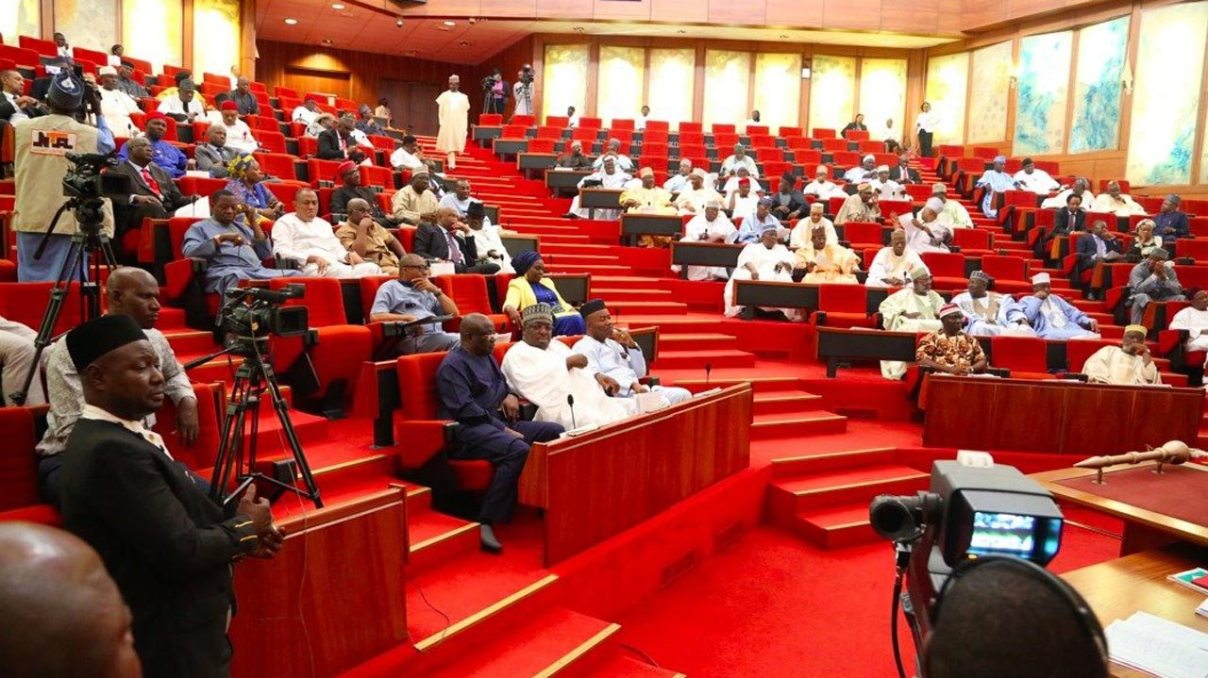
The Nigerian senate has screened and confirmed 45 out the 48 ministerial candidates sent to them by president Bola Tinubu.

The three remaining candidates are former governor of Kaduna State, Nasir El-Rufai, Stella Okotete from Delta State and Senator Abubakar Danladi from Taraba State. The confirmation of the trio was reportedly halted based on letters from the Department of State Services (DSS) and the Office of the National Security Adviser, Nuhu Ribadu, urging the lawmakers not to confirm them.

El-Rufai’s confirmation is under serious question over his role in the mass killings in Kaduna State, during his time as a governor. Following his nomination, a group of protesters under the aegis of Secure Nation Group (SNG) staged a protest on the premises of the National Assembly in Abuja, asking the lawmakers not to confirm El-Rufai as minister.

The SNG said the Tinubu-led government should investigate and prosecute El-Rufai, who has been accused of religious and tribal bigotry, over alleged genocidal attacks on predominantly Shia Muslim communities in Kaduna State.

Also, some top Nigerian lawyers from Juryman Associate Chambers are Aare Oladotun Hassan, Esq, Principal Partner/Secretary, Nigerian Bar Association (NBA) Epe Branch/ Executive Director, Lawyers For Justice Reform, and Barr. Myso Nejo had written the 10th Senate, demanding the immediate disqualification of Okotete, who is a former Executive Director of the Nigerian Export-Import Bank (NEXIM).

The petitioners are requesting the Senate to properly investigate Mrs. Okotete over alleged massive corruption allegations against her – round-tripping and recycling of different loans and use of various front-companies as proxies to defraud NEXIM Bank of billions of Naira and Dollars.

Similarly, Danladi was reportedly barred in 2019 from contesting or holding political offices for 10 years over forgery. He was barred in 2019 from

contesting or holding political offices over alleged certificate forgery and age falsification. The ban, which was subsequently, upheld by the Court of Appeal and the Supreme Court, follows confirmation that he presented a forged document to the Independent National Electoral Commission (INEC).

Those screened and confirmed are:

  • 1. Abubakar Kyari Borno State
  • 2. Abubakar Momoh

Edo State

  • 3. Nyesom Wike

Rivers State

  • 4. Prof. Joseph Utsev

Benue State

  • 5. John Eno

Cross River State

  • 6. Bello Mohammed

Sokoto State

  • 7. Mohammed Badaru Abubakar

Jigawa State

  • 8. Yusuf Maitama Tuggar

Bauchi State

  • 9. Uju Ken Ohaneye

Anambra State

  • 10. Olubunmi Tunji Ojo

Ondo State

  • 11. Nkeiruka Onyejeocha

Abia State

  • 12. Betta Edu

Cross River State

  • 13. Imaan Suleiman

Nasarawa State

  • 14. David Umahi

Ebonyi State

  • 15. Adebayo Olawale Edun

Ogun State

  • 16. Ahmed Musa Dangiwa

Katsina State

  • 17. Uche Nnaji

Enugu State

  • 18. Dele Alake

Ekiti State

  • 19. Waheed Adebayo Adelabu

Oyo State

  • 20. Muhammad Idris

Niger State

  • 21. Prof. Ali Pate

Bauchi State

  • 22. Dr Doris Uzoka

Imo State

  • 23. Lateef Fagbemi (SAN)

Kwara State

  • 24. Ekperikpe Ekpo

Akwa Ibom State

  • 25. Hannatu Musawa

Katsina State

  • 26. Ibrahim Geidam

Yobe State

  • 27. Aliyu Sabi Abdullahi

Niger State

  • 28. Heineken Lokpobiri

Bayelsa State

  • 29. Alkali Ahmed Sa’eed

Gombe State

  • 30. Dr. Yusuf Tanko Sununu

Kebbi State

  • 31. Atiku Bagudu

Kebbi State

  • 32. Bello Matawalle

Zamfara State

  • 33. Adegboyega Oyetola

Osun State

  • 34. Simon Bako Lalong

Plateau State

  • 35. Abdullahi Tijjani Gwarzo

Kano State

  • 36. Bosun Tijjani

Ogun State

  • 37. Dr. Mariya Mahmoud

Kano State

  • 38. Dr Isiyaka Salako

Ogun State

  • 39. Dr Tunji Alausa

Lagos State

  • 40. Lola Ade John

Lagos State

  • 41. Prof. Tahir Mamman

Adamawa State

  • 42. Zephaniah Jissalo

F.C.T

  • 43. Uba Maigari Ahmadu

Taraba State

  • 44. Shuaibu Abubakar Audu

Kogi State

  • 45. Festus Keyamo (SAN)

Delta State

As Naira Forex Bites, Shoptreo Sees Massive Growth in its B2B Fashion Marketplace in Nigeria

0

It was an idea and they came to “Tekedia Startup Masterclass: from startup idea to unicorn”. And over months, they refined their business model. They doubled revenue in June. And doubled again in July. Two things were catalytic (will hold those for their strategic competitiveness). Shoptreo is a pioneering B2B fashion retail platform in Nigeria, which connects fashion manufacturers (yes, tailors) in the informal sector to distributors. 

Powered by the trio of innovation, customer-centricity, and pursuit of excellence, they have great results: “Shoptreo has witnessed a tremendous 521% growth over a span of 7 months. This exceptional growth can be attributed to the implementation of a community-based customer approach and retail finance, resulting in a 129% increase in user base over this space of time. 

“This approach has not only facilitated targeted audience engagement and reduced marketing costs, but has also solidified Shoptreo’s position as a trusted player in the fashion retail market across various regions in Nigeria.” They operate in Kano, Aba, etc, scaling Made in Africa. And the forex crisis in Nigeria is helping since many people are going local since the foreign alternatives have become very expensive.

Congratulations Emmanuel (Tochukwu) Jacobs  and George (C) Uteh  for the growth. And Good People, tell your fashion manufacturer (the preferred terminology here for tailors) to join the Shoptreo movement at shoptreo.com. They will turn that tailoring designer, shoe designer, etc into a businessperson with scale.

In this season, I am chronicling some of the startups which began life in Tekedia Institute. Dozens come here, yearly, and our impacts are huge. This is the temple where you master how to build in Africa!

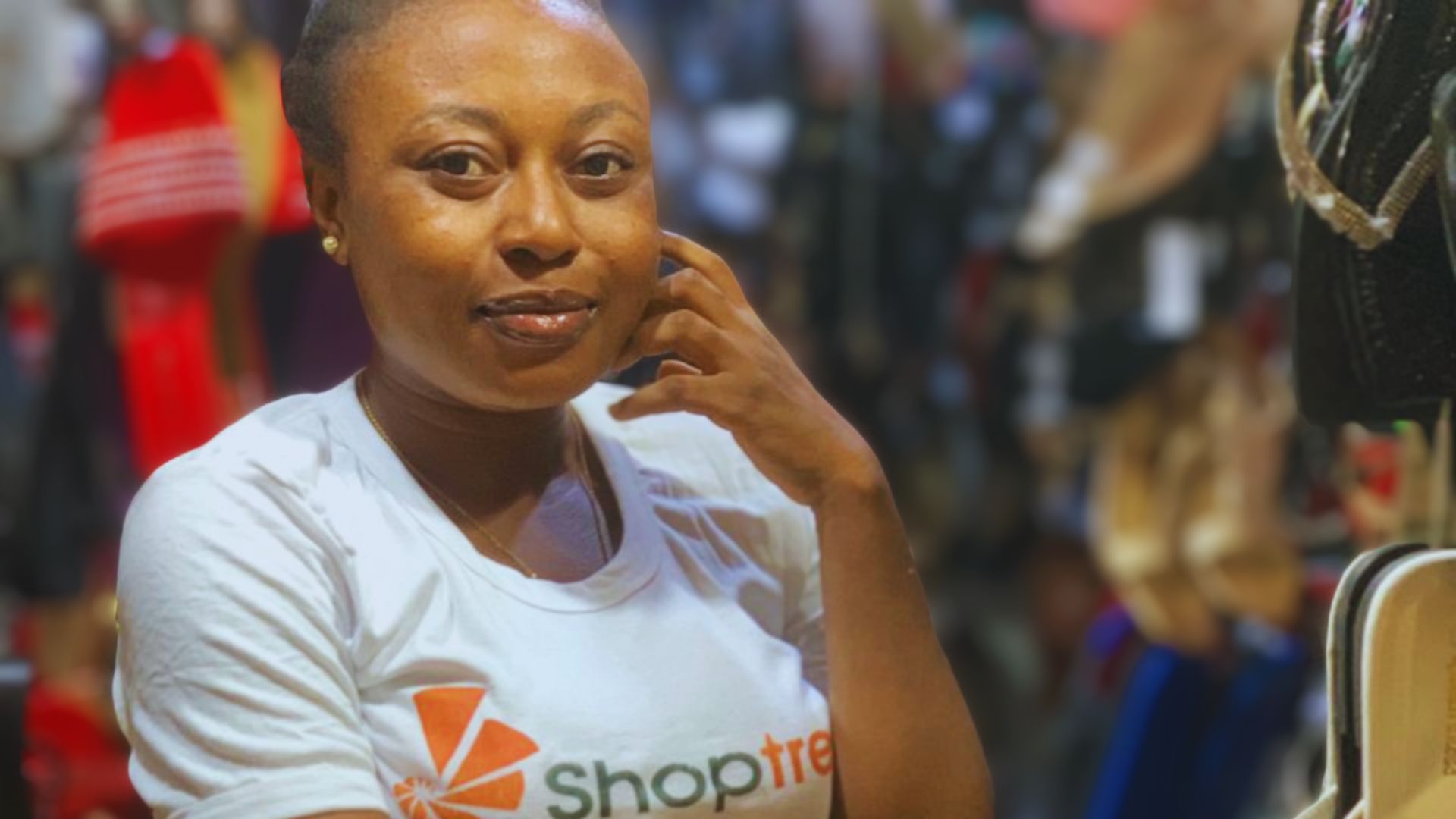
(Photo: she owns a fashion company. Shoptreo distributes as much as she can make. Now, she gets finance to produce more.)

—Press Release

Shoptreo is excited to announce significant achievements and progress made in 2023

Shoptreo is the pioneering B2B fashion retail platform in Nigeria dedicated to bridging the gap and connecting fashion manufacturers in the informal sector to distributors. With an unwavering commitment to innovation and customer-centricity, Shoptreo aims to revolutionize the retail fashion industry.

Since its launch, Shoptreo has experienced remarkable growth and has reached important milestones, establishing itself as a prominent player in the fashion retail industry. The company’s continuous focus on innovation, customer-centricity, and pursuit of excellence has been integral to its success.

Shoptreo has witnessed a tremendous 521% growth over a span of 7 months. This exceptional growth can be attributed to the implementation of a community and referral-based customer approach and retail finance, resulting in a 129% increase in user base over this space of time. This approach has not only facilitated targeted audience engagement and reduced marketing costs but has also solidified Shoptreo’s position as a trusted player in the fashion retail market across various regions in Nigeria.

To better cater to its customers’ needs, Shoptreo has expanded its range of products and services. The platform now offers an affordable delivery option, ensuring the prompt and reliable shipment of orders. Furthermore, Shoptreo provides retail financing solutions that allow our retailers, especially SMEs and MSMEs in the informal sector, to receive goods upfront, with a portion available on credit. This strategic initiative minimizes recurring delivery expenses and facilitates efficient business expansion for customers.

The provision of flexible financing options by Shoptreo has not only enhanced customer loyalty but also improved customer retention. By enabling customers to have positive purchasing experiences through convenient payment options, Shoptreo has significantly increased the likelihood of customers returning for future purchases. This loyal customer base is essential for sustaining growth and driving profitability.

Shoptreo’s adoption of retail financing has attracted a broader customer base, allowing individuals to make larger purchases regardless of their financial constraints. As a result, the company has experienced accelerated business growth. Through effective management of cash flow and revenue, Shoptreo has been able to re-invest in marketing efforts, and customer acquisition. This has fueled the expansion of the business and facilitated sustained growth.

Shoptreo has also established vital strategic partnerships with top logistics companies, enhancing its capabilities in providing affordable and efficient delivery services. These alliances ensure an exceptional customer experience, characterized by swift and reliable order fulfillment.

Shoptreo takes pride in its expanding team, comprising industry professionals who share a common passion. The diverse expertise of the team members has played a pivotal role in propelling the company’s vision forward and achieving outstanding results. Shoptreo’s customer monthly conversion rate has increased from 27% to 31%, while the company have grown its gross merchandise value by over 100% in one month.

“We are thrilled by the substantial progress we have made in 2023. Our achievements reflect the hard work of our dedicated team and the continuous support from our customers,” stated Shoptreo CEO, Uteh George.

United Arab Emirates Launches Blockchain Powered Carbon Credits System

0

The United Arab Emirates (UAE) has announced the launch of a blockchain-powered carbon credits system that aims to reduce greenhouse gas emissions and promote sustainable development. The system, which is the first of its kind in the Middle East, will enable companies and individuals to buy and sell verified carbon credits that represent reductions or removals of carbon dioxide from the atmosphere.

Carbon credits are a type of environmental asset that represent a reduction of greenhouse gas emissions. They can be traded in the market or used for compliance purposes by entities that have emission reduction targets. However, the current carbon credit system faces several challenges, such as lack of transparency, high transaction costs, and risk of fraud.

Blockchain technology can offer a solution to these problems by creating a decentralized, secure, and verifiable platform for carbon credit issuance, trading, and verification. Blockchain is a distributed ledger that records transactions in a peer-to-peer network, without the need for intermediaries or central authorities. Blockchain can ensure the integrity, traceability, and immutability of carbon credit data, as well as facilitate the automation and standardization of processes.

Some of the potential benefits of blockchain powered carbon credits system are:

Enhanced transparency and trust: Blockchain can provide a public and immutable record of carbon credit transactions, as well as the underlying emission reduction activities and verification results. This can increase the confidence and credibility of the carbon market, as well as reduce information asymmetry and corruption.

Reduced transaction costs and complexity: Blockchain can enable faster and cheaper transactions, as well as eliminate intermediaries and intermediation fees. Blockchain can also enable smart contracts, which are self-executing agreements that can automate the execution and enforcement of contractual terms, such as payment and delivery.

Increased market access and liquidity: Blockchain can create a global and open platform for carbon credit trading, where anyone can participate and access the market. Blockchain can also enable peer-to-peer transactions, where buyers and sellers can directly interact and exchange carbon credits without intermediaries. This can increase the market efficiency and liquidity, as well as foster innovation and competition.

The UAE’s Ministry of Climate Change and Environment (MOCCAE) partnered with the Dubai Carbon Centre of Excellence (DCCE) and the International Digital Asset Exchange Association (IDAXA) to develop the system, which is based on the Hyperledger Fabric blockchain platform. The system will use smart contracts to automate the verification, issuance, and transfer of carbon credits, ensuring transparency, security, and efficiency.

The system will also integrate with the UAE’s national greenhouse gas inventory and reporting system, which tracks the country’s emissions and mitigation actions. The system will support the UAE’s efforts to achieve its national and international climate targets, such as reducing its greenhouse gas emissions by 23.5% by 2030 and achieving net-zero emissions by 2050.

The system will offer two types of carbon credits: certified emission reductions (CERs) and voluntary emission reductions (VERs). CERs are issued by the United Nations Framework Convention on Climate Change (UNFCCC) for projects that reduce emissions under the Clean Development Mechanism (CDM). VERs are issued by independent standards for projects that reduce emissions outside the CDM framework. Both types of credits can be traded on the blockchain platform, creating a new market for low-carbon solutions.

The system will also enable the creation of carbon-neutral products and services, such as green electricity, green hydrogen, green mobility, and green tourism. These products and services will carry a label that indicates their carbon footprint and the amount of carbon credits used to offset it. This will help consumers make informed choices and support the transition to a circular economy.

The UAE’s blockchain-powered carbon credits system is expected to launch in early 2024, after a pilot phase that will test its functionality and scalability. The system will be open to all stakeholders in the UAE and beyond, including government entities, private sector companies, civil society organizations, and individuals. The system will also be compatible with other regional and global carbon markets, facilitating cross-border cooperation and innovation.