DD
MM
YYYY

PAGES

DD
MM
YYYY

spot_img

PAGES

Home Blog Page 4331

The law is what the court says it is

0

Recently, I have been getting calls from journalists and reporters requesting me to give them a summarized update on the ongoing INEC/ presidential election saga, they always end it by asking me what I think could likely be the outcome of the case in the election petition tribunal and I will sincerely answer them that I do not know. Honestly speaking, I do not and cannot even as a lawyer predict the outcome of any case in court not to talk of a case as complex as an election petition.

Not just me, no lawyer can truly predict the outcome of any case; even a case you think is a sure banker you may end up losing it on technicalities ground or due to the mischievousness of some judges, if you doubt me ask the lawyers of Bashir Machina in the case of Machina v. Ahmad Lawan/Apc. I can tell you that till the final judgment was delivered, they wouldn’t have believed that they would lose that case.

When a case goes to court, the ball is squarely in the court of the judges; they have both the yam and the knives and they are at the liberty to cut the yam however they like without owing anyone an explanation. Some judges before a case come before them already have their biases and sentiments against a party in the suit and it will take only Jesus Christ to change the mind of the judge against you even if you are the aggrieved party. 

To a judge, the law is not what the statute book says it is the law, the law is what the judges say it’s the law in the courtrooms. A judge can even depart fundamentally from what a statute book postulated while interpreting the law. The judges have the power to not just administer the law but to make laws and correct laws as written in statute books as well; they are that powerful.  A certain jurisprudential definition of law even holds that “the law is what the court says it is the law”.

So going back to what will likely be the outcome of this ongoing case in the election tribunal, honestly, even a mind reader or the greatest seer cannot tell. 

The APC/Tinubu camp, the LP/Obi camp and the PDP/Atiku camp have all armed themselves with at least 10 senior advocates of Nigeria each. Each of the camps has retained the services of the best of the best lawyers Nigeria have ever produced and I can tell you that although each of them could be assuring their employers how they will win the case and the legal tactics and manoeuvring they will use to win the case for their employers, deep down they know that it is the court that determines who wins the case unless any of them have gone through the back door to induce a judge to deliver judgement in their favour. 

So at this point in the case that the candidates are in court contesting who truly won the presidential election, even if there is a sea of evidence that corroborates the fact that a particular candidate won, the court can decide to close its eyes to that evidence and apply technicalities in determining a winner. 

Let’s all watch and see how it unfolds and hope that the best guy wins. I do not care what your lawyers have told you, none of them truly knows the outcome of the case unless the person has paid a judge to influence the outcome of the case. 

Tekedia Live on Global Supply Chain and Logistics, New Book on Amazon

0

One of the world’s finest in the field of supply chain is coming to Tekedia Mini-MBA LIVE. Pick your seat on time because it is going to be amazing.

Join us at Tekedia Mini-MBA Live for a conversation on global supply chain and logistics as a United States 20-year military veteran takes us on an excursion on building effective and resilient supply chain systems.

The Founder of Supply Chain Africa, Adebayo Adeleke,  held powerful positions in the US Army, including the Director of Contracting Operations and Chief of Contracting. He understands the global supply chain, not just in peacetime, but also in war time. He is a zen-master of global supply chain.

At Tekedia Institute Mini-MBA, you learn from the best. Tue at 7pm WAT. Zoom link in the Board

New Book by Faculty

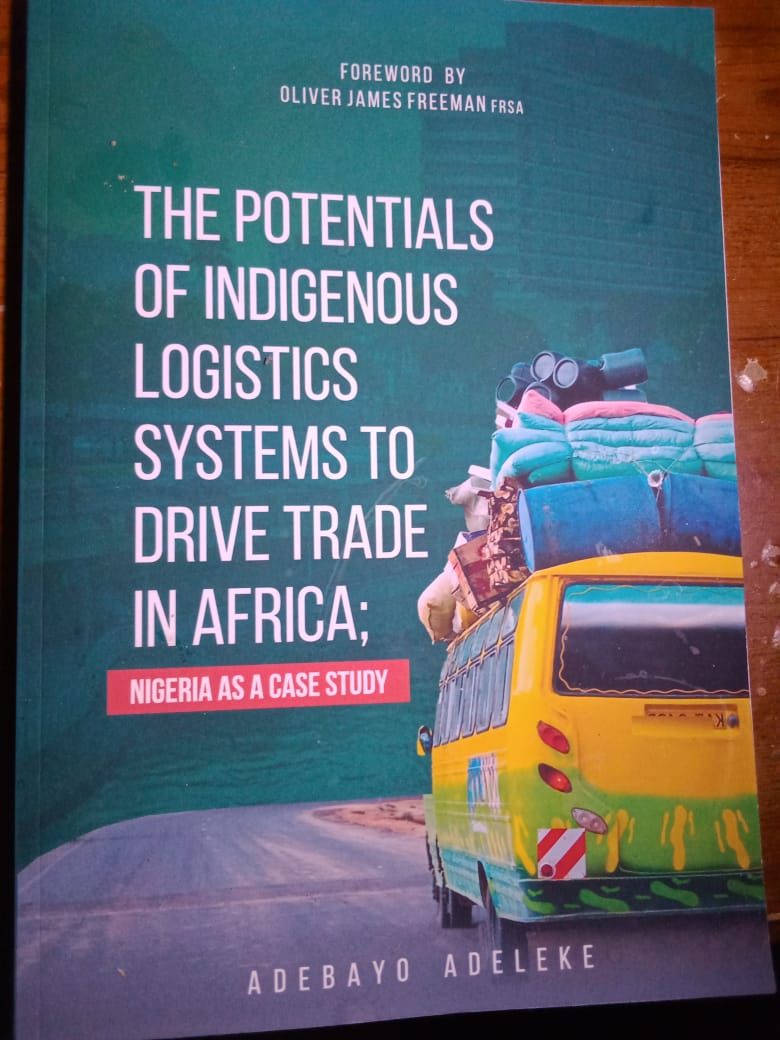
I just finished reading Adebayo Adeleke of Supply Chain Africa’s book on indigenous logistics systems, titled “The Potentials of Indigenous Logistics Systems To Drive Trade in Africa: Nigeria as a Case Study”. This is a masterpiece with fresh perspectives on how to build a supply chain framework that meets the African business-sphere. We do agree that supply chain is commerce, and until Africa can figure out a working model, our capacity to drive growth and development will remain muted.

If you are attending Tekedia Institute Advanced Diploma in Supply Chain and Logistics, with an address in the United States, your copy is on me. Mr Adeleke actually helped in developing that program for the Institute.

For others, check out the book at Amazon here https://www.amazon.com/Potentials…/dp/B0BSWKBYQS . Rated 5 stars and highly recommended.

Crypto Market Capitalization Looking for Support after Series of Liquidations

0

The Crypto Industry is in turmoil as the market cap struggles to find support. Many cryptocurrencies have fallen with it, leading to millions in liquidations. The recent downturn in the market can be attributed to a series of negative news stories affecting the sector, including the shutdown of Silvergate and a lawsuit against KuCoin regarding the alleged sale of unregistered securities. These events have had a significant negative impact on the market

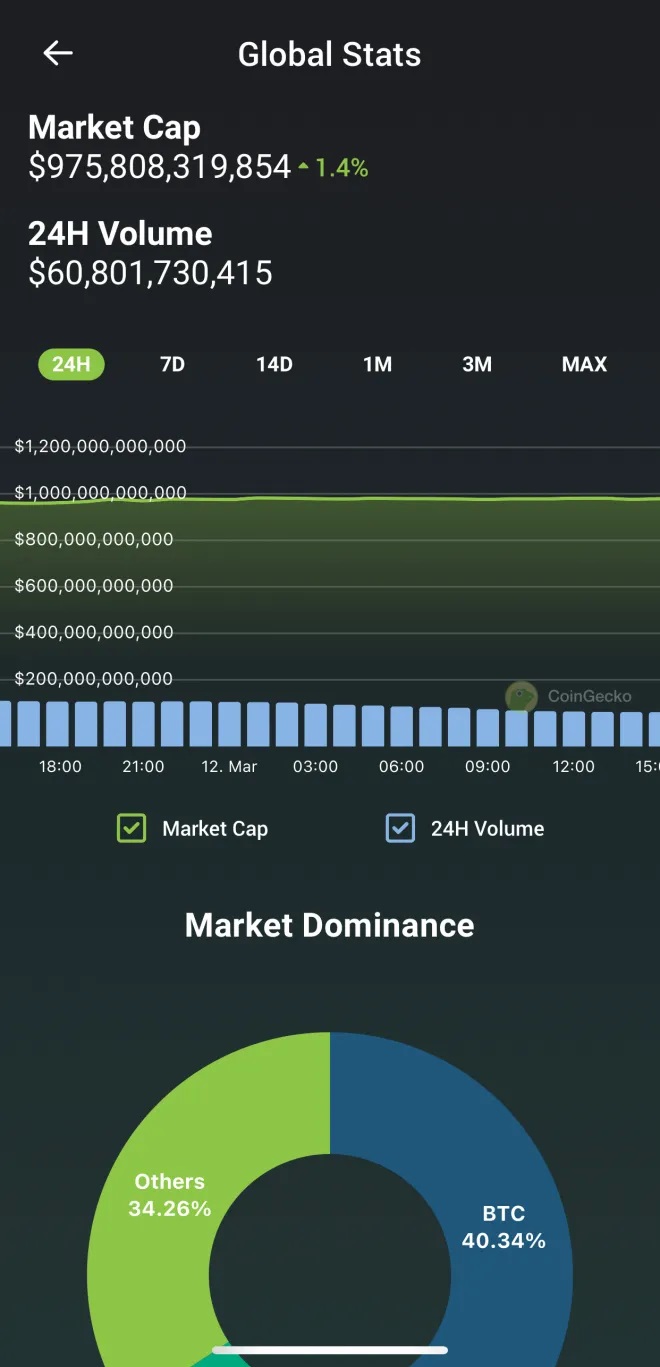
The market cap has undergone a downturn since exceeding the $1.04 trillion resistance level on February 21st, breaking below the $945 billion support level on March 9th.

The cryptocurrency market has taken a hit recently, with the total crypto market cap and Bitcoin (BTC) dropping significantly due to poor performances of major coins following highly negative news. Exchanges such as Coinbase and Huobi have also experienced a significant decline in value, while lawsuits have been rolled out to Kraken and KuCoin, further adding to the market’s instability.

The leading digital asset, Bitcoin, has seen its price fall below crucial horizontal support levels, leading to the recent market crash. This decline has significantly impacted the rest of the market, as many other cryptocurrencies are heavily dependent on Bitcoin’s performance. In addition to poor market performance, faith among investors is low as multiple exchanges take hits.

Ethereum (ETH) has also experienced losses recently due to regulatory concerns. The New York Attorney General’s suggestion that ETH may be considered a security has further fueled the fire started by SEC Chair Gensler, leading to fear among investors and significant price drops. This has led to millions of dollars in liquidations.

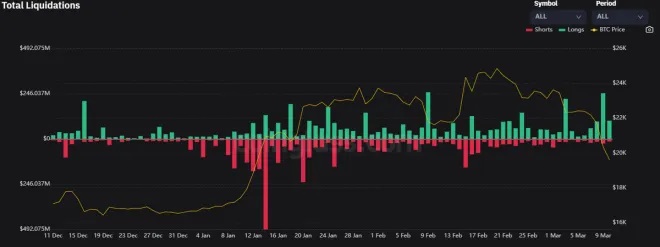
Over the past 24 hours, there have been over $370 million in liquidations, with Bitcoin being the most liquidated at $130 million, followed by Ether with $93 million. Almost all of the liquidations are from traders with long positions, who were not entirely unjustified in opening such positions, as the market had appeared to be building up momentum before the reversal.

The recent downward trend in the crypto market, with Bitcoin and the total market cap both dropping, is a development that affects the entire cryptocurrency community.

The increasing amount of liquidations and ongoing lawsuits against major exchanges like KuCoin and banks such as Silvergate are causing uncertainty in the market, leading to short-term instability.

NIGERIA’S COVID-19 PALLIATIVES: Looting or Stealing? Retrospective Insights from Nigerian Newspapers

0

Like other viruses that devastated people and businesses in the past years of Nigeria’s existence, the COVID-19 pandemic will remain memorable in the minds of many Nigerians for years. The Federal Government of Nigeria implemented targeted lockdown measures in areas where COVID-19 cases were increasing quickly in an effort to slow the virus’ rate of spread. The targeted lockdown was imposed by the federal government in several states, including Lagos, Ogun, and the Federal Capital Territory of Abuja. A partial lockdown was implemented by some states in the nation, and interstate borders were closed.

The people who lost loved ones will never forget the virus in a hurry. Businesses that lost a significant part of their revenue and experienced infrastructural damage due to the looting of the palliatives that trailed perceived hoarding of food and non-food materials meant for the vulnerable

One Ojo informed Voice of America reporter Timothy Obiezu that “we need our palliatives.” In actuality, we are entitled to do so by law. My neighbour next door nearly perished as a result of the COVID-19 pandemic. He was employed as a security guard for a government building before being fired. What can he do? He nearly died of starvation before I gave him a meal of beans and rice. Several mainstream and new media outlets reported views such as this from different locations in the country. According to our observational analysis of the reports, media practitioners believed that people set out to recover what belonged to them using different frames by quoting some people who participated in the ‘looting exercise’ and concerned stakeholders.

In this piece, our analyst takes a retrospective look at what actually transpired between the participants and concerned stakeholders using 162 representative quotes from 50 relevant news stories. These genres are considered because our analyst found them appropriate in establishing the meanings given to the incident by the stakeholders quoted by the newspaper organisations. The Punch, The Nation and The Nigerian Tribune are some of the newspapers where our analyst sourced the news stories from.

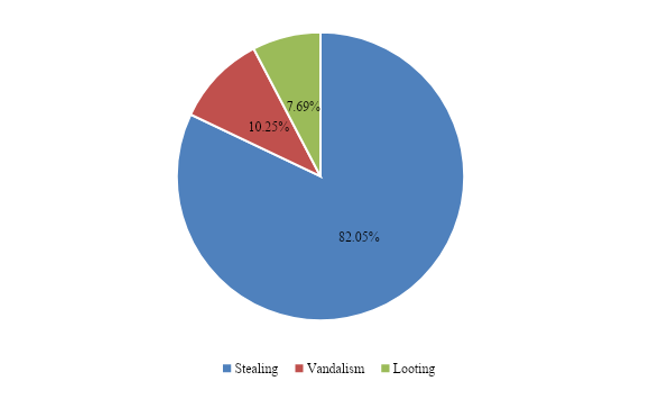
Process tracing analysis of the quotes indicates that Nigerian newspapers used different classifications and names to represent the participants. In some news reports, they were regarded as hoodlums and residents. Some of the stories also revealed the identities of the participants as business owners and employees. However, where business owners and employees were used, the newspapers reported how hoodlums and residents mistakenly looted property that belonged to the business owners and employees, who were quoted as eyewitnesses.

Exhibit 1: Conceptualisation of the incident

Source: Infoprations Analysis, 2023

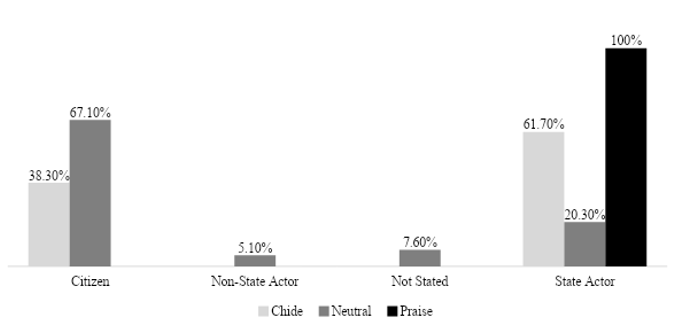
Politicians, governors, deputy governors, commissioners, ministers and security agencies were mostly referenced as state actors, while members of the civic space, social and public affairs analysts, academics, labour unions, youth organisations and activists were considered non-state actors. Thirty-nine out of the 162 quotes had traces that gave meaning to the incident. Surprisingly, our analysis shows that stakeholders could not agree on whether the incident was looting or not. Instead, a large percentage of the stakeholders considered it to be theft and vandalism. In terms of blaming and praising the stakeholders, analysis indicates that state actors were blamed more than the citizens, especially those who participated and were described by the newspapers as hoodlums (see Exhibit 2).

Exhibit 2: Praising and blaming by stakeholder

Source: Infoprations Analysis, 2023

How Blockchain Technology Changed the Gambling Industry

0

The time when gambling was exclusively permitted in shady businesses and hidden corners is long past. The advent of blockchain technology has completely changed how gambling is conducted. Blockchain technology has significantly changed how the gambling business operates. The way gambling is done changed entirely because of the introduction of blockchain technology. With blockchain, gambling is more transparent and safer, which makes it simpler for users to have faith in the platforms they are using to play. As a result, more people are now engaging in online gambling since they feel comfortable and secure doing so.

The day when gambling was only permitted in physical casinos is long gone. The emergence of blockchain technology has significantly changed the gambling sector in several ways. With the use of blockchain technology, gambling is now safer, more open, and available to a wider spectrum of people.

To begin with, blockchain technology has improved the security of gambling. With blockchain technology, all of the transactions that take place on the platform are recorded in a tamper-proof digital ledger. As a result, users are more likely to trust the platform and feel secure about their transactions because all transactions are traced and recorded on the blockchain.

Increased Transparency

When it comes to the security of clients’ finances, the gambling business has long been shrouded in mystery and lacks openness and responsibility. However, there has been a significant change in the way the gambling industry functions with the advent of blockchain technology, and there is now a greater emphasis on transparency and security. The introduction of a more secure and dependable mechanism for making deposits and withdrawals has allowed the industry to move away from the conventional practices of depending on third-party intermediaries to secure consumer cash. Customers may now view their transactions on a public ledger and confirm their legitimacy, resulting in a higher level of transparency.

Blockchain technology and gambling have combined to transform the industry in numerous ways. The gambling sector now enjoys an unparalleled amount of openness, which was before sorely lacking, thanks to the adoption of blockchain technology in online casinos like gclub.org. Players can have more confidence in the game thanks to blockchain technology because every transaction is documented and recorded on the network. Players benefit from a higher level of security as a result of this enhanced openness because the blockchain is immutable, which means that no one can change the records or data.

Blockchain technology offers not only greater transparency but also better game dynamics. Games can now be decentralized thanks to blockchain technology, which means that players don’t have to rely on a centralized server or authority to run the games.

Enhanced Security

The gambling business has undergone a change with the introduction of blockchain technology, ushering in a new era of improved security and trust. Blockchain technology is a digital ledger system that uses safe encryption to record and archive all transactions, giving users confidence that their bets’ outcomes are genuine and unaltered. This has significantly decreased the likelihood of fraud and scams in the sector, enabling customers to safely place wagers on sports with confidence.

Blockchain technology has improved the gambling industry’s security and confidence while also speeding up and streamlining the entire process. By doing away with intermediaries and brokers, blockchain technology enables quicker and more effective transactions.

Faster Transactions

Gambling has existed for almost as long as money itself as a form of entertainment. The sector is now easier to access and more practical thanks to technology. The blockchain revolution has completely altered the gambling industry and the way that players engage with the game. The speed of transactions is the key benefit of blockchain technology for the gambling sector. Transactions on the blockchain happen almost instantly. As a result, players can deposit and withdraw money instantly without having to wait for processing. This makes accessing the gaming experience simpler than before.

The gambling business is being revolutionized by blockchain technology. It has brought in a new era of quicker transactions, enhanced security, and enhanced customer service. Blockchain technology has made it possible for individuals to send money to one another in a matter of seconds or minutes. As a result, it is now much easier for people to participate in online gambling and enjoy their favorite games without having to wait in line or pay high fees. Since all transactions are securely maintained on the blockchain, users can also gain from increased security thanks to blockchain technology. And because it is decentralized, users can be confident that their information won’t end up in the wrong hands.

Improved Fairness

Fairness has been a top concern for the gambling business since its inception. But with the introduction of blockchain technology and related applications, the gambling sector has undergone a complete change. Players may now have confidence that their victories are fair and that their money is secure, thanks to the way that blockchain technology has made it possible to hold gambling providers accountable.

This is because technology has made it possible to create systems that can be trusted to be transparent, secure, and immutable. Distributed ledger technology, which guarantees the fairness of random number generation and protects against any fraudulent activity, is now available to operators and players alike.

Lower Fees and Taxes

Due to its frequently ambiguous legal position, the gambling industry has long been one of the most lucrative but also one of the most heavily taxed business sectors. However, the sector now has a revolutionary possibility to reduce fees and taxes thanks to blockchain technology. Because blockchain networks are decentralized, all transactions take place without the involvement of any centralized authority. This entails that gaming businesses can operate beyond national boundaries and legal systems without having to shell out a lot of money in taxes and fees.

Although gambling has been around for millennia, it has changed as a result of technological advancements. Blockchain technology has completely changed the gambling industry, bringing with it lower costs and taxes, better security, and a host of other advantages. Blockchain technology has caused a significant change in the way we gamble. Blockchain technology enables transactions to be securely recorded without the need for a third party, thanks to its decentralized, distributed ledger. Since there is no need to pay a middleman, fees and taxes have decreased as a result.